
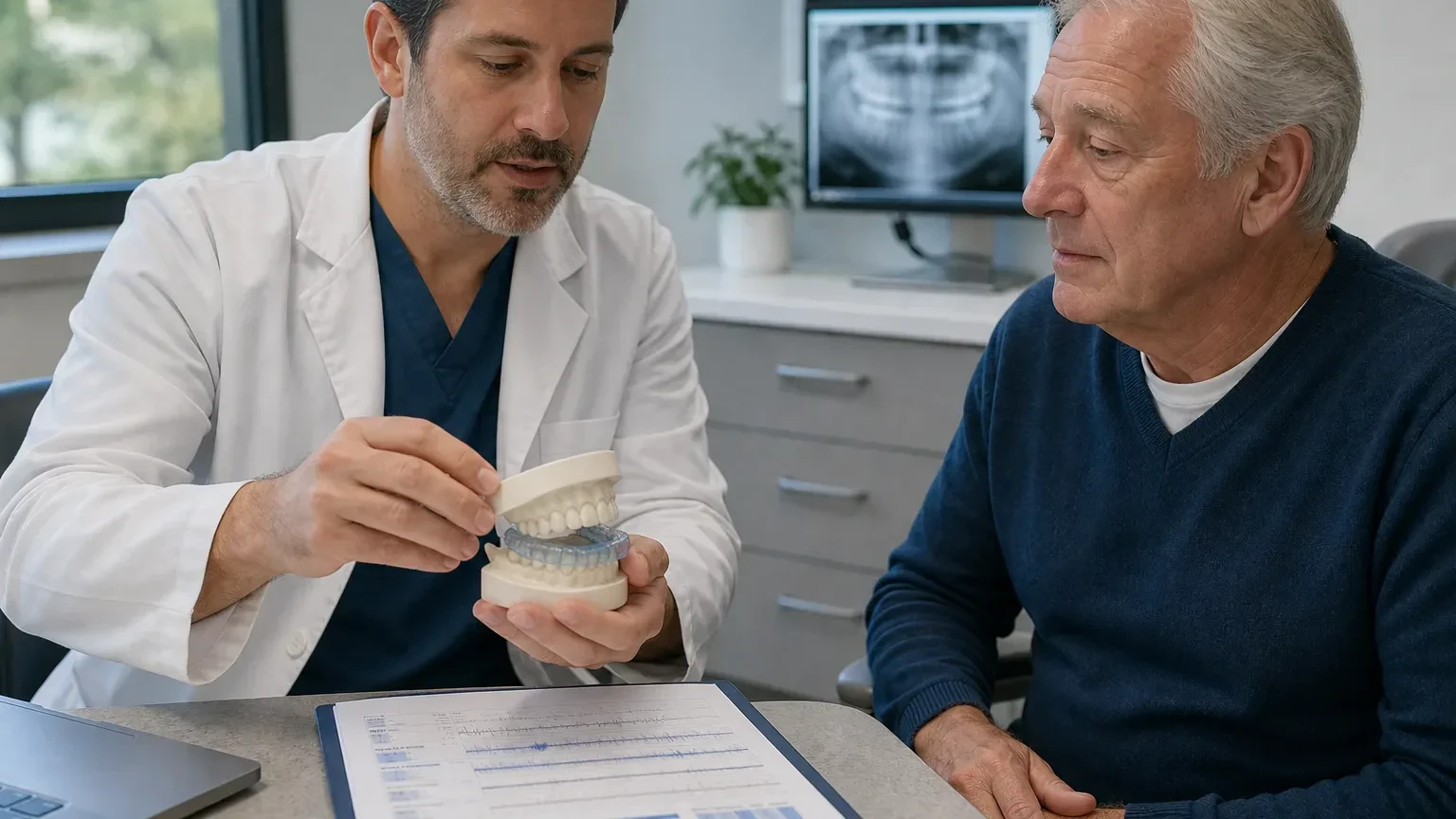
Can A Dentist Treat Sleep Apnea?
Dentists often fit oral appliances after a medical sleep apnea diagnosis. Learn the dentist’s role, limits, and when physician-led care comes first.

Reviewed by Dr. Sean Myran, DMDDoctor of Dental Medicine, University of Pennsylvania
A dentist can play an important role in treating obstructive sleep apnea (OSA)—most often by fabricating and adjusting a custom oral appliance—but that role usually sits under a medical diagnosis and sleep-care plan. Dentists examine teeth, jaws, and bite readiness; physicians (often sleep specialists) diagnose OSA with testing and decide whether CPAP, an oral appliance, surgery, or another path fits. MouthHealthy notes that oral appliances can help keep the airway open and may succeed in some mild to moderate cases. Framing risk honestly prevents both under-treatment and overselling dental devices.
Who is affected matters. People with loud snoring, witnessed pauses, morning headaches, or refractory daytime sleepiness may have OSA—or may have simple snoring—and only testing sorts them. What changes the plan is severity, CPAP tolerance, dental health, jaw joint comfort, and medical comorbidities. A safer path forward is collaborative: medical diagnosis first, then dental appliance care when appropriate, with follow-up that checks both sleep outcomes and tooth/jaw side effects. That sequence ties to how sleep apnea is recognized and who is a candidate for an oral appliance.
Lower Risk Versus Higher Stakes Decisions
- Lower-stakes dental step: evaluating teeth and jaws for appliance readiness after a documented OSA diagnosis and physician referral or clearance.
- Shared decision: choosing a custom appliance when CPAP is not tolerated or when a sleep physician prefers an alternate for selected patients.
- Higher stakes: untreated moderate-to-severe OSA with cardiovascular risk, heavy sleepiness, or occupational safety concerns—medical urgency outranks a retail mouthpiece.
- Unsafe shortcut: buying a boil-and-bite “anti-snore” tray online and calling it sleep-apnea treatment without a diagnosis.
NHLBI explains that providers may prescribe an oral device and refer you to a dentist for a custom fit when CPAP is not wanted or not tolerated. AASM and AADSM guidance supports oral appliances for adults with OSA who are intolerant of CPAP or prefer alternate therapy, with qualified dental delivery. Dentists treat the oral side of that plan; they do not unilaterally declare CPAP obsolete.
Expect your dentist to screen for missing teeth, active gum disease, severe jaw-joint pain, and bite instability that could make advancement appliances unwise. Expect your physician to interpret sleep-study numbers and overall health risk. If either side is missing, pause before paying for a device marketed as a cure. Bring prior sleep-study summaries to the dental visit so titration goals are not guessed from snoring stories alone.
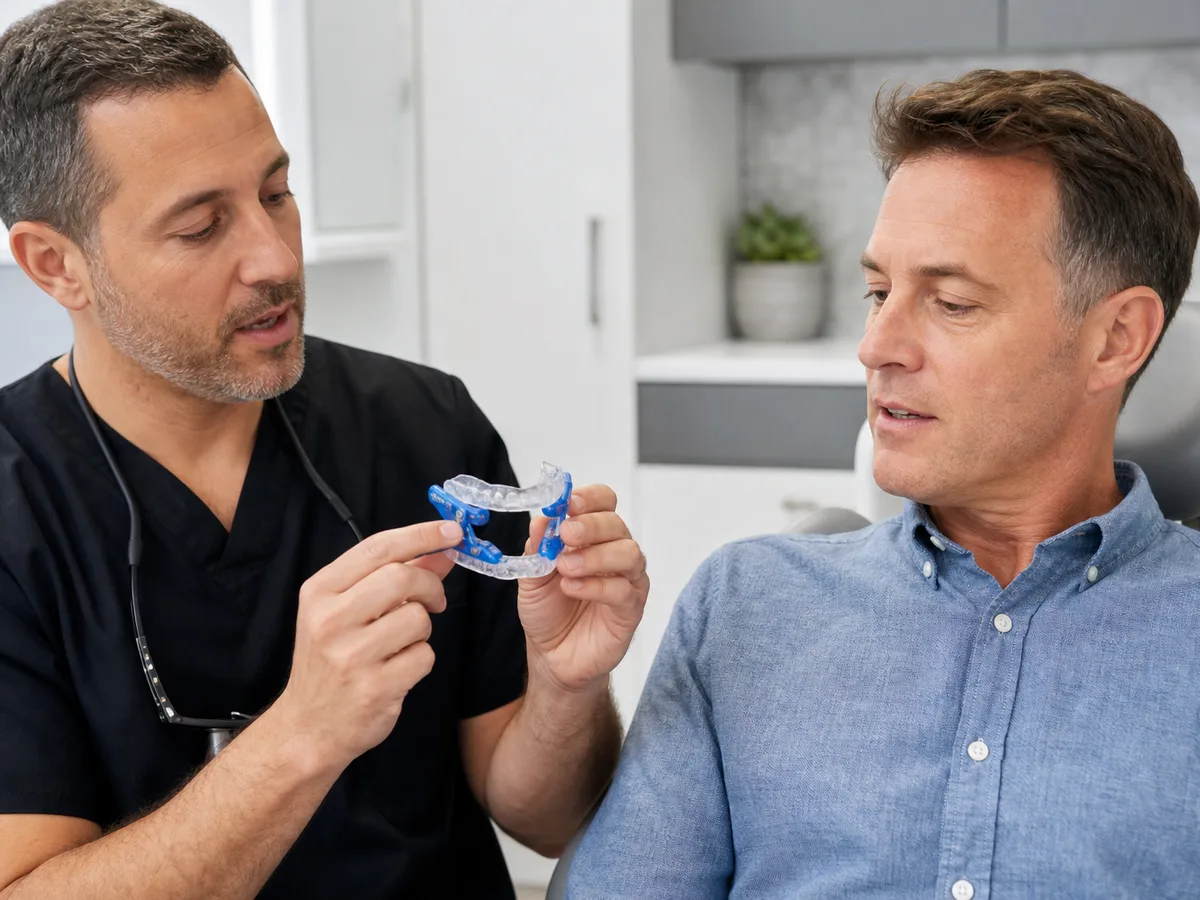 Devices work best inside a care team.
Dental tools, medical diagnosis
An oral appliance is dentistry with a sleep-medicine purpose. Impressions or scans, bite records, and titration visits are dental skills; deciding that you have OSA and how severe it is remains medical. Ask who will order follow-up sleep testing after the appliance is adjusted, and how your dentist and physician will share notes. If a practice promises to “replace CPAP for everyone” without reviewing a diagnosis, treat that claim as a red flag rather than a convenience. Collaboration is the product—not a tray alone.
Safer Path Forward
- Talk with a physician about symptoms and whether a sleep study is warranted.
- If OSA is confirmed, review CPAP and alternatives—including whether an oral appliance is appropriate for your severity.
- See a dentist experienced in dental sleep appliances for candidacy, fabrication, and follow-up.
- Return for adjustments and planned efficacy checks rather than assuming quiet snoring equals cured apnea.
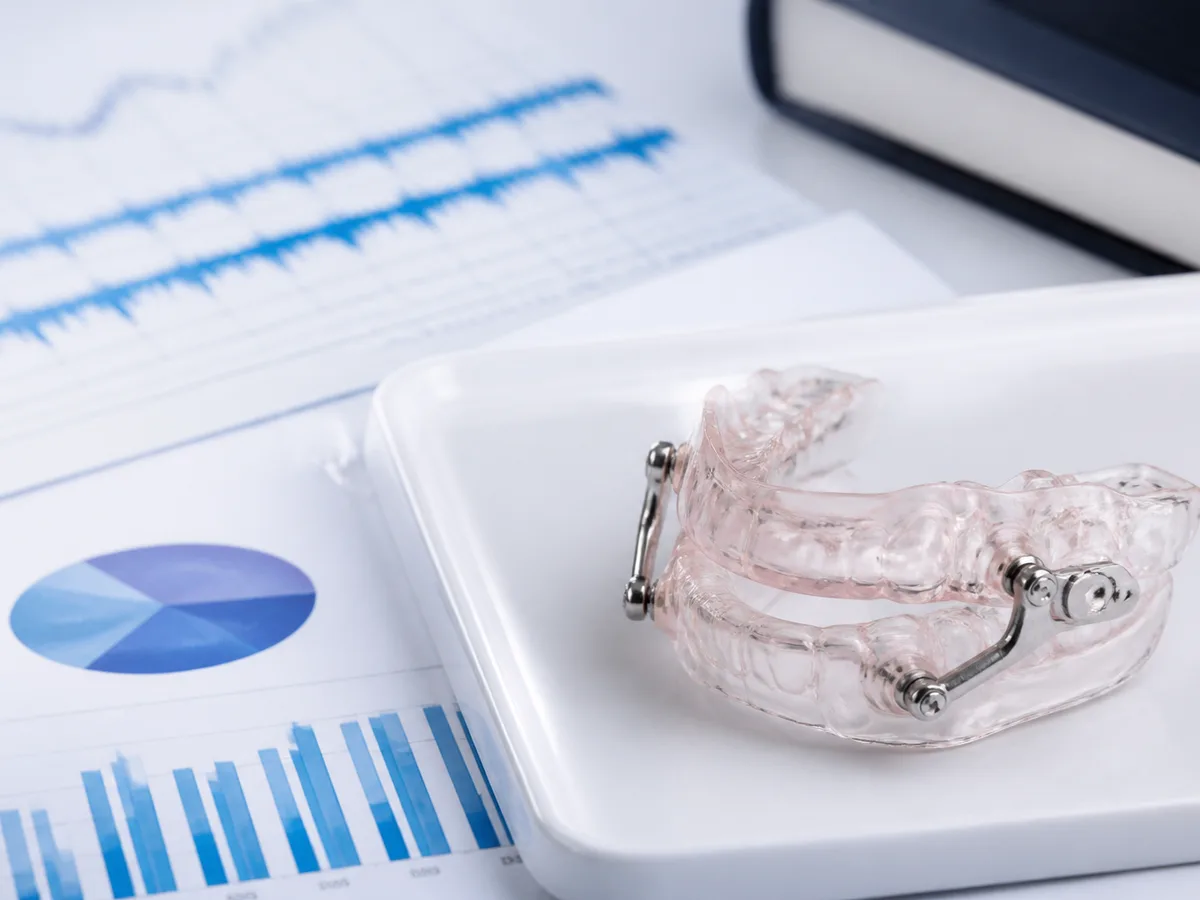 Paperwork and teamwork beat marketing.
Diagnosis first keeps treatment proportional
Bring written study results, CPAP history, and a list of medicines to your dental consultation. Mention jaw clicking, missing molars, or recent orthodontics—details that change appliance design. For a dentist who will coordinate rather than overpromise, use Find a Dentist and note that you need sleep-apnea appliance evaluation after medical diagnosis when you book. Pair that visit with questions from what a dental sleep consultation covers so expectations stay clear.
Yes—dentists often treat OSA with oral appliances under medical guidance. No—that does not mean every snorer should skip physicians or that every appliance replaces CPAP. Use risk framing: diagnose, match therapy to severity, then let dentistry deliver the oral device safely.
Related articles
Keep exploring related topics from Dental Country.
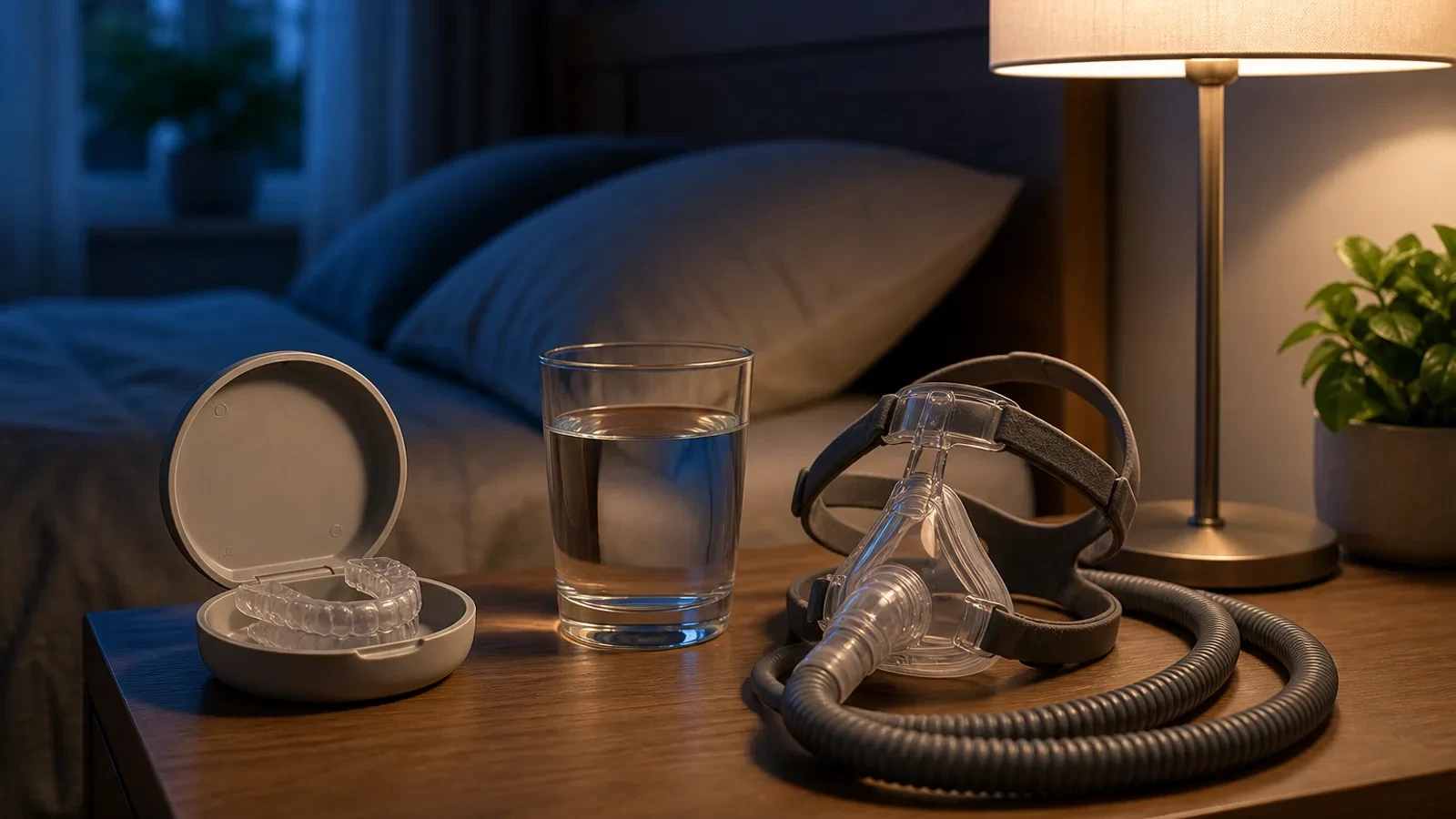
Oral Appliance Vs CPAP: Which Is Better?
CPAP usually opens the airway more reliably, while custom oral appliances can be simpler to travel with and tolerate—so “better” depends on severity, preference, and medical guidance rather than a single winner.
Read article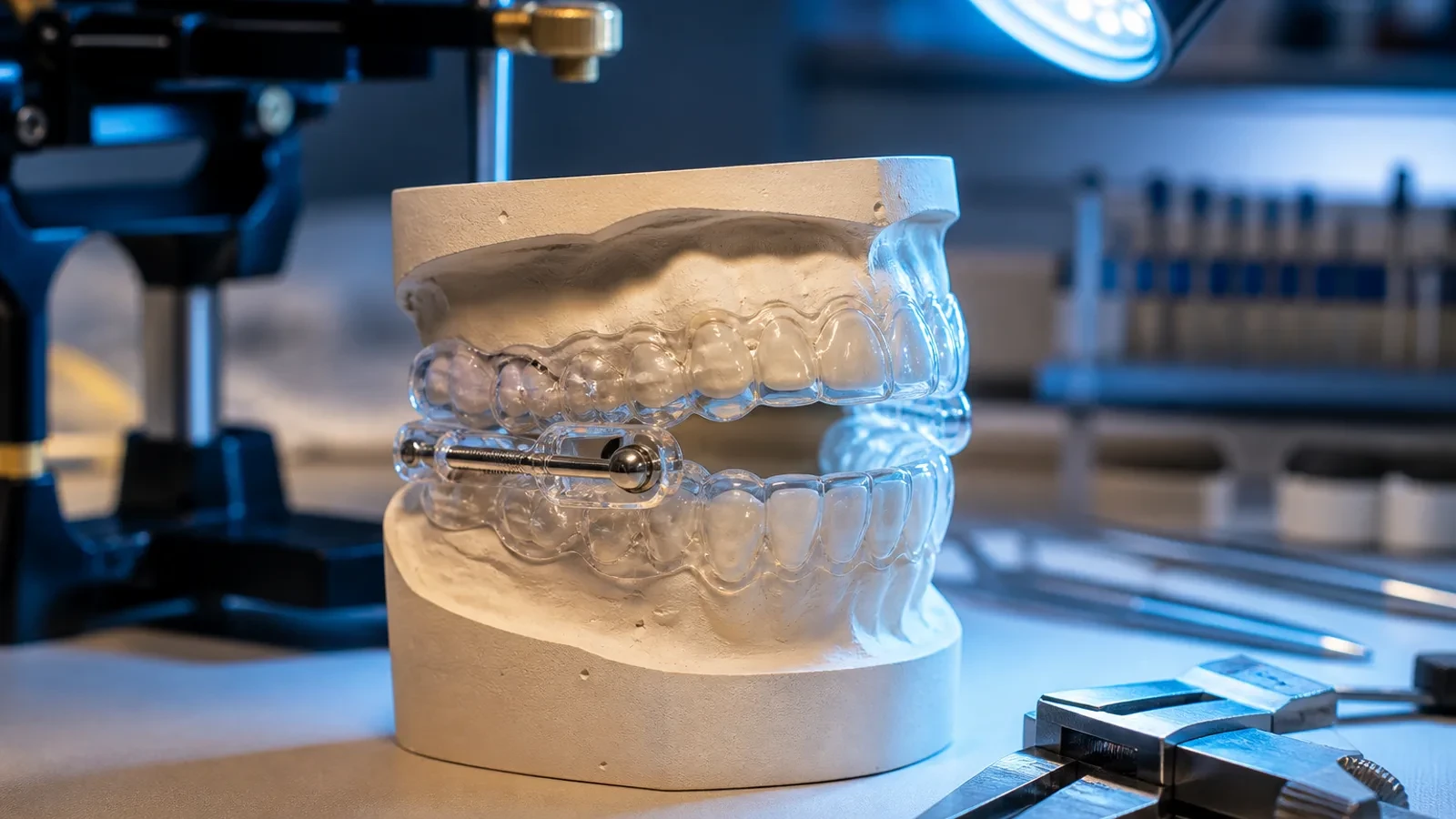
What Is A Mandibular Advancement Device?
A mandibular advancement device is a custom oral appliance that holds the lower jaw slightly forward during sleep to reduce airway collapse in selected people with snoring or obstructive sleep apnea.
Read article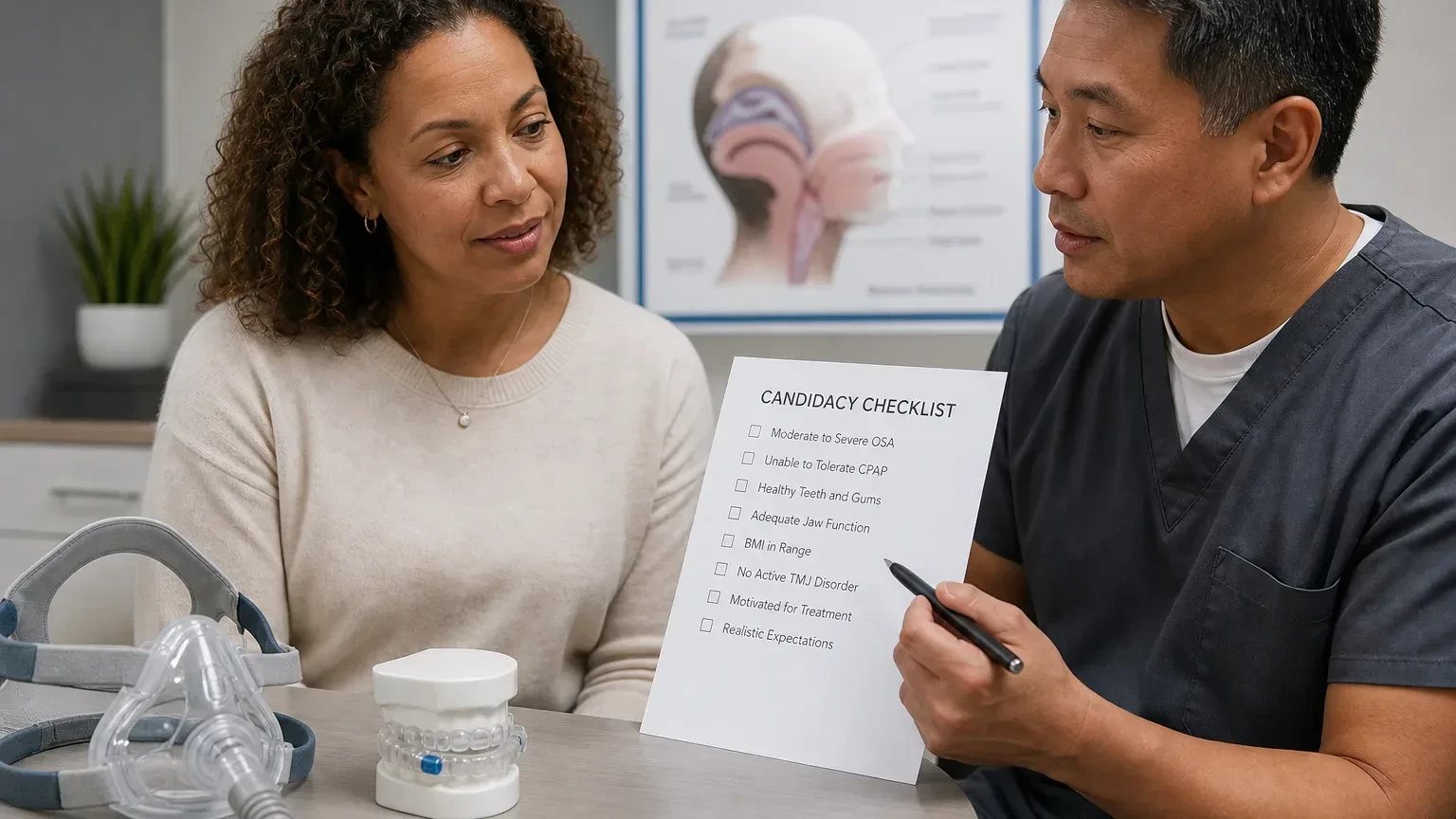
Who Is A Candidate For A Sleep Apnea Oral Appliance?
Strong oral-appliance candidates usually have a confirmed OSA or snoring diagnosis, enough healthy teeth, manageable jaw joints, and a physician plan that supports appliance therapy—especially when CPAP is poorly tolerated.
Read article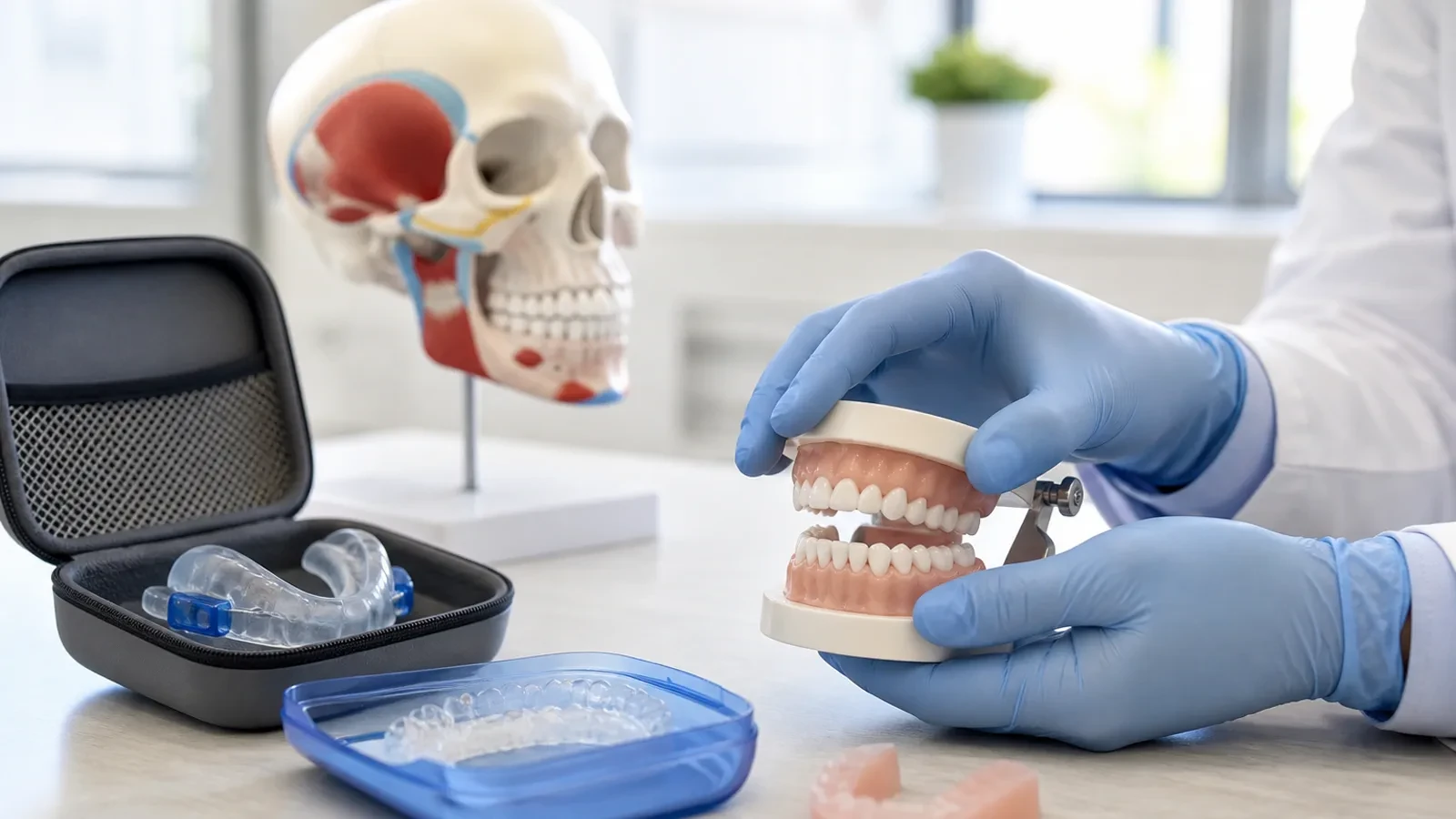
Do Oral Sleep Appliances Have Side Effects?
Yes—custom oral sleep appliances can bring temporary jaw or tooth soreness, excess saliva, and sometimes longer-term bite shifts, which is why dental follow-up is part of safe therapy.
Read article