
How Do You Know If You Have Sleep Apnea?
Sleep apnea signs include loud snoring, witnessed pauses, gasping, and daytime sleepiness. Use this checklist and know when to seek medical testing.

Reviewed by Dr. Sean Myran, DMDDoctor of Dental Medicine, University of Pennsylvania
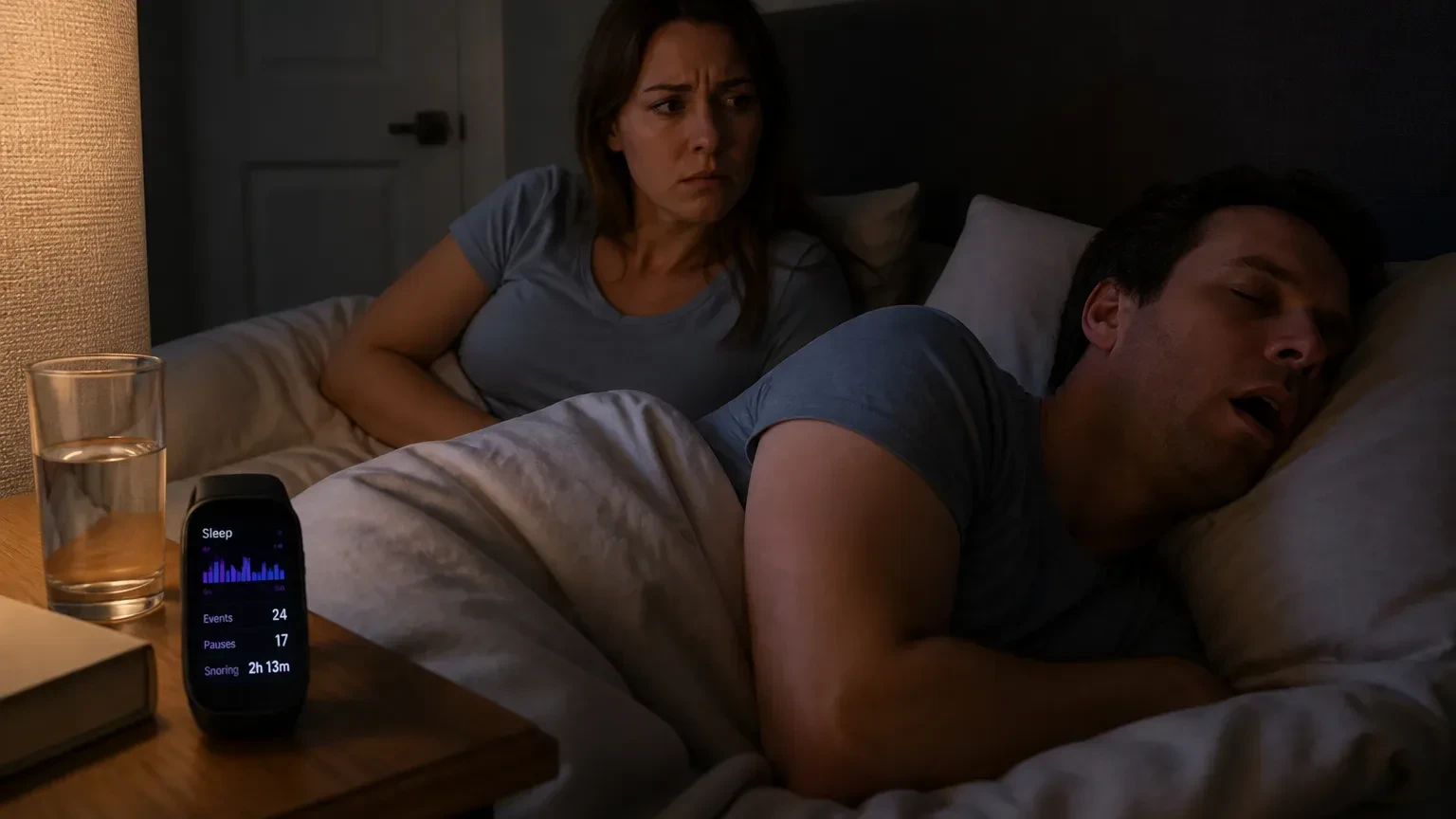
You know you might have sleep apnea when breathing repeatedly stops or becomes shallow during sleep—often noticed as loud snoring, witnessed pauses, gasping or choking awakenings, and daytime sleepiness—but only a medical evaluation and sleep testing can confirm it. NHLBI describes sleep apnea as breathing that stops and restarts many times during sleep and advises talking with a healthcare provider about snoring, gasping, or poor sleep quality. A checklist organizes clues; it does not replace a study.
Dentists may notice worn teeth, a scalloped tongue, or a narrow airway and suggest you ask a physician about sleep—but dental exams alone cannot diagnose OSA. If an appliance is later considered, confirmation matters for safety. Connect symptoms to what dentists can treat and when snoring needs screening.
Symptom Checklist Worth Noting
- Loud, habitual snoring that bothers others most nights.
- Witnessed breathing pauses or silent gaps followed by snorts.
- Gasping, choking, or sudden awakenings with a dry mouth.
- Excessive daytime sleepiness, nodding off, or foggy concentration.
- Morning headaches or unrefreshing sleep despite enough hours in bed.
- Mood, blood pressure, or blood-sugar struggles that coexist with poor sleep—share these with your physician.
- Neck size, weight changes, or nasal blockage that may raise risk.
MedlinePlus lists loud snoring, daytime sleepiness, and other symptoms among signs associated with obstructive sleep apnea and explains that sleep studies diagnose the condition. Mayo Clinic outlines testing and treatments ranging from CPAP to oral appliances for appropriate patients.
Keep a one-week diary: bedtime, alcohol, naps, caffeine after lunch, and partner observations. Note whether sleepiness is dangerous—highway driving, operating machinery—because that urgency changes how quickly you should seek care. Children who snore, pause, or struggle in school need pediatric evaluation rather than adult self-checklists.
Home sleep apnea tests and in-lab polysomnography are ordered through medical channels. Do not assume a wearable ring’s “breathing score” equals a diagnosis. If results show OSA, ask about severity before shopping for any dental device.
People who live alone sometimes miss witnessed pauses. Clues still count: waking with a dry mouth and racing heart, repeated bathroom trips with unrefreshing sleep, or needing multiple alarms. Family history of OSA, prior difficult intubations, and large tonsils are worth mentioning at medical visits. Women may present more with insomnia-like fatigue than classic snoring, so do not dismiss symptoms because they do not match a cartoon of a loud sleeper.
After a positive test, ask for numbers you can reuse later: apnea-hypopnea index, oxygen lows, and the physician’s severity label. Those figures guide whether CPAP, an oral appliance, or another path is proportional—and they prevent vague appliance shopping based only on “I was told I have apnea.” Keep copies in the same folder as insurance cards so dental consultations start with facts.
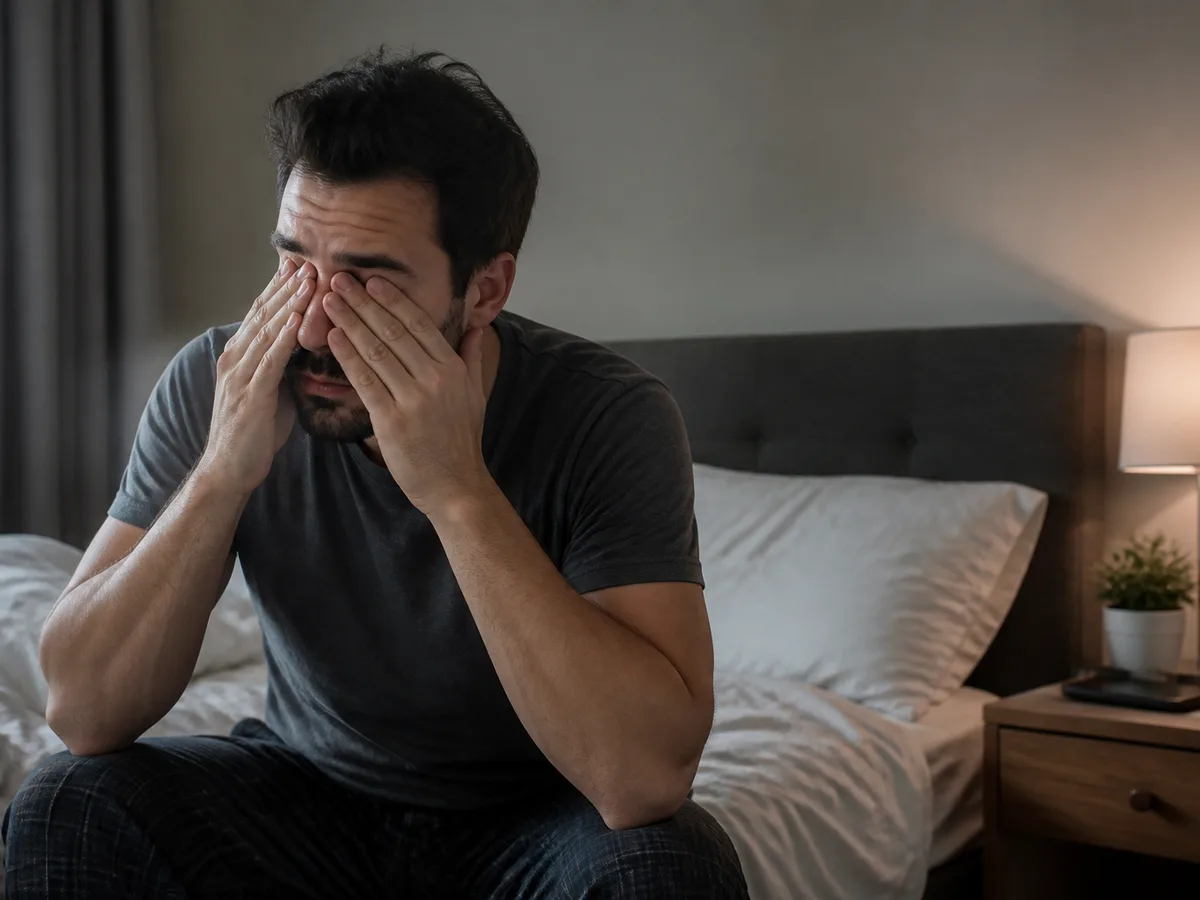 Clues prepare you; tests decide.
Patterns help clinicians order the right test
Write down the nights you wake gasping, how often you nap, and whether headaches cluster on workday mornings. Mention reflux, allergy seasons, and opioid or sedative medicines that can worsen breathing in sleep. Bring the diary to primary care or sleep clinic visits so the conversation is concrete. If a dentist flagged oral risk signs, include that note—screening bridges are useful when they lead to medical testing, not when they leap straight to appliance sales.
When To Seek Care
- Partner-witnessed pauses or gasping, even if you feel “fine.”
- Sleepiness that affects driving or work safety.
- Resistant high blood pressure with classic snoring symptoms.
- Prior difficult anesthesia or crowed airway notes plus new sleep complaints.
- Before starting any oral appliance marketed for apnea without a diagnosis.
 Confirm first; treat second.
Testing turns suspicion into a plan
Ask which test fits your situation and how results will guide CPAP, lifestyle care, or a later dental appliance referral. If OSA is confirmed and CPAP is difficult, discuss whether oral appliance candidacy applies. For dental partners after diagnosis, use Find a Dentist and state that you need appliance evaluation with sleep-study records in hand. Knowing is a medical process—treatment choices come after.
Suspect sleep apnea from symptom patterns; confirm it with medical testing. Use the checklist to organize your story, seek care when pauses or sleepiness raise risk, and involve dentistry only after the diagnosis—and therapy choice—are clear.
Related articles
Keep exploring related topics from Dental Country.
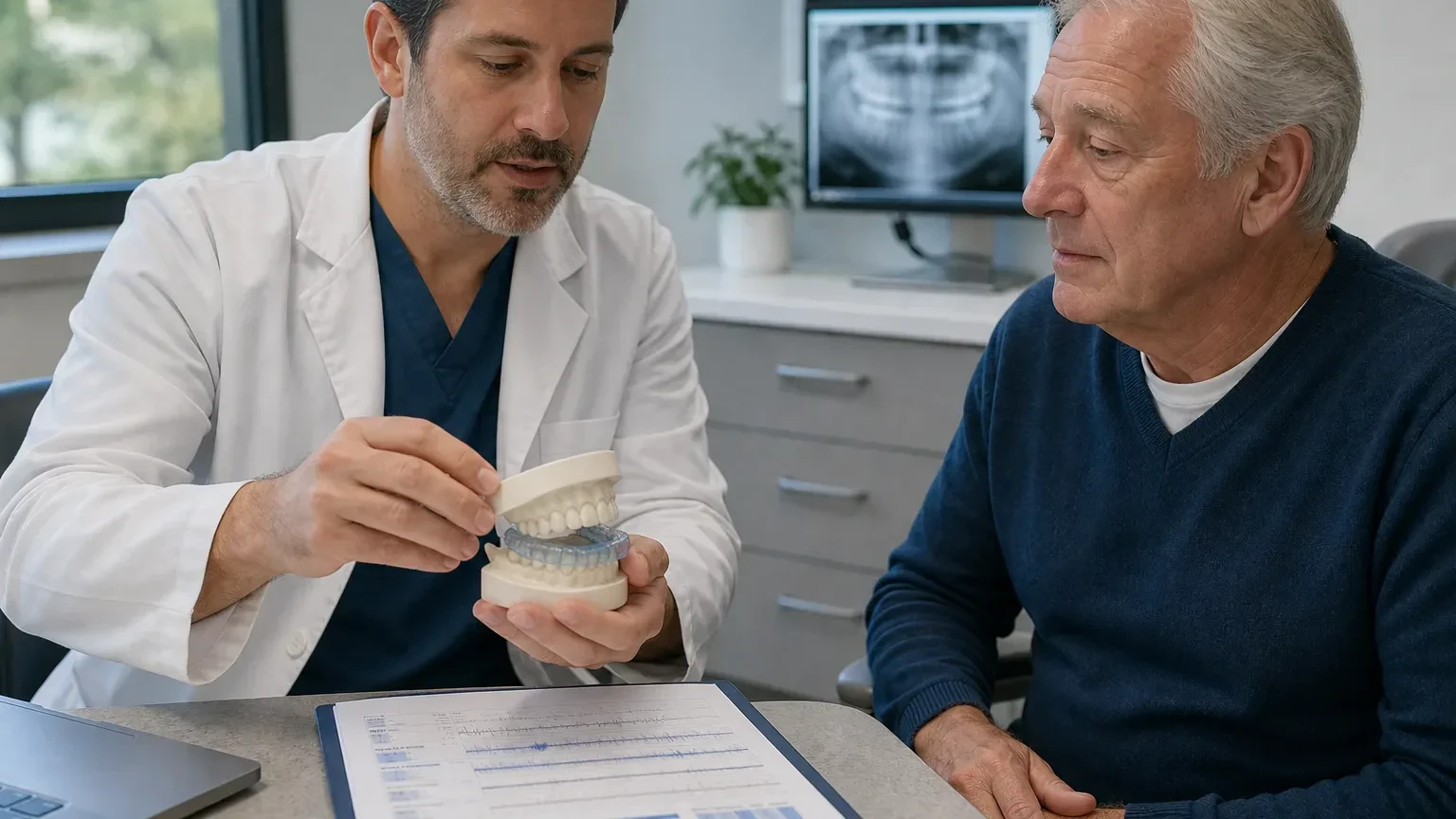
Can A Dentist Treat Sleep Apnea?
A dentist can often deliver a custom oral appliance for obstructive sleep apnea once a physician confirms the diagnosis—but dentists do not replace sleep-medicine evaluation or claim CPAP is unnecessary for every patient.
Read article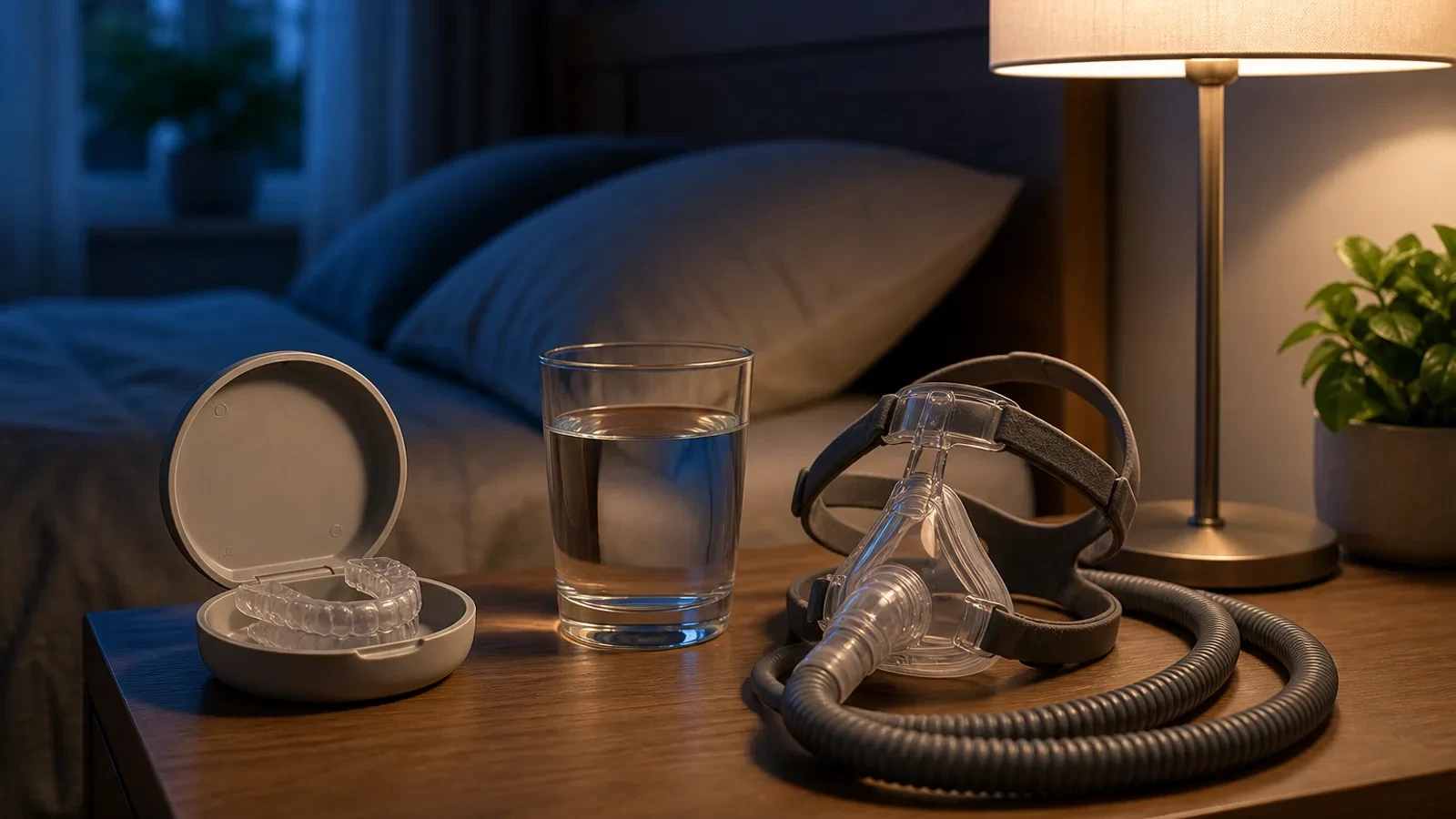
Oral Appliance Vs CPAP: Which Is Better?
CPAP usually opens the airway more reliably, while custom oral appliances can be simpler to travel with and tolerate—so “better” depends on severity, preference, and medical guidance rather than a single winner.
Read article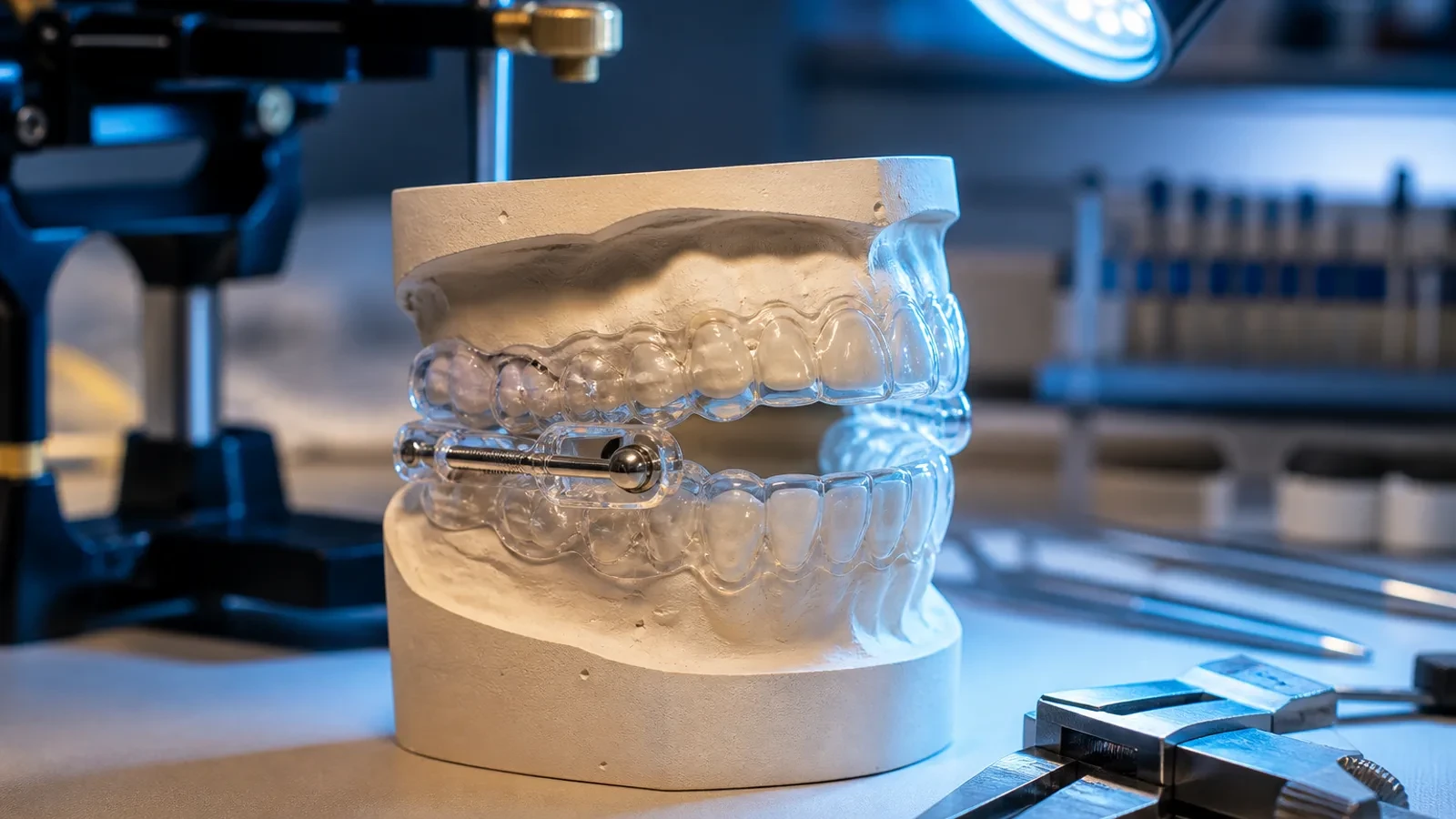
What Is A Mandibular Advancement Device?
A mandibular advancement device is a custom oral appliance that holds the lower jaw slightly forward during sleep to reduce airway collapse in selected people with snoring or obstructive sleep apnea.
Read article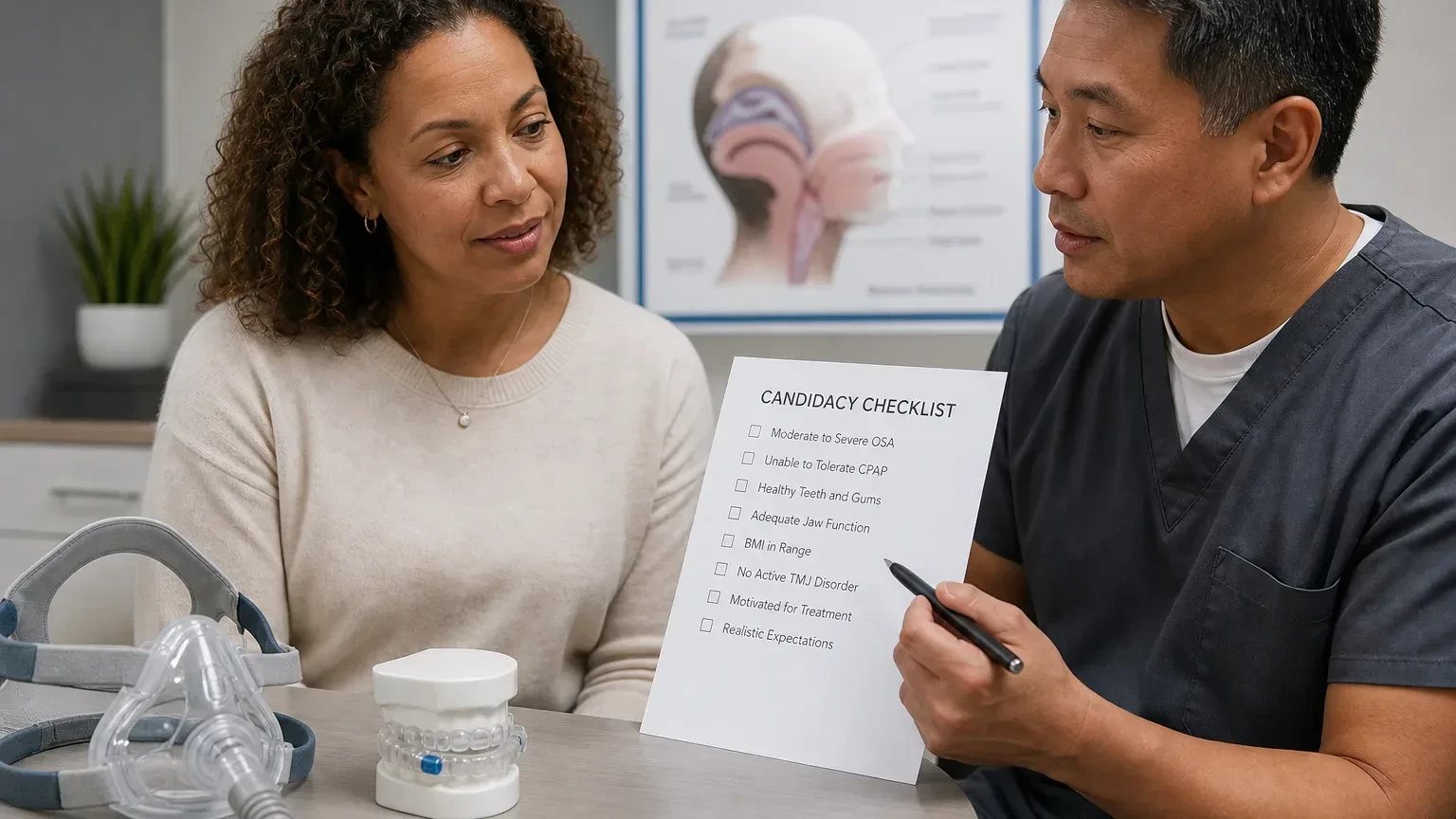
Who Is A Candidate For A Sleep Apnea Oral Appliance?
Strong oral-appliance candidates usually have a confirmed OSA or snoring diagnosis, enough healthy teeth, manageable jaw joints, and a physician plan that supports appliance therapy—especially when CPAP is poorly tolerated.
Read article