
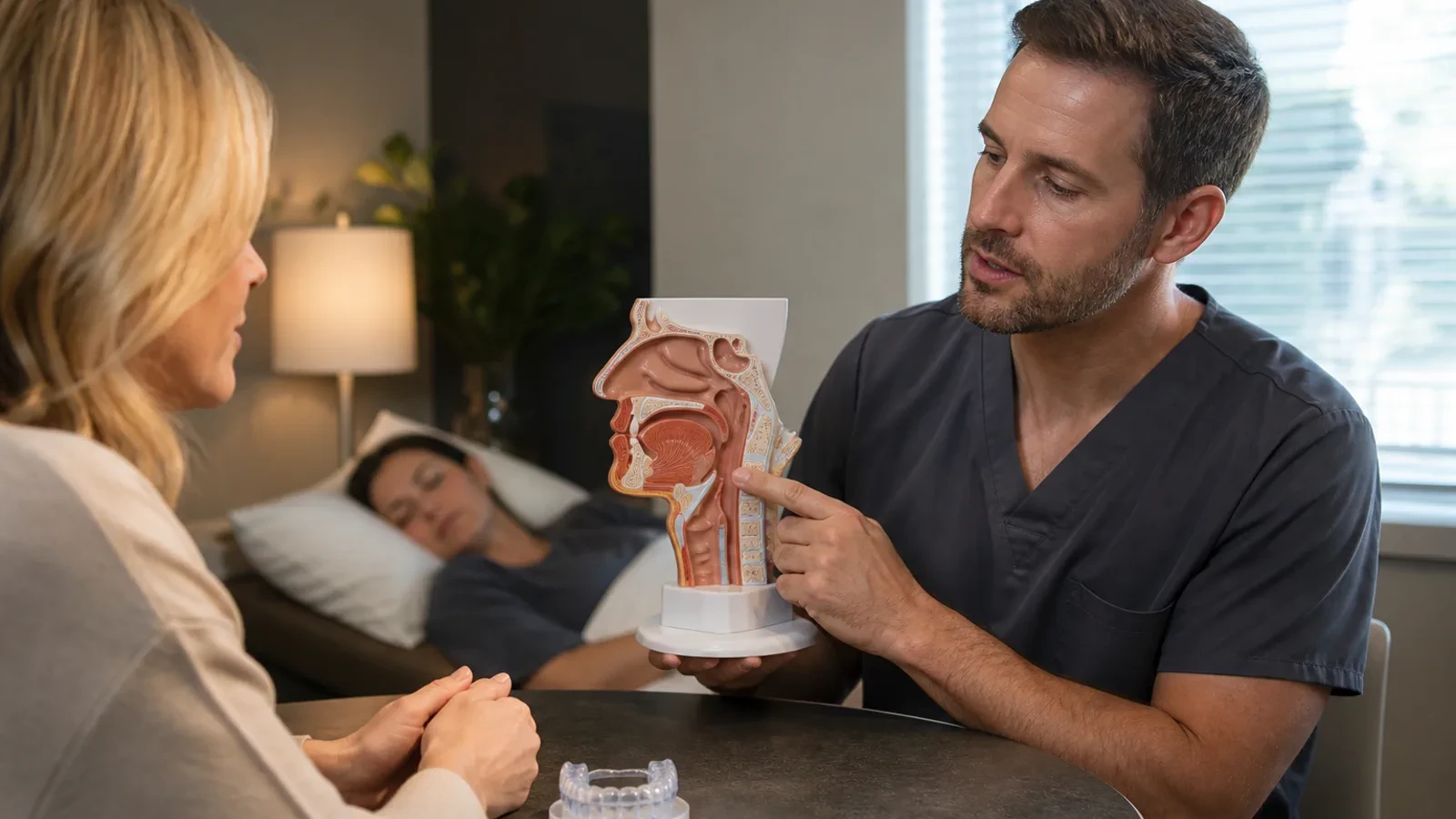
Can Snoring Be Treated By A Dentist?
Dentists can treat some snoring with custom oral appliances after medical screening. Learn myths, facts, and when snoring needs a sleep study.

Reviewed by Dr. Sean Myran, DMDDoctor of Dental Medicine, University of Pennsylvania
Yes—dentists can treat some snoring with custom oral appliances, typically when a sleep physician has evaluated whether the snoring is primary (without apnea) or part of obstructive sleep apnea. AASM/AADSM guidance recommends that sleep physicians prescribe oral appliances for adults who request treatment of primary snoring without OSA. Myths that “any mouthpiece cures snoring” skip that screening step and can leave true apnea untreated.
Start with myths versus facts so expectations stay honest. Loud nightly snoring deserves curiosity about airway health, not only earplugs for your partner. Dentists bring appliance skill; physicians bring diagnostic clarity. Link the two through sleep apnea warning signs and the dentist’s role in OSA care.
Myths Versus Facts
- Myth: “Snoring is always harmless.” Fact: snoring can be primary—or a marker of OSA that needs testing.
- Myth: “A drugstore anti-snore tray is the same as a dental appliance.” Fact: custom, titratable devices under professional care are the usual clinical standard.
- Myth: “If an appliance quiets the room, apnea is gone.” Fact: quieter snoring can coexist with residual obstructive events—follow-up matters.
- Myth: “Dentists diagnose sleep apnea with a glance at the throat.” Fact: diagnosis relies on sleep testing ordered through medical care.
MouthHealthy explains that snoring is common among people with sleep apnea but not all snorers have sleep apnea. That split is why screening questions about gasping, sleepiness, and blood pressure belong in the conversation before impressions. MedlinePlus describes sleep apnea as repeated breathing stops during sleep and urges medical evaluation when signs appear.
Lifestyle levers—side sleeping, avoiding alcohol near bedtime, treating nasal congestion, and weight management when relevant—can reduce snoring for some people and may be advised alongside appliance care. None of those levers replace evaluation when classic OSA symptoms are present. Children who snore need pediatric medical pathways, not adult mandibular devices borrowed from a parent.
If your dentist offers a snoring appliance, ask what medical documentation they require and how efficacy will be judged. Practices that coordinate with sleep physicians are generally safer than those that sell trays after a two-minute chairside chat. Your partner’s audio recordings can help clinicians, but they do not replace a study when apnea is suspected.
Nasal congestion, late alcohol, and back sleeping can amplify snoring even when teeth and jaws are healthy. Addressing those factors does not cancel a needed sleep study, but it can make appliance nights more comfortable once therapy starts. Ask whether a short trial of side-sleeping and nasal care is reasonable while you wait for testing appointments—especially if daytime sleepiness is still mild.
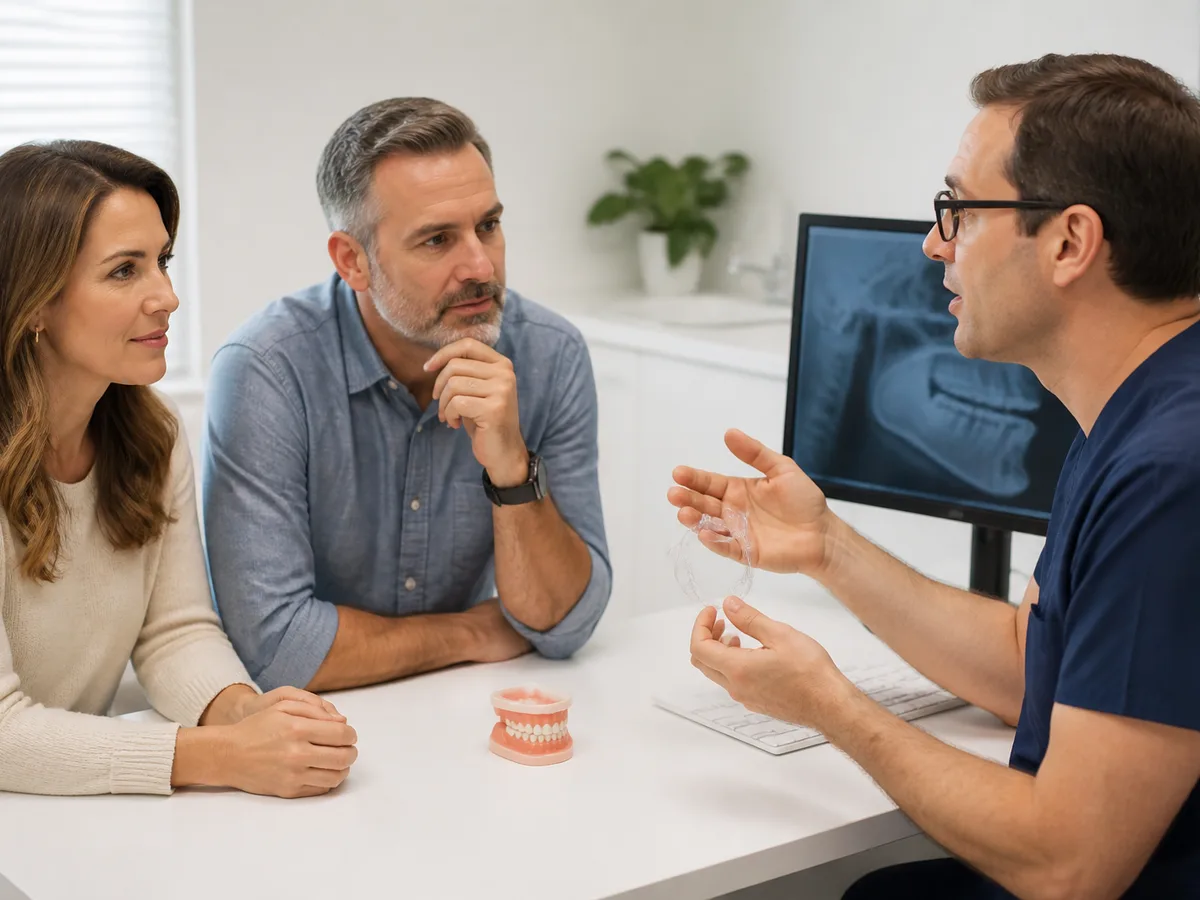 History quality shapes therapy quality.
Patterns guide testing—not just volume
Track how many nights snoring is loud, whether pauses or gasps appear, and how sleepy you feel driving or at afternoon meetings. Share nasal allergy flares and alcohol timing. Those details help a physician decide if primary snoring treatment is reasonable or if a sleep study should come first. Dentists use the same history when judging whether an oral appliance is even on the table. A week of notes beats a vague “I snore sometimes.”
Smarter Questions Before An Appliance For Snoring
- Has OSA been ruled out or diagnosed?
- Is a custom, titratable device planned—or a one-size tray?
- Who manages follow-up if snoring returns or sleepiness worsens?
- What dental side effects should I watch for?
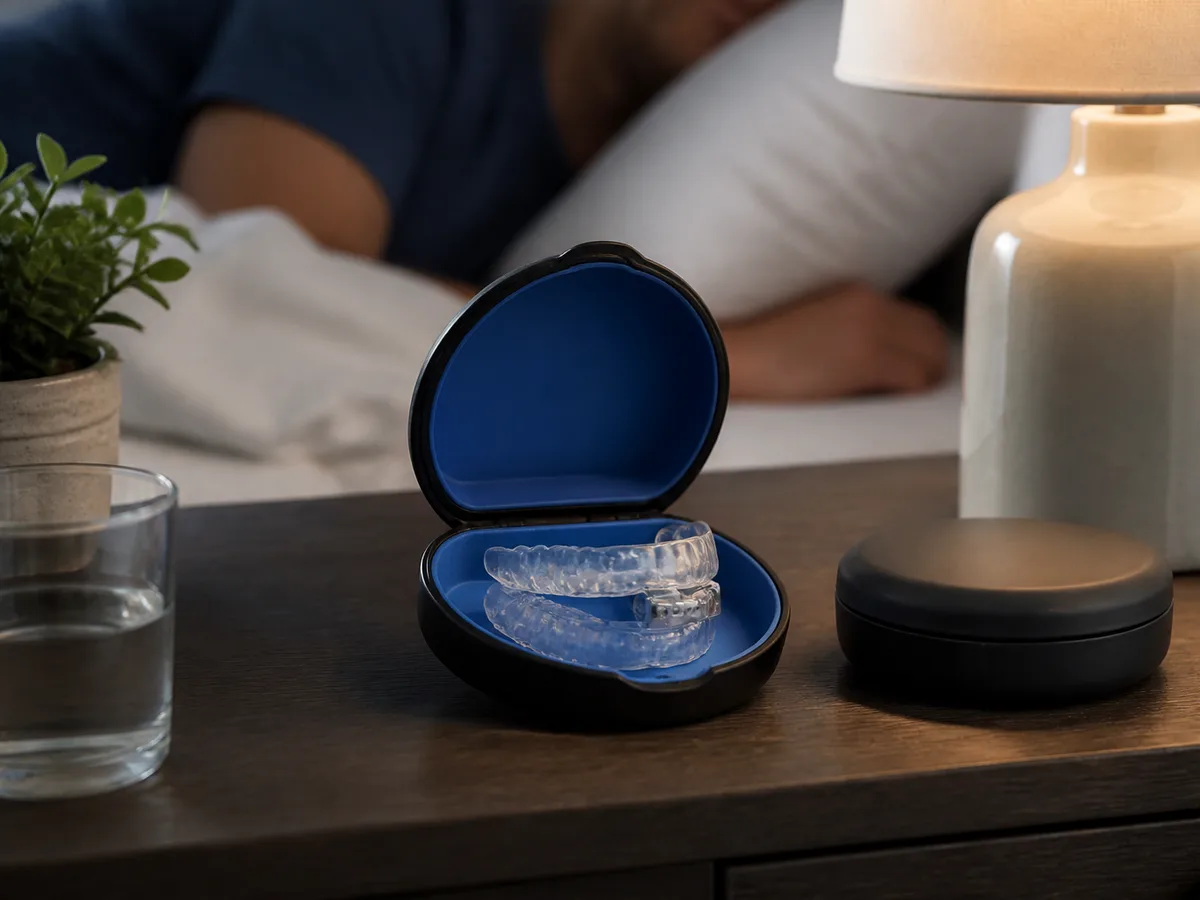 Screen first, then quiet the room.
Quiet nights still need a sound plan
When primary snoring is the working diagnosis, a custom appliance can be a reasonable physician-prescribed option. When OSA is present, therapy targets the apnea—not only the soundtrack—see appliance versus CPAP trade-offs. For coordinated dental care, use Find a Dentist and mention snoring plus any sleep-study results when you book. Treating snoring responsibly means respecting what you do not yet know about your airway.
Dentists can treat selected snoring cases with oral appliances after appropriate medical screening. Skip the myths, confirm whether apnea is in play, and measure success by sleep quality—not only by whether the hallway sounds quieter.
Related articles
Keep exploring related topics from Dental Country.
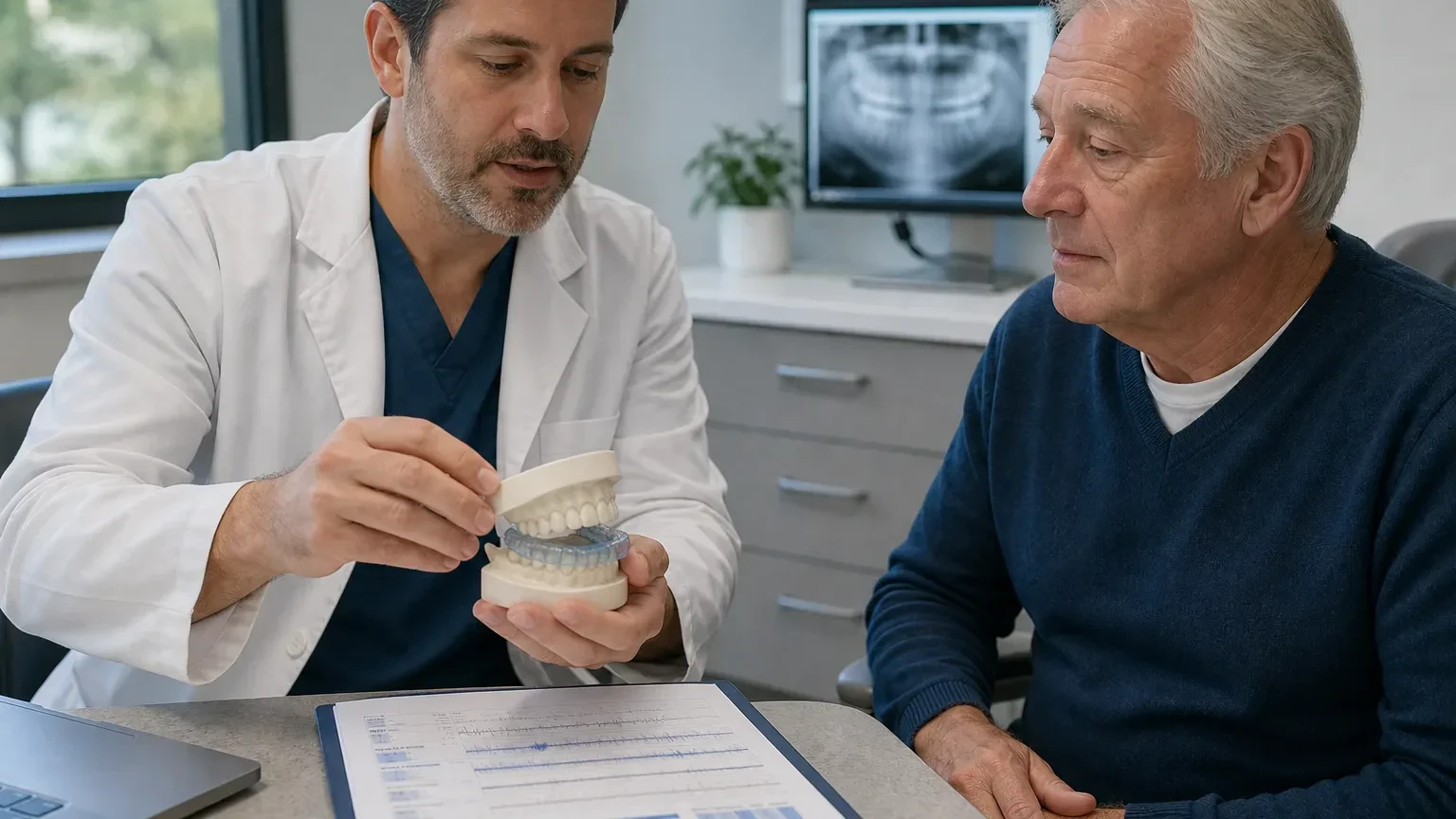
Can A Dentist Treat Sleep Apnea?
A dentist can often deliver a custom oral appliance for obstructive sleep apnea once a physician confirms the diagnosis—but dentists do not replace sleep-medicine evaluation or claim CPAP is unnecessary for every patient.
Read article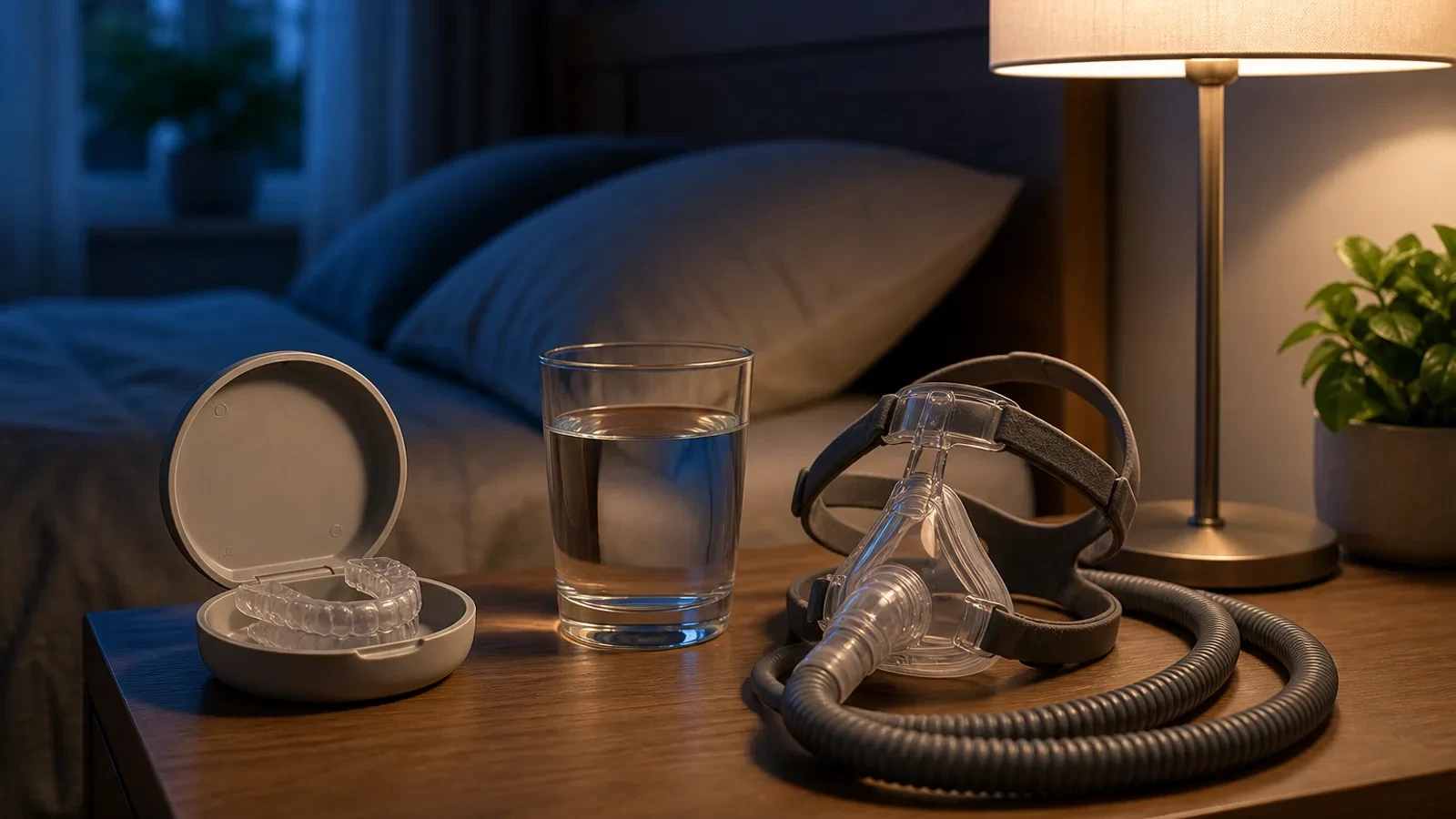
Oral Appliance Vs CPAP: Which Is Better?
CPAP usually opens the airway more reliably, while custom oral appliances can be simpler to travel with and tolerate—so “better” depends on severity, preference, and medical guidance rather than a single winner.
Read article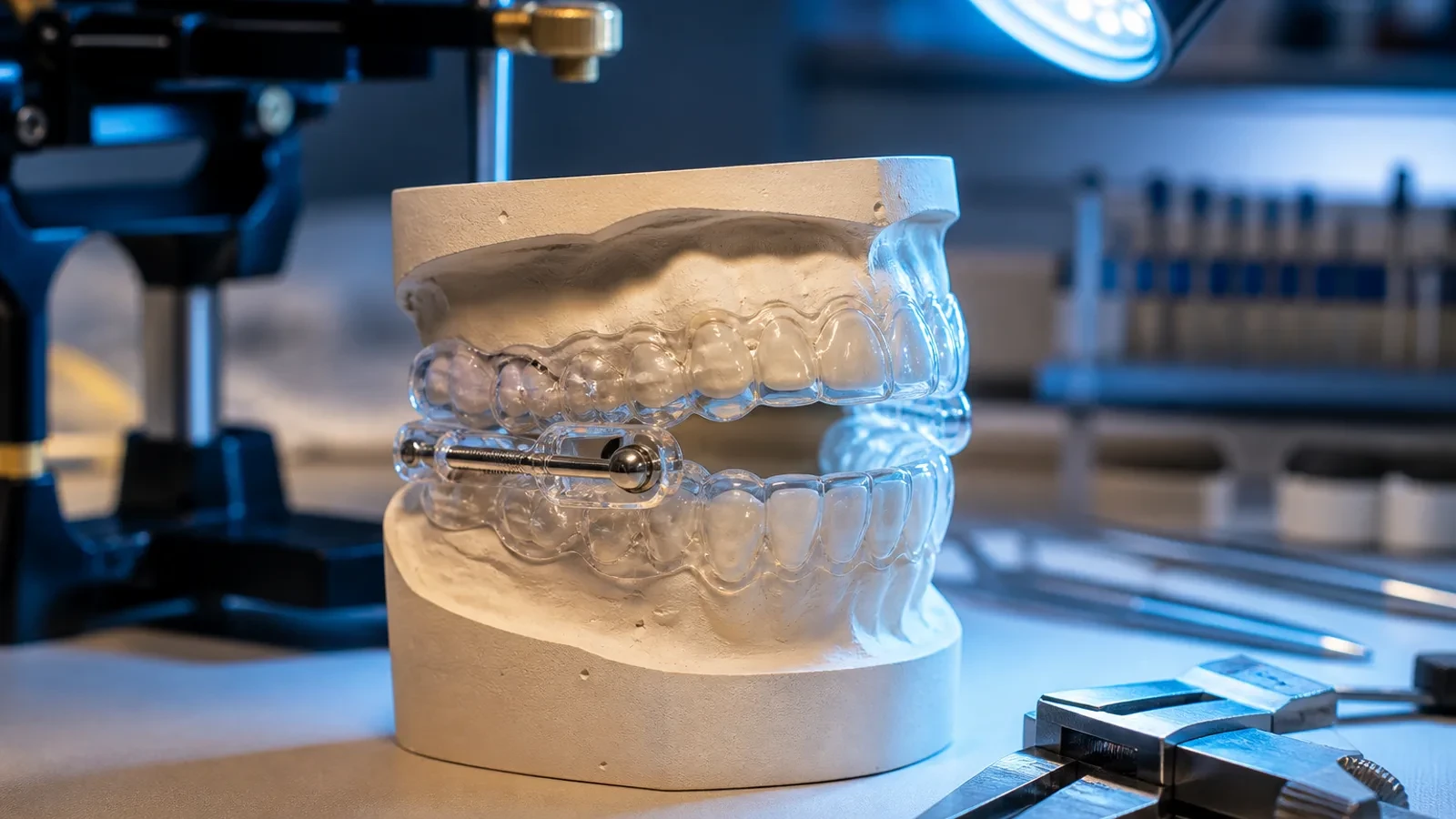
What Is A Mandibular Advancement Device?
A mandibular advancement device is a custom oral appliance that holds the lower jaw slightly forward during sleep to reduce airway collapse in selected people with snoring or obstructive sleep apnea.
Read article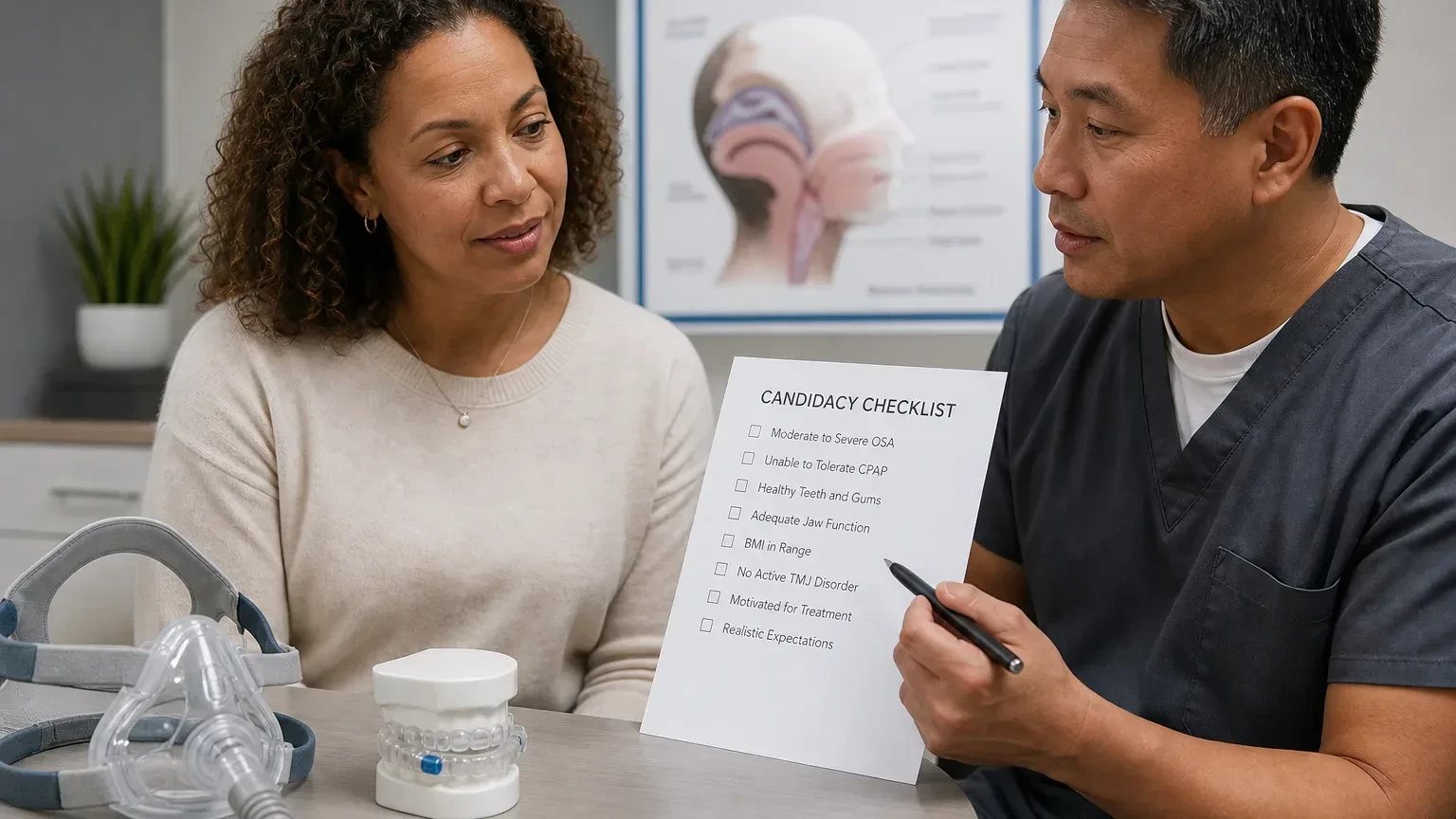
Who Is A Candidate For A Sleep Apnea Oral Appliance?
Strong oral-appliance candidates usually have a confirmed OSA or snoring diagnosis, enough healthy teeth, manageable jaw joints, and a physician plan that supports appliance therapy—especially when CPAP is poorly tolerated.
Read article