

How Painful Is Oral Surgery Recovery?
Oral surgery discomfort often peaks in the first 48–72 hours, then eases. See a day-by-day comfort guide and when pain means you should call.

Reviewed by Dr. Sean Myran, DMDDoctor of Dental Medicine, University of Pennsylvania
Oral surgery recovery is often uncomfortable rather than unbearable when pain control, ice, and rest are used as directed—but intensity varies with the procedure, infection present beforehand, and your pain sensitivity. Many people find the first 48–72 hours the hardest, then notice steady improvement. MouthHealthy notes that medicines may control pain as well as anxiety during dental treatment. Local anesthesia and any sedation cover the surgery itself; recovery comfort is a separate plan.
“How painful” also depends on what was done: a single simple extraction differs from impacted wisdom teeth, a sinus lift, or multi-tooth surgery. Pair expectations with preparation steps and how long sedation fog may linger so you do not confuse sedation hangover with surgical pain.
Day-By-Day Comfort Guide
- Day 0 (surgery day): numbness fades; start medicines before severe pain if instructed; use ice packs as directed; protect the blood clot.
- Days 1–2: swelling and soreness often peak; soft foods, head elevation, and limited talking/chewing on the site help.
- Days 3–4: many people turn a corner; bruising can still look dramatic while pain trends down.
- Days 5–7: energy returns; follow suture and hygiene instructions carefully—do not poke the site.
- Week 2+: residual stiffness or odd sensations can linger; contact the office if pain escalates instead of fading.
MyOMS notes that postoperative care instructions and follow-up visits help evaluate healing after grafting and related surgery. Written instructions beat memory after a sedated visit.
Take prescribed or recommended pain relievers on schedule at first rather than waiting for spikes, unless your clinician says otherwise. Avoid aspirin if your surgeon warned about bleeding risk. Do not combine sedating pain medicines with alcohol or leftover sedatives. Swelling control with ice early, then gentle warmth later if advised, often improves comfort as much as pills.
Warning signs: pain that worsens after day three, foul taste with fever, heavy bleeding that will not slow with pressure, difficulty breathing or swallowing, or numbness that never was explained. Those deserve a call—not another day of toughing it out. Dry socket-type pain after extractions can appear several days later as a deep ache; your office needs to hear about it.
Sleep position and hydration quietly influence how rough nights feel. Extra pillows, cool rooms, and small sips of water (when swallowing is safe) beat lying flat and waking with a throbbing face. Limit strenuous exercise until your surgeon clears you—elevated blood pressure at the site can renew bleeding and pain. If prescription opioids are part of your plan, use the lowest effective dose for the shortest time and lock unused pills away from others in the home.
 Routine lowers peak pain.
Early schedule beats chasing spikes
Set phone alarms for the first 48 hours so doses are not skipped while you nap. Keep a small log of pain scores morning and night; patterns help the office advise if something is off. Soft foods like yogurt, cool soup, and scrambled eggs reduce chewing trauma. Skip straws if you were told they threaten the clot. Comfort is partly pharmacology and partly not aggravating the surgical site with curiosity or crunchy snacks.
When Discomfort Is A Call-Now Problem
- Pain rising after it had been improving.
- Swelling that spreads to the eye or neck, or fever with malaise.
- Bleeding that soaks gauze repeatedly despite firm pressure.
- Questions about whether sedation after-effects versus surgical pain are confusing you—call rather than guess.
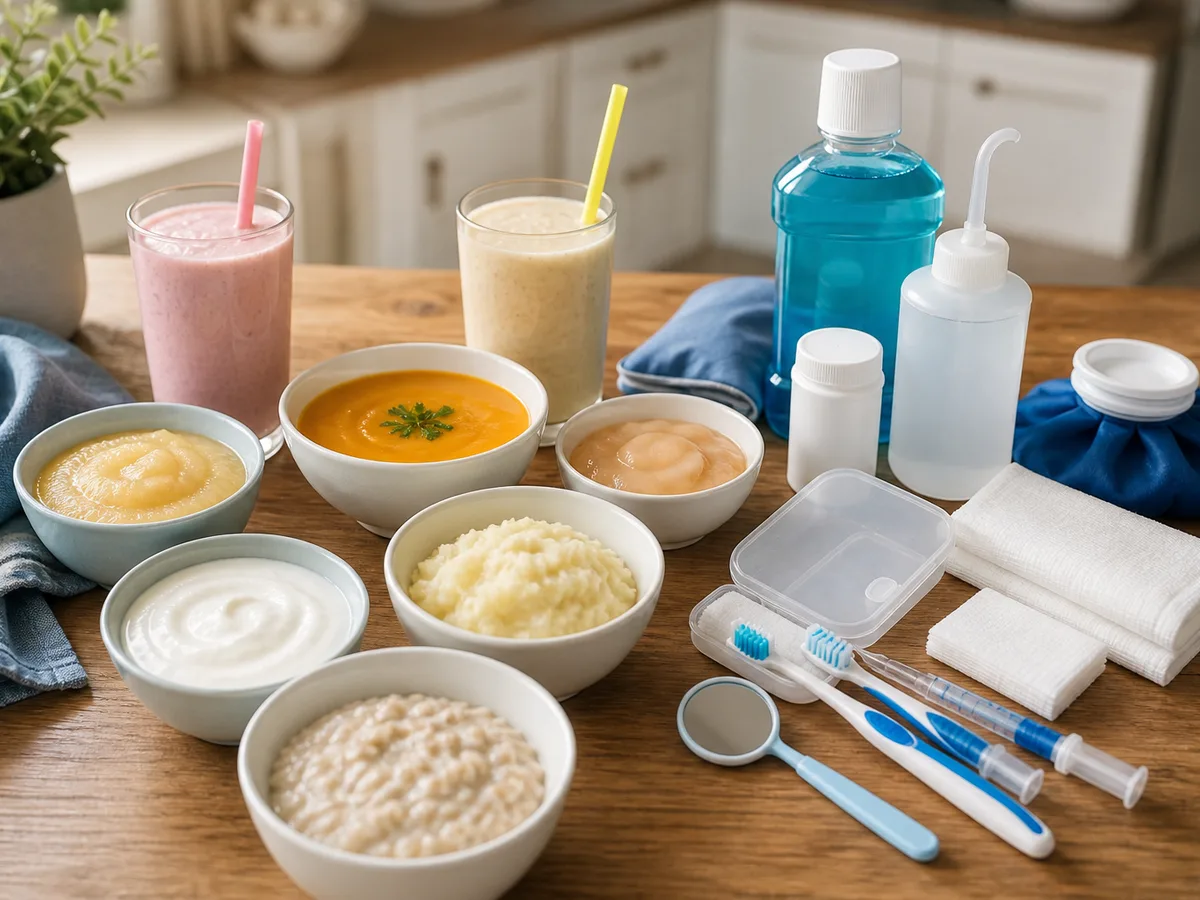 Call early when the curve reverses.
Escalating pain is data, not weakness
Describe the day of surgery, medicines taken, and whether swelling is one-sided or spreading. Photos of bruising can help after-hours triage. For a practice that gives clear pain plans and reachable follow-up, use Find a Dentist and mention recent or upcoming oral surgery when you schedule. Recovery should trend better—not become a silent endurance test.
Oral surgery recovery pain usually peaks early and eases with a disciplined comfort plan. Use the day-by-day guide, protect the site, and call promptly if pain climbs instead of fading.
Related articles
Keep exploring related topics from Dental Country.
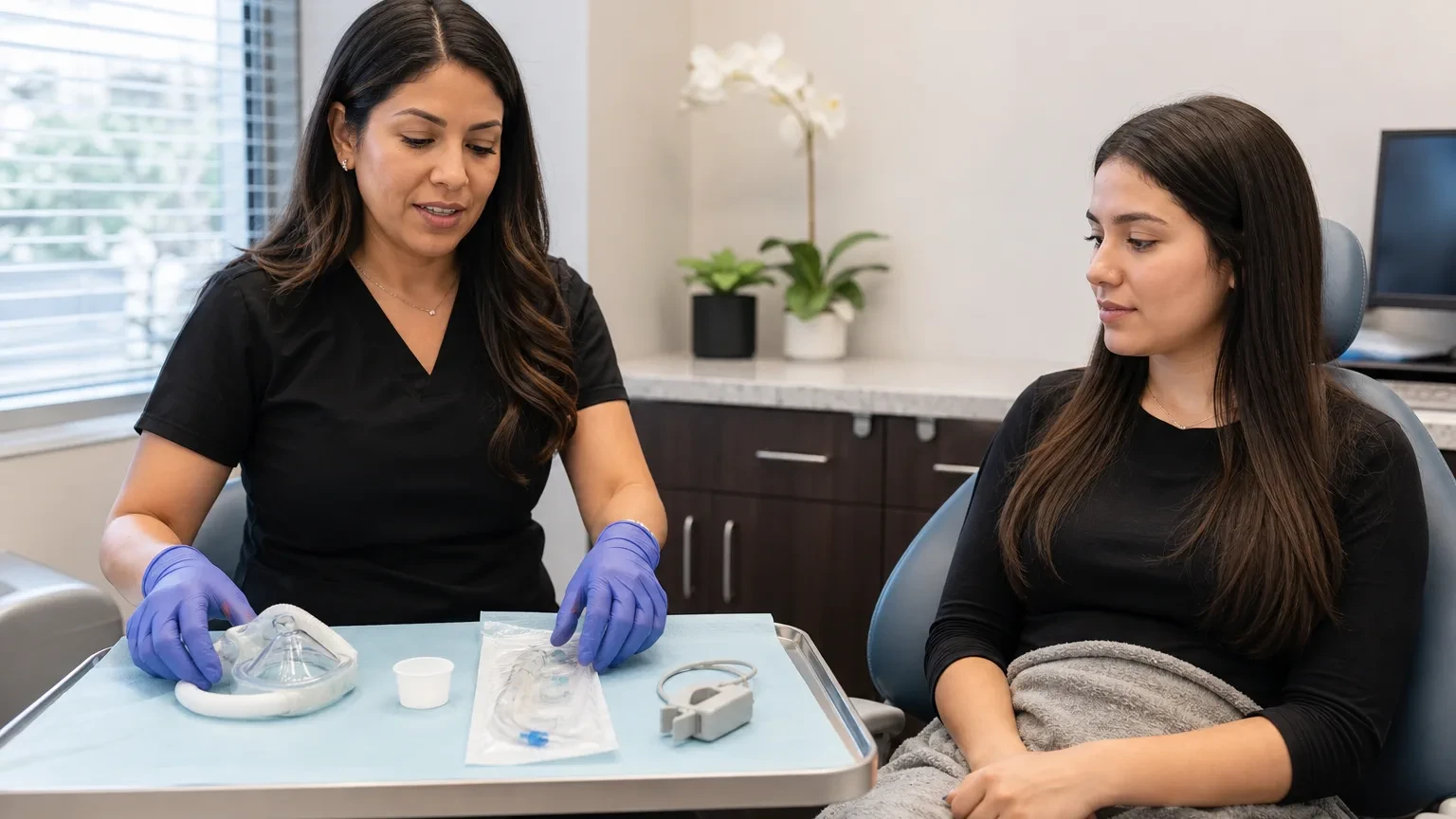
What Types Of Dental Sedation Are There?
Dentists match sedation to the procedure and your health—from light nitrous oxide to deeper IV or general anesthesia—so “sedation” is a spectrum, not one drug.
Read article
Is IV Sedation Safe For Dental Work?
IV sedation is often used safely for dental and oral surgery when patients are screened, monitored, and matched to an appropriately trained team—but it is not risk-free for every health profile.
Read article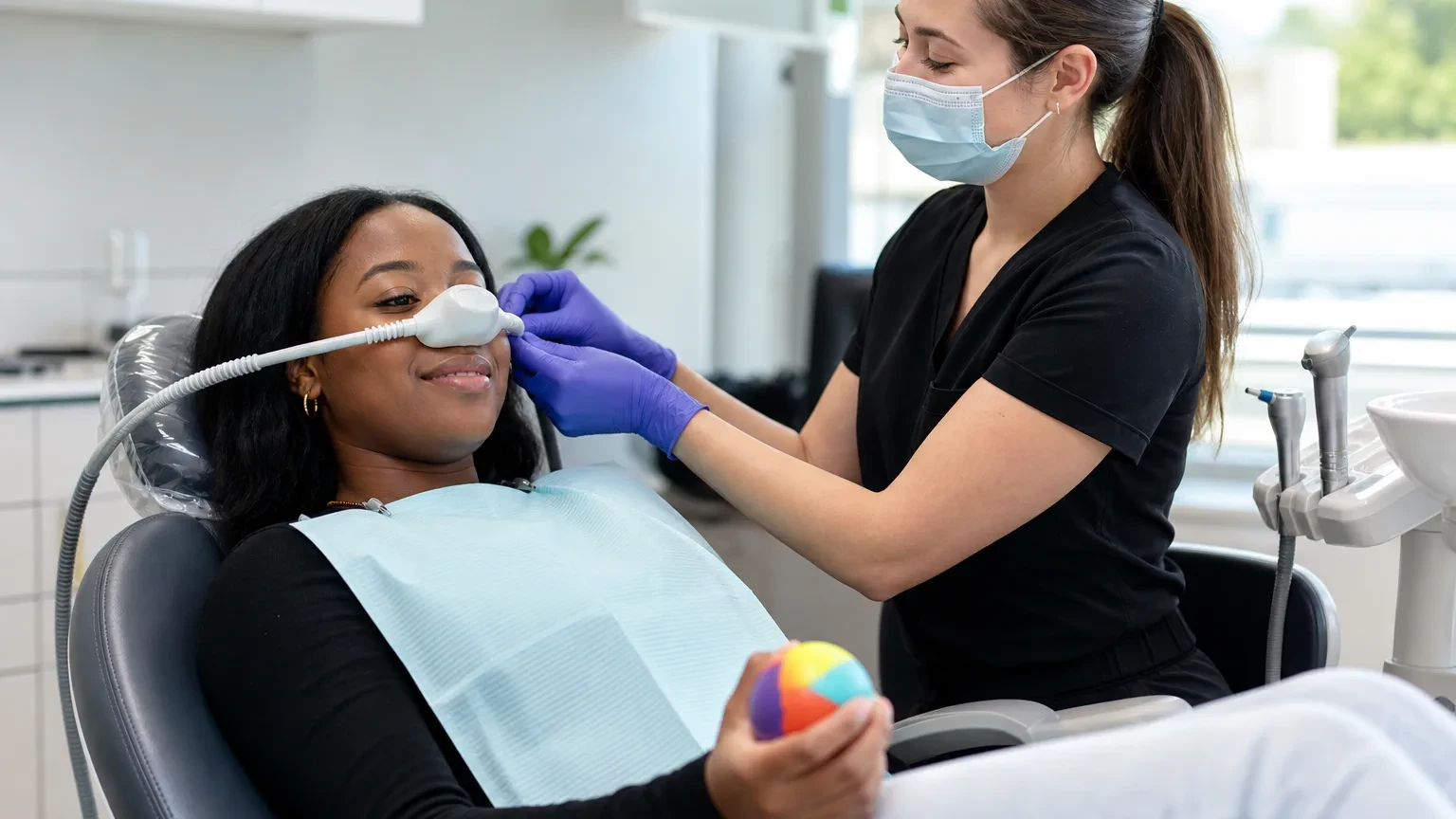
What Is Nitrous Oxide At The Dentist?
Nitrous oxide at the dentist is a mild inhaled sedative blended with oxygen that eases anxiety while you remain awake and able to respond—effects that typically fade soon after the mask comes off.
Read article
Can You Drive After Dental Sedation?
Plan on not driving after oral or IV dental sedation—judgment and reflexes can stay impaired even if you feel “fine”—while nitrous-only visits sometimes allow driving once you are fully clear per office rules.
Read article