
How Do You Prepare For Oral Surgery?
Prepare for oral surgery with medical forms, fasting rules, escort plans, and home setup. Follow this timeline so surgery day is calmer and safer.

Reviewed by Dr. Sean Myran, DMDDoctor of Dental Medicine, University of Pennsylvania
You prepare for oral surgery by confirming the plan, sharing your full health and medication history, following fasting and prescription instructions, arranging a responsible escort when sedation is used, and setting up a simple recovery space at home. MouthHealthy encourages discussing drugs, health factors, and what to expect so the approach fits your case. A timeline beats last-minute scrambling.
Start days ahead—not the morning of surgery. Ask whether you should pause blood thinners only under physician guidance, never on your own guess. Preview driving and escort rules and recovery comfort expectations while you still have time to shop for soft foods and gauze.
A Practical Preparation Timeline
- One week out: return medical forms; list medicines, supplements, and allergies; ask about physician clearance if needed.
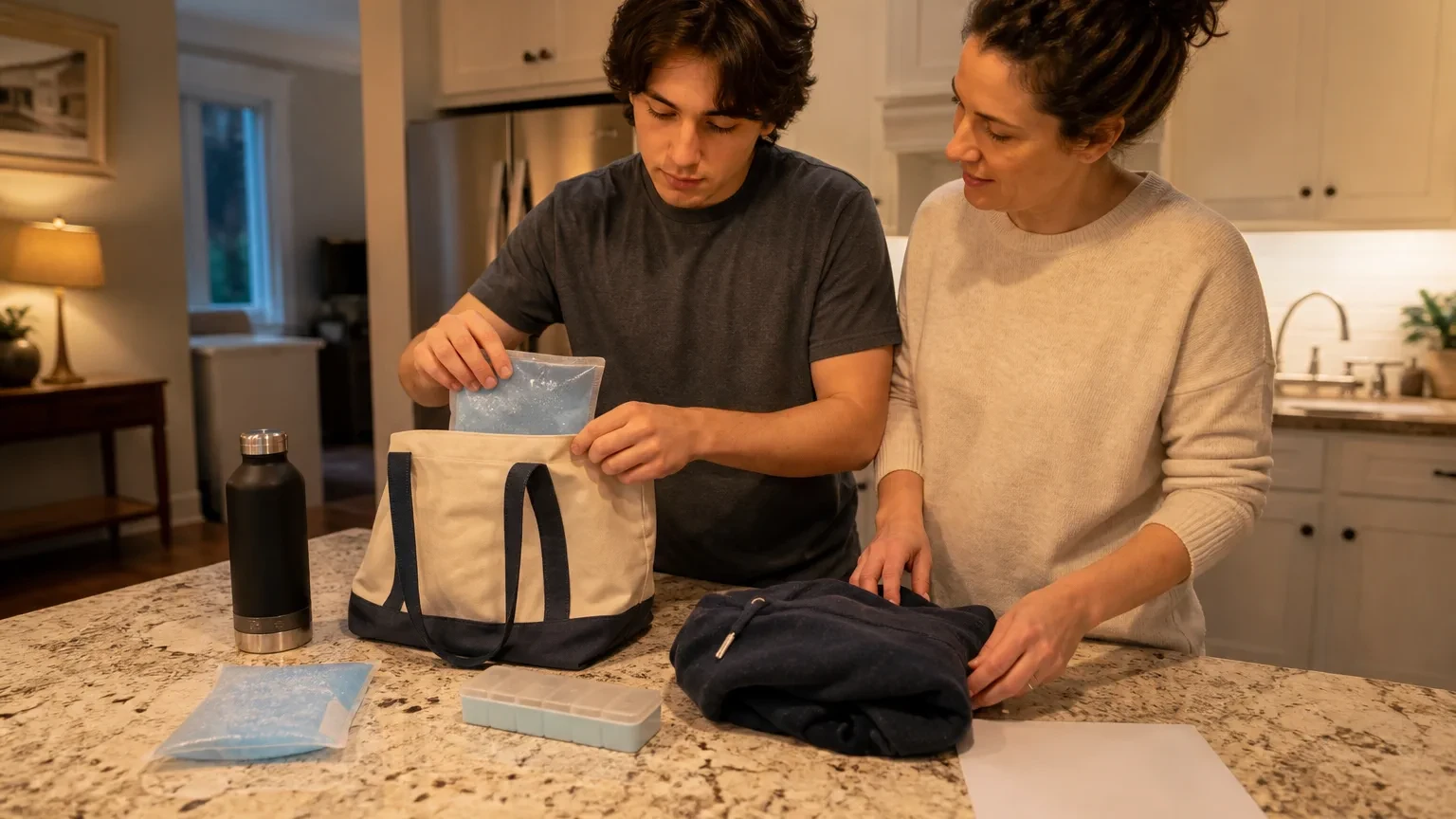
- Two to three days out: fill prescriptions; buy soft foods, ice packs, and any recommended rinses; confirm escort and time off.
- Night before: follow fasting rules exactly if sedation or general anesthesia is planned; lay out comfortable clothes; remove nail polish if monitors need a clear fingertip.
- Surgery morning: take only approved medicines with a sip of water if allowed; arrive with ID, payment method, and escort; leave jewelry at home.
- After discharge: begin clot care and medicine schedule as written; rest with head elevated; call the office for heavy bleeding, fever, or trouble breathing.
AAOMS stresses patient evaluation and trained teams as foundations of office-based anesthesia safety. Your preparation—honest history and fasting compliance—is the patient half of that system.
If you have sleep apnea, bring your CPAP information and ask whether deeper sedation should occur in a facility with advanced airway support. Smokers should ask about temporary cessation to help healing. Pregnant patients need coordinated medical advice before elective oral surgery and sedation.
Child or teen surgery adds parent logistics: school notes, post-op supervision, and age-appropriate explanations. Ask who may consent and who must stay in the building during sedation. Clear the calendar of sports and band instruments for the days your surgeon specifies.
Double-check the address, parking, and arrival window the day before—sedation schedules often run on tight facility blocks. Wear short sleeves if an IV is planned, and leave contact lenses at home if you tend to nap with eyes half-open in recovery. If you are anxious about needles or sounds, tell the team during preparation so they can coach you rather than discovering it when you are already in the chair.
Review clot-care basics in advance: no straws if forbidden, gentle brushing away from sutures, and how to place gauze with steady pressure. Knowing those steps while you are still clear-headed makes the first evening far less stressful for you and your escort.
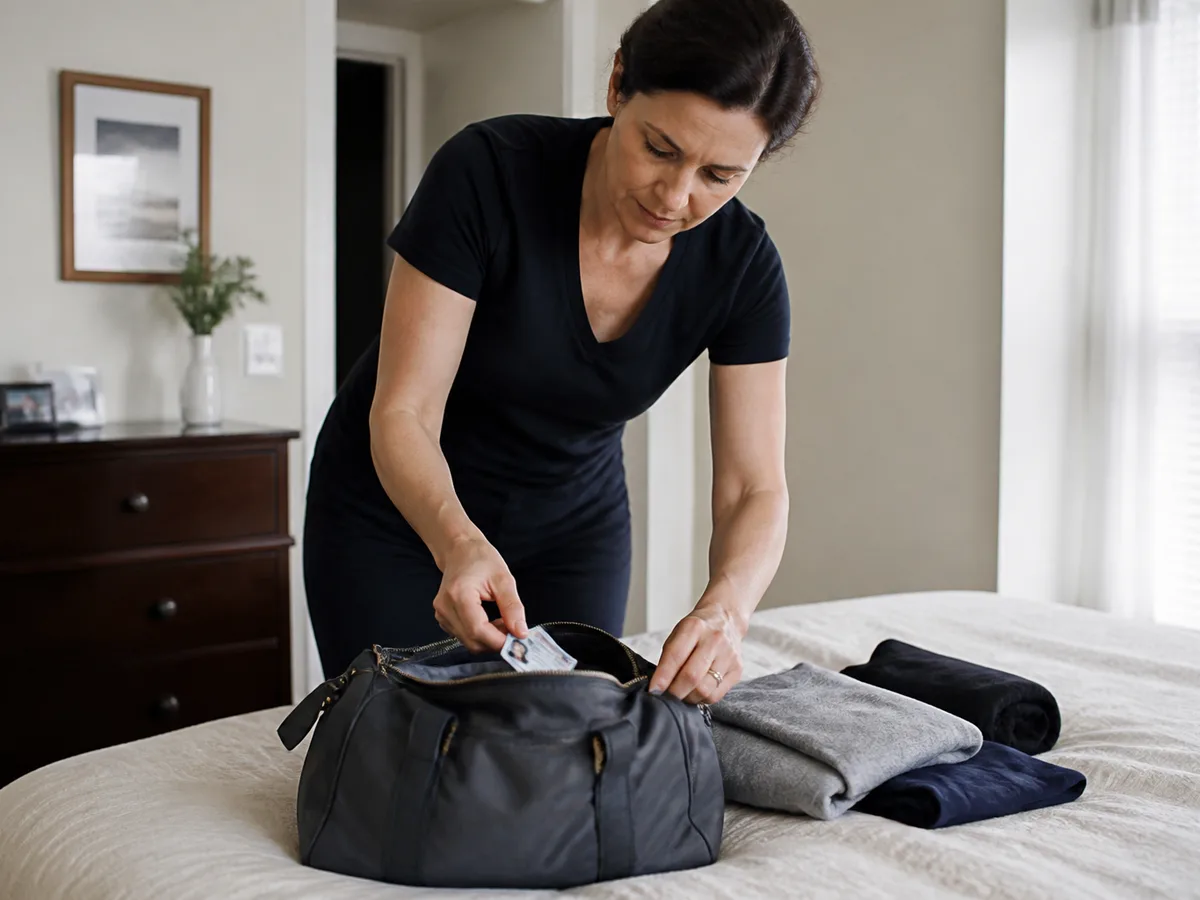 Home readiness shortens hard hours.
Soft foods and ice beat a late grocery run
Set up pillows for elevated head sleep, a phone charger near the bed, and a written medicine schedule with checkboxes. Place the office’s after-hours number in your phone before you are numb and sleepy. If you live alone, ask whether someone should stay the first evening after IV sedation or complex surgery. Preparation is not fussiness—it is how you avoid risky shortcuts when discomfort peaks later that night.
What “Ready” Should Mean
- You can state the procedure and anesthesia plan in plain words.
- Fasting and medicine instructions are written, not guessed.
- Escort and ride plans match your sedation level and office discharge rules.
- You know warning signs that require a same-day call.
 Confirm early; arrive calm.
A two-minute call prevents day-of cancellations
If any instruction is unclear—especially blood thinners, diabetes medicines, or inhalers—call before you change anything. Bring questions about what the surgery involves so consent is informed. For a team that sends clear pre-op lists, use Find a Dentist and mention upcoming oral surgery preparation when you book. Good preparation is quiet work that makes surgery day safer.
Preparing for oral surgery is a short project: paperwork, fasting, escort, and home setup. Follow the timeline, ask when unsure, and treat instructions as part of the procedure itself.
Related articles
Keep exploring related topics from Dental Country.
What Types Of Dental Sedation Are There?
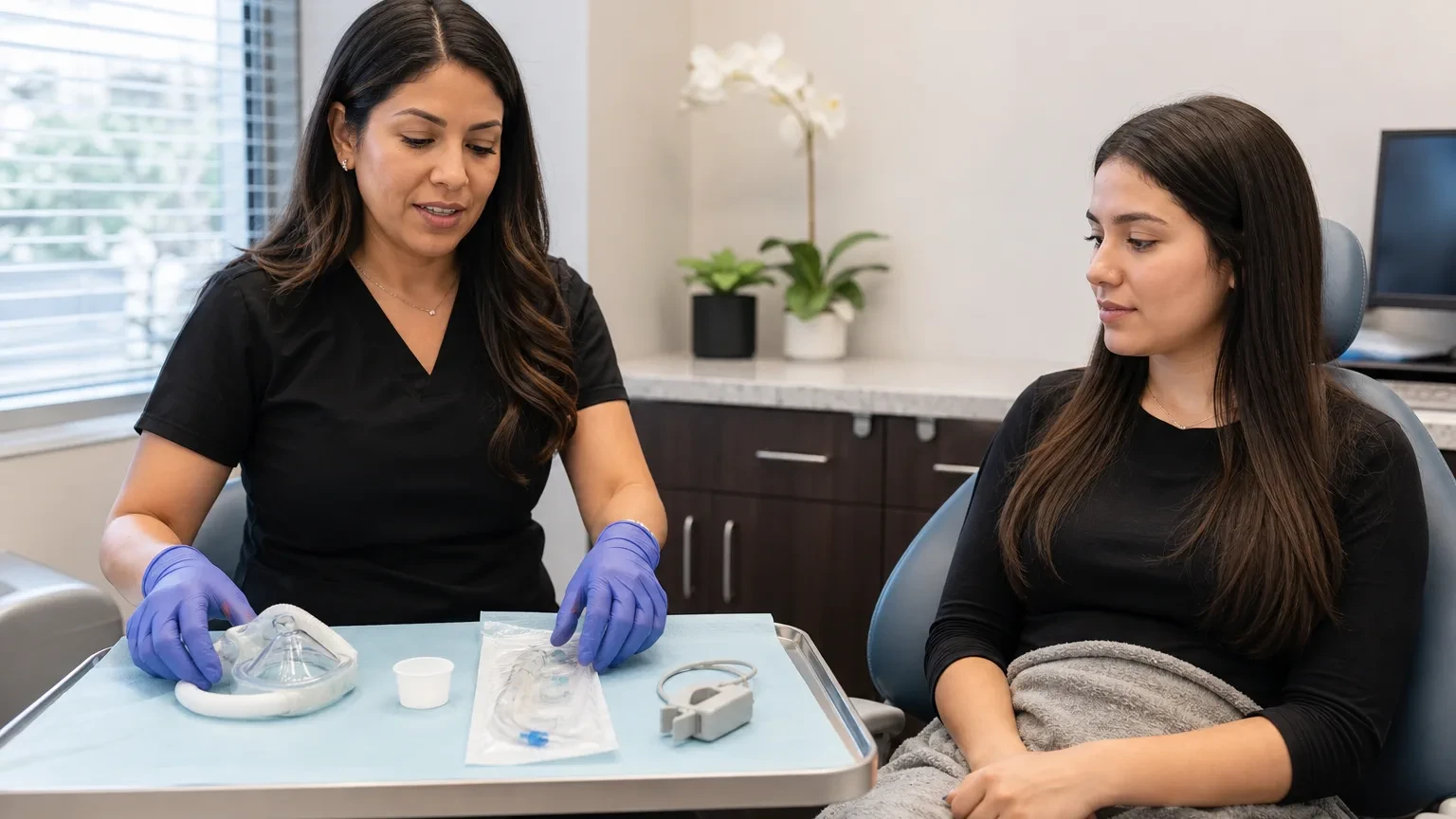
Dentists match sedation to the procedure and your health—from light nitrous oxide to deeper IV or general anesthesia—so “sedation” is a spectrum, not one drug.
Read article
Is IV Sedation Safe For Dental Work?
IV sedation is often used safely for dental and oral surgery when patients are screened, monitored, and matched to an appropriately trained team—but it is not risk-free for every health profile.
Read article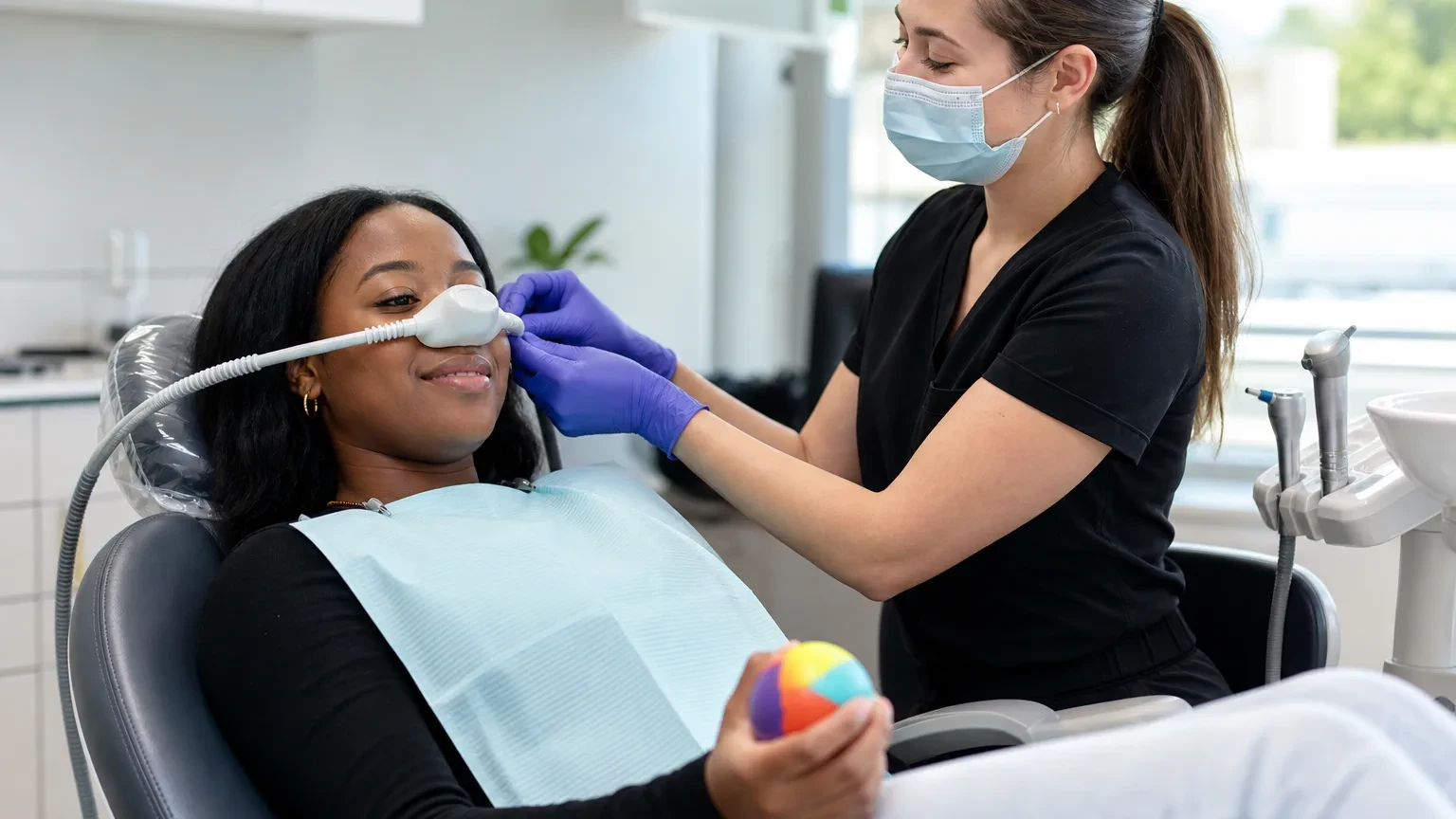
What Is Nitrous Oxide At The Dentist?
Nitrous oxide at the dentist is a mild inhaled sedative blended with oxygen that eases anxiety while you remain awake and able to respond—effects that typically fade soon after the mask comes off.
Read article
Can You Drive After Dental Sedation?
Plan on not driving after oral or IV dental sedation—judgment and reflexes can stay impaired even if you feel “fine”—while nitrous-only visits sometimes allow driving once you are fully clear per office rules.
Read article