

How Long Does Dental Sedation Last?
Nitrous often fades within minutes; oral and IV sedation can leave you groggy for hours. Learn typical timelines and a simple post-sedation routine.

Reviewed by Dr. Sean Myran, DMDDoctor of Dental Medicine, University of Pennsylvania
How long dental sedation lasts depends on the drugs and route: nitrous oxide effects usually fade within minutes after oxygen, while oral or IV sedatives commonly leave people drowsy or foggy for several hours, occasionally into the next morning for longer-acting medicines. MouthHealthy notes that nitrous oxide effects wear off soon after the mask is removed. Think in timelines plus a home routine, not a single number for every patient.
MouthHealthy explains that different medicines create different levels of relaxation or sleep-like states. Deeper or combined regimens generally mean longer recovery observation before discharge. Align plans with driving restrictions and which type you received.
A Practical Post-Sedation Routine
- Immediate recovery (office): sit until staff say discharge criteria are met; leave with written instructions and an escort when required.
- First 4–6 hours (home): rest in a quiet room; sip water when allowed; avoid stairs alone if you still feel unsteady.
- Same day: no driving, alcohol, or major decisions after oral/IV sedation; eat soft foods as numbness allows.
- Evening check: note lingering dizziness, nausea, or unusual sleepiness; call if breathing feels labored or you cannot wake to interact normally.
- Next morning: many people feel clearer; still follow any extended activity limits your clinician wrote down.
Local anesthetic numbness is separate from sedation. Lips and tongue can stay numb for hours after the sedative fog lifts, raising bite-injury risk—check before chewing. Children may seem back to play sooner than their coordination truly allows; keep supervision tighter than their energy suggests.
Factors that stretch recovery include higher doses, multiple drug classes, older age, liver or kidney impairment, and poor sleep the night before. Grapefruit, alcohol, or extra sleeping pills can dangerously prolong effects—avoid improvising. If you take regular sedating medicines, ask whether timelines stack.
Memory gaps for the appointment are common with some IV medicines and do not mean the sedation is “still working” at full strength hours later—but residual impairment can still be present. Do not use a fuzzy memory as proof you are safe to drive.
Hydration, a light approved snack, and a phone within reach make the taper hours smoother. Avoid scrolling endlessly in a dark room if it worsens nausea; short rest periods with a trusted person nearby are safer. If you must take other regular medicines that evening, confirm timing with the written sheet so you do not stack sedating effects by accident.
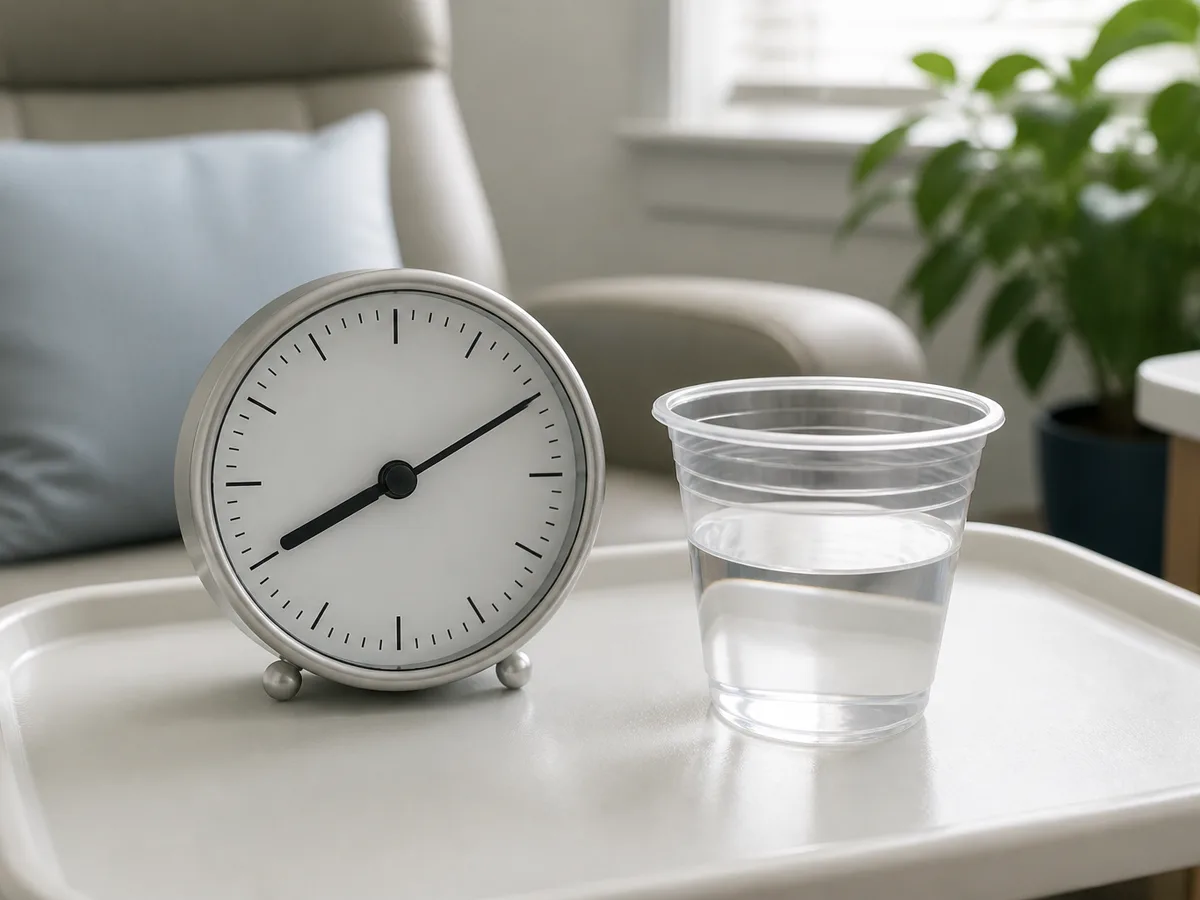 Rest is the recovery tool.
A boring afternoon is the point
Clear the schedule after sedated visits. Streaming a show is fine; cooking elaborate meals or watching toddlers alone is not. Keep the office number visible. If nausea hits, use the anti-nausea plan you were given rather than reading random advice online. A simple routine—hydrate, rest, soft food, medicines on time—prevents most same-day chaos while drugs taper.
Typical Duration Patterns (Not Guarantees)
- Nitrous oxide: often close to baseline within minutes after oxygen.
- Oral sedation: peak drowsiness may last hours; plan a full quiet day.
- IV conscious/moderate sedation: expect several hours of reduced alertness after discharge.
- Deeper sedation / general anesthesia: longer monitored recovery; follow facility rules strictly.
- Still unsure: ask how conscious sedation differs from your written plan.
 Write the end time down.
Escort ears catch instructions you may forget
Have your escort listen when nurses review timelines—amnesia can erase details you thought you heard. Ask for a specific “no driving until” statement. For teams that give clear duration guidance, use Find a Dentist and mention sedation dentistry recovery planning when you schedule. Knowing the likely window keeps you safe until normal judgment returns.
Dental sedation lasts minutes after nitrous for many people and hours after oral or IV medicines for most. Build a rest-and-escort routine, separate numbness from sedation fog, and follow your clinician’s timeline over generic internet clocks.
Related articles
Keep exploring related topics from Dental Country.
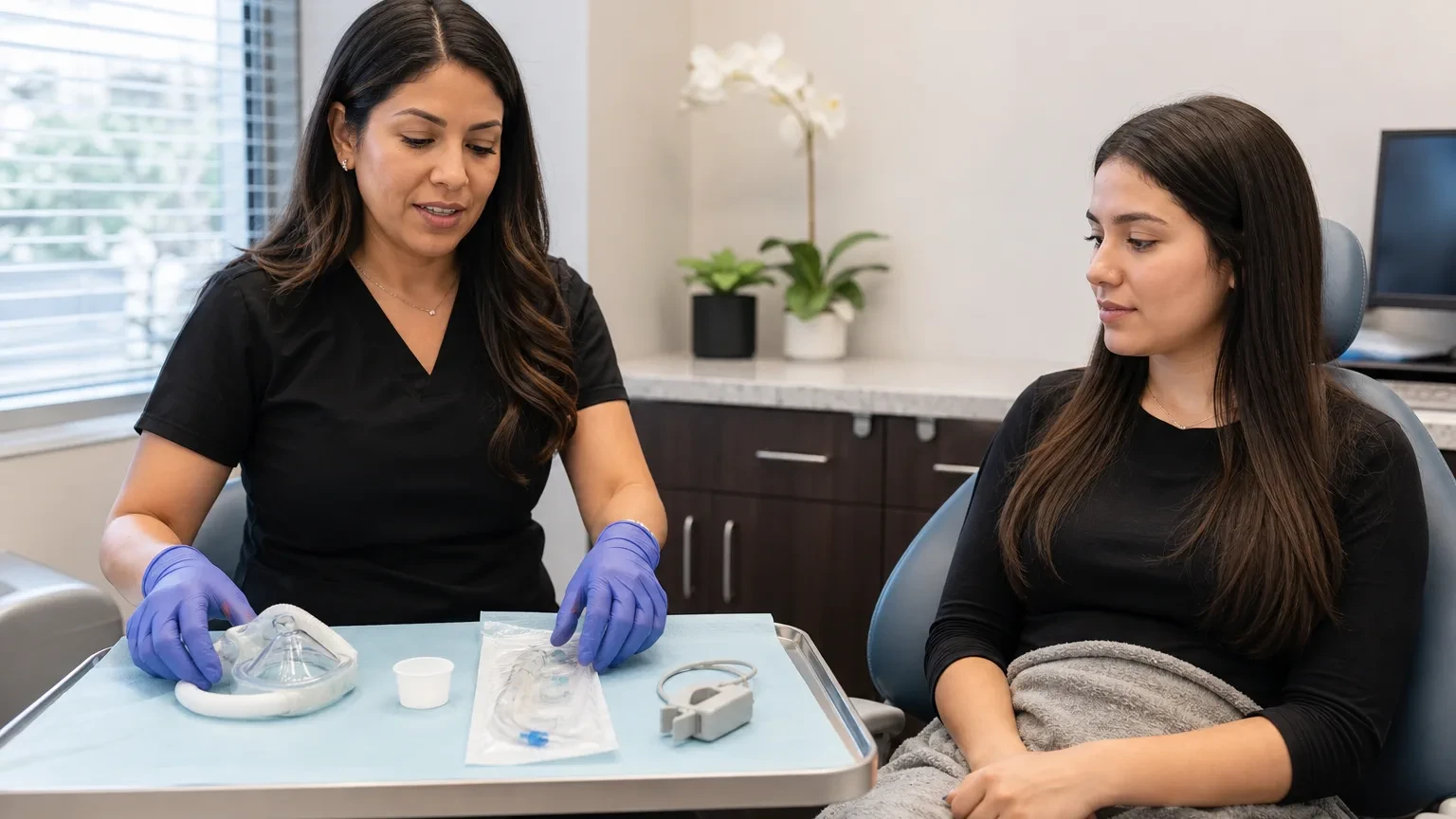
What Types Of Dental Sedation Are There?
Dentists match sedation to the procedure and your health—from light nitrous oxide to deeper IV or general anesthesia—so “sedation” is a spectrum, not one drug.
Read article
Is IV Sedation Safe For Dental Work?
IV sedation is often used safely for dental and oral surgery when patients are screened, monitored, and matched to an appropriately trained team—but it is not risk-free for every health profile.
Read article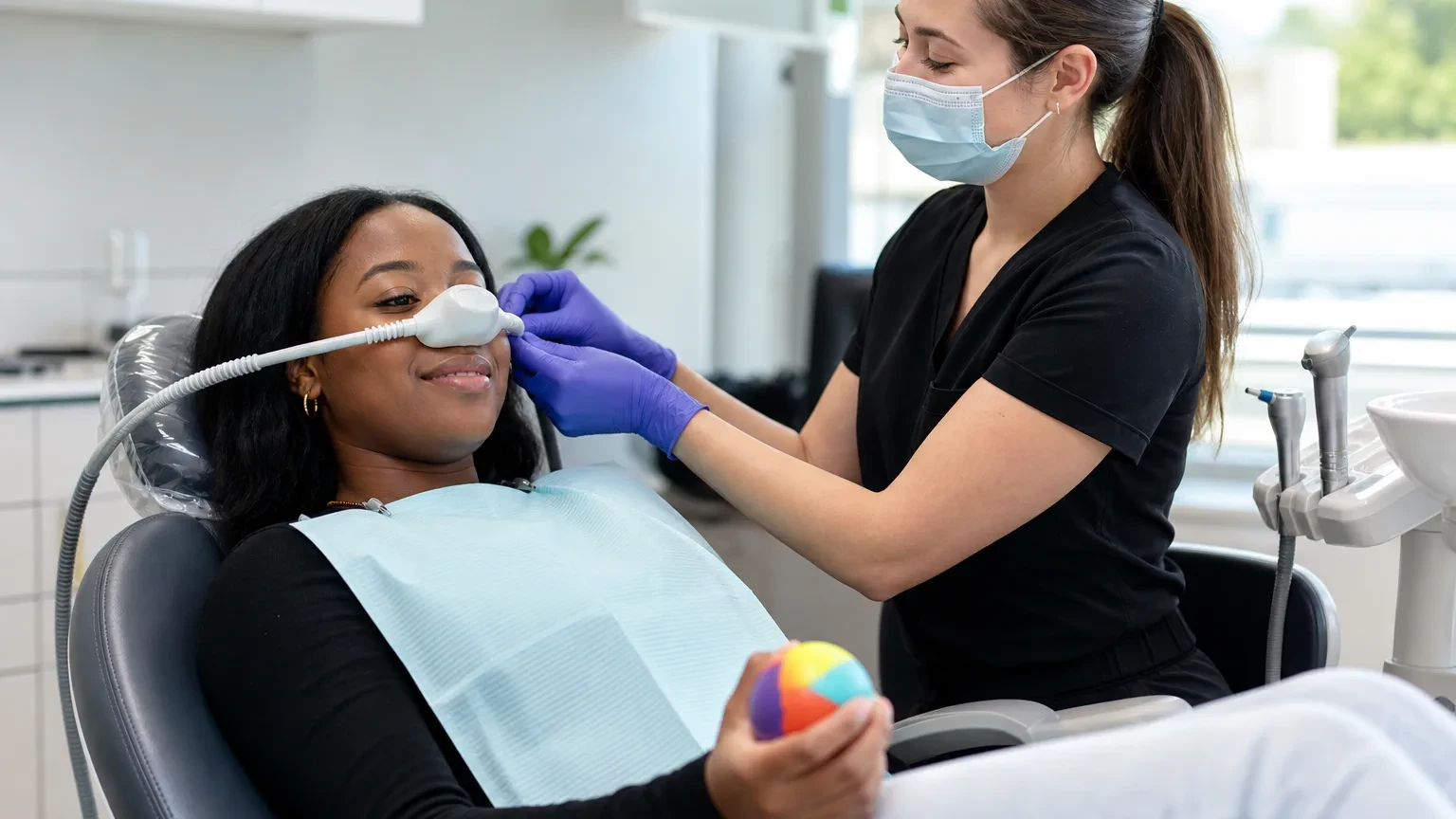
What Is Nitrous Oxide At The Dentist?
Nitrous oxide at the dentist is a mild inhaled sedative blended with oxygen that eases anxiety while you remain awake and able to respond—effects that typically fade soon after the mask comes off.
Read article
Can You Drive After Dental Sedation?
Plan on not driving after oral or IV dental sedation—judgment and reflexes can stay impaired even if you feel “fine”—while nitrous-only visits sometimes allow driving once you are fully clear per office rules.
Read article