
How Do You Care For Veneers?
Care for veneers with gentle brushing, flossing, regular cleanings, bite protection, nonabrasive products, and prompt checks for chips over time.

Reviewed by Dr. Sean Myran, DMDDoctor of Dental Medicine, University of Pennsylvania
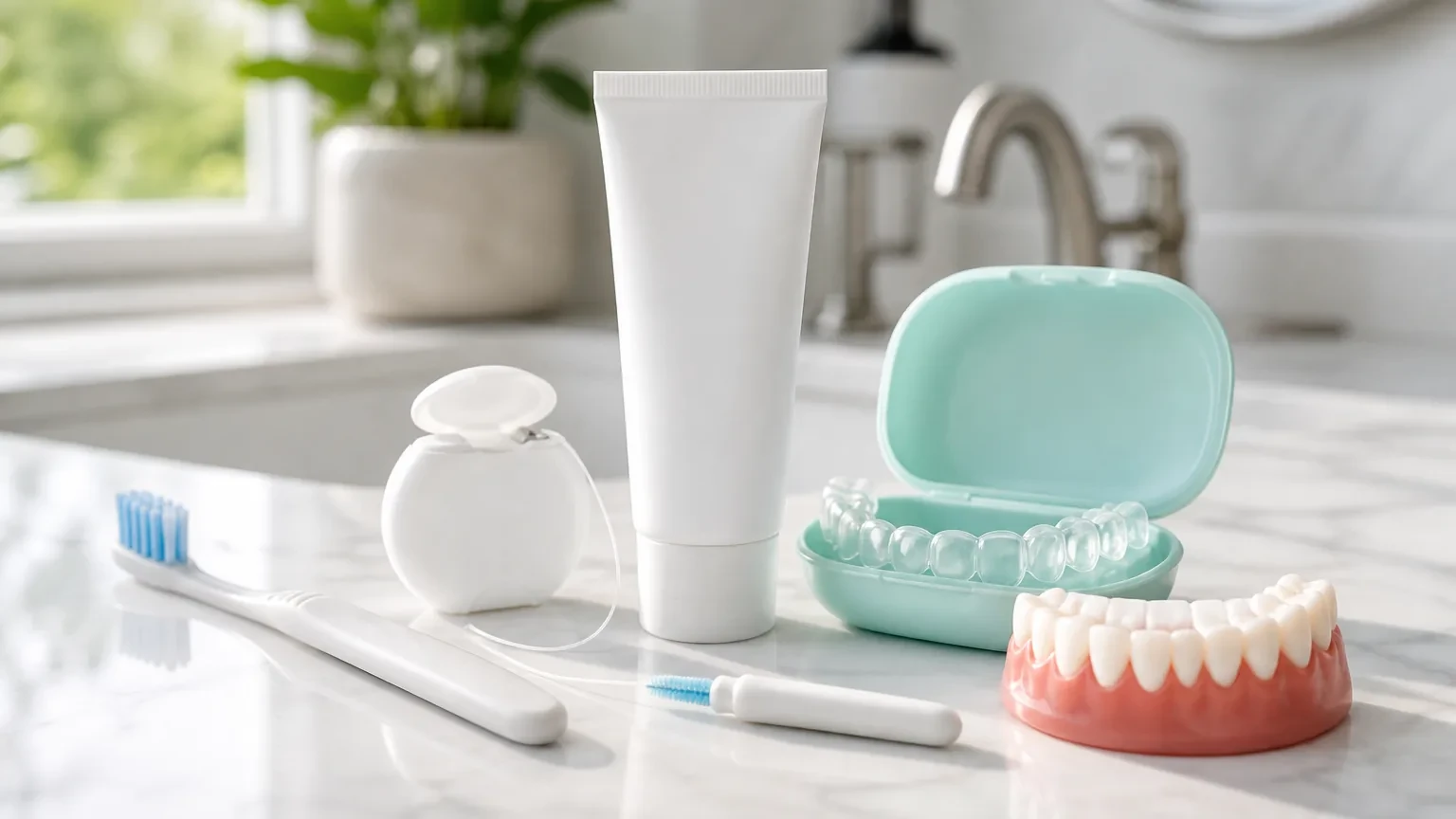
Care for veneers by keeping the tooth and gum around each veneer healthy. Brush gently, floss daily, use products your dentist approves, avoid using teeth as tools, and keep regular dental visits. Porcelain and composite can look durable, but the margin where veneer meets tooth still needs ordinary plaque control. MouthHealthy explains that veneers are bonded coverings on teeth; the bonded tooth still needs care.
A Daily Veneer Care Routine
- Brush with a soft brush. Clean the gumline without scrubbing aggressively.
- Use nonabrasive toothpaste. Harsh pastes can dull composite or scratch margins.
- Floss every day. Slide gently rather than snapping against the edges.
- Rinse after staining drinks. Water helps reduce pigment and acid contact.
- Wear protection if prescribed. Nightguards and sports guards reduce force-related chips.
 Margins stay healthier with steady, gentle cleaning.
Clean the margin, not just the front
The glossy front surface is not the only place that matters. Plaque collects near the gumline and between teeth, where the veneer edge meets natural tooth. Floss should pass through the contact and move along the tooth surface without popping hard against porcelain or composite edges.
Habits That Protect Veneers
Avoid biting fingernails, opening packages, chewing ice, holding pins, or cracking shells with veneered teeth. These habits can chip edges or stress the bond. If you clench or grind, wear the nightguard as instructed even after the smile feels normal. Veneers can handle normal chewing, but they are not designed as tools.
Food and drink choices matter most for composite and margins. Coffee, tea, red wine, tobacco, and dark sauces can stain rough areas or natural teeth around veneers. Porcelain resists staining better, but surrounding enamel may still change color. For shade questions, see Do Veneers Stain? and Can You Whiten Veneers?.
Keep professional cleanings on schedule and tell the hygienist what material you have. Some polishing pastes and instruments are better suited to cosmetic restorations than others. Ask the dentist to check bite contacts, margins, gum recession, and early chips. A small rough edge can sometimes be polished before it becomes a larger repair.
Travel and busy weeks are when routines often slip. Keep a soft travel brush, floss, and retainer or guard case where you will actually use them. If a veneer feels different after a trip, sports weekend, or stressful grinding period, schedule a check instead of waiting until the next cleaning. Small changes are easier to manage early.
Diet does not have to become restrictive, but technique matters. Cut hard sandwiches, apples, and crusty foods instead of tearing them with veneered front teeth. Chew very firm foods on back teeth when possible. These small habits reduce twisting forces on the thin cosmetic edges.
If a new habit feels unrealistic, say so; the care plan should fit daily life well enough to repeat.
 Protection helps restorations survive daily forces.
Force control is part of care
Many veneer problems are mechanical rather than hygiene-related: grinding, clenching, sports impact, or biting hard objects. If you wake with jaw tension or see tiny chips, ask about guard fit and bite adjustment. To schedule a veneer maintenance visit, use find a dentist and mention any cosmetic restorations when booking.
When To Call The Dentist
Call if a veneer feels loose, a corner chips, floss catches at an edge, gums bleed around one veneer repeatedly, the bite suddenly feels high, or color appears at the margin. Do not glue a loose veneer at home. Save any piece that comes off and ask the office what to do until the appointment. For longer-term expectations, How Long Do Veneers Last? explains why maintenance and replacement planning belong together.
Related articles
Keep exploring related topics from Dental Country.
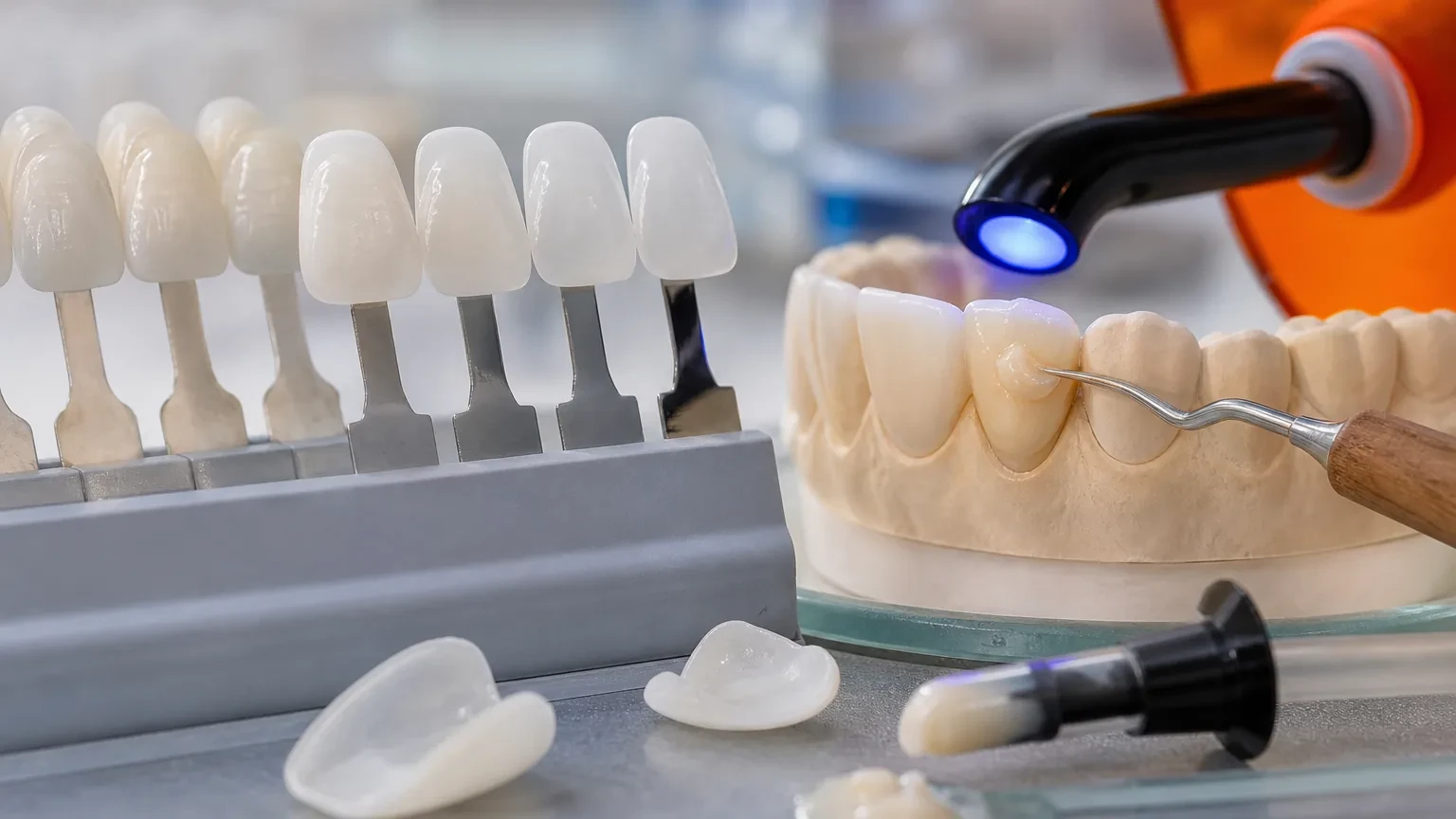
Porcelain Vs Composite Veneers: What’s The Difference?
Porcelain and composite veneers can change tooth shape and color, but they age, stain, repair, and cost differently.
Read article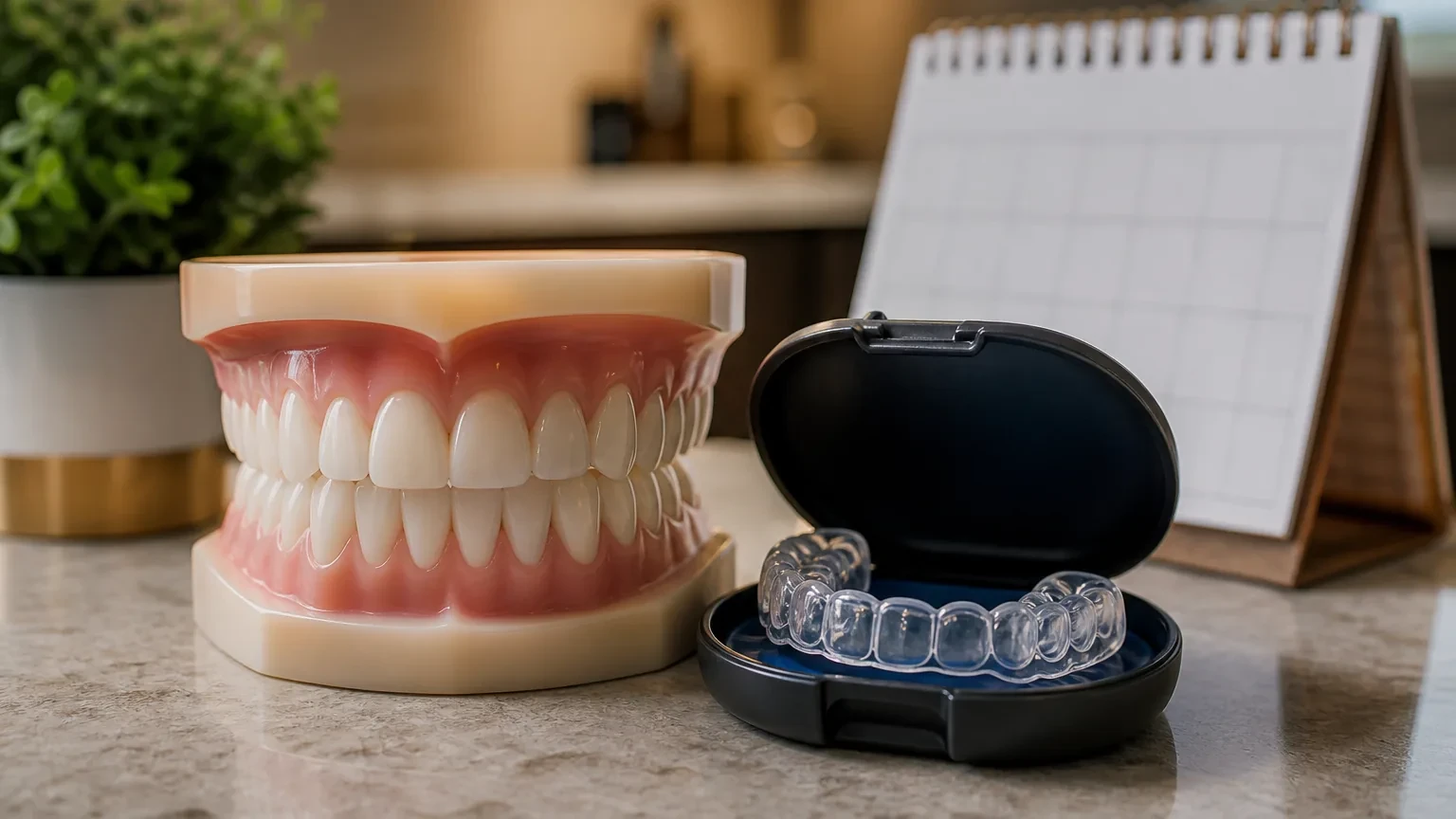
How Long Do Veneers Last?
Veneer lifespan is not just a number on a brochure. The material, bite, enamel, and daily habits decide how long the result stays useful.
Read article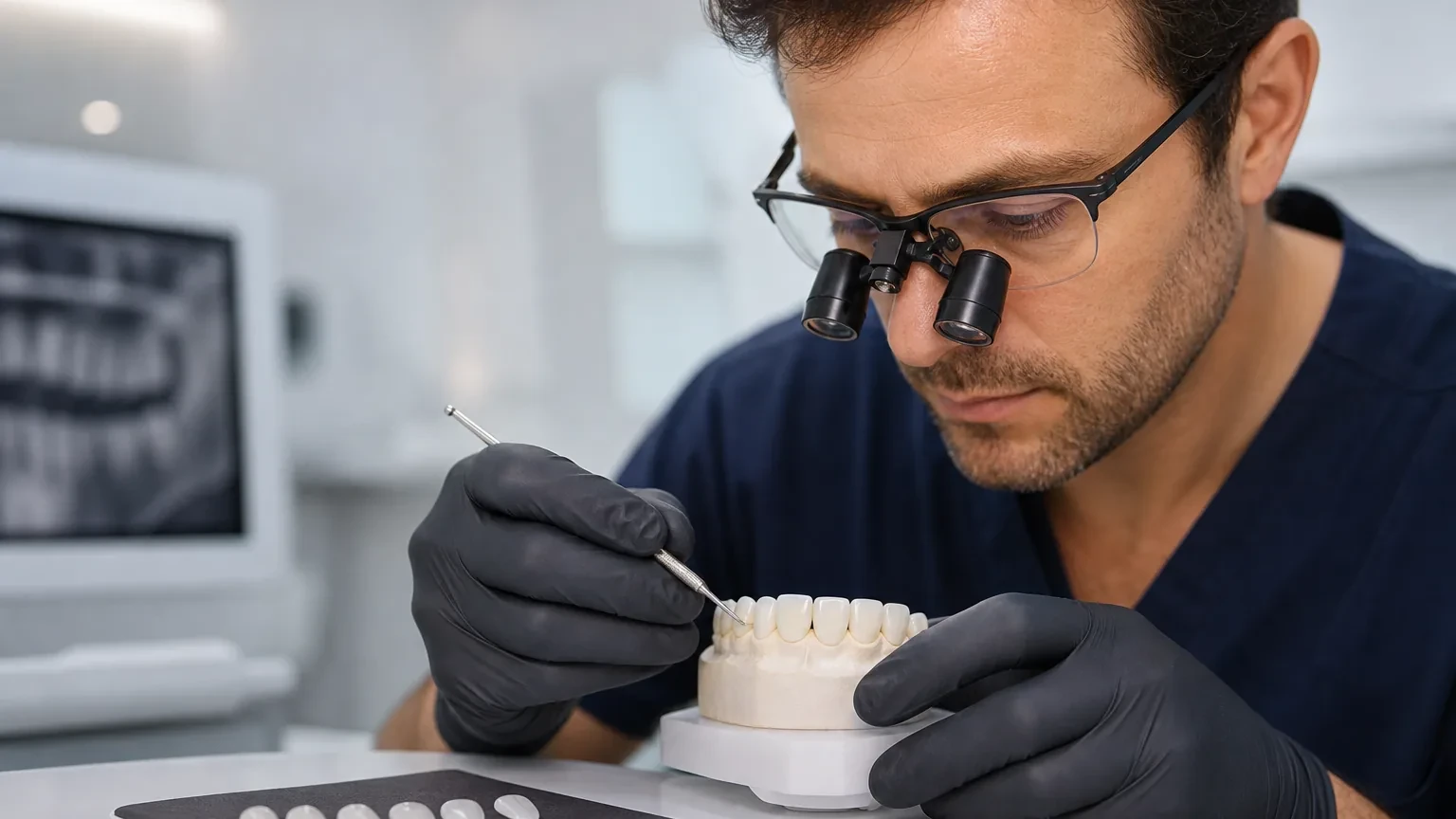
Do Veneers Ruin Your Teeth?
Veneers do not automatically ruin teeth, but they are not consequence-free. The safety question is preparation, bonding, hygiene, and case selection.
Read article
How Much Do Veneers Cost?
A veneer quote is more than a per-tooth price. Material, design, preparation, temporaries, and future maintenance all shape the real cost.
Read article