
Do Veneers Ruin Your Teeth?
Veneers should not ruin healthy teeth when planned carefully, but enamel removal, poor bonding, decay, or bad bite selection can cause harm.

Reviewed by Dr. Sean Myran, DMDDoctor of Dental Medicine, University of Pennsylvania
Veneers should not ruin healthy teeth when they are planned, prepared, bonded, and maintained correctly. They can, however, involve permanent enamel changes, and they can create problems if they are placed over untreated decay, gum disease, unstable bites, or teeth that really need crowns. MouthHealthy explains that veneers may involve removing a small amount of enamel; that is why the consultation should include health findings, not only shade choices.
Myths And Facts
- Myth: Veneers always destroy the teeth underneath.
- Fact: Conservative veneers can preserve a great deal of tooth structure, but preparation is usually irreversible.
- Myth: No-prep veneers are risk-free.
- Fact: No-prep designs still need enough space, clean margins, and a bite that will not pry them off.
- Myth: Covered teeth cannot get cavities.
- Fact: Decay can start at veneer edges if plaque and leakage are ignored.
- Myth: Any crooked tooth can be hidden safely.
- Fact: Severe crowding may need orthodontics before veneers are considered.
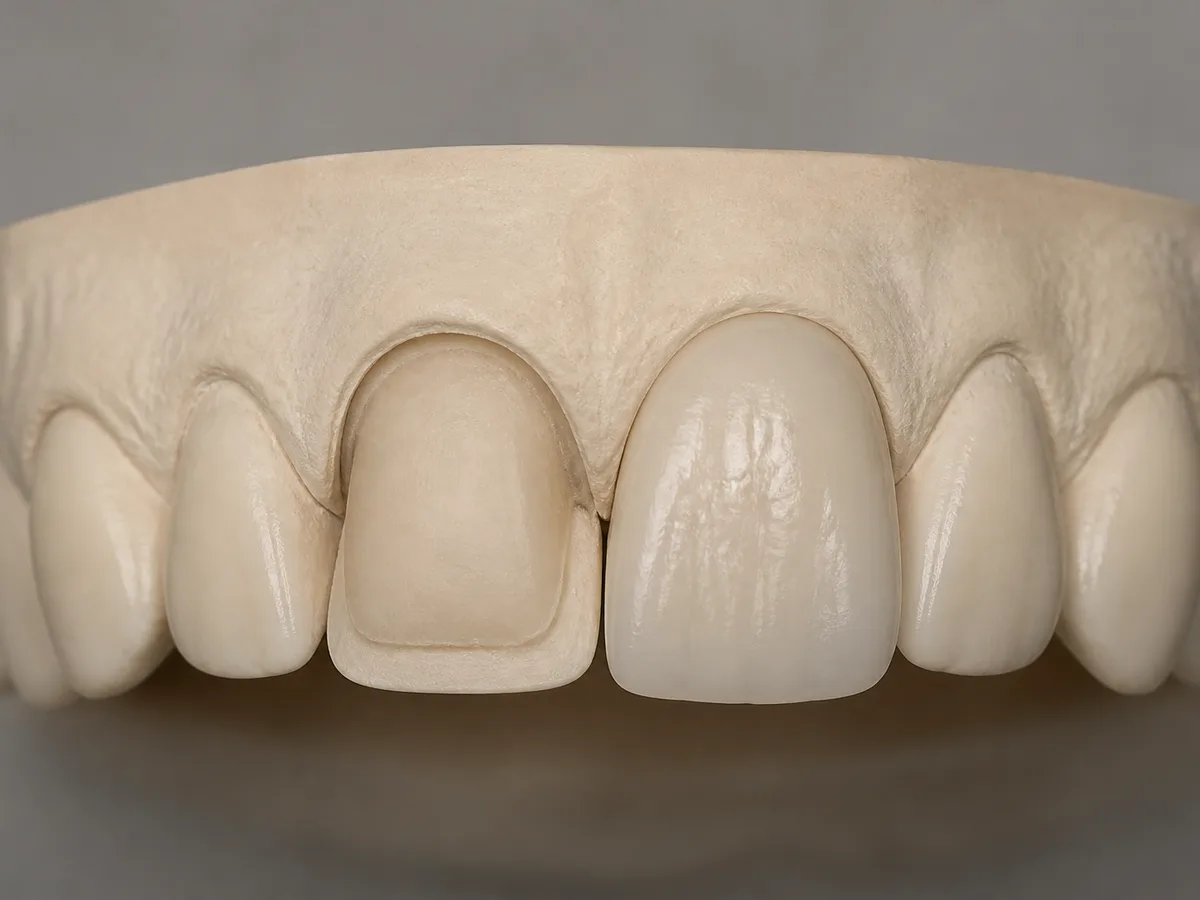 Preparation should fit the tooth, not fight it.
The amount of enamel matters
Enamel is valuable because bonding to enamel is usually more predictable than bonding deeply into dentin. A careful veneer plan removes only what is needed for shape, thickness, shade change, and clean margins. If a tooth needs aggressive reduction to look straight, that may be a sign to reconsider the sequence rather than force a cosmetic shortcut.
When Veneers Can Become Risky
The risk rises when veneers are used to mask active disease. Bleeding gums, cavities, cracked fillings, untreated grinding, and weak enamel should be addressed first. A veneer bonded over a tooth that is already breaking down may look better briefly while the underlying problem continues. If the tooth has a large filling or fracture, Veneers Vs Crowns: Which Do I Need? explains why a crown may sometimes protect better than a thin facing.
Bite selection also matters. A deep bite, edge-to-edge bite, or heavy clenching pattern can stress porcelain and composite. The dentist may recommend orthodontics, bite adjustment, a nightguard, or a different restoration before cosmetic work. For crooked tooth questions, Can Veneers Fix Crooked Teeth? outlines the limits.
Another misunderstanding is reversibility. Even a beautiful veneer may need replacement later because the tooth has been shaped and the restoration is now part of the tooth's protective surface. That does not mean treatment was harmful. It means veneers should be chosen with the expectation of future maintenance, not as a temporary accessory.
Second opinions are useful when a plan sounds aggressive. Warning signs include promises that every tooth can be covered without consequences, no discussion of gum health, no bite evaluation, or no explanation of why a crown is not needed on heavily filled teeth. A careful dentist can still recommend veneers confidently, but the confidence should be connected to specific findings in your mouth.
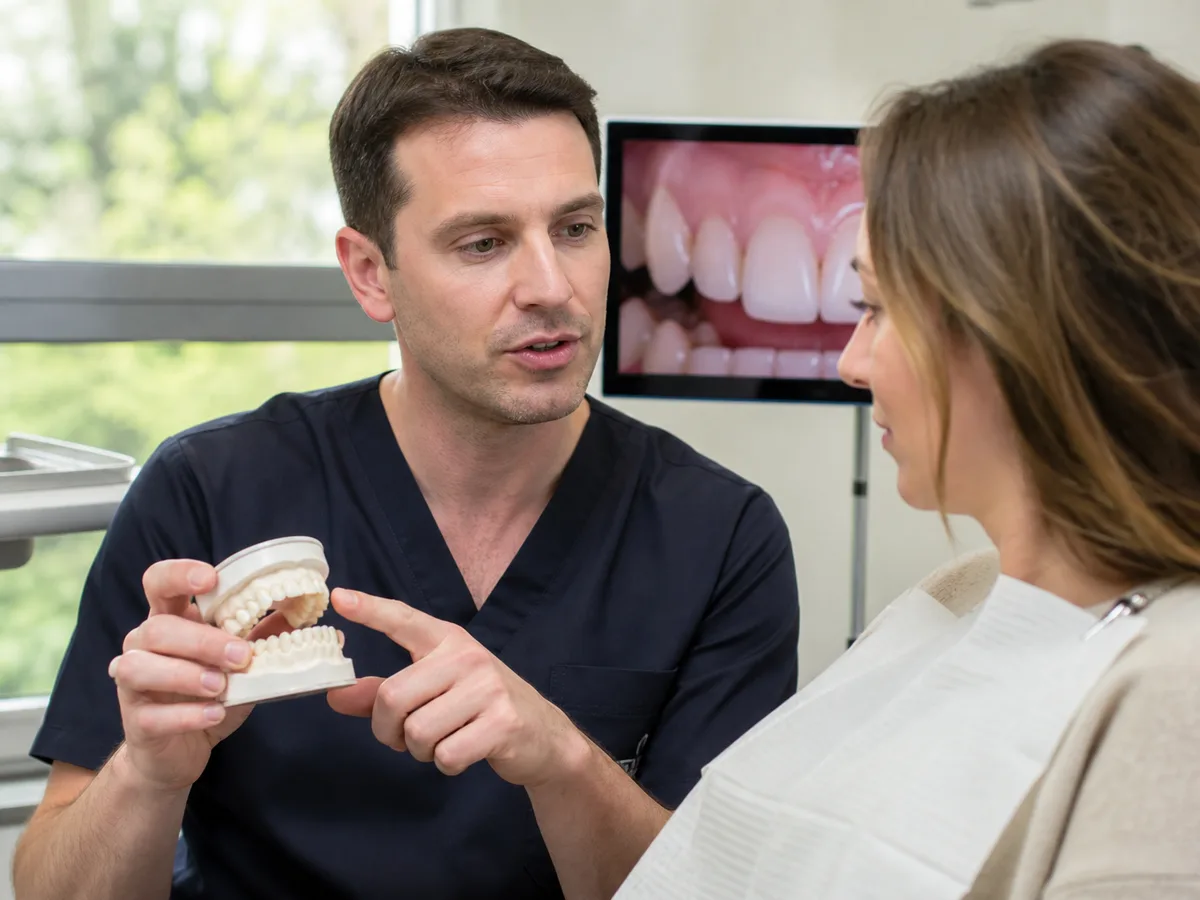 The safest smile design starts with diagnosis.
Health screening protects the cosmetic result
A good cosmetic appointment includes X-rays when needed, gum measurements, bite evaluation, shade discussion, and photographs. Ask what findings make veneers safe or unsafe for you. If you want an opinion before changing enamel, use find a dentist and request a cosmetic consultation with a full exam.
The Balanced Answer
Veneers do not have to ruin teeth, but careless treatment can. The safer path is conservative preparation, healthy gums, strong enamel where possible, clean bonding, bite protection, and regular maintenance. Ask to see how much tooth will be changed and why. If the answer is vague, slow down. If the plan is specific and your mouth is healthy, veneers can be a reasonable cosmetic option. To protect the result afterward, read How Do You Care For Veneers?.
Related articles
Keep exploring related topics from Dental Country.
Porcelain Vs Composite Veneers: What’s The Difference?
Porcelain and composite veneers can change tooth shape and color, but they age, stain, repair, and cost differently.
Read article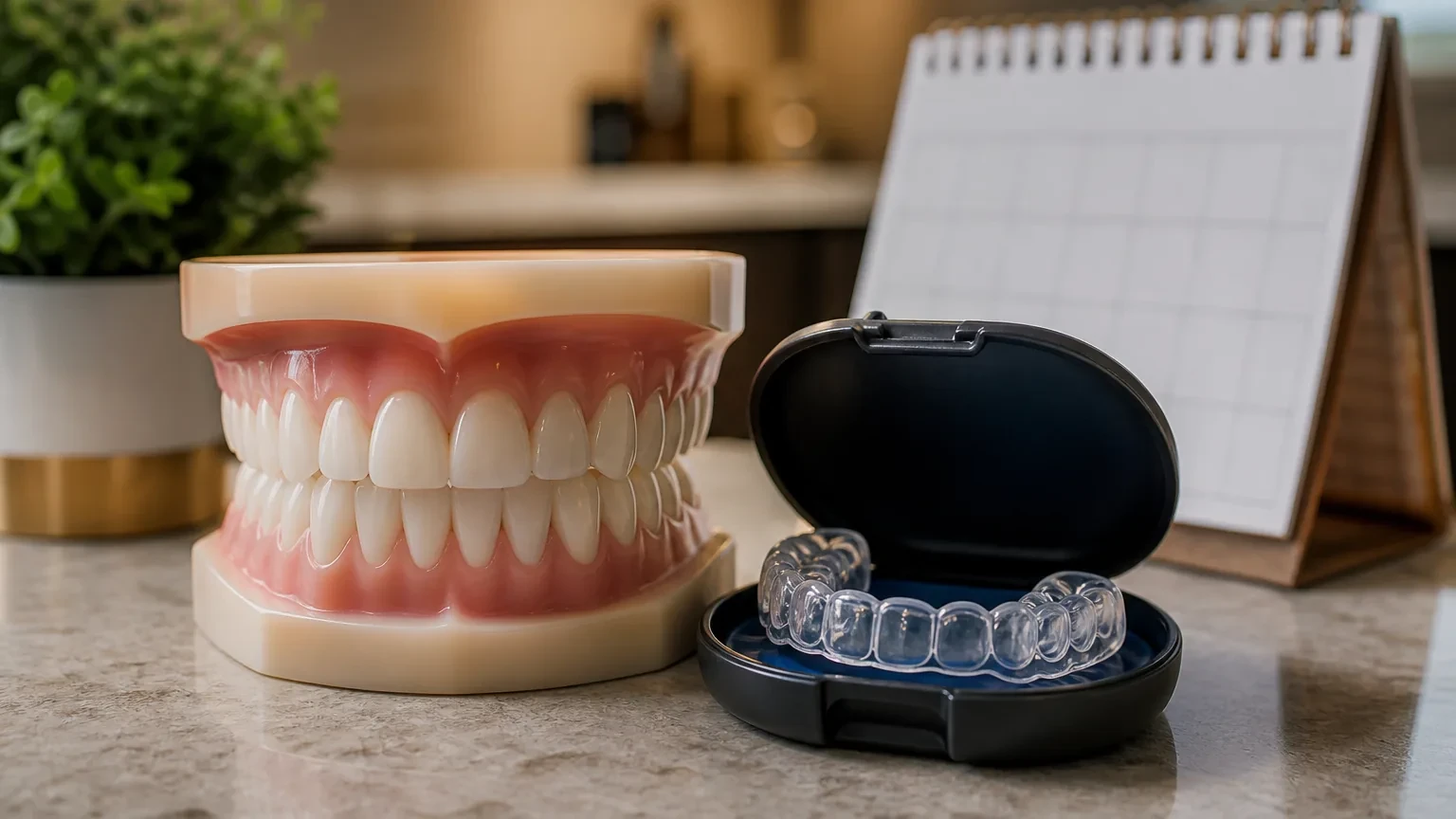
How Long Do Veneers Last?
Veneer lifespan is not just a number on a brochure. The material, bite, enamel, and daily habits decide how long the result stays useful.
Read article
How Much Do Veneers Cost?
A veneer quote is more than a per-tooth price. Material, design, preparation, temporaries, and future maintenance all shape the real cost.
Read article
Can Veneers Fix Crooked Teeth?
Veneers can camouflage mild crookedness, but they do not move roots or correct a bite. The limit is where cosmetic reshaping becomes risky.
Read article