
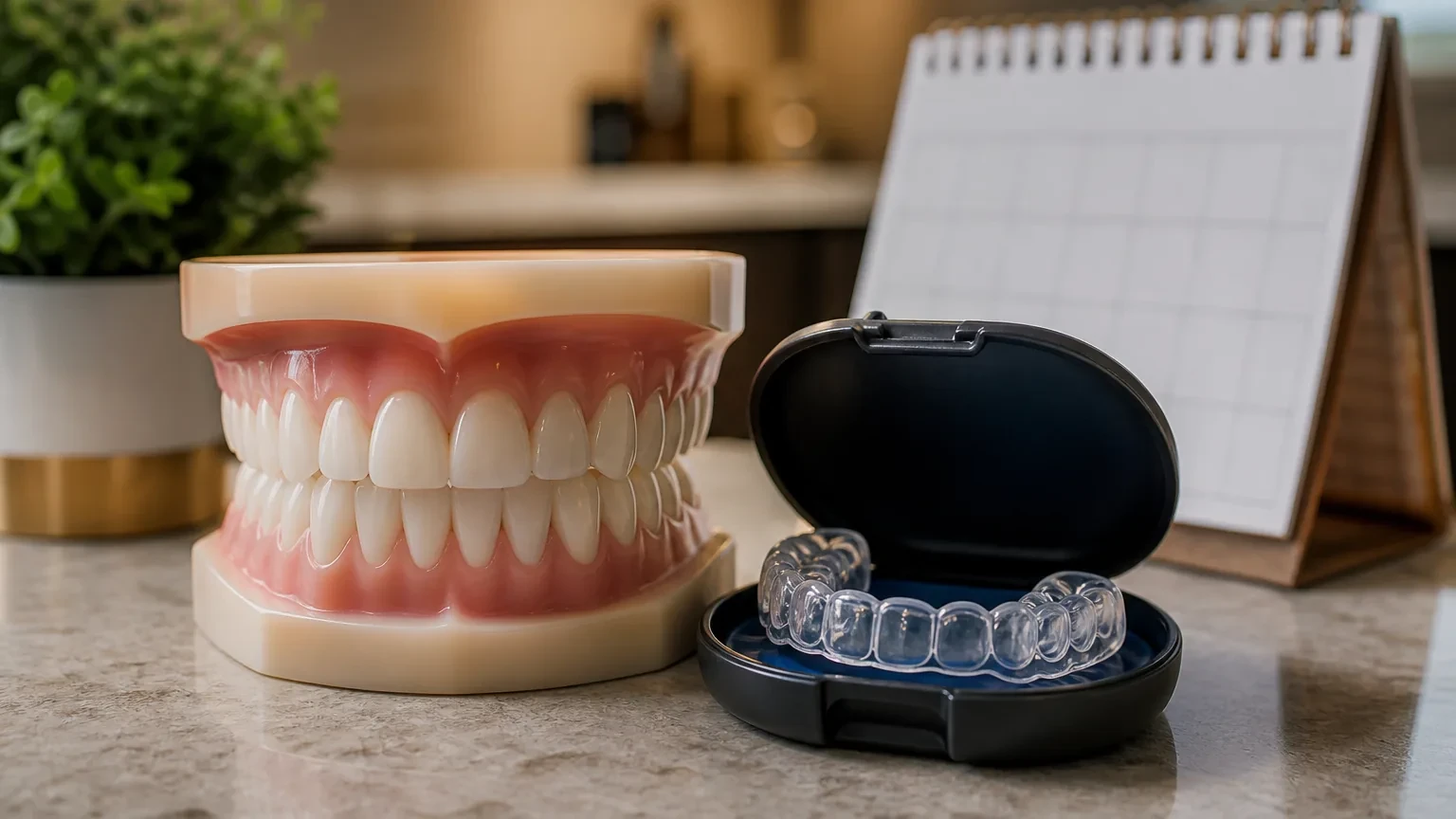
How Long Do Veneers Last?
Veneers can last years, but material, enamel bonding, bite forces, grinding, hygiene, and repair timing all affect replacement planning over time.

Reviewed by Dr. Sean Myran, DMDDoctor of Dental Medicine, University of Pennsylvania
Veneers can last many years, but no dentist can honestly promise the same lifespan for every mouth. Porcelain often lasts longer than composite because it resists staining and wear better, while composite is easier to repair but tends to polish, stain, or chip sooner. MouthHealthy notes that veneers are bonded to teeth to change appearance; that bond and the tooth underneath are major parts of longevity.
The Factors That Decide Lifespan
- Material: porcelain usually holds gloss and color longer than direct composite.
- Enamel bond: veneers bonded mostly to enamel tend to be more predictable.
- Bite forces: edge-to-edge bites, grinding, and clenching can chip or debond veneers.
- Design: bulky margins, poor contours, or unsupported edges age faster.
- Maintenance: clean gums and prompt repairs help protect the margins.
 The margin is where small problems often start.
Longevity starts at the edges
A veneer does not fail only when the front surface chips. Trouble can begin at the margin where tooth, bonding cement, and veneer meet. Plaque, leakage, recession, or a tiny open edge can threaten a restoration that still looks good in selfies. Regular dental checks are partly about catching those quiet changes early.
Why Two Patients Get Different Answers
One person may keep porcelain veneers for a decade or longer with steady hygiene and a nightguard. Another may chip composite within a year because the bite hits the veneer edge every time they chew. The difference is not only craftsmanship. Tooth position, jaw habits, gum stability, saliva, diet, and willingness to wear protection all influence the result.
Replacement can be cosmetic, structural, or health-related. A veneer may need replacement because the shade no longer matches, the surface dulled, a corner fractured, gum recession exposed a margin, decay started at the edge, or the underlying tooth changed. If you are still choosing the material, Porcelain Vs Composite Veneers: What’s The Difference? explains the repair and stain tradeoffs that affect the calendar.
Good planning also considers whether veneers are the right treatment at all. Teeth with large fillings, cracks, short clinical crowns, or heavy wear may need a different restoration. Veneers Vs Crowns: Which Do I Need? can help you understand why coverage sometimes matters more than a thin cosmetic layer.
The first set of veneers also influences the next set. If the original preparation was conservative and margins stayed healthy, replacement may be straightforward. If the teeth were over-reduced, decay developed, or bite forces chipped several veneers, the next plan may require crowns, orthodontics, gum treatment, or a more guarded prognosis. That is why long-term planning belongs in the first consultation.
Take dated photos after placement so future color, gumline, and edge changes are easier to compare.
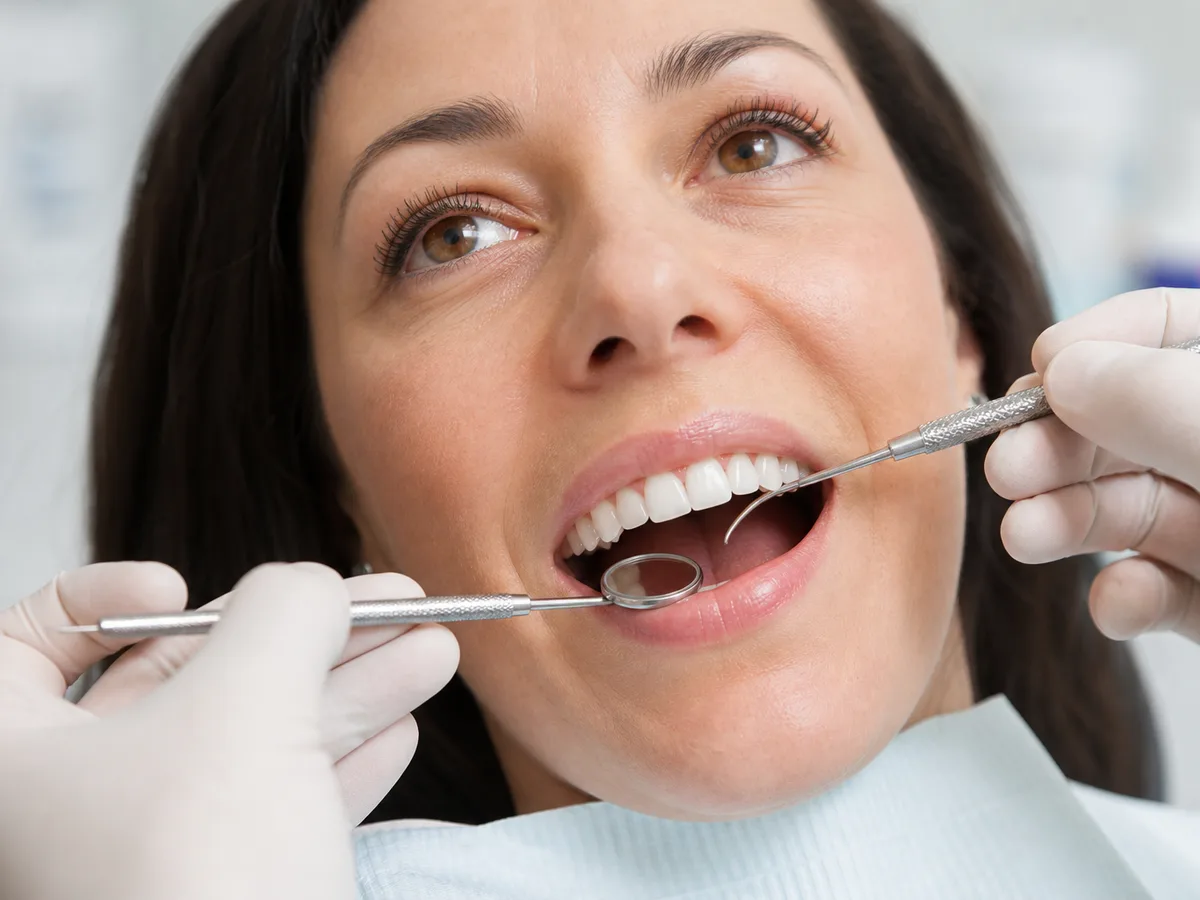 A guard can reduce avoidable force on veneer edges.
Protection is part of the investment
If you clench, grind, play impact sports, or notice chipped edges, ask whether a nightguard or sports guard should be part of the plan. Veneers are strong for normal smile function, not for using teeth as tools. To find an office for a veneer check or replacement estimate, use find a dentist and mention the age of your veneers when you call.
How To Make Replacement Less Surprising
Ask for a maintenance forecast before treatment starts. Useful questions include: How long do you expect this material to last in my mouth? What signs mean a veneer is leaking or weakening? What would a repair cost? How often should polishing or bite checks happen? Veneers are not a one-time purchase that escapes ordinary dentistry. They are cosmetic restorations that last longest when the bite, gumline, and home care are watched over time. For daily habits, see How Do You Care For Veneers?.
Related articles
Keep exploring related topics from Dental Country.
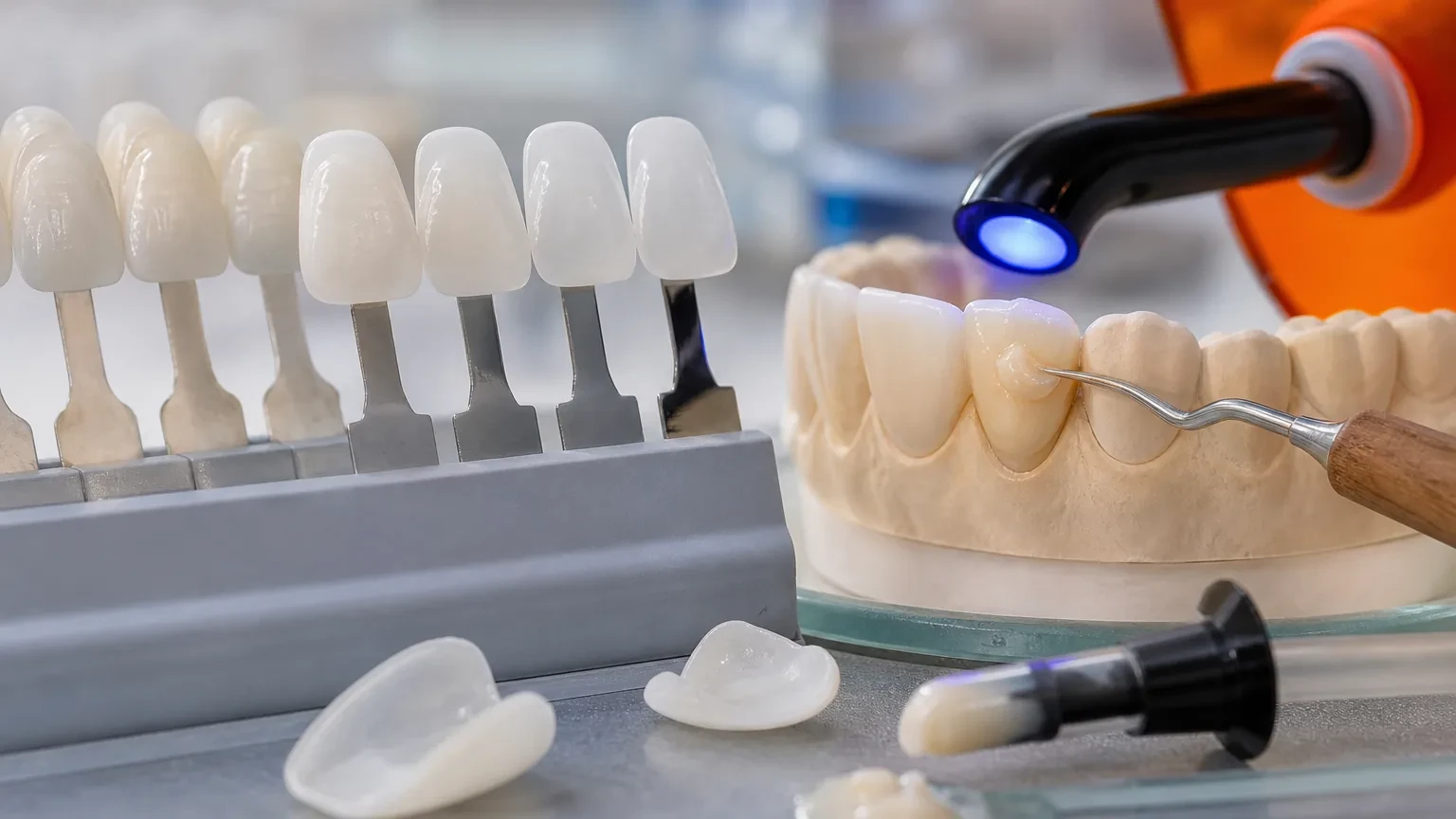
Porcelain Vs Composite Veneers: What’s The Difference?
Porcelain and composite veneers can change tooth shape and color, but they age, stain, repair, and cost differently.
Read article
Do Veneers Ruin Your Teeth?
Veneers do not automatically ruin teeth, but they are not consequence-free. The safety question is preparation, bonding, hygiene, and case selection.
Read article
How Much Do Veneers Cost?
A veneer quote is more than a per-tooth price. Material, design, preparation, temporaries, and future maintenance all shape the real cost.
Read article
Can Veneers Fix Crooked Teeth?
Veneers can camouflage mild crookedness, but they do not move roots or correct a bite. The limit is where cosmetic reshaping becomes risky.
Read article