

Are Veneers Painful?
Veneers are usually not painful with numbing, but temporary sensitivity, gum tenderness, and bite adjustments can happen during treatment for most patients.

Reviewed by Dr. Sean Myran, DMDDoctor of Dental Medicine, University of Pennsylvania
Veneers are usually not painful when teeth are properly numbed for preparation. Some patients need little or no anesthetic for very conservative bonding, while others need local anesthetic because enamel is being reshaped near sensitive areas. Afterward, temporary sensitivity, gum tenderness, or a bite that feels slightly off can happen. MouthHealthy notes that veneer treatment may remove a small amount of enamel, and that preparation is the part most connected to comfort.
Comfort Timeline
- Consultation and mockup: no pain, though photos, scans, or impressions may feel awkward.
- Preparation visit: pressure and vibration are expected; sharp pain should be reported.
- Temporary phase: teeth may feel sensitive to cold, air, or rough edges.
- Bonding visit: holding the mouth open can cause jaw fatigue more than tooth pain.
- First week: minor gum soreness or bite awareness should improve.
 Clear signals help the team keep treatment comfortable.
Numbing should be adjusted when needed
A cosmetic appointment should not require you to endure sharp sensation. Tell the team if you feel cold, zinging, or pain during preparation. Many comfort issues are solved by waiting longer for anesthetic, adding more numbing, smoothing a temporary edge, or giving the jaw short rests during a long appointment.
What Sensitivity Means
Short-lived cold sensitivity can happen after enamel preparation and bonding. It should trend down, not become severe. Temporaries can feel thicker or rougher than final porcelain, and they may not seal as precisely. Avoid very cold drinks, sticky foods, and biting hard foods with temporary veneers unless your dentist says otherwise.
After final bonding, the bite may need small adjustments. A high spot can make one veneer feel sore because it receives too much force. That is not something to chew through for weeks. Call the office if one tooth hits first, pain increases, gum swelling appears, or a veneer feels loose. For care habits after bonding, How Do You Care For Veneers? explains what to avoid.
Anxiety can make the appointment feel larger than the procedure itself. Ask how long each visit should take, whether anesthetic will be used, what temporaries feel like, and how to reach the office after bonding. If fear is the main barrier, say so during the consultation rather than at the preparation visit.
Comfort also depends on how many teeth are treated at once. A single veneer may be a short appointment. A larger smile design can mean a longer time open, more gum retraction, more temporary material, and more bite checking. Scheduling the visit when you can rest afterward often makes the experience easier, especially if you already have jaw joint soreness.
Temporary veneers deserve careful handling. They may be joined together, less polished, or more fragile than the final restorations. If one loosens, breaks, or rubs the gum, call the office instead of trimming or gluing it yourself. A temporary problem can usually be adjusted quickly.
 Aftercare instructions should include when to call.
Most soreness has a short window
Mild tenderness should settle as gums calm and the bite is refined. Pain that is sharp, one-sided, worsening, or tied to a loose temporary needs a call. If you need a cosmetic dentist who will review comfort options before treatment, use find a dentist and ask about numbing, temporaries, and follow-up visits.
The Reassuring But Honest Answer
Veneers are not usually a painful treatment, but they can involve temporary sensitivity and gum tenderness. The most comfortable cases are planned conservatively, numbed when needed, protected during the temporary phase, and adjusted promptly if the bite feels wrong. If you are worried that veneers will harm teeth, read Do Veneers Ruin Your Teeth? before deciding.
Related articles
Keep exploring related topics from Dental Country.
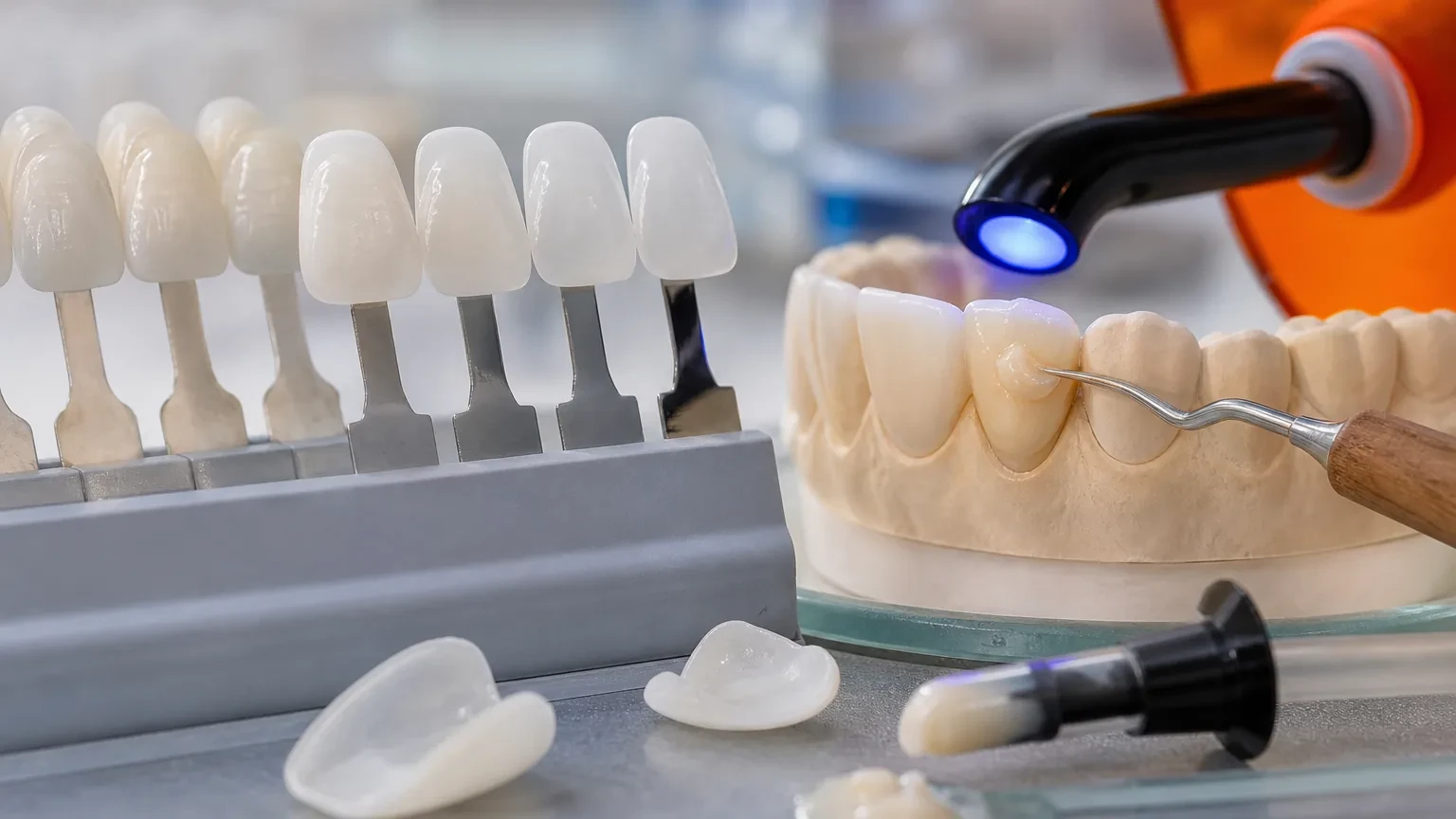
Porcelain Vs Composite Veneers: What’s The Difference?
Porcelain and composite veneers can change tooth shape and color, but they age, stain, repair, and cost differently.
Read article
How Long Do Veneers Last?
Veneer lifespan is not just a number on a brochure. The material, bite, enamel, and daily habits decide how long the result stays useful.
Read article
Do Veneers Ruin Your Teeth?
Veneers do not automatically ruin teeth, but they are not consequence-free. The safety question is preparation, bonding, hygiene, and case selection.
Read article
How Much Do Veneers Cost?
A veneer quote is more than a per-tooth price. Material, design, preparation, temporaries, and future maintenance all shape the real cost.
Read article