
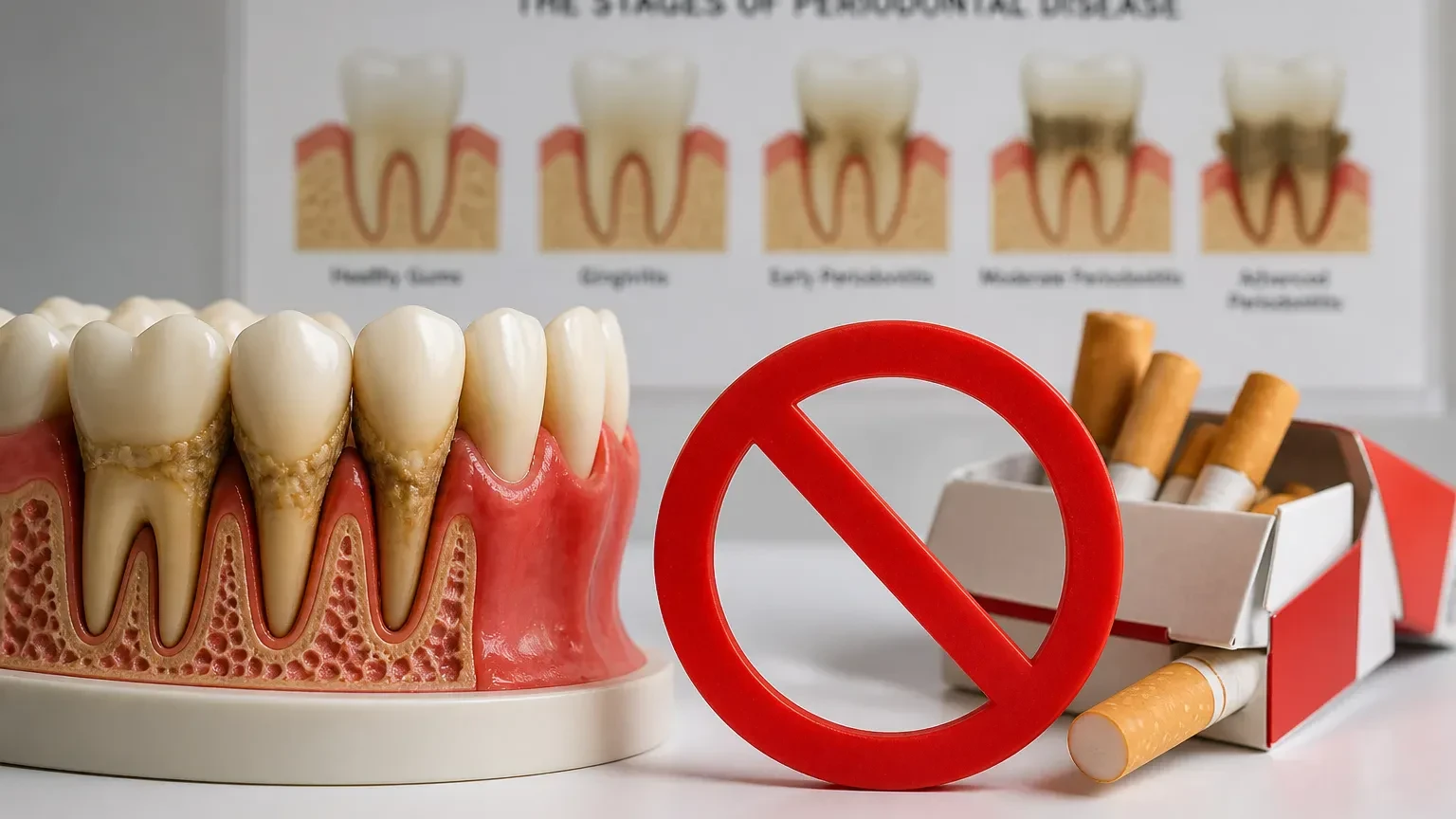
Does Smoking Cause Gum Disease?
Smoking raises gum disease risk, can hide bleeding, slows healing, and affects periodontal treatment outcomes. Learn how tobacco changes care.

Reviewed by Dr. Sean Myran, DMDDoctor of Dental Medicine, University of Pennsylvania
Smoking is one of the strongest risk factors for gum disease. It does not act like plaque by itself, but it changes the body's response to bacteria, reduces healing capacity, and makes periodontal breakdown more likely. Smokers may also bleed less, which can hide inflammation and delay care. CDC lists smoking as an important risk factor for periodontal disease. Vaping and other nicotine products may also affect oral tissues, so tell your dentist what you use.
How Smoking Changes Gum Risk
- Immune response: the body has a harder time controlling bacterial challenge.
- Blood flow: gums may look less red or bleed less even when disease is active.
- Healing: deep cleaning, surgery, grafting, and implant procedures may heal less predictably.
- Tartar and pockets: smoking often travels with heavier deposits and deeper periodontal problems.
- Relapse: disease can return faster without close maintenance and tobacco counseling.
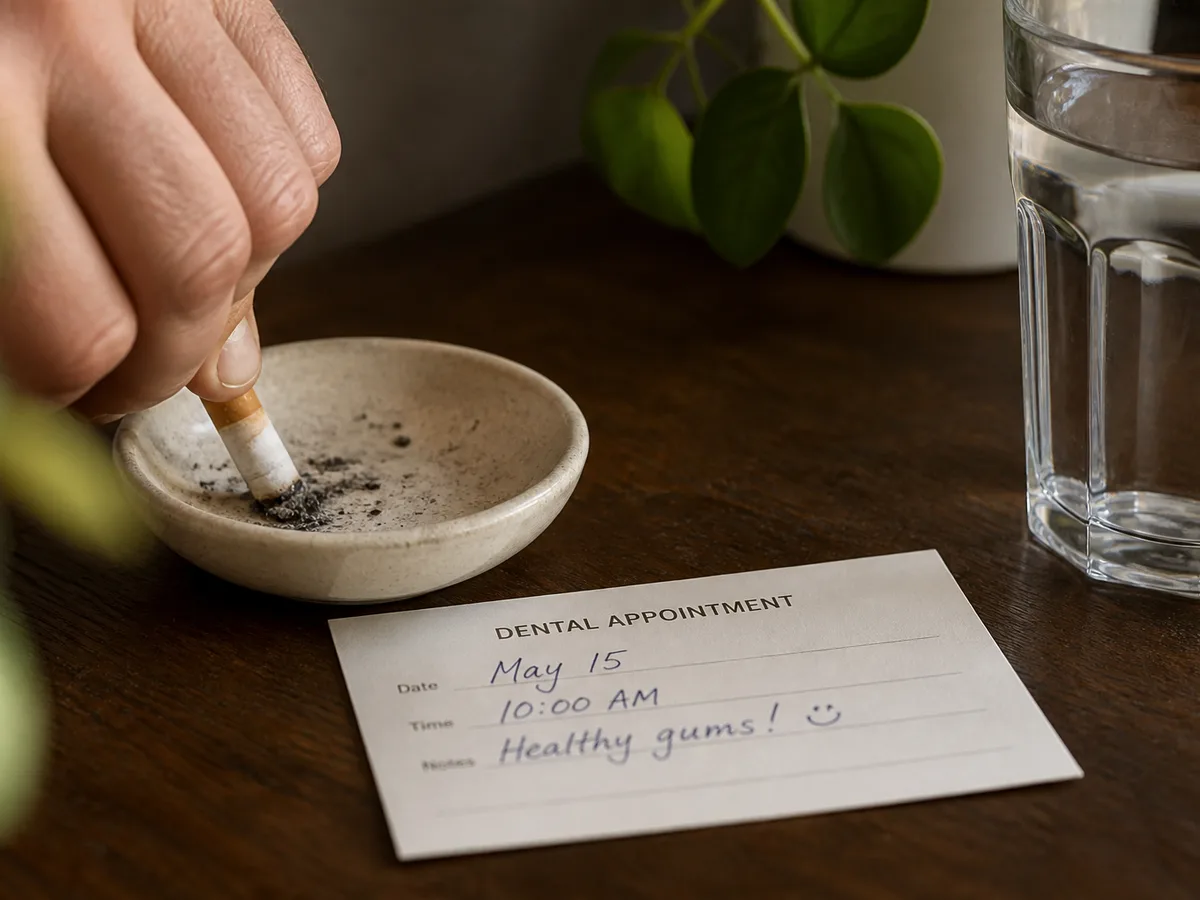 Smoking can mask symptoms.
Less bleeding is not always better
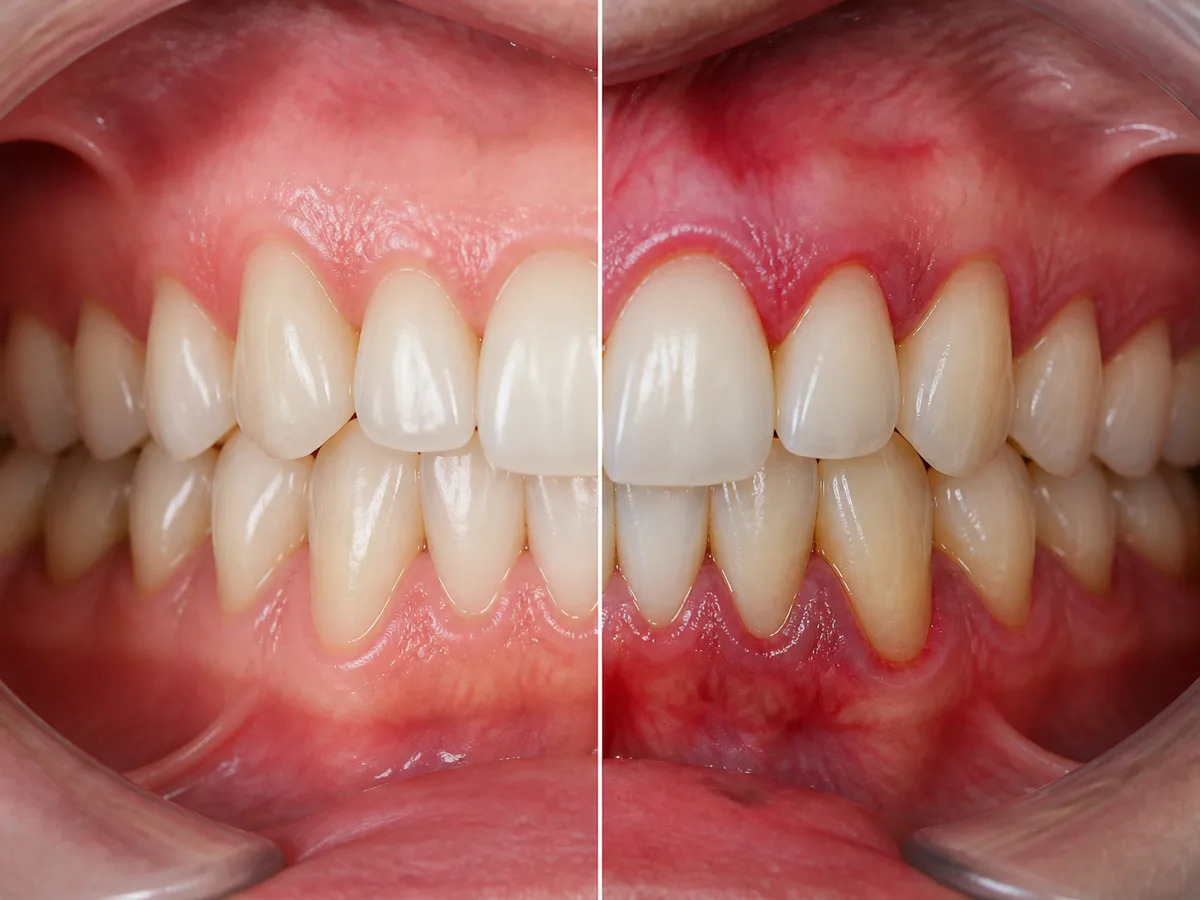
Many patients expect bleeding to be the main alarm. Nicotine can reduce obvious bleeding, so the gums may look calmer than the pocket depths and X-rays suggest. That makes measurements especially important for smokers.
Does Quitting Help?
Quitting helps. Periodontal risk does not disappear overnight, but healing, inflammation control, breath, stain, and long-term stability can improve when tobacco exposure stops. A dental office cannot force a quit plan, but it can connect gum findings to a concrete reason for change: keeping teeth. If you are trying to prevent disease from advancing, How Do You Prevent Gum Disease? gives the daily side of the plan.
Smoking also affects treatment choices. A periodontist may want inflammation controlled before surgery, may discuss lower success rates for certain regenerative procedures, and may monitor implants more closely. The point is not to deny care automatically. It is to set expectations and reduce avoidable failure. If implants are part of your future plan, read Can You Get Implants With Gum Disease?.
Be honest about cigarettes, cigars, smokeless tobacco, nicotine pouches, cannabis, and vaping. The route and frequency matter. Hiding tobacco use can make bleeding patterns, dry mouth, staining, delayed healing, and implant risk harder to interpret. Your dental team has heard it before; accurate information helps them choose maintenance intervals and referral timing.
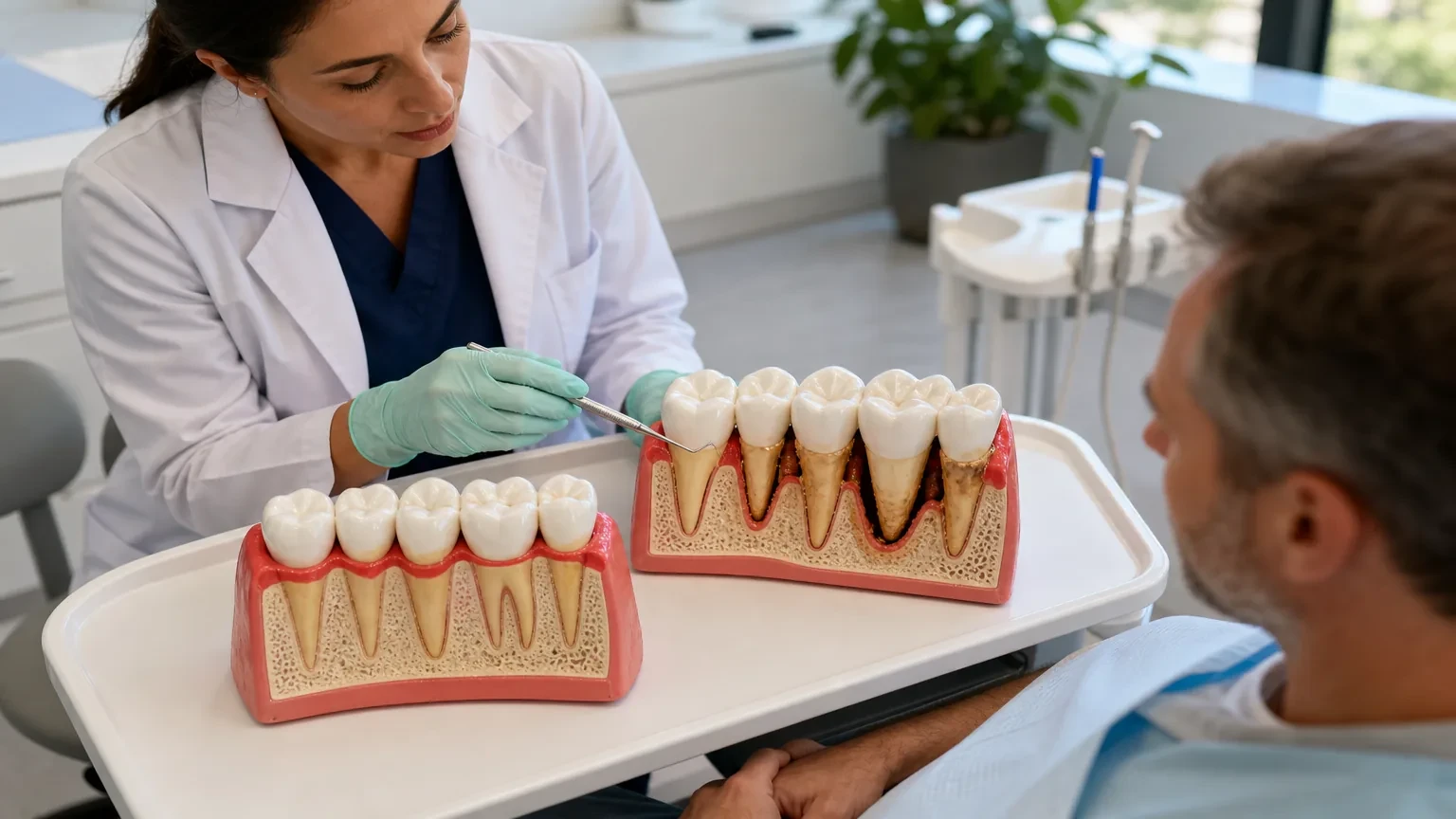
 Risk control is part of treatment.
Pair treatment with a quit strategy
Scaling and root planing can reduce infection, but tobacco keeps pressure on the result. If you need a periodontal exam or help finding a clinician who discusses tobacco without judgment, use find a dentist.
What Smokers Should Ask
Ask for your pocket depths, bone-loss pattern, tooth prognosis, and maintenance interval. Ask how smoking changes healing after the specific procedure being recommended. Ask whether the office can refer you to cessation support through your physician, health plan, or public health resources. Treatment can still matter while you are working on quitting, but the most durable plan addresses both bacteria and tobacco exposure.
For signs that may be hidden or subtle, see What Are Early Signs Of Gum Disease?.
Even partial progress can help the dental plan. Cutting down is not the same as quitting, but it can be a step toward a stronger quit attempt and more honest maintenance conversations. Ask the office whether they can document gum findings over time so you can see whether pocket bleeding, tartar, and healing change as tobacco use changes. Some patients respond better to concrete mouth-related goals than general health warnings. Keeping a tooth stable through the next maintenance cycle can be a more immediate reason to seek support than an abstract future risk.
If quitting feels too large, start by making tobacco part of the dental conversation. Accurate risk information is the beginning of a better treatment plan.
Related articles
Keep exploring related topics from Dental Country.
What Is The Difference Between Gingivitis And Periodontitis?
Gingivitis and periodontitis can both bleed quietly, but the real difference is whether deeper tooth support has started to break down.
Read article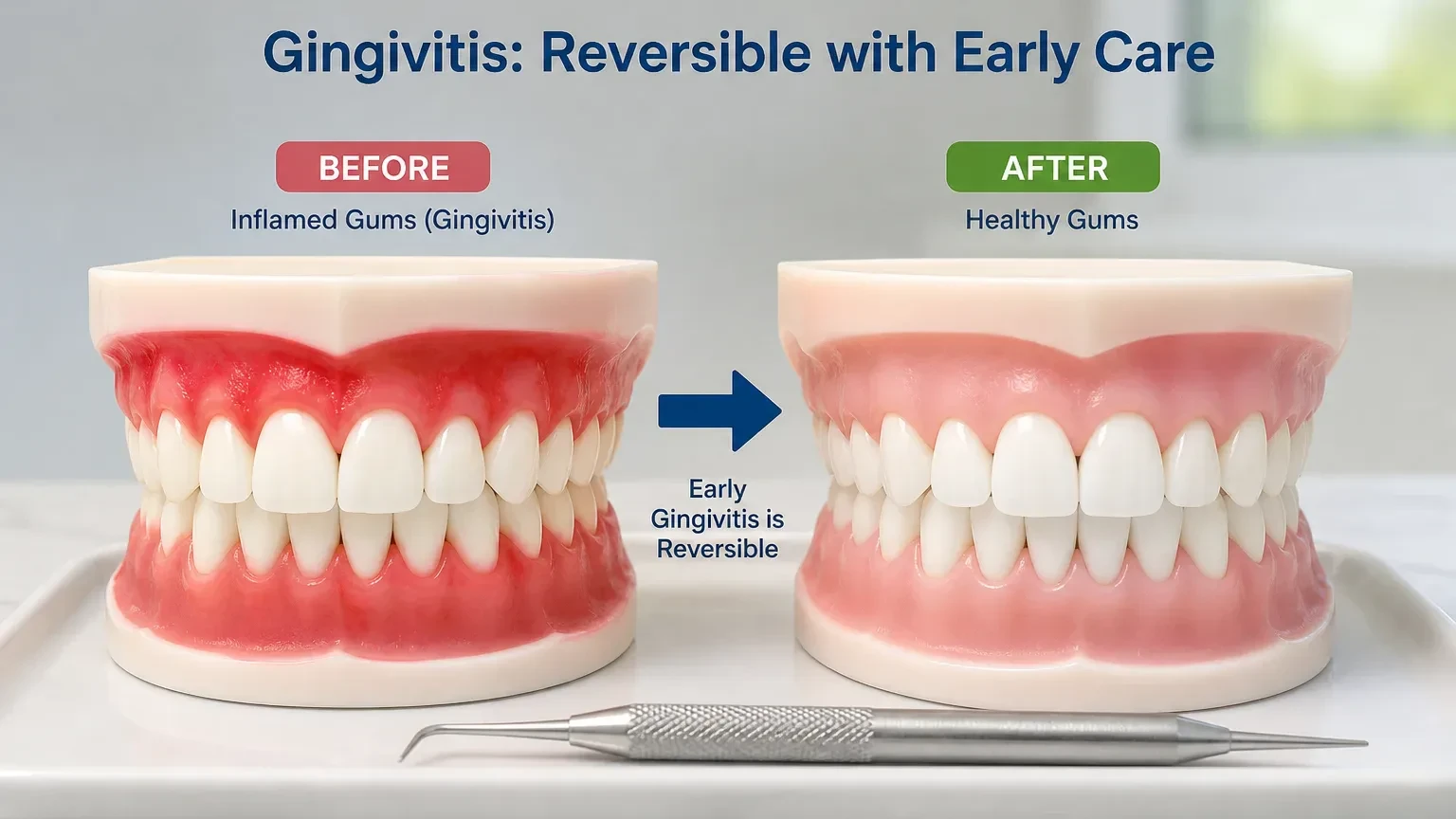
Is Gum Disease Reversible?
Gum disease reversibility depends on the stage. Inflamed gums can recover; lost bone support usually needs control, not a quick reset.
Read article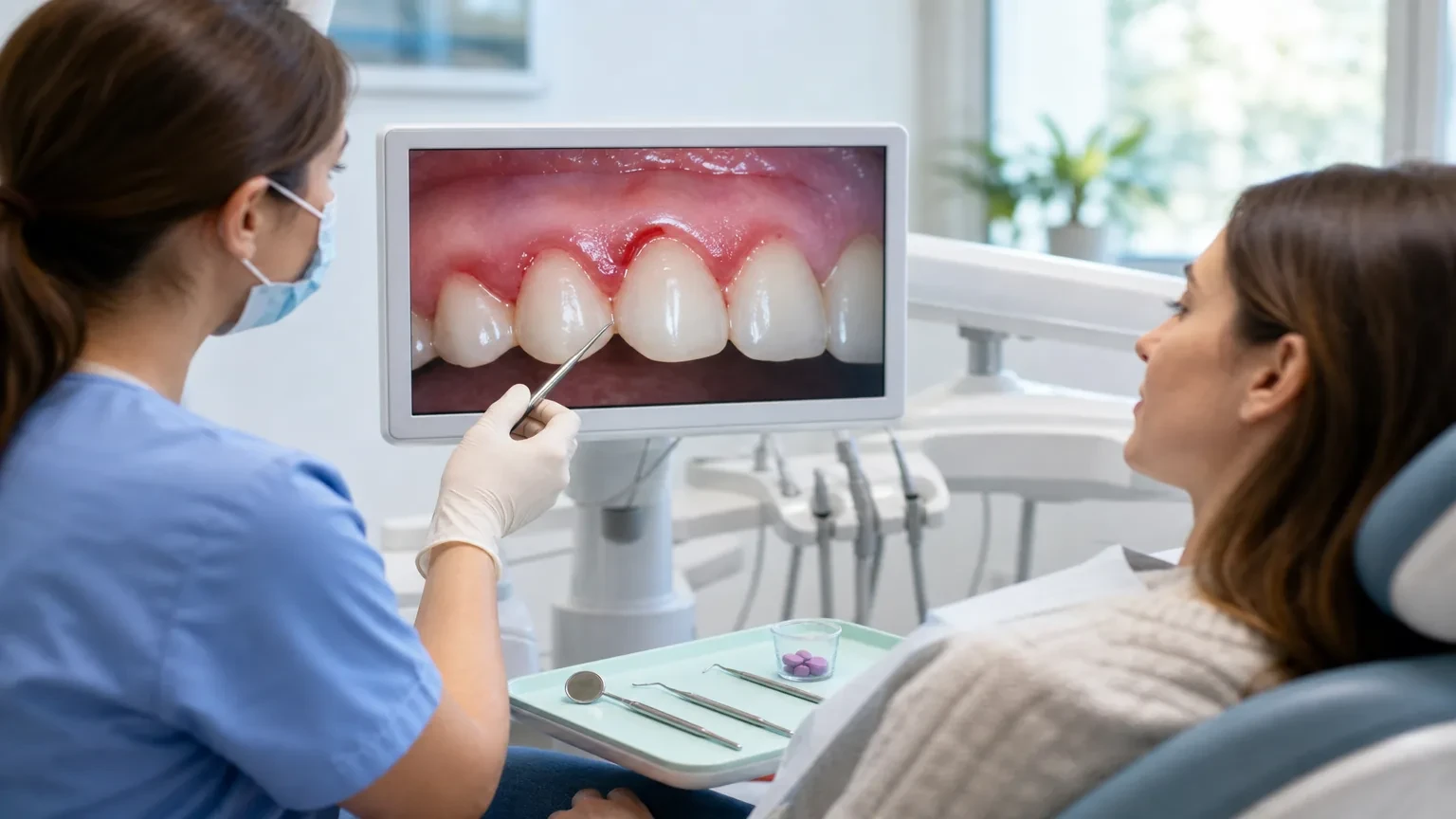
What Are Early Signs Of Gum Disease?
Early gum disease rarely announces itself with dramatic pain. Small bleeding, puffiness, and bad breath patterns are the clues to notice.
Read article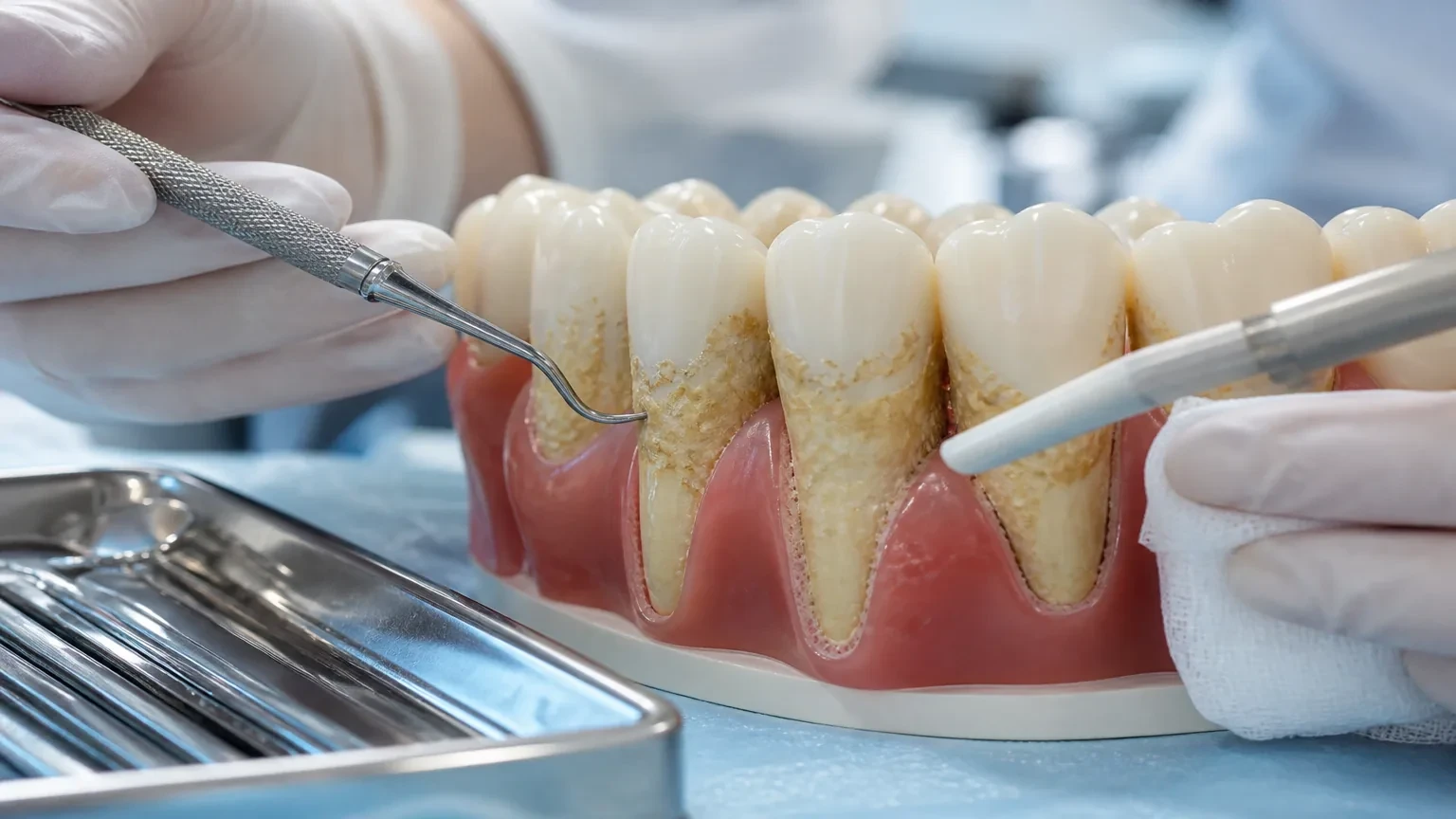
What Is Scaling And Root Planing?
Scaling and root planing is not a bigger version of polishing. It targets bacteria and tartar below the gumline where pockets stay inflamed.
Read article