
Can You Get Implants With Gum Disease?
Dental implants may be possible after gum disease is controlled, but active periodontitis raises failure risk. Learn how candidacy is evaluated.

Reviewed by Dr. Sean Myran, DMDDoctor of Dental Medicine, University of Pennsylvania
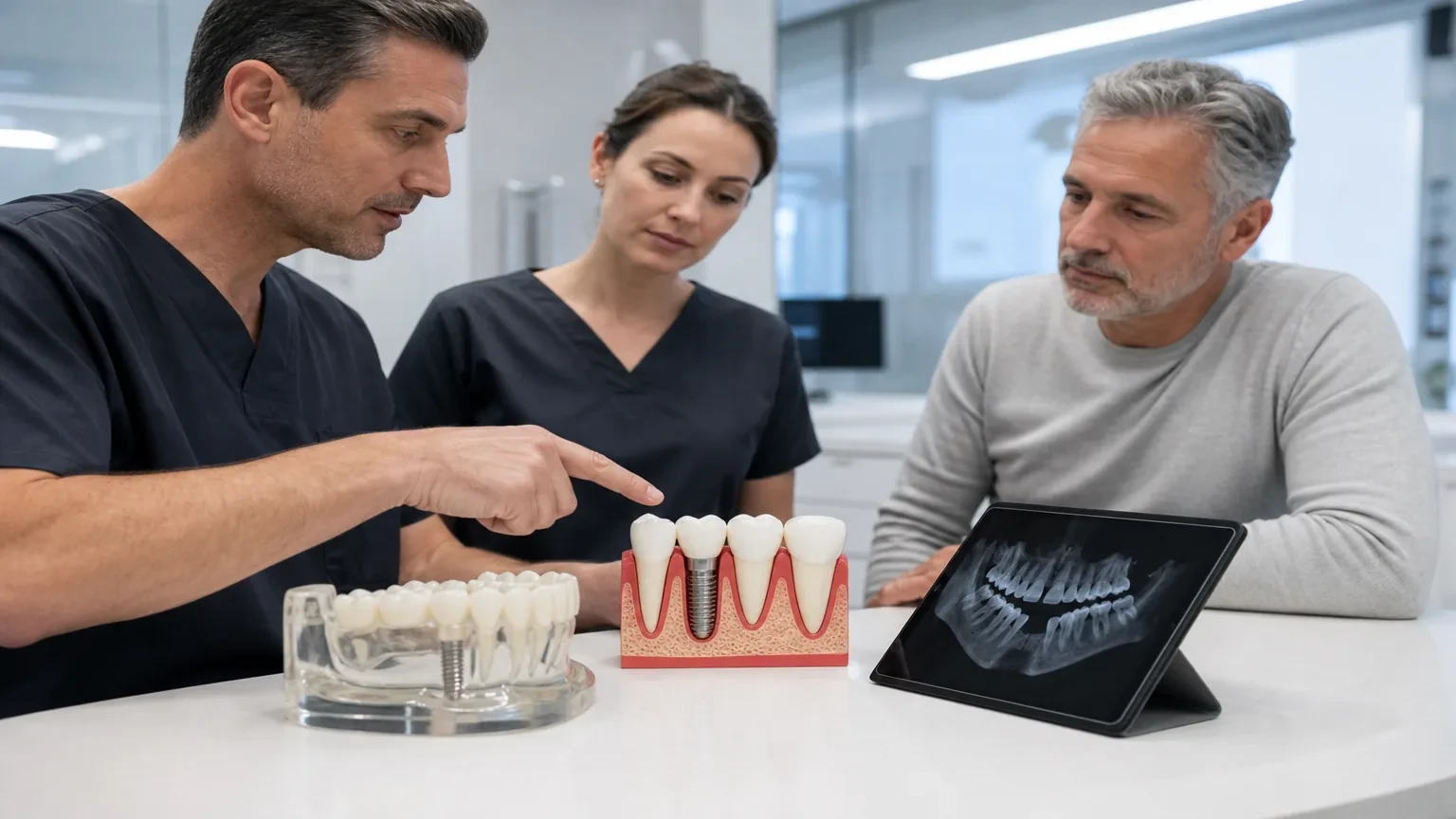
You may be able to get dental implants if you have a history of gum disease, but active periodontitis needs to be controlled first. Implants rely on healthy bone and gum tissue for support. If the same bacterial, smoking, diabetes, hygiene, or maintenance problems are still active, an implant can develop peri-implant disease and fail. The American Academy of Periodontology explains that healthy gums and bone are important for dental implant success.
How Candidacy Is Evaluated
- Current disease activity: bleeding, pus, deep pockets, and unstable teeth need attention.
- Bone amount: scans and X-rays show whether grafting may be needed.
- Risk factors: smoking, diabetes control, grinding, and medication history affect prognosis.
- Home care: implants need daily cleaning around the gumline and under restorations.
- Maintenance commitment: follow-up visits protect the implant and remaining teeth.
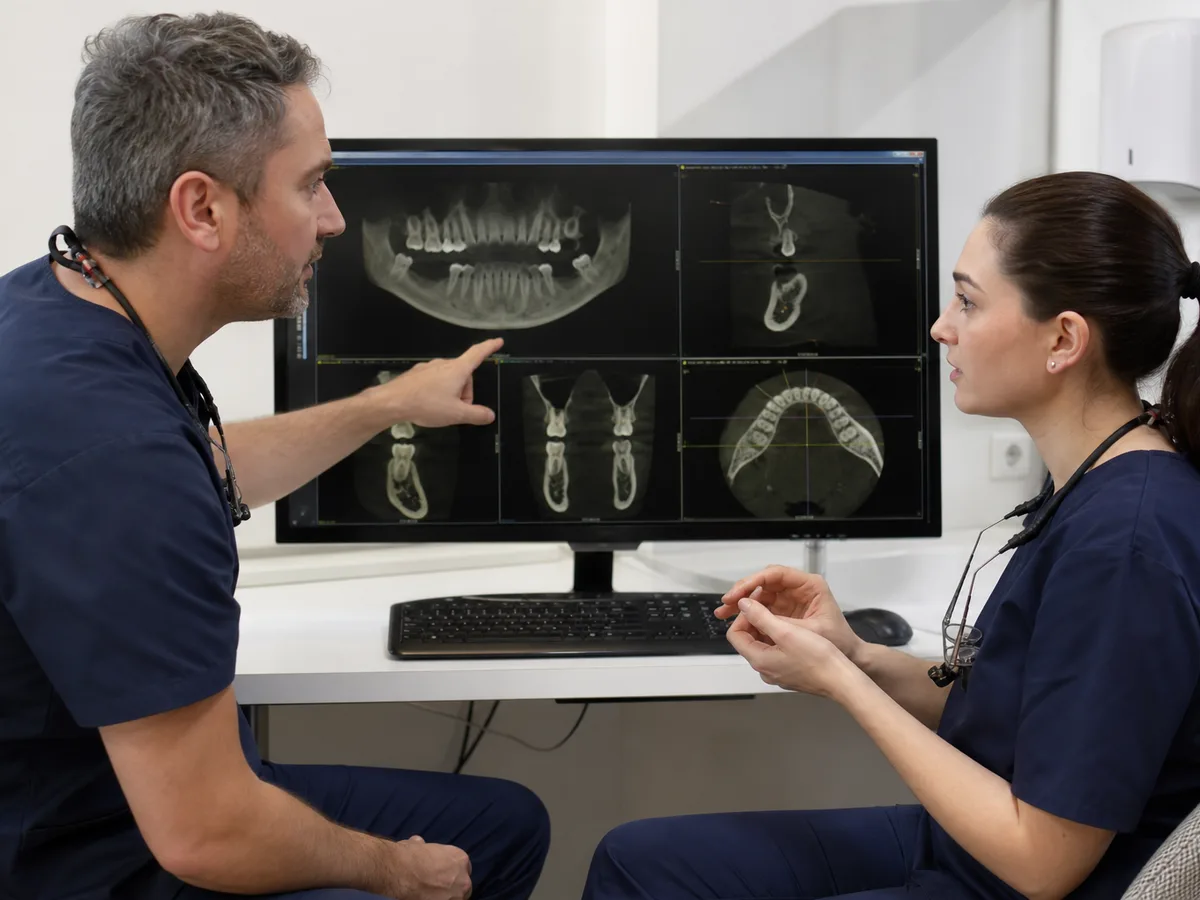 Stability comes before placement.
Control disease before replacing teeth
An implant replaces a missing root, but it does not replace periodontal risk control. If gums are bleeding around other teeth, the implant site is entering the same bacterial environment.
Why A Periodontist May Be Involved
Periodontists treat gum disease and often place implants, so they can evaluate both sides of the problem: saving teeth that are maintainable and replacing teeth that are not. They may recommend scaling and root planing, periodontal surgery, extractions, bone grafting, sinus grafting, or a staged implant plan. The sequence matters because infection control and healing time can change where and when an implant is placed.
A patient who lost a tooth to a crack with healthy gums is different from a patient who lost several teeth to periodontitis. The second patient may still be a candidate, but the conversation should include maintenance intervals, cleaning tools, smoking cessation, diabetes control, and how remaining teeth will be monitored. For tooth-loss risk itself, see Can Gum Disease Cause Tooth Loss?.
Bone grafting may be needed if periodontal infection or time after extraction left too little bone. Grafting can improve the site, but it is not a guarantee. The clinician also checks bite forces, space between teeth, sinus position, nerve location, esthetic demands, and whether the final crown can be cleaned. An implant that cannot be cleaned well is a long-term risk.
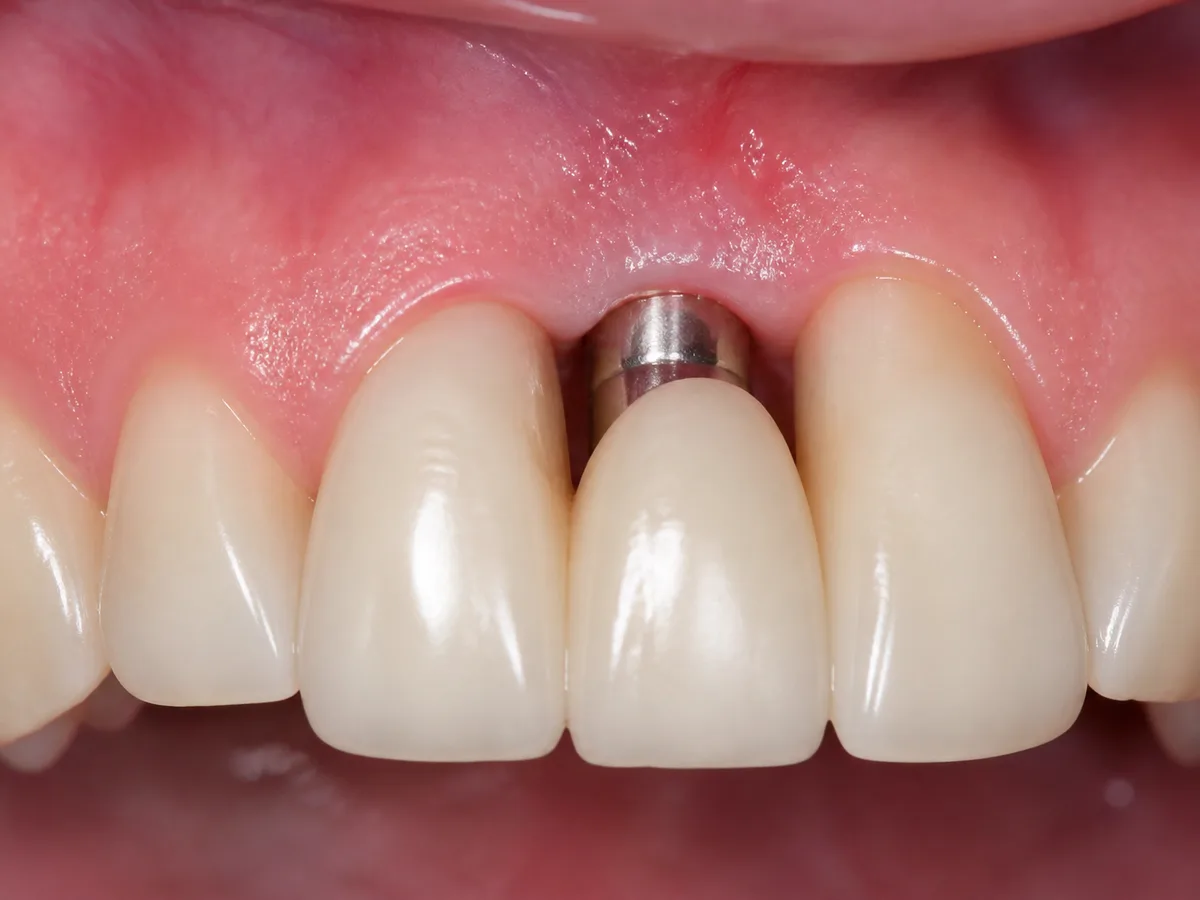 The care plan continues after the crown.
Implants need periodontal maintenance
Ask who will monitor the implant, how often maintenance is needed, and what signs should trigger a visit. To find an implant or periodontal evaluation, use find a dentist and mention your gum disease history when scheduling.
When To Delay Implants
Delay placement when gums are actively bleeding, pockets are untreated, smoking is heavy and unchanged, diabetes is poorly controlled, oral hygiene is not yet workable, or the extraction site is infected and needs healing. That pause can feel frustrating, but it may protect the investment. If you are early in treatment, How Is Periodontal Disease Treated? explains the steps that often come first.
The best implant answer is usually conditional: yes, if the mouth can be made stable enough and you can maintain it. The condition matters more than the yes.
The implant plan should also protect the remaining teeth. Sometimes replacing one hopeless tooth is sensible while treating nearby teeth aggressively enough to keep them. Other times, a broader periodontal plan should happen before any final prosthetic design. Ask whether the implant crown shape will allow floss, interdental brushes, or a water flosser tip to reach the gumline. Ask who removes cement or checks screw access if the restoration needs repair. These details sound small, but many implant complications begin when a beautiful crown is difficult to clean or monitor over time.
An implant placed into a stable mouth has a better chance than one placed into active inflammation. The preparation phase is part of the treatment.
Related articles
Keep exploring related topics from Dental Country.
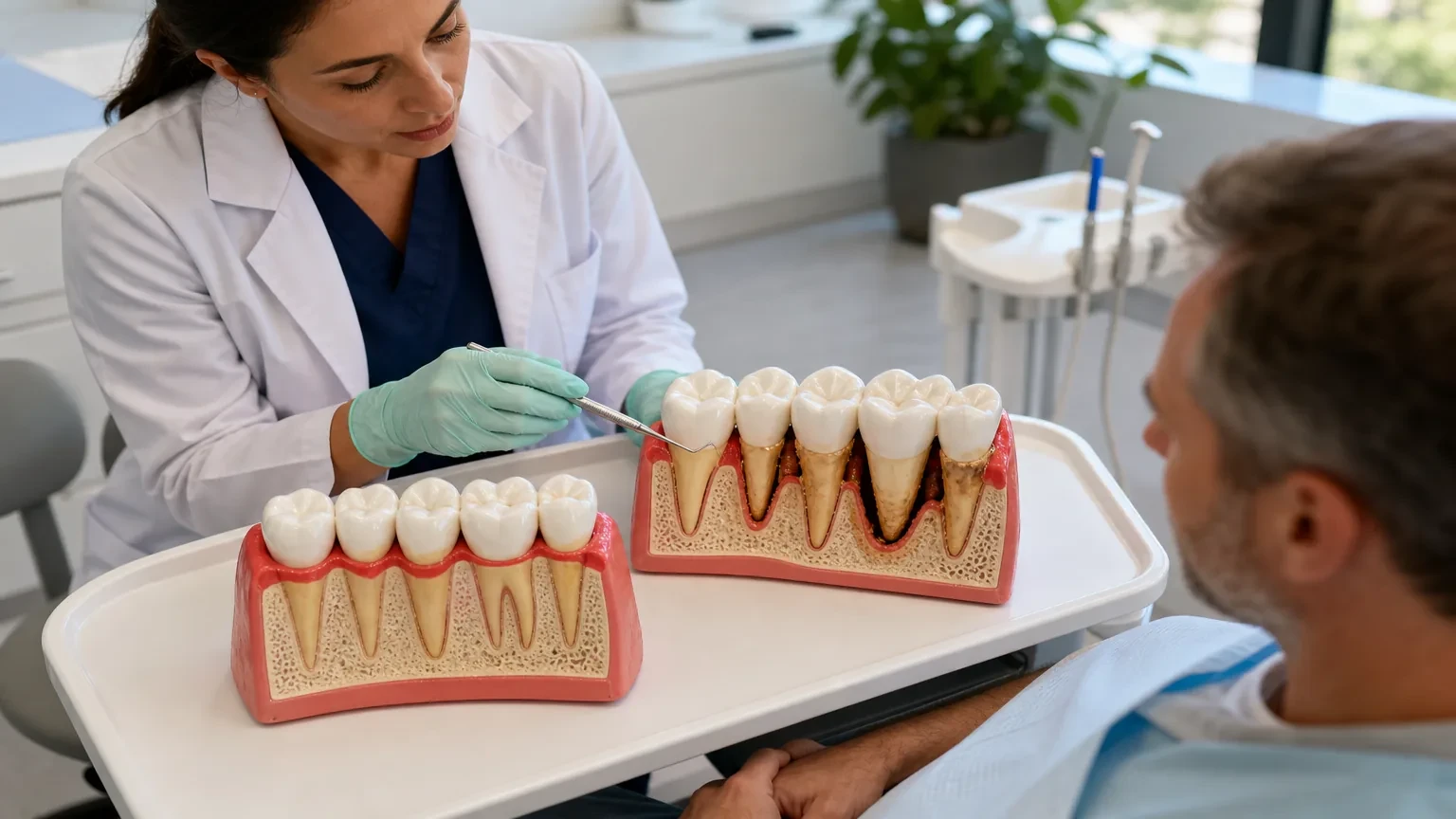
What Is The Difference Between Gingivitis And Periodontitis?
Gingivitis and periodontitis can both bleed quietly, but the real difference is whether deeper tooth support has started to break down.
Read article
Is Gum Disease Reversible?
Gum disease reversibility depends on the stage. Inflamed gums can recover; lost bone support usually needs control, not a quick reset.
Read article
What Are Early Signs Of Gum Disease?
Early gum disease rarely announces itself with dramatic pain. Small bleeding, puffiness, and bad breath patterns are the clues to notice.
Read article
What Is Scaling And Root Planing?
Scaling and root planing is not a bigger version of polishing. It targets bacteria and tartar below the gumline where pockets stay inflamed.
Read article