
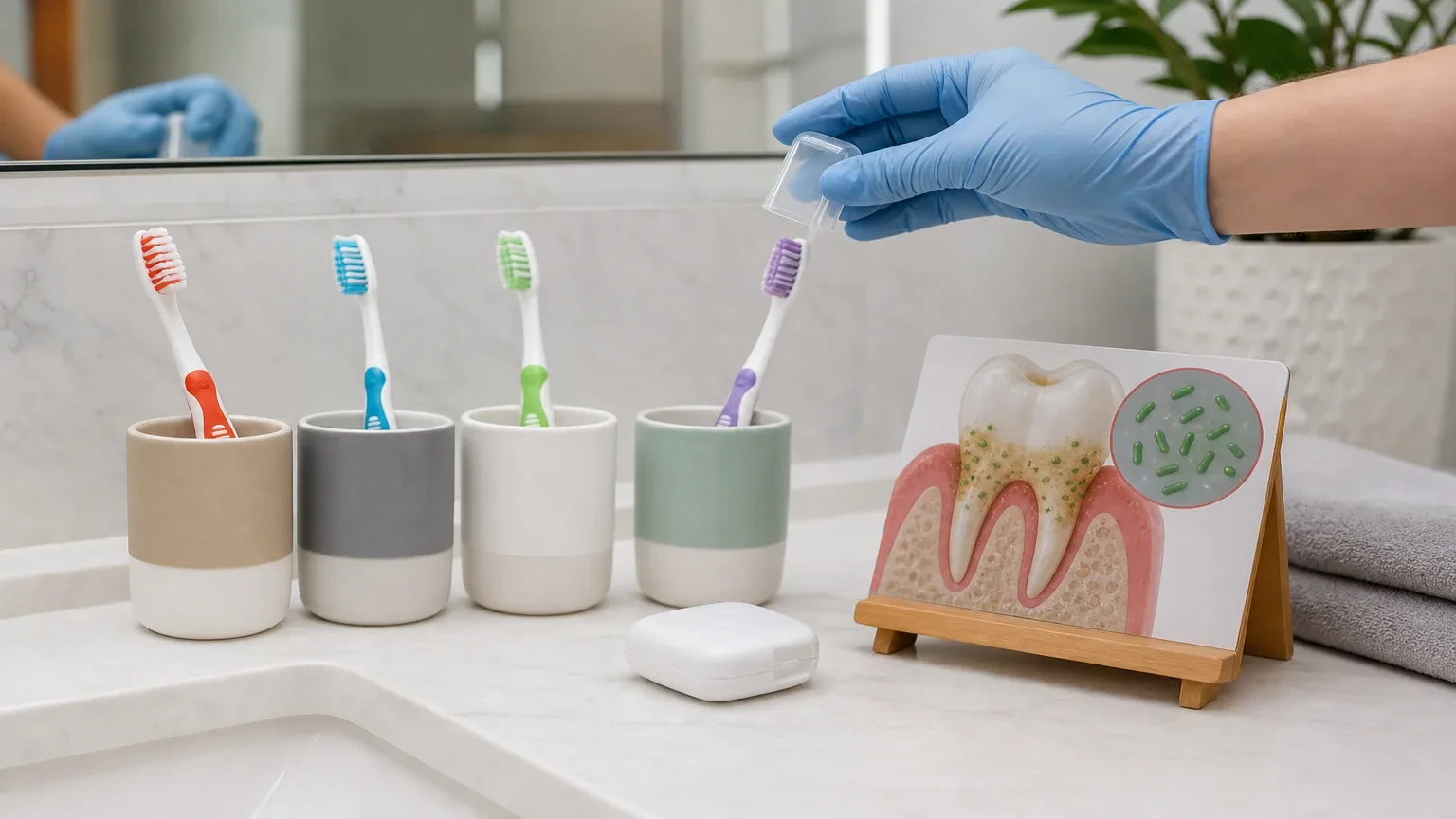
Is Gum Disease Contagious?
Gum disease is not contagious like a cold, but bacteria can spread through saliva. Learn myths, household risk, kissing, and prevention steps.

Reviewed by Dr. Sean Myran, DMDDoctor of Dental Medicine, University of Pennsylvania
Gum disease is not contagious in the same way as a cold or flu. You do not automatically get periodontitis because you kissed someone with bleeding gums. However, the bacteria involved in gum inflammation can pass through saliva. Whether disease develops depends on plaque buildup, immune response, smoking, diabetes, genetics, oral hygiene, and dental care. MouthHealthy describes gum disease as a plaque-related infection of tissues around teeth.
Myths And Facts
- Myth: One kiss gives you gum disease.
- Fact: Saliva can share bacteria, but disease needs a susceptible environment and ongoing plaque.
- Myth: Couples always have the same gum health.
- Fact: Shared habits matter, yet smoking, diabetes, genetics, and cleaning routines differ.
- Myth: If gums do not hurt, you cannot spread bacteria.
- Fact: Periodontal bacteria may be present even when symptoms are mild.
- Myth: Mouthwash can make you noncontagious.
- Fact: Rinses may help some plans, but they do not replace cleaning and periodontal care.
 Household hygiene still matters.
Do not share cleaning tools
Avoid sharing toothbrushes, floss picks, water flosser tips, or anything that carries blood or saliva. Replace brushes after illness or when bristles fray. These habits are sensible hygiene even though gum disease is not a simple catch-and-get disease.
What Household Members Should Do
If one partner has periodontitis, the other partner does not need panic treatment, but regular dental exams are wise. The bigger household risks are shared routines: smoking, high-sugar snacking, skipped cleanings, and using bleeding as a normal sign. If bleeding, bad breath, or loose teeth appear in anyone, schedule care. For early warning patterns, see What Are Early Signs Of Gum Disease?.
Parents often ask about children. Adults can pass oral bacteria to children through saliva, so avoid sharing utensils by habit, cleaning a pacifier with your mouth, or sharing toothbrushes. Still, a child's gum health depends heavily on brushing help, diet, dental visits, orthodontic crowding, mouth breathing, and medical factors. Teaching cleaning habits is more useful than blaming one exposure.
The contagious question can also hide embarrassment. Gum disease is common and treatable, and a dental office is more interested in measurements than blame. If you have deep pockets, bleeding, or bad breath, treatment reduces bacterial load and makes your own mouth healthier. It may also lower the amount of bacteria shared through saliva, but the main reason to treat is protecting teeth and gums.
 Prevention works better as a routine.
Shared habits can improve
Partners can support each other by quitting tobacco, keeping cleanings, and making interdental cleaning normal. Use find a dentist if one or both of you need periodontal charting or a maintenance plan.
The Practical Answer
Gum disease is not something you catch from a single contact, but saliva can share bacteria involved in plaque. Do not share oral hygiene tools, keep dental visits current, and treat bleeding or persistent bad breath early. If you already have periodontitis, How Is Periodontal Disease Treated? explains how treatment lowers the bacterial challenge and stabilizes the mouth.
For prevention steps that apply whether you live alone or share a household, read How Do You Prevent Gum Disease?.
If someone in the household is starting periodontal treatment, make the shared response practical: separate brushes, keep replacement brush heads handy, stop sharing floss picks, and schedule routine exams rather than trying to identify who gave bacteria to whom. Couples may also benefit from comparing maintenance schedules. One person may need periodontal maintenance every three or four months while the other remains on routine preventive visits. Different schedules do not mean one person is cleaner; they mean risk levels and disease history are different. The useful goal is a healthier household routine, not tracing blame.
Think of saliva sharing as one factor, not a verdict. Clean tools, steady dental care, and lower inflammation matter more than fear.
Related articles
Keep exploring related topics from Dental Country.
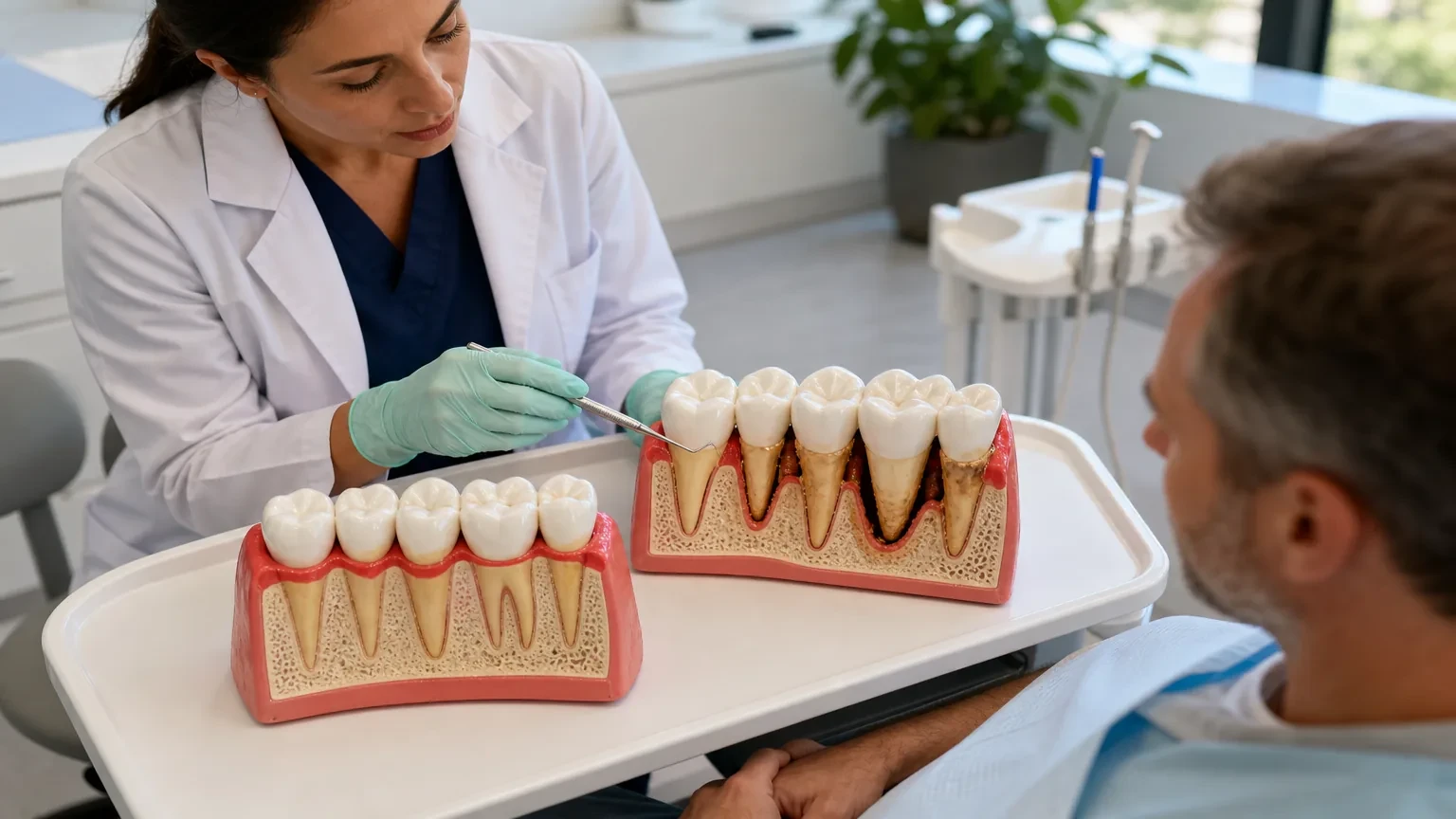
What Is The Difference Between Gingivitis And Periodontitis?
Gingivitis and periodontitis can both bleed quietly, but the real difference is whether deeper tooth support has started to break down.
Read article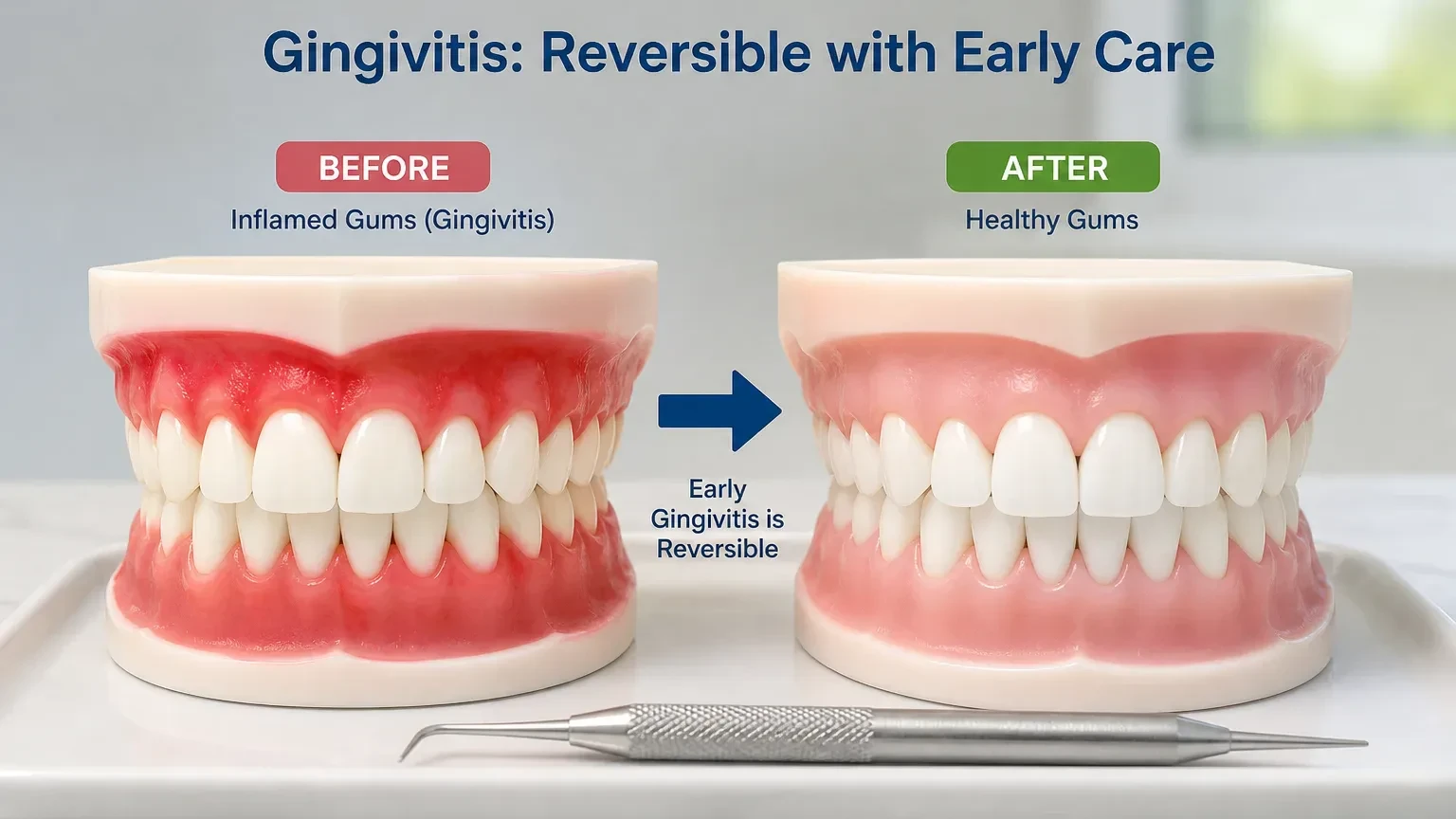
Is Gum Disease Reversible?
Gum disease reversibility depends on the stage. Inflamed gums can recover; lost bone support usually needs control, not a quick reset.
Read article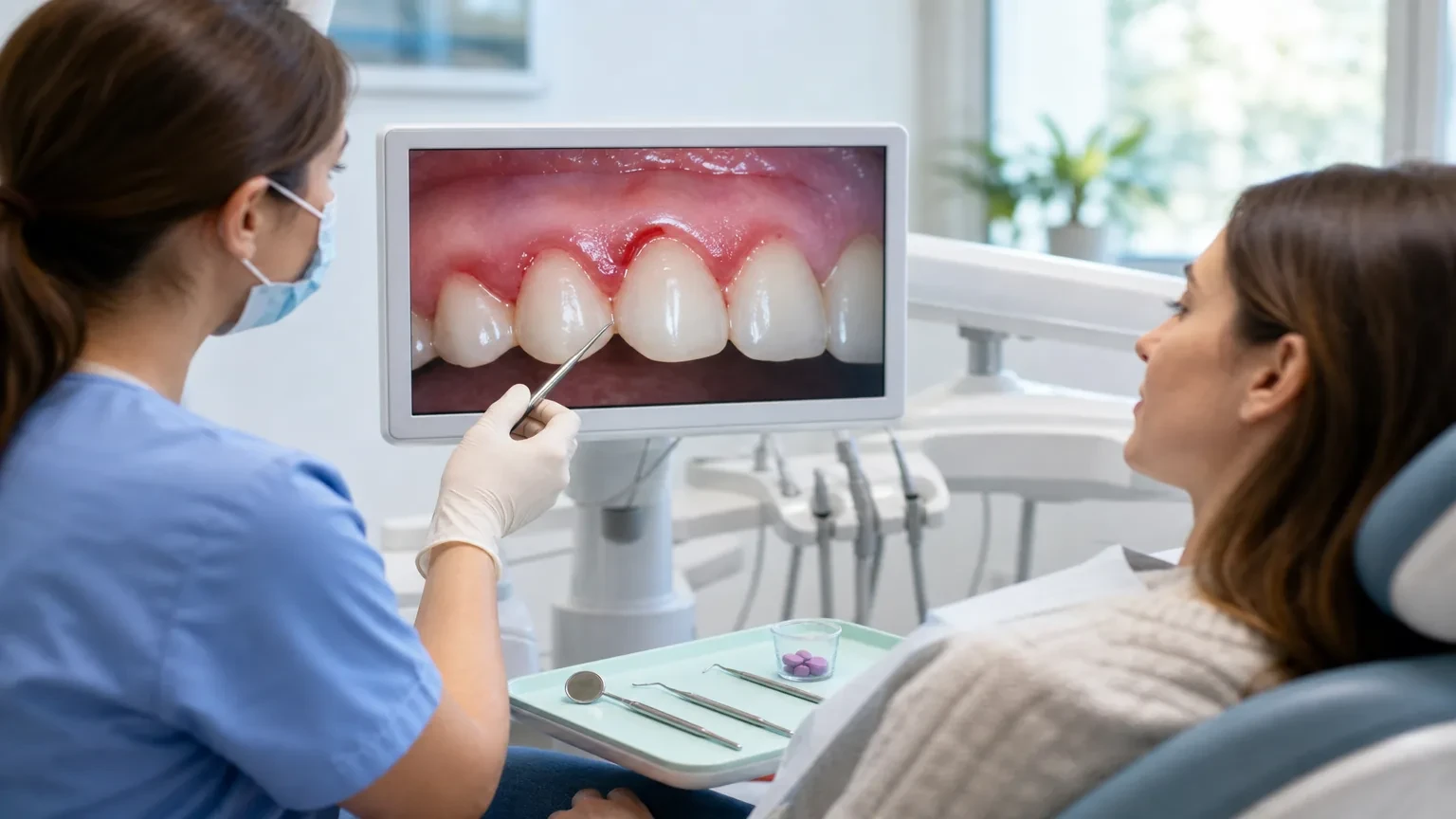
What Are Early Signs Of Gum Disease?
Early gum disease rarely announces itself with dramatic pain. Small bleeding, puffiness, and bad breath patterns are the clues to notice.
Read article
What Is Scaling And Root Planing?
Scaling and root planing is not a bigger version of polishing. It targets bacteria and tartar below the gumline where pockets stay inflamed.
Read article