

For Patients
Dental FAQ.
Browse Dental Country FAQ categories for aligners, braces, implants, whitening, gum disease, insurance, and everyday oral care questions.
Categories
Browse by topic
- View All220
- Braces & Traditional Orthodontics11
- Clear Aligners11
- Crowns, Bridges & Restorations11
- Dental Anxiety & First Visits11
- Dental Implants11
- Dental Insurance, Cost & Financing11
- Dentures & Partial Dentures11
- Emergency Dental Care11
- Gum Disease & Periodontics11
- Invisalign vs Alternatives11
- Oral Hygiene & Home Care11
- Oral Surgery & Sedation11
- Pediatric Dentistry11
- Preventive Care & Cleanings11
- Root Canals & Endodontics11
- Sleep Apnea & Oral Appliances11
- Teeth Whitening11
- TMJ, Bite & Jaw Pain11
- Tooth Extraction & Wisdom Teeth11
- Veneers & Cosmetic Dentistry11
All Dental FAQ articles (Page 4)

Is Fluoride Safe For Kids?
Fluoride safety is mostly about dose, age, and supervision. The same mineral that strengthens enamel should be used thoughtfully with children.

How Do You Stop Thumb Sucking?
Thumb sucking often fades on its own, but timing matters when permanent teeth, bite shape, speech, or social stress enter the picture.

What Is Baby Bottle Tooth Decay?
Baby bottle tooth decay is not only a bottle problem. It is a pattern of frequent sugar exposure on small teeth that can progress quickly.

When Do Baby Teeth Fall Out?
Baby teeth follow a general shedding pattern, but children do not read charts perfectly. The order, symmetry, and space matter as much as age.

Does My Child Need A Space Maintainer?
A space maintainer is a small appliance with one job: hold room for a permanent tooth when a baby tooth is lost too soon.

Is Dental Sedation Safe For Children?
Sedation safety is not a yes-or-no label. It depends on the child, the procedure, the medicine, monitoring, fasting, and the team's training.

Does My Child Need A Mouthguard For Sports?
A mouthguard is not only for football. Any sport with falls, elbows, sticks, balls, or collisions can put a child's teeth at risk.

How Often Should Kids See The Dentist?
Six-month visits are common for children, but the best schedule follows cavity risk, growth, hygiene, habits, orthodontics, and medical factors.

What Should You Do If A Child Knocks Out A Tooth?
A knocked-out tooth is a time-sensitive injury, but the right first step depends on whether the tooth is baby or permanent.

How Long Does It Take To Get Used To Dentures?
Denture adjustment is gradual: speech softens first, chewing improves next, and comfort follows as sore spots are refined at follow-up visits.
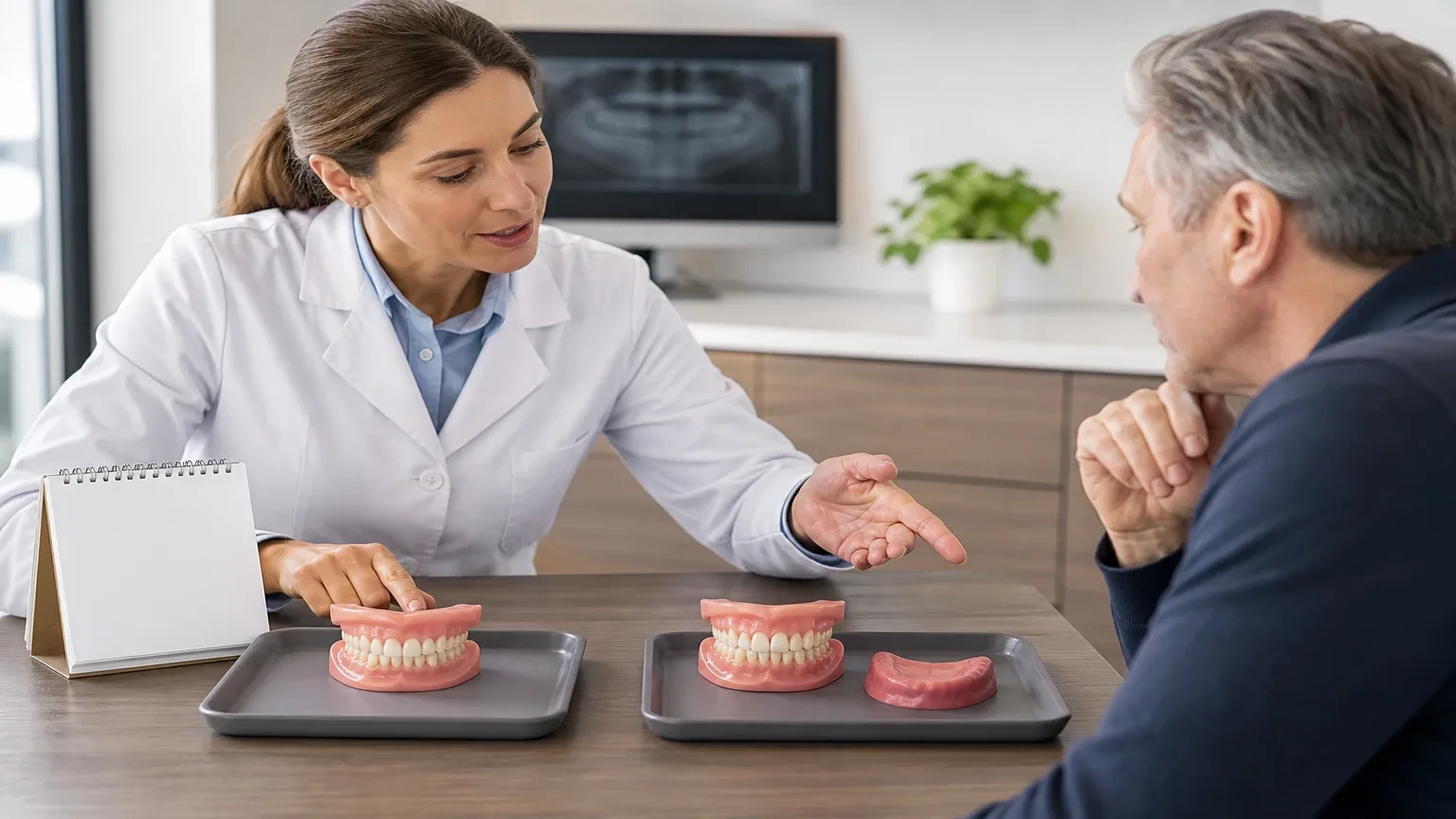
Immediate Dentures Vs Conventional Dentures: What's The Difference?
Immediate dentures protect appearance after extractions, while conventional dentures are fitted after healing for a more stable starting shape.
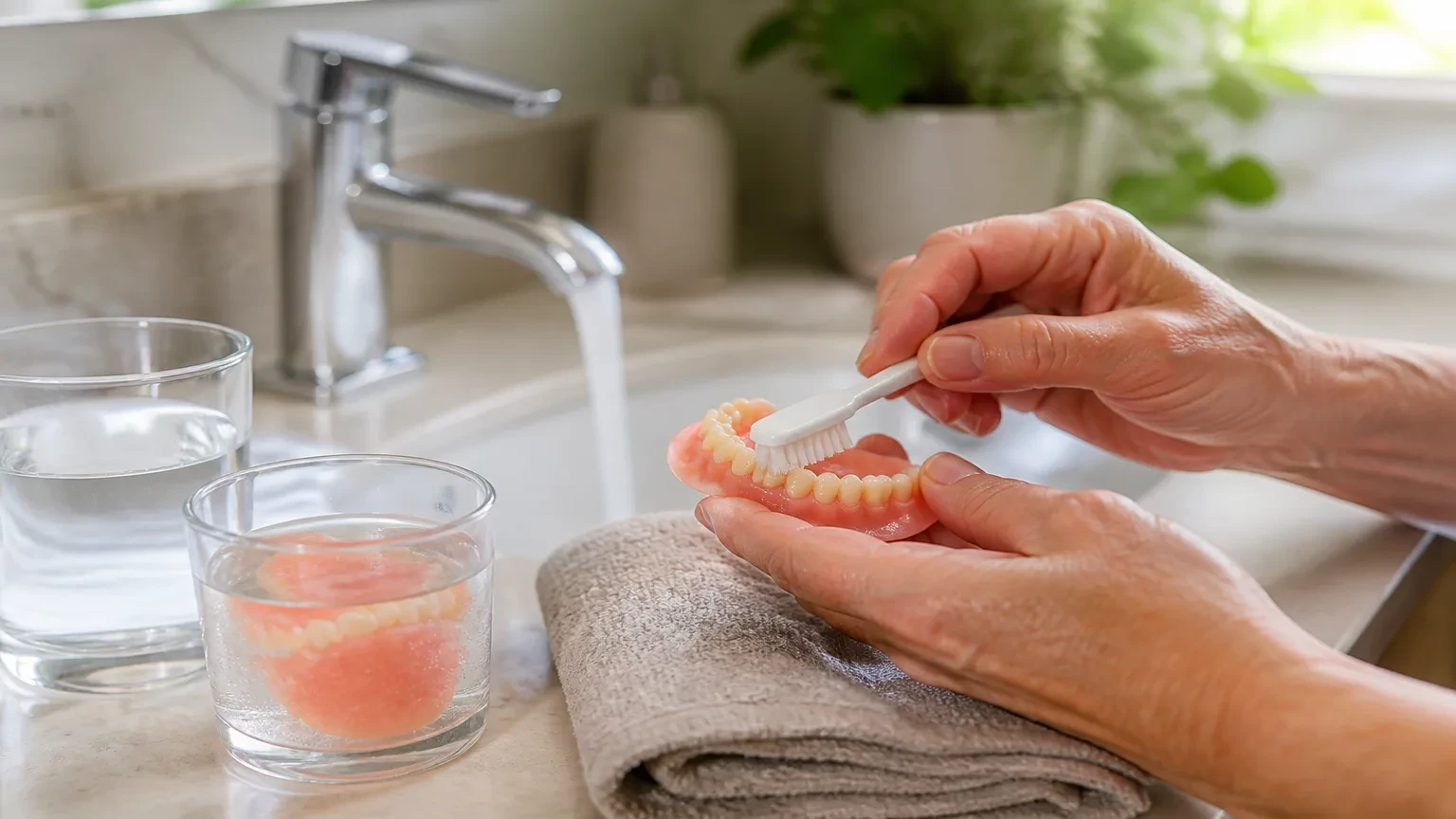
How Do You Clean Dentures?
Denture cleaning is a daily hygiene habit: brush the prosthesis, rinse thoroughly, soak as directed, and care for the gums and any remaining teeth.

Can You Sleep With Dentures In?
Sleeping in dentures every night can stress gums and raise infection risk. Nightly removal is the usual advice unless a dentist sets a short exception.
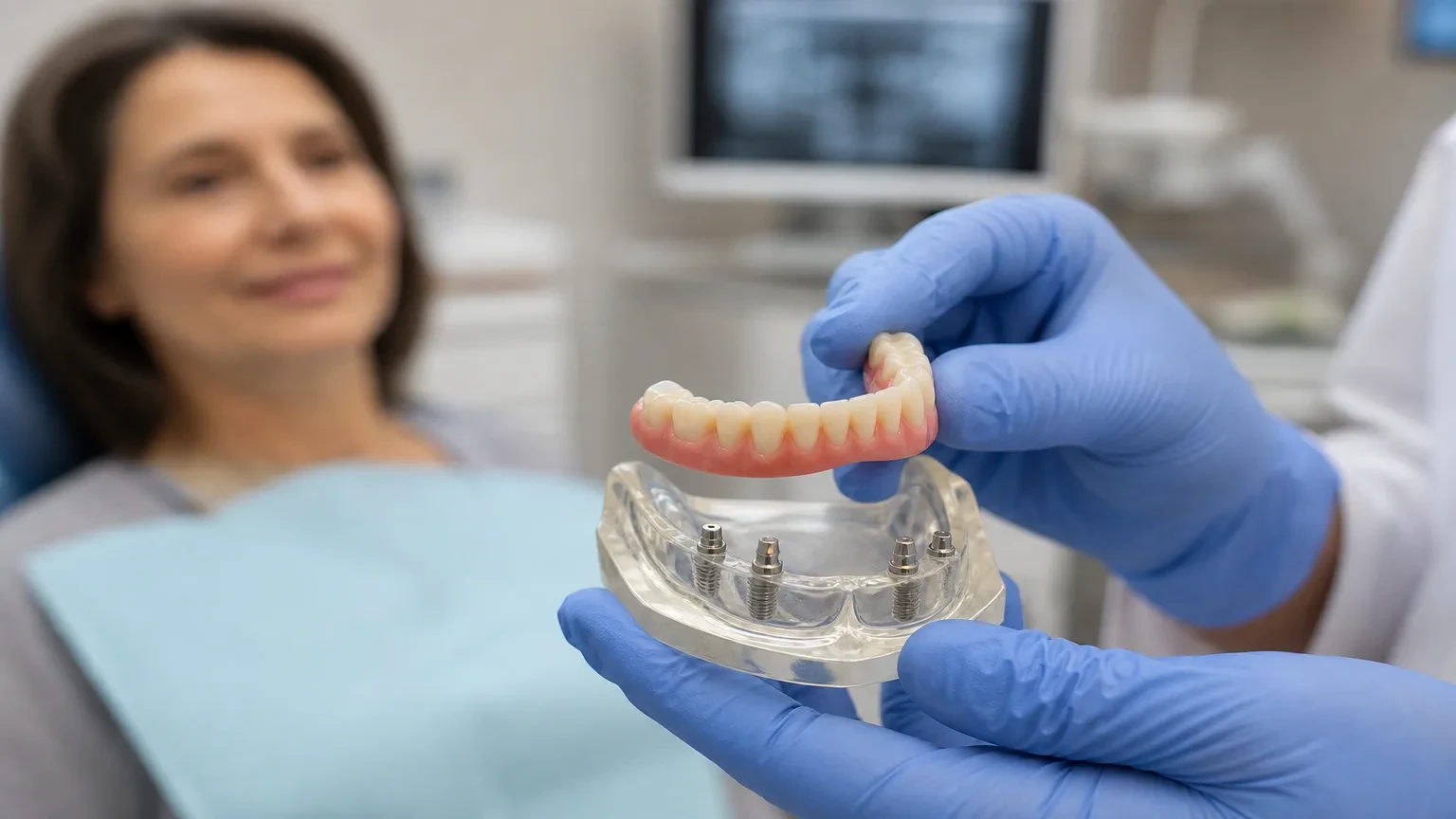
What Are Implant-Supported Dentures?
Implant-supported dentures use implants as anchors so the prosthesis feels more secure for chewing and speaking than a loose tissue-supported plate.

How Much Do Dentures Cost?
Denture pricing is a treatment package, not a sticker on teeth alone: exams, extractions, materials, visits, and future relines all shape the total.
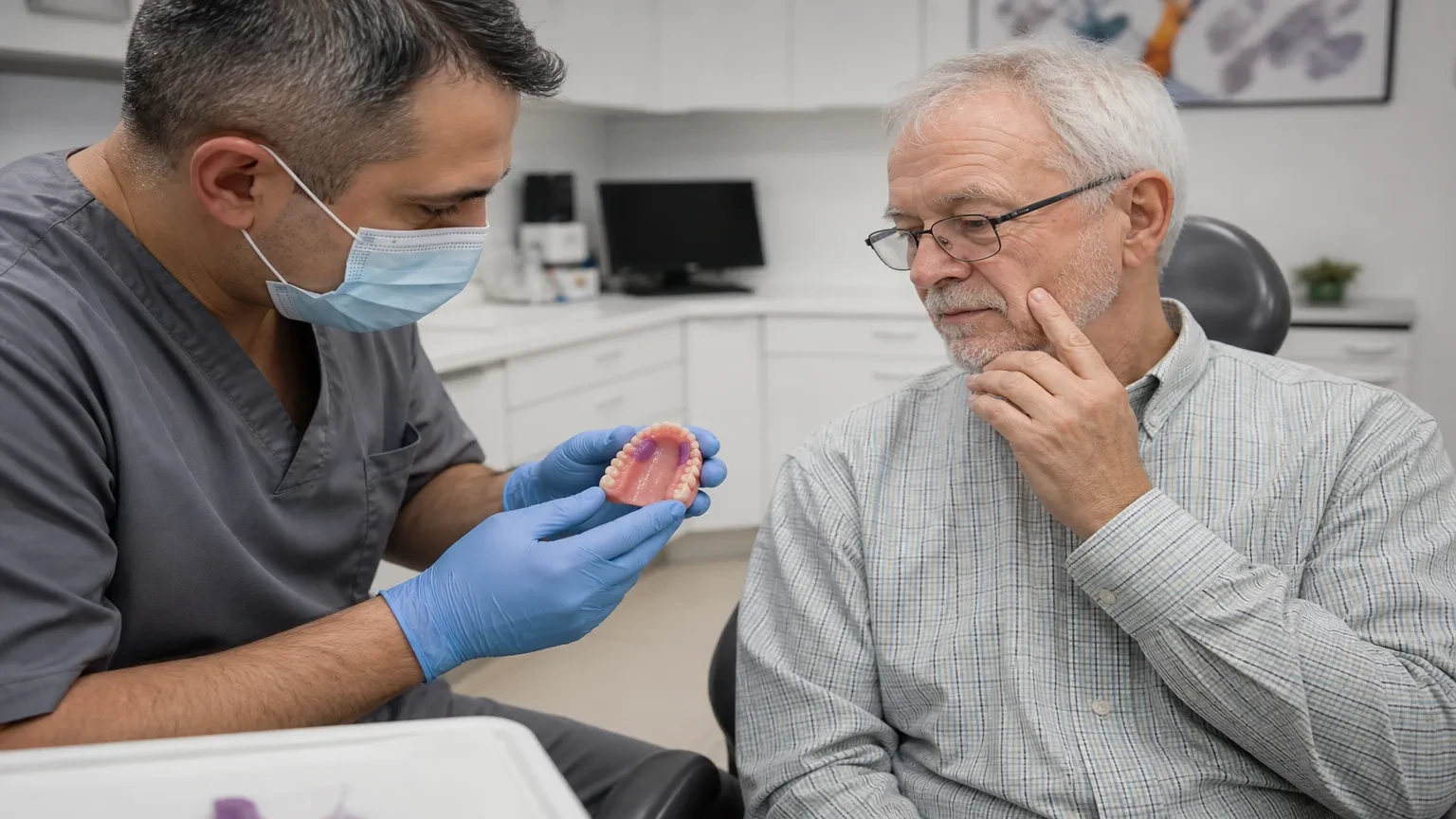
Why Do Dentures Hurt?
Denture pain is a signal: rubbing edges, unbalanced bite, dry mouth, or changing gums usually need adjustment rather than more adhesive.

Can You Eat Normally With Dentures?
Eating with dentures becomes more normal with technique and a stable fit, but tough, sticky, or tiny hard foods may always need a modified approach.
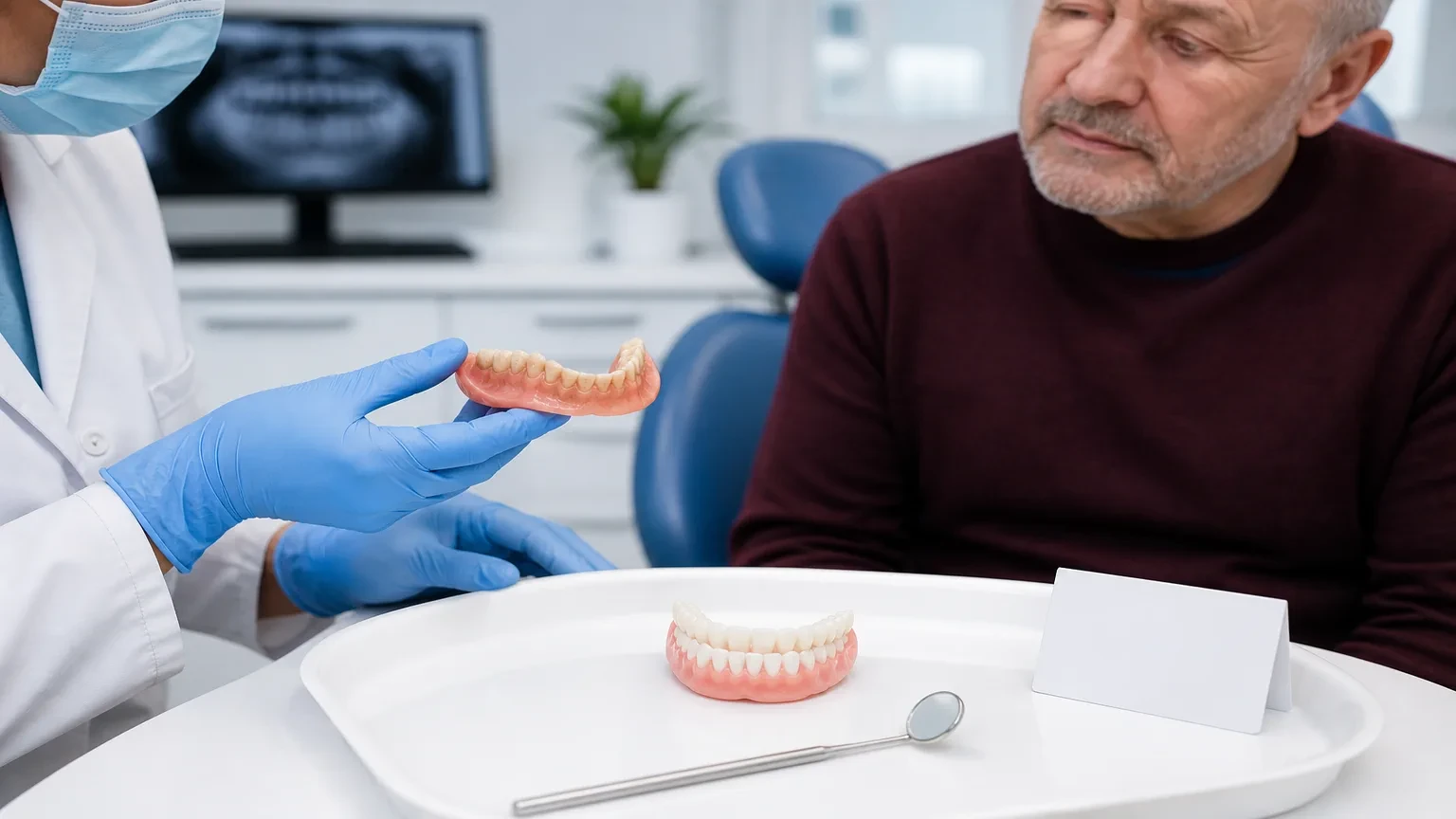
How Long Do Dentures Last?
Denture lifespan depends on material wear, daily care, and how much the jaw ridge changes. Most sets need renewal long before they look obviously broken.
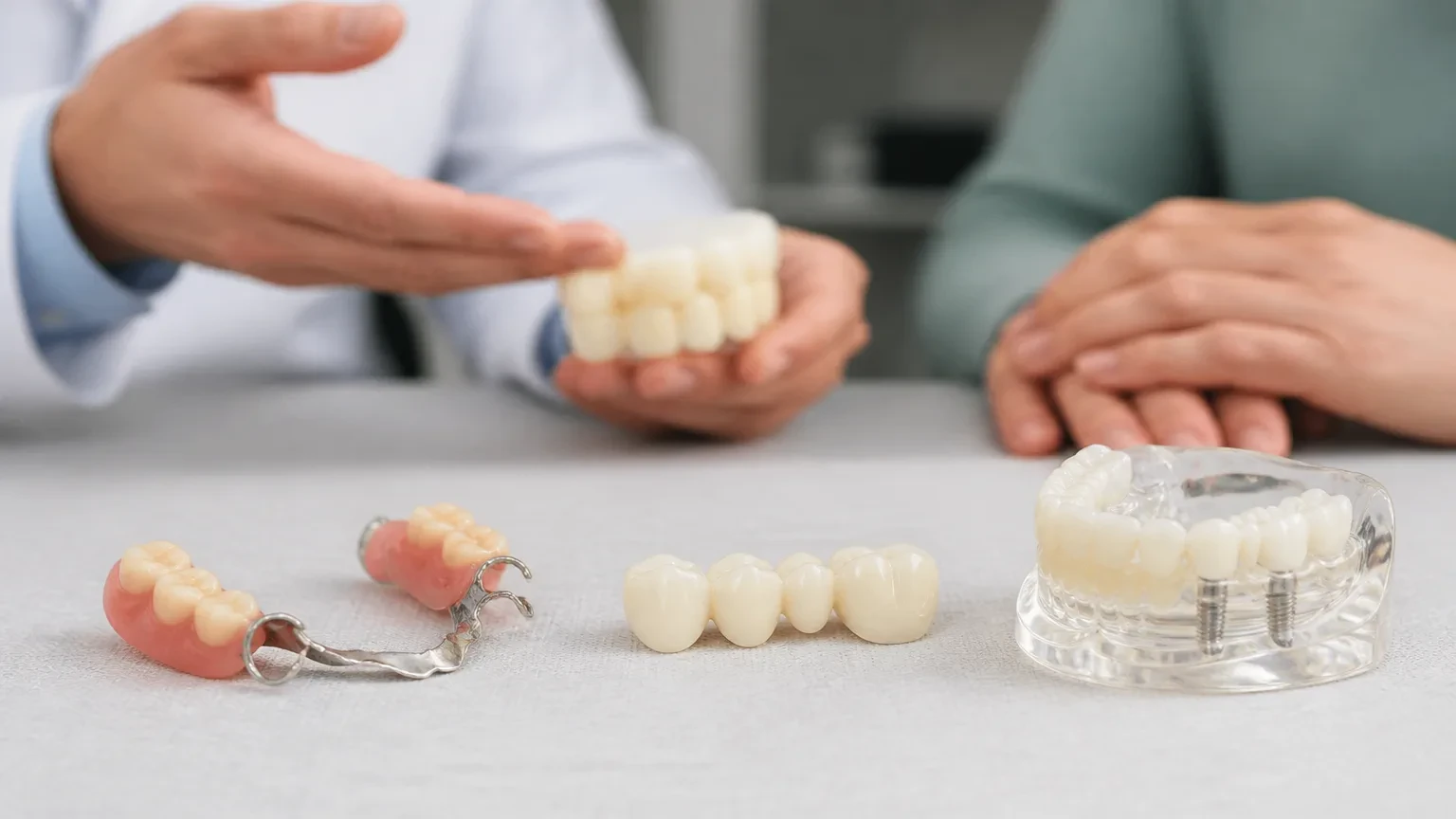
Partial Dentures Vs Bridges: Which Is Better?
Partials are removable and versatile for several gaps; bridges are fixed to neighboring teeth. Better depends on teeth, bone, hygiene access, and goals.

Do Dentures Look Natural?
Natural-looking dentures come from custom tooth selection, gum shading, and bite setup — not from a one-size stock smile placed without artistic planning.
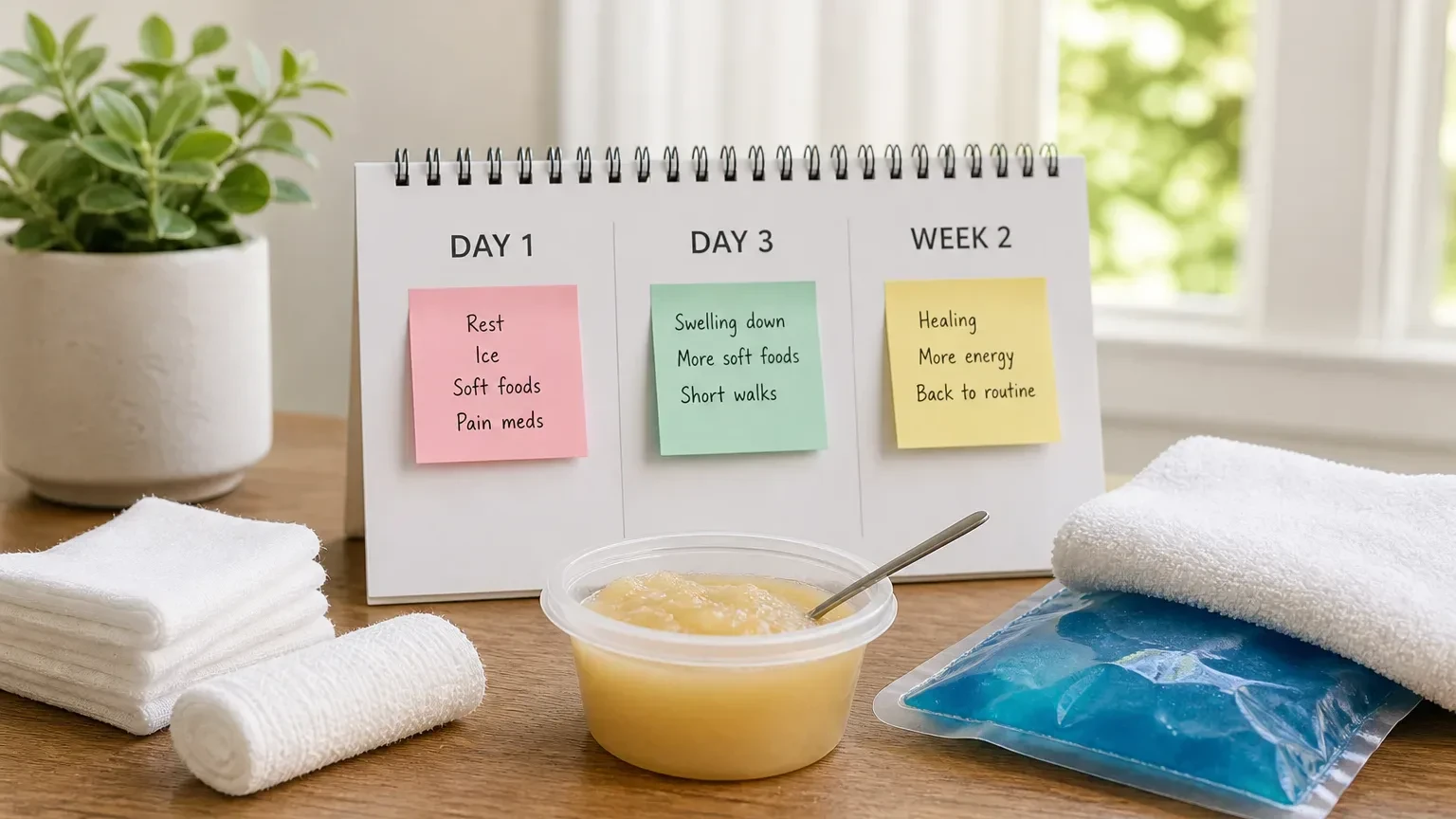
How Long Does It Take To Recover From A Tooth Extraction?
Extraction recovery is staged: clot protection first, then softer chewing, with full comfort arriving on a schedule that depends on surgery complexity.
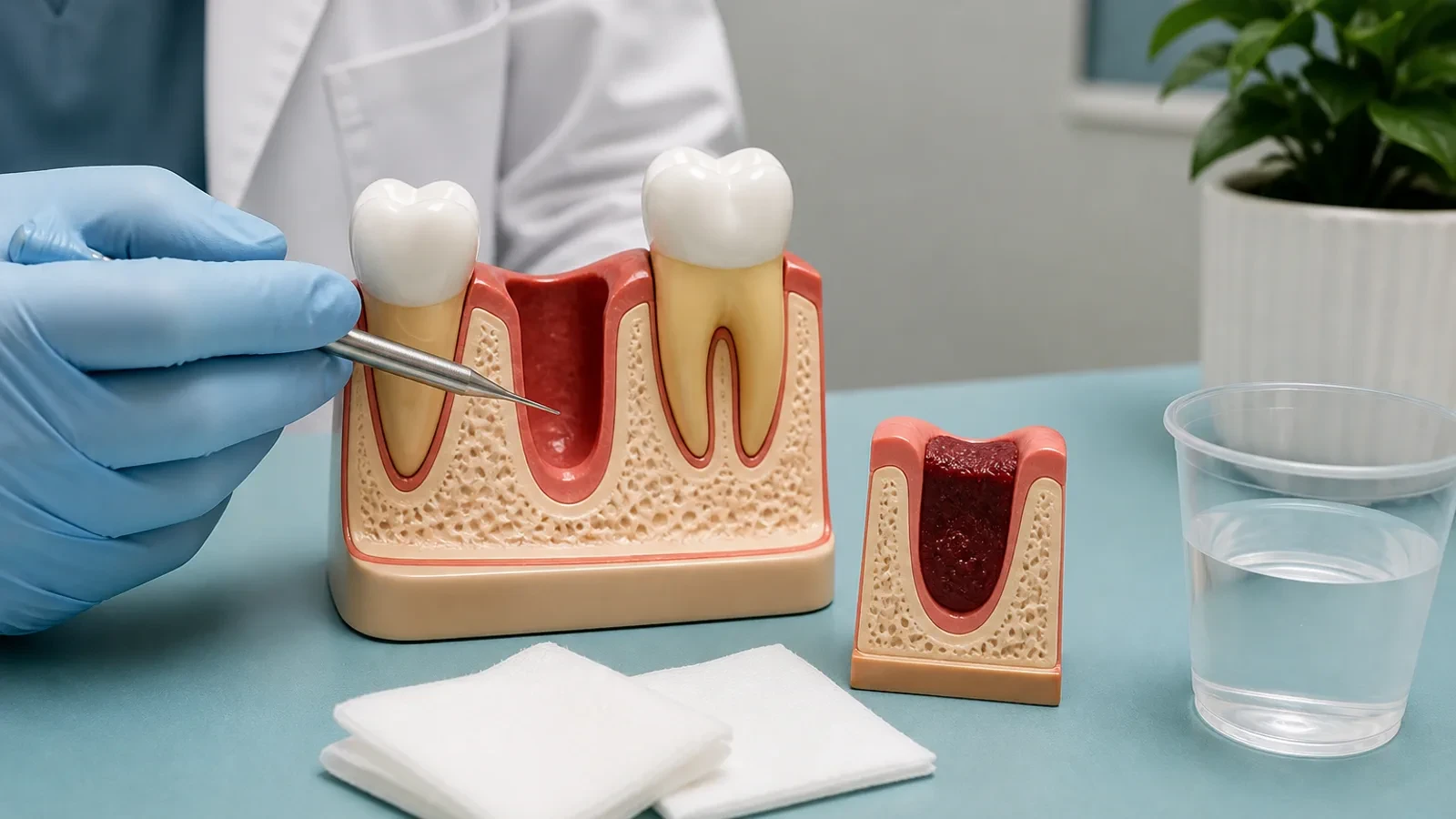
What Is Dry Socket?
Dry socket means the clot that should shield the extraction site is gone or never formed well, leaving bone exposed and pain often sharper after day one.

When Should Wisdom Teeth Be Removed?
Removal timing follows risk and imaging, not a birthday alone: pain, infection, pathology, or a tooth that cannot be kept clean often tip the decision.

What Can You Eat After A Tooth Extraction?
Post-extraction eating is a staged routine: cool soft foods first, then tender chewables, while skipping straws and sharp crumbs that disturb the clot.

Do Wisdom Teeth Removals Hurt?
During removal you should be numb or sedated; afterward, manageable soreness is common. Fear often comes from myths about feeling the surgery itself.

How Long Does Swelling Last After An Extraction?
Extraction swelling usually climbs through day two or three, then declines; surgical wisdom teeth and multiple sites often stay puffy longer than simple cases.
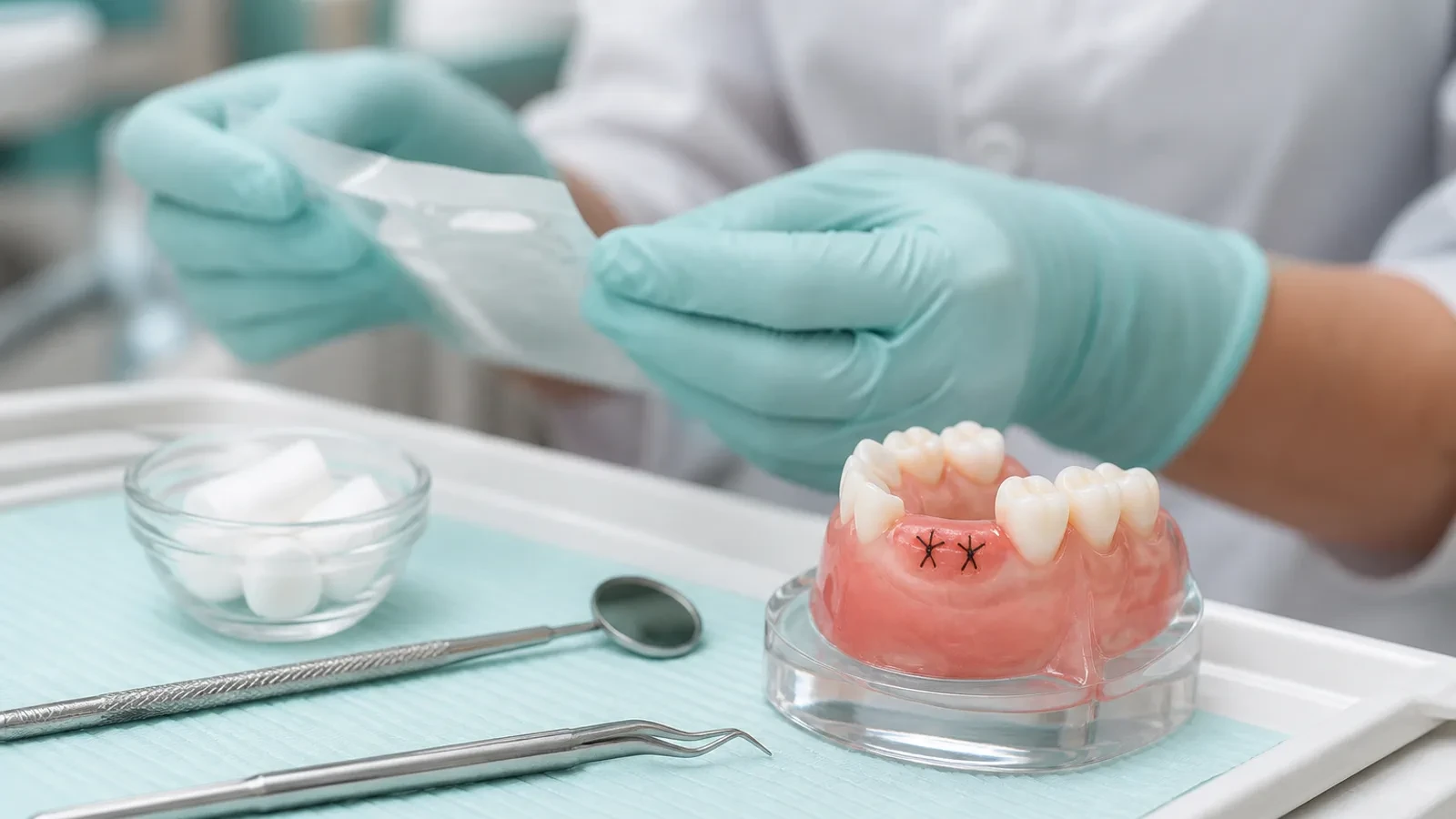
When Do Stitches Come Out After An Extraction?
Some extraction stitches dissolve on their own as gums close; others need a short removal visit. Care focuses on keeping the site clean without tugging threads.
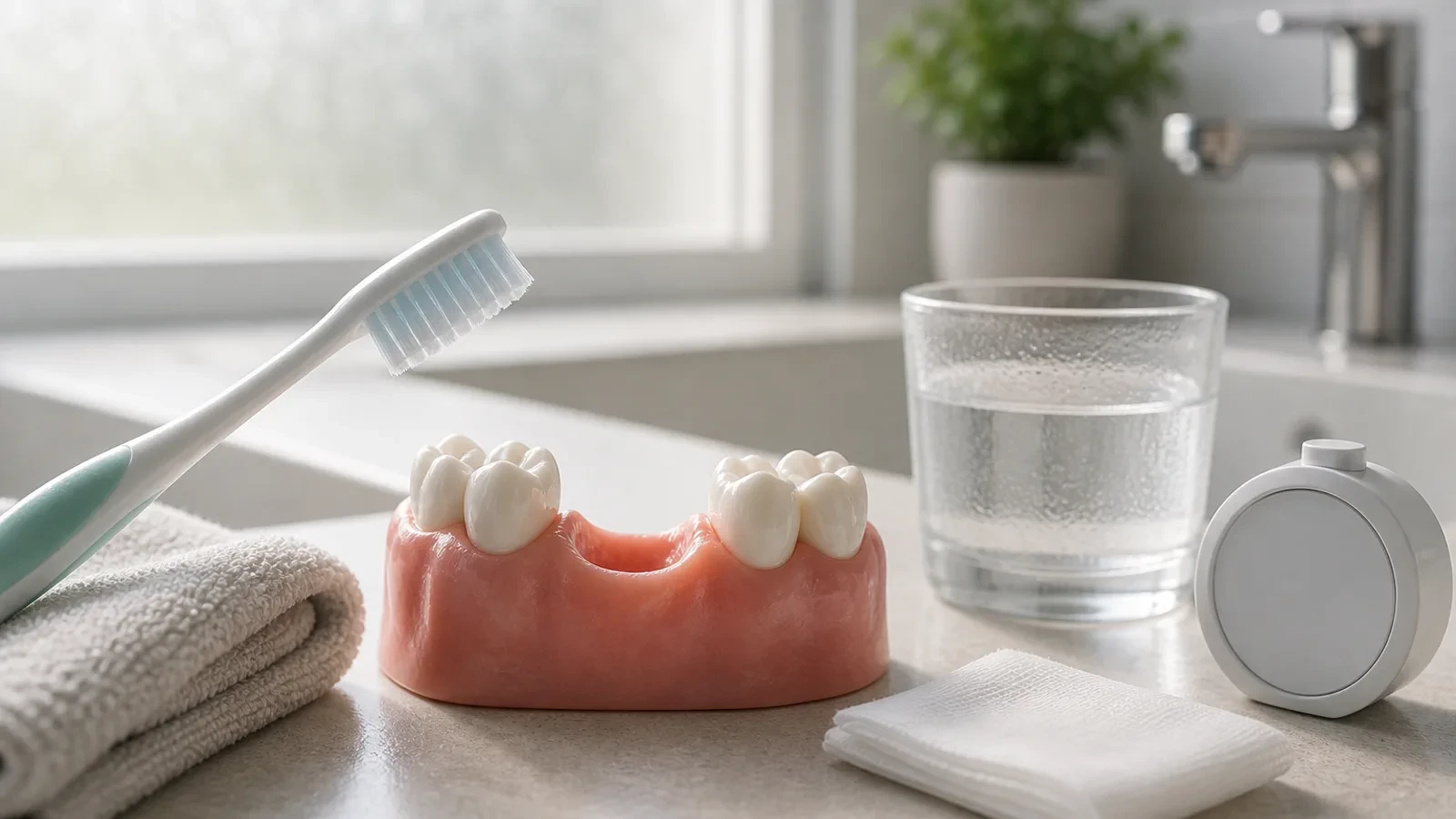
Can I Brush After A Tooth Extraction?
Brushing after extraction protects the rest of your mouth; the socket itself needs a gentler approach until your dentist clears normal cleaning beside it.

Is Sedation Used For Wisdom Teeth Removal?
Sedation is common for wisdom teeth surgery but not automatic: local anesthesia always matters, while nitrous, oral, or IV sedation match anxiety and case needs.
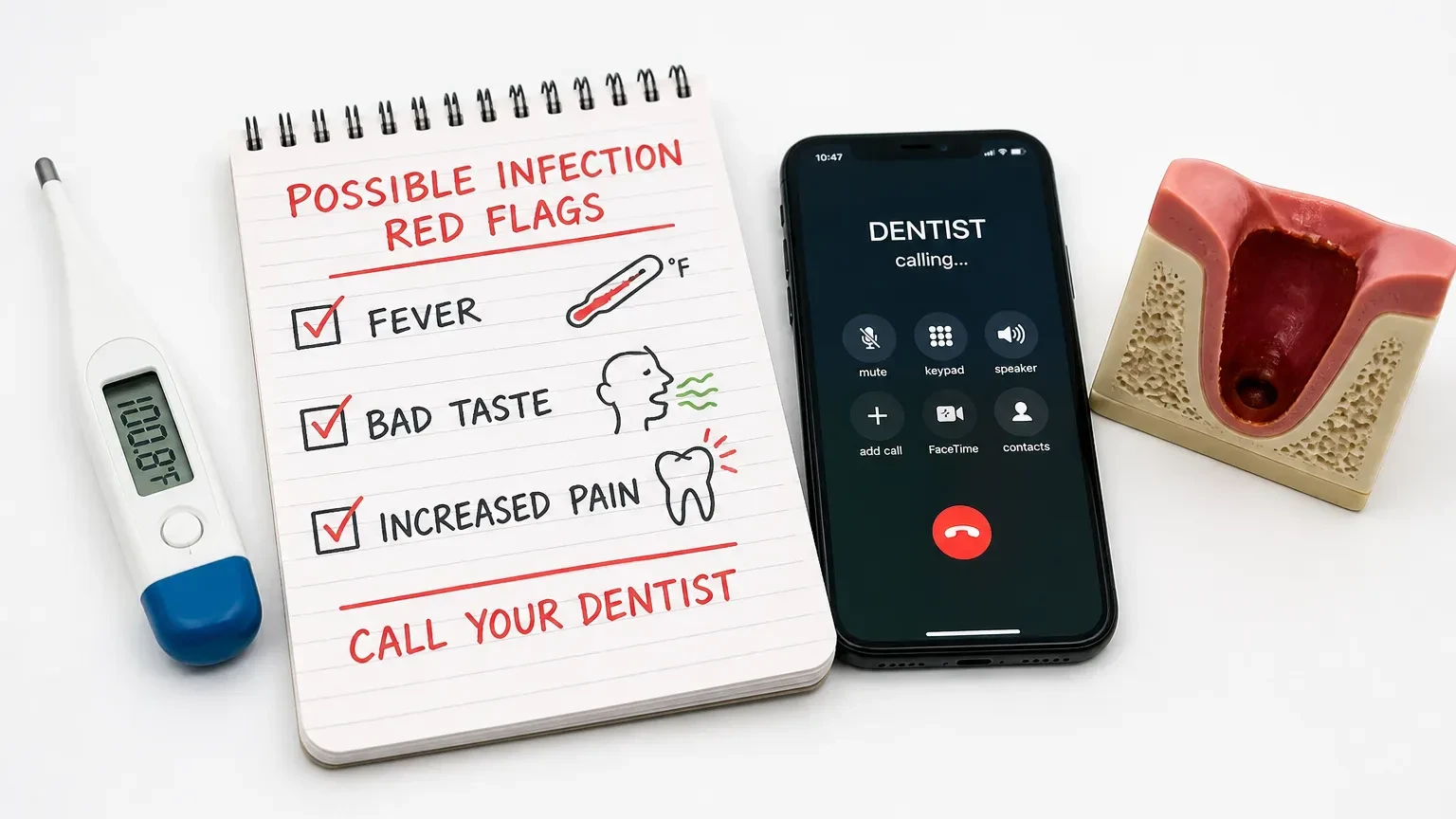
What Are Signs Of Infection After An Extraction?
Post-extraction infection signs include pain that escalates after improvement, fever, pus or foul drainage, and swelling that spreads rather than steadily fades.