
How Long Does Swelling Last After An Extraction?
Swelling after a tooth extraction often peaks around two to three days and then eases over about a week. Learn the timeline and what changes it.

Reviewed by Dr. Sean Myran, DMDDoctor of Dental Medicine, University of Pennsylvania
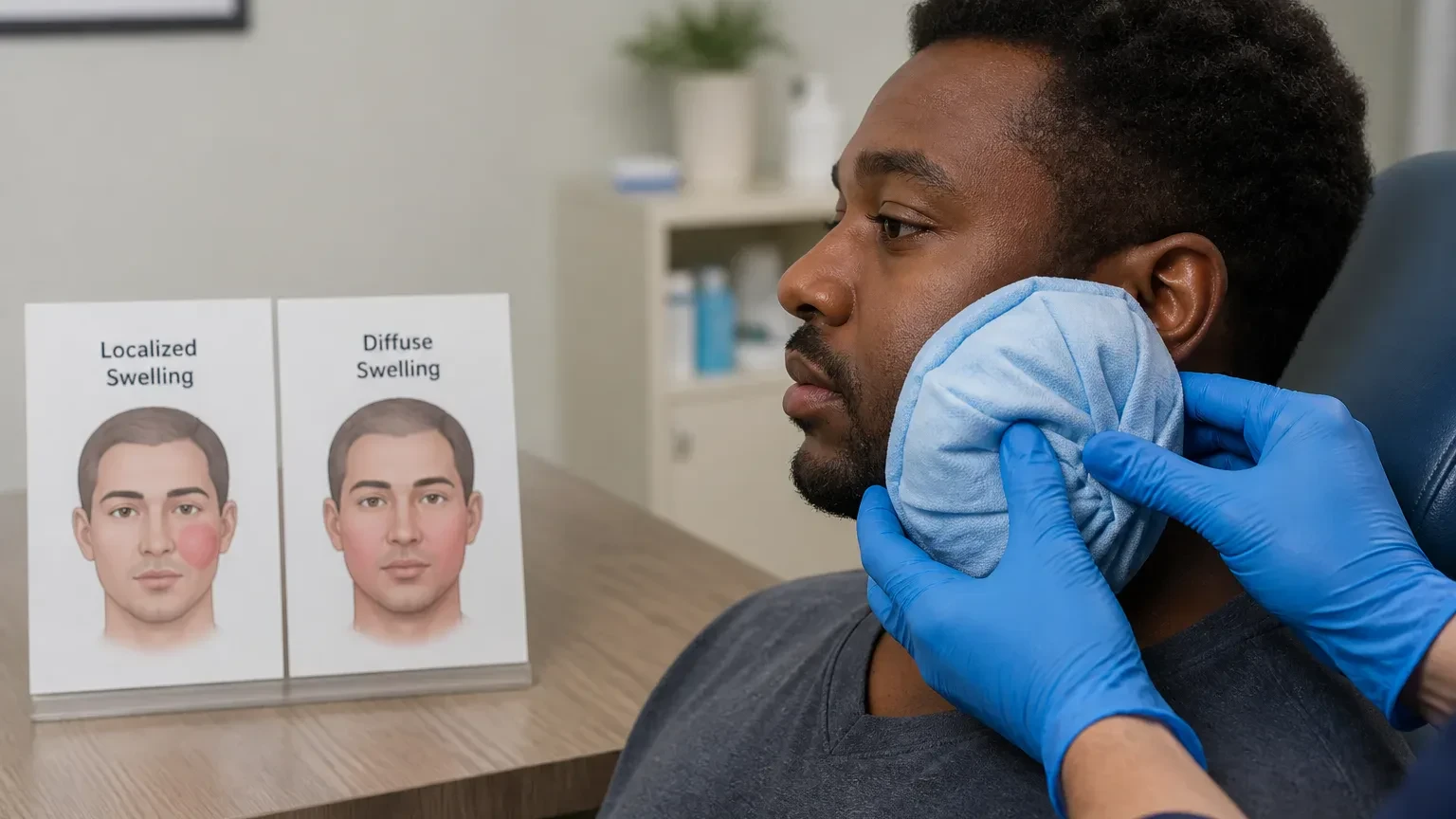
Swelling after a tooth extraction often peaks around 48 to 72 hours and then gradually improves over the following days, with many people looking closer to normal by about a week—though deeper surgical sites can stay mildly puffy longer. MouthHealthy recommends applying a cold cloth or ice bag for swelling and calling the dentist as advised. The calendar matters more than a single glance in the mirror on the morning after surgery.
Swelling is fluid and inflammation in soft tissue responding to surgery. It is not automatically infection. Infection-related swelling usually comes with other signs such as worsening pain after improvement, fever, foul drainage, or redness that spreads—patterns covered in infection warning signs.
Morning faces often look puffier than evenings because fluid settles overnight. That daily swing can scare people into thinking swelling is worsening when it is still following a normal up-and-down pattern inside the first few days. Compare same-time-of-day photos before assuming the trend has reversed.
Lower wisdom tooth surgery commonly stiffens the masseter and surrounding tissues, so cheek width and limited opening travel together. Upper extractions may show less dramatic external puffiness yet still feel internally sore. Ask which pattern your surgeon expects for the teeth that were actually removed rather than for a generic four-tooth story online.
Typical Swelling Timeline
- Day of surgery: mild puffiness may begin as numbness fades; cold packs are most useful early.
- Days two to three: peak swelling and stiffness are common, especially after lower wisdom teeth.
- Days four to seven: gradual decline for most uncomplicated cases if you rest and follow instructions.
- After one week: residual fullness can linger at surgical angles of the jaw even when pain is mild.
 Match temperature tactics to the day.
Cold early, then ask about heat later
Short iced intervals on the face during the first day or two are a standard comfort tool when your dentist recommends them. Keep a cloth barrier on skin. After the early window, some clinicians suggest gentle warmth to help stiffness—only switch when your post-op sheet says so. Sleeping with an extra pillow reduces overnight pooling that makes morning faces look worse than evenings.
Modifiers That Stretch The Timeline
- Surgical difficulty: bone removal and longer procedures usually mean more puffiness.
- Number of teeth: four wisdom teeth in one visit often swell more than a single simple extraction.
- Salt, activity, and heat: heavy workouts, saunas, and bending over can intensify facial fullness.
- Medications and medical history: some people bruise and swell more; tell your clinician about blood thinners and prior surgery reactions.
- Secondary problems: dry socket pain is different from swelling, but both can coexist and confuse the picture.
Jaw stiffness can feel like swelling even when the cheek looks only slightly larger. Limited opening after wisdom teeth removal is common for a short period. Gentle movement as directed—not forced stretching—helps some patients. Pair swelling care with sensible soft foods so you are not chewing against a tight joint. Track overall recovery milestones so you know when puffiness is still on-script.
 Improving versus escalating is the key fork.
Symmetry and direction of change matter
A face that is still puffy but improving day by day is different from swelling that climbs again after it had started down. Take a daily phone photo in the same light if you are unsure. Call for swelling that closes an eye, spreads down the neck, or pairs with fever and progressive pain. Those patterns need evaluation even if you were told some swelling is normal.
If peak day has passed and the side of your face is still enlarging, do not wait for a routine cleaning appointment. Contact the treating office or use Find a Dentist for urgent evaluation when you are traveling and cannot reach the surgeon who did the extraction.
Related articles
Keep exploring related topics from Dental Country.

How Long Does It Take To Recover From A Tooth Extraction?
Extraction recovery is staged: clot protection first, then softer chewing, with full comfort arriving on a schedule that depends on surgery complexity.
Read article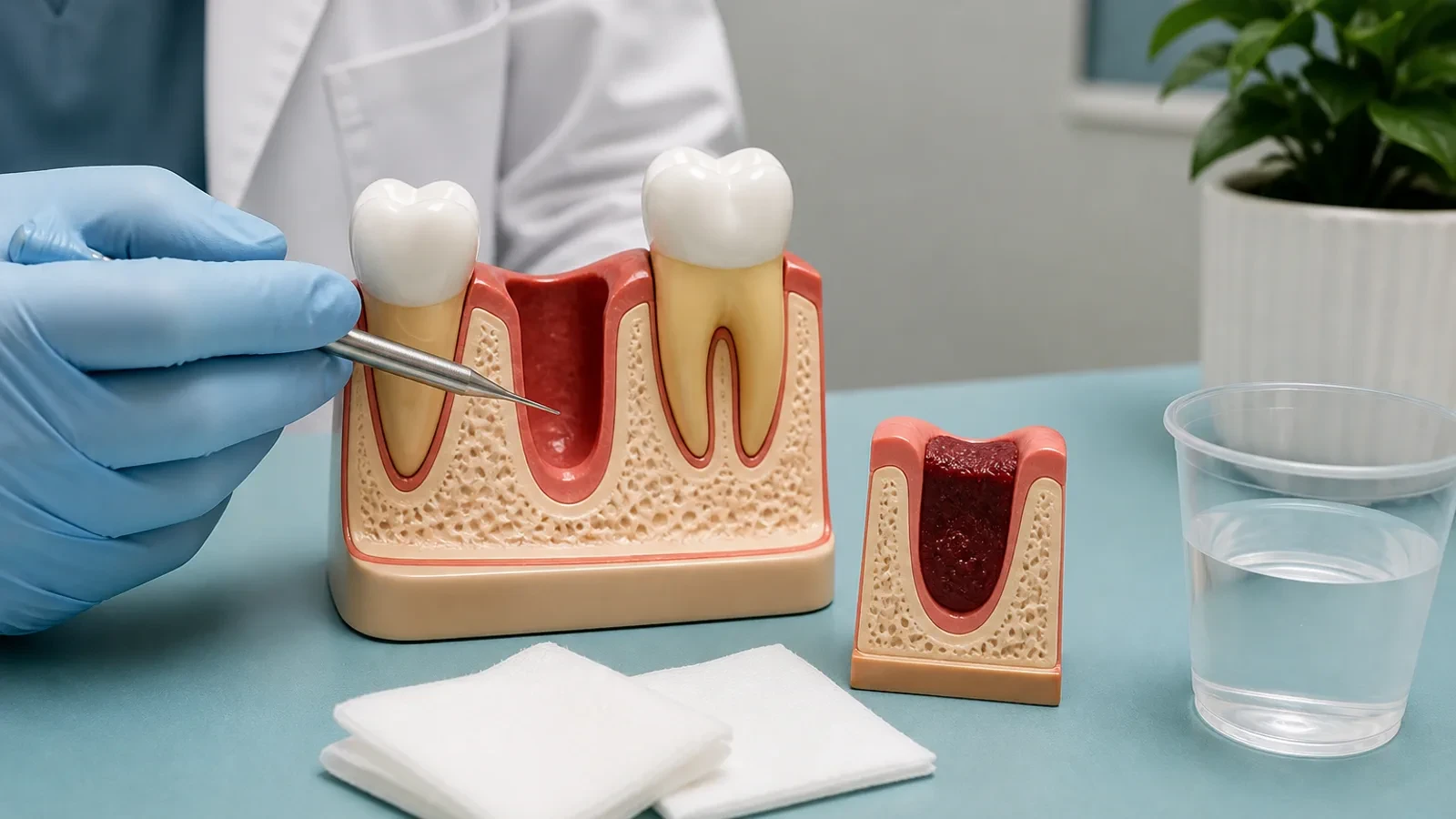
What Is Dry Socket?
Dry socket means the clot that should shield the extraction site is gone or never formed well, leaving bone exposed and pain often sharper after day one.
Read article
When Should Wisdom Teeth Be Removed?
Removal timing follows risk and imaging, not a birthday alone: pain, infection, pathology, or a tooth that cannot be kept clean often tip the decision.
Read article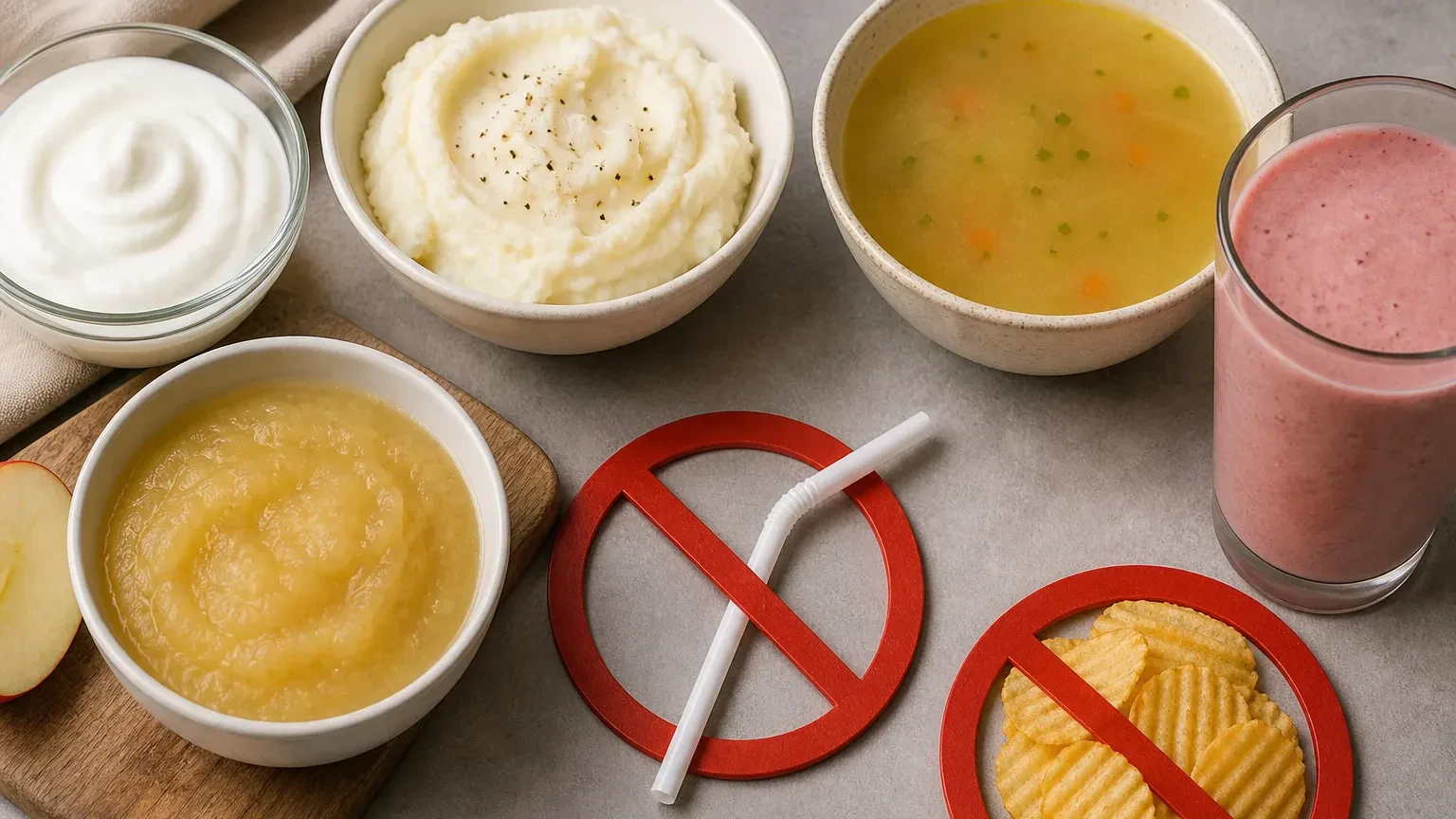
What Can You Eat After A Tooth Extraction?
Post-extraction eating is a staged routine: cool soft foods first, then tender chewables, while skipping straws and sharp crumbs that disturb the clot.
Read article