
How Long Does It Take To Recover From A Tooth Extraction?
Most simple extractions feel better in a few days, while surgical sites may take one to two weeks. Learn a practical day-by-day recovery timeline.

Reviewed by Dr. Sean Myran, DMDDoctor of Dental Medicine, University of Pennsylvania
Most people feel noticeably better within a few days after a simple tooth extraction, while surgical or wisdom tooth sites often need one to two weeks before daily life feels normal again. Bone and gum tissue keep remodeling for longer, so “recovered enough to work” and “fully healed” are not the same milestone. MouthHealthy explains that after an extraction a blood clot forms and the mouth slowly fills in bone where the root was. The first job of recovery is protecting that clot so healing can start.
Your timeline also depends on how many teeth came out, whether bone was shaped, smoking status, medications that thin blood, and how carefully you follow post-op rules. A single erupted tooth removed with forceps usually settles faster than an impacted molar that required cutting gum and removing bone. Ask your dentist which day-to-day markers to expect for your specific procedure rather than comparing yourself to a friend’s story.
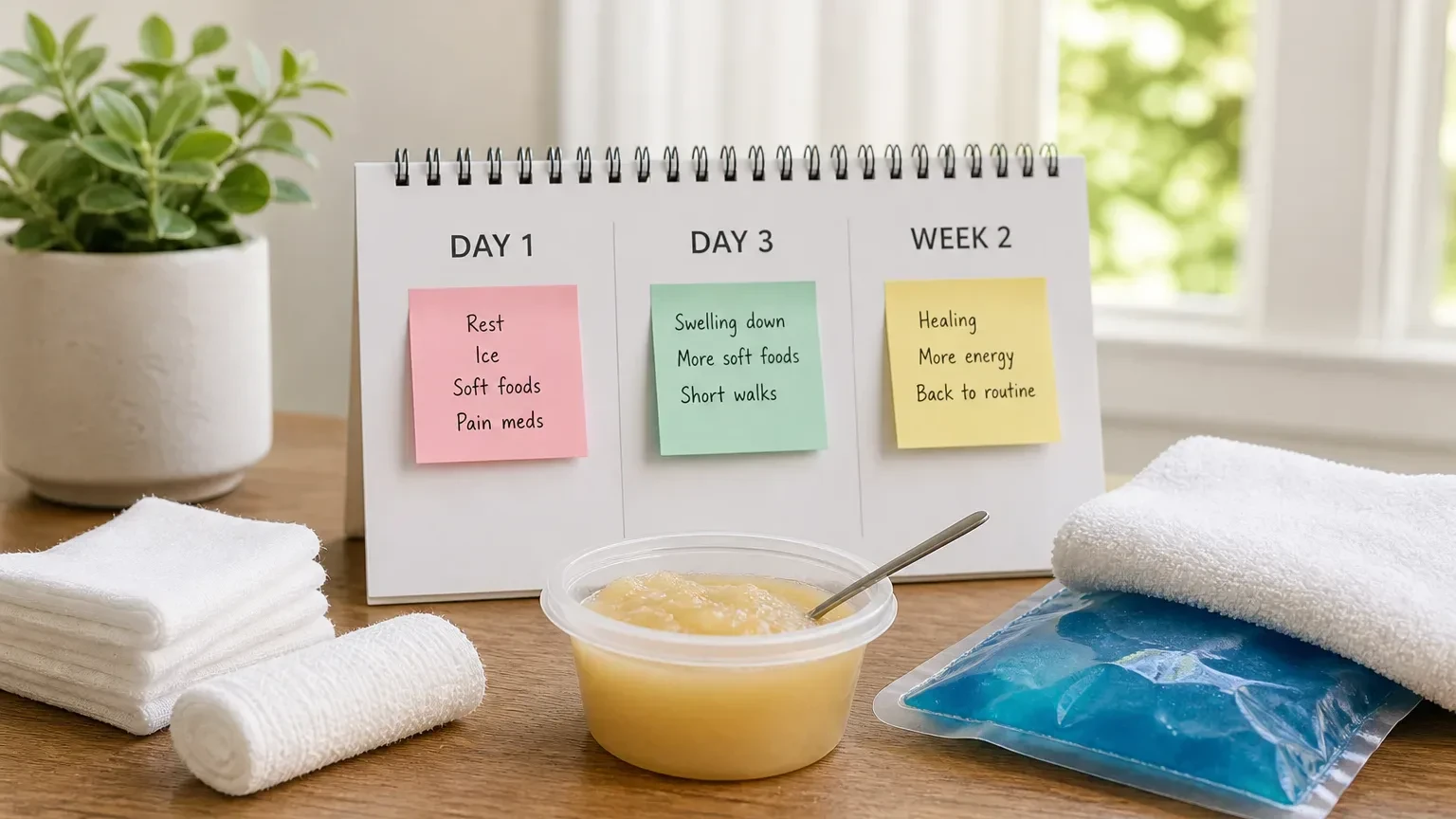
A Practical Day-By-Day Recovery Map
- Day of surgery: biting on gauze, resting with your head elevated, and sticking to cool soft foods. Mild oozing is common; heavy bright bleeding that soaks gauze quickly needs a call.
- Days 1 to 3: swelling and stiffness often peak. Cold packs in short intervals on the cheek, prescribed or recommended pain relief, and gentle activity help most people through the hardest window.
- Days 4 to 7: discomfort usually trends down if the clot stays intact. Soft chewing expands carefully; avoid straws and forceful rinsing that can disturb the socket.
- Week 2: many surgical sites feel workable for normal meals and exercise, though tenderness when pressing the area can linger.
- Beyond two weeks: the gum surface closes further while deeper bone continues filling in over months.
Pain that improves for a day or two and then suddenly worsens can signal dry socket rather than ordinary healing. Facial swelling that keeps climbing after day three, fever, or foul taste also deserve a prompt check for infection after extraction. Those problems are uncommon relative to routine soreness, but they change the recovery clock and need professional care.
 Protect the clot while swelling peaks.
The first 72 hours set the tone
Early ice, elevation, and rest reduce swelling that otherwise slows chewing and sleep. Keep packs wrapped and limited to short sessions so skin stays comfortable. Skip intense workouts, bending that floods the head with pressure, and hot spa-like heat on the face until your dentist clears them. If numbness from local anesthetic lingers into the evening, avoid chewing on that side until feeling returns so you do not bite your cheek.
What Speeds Or Slows Comfort
- Clot protection: no straws, no smoking, and no vigorous swishing in the early window.
- Nutrition and hydration: soft proteins and steady fluids support energy without traumatizing the site.
- Oral hygiene nearby: gentle cleaning of other teeth reduces bacterial load; review brushing after extraction before scrubbing next to the socket.
- Follow-up visits: stitch checks and socket cleaning catch problems while they are small.
- Medical factors: uncontrolled diabetes, immune suppression, or bisphosphonate history can alter healing plans—share these before surgery when possible.
 Function returns in stages.
Comfort returns before the socket fully fills
Being able to talk at work or sleep through the night does not mean the socket is mature bone. Treat the area as fragile even when the outside looks closed. Expand textures using the same caution described in what you can eat after extraction, and pause if a food leaves debris that is hard to rinse gently. If swelling after extraction still limits opening after a week, ask whether that is expected for your surgery or needs evaluation.
When To Call Sooner
Call sooner for bleeding that will not slow with firm gauze pressure, difficulty breathing or swallowing, spreading facial redness, or pain that outpaces the medicine plan you were given. Keep the written post-op sheet handy so after-hours staff hear the same details you were told at dismissal. Recovery is a sequence of checkpoints, not a single finish line.
If you need a local office for follow-up or a second look when healing stalls, use the Find a Dentist directory and bring your extraction date, medications, and a photo of the site if swelling makes description hard.
Related articles
Keep exploring related topics from Dental Country.
What Is Dry Socket?
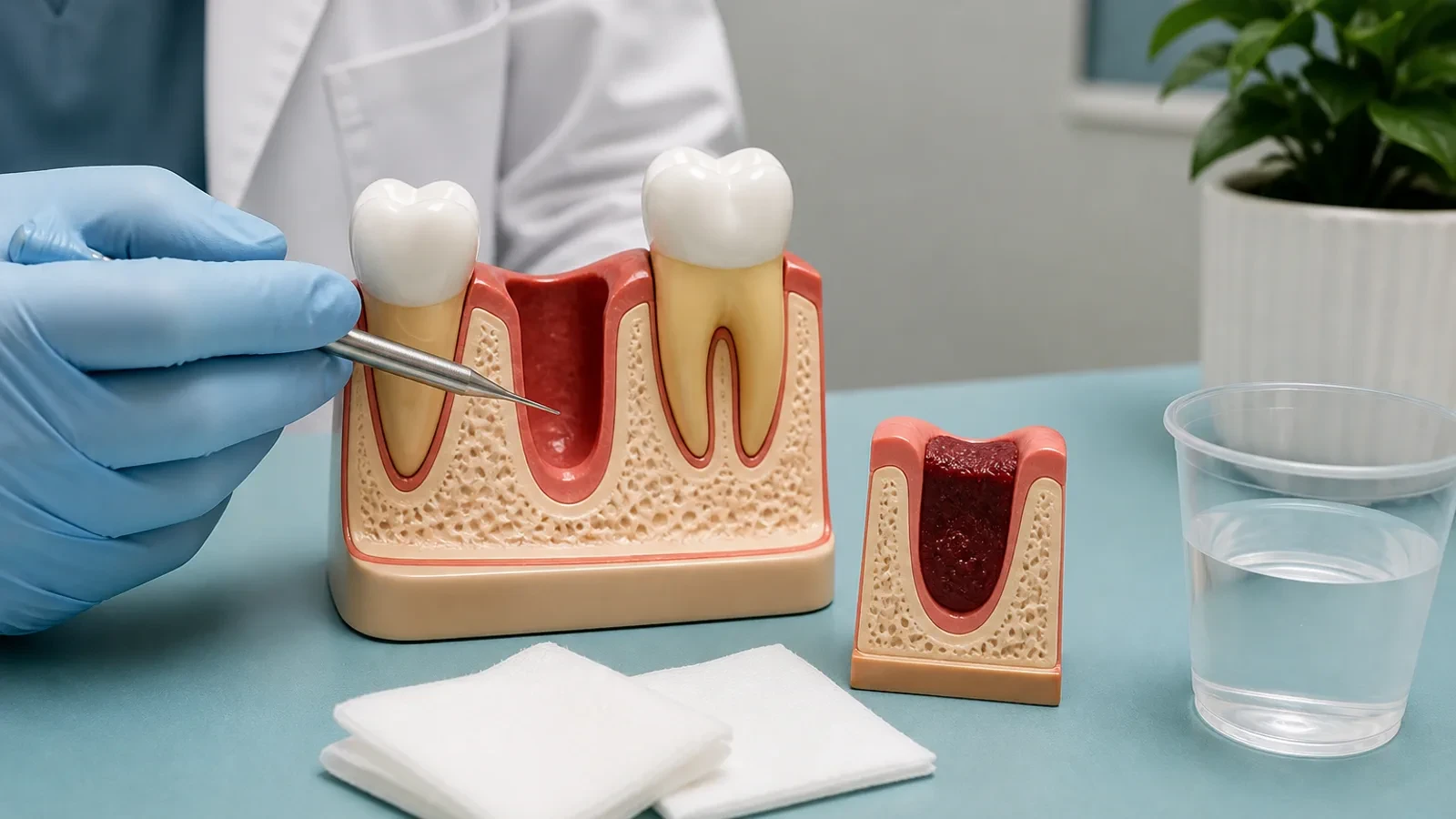
Dry socket means the clot that should shield the extraction site is gone or never formed well, leaving bone exposed and pain often sharper after day one.
Read article
When Should Wisdom Teeth Be Removed?
Removal timing follows risk and imaging, not a birthday alone: pain, infection, pathology, or a tooth that cannot be kept clean often tip the decision.
Read article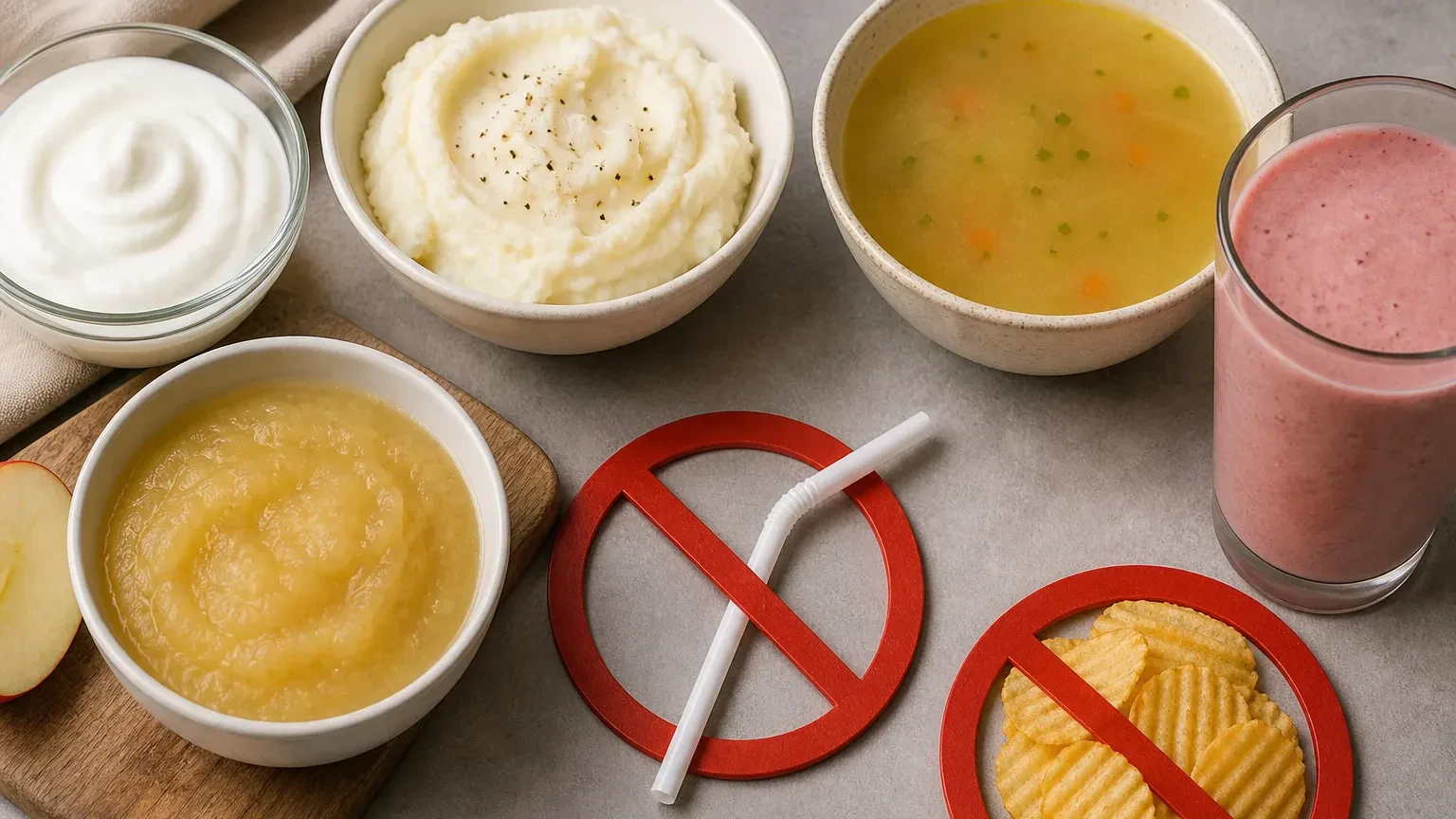
What Can You Eat After A Tooth Extraction?
Post-extraction eating is a staged routine: cool soft foods first, then tender chewables, while skipping straws and sharp crumbs that disturb the clot.
Read article
Do Wisdom Teeth Removals Hurt?
During removal you should be numb or sedated; afterward, manageable soreness is common. Fear often comes from myths about feeling the surgery itself.
Read article