

Do Wisdom Teeth Removals Hurt?
Wisdom teeth removal is done with anesthesia so you should not feel sharp surgical pain; afterward, soreness is expected. Separate myths from facts.

Reviewed by Dr. Sean Myran, DMDDoctor of Dental Medicine, University of Pennsylvania
Wisdom teeth removal should not hurt in the sharp, surgical sense during the procedure because local anesthesia—and often sedation—is used so you do not feel cutting or pressure as pain. Afterward, soreness, jaw stiffness, and swelling are expected for several days, and the intensity varies with impaction depth and how many teeth were removed. Mayo Clinic explains that wisdom tooth surgery is often performed with anesthesia to keep you comfortable. Fear of pain is common; clarifying what you will feel awake versus afterward helps planning.
Pressure, sounds of instruments, and a numb heavy lip can be odd even when pain signals are blocked. That sensory strangeness is not the same as inadequate anesthesia. If something sharp breaks through numbness, tell the team immediately so more anesthetic can be given before continuing.
Plan the first evening before you arrive: soft foods ready, ice packs in the freezer, prescriptions filled if provided ahead, and a ride home if sedation is part of care. Good logistics do not erase soreness, but they keep controllable stressors from amplifying how pain feels.
Myths And Facts About Wisdom Tooth Pain
- Myth: You will feel the tooth being cracked or cut.
- Fact: with effective local anesthesia you should not feel sharp pain; pressure and vibration can still be noticeable if you are awake.
- Myth: If it is a “simple” case, you will have no soreness later.
- Fact: even routine removals leave an open socket that can ache as sensation returns.
- Myth: Strong pain always means something went wrong.
- Fact: a peak around days one to three can be ordinary inflammation; worsening pain after improvement needs a check for dry socket or infection.
- Myth: Sedation is required or you will suffer.
- Fact: many people do well with local anesthesia alone; others prefer sedation options for anxiety or longer surgery.
- Myth: Prescription opioids are always necessary.
- Fact: many patients manage with anti-inflammatory strategies your surgeon recommends; follow the written plan rather than assuming more is better.
 Speak up before sharp pain continues.
Numbness is the foundation of comfort
Local anesthetic blocks pain signals from the surgical site. Sedation, when used, adds relaxation or reduced awareness but does not replace careful numbing of the gums and bone. Ask how the team will test numbness before starting and what word to use if you feel a pinch. People with prior difficulty getting numb should mention it—infection and anatomy can change how anesthetic behaves.
What Afterward Usually Feels Like
- Soreness at the sockets that responds partly to cold packs and recommended medicine.
- Jaw stiffness that makes wide opening awkward for several days.
- Ear-area referred ache on the same side, which can scare people even when the ear itself is fine.
- Mild oozing that slows with gauze; frank heavy bleeding needs a call.
Comfort also tracks with swelling duration and how carefully you follow diet and clot rules. Comparing your pain score to an internet average is less useful than comparing day three to day one in your own notes. If pain suddenly shifts character—from dull ache to sharp exposed-bone pain—treat that as a reason to call, not as proof you are “bad at healing.”
 Plan the first evening before surgery day.
Aftercare shapes how loud the ache feels
Take the first doses of recommended pain relief on schedule before numbness fully fades if your dentist advised that approach. Soft foods, head elevation, and rest reduce the spikes that come from chewing too soon. Avoid posting through severe pain without calling—early dressing for dry socket or a rinse technique fix can change the next night’s sleep. Keep a responsible adult nearby if you had sedation.
MouthHealthy notes that discomfort when wisdom teeth appear can be normal, but pain deserves a dental visit. Surgical pain afterward is managed, not ignored. If you want a consult that covers anesthesia choices and realistic recovery comfort, use Find a Dentist and ask specifically about pain-control plans for impacted versus erupted teeth.
Related articles
Keep exploring related topics from Dental Country.
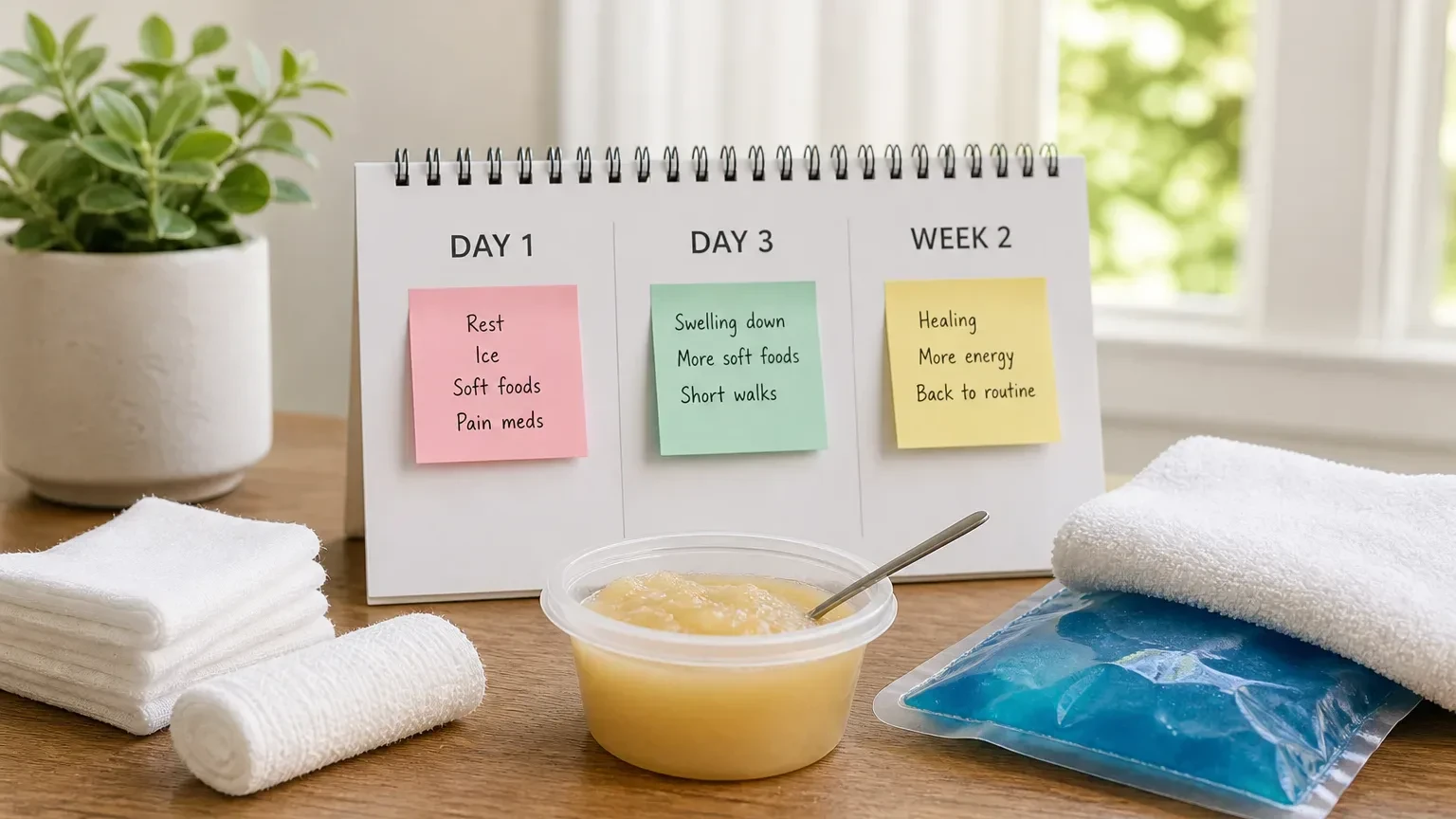
How Long Does It Take To Recover From A Tooth Extraction?
Extraction recovery is staged: clot protection first, then softer chewing, with full comfort arriving on a schedule that depends on surgery complexity.
Read article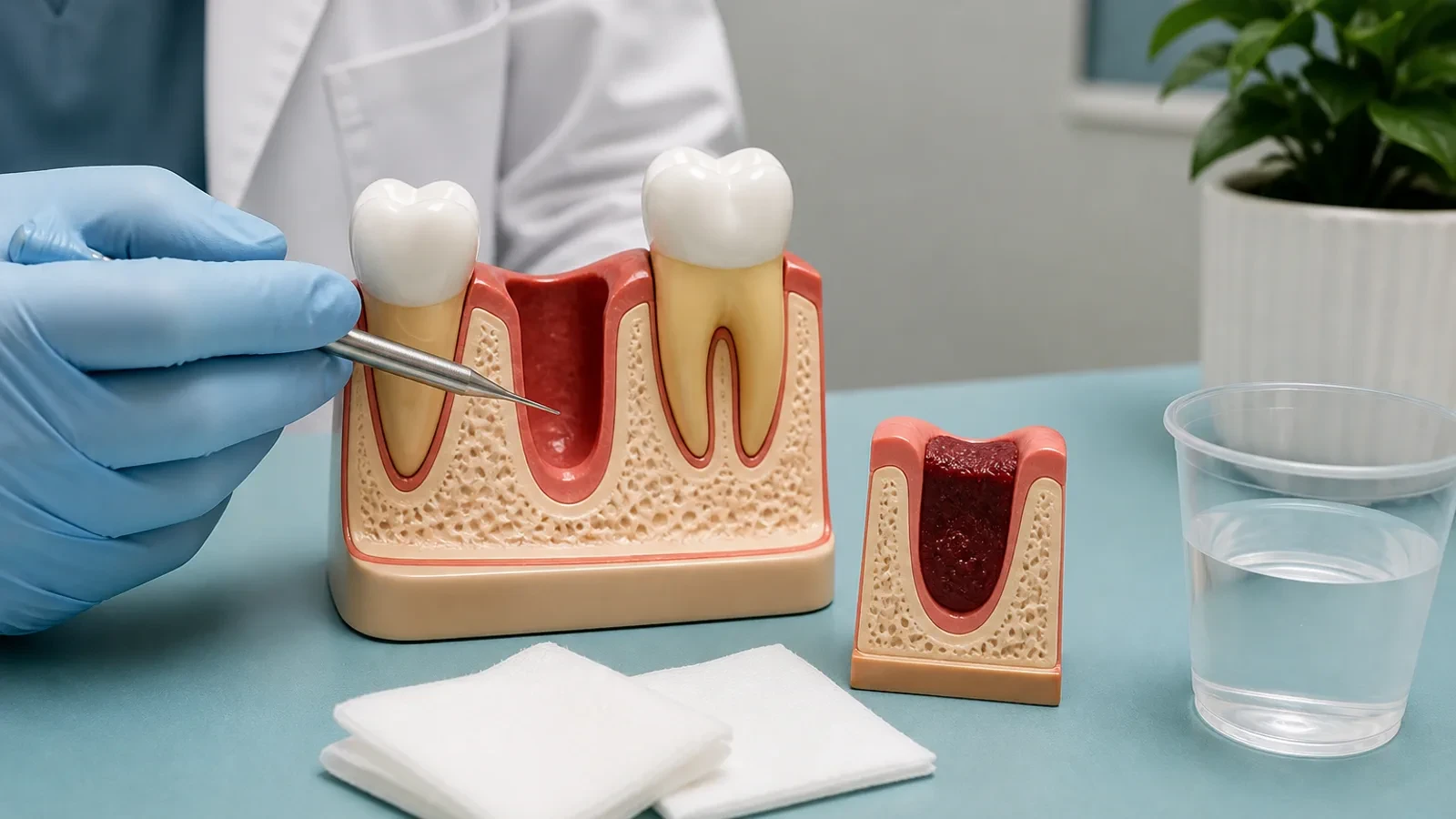
What Is Dry Socket?
Dry socket means the clot that should shield the extraction site is gone or never formed well, leaving bone exposed and pain often sharper after day one.
Read article
When Should Wisdom Teeth Be Removed?
Removal timing follows risk and imaging, not a birthday alone: pain, infection, pathology, or a tooth that cannot be kept clean often tip the decision.
Read article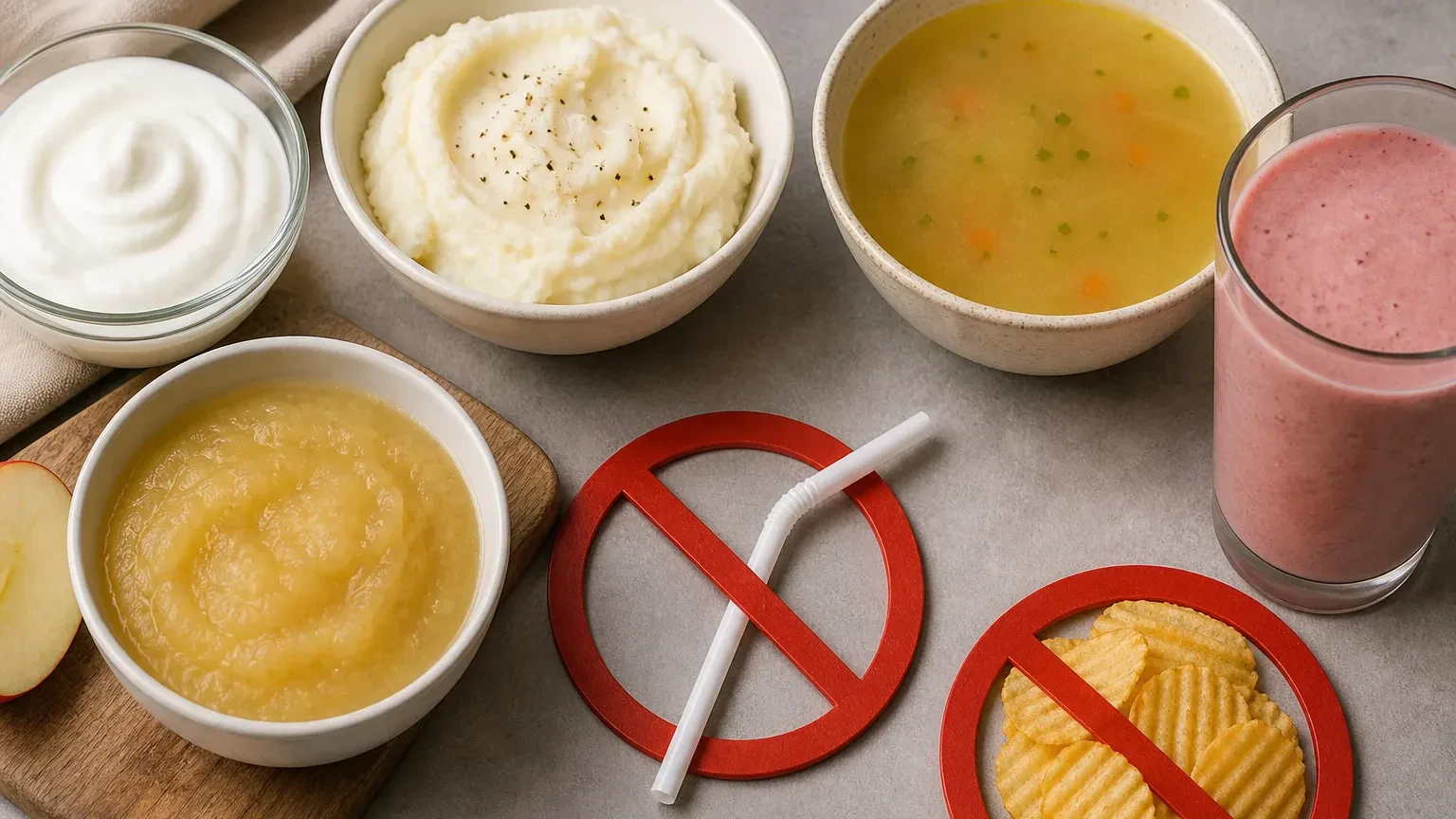
What Can You Eat After A Tooth Extraction?
Post-extraction eating is a staged routine: cool soft foods first, then tender chewables, while skipping straws and sharp crumbs that disturb the clot.
Read article