
What Is Dry Socket?
Dry socket is painful exposed bone after a tooth extraction when the protective blood clot is lost. Learn symptoms, risks, and when to seek care.

Reviewed by Dr. Sean Myran, DMDDoctor of Dental Medicine, University of Pennsylvania
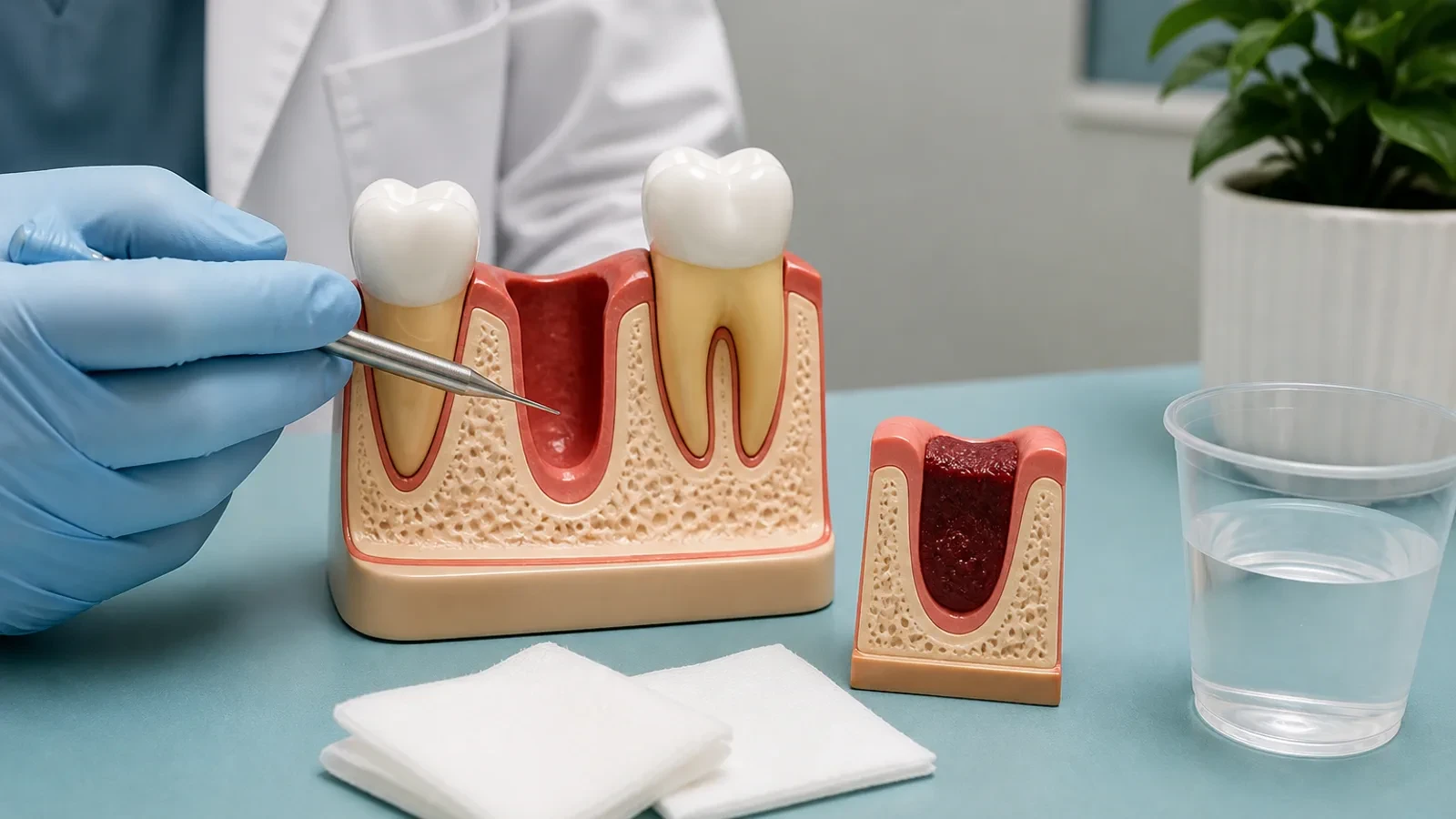
Dry socket is a painful complication after tooth removal in which the blood clot that should cover the socket is lost, dissolves early, or never forms well, leaving bone and nerve endings exposed. Ordinary extraction soreness usually eases after the first day or two; dry socket pain often intensifies around days one to three. MouthHealthy describes dry socket as displaced clot coverage that leaves bone and nerves exposed. MedlinePlus notes severe pain one to three days after extraction as a key warning.
It is more often discussed after lower wisdom tooth surgery than after a simple front-tooth removal, but any socket can be affected. Smoking, straw use, vigorous rinsing, prior dry socket, and some hormonal factors can raise risk. Prevention still centers on protecting the clot during the fragile early window rather than on home remedies once bone is already exposed.
If you are caring for a teen after wisdom teeth removal, watch for a sudden night of severe pain after a calmer day. That pattern is a classic reason families call about dry socket. Keep the surgeon’s after-hours number visible and avoid well-meant advice to tough it out until the next weekday.
Symptom Checklist
- Pain that worsens after early improvement or becomes severe enough that over-the-counter medicine barely helps.
- Pain radiating toward the ear, temple, eye, or neck on the same side as the extraction.
- An empty-looking socket or visible bone where a dark clot should sit.
- Bad taste or odor from the site without the full picture of spreading facial infection.
- Delayed comfort compared with the recovery path your dentist described.
Not every bad taste is dry socket, and not every throb means the clot failed. Food debris, normal inflammation, and true infection can overlap in how they feel. The timing clue matters: dry socket tends to announce itself after you thought the worst day had already passed.
 Describe the day the pain changed.
Timing is as important as intensity
Write down when pain spiked, which medicines you tried, and whether you used a straw, smoked, or rinsed hard. Those details help the office decide whether you need same-day packing or a routine check. Avoid packing the socket yourself with cotton, tea bags, or leftover gauze that was not prescribed for irrigation. Self-treatments can push debris deeper and delay proper dressing.
When To Seek Care
- Severe pain after day one that is not explained by missed medicine doses.
- Visible bone or a socket that looks hollow compared with photos your office showed you.
- Pain plus fever or spreading swelling — ask whether infection needs to be ruled out alongside dry socket.
- Inability to sleep or eat soft foods because of socket pain despite the plan you were given.
Treatment in the office often includes gently cleaning the site and placing a medicated dressing, sometimes with dressing changes over several days. That care aims at comfort while the socket surface heals. At home, stick to the soft diet guidance in eating after extraction and the broader extraction recovery timeline so you do not reinjure the area between visits.
 Relief starts in the chair, continues at home.
Dressings calm pain; they do not replace follow-up
Many people feel meaningful relief soon after a proper dressing is placed, yet the socket still needs protection from tobacco, straws, and aggressive rinsing. Ask how often to return, whether you will irrigate at home with a curved syringe, and which pain medicines pair safely with the dressing. If numbness, rash, or breathing trouble appears after a new medicine, seek urgent care rather than waiting for the next dental slot.
Mayo Clinic notes that dry socket is a common complication after removals such as wisdom teeth and usually needs professional treatment beyond basic pain tablets. If symptoms match the checklist, call rather than waiting for a routine hygiene visit. For a nearby office that manages post-extraction complications, start with Find a Dentist and mention the extraction date when you book.
Related articles
Keep exploring related topics from Dental Country.
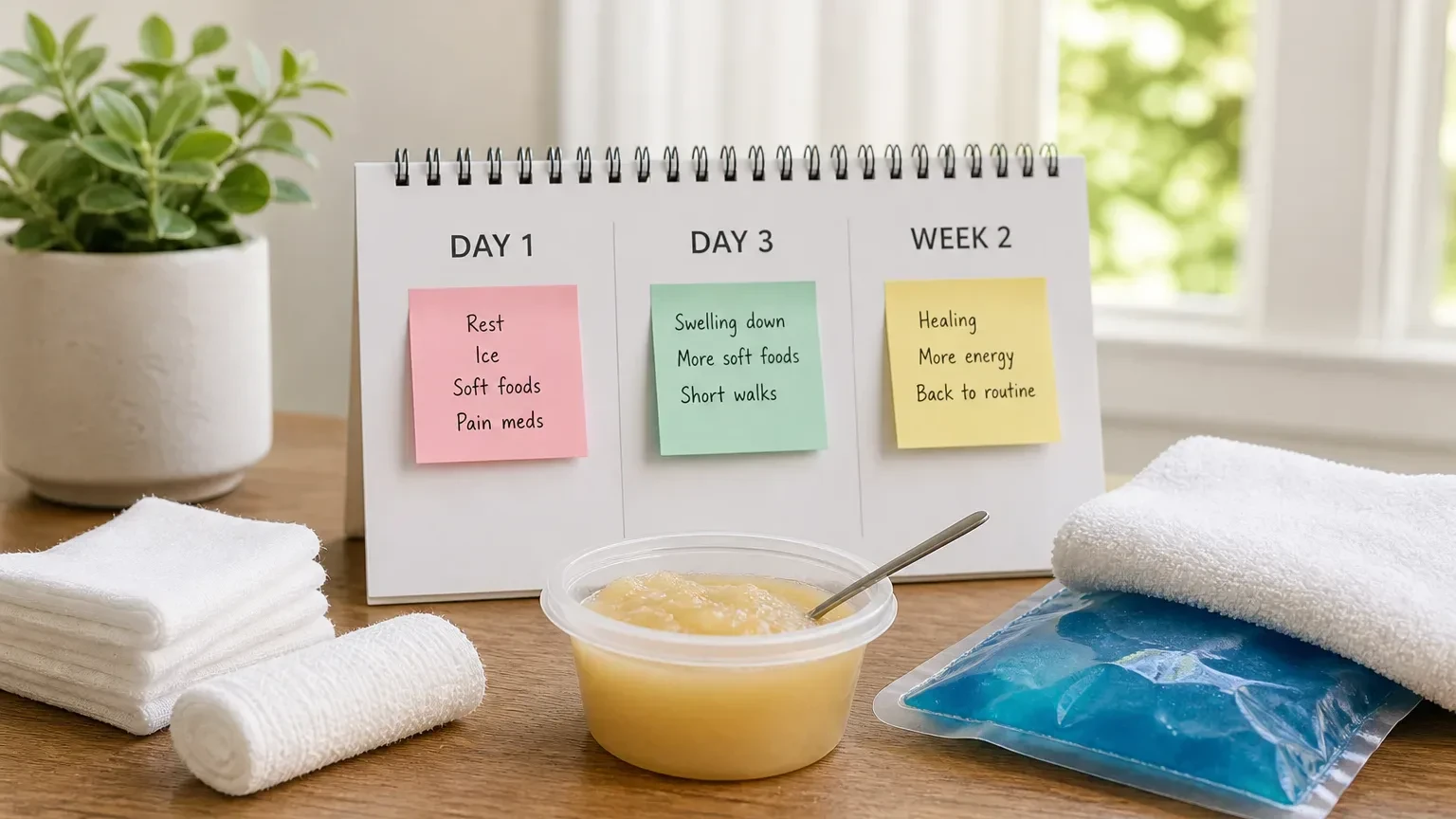
How Long Does It Take To Recover From A Tooth Extraction?
Extraction recovery is staged: clot protection first, then softer chewing, with full comfort arriving on a schedule that depends on surgery complexity.
Read article
When Should Wisdom Teeth Be Removed?
Removal timing follows risk and imaging, not a birthday alone: pain, infection, pathology, or a tooth that cannot be kept clean often tip the decision.
Read article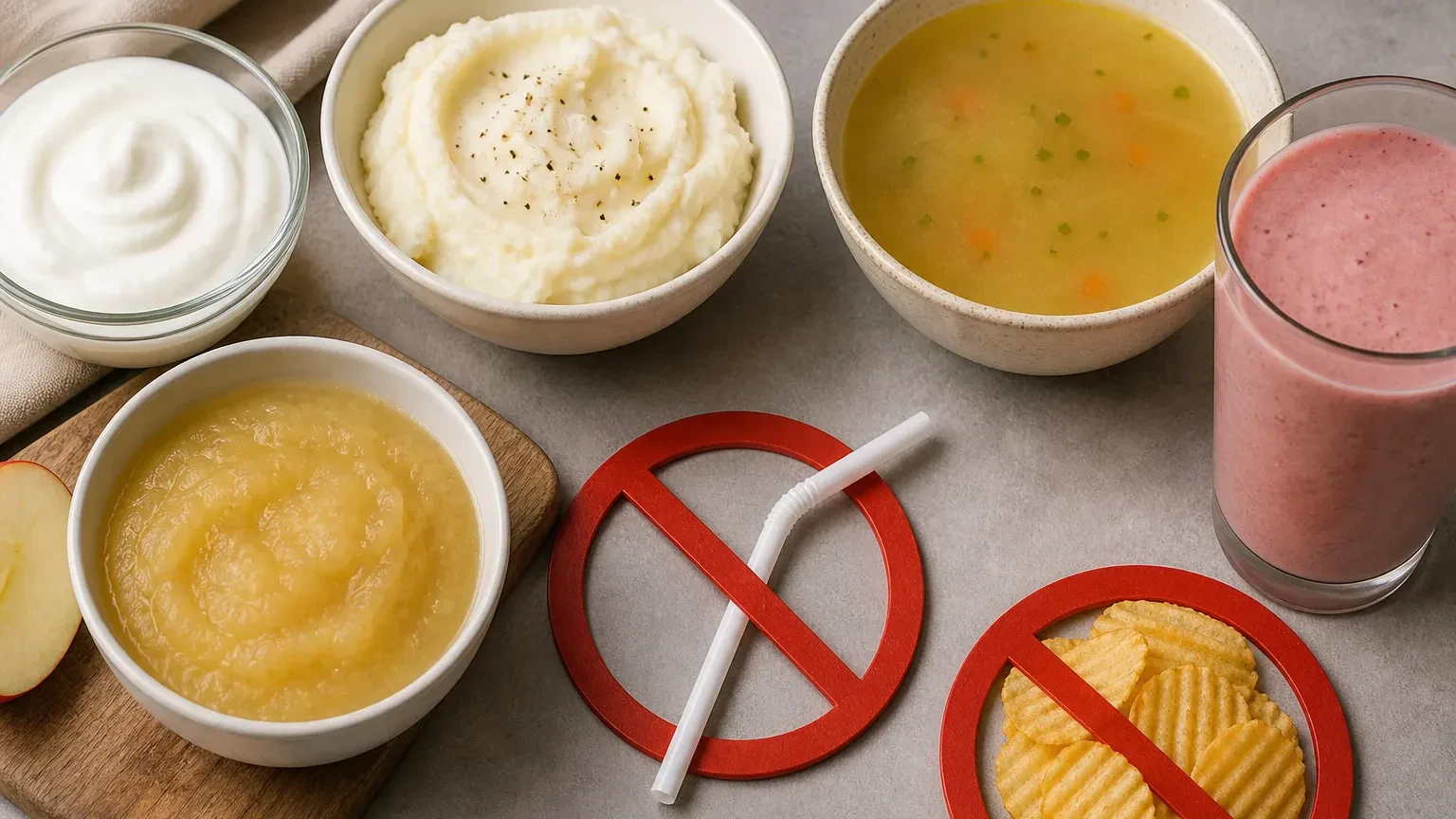
What Can You Eat After A Tooth Extraction?
Post-extraction eating is a staged routine: cool soft foods first, then tender chewables, while skipping straws and sharp crumbs that disturb the clot.
Read article
Do Wisdom Teeth Removals Hurt?
During removal you should be numb or sedated; afterward, manageable soreness is common. Fear often comes from myths about feeling the surgery itself.
Read article