

When Should Wisdom Teeth Be Removed?
Wisdom teeth may need removal for pain, infection, cysts, decay, or damage to neighbors. Learn who is affected, timing factors, and safer next steps.

Reviewed by Dr. Sean Myran, DMDDoctor of Dental Medicine, University of Pennsylvania
Wisdom teeth should be removed when they cause pain, infection, cysts, unrestorable decay, gum disease around the site, or damage to neighboring teeth—or when imaging and exams show a high likelihood of those problems in a tooth that cannot erupt cleanly. MouthHealthy lists pain, infection, cysts, tumors, damage to neighbors, gum disease, and unrestorable decay among reasons for removal. Age alone is not a diagnosis, but younger adults often heal more predictably when surgery is already indicated.
Some wisdom teeth erupt fully, meet the opposing tooth, stay cleanable, and remain disease-free. Those teeth may be monitored rather than extracted automatically. The safer path is a documented exam with radiographs, not a social-media rule that everyone must lose all four on a set birthday.
Urgency also rises when a wisdom tooth has already chipped a second molar, when a gum flap swells every few months, or when a cyst outline appears on film. Those are not “wait and see if it hurts more” situations for most clinicians. Conversely, a straight, fully erupted third molar with tight contacts and healthy bone may earn a monitored retention plan with a clear recall date.
Bring questions about school calendars, contact sports seasons, and upcoming medical procedures. Elective removal is easier to schedule when you can rest afterward; acute infection can force a less convenient timeline. Write down whether each tooth is being judged separately—upper and lower thirds often differ in risk on the same day.
Who Is Affected By Higher Urgency
- Partially erupted teeth: a flap of gum can trap bacteria and trigger repeated pericoronitis.
- Mesially angled or horizontal impactions: pressure against the second molar can threaten that tooth’s enamel and bone.
- People with limited hygiene access: far-back positions that cannot be flossed raise cavity and gum risk.
- Patients planning braces or other orthodontics: removal may be sequenced with tooth movement when the team agrees it helps.
- History of cysts or pathology on imaging: lesions associated with an impacted tooth change the timeline from watchful waiting to treatment planning.
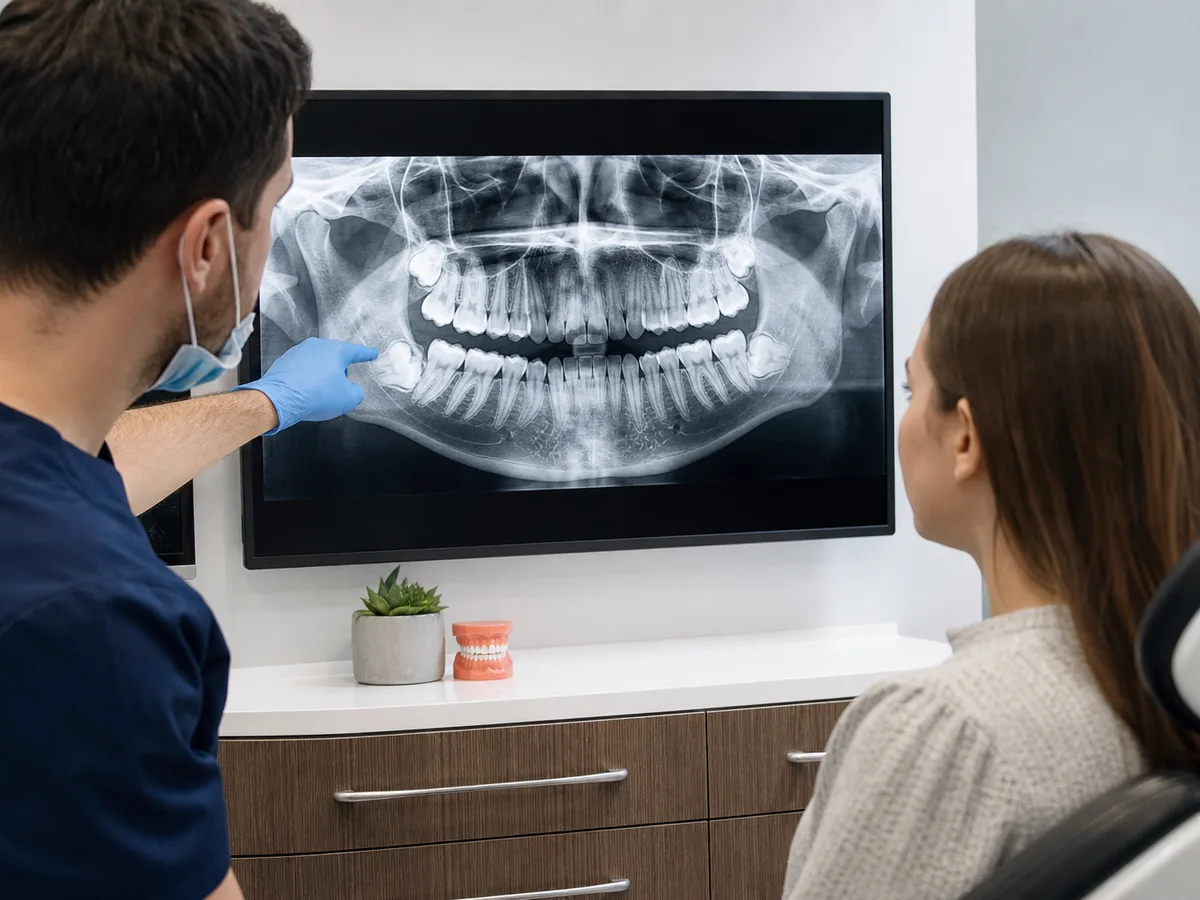 See the angle before choosing timing.
Imaging turns vague pressure into a plan
A panoramic or cone-beam view shows angulation, root shape, and proximity to nerves or sinus. Those details influence whether removal is straightforward, staged, or better handled by an oral surgeon. Bring prior films if you have them so growth changes over time are visible. Ask the clinician to show you the second molar’s contact point—damage risk is easier to understand when you see the overlap.
What Changes The Removal Plan
- Symptoms now: active infection may need antibiotics or irrigation before elective surgery, or prompt removal if the source must go.
- Medical history: clotting disorders, pregnancy, radiation history, and certain bone medications reshape timing and setting.
- Anxiety and complexity: discuss whether sedation for wisdom teeth belongs in the plan.
- Recovery capacity: upcoming exams, travel, or contact sports may push elective surgery by a few weeks once acute disease is controlled.
Pain expectations and recovery length connect to whether wisdom teeth removals hurt and the broader extraction recovery timeline. Not every asymptomatic tooth is safe forever; not all wisdom teeth need removal either. The clinical question is whether monitoring with periodic films is honest for your anatomy, or whether delaying only lets a quiet problem grow.
 Leave with a dated decision, not a vague maybe.
A safer path is specific, not rushed or ignored
Ask for a written recommendation: remove now, remove after infection calms, or monitor with a recall date and new imaging. If opinions differ between a general dentist and a specialist, request that both review the same films. Clarify nerve-risk discussion for deep lower roots and sinus considerations for upper teeth so consent matches your actual anatomy rather than a generic pamphlet.
Safer Path Forward
The American Association of Oral and Maxillofacial Surgeons patient guidance notes that fully functional, healthy wisdom teeth may be retained with regular cleaning, checkups, and periodic radiographs. If you need an evaluation for timing, use Find a Dentist to find a practice that will review imaging with you and explain removal versus monitored retention in plain language.
Related articles
Keep exploring related topics from Dental Country.

How Long Does It Take To Recover From A Tooth Extraction?
Extraction recovery is staged: clot protection first, then softer chewing, with full comfort arriving on a schedule that depends on surgery complexity.
Read article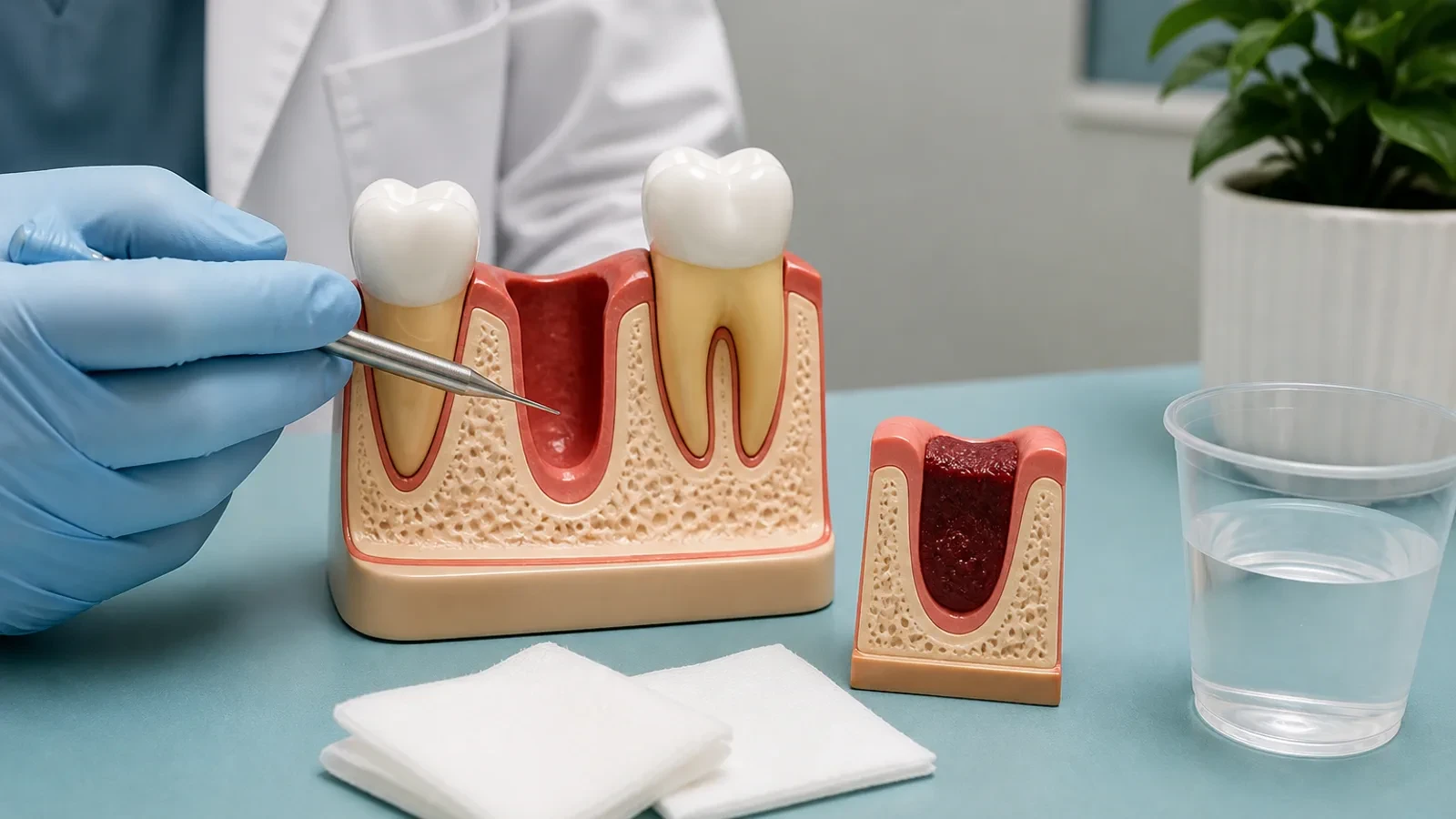
What Is Dry Socket?
Dry socket means the clot that should shield the extraction site is gone or never formed well, leaving bone exposed and pain often sharper after day one.
Read article
What Can You Eat After A Tooth Extraction?
Post-extraction eating is a staged routine: cool soft foods first, then tender chewables, while skipping straws and sharp crumbs that disturb the clot.
Read article
Do Wisdom Teeth Removals Hurt?
During removal you should be numb or sedated; afterward, manageable soreness is common. Fear often comes from myths about feeling the surgery itself.
Read article