
Do All Wisdom Teeth Need To Be Removed?
Not all wisdom teeth need removal—healthy, functional, cleanable thirds can be monitored. Compare keep-versus-remove factors with your dentist’s imaging.

Reviewed by Dr. Sean Myran, DMDDoctor of Dental Medicine, University of Pennsylvania
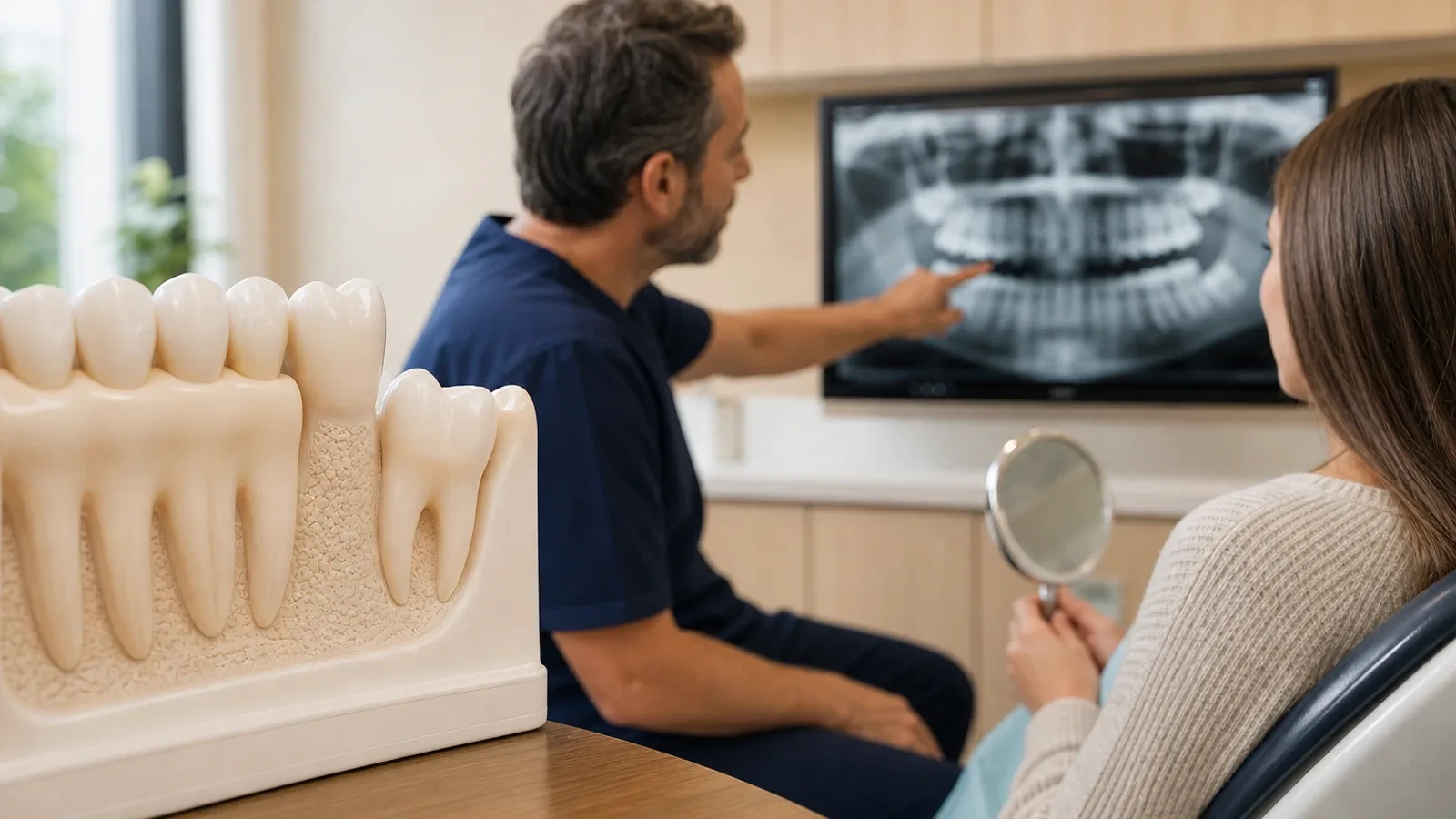
No—not all wisdom teeth need to be removed. Teeth that are fully erupted, functional, cavity-free, disease-free, and cleanable in healthy gum tissue may be kept under regular monitoring with exams and periodic radiographs. AAOMS guidance for patients states that wisdom teeth may not need extraction when they grow in completely and remain healthy, with ongoing professional cleaning and checkups. MouthHealthy explains that dentists monitor eruption and discuss removal when problems appear or risk is high.
Automatic removal of every third molar is not a universal rule, and automatic retention without imaging is not wise either. The useful framework compares current disease, future access for cleaning, and surgical risk if you wait until problems appear later in life.
Family stories cut both ways. A parent who needed emergency removal at thirty does not prove your erupted, healthy thirds must go tomorrow; a friend who kept impacted teeth without films does not prove monitoring is safe for your anatomy. Your radiographs and gum measurements are the evidence that should lead.
If you are undecided, ask what would change the recommendation in twelve months—new decay on a second molar, a deeper pocket, or a shift on film. A monitoring plan without triggers is only a postponement. A removal plan without a stated problem should also be questioned until the reason is plain.
Keep Versus Remove At A Glance
| Question | Lean toward monitoring | Lean toward removal |
|---|---|---|
| Eruption | Fully in, good position | Impacted, partial eruption, poor angle |
| Hygiene | Flossable, brushable | Food traps, chronic gum flaps |
| Disease now | No decay, cysts, or infection | Decay, infection, cysts, neighbor damage |
| Symptoms | Comfortable, stable exams | Pain, swelling, repeated pericoronitis |
| Life stage plans | Able to keep recall visits | Ortho plans or medical timing favor elective surgery now |
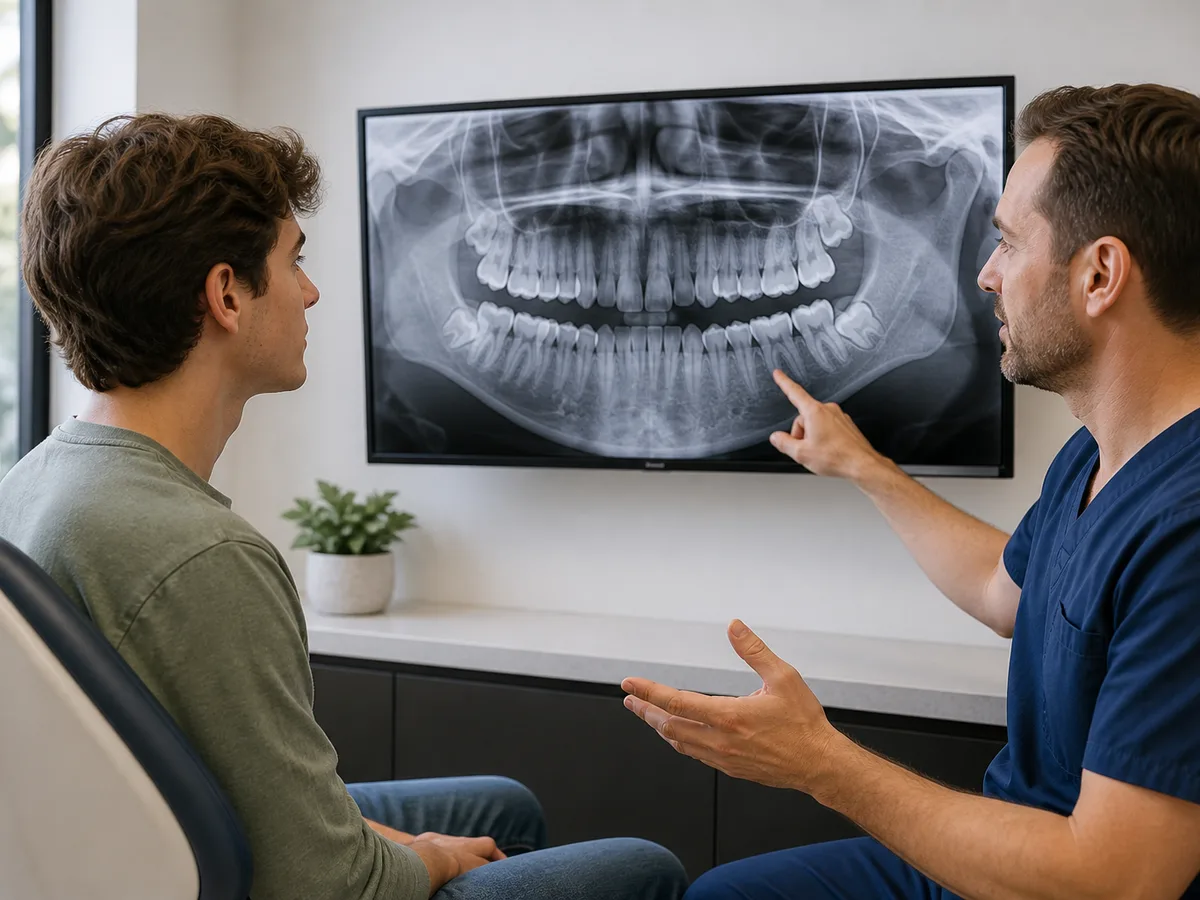 Keep equals watch, not ignore.
Retention still means surveillance
A quiet wisdom tooth today can develop decay or gum disease years later because the location is hard to clean. Monitoring is an active plan: recall visits, updated films when recommended, and honest home care. If you skip dentistry for long stretches, the “keep” choice becomes riskier even if surgery once felt optional. Ask how often imaging should repeat for your angulation.
Decision Factors To Walk Through
- Anatomy on imaging: root shape and nerve or sinus proximity affect surgical risk now versus later.
- Neighbor tooth health: second molars deserve protection when a wisdom tooth constantly traps plaque against them.
- Your healing context: medical conditions that complicate surgery may favor earlier elective care while you are healthy enough, or careful delay—individualized advice matters.
- Anxiety and sedation needs: review sedation options if deferred surgery would only happen under deeper comfort care.
- Symptom pattern: repeated infections answer when removal is warranted more clearly than a single sore week during eruption.
If removal is chosen, plan for comfort during and after surgery and the usual recovery timeline. If monitoring is chosen, put the next radiograph date on a calendar the same day as the consult. Either path should be written down so a future dentist understands the rationale.
 Clarity beats tradition either way.
Ask for the reason in one plain sentence
“Remove because of a cyst risk on your film” is a different sentence from “remove because everyone your age does.” Request the specific reason, the alternative if you wait, and what symptoms should trigger an earlier return. Second opinions are reasonable when surgery is elective and films are unclear. Bring a list of medicines and prior surgical experiences so candidacy for office versus specialist care is accurate.
Healthy retention and timely removal are both legitimate outcomes of a careful exam. For a dentist who will review your films and explain keep-versus-remove trade-offs, use Find a Dentist and ask for a wisdom tooth evaluation appointment rather than only a cleaning.
Related articles
Keep exploring related topics from Dental Country.

How Long Does It Take To Recover From A Tooth Extraction?
Extraction recovery is staged: clot protection first, then softer chewing, with full comfort arriving on a schedule that depends on surgery complexity.
Read article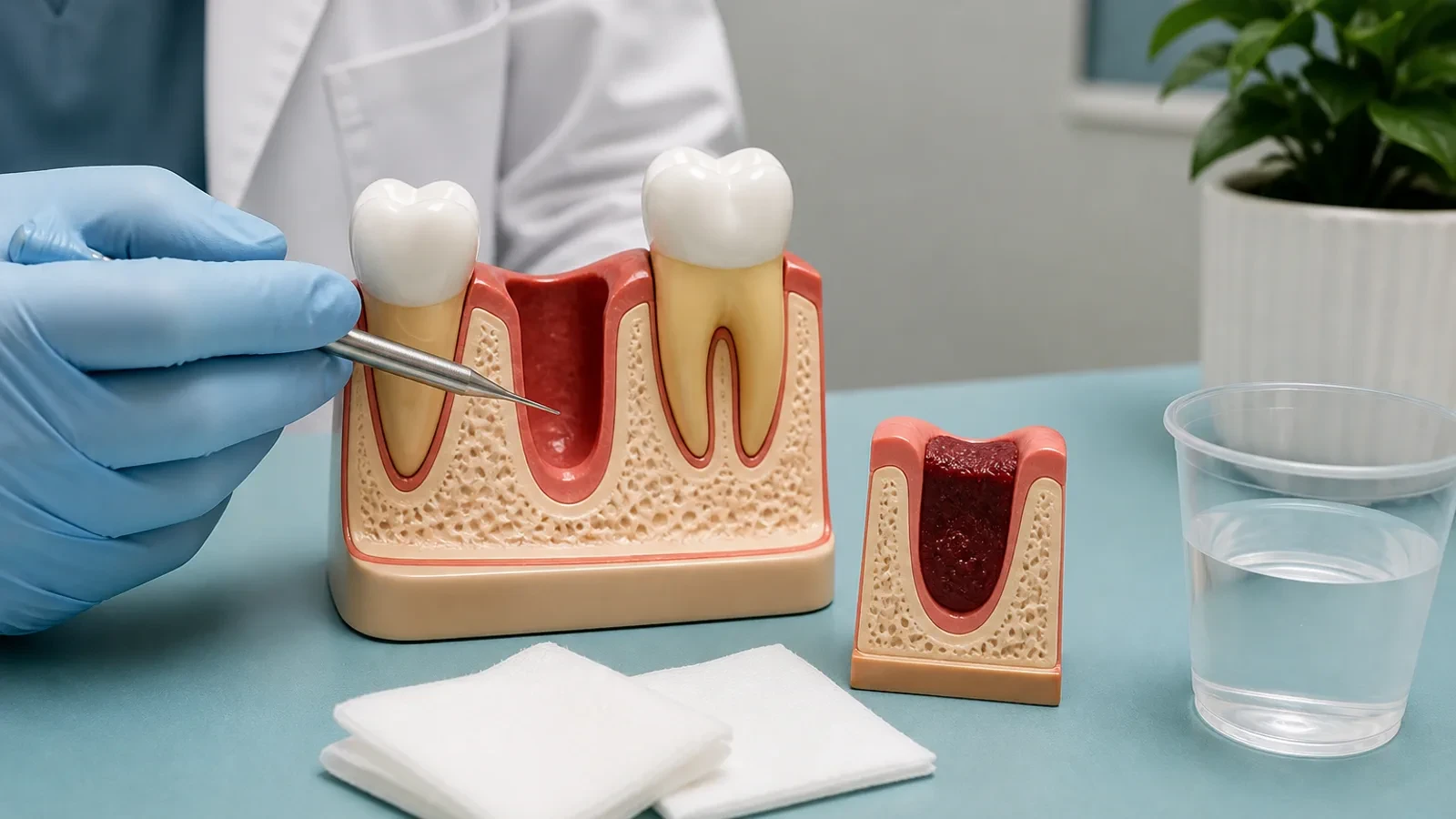
What Is Dry Socket?
Dry socket means the clot that should shield the extraction site is gone or never formed well, leaving bone exposed and pain often sharper after day one.
Read article
When Should Wisdom Teeth Be Removed?
Removal timing follows risk and imaging, not a birthday alone: pain, infection, pathology, or a tooth that cannot be kept clean often tip the decision.
Read article
What Can You Eat After A Tooth Extraction?
Post-extraction eating is a staged routine: cool soft foods first, then tender chewables, while skipping straws and sharp crumbs that disturb the clot.
Read article