
Is Sedation Used For Wisdom Teeth Removal?
Sedation is often available for wisdom teeth removal, from nitrous oxide to IV options, based on anxiety, health, and surgery complexity. Learn how it works.

Reviewed by Dr. Sean Myran, DMDDoctor of Dental Medicine, University of Pennsylvania
Sedation is frequently used for wisdom teeth removal, but it is chosen case by case rather than required for every patient. Local anesthesia still numbs the surgical sites; sedation adds relaxation, reduced awareness, or sleep-like comfort depending on the level. Mayo Clinic notes that wisdom tooth surgery is often performed with anesthesia so you sleep and stay comfortable. AAOMS patient resources describe evaluation and surgical planning through oral and maxillofacial surgeons when removal is recommended.
Some erupted wisdom teeth come out with local anesthetic alone in a general dental chair. Deeply impacted teeth, strong gag reflexes, high anxiety, or longer multi-tooth surgeries more often lead to nitrous oxide, oral sedation, IV sedation, or deeper anesthesia in an appropriate setting. The right level matches your health history and the procedure’s demands.
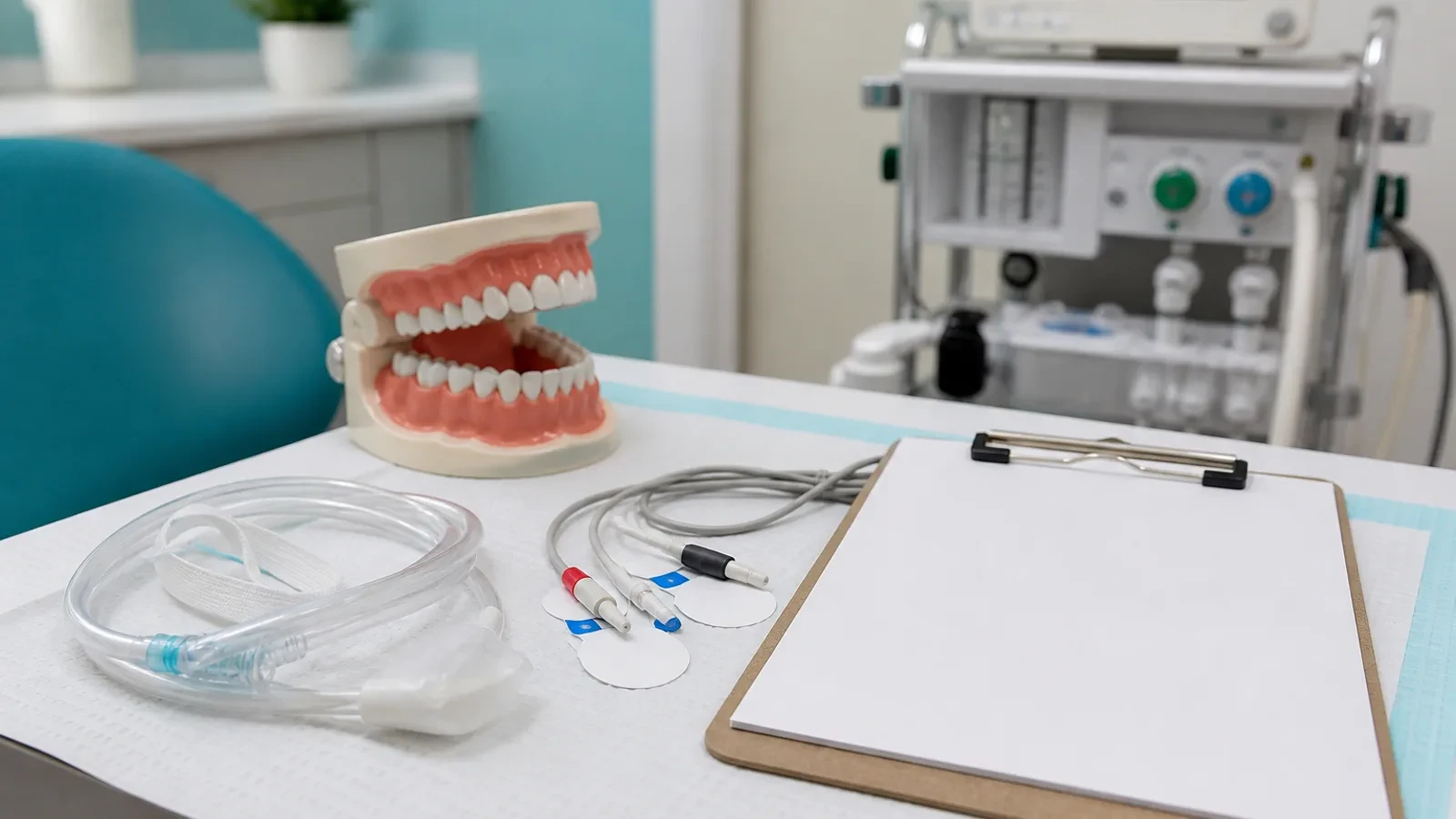
Training, permits, and monitoring standards differ by office and by state rules. Asking who monitors oxygen levels, who holds anesthesia permits, and what emergency equipment is on site is reasonable—not rude. A clear answer builds trust before you schedule a long surgical morning.
Cost and insurance language sometimes separate the surgeon’s fee from the anesthesia fee. Request a written estimate for both so escort days off work and payment plans are realistic. If you are comparing offices, compare the sedation level offered for your imaging, not only the advertised price for “wisdom teeth.”
Tell the team about cannabis, alcohol, opioid tolerance, and sleep medicines—these details change sedation planning. Surprises on surgery morning are how cases get delayed. Honesty here is safety, not judgment.
How Common Options Work
- Local anesthesia: injections numb gums and bone; you remain fully awake.
- Nitrous oxide: inhaled gas eases anxiety; effects wear off relatively quickly for many people.
- Oral sedation: prescribed pills before the visit deepen relaxation; you need an escort.
- IV sedation: medicine through a vein provides deeper comfort with continuous monitoring.
- General anesthesia: reserved for select cases or settings when deeper control is needed.
 Escorts and fasting are clinical, not optional extras.
Monitoring is part of the method
Safer sedation is not only a drug choice—it is a team, equipment, and fasting plan. Expect questions about airway, reflux, prior anesthesia reactions, and medicines you take. Follow NPO (nothing by mouth) instructions exactly; hidden snacks delay or cancel sedation days. Arrange a responsible adult for rides and the first evening at home when deeper sedation is used.
Who May Be A Candidate For Which Level
- Anxiety and prior dental trauma: may favor nitrous or deeper sedation even for shorter surgeries.
- Medical complexity: sleep apnea, obesity, pregnancy, and cardiac or respiratory disease change where and how sedation is delivered.
- Surgical map: four impacted thirds take longer than one soft-tissue eruption.
- Age and cooperation: teens and anxious adults often appreciate reduced memory of the visit.
- Recovery help at home: if no escort is available, deeper sedation may need rescheduling.
Sedation decisions sit beside questions like whether removals hurt, when removal is indicated, and whether every wisdom tooth must go. Numbing quality still matters under sedation; tell the team if you feel sharp pain so local anesthetic can be reinforced. Afterward, recovery timing is driven more by surgery than by which sedative you received, though grogginess can linger the same day.
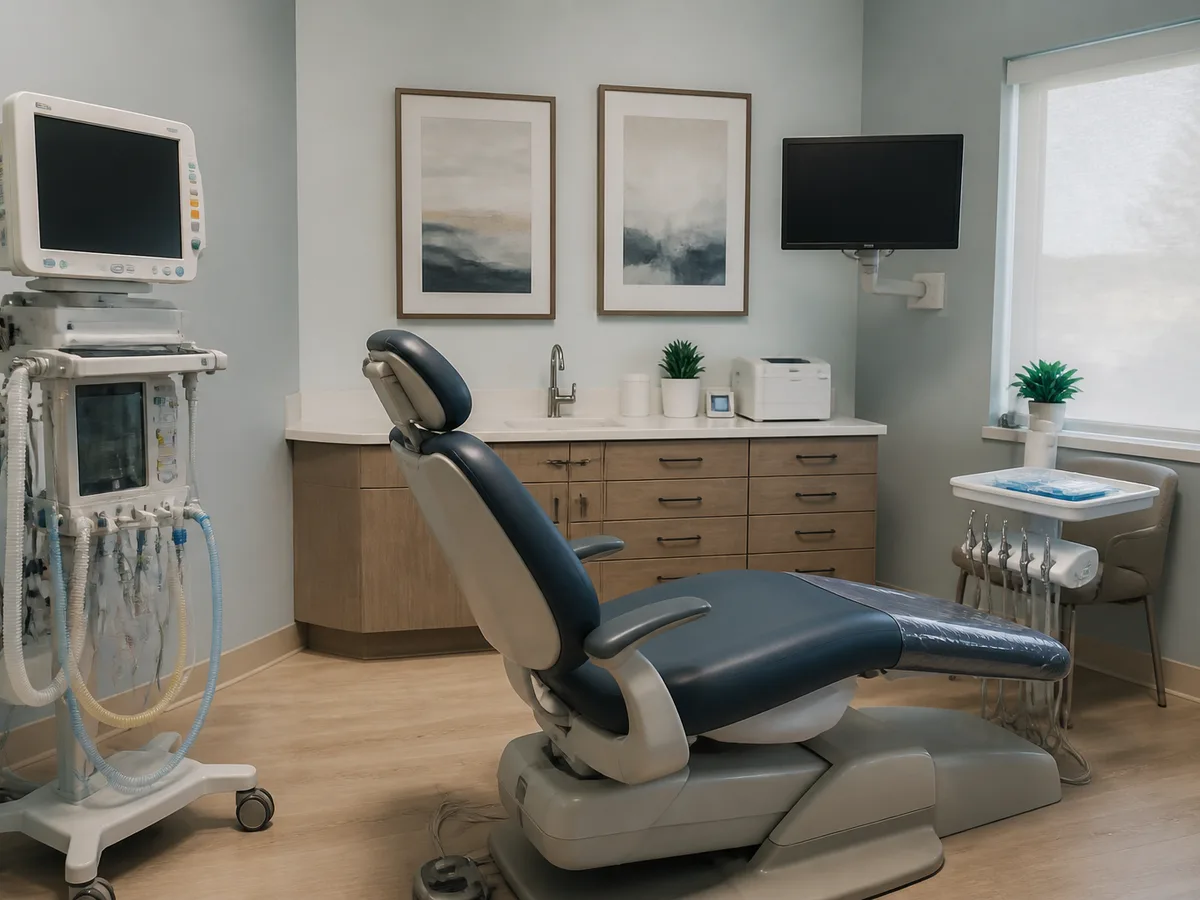 Match sedation depth to surgery and support.
Candidacy includes your home plan
Ask which level is recommended, who monitors you, what you may eat afterward, and which medicines to pause. Clarify costs and insurance language for anesthesia separate from the extraction fee. If you prefer to be awake, say so early—many straightforward cases can proceed with local anesthetic and good chairside support. Written aftercare still applies once you are alert enough to sip and take pain medicine.
Bring a medication list and prior anesthesia history to the consult. To find a dentist or surgical office that discusses sedation options clearly before wisdom tooth removal, start with Find a Dentist.
Related articles
Keep exploring related topics from Dental Country.
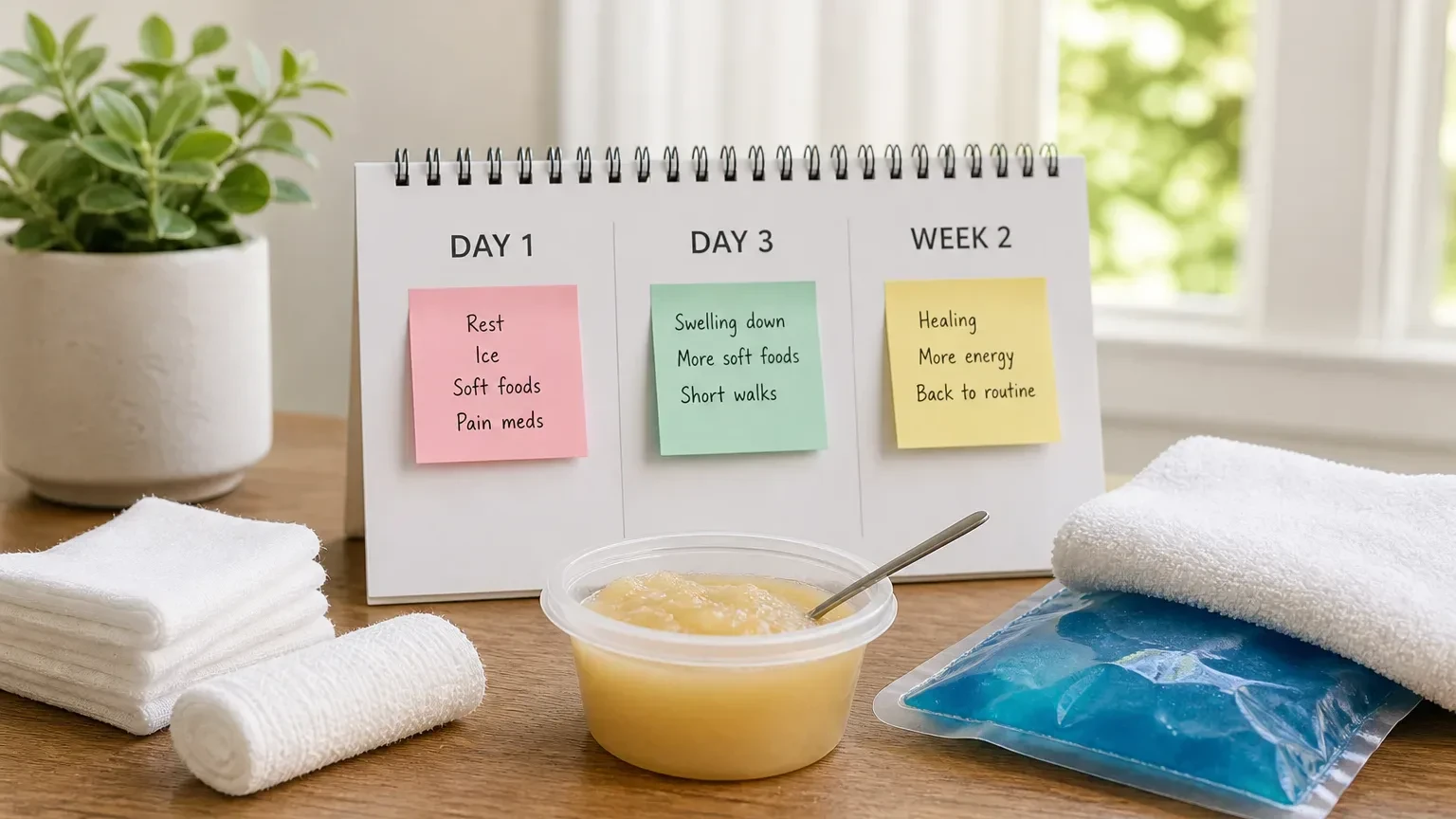
How Long Does It Take To Recover From A Tooth Extraction?
Extraction recovery is staged: clot protection first, then softer chewing, with full comfort arriving on a schedule that depends on surgery complexity.
Read article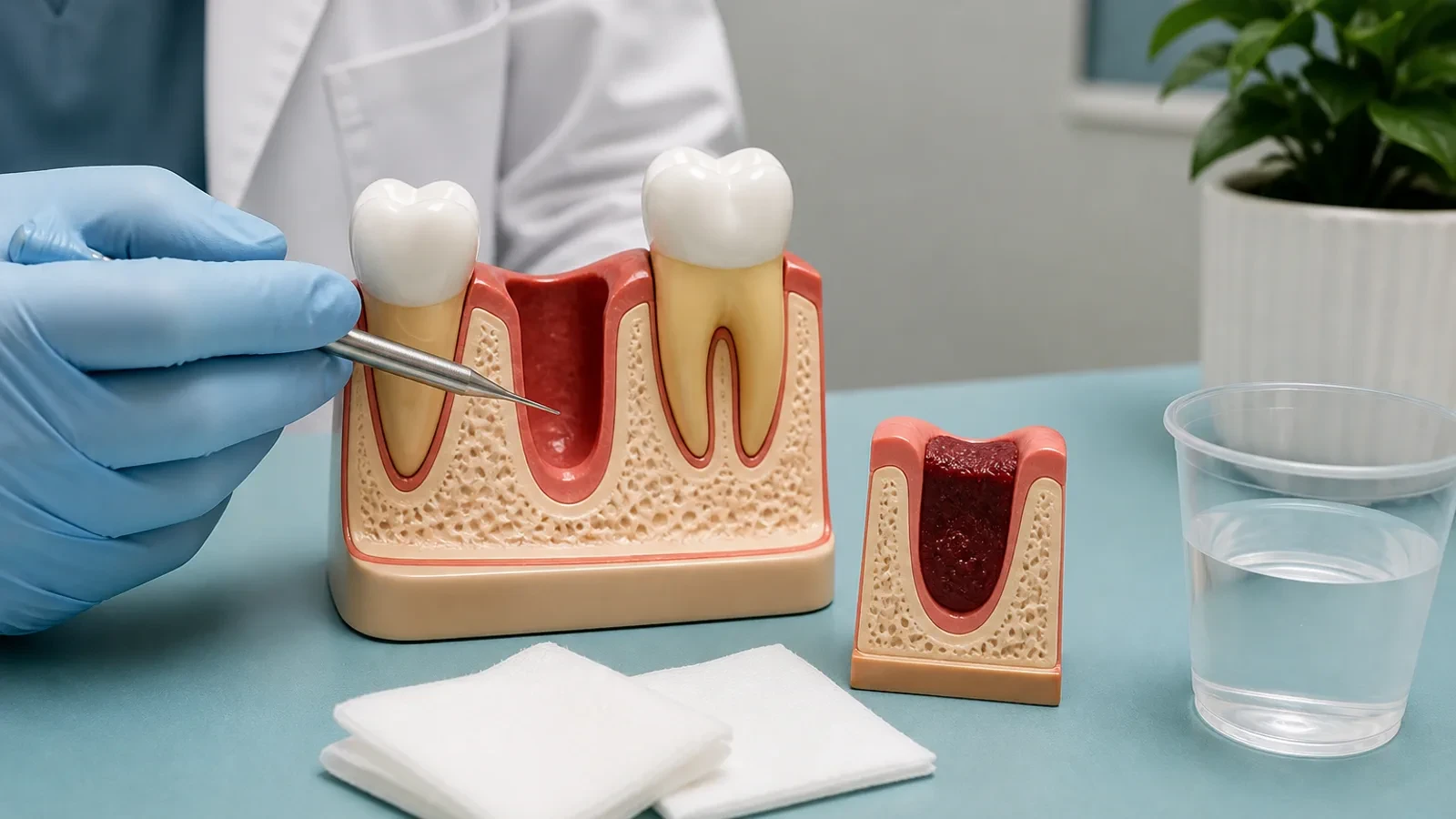
What Is Dry Socket?
Dry socket means the clot that should shield the extraction site is gone or never formed well, leaving bone exposed and pain often sharper after day one.
Read article
When Should Wisdom Teeth Be Removed?
Removal timing follows risk and imaging, not a birthday alone: pain, infection, pathology, or a tooth that cannot be kept clean often tip the decision.
Read article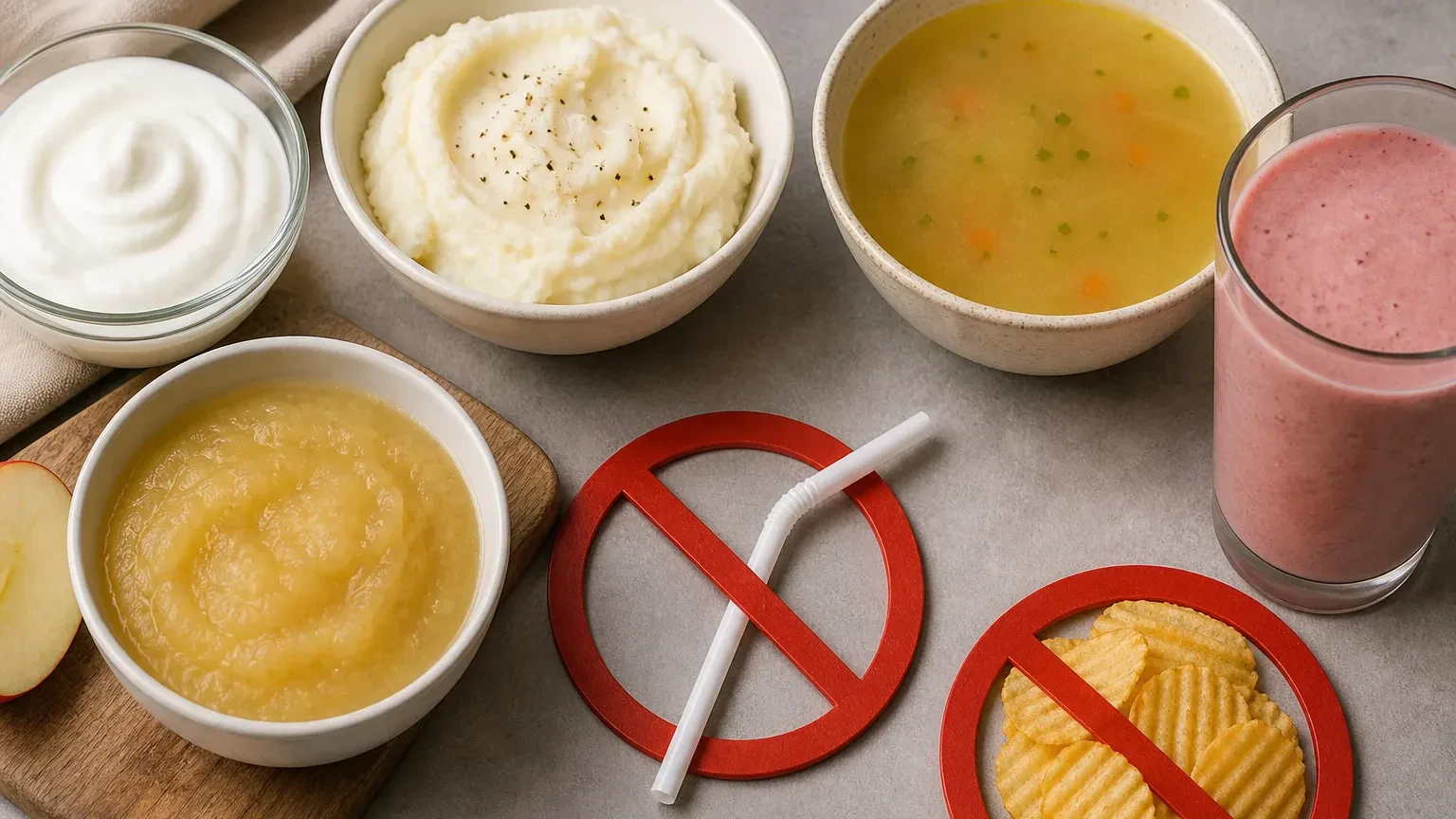
What Can You Eat After A Tooth Extraction?
Post-extraction eating is a staged routine: cool soft foods first, then tender chewables, while skipping straws and sharp crumbs that disturb the clot.
Read article