
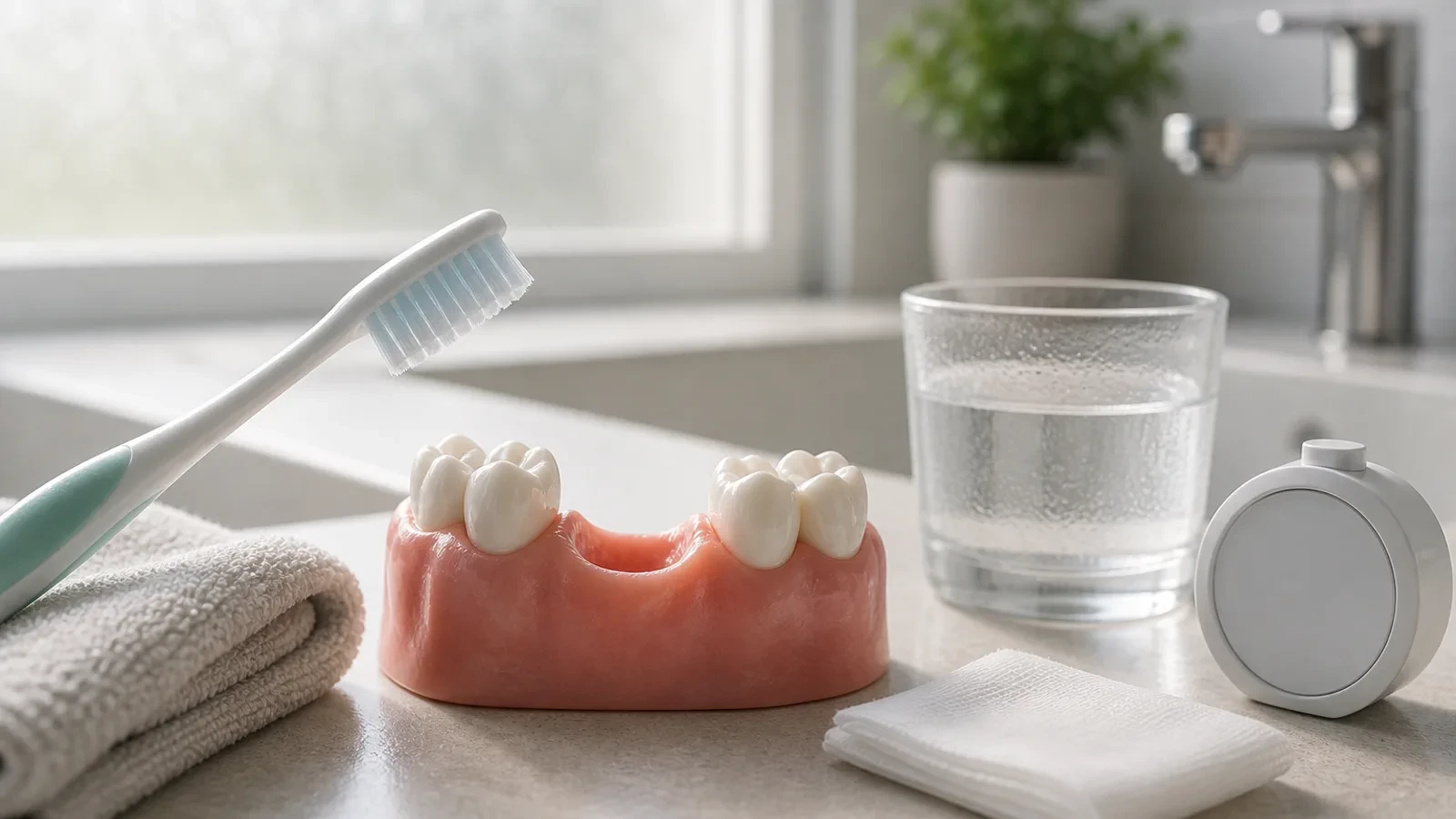
Can I Brush After A Tooth Extraction?
Yes—you can usually brush other teeth the day of an extraction, while being gentle near the socket. Learn a safe hygiene routine after surgery.

Reviewed by Dr. Sean Myran, DMDDoctor of Dental Medicine, University of Pennsylvania
Yes, you can usually brush your other teeth the same day as a tooth extraction, but you should be gentle near the socket and avoid scrubbing the clot. MouthHealthy notes that you can brush and floss other teeth as usual, but should not clean the teeth next to the removal site at first. Clean mouths heal more comfortably; aggressive brushing at the wound does the opposite.
Skipping all hygiene because of fear of bleeding often leaves plaque along the gumline, which adds odor and inflammation. The middle path is a modified routine for several days, then a gradual return to normal technique as tenderness allows and your dentist clears it.
Night routines matter after soft dinners. Food films collect quickly on the side you favor for chewing. A careful brush of untreated teeth before bed reduces the bacterial load that reaches the surgical bay through saliva. If your hand shakes from pain medicine, brace an elbow on the sink and use shorter strokes rather than skipping the whole session.
Travel kits help if you are not sleeping at home the first night: soft brush, toothpaste, gauze as provided, and a printed rinse schedule. Hotel glasses and strong mint washes are not automatically better; stick to what your surgeon wrote down.
A Practical Hygiene Routine After Surgery
- Evening of surgery: when numbness fades enough for control, brush far from the site with a soft brush and a small amount of toothpaste; spit gently without vigorous rinsing.
- Next to the socket: skip direct brushing of the adjacent teeth until your instructions allow light cleaning, then roll bristles carefully away from the hole.
- Tongue and untreated areas: clean the tongue softly; plaque on the tongue fuels bad taste that people mistake for infection.
- Rinsing: begin gentle saltwater rinses when your dentist says—often after the first day—without swishing like mouthwash ads.
- Irrigation syringes: use only if provided and only on the timeline given, aimed to float debris out rather than jet hard into bone.
- Floss elsewhere: continue flossing untreated teeth; avoid snapping floss into the surgical bay early on.
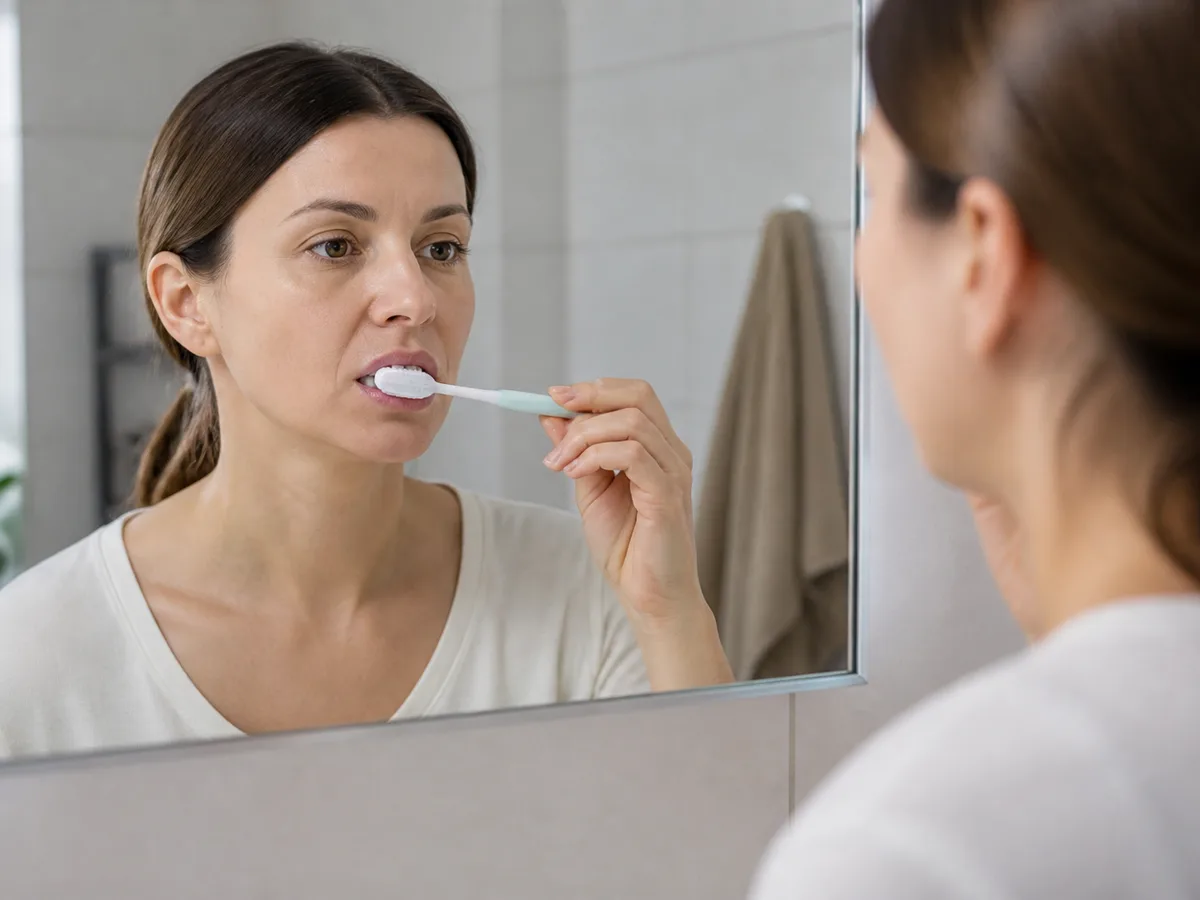 Gentle is not the same as skipping.
Soft bristles, short strokes, calm spit
A soft brush reduces the chance of catching a suture loop or scraping a fragile clot edge. Use a pea-sized toothpaste amount so foaming does not tempt hard rinsing. If bleeding tinges the paste lightly, pause, bite gauze if instructed, and try again more gently later. Electric brushes are fine on untreated teeth if you keep the head away from the socket until cleared.
What To Avoid In The Early Window
- Forceful mouthwash swishing that pulls on the clot.
- Whitening pastes with harsh grit right beside a raw site if they sting badly—ask before using strong formulas.
- Poking with toothpicks or water flossers on high aimed into the socket.
- Ignoring foul debris for days when your dentist already approved gentle irrigation.
Hygiene choices intersect with stitch care, dry socket prevention, and spotting infection signs early. A little pink on the brush can be normal; pus, fever, or escalating swelling is not. If taste worsens despite careful cleaning, call rather than scrubbing harder.
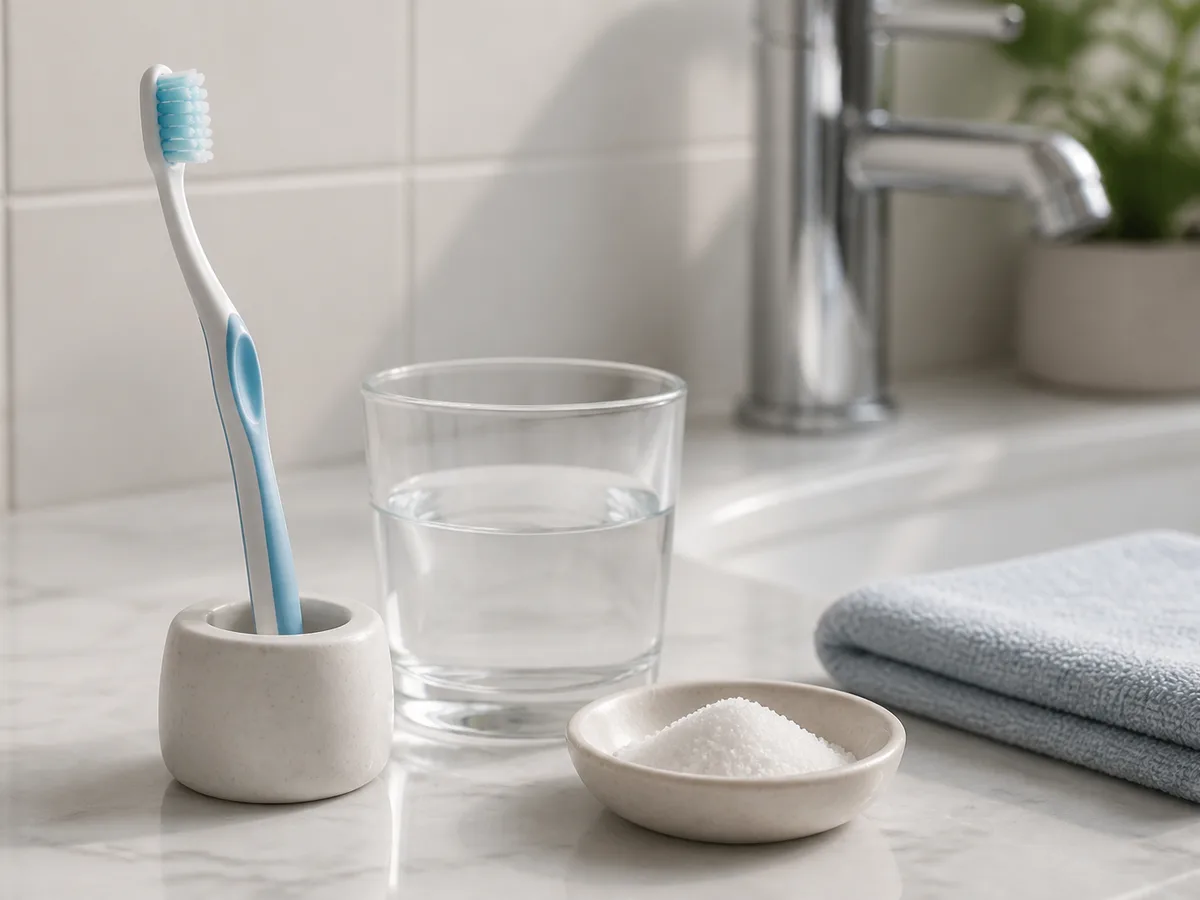 Let fluid fall; do not blast.
Rinse to bathe, not to power-wash
Tip your head so saltwater can fall over the area, then let it drain—no cheeks pumping. That style cleans without the suction effect of aggressive swishing. Once irrigation syringes enter the plan, fill them as directed and stop if sharp pain or heavy bleeding appears. Keep following the broader recovery timeline so hygiene intensity rises with healing, not ahead of it.
Ask for a demonstration before you leave surgery day if coordination or vision makes near-socket cleaning hard. For local guidance tailored to your sutures and number of extractions, use Find a Dentist and bring your post-op sheet to any follow-up visit.
Related articles
Keep exploring related topics from Dental Country.
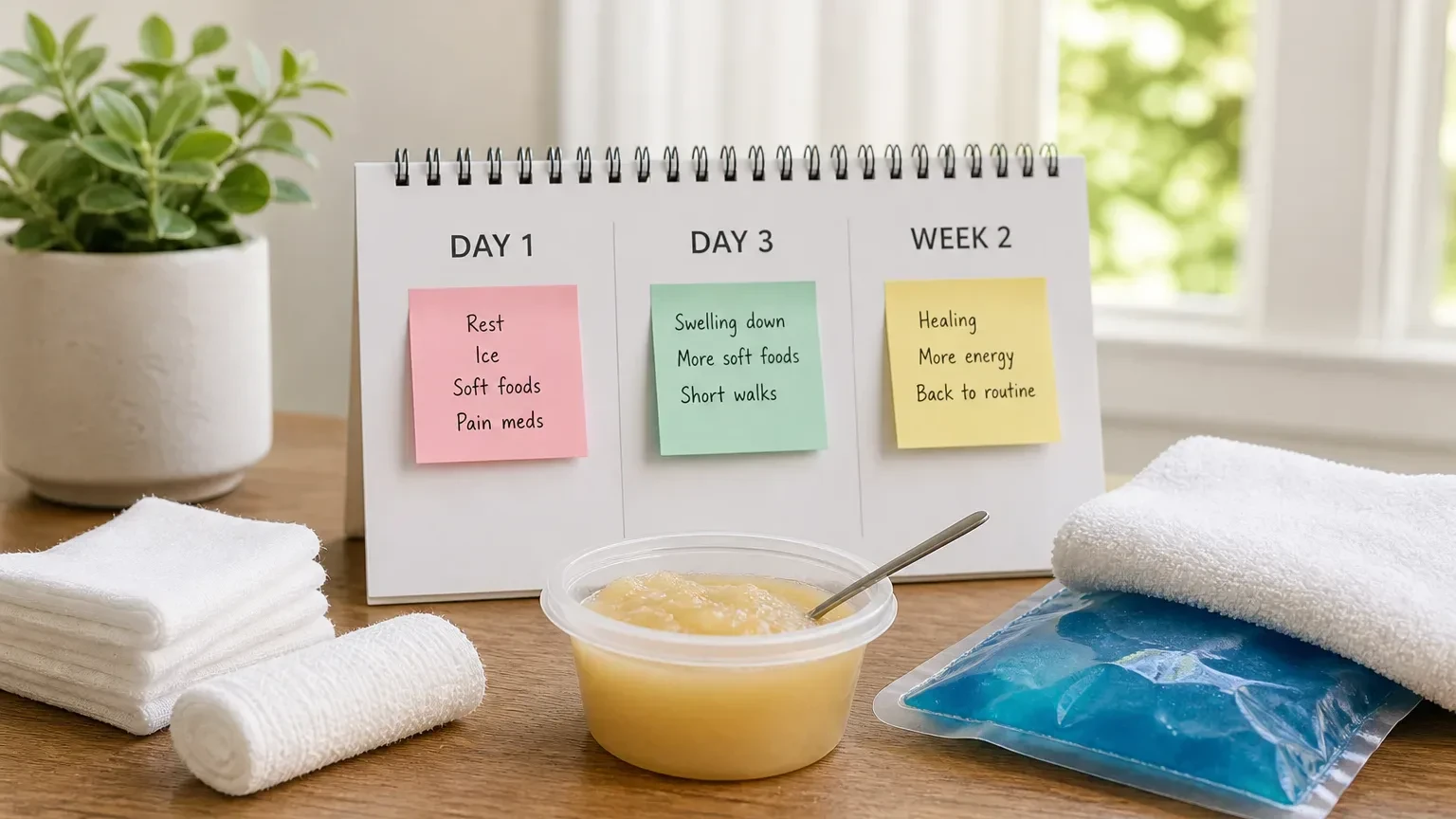
How Long Does It Take To Recover From A Tooth Extraction?
Extraction recovery is staged: clot protection first, then softer chewing, with full comfort arriving on a schedule that depends on surgery complexity.
Read article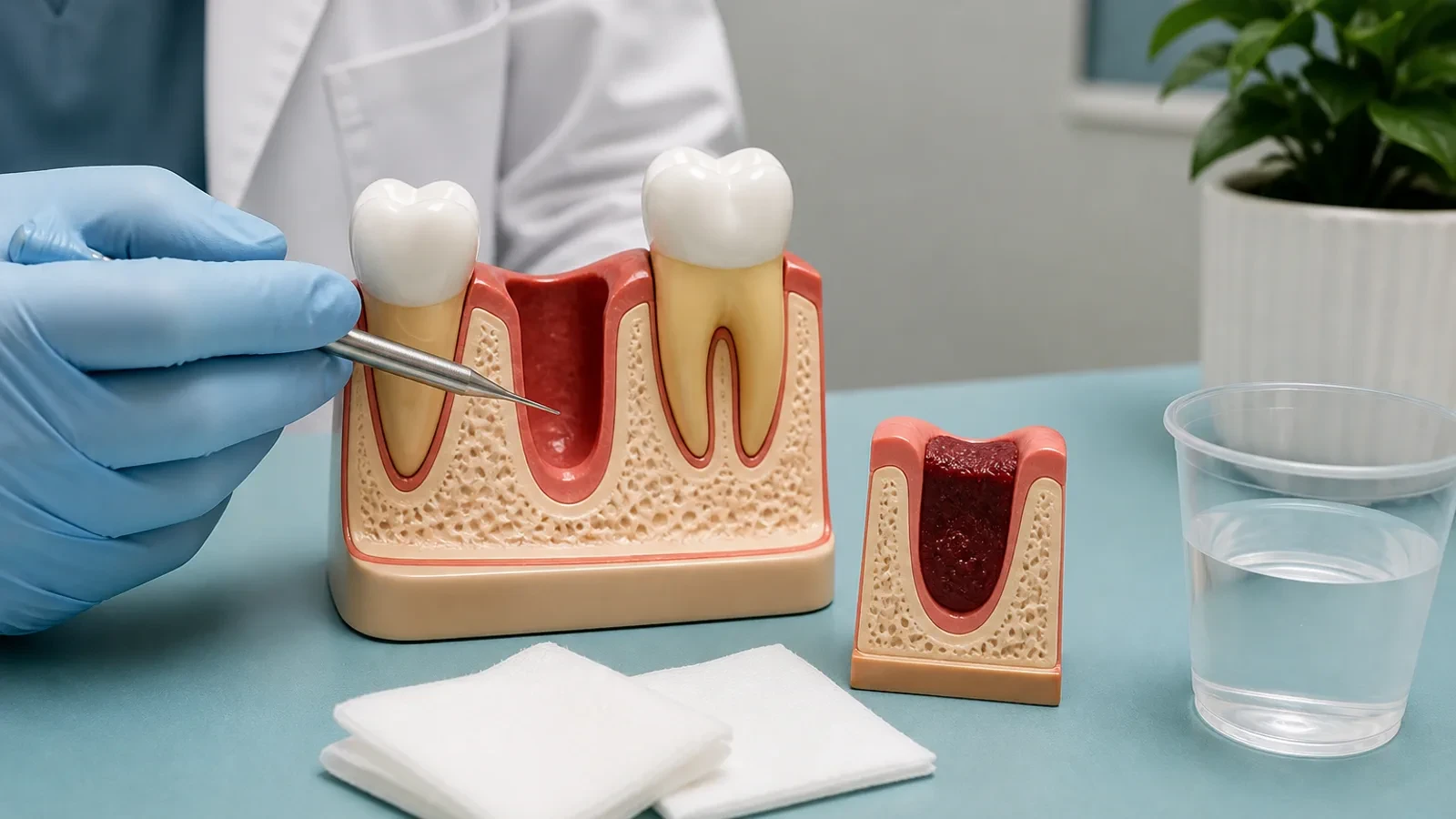
What Is Dry Socket?
Dry socket means the clot that should shield the extraction site is gone or never formed well, leaving bone exposed and pain often sharper after day one.
Read article
When Should Wisdom Teeth Be Removed?
Removal timing follows risk and imaging, not a birthday alone: pain, infection, pathology, or a tooth that cannot be kept clean often tip the decision.
Read article
What Can You Eat After A Tooth Extraction?
Post-extraction eating is a staged routine: cool soft foods first, then tender chewables, while skipping straws and sharp crumbs that disturb the clot.
Read article