

For Patients
Dental FAQ.
Browse Dental Country FAQ categories for aligners, braces, implants, whitening, gum disease, insurance, and everyday oral care questions.
Categories
Browse by topic
- View All220
- Braces & Traditional Orthodontics11
- Clear Aligners11
- Crowns, Bridges & Restorations11
- Dental Anxiety & First Visits11
- Dental Implants11
- Dental Insurance, Cost & Financing11
- Dentures & Partial Dentures11
- Emergency Dental Care11
- Gum Disease & Periodontics11
- Invisalign vs Alternatives11
- Oral Hygiene & Home Care11
- Oral Surgery & Sedation11
- Pediatric Dentistry11
- Preventive Care & Cleanings11
- Root Canals & Endodontics11
- Sleep Apnea & Oral Appliances11
- Teeth Whitening11
- TMJ, Bite & Jaw Pain11
- Tooth Extraction & Wisdom Teeth11
- Veneers & Cosmetic Dentistry11
All Dental FAQ articles (Page 6)
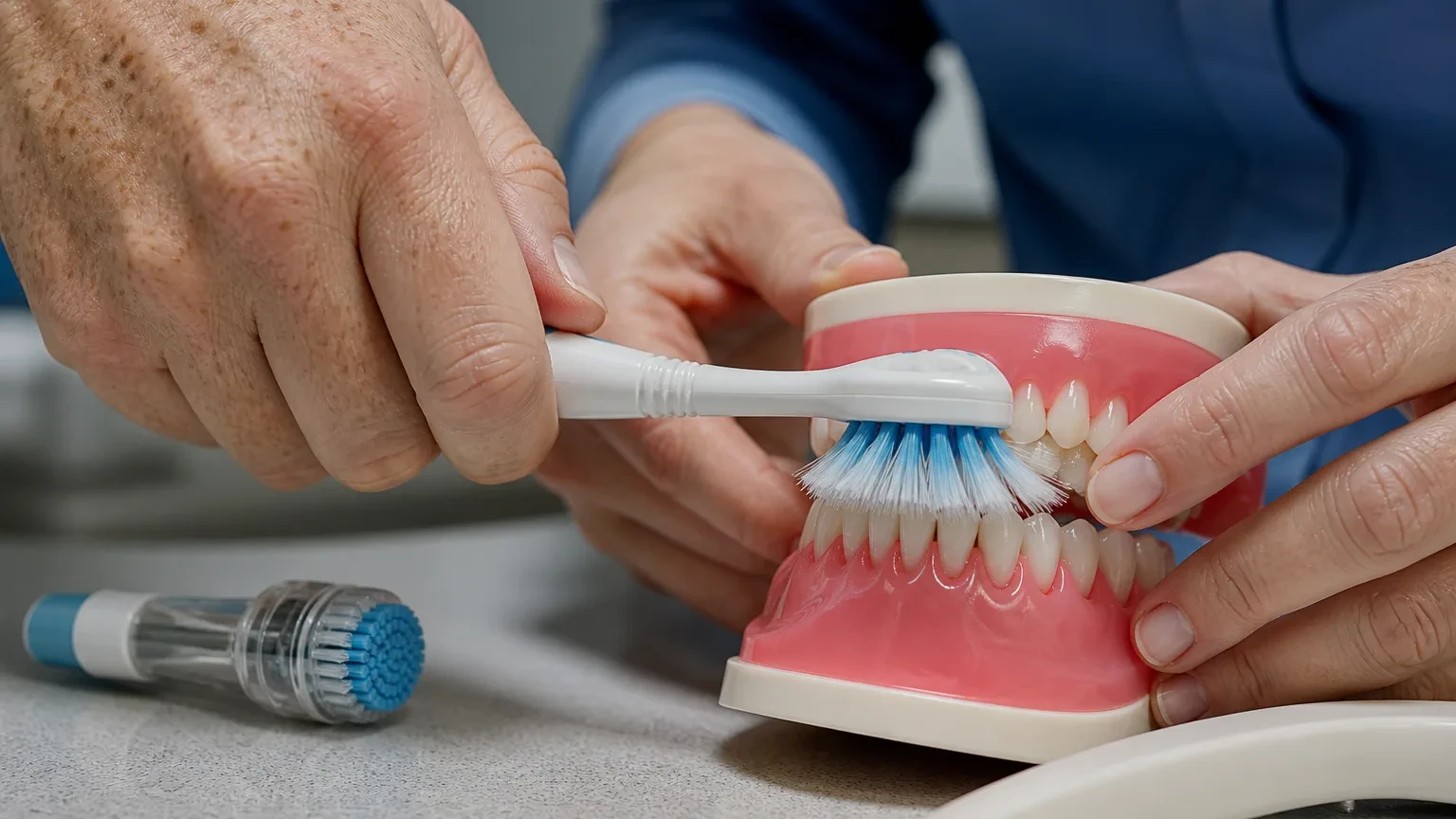
Can You Brush Too Hard?
Hard brushing can notch teeth and thin gum margins; soft bristles, lighter pressure, and better angles clean plaque without sanding the tooth neck.
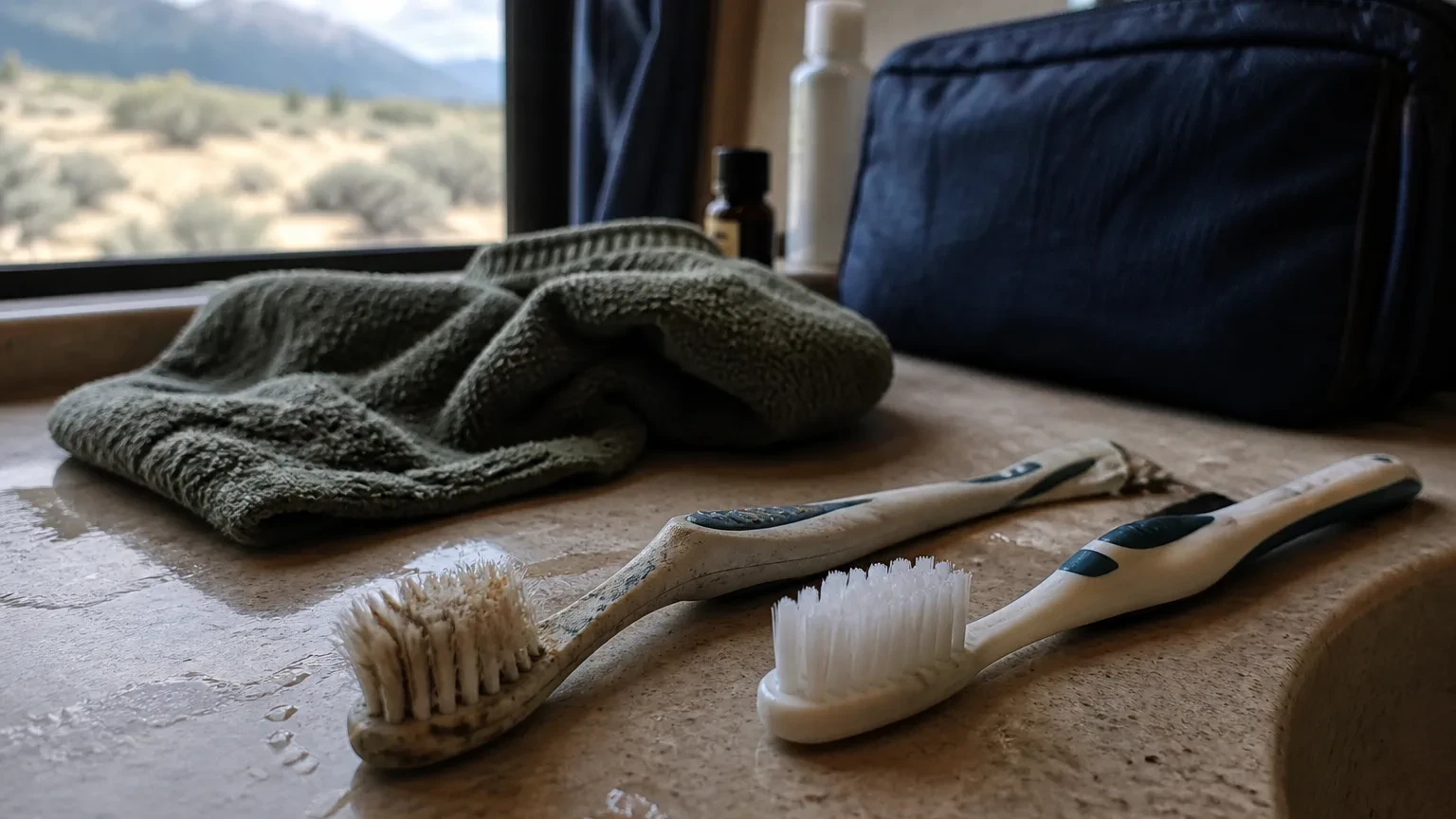
When Should You Replace Your Toothbrush?
Plan on a new brush or head every three months, and swap sooner if bristles splay, you recover from a contagious illness, or cleaning feels ineffective.

Is It Bad To Brush Right After Eating?
After acidic meals or sodas, enamel is temporarily softer—waiting and rinsing with water is kinder than scrubbing immediately, while neutral snacks are less urgent.

How Do You Get Rid Of Bad Breath?
Fresher breath usually starts with cleaning the tongue and between teeth, staying hydrated, and fixing gum inflammation—persistent odor needs a professional source check.
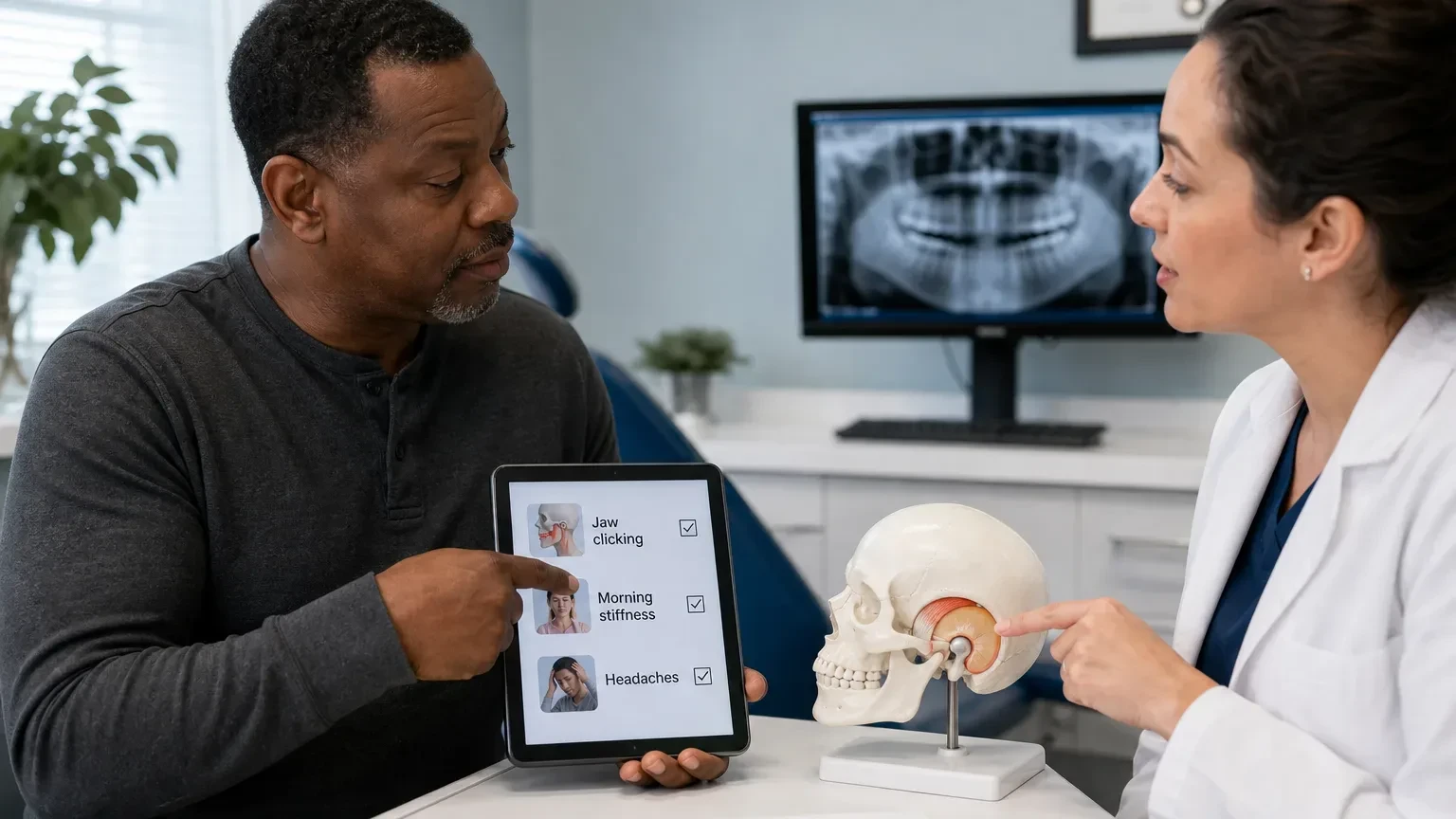
What Are TMJ Disorder Symptoms?
Common TMJ disorder symptoms include jaw pain or stiffness, clicking or popping with discomfort, headaches, limited opening, and ache near the ear—patterns that deserve a careful exam when they persist.
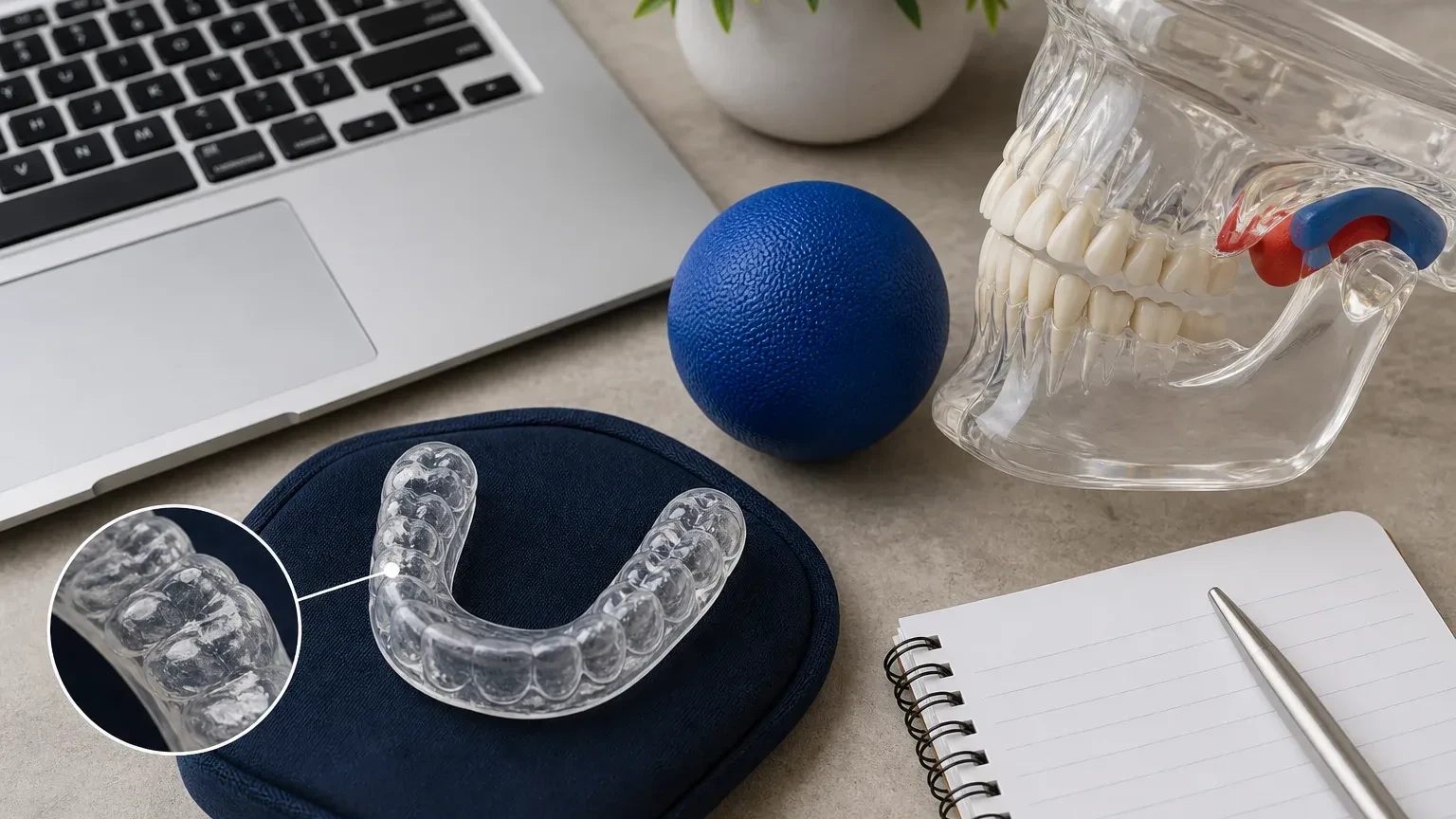
What Causes TMJ Pain?
TMJ pain usually comes from overloaded chewing muscles, irritation inside the jaw joint, or both—often layered with clenching, strain, arthritis, or stress rather than one single villain.
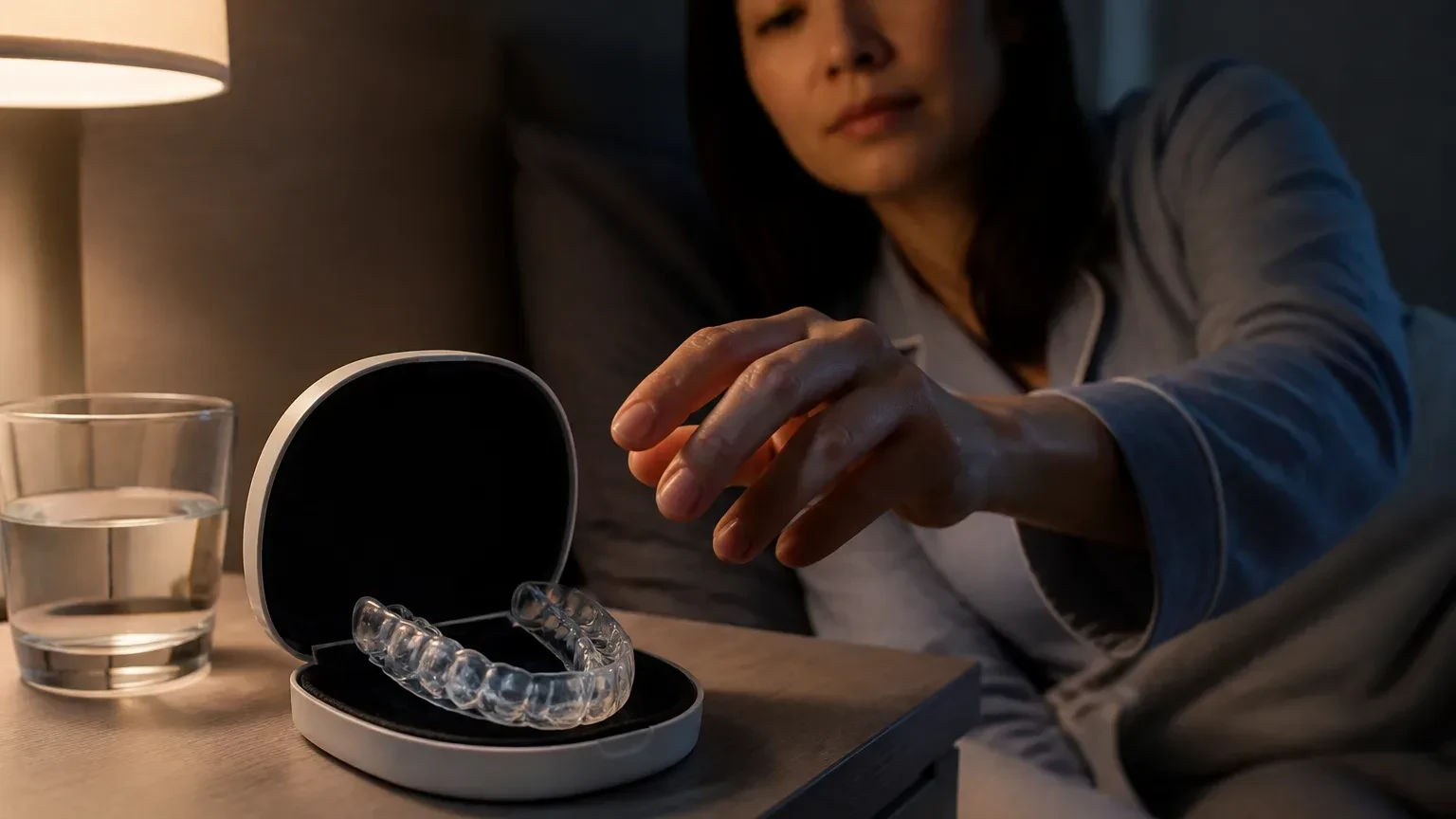
Does A Night Guard Help TMJ?
A well-fitted night guard can reduce tooth wear and ease some clenching-related TMJ muscle pain, yet it will not fix every joint problem and poorly fitted guards can worsen symptoms.

Can Stress Cause Jaw Pain?
Yes—stress often shows up in the jaw as clenching, grinding, and muscle guarding that leave the face sore, especially through busy weeks and restless nights.
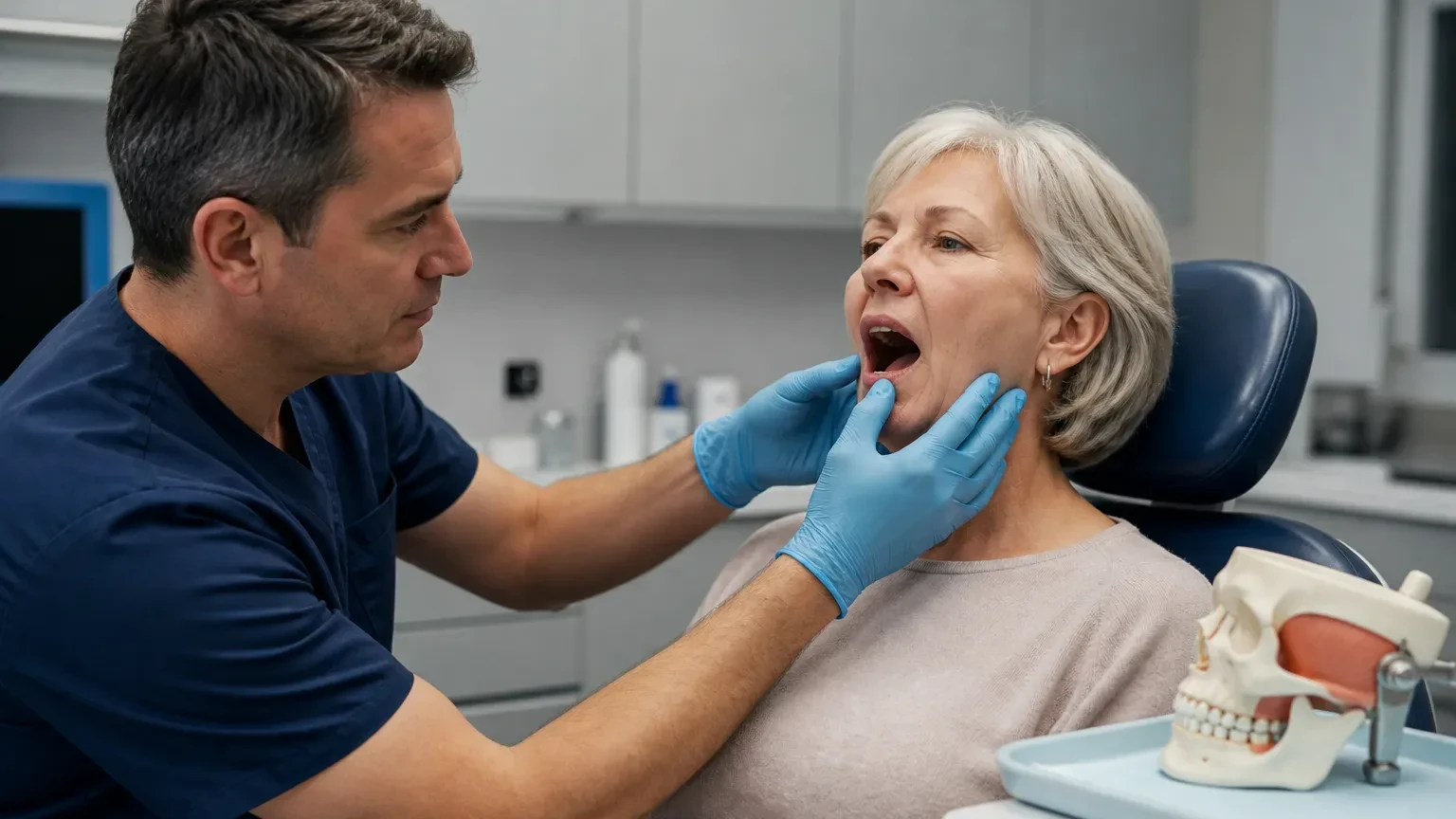
When Should You See A Dentist For Jaw Clicking?
See a dentist for jaw clicking when it comes with pain, locking, limited opening, swelling, or a changing bite—while painless occasional clicks are often monitored.
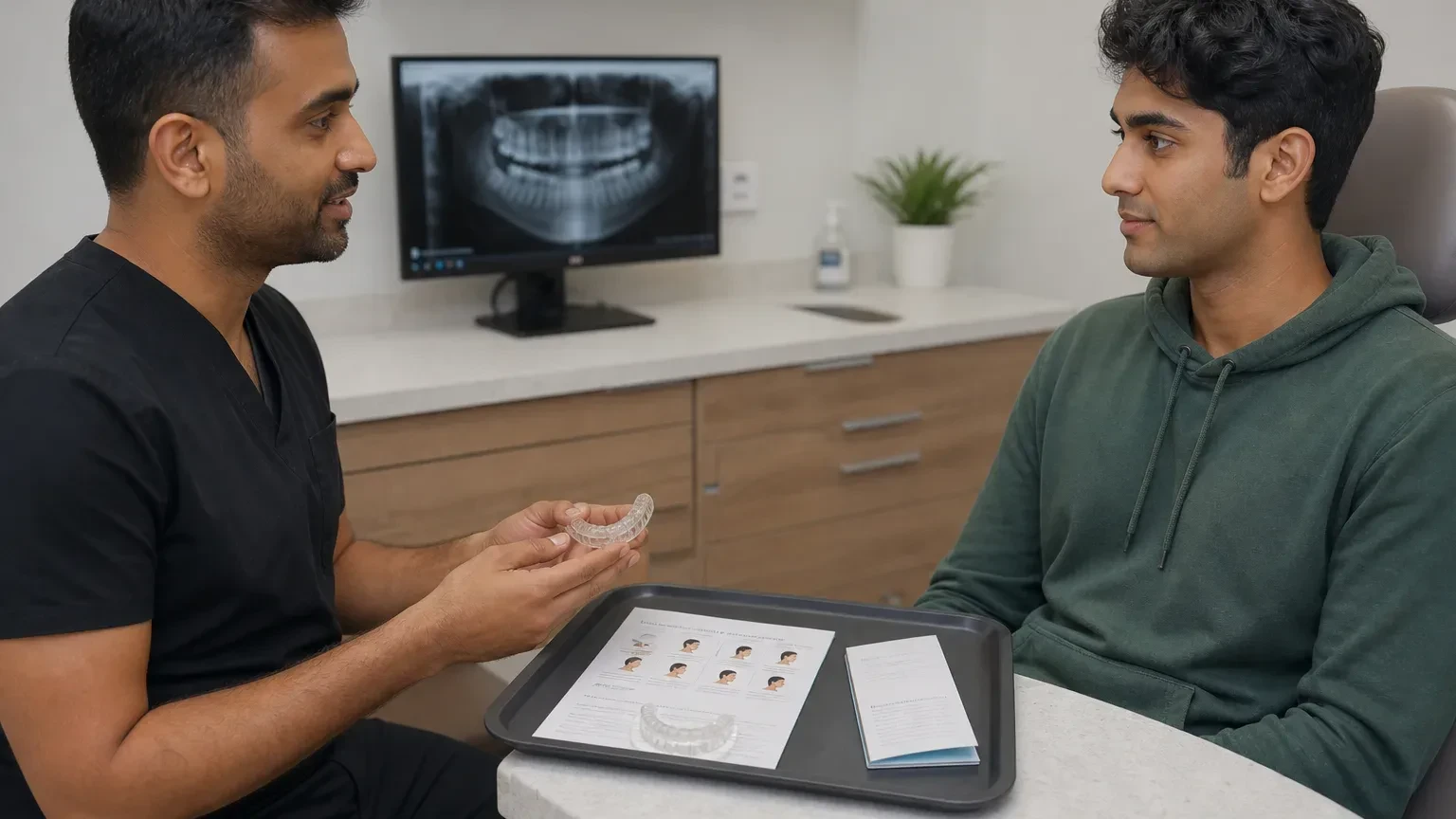
How Is TMJ Treated?
Most TMJ care begins conservatively: diagnose the drivers, rest overloaded tissues, use reversible aids like physical therapy or guards, and reserve invasive options for select cases.
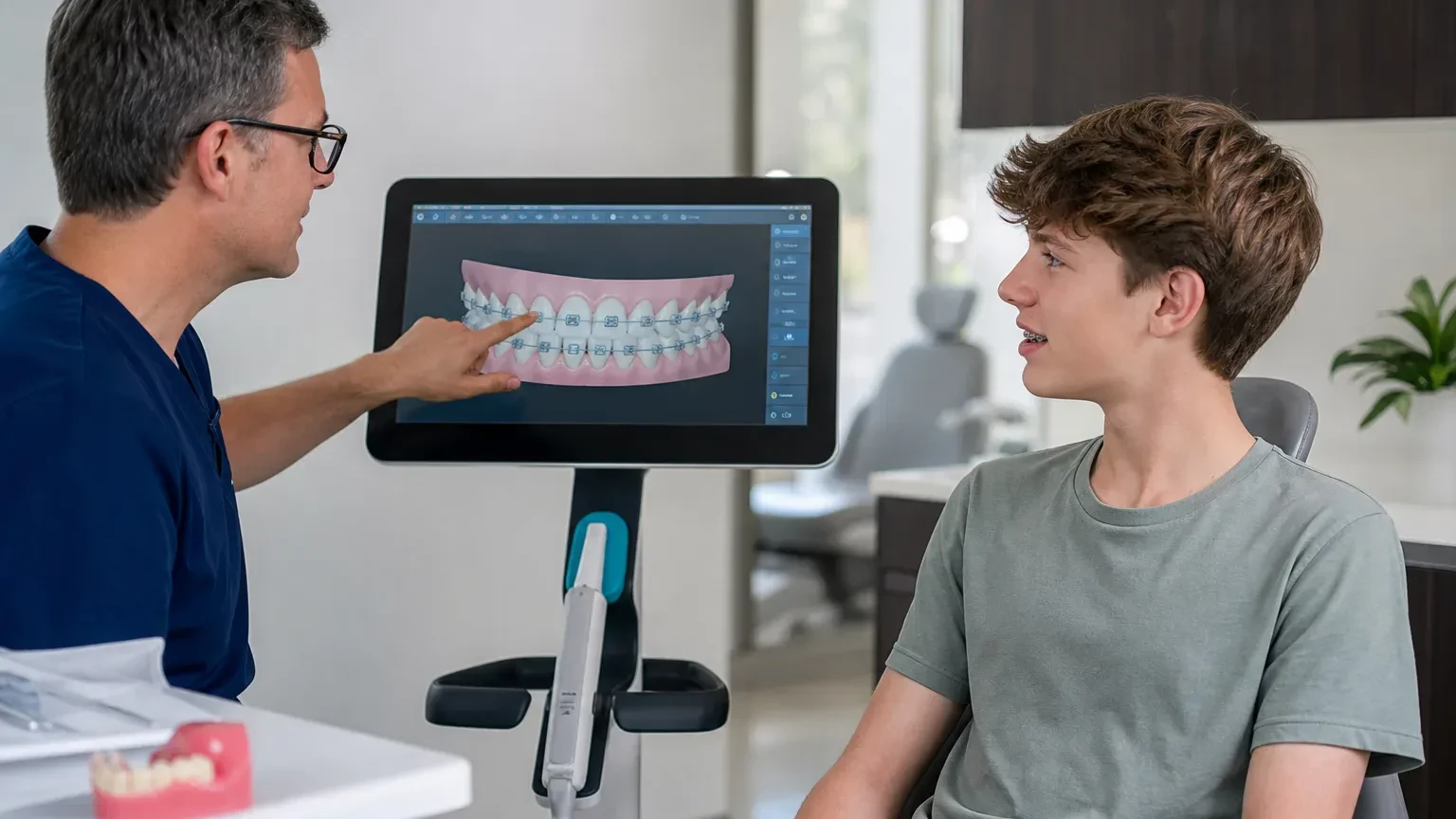
Can Orthodontics Fix TMJ?
Braces or aligners can improve tooth alignment and bite relationships, but orthodontics is not a guaranteed cure for TMJ pain and is not the first step for most flares.
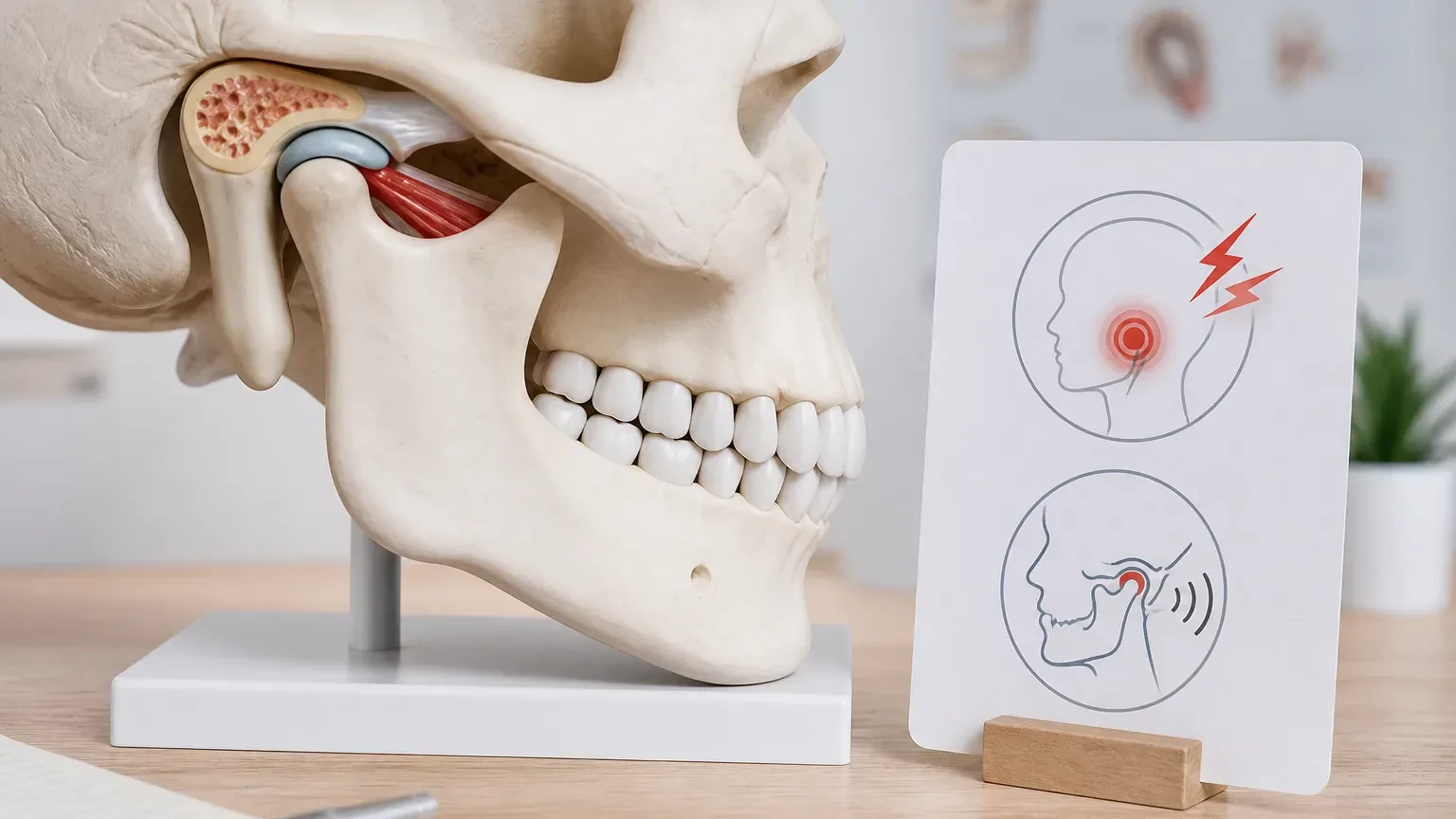
What Is The Difference Between TMJ And TMD?
TMJ is the temporomandibular joint itself; TMD (or TMDs) refers to the disorders that can affect those joints and the muscles that move the jaw.
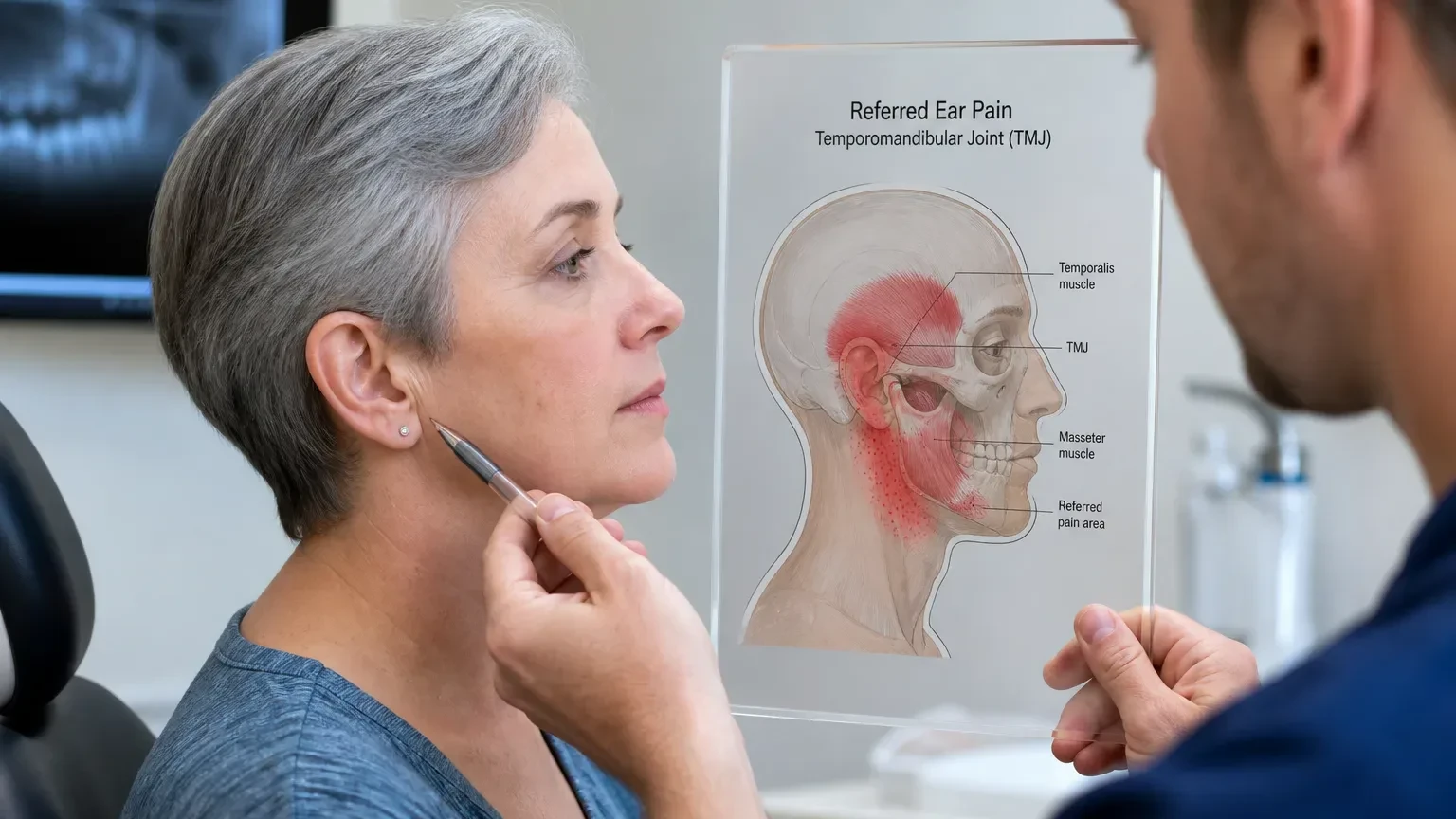
Can TMJ Cause Ear Pain?
TMJ-related problems can ache in or around the ear because the jaw joint sits immediately in front of the ear canal—so dental and ear sources sometimes need sorting together.
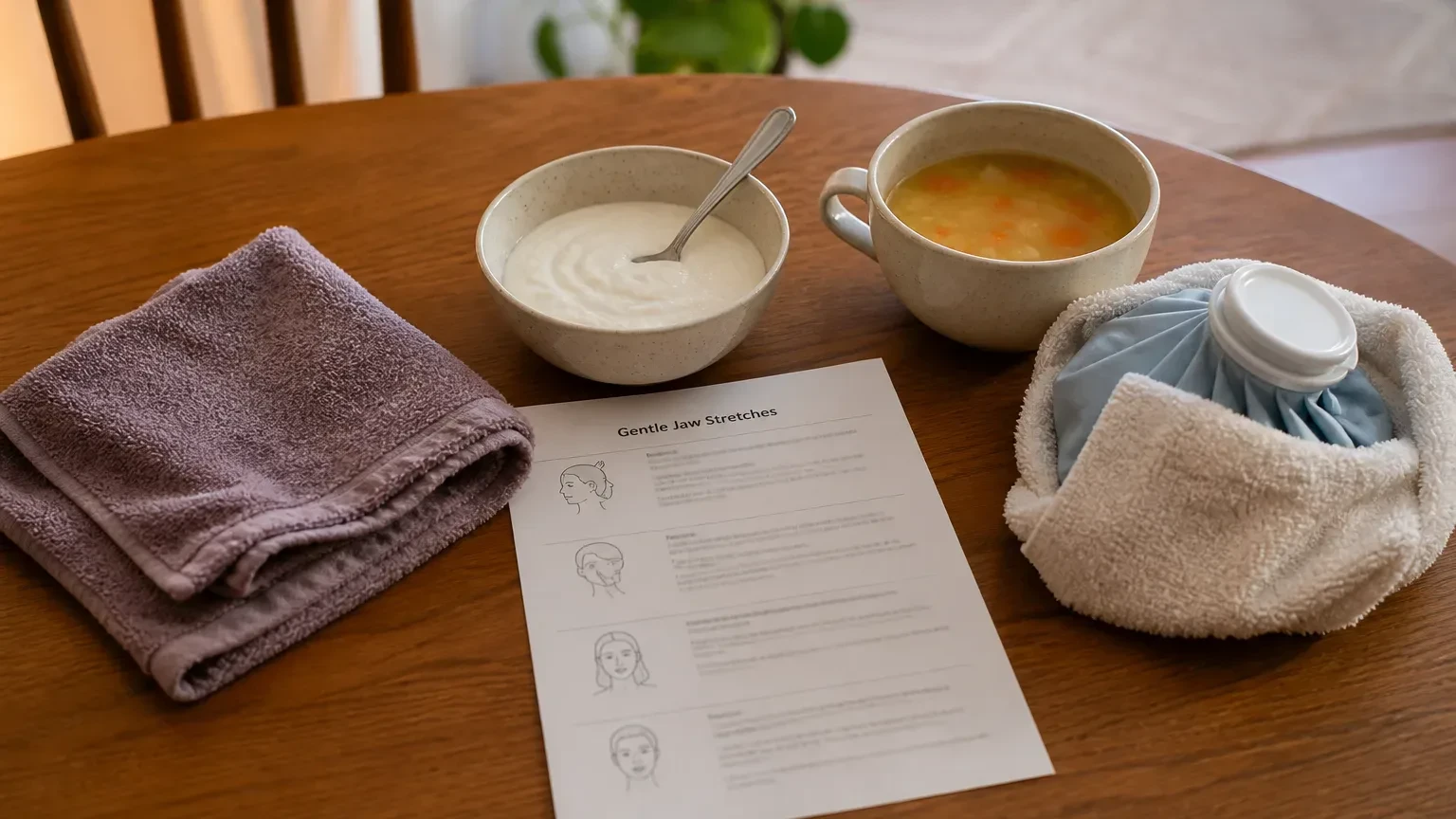
What Home Remedies Help TMJ Pain?
Mild TMJ flares often settle with soft foods, brief heat or cold, jaw rest, posture resets, and short-term over-the-counter pain relief—while locking or severe pain still needs a professional look.
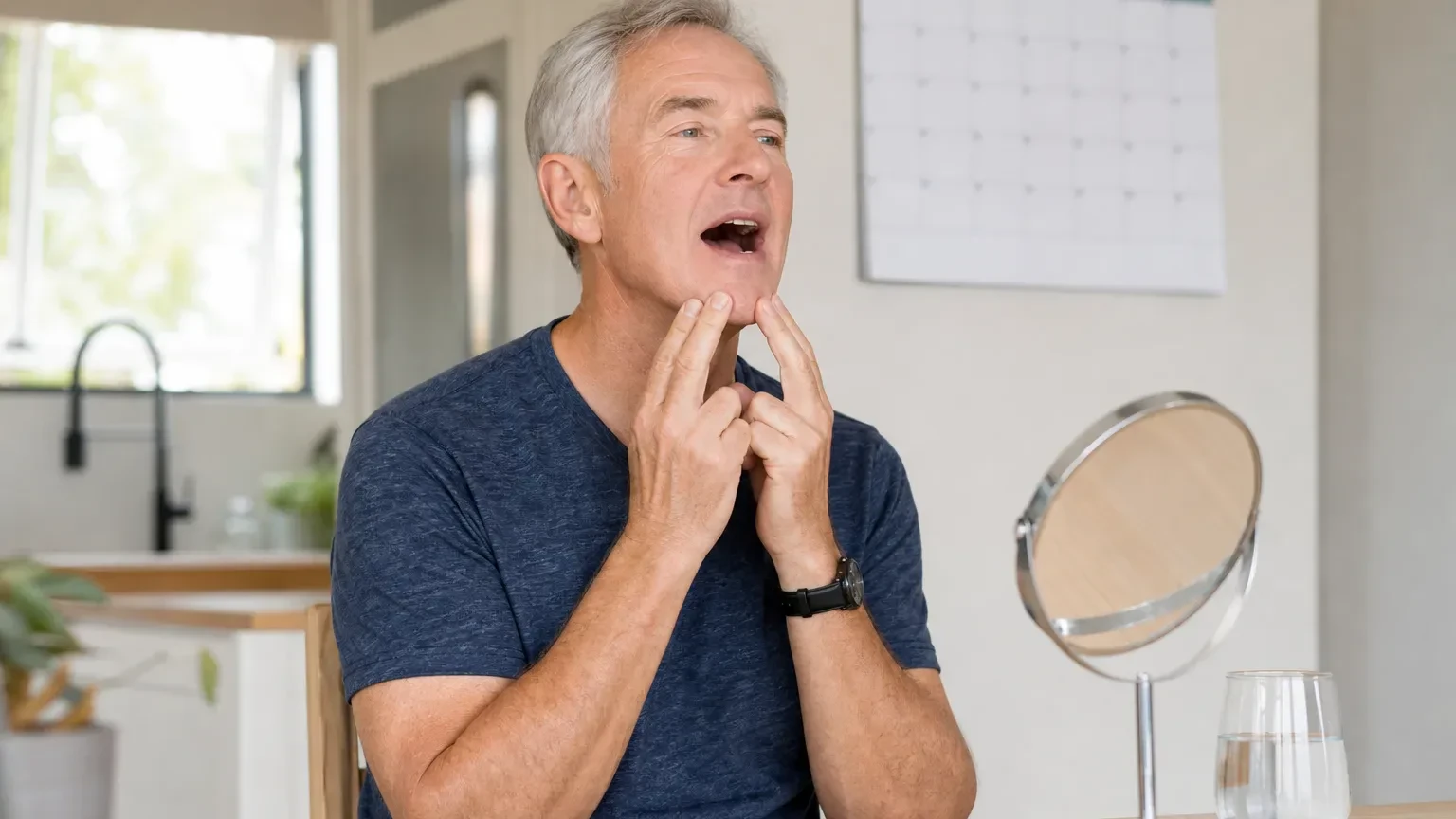
Does TMJ Go Away On Its Own?
Many mild TMJ flares improve over days to weeks with rest and simple care, but persistent pain, locking, or repeating episodes mean you should not rely on time alone.
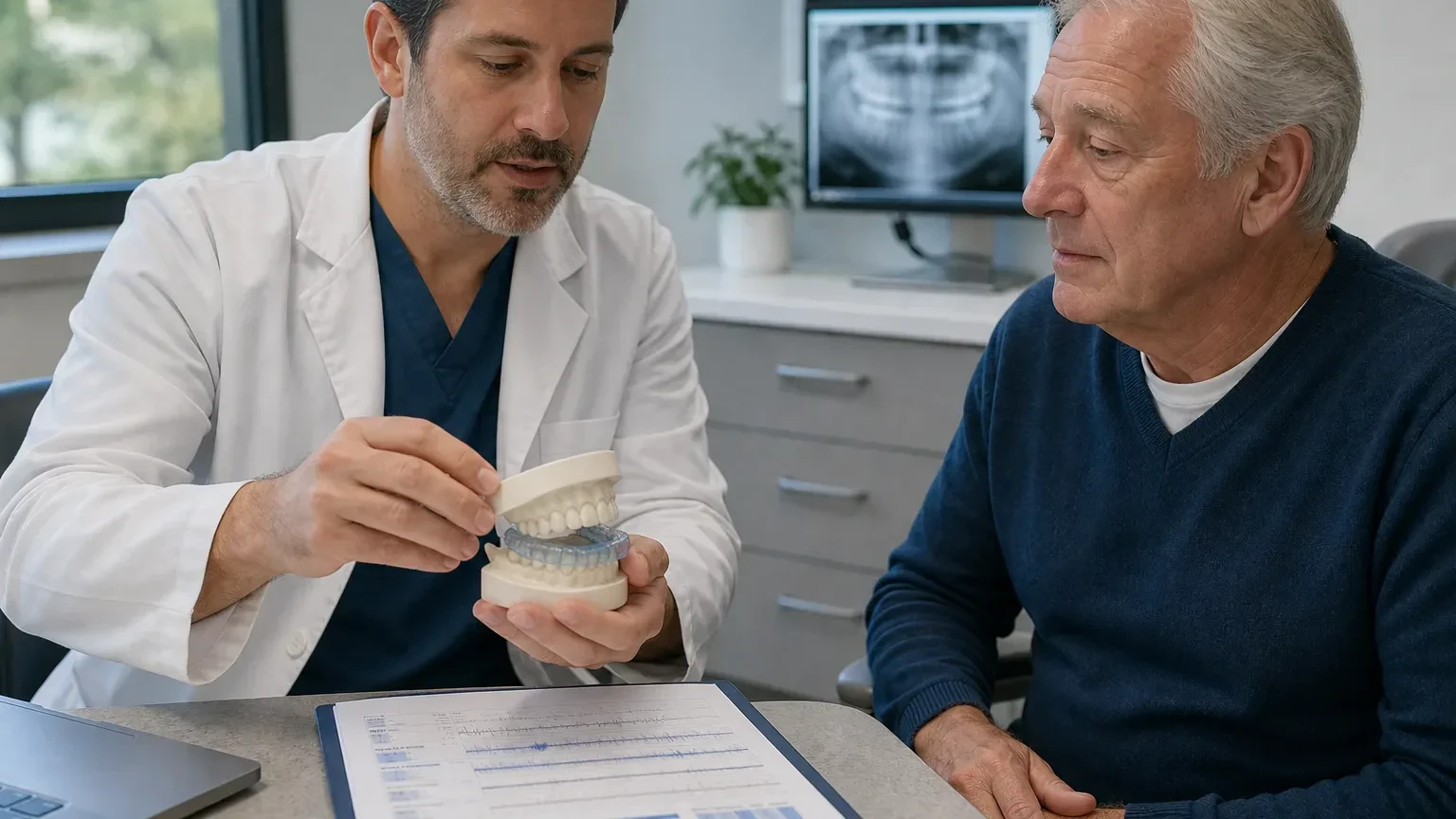
Can A Dentist Treat Sleep Apnea?
A dentist can often deliver a custom oral appliance for obstructive sleep apnea once a physician confirms the diagnosis—but dentists do not replace sleep-medicine evaluation or claim CPAP is unnecessary for every patient
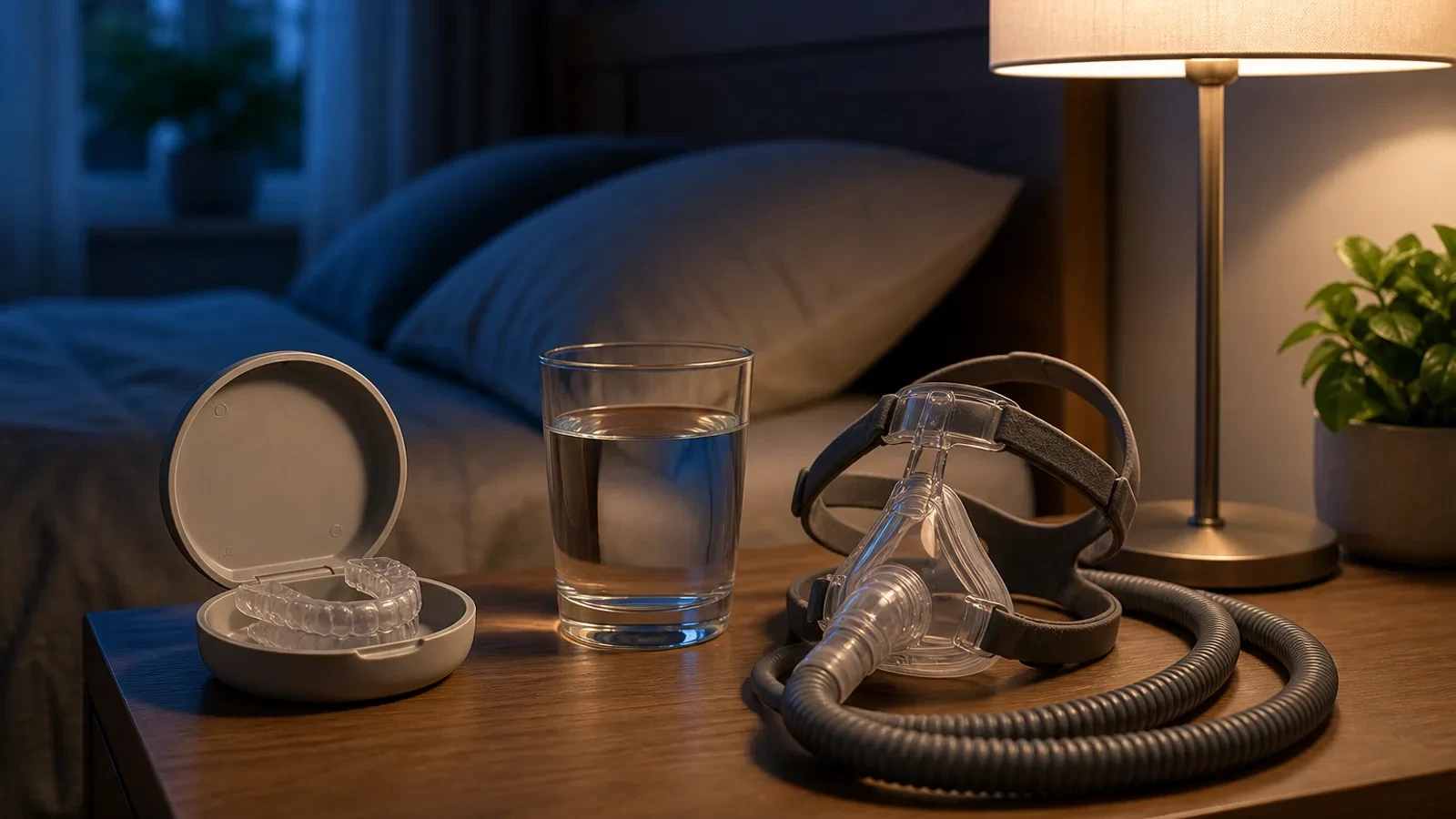
Oral Appliance Vs CPAP: Which Is Better?
CPAP usually opens the airway more reliably, while custom oral appliances can be simpler to travel with and tolerate—so “better” depends on severity, preference, and medical guidance rather than a single winner.
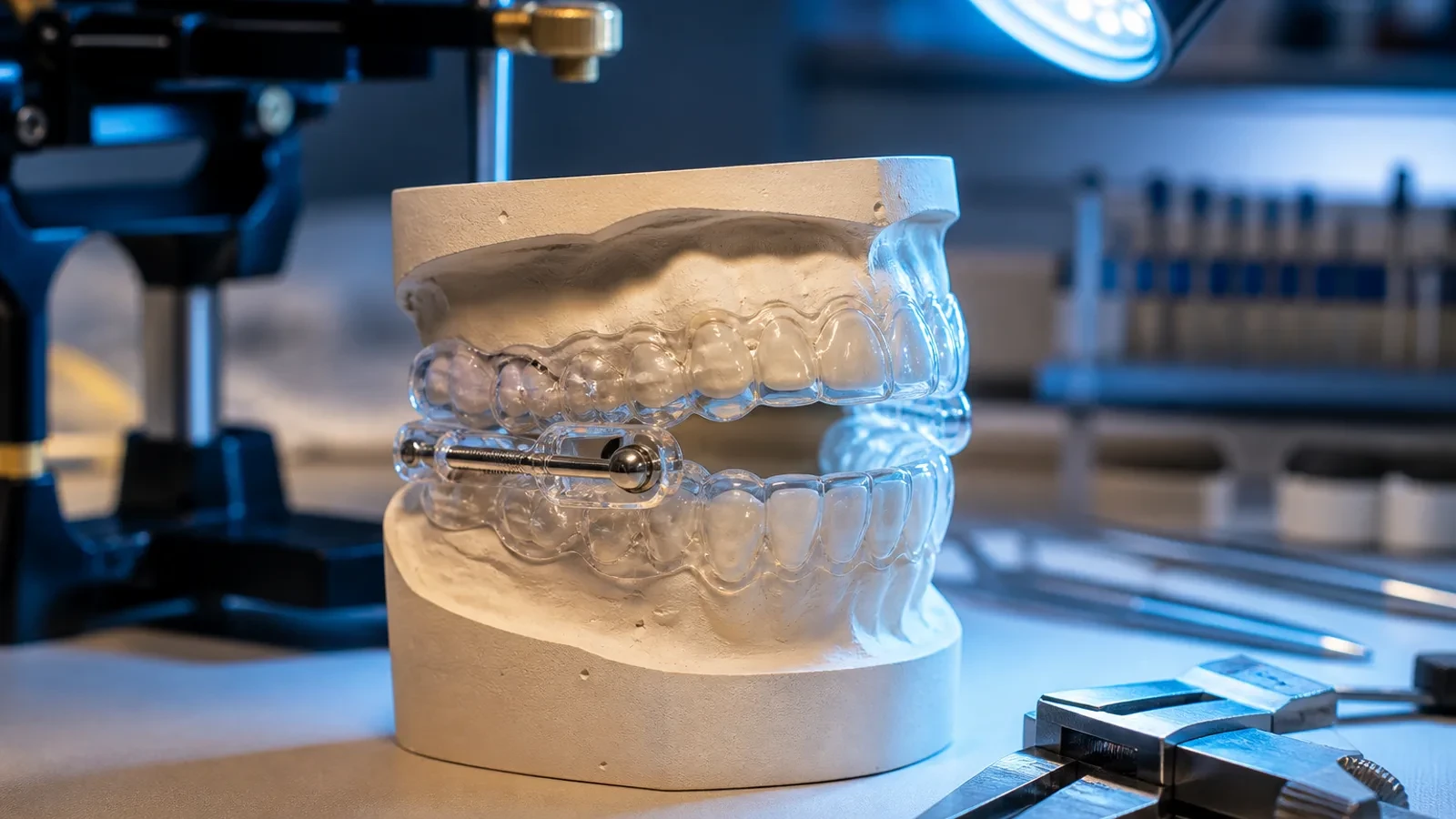
What Is A Mandibular Advancement Device?
A mandibular advancement device is a custom oral appliance that holds the lower jaw slightly forward during sleep to reduce airway collapse in selected people with snoring or obstructive sleep apnea.
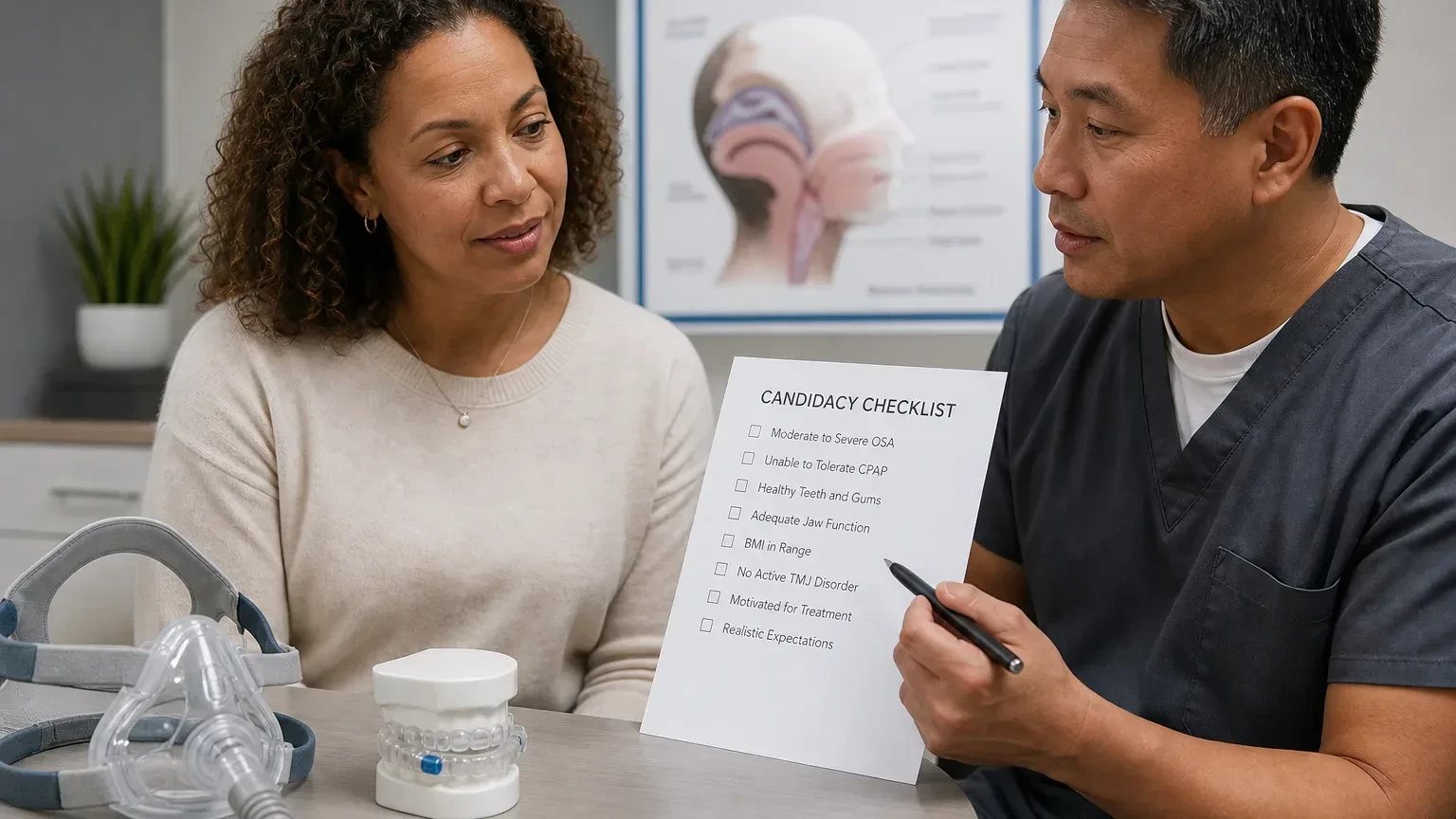
Who Is A Candidate For A Sleep Apnea Oral Appliance?
Strong oral-appliance candidates usually have a confirmed OSA or snoring diagnosis, enough healthy teeth, manageable jaw joints, and a physician plan that supports appliance therapy—especially when CPAP is poorly tolerat
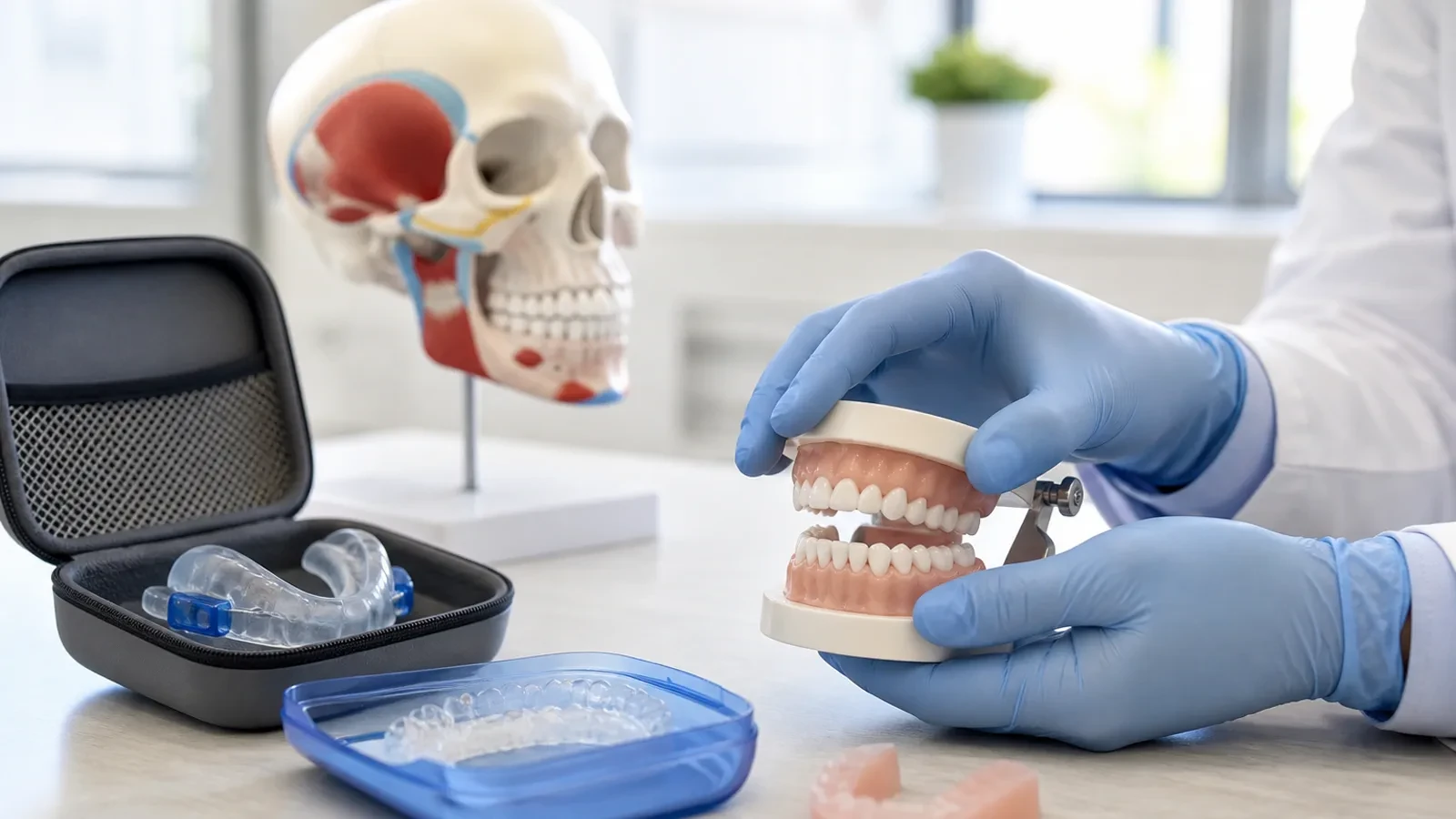
Do Oral Sleep Appliances Have Side Effects?
Yes—custom oral sleep appliances can bring temporary jaw or tooth soreness, excess saliva, and sometimes longer-term bite shifts, which is why dental follow-up is part of safe therapy.
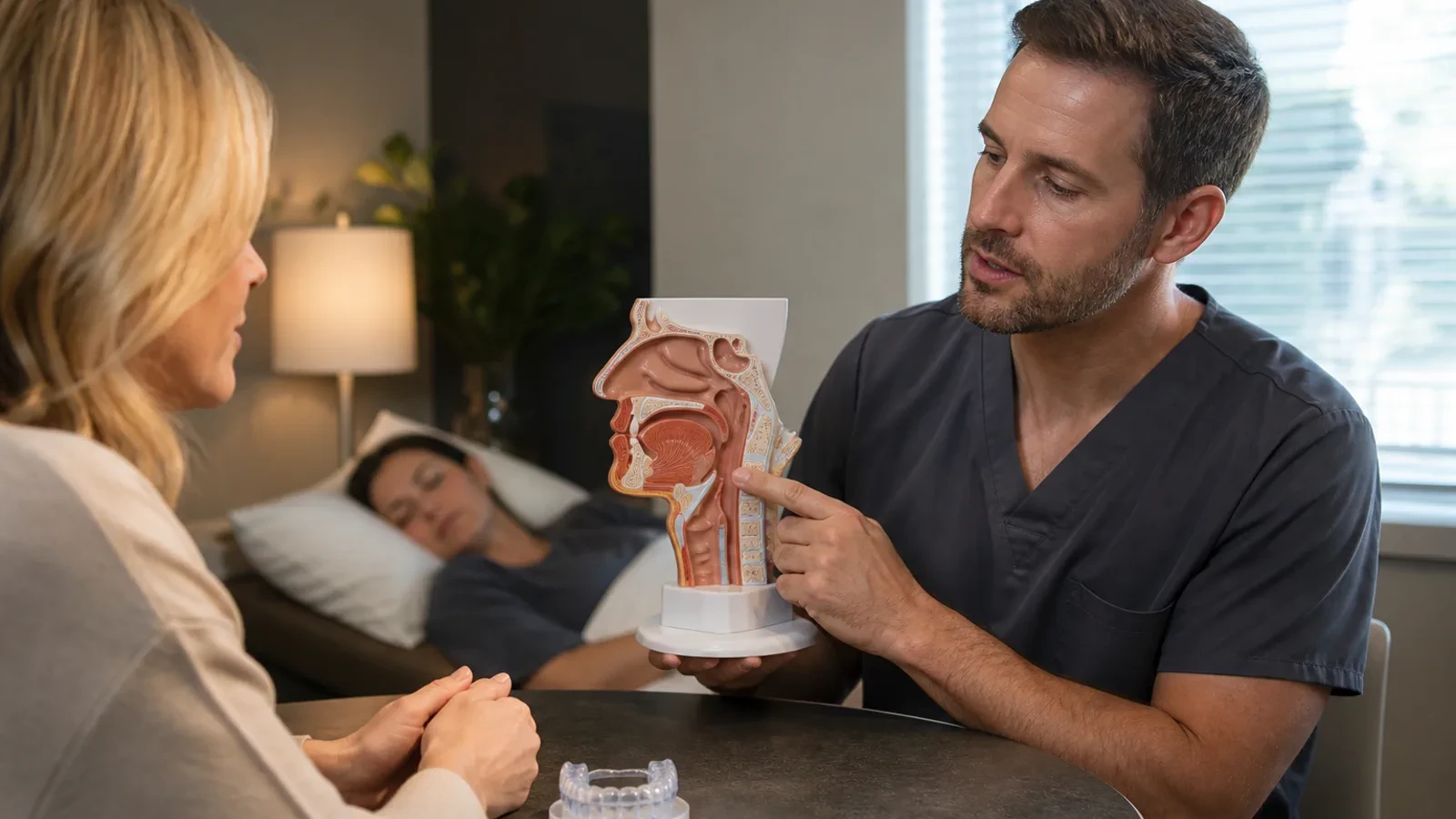
Can Snoring Be Treated By A Dentist?
Dentists can help certain snoring problems with custom oral appliances—especially when a sleep physician rules out or classifies sleep apnea—but noisy breathing is not automatically a DIY dental fix.
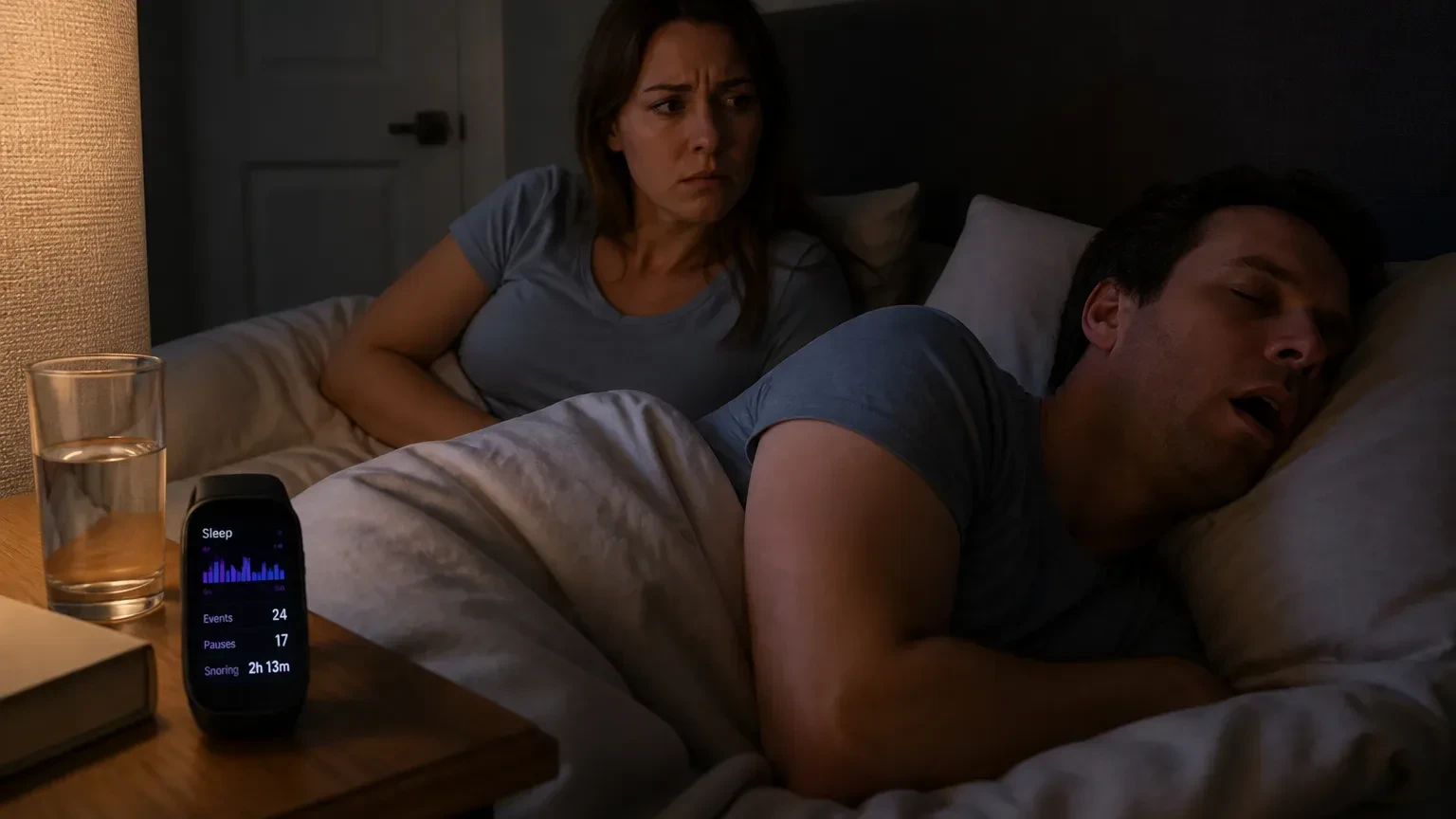
How Do You Know If You Have Sleep Apnea?
You cannot confirm sleep apnea from snoring alone—loud snoring with pauses, gasping, morning headaches, or heavy daytime sleepiness are clues that should prompt a medical evaluation and possible sleep study.
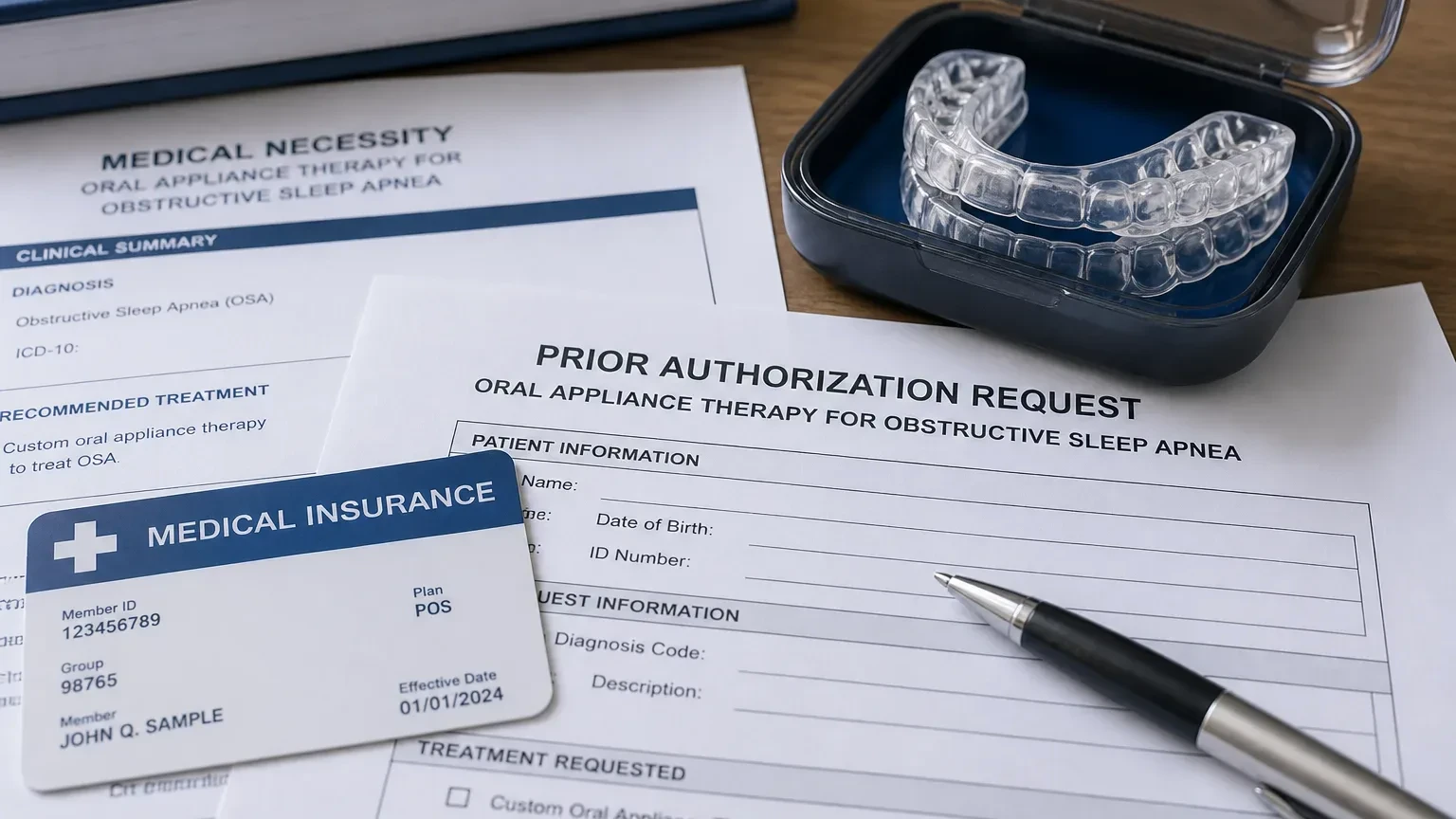
Does Insurance Cover Oral Sleep Appliances?
Custom oral sleep appliances are often billed through medical insurance when OSA is diagnosed and criteria are met, but coverage, copays, and documentation rules vary widely by plan.
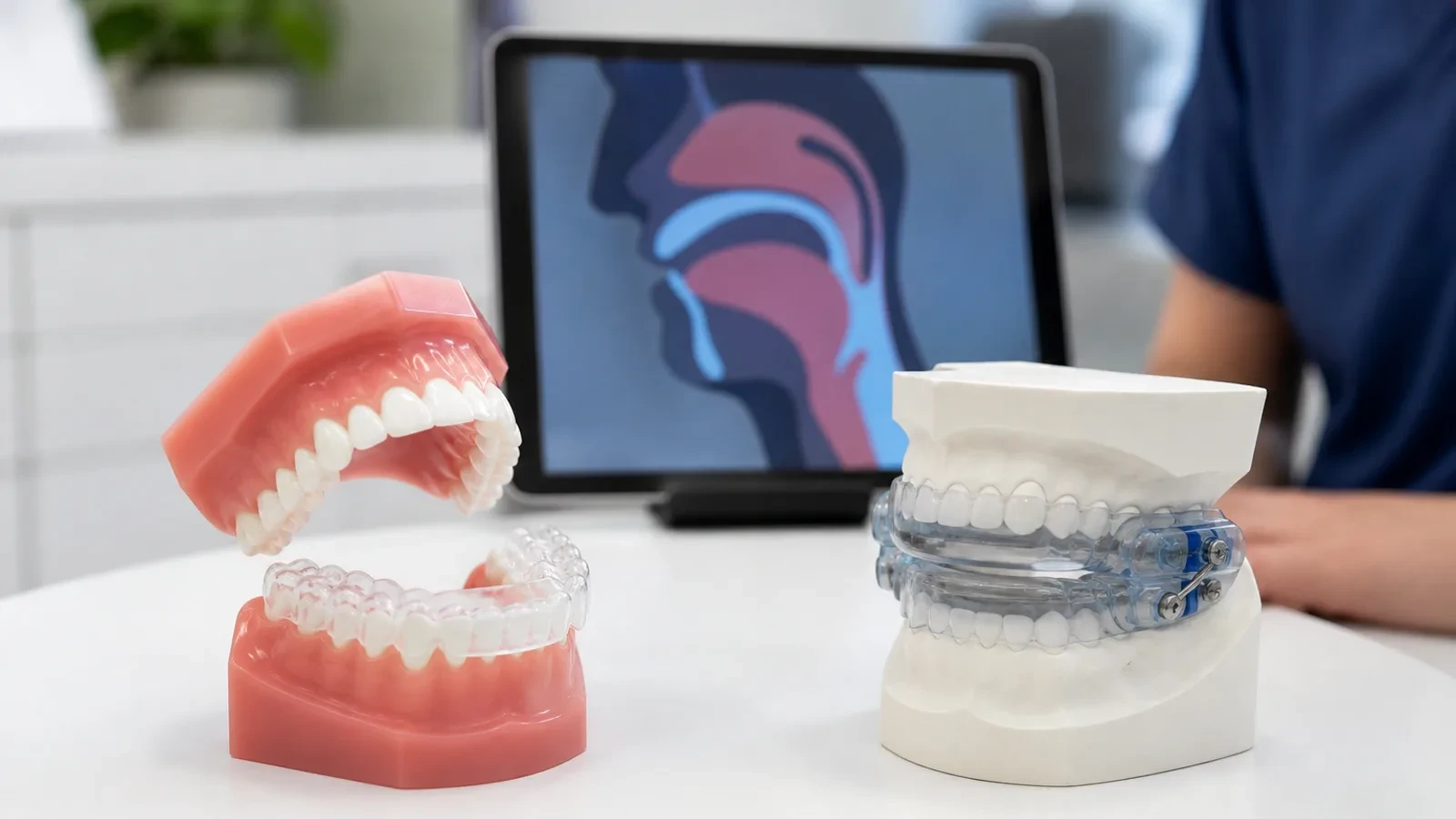
Can Clear Aligners Help Sleep Apnea?
Clear aligners are orthodontic tools for moving teeth—not a substitute for CPAP or a custom oral sleep appliance—and should not be marketed as a standalone sleep apnea cure.
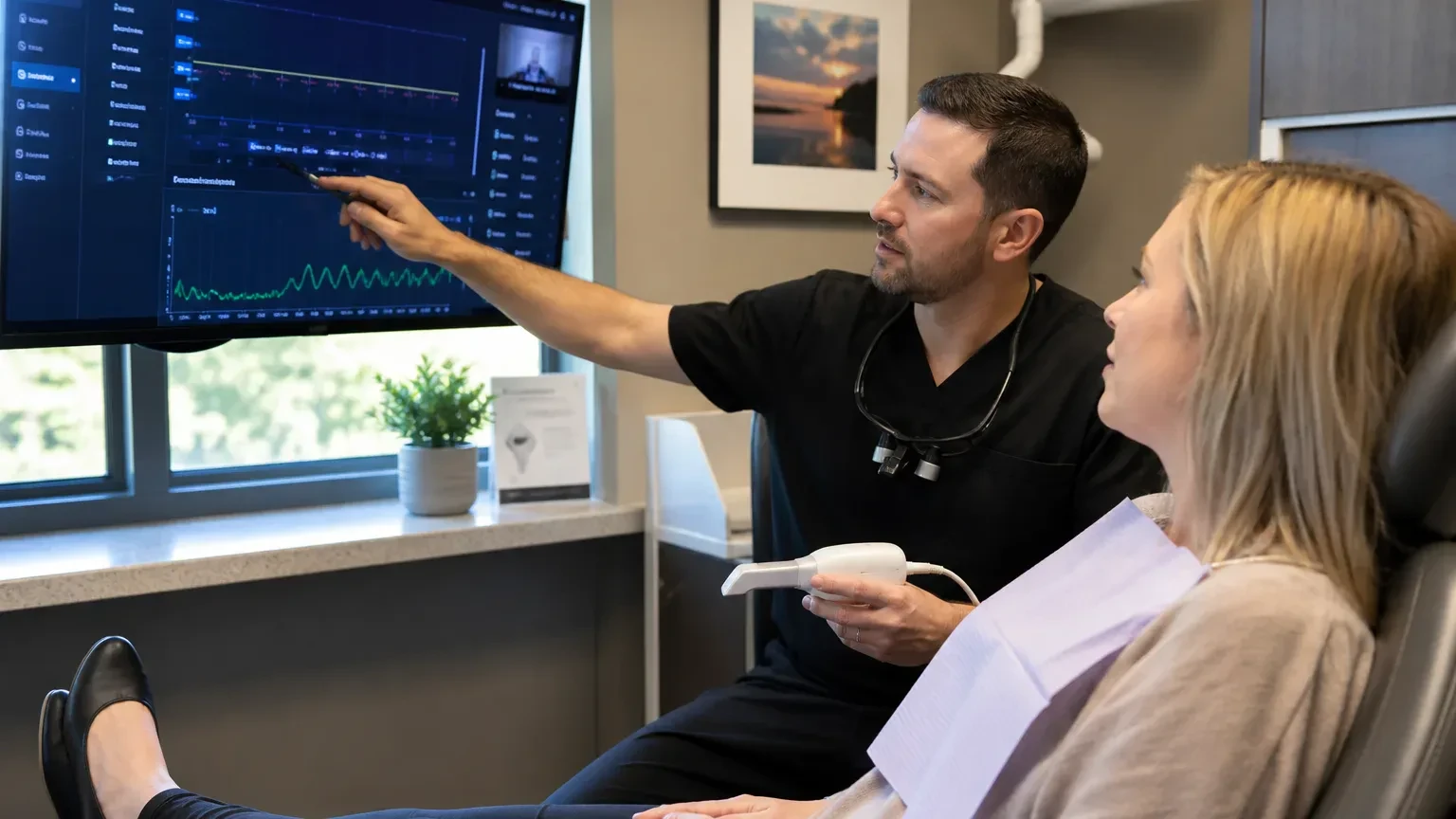
What Happens At A Dental Sleep Apnea Consultation?
A dental sleep apnea consultation reviews your medical sleep diagnosis, examines teeth and jaw joints, discusses custom appliance options, and outlines impressions, titration, and follow-up—not a same-day cure.
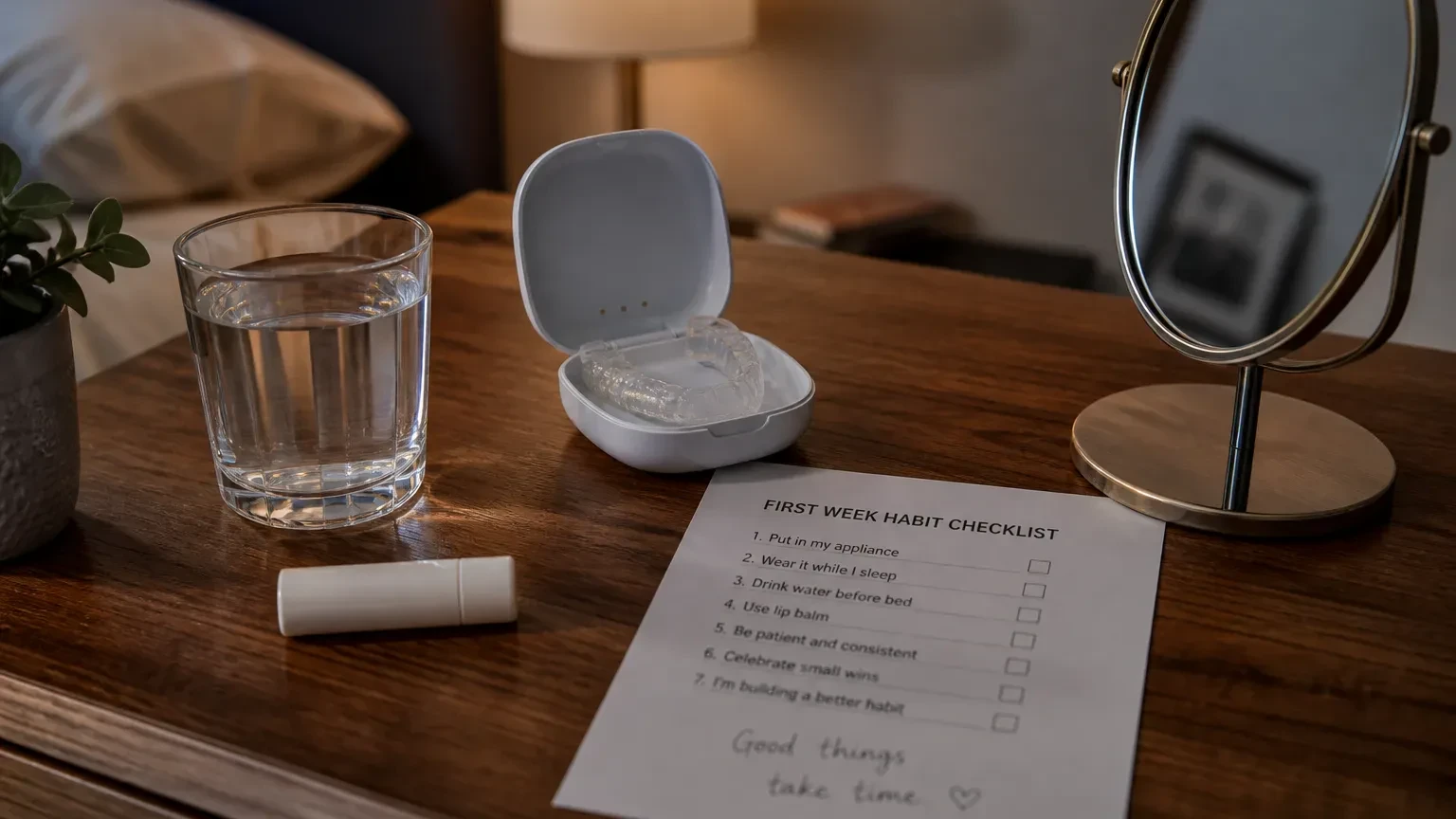
How Long Does It Take To Get Used To A Sleep Appliance?
Many people adapt to a custom oral sleep appliance within several nights to a few weeks with gradual wear, gentle morning routines, and planned adjustments—while lasting pain means you should not simply wait it out.
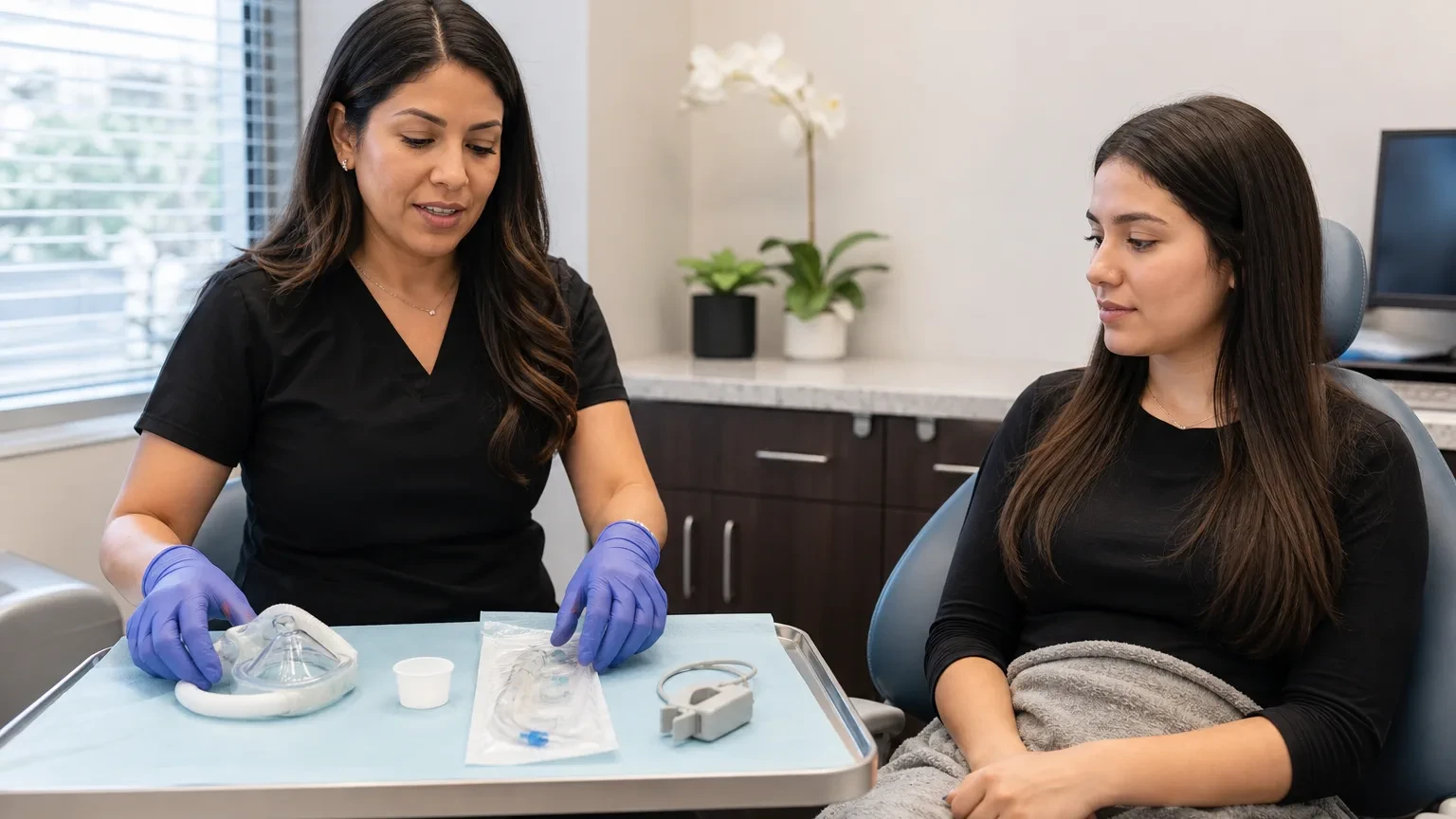
What Types Of Dental Sedation Are There?
Dentists match sedation to the procedure and your health—from light nitrous oxide to deeper IV or general anesthesia—so “sedation” is a spectrum, not one drug.
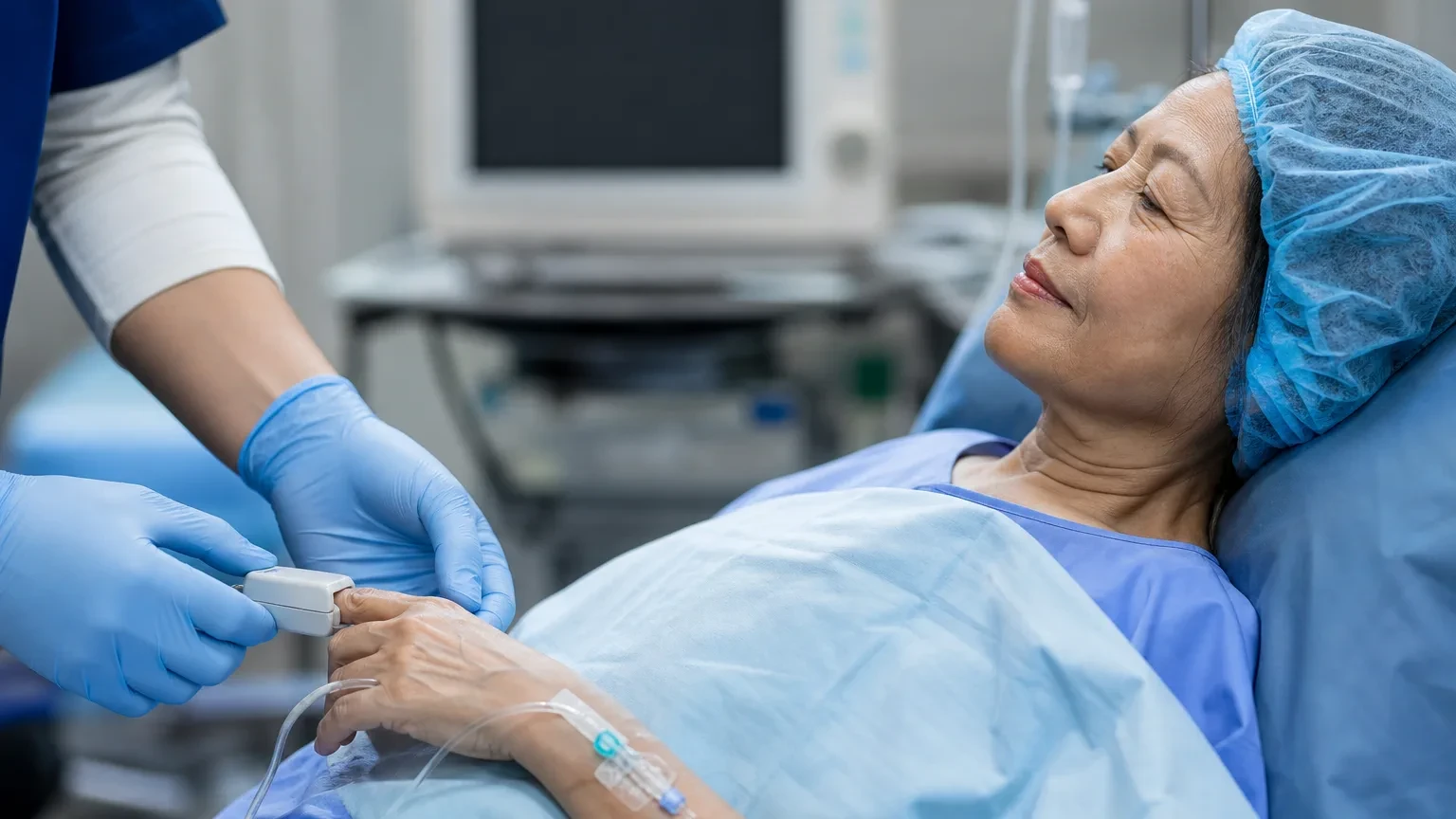
Is IV Sedation Safe For Dental Work?
IV sedation is often used safely for dental and oral surgery when patients are screened, monitored, and matched to an appropriately trained team—but it is not risk-free for every health profile.
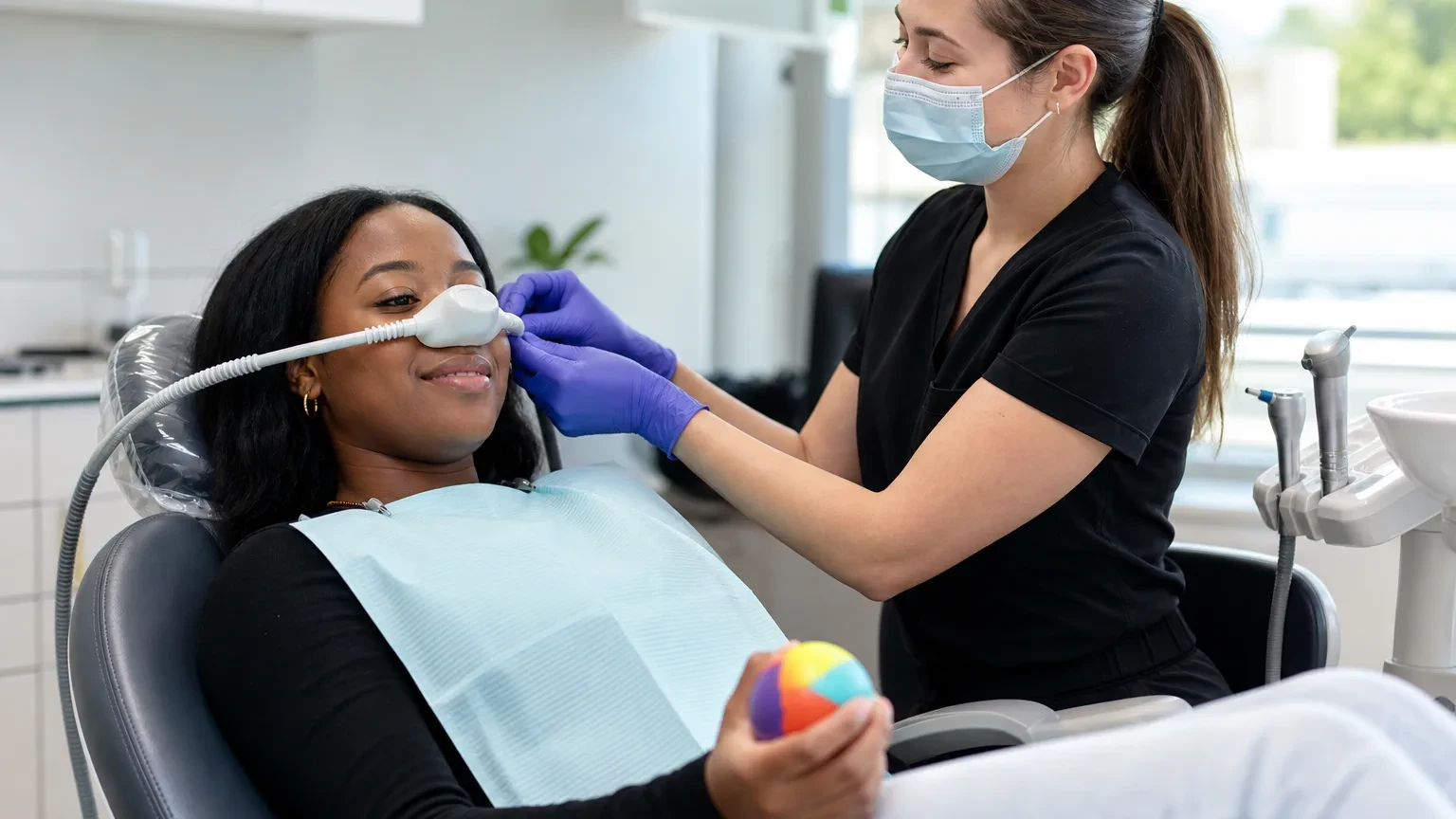
What Is Nitrous Oxide At The Dentist?
Nitrous oxide at the dentist is a mild inhaled sedative blended with oxygen that eases anxiety while you remain awake and able to respond—effects that typically fade soon after the mask comes off.

Can You Drive After Dental Sedation?
Plan on not driving after oral or IV dental sedation—judgment and reflexes can stay impaired even if you feel “fine”—while nitrous-only visits sometimes allow driving once you are fully clear per office rules.