
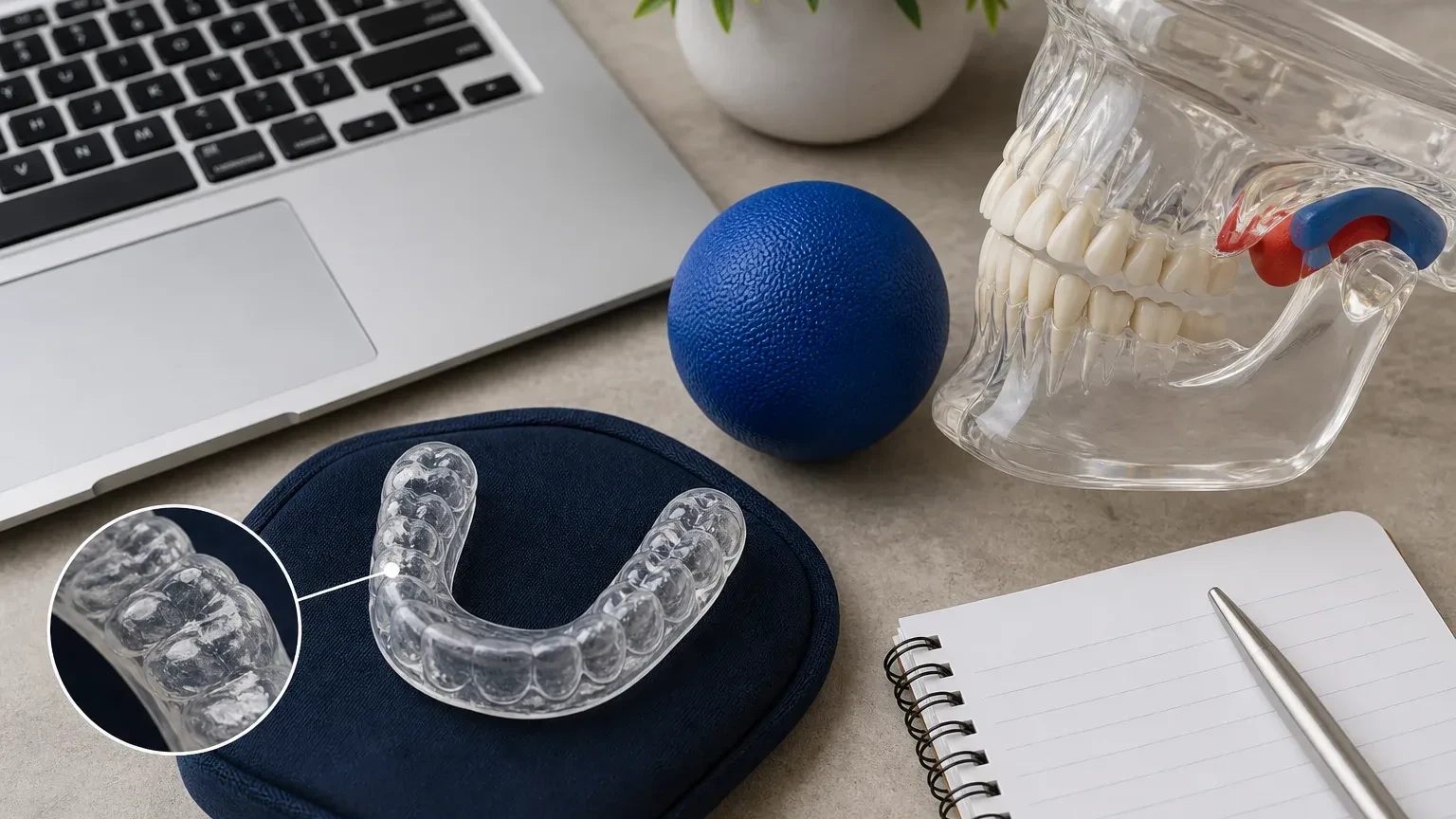
What Causes TMJ Pain?
TMJ pain can stem from muscles, the joint disc, clenching, arthritis, injury, or stress-related tension. See how causes stack and what an exam checks.

Reviewed by Dr. Sean Myran, DMDDoctor of Dental Medicine, University of Pennsylvania
TMJ pain is usually produced by strained chewing muscles, irritation or inflammation in the jaw joint, or a mix of both. The exact trigger is often hard to pin to one event: clenching, disc displacement, arthritis, injury, gum chewing, and stress-related muscle guarding can stack. Mayo Clinic notes that TMJ disorder pain may involve a mix of factors such as clenching, stress, arthritis, or jaw injury. Understanding the “how it works” picture keeps you from chasing a single miracle fix.
Your TMJs are sliding-hinge joints with a disc that cushions motion. When muscles stay tight, the joint works under extra load. When the disc shifts, motion can click or catch. When cartilage wears or inflamed tissues swell, ache can linger even at rest. Separating muscle-dominant from joint-dominant patterns guides whether a night guard or soft-tissue care comes first.
How Pain Pathways Overlap
- Muscle overload: clenching, grinding, or daytime jaw bracing fatigues masseter and temporalis muscles.
- Joint mechanics: disc displacement or rough joint surfaces create painful clicks, catching, or locking.
- Inflammatory or degenerative change: arthritis can stiffen and ache inside the joint.
- Trauma or strain: a blow, wide dental appointment, or sudden over-opening can spark a flare.
- Amplifiers: poor sleep, stress, and other pain conditions can raise sensitivity—see how stress links to jaw pain.
NIDCR explains that temporomandibular disorders include joint problems, muscle disorders, and related headaches, and that causes are often unclear. Bite unevenness alone is rarely proven as the sole cause; irreversible grinding of teeth to “balance” a bite is approached with caution for that reason.
Candidacy notes matter. People who wake with sore jaws and worn enamel often have a clenching story. Those who lock after yawning may have more joint-disc involvement. Ear-focused ache without infection may still be jaw-referred rather than a middle-ear problem. None of these patterns prove a diagnosis without an exam, and several can coexist in the same month.
Hormonal shifts, poor sleep, and other chronic pain conditions can raise how loudly the nervous system reports jaw signals. That does not make the pain imaginary; it means two people with similar joint findings can feel very different levels of distress. A useful care plan respects both the mechanical load on the joint and the amplifiers that keep muscles braced. Ask whether your pattern looks muscle-dominant, joint-dominant, or mixed before agreeing to irreversible bite changes.
Hard foods, long gum sessions, and wide yawns are modifiable loads you can reduce while you wait for an appointment. So is daytime “teeth together” posture during driving or email. Those changes will not identify the root cause by themselves, but they often shrink pain enough that the exam can be more comfortable and the history clearer.
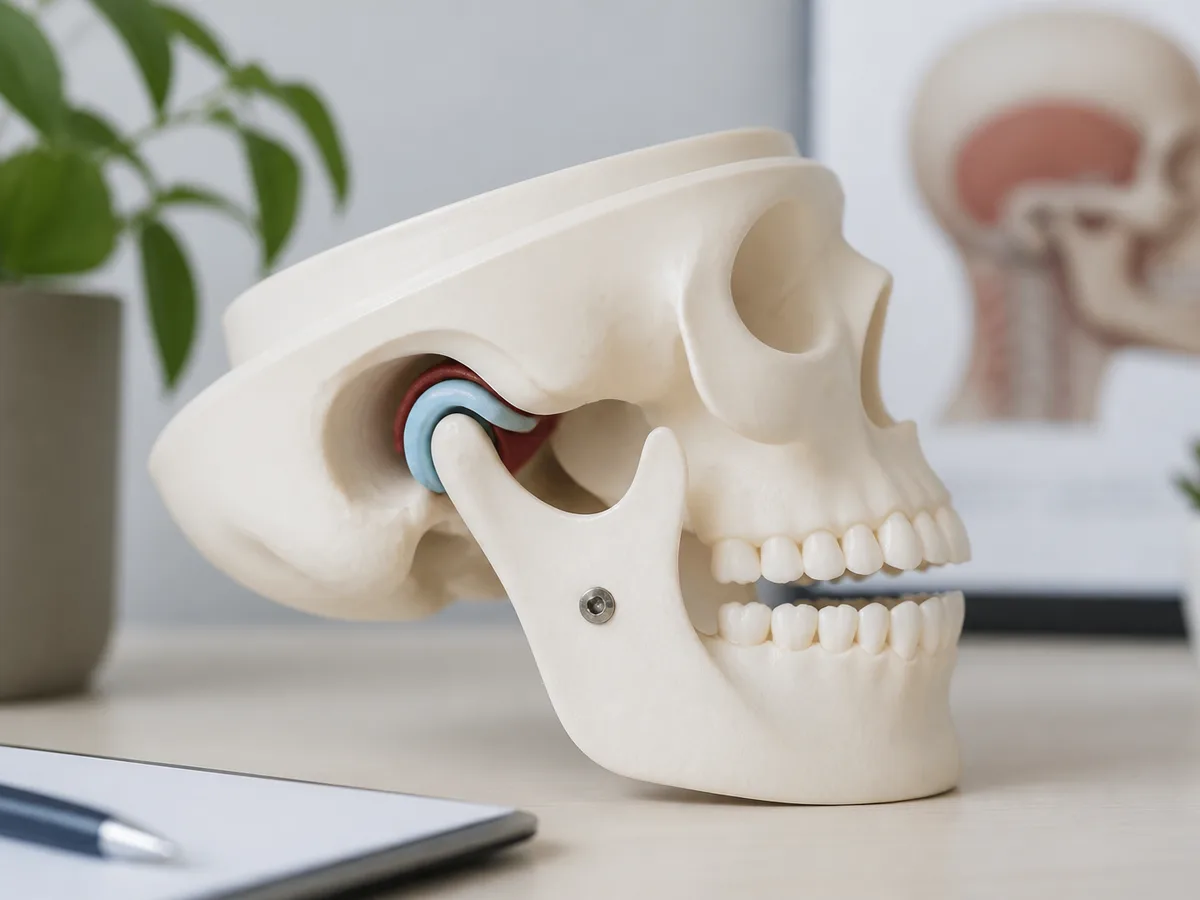 Unload muscles before blaming the joint alone.
Muscles can hurt even when the joint is fine
Daytime “teeth together” posture is a quiet cause of pain. Lips closed, teeth apart, tongue resting gently is a calmer default than a clenched resting bite. If you catch yourself bracing during email or driving, unclench and drop the jaw a millimeter. That habit change costs nothing and often reveals how much of your ache is muscular. Pair it with softer chewing for a few days so irritated tissues can settle while you arrange a proper evaluation.
What An Exam Tries To Clarify
- Which tissues are tender: joint capsule, muscles, teeth, or sinuses.
- Whether opening path is straight, limited, or locking.
- Wear facets, fractured cusps, or appliance history that hint at grinding.
- Medical contributors such as arthritis or recent injury.
- Whether imaging or a specialist referral is warranted.
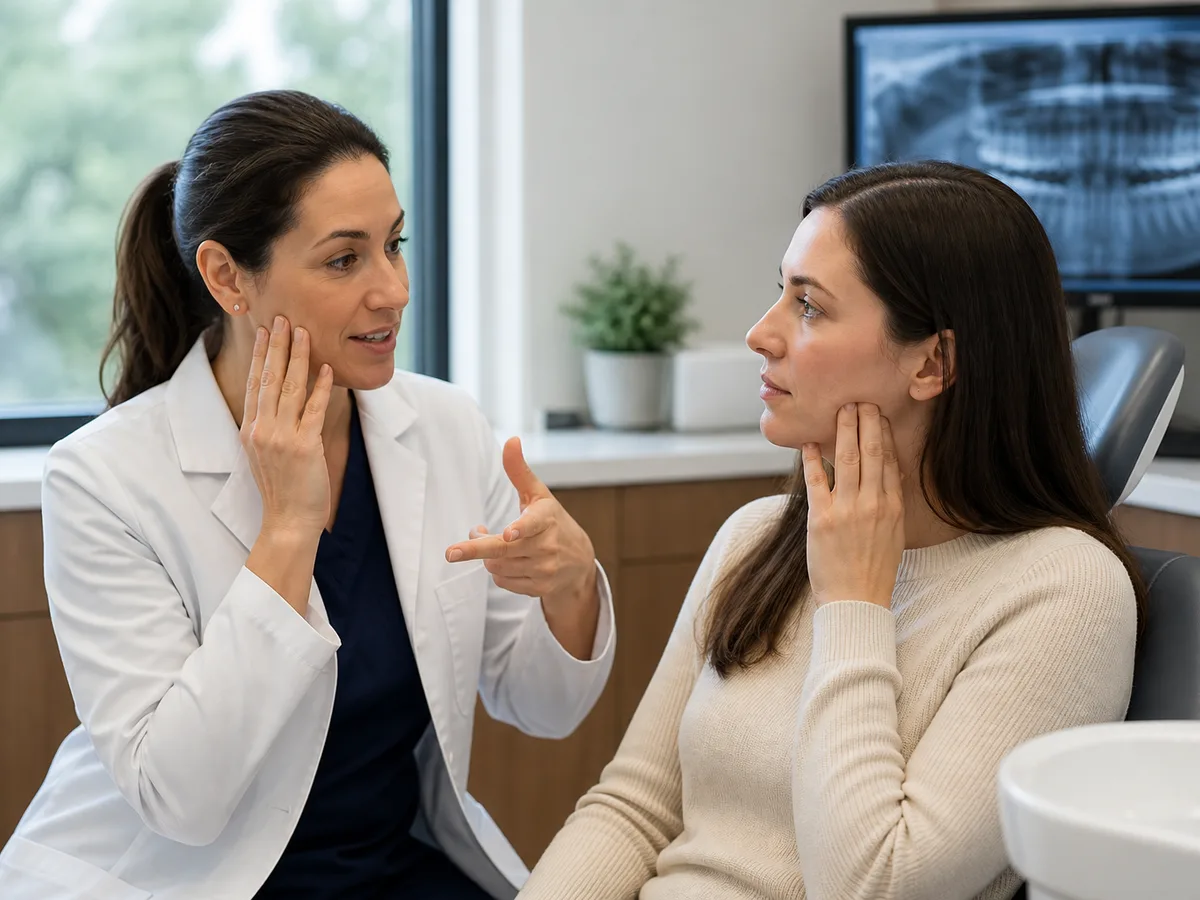 Match the driver to the first therapies.
Cause-finding guides conservative steps
A careful history often matters more than a stack of scans on day one. Describe when pain started, what makes it better or worse, and whether your symptom list includes headaches or morning tightness. For help sorting muscle versus joint drivers without leaping to permanent bite changes, use Find a Dentist and mention trauma, arthritis, or heavy grinding when you book. Accurate cause framing makes later treatment choices safer.
TMJ pain rarely has a single cartoon cause. Muscles, joint tissues, habits, and stress interact—and treatment works best when it targets the drivers your exam actually finds rather than a one-size slogan.
Related articles
Keep exploring related topics from Dental Country.
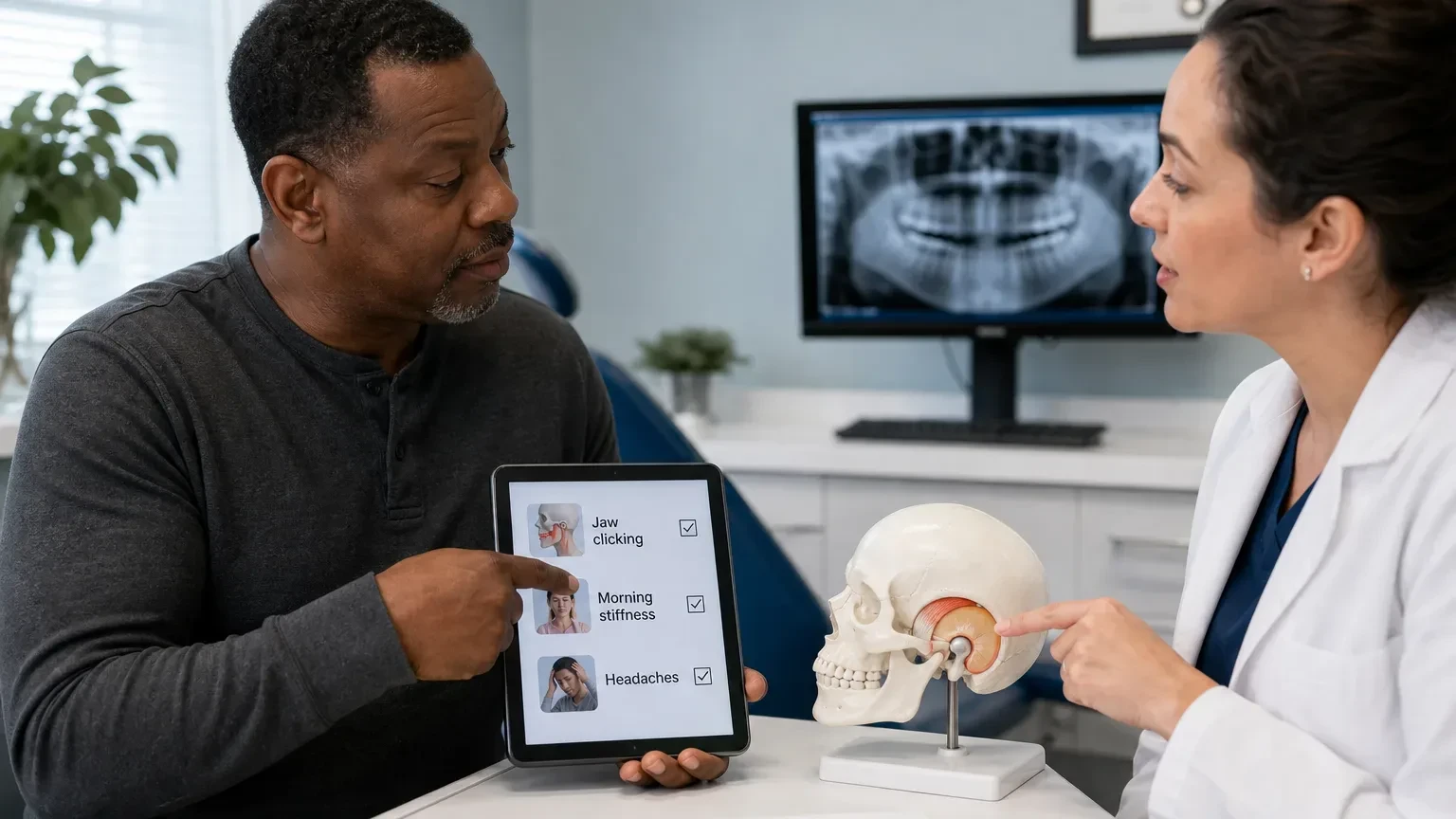
What Are TMJ Disorder Symptoms?
Common TMJ disorder symptoms include jaw pain or stiffness, clicking or popping with discomfort, headaches, limited opening, and ache near the ear—patterns that deserve a careful exam when they persist.
Read article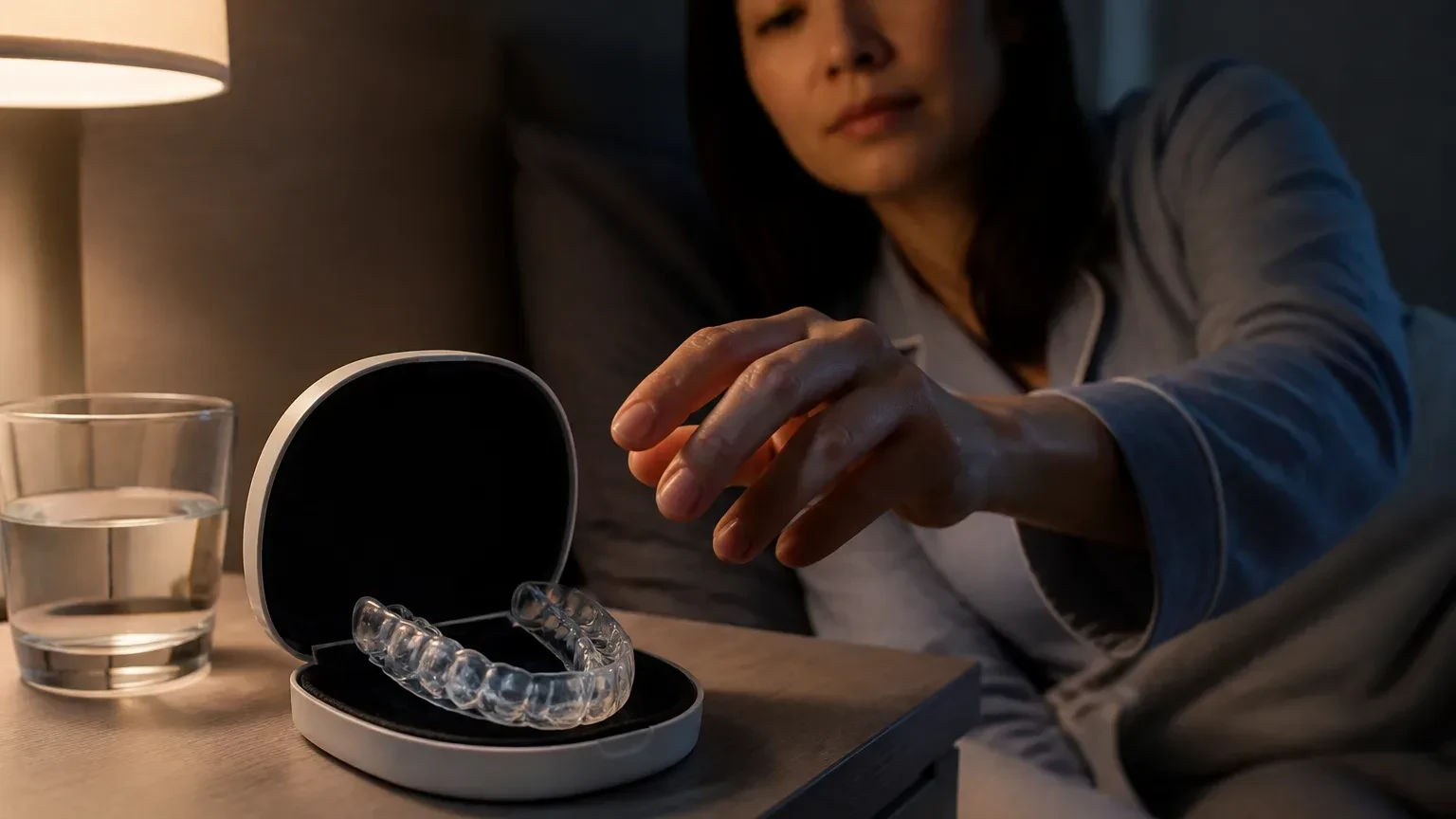
Does A Night Guard Help TMJ?
A well-fitted night guard can reduce tooth wear and ease some clenching-related TMJ muscle pain, yet it will not fix every joint problem and poorly fitted guards can worsen symptoms.
Read article
Can Stress Cause Jaw Pain?
Yes—stress often shows up in the jaw as clenching, grinding, and muscle guarding that leave the face sore, especially through busy weeks and restless nights.
Read article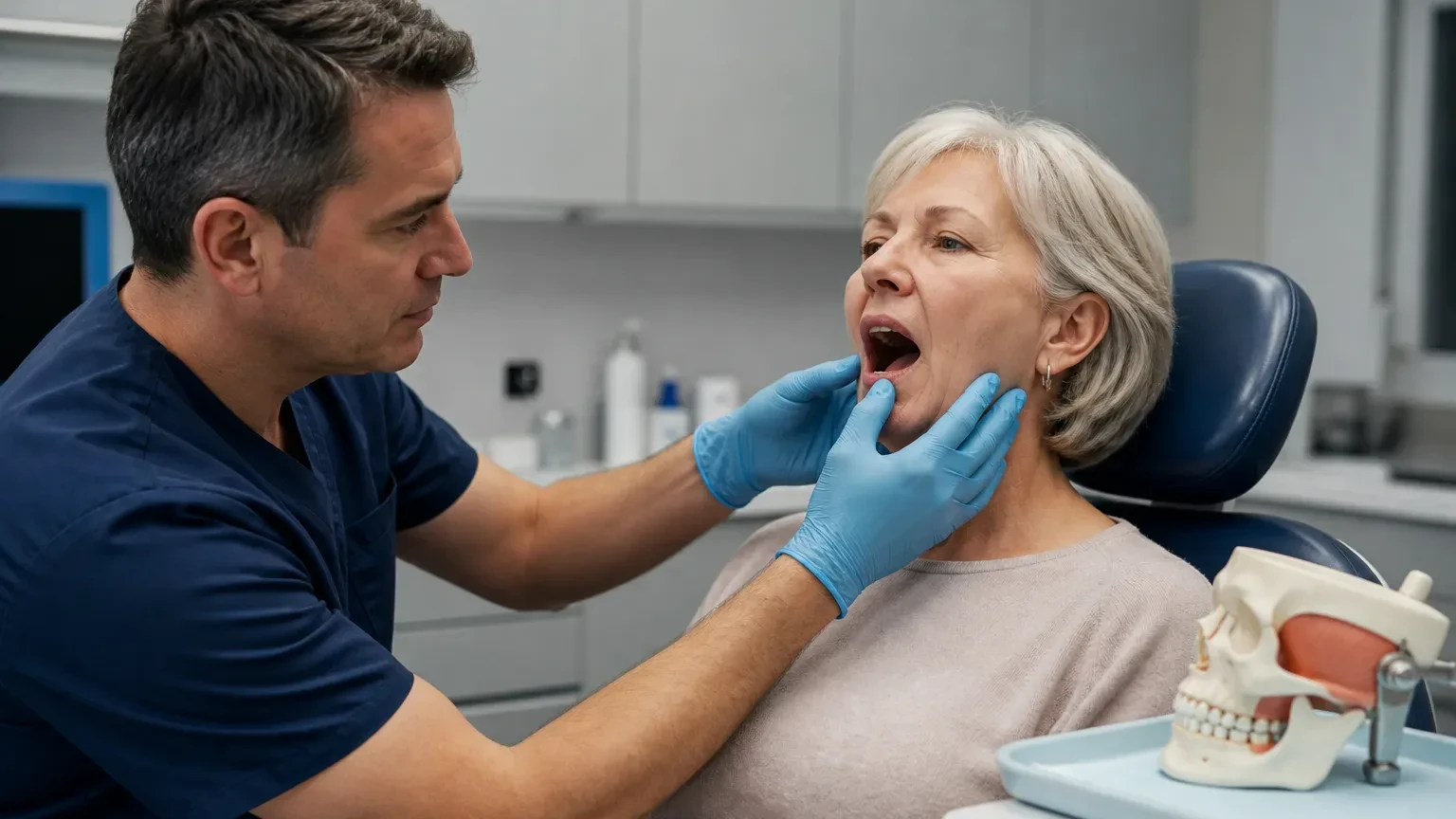
When Should You See A Dentist For Jaw Clicking?
See a dentist for jaw clicking when it comes with pain, locking, limited opening, swelling, or a changing bite—while painless occasional clicks are often monitored.
Read article