
Does A Night Guard Help TMJ?
A night guard may ease TMJ symptoms tied to clenching or grinding, but it is not a cure-all. Learn who benefits and what to ask before you buy.

Reviewed by Dr. Sean Myran, DMDDoctor of Dental Medicine, University of Pennsylvania
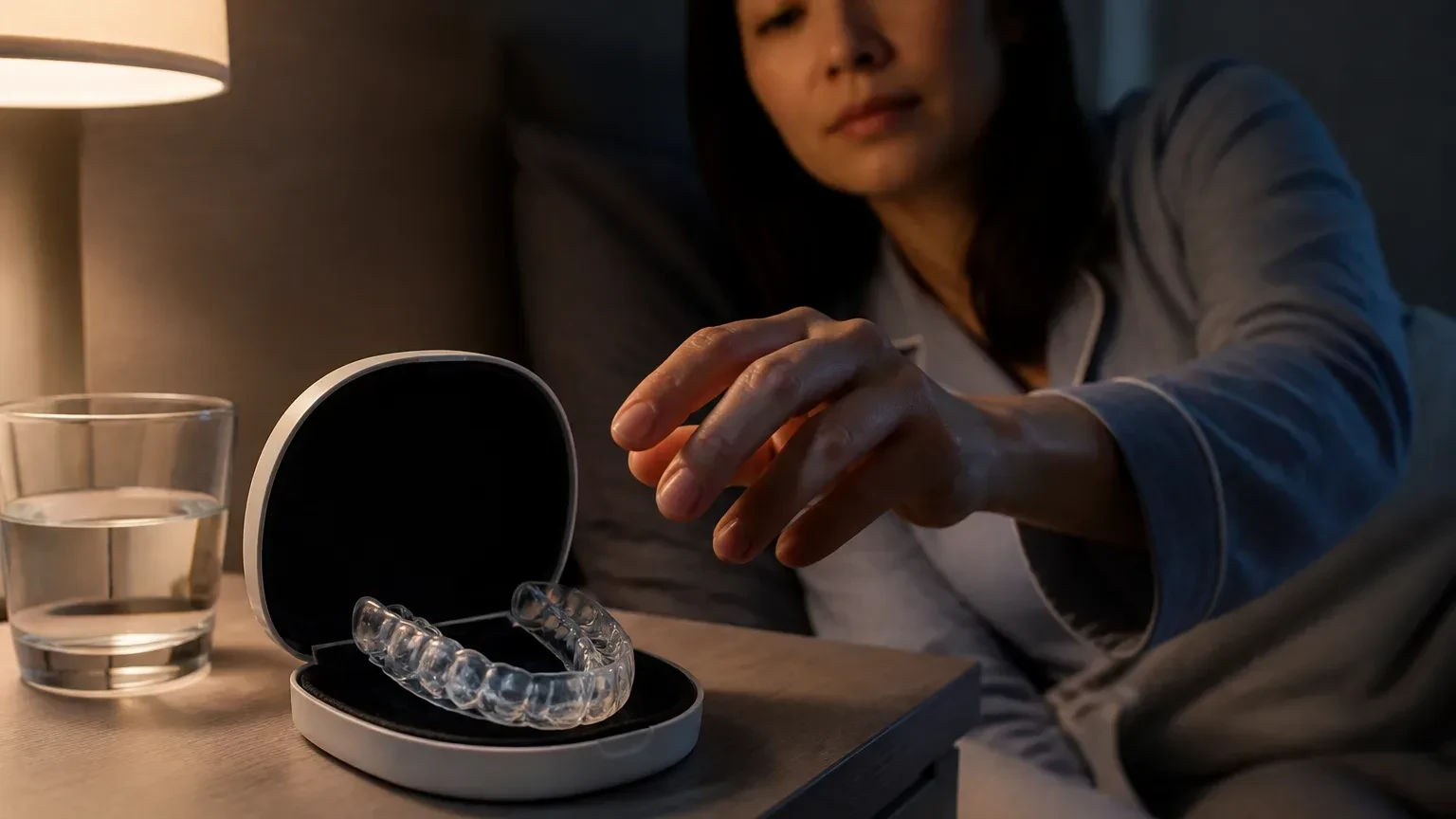
A night guard can help some people with TMJ-related discomfort—especially when nighttime clenching or grinding is overworking jaw muscles and wearing teeth—but it is not a universal TMJ cure. Guards mainly protect tooth surfaces and can reduce muscle strain for selected patients; they do not magically recenter every displaced disc. MouthHealthy notes that a night guard or bite plate may be advised to decrease clenching or grinding of teeth. Fit, design, and diagnosis decide whether a guard helps or frustrates.
Think in candidacy terms. If you wake with sore masseters, flattened enamel, or a partner who hears grinding, a custom occlusal guard is often worth discussing. If your main issue is locking, arthritis inside the joint, or daytime-only bracing, a guard alone may underdeliver. Compare that decision with broader options in how TMJ is treated.
Decision Guide: Guard Likely Versus Guard Unlikely
- More likely to help: clear bruxism signs, morning muscle pain, tooth wear, and no progressive locking.
- Maybe helpful as part of a plan: mixed muscle and joint symptoms while you also do soft-diet rest and habit work.
- Less likely as a solo fix: acute lock, inflammatory joint disease, or pain that is mainly from a tooth or sinus.
- Caution: thick over-the-counter boil-and-bite trays that force the jaw into an awkward posture.
MouthHealthy explains that dentists may recommend a custom night guard to protect teeth from grinding and that store-bought options may not fit as well. Custom appliances cost more up front but can be adjusted; ill-fitting soft trays sometimes increase clenching for certain people.
Guards also need a job description. Some are meant to protect enamel; others are designed with specific jaw positions. Do not assume a sports mouthguard or a whitening tray is the same device. Ask whether you should wear it only at night, and what to do if your bite feels different in the morning. Stress-related clenching can continue in the daytime even when a night guard is perfect, so habit coaching still belongs in the plan.
Insurance coverage, lab time, and adjustment visits vary. A custom guard that sits in a drawer because it pinches or feels bulky does not earn its fee. Plan on at least one follow-up after delivery, and ask how to clean the appliance so odor does not sabotage wear. If you travel often, request a case and a simple replacement plan if the guard is lost. People with gag sensitivity may need a thinner design or a gradual wear schedule rather than all-night use on night one.
Children and teens who grind may outgrow some habits; adults with long-standing wear often need a longer protection strategy. Neither group should self-diagnose from social media before an exam checks for joint locking or dental damage that changes priorities.
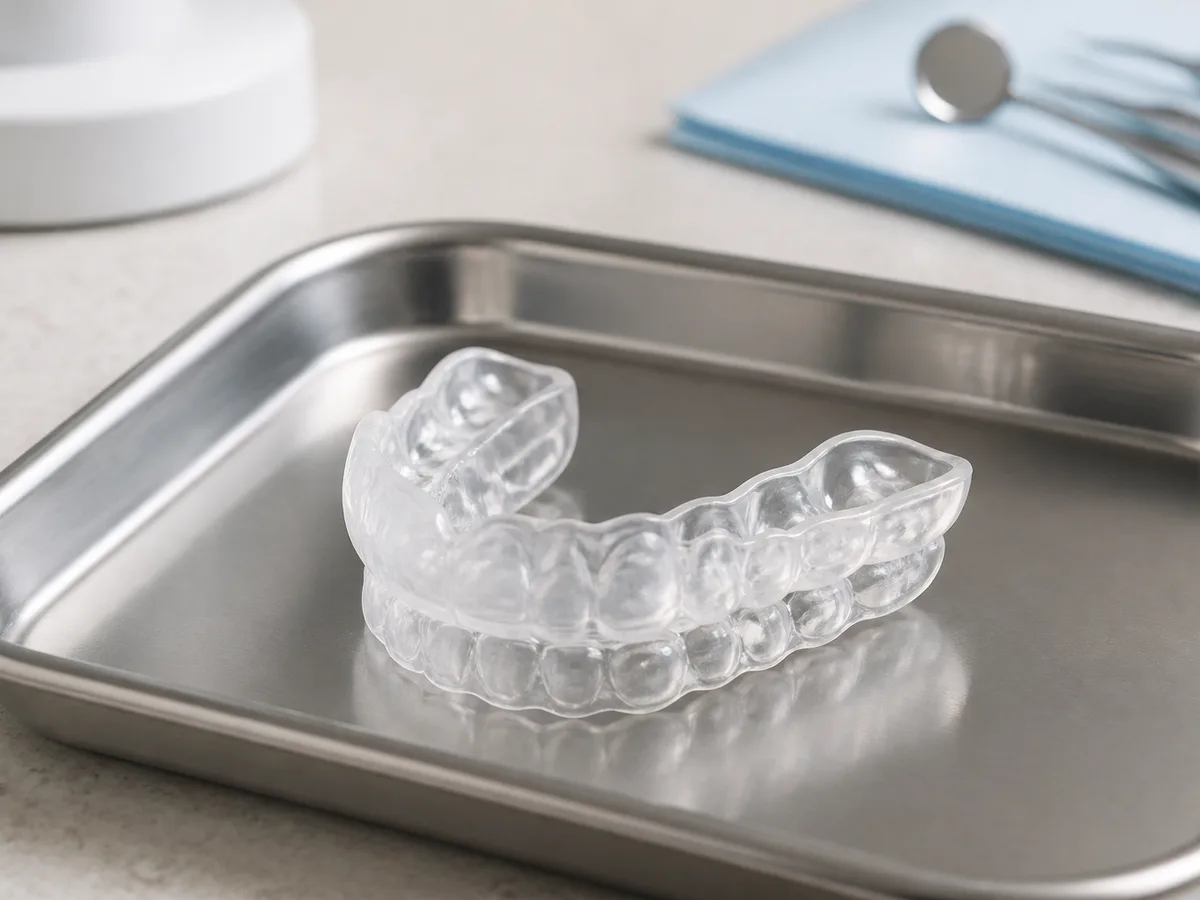 Comfort and even contacts drive compliance.
Even contacts matter as much as thickness
A useful guard spreads contact so you are not slamming into one high spot that aggravates muscles. After delivery, expect minor adjustments; lingering sore spots, a new open bite feeling that does not resolve, or worse morning pain should trigger a return visit—not months of toughing it out. Clean the appliance daily and store it dry so biofilm does not make nighttime wear unpleasant. If you stop wearing it because it hurts, say so; an unused guard helps nobody.
Questions To Ask Before You Invest
- Is my pain mainly muscular, joint-based, or mixed?
- What design are you recommending, and why that one?
- How will we judge success in four to eight weeks?
- What else should I change—gum, caffeine late at night, daytime posture—while I adapt?
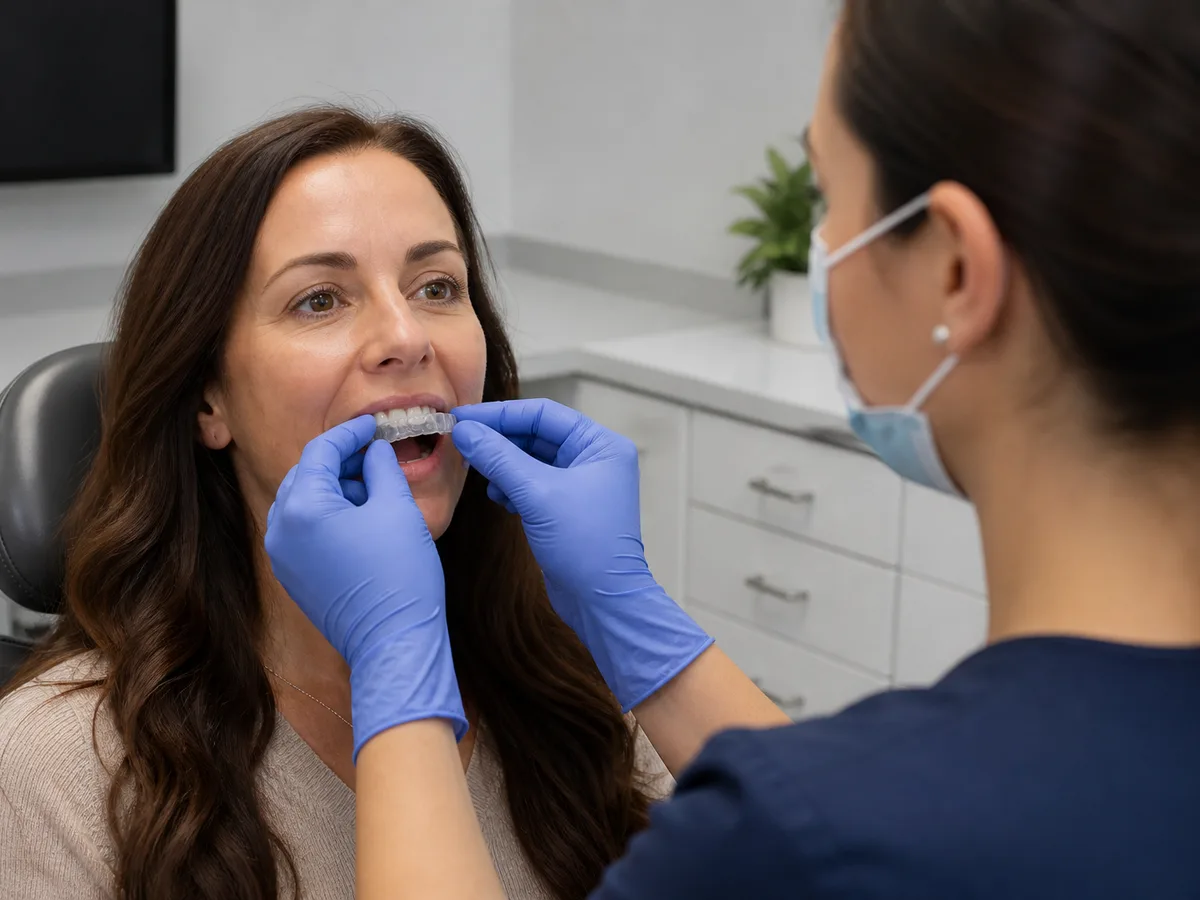 A guard is a tool—match it to the problem.
Diagnosis first, shopping second
Bring photos of any store guard you already tried and describe whether mornings improved or worsened. Ask how the appliance pairs with home care for TMJ pain rather than replacing evaluation. For a dentist who will fit and follow a guard instead of handing you a tray without a plan, use Find a Dentist and mention grinding, morning jaw ache, or prior ill-fitting guards when you book. Good candidacy beats a rushed purchase.
Night guards help selected TMJ pictures—especially clenching and grinding—when design and follow-up are solid. They are one tool in a conservative plan, not proof that every jaw ache needs plastic between the teeth forever.
Related articles
Keep exploring related topics from Dental Country.
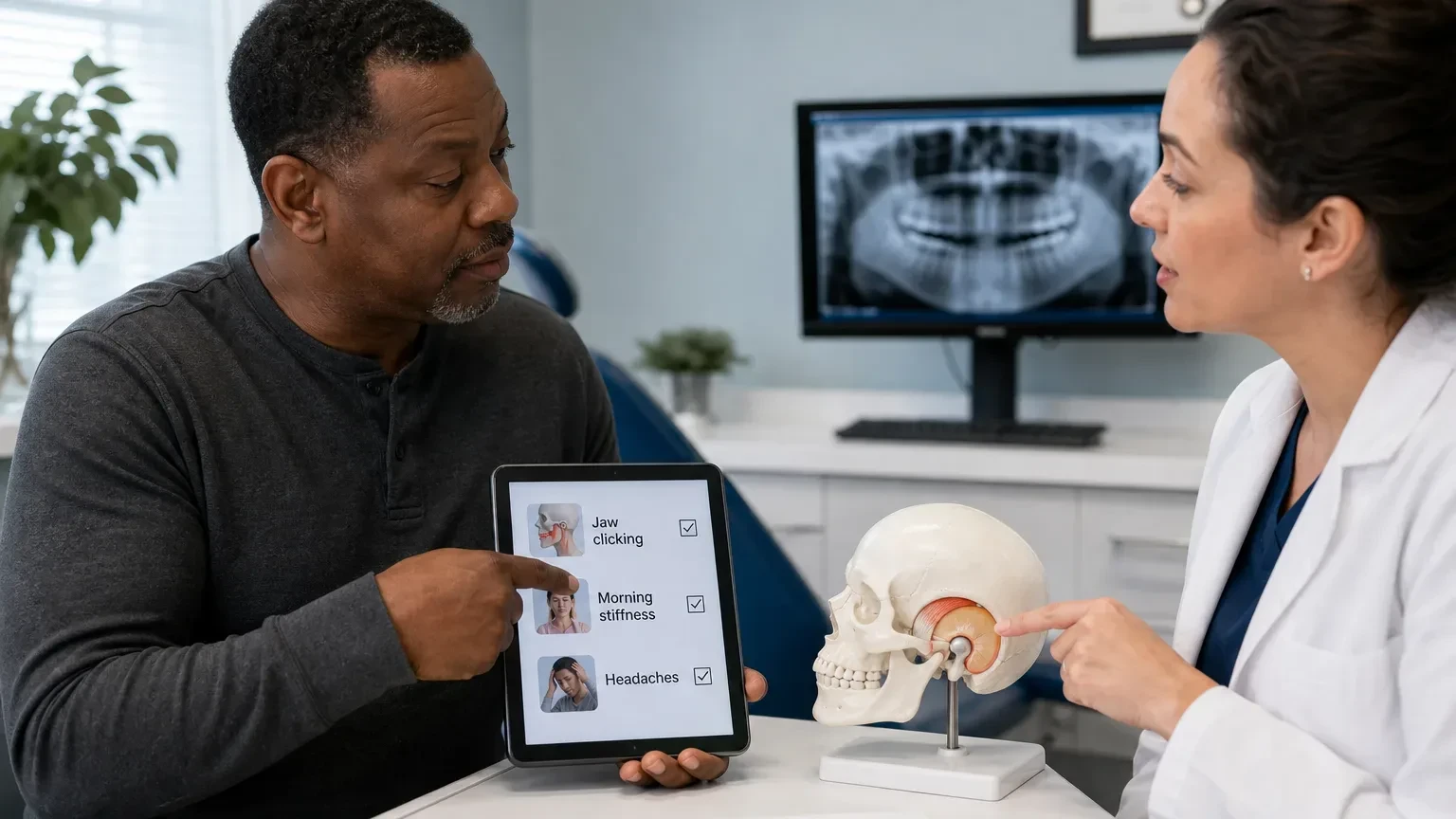
What Are TMJ Disorder Symptoms?
Common TMJ disorder symptoms include jaw pain or stiffness, clicking or popping with discomfort, headaches, limited opening, and ache near the ear—patterns that deserve a careful exam when they persist.
Read article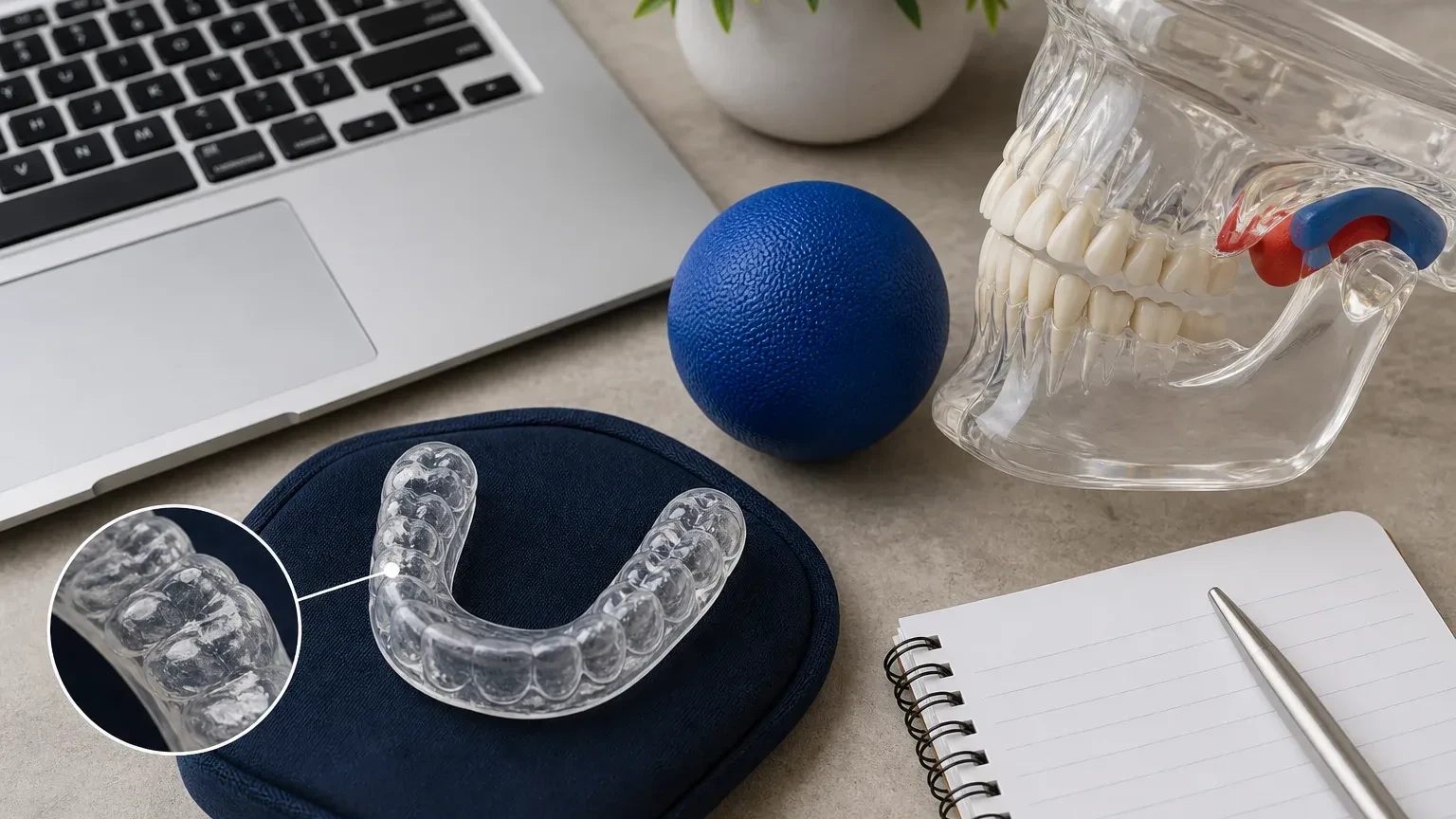
What Causes TMJ Pain?
TMJ pain usually comes from overloaded chewing muscles, irritation inside the jaw joint, or both—often layered with clenching, strain, arthritis, or stress rather than one single villain.
Read article
Can Stress Cause Jaw Pain?
Yes—stress often shows up in the jaw as clenching, grinding, and muscle guarding that leave the face sore, especially through busy weeks and restless nights.
Read article
When Should You See A Dentist For Jaw Clicking?
See a dentist for jaw clicking when it comes with pain, locking, limited opening, swelling, or a changing bite—while painless occasional clicks are often monitored.
Read article