
What Home Remedies Help TMJ Pain?
Soft foods, warm compresses, jaw rest, and gentle stretches often ease mild TMJ flares. Build a cautious home routine and know when to get checked.

Reviewed by Dr. Sean Myran, DMDDoctor of Dental Medicine, University of Pennsylvania
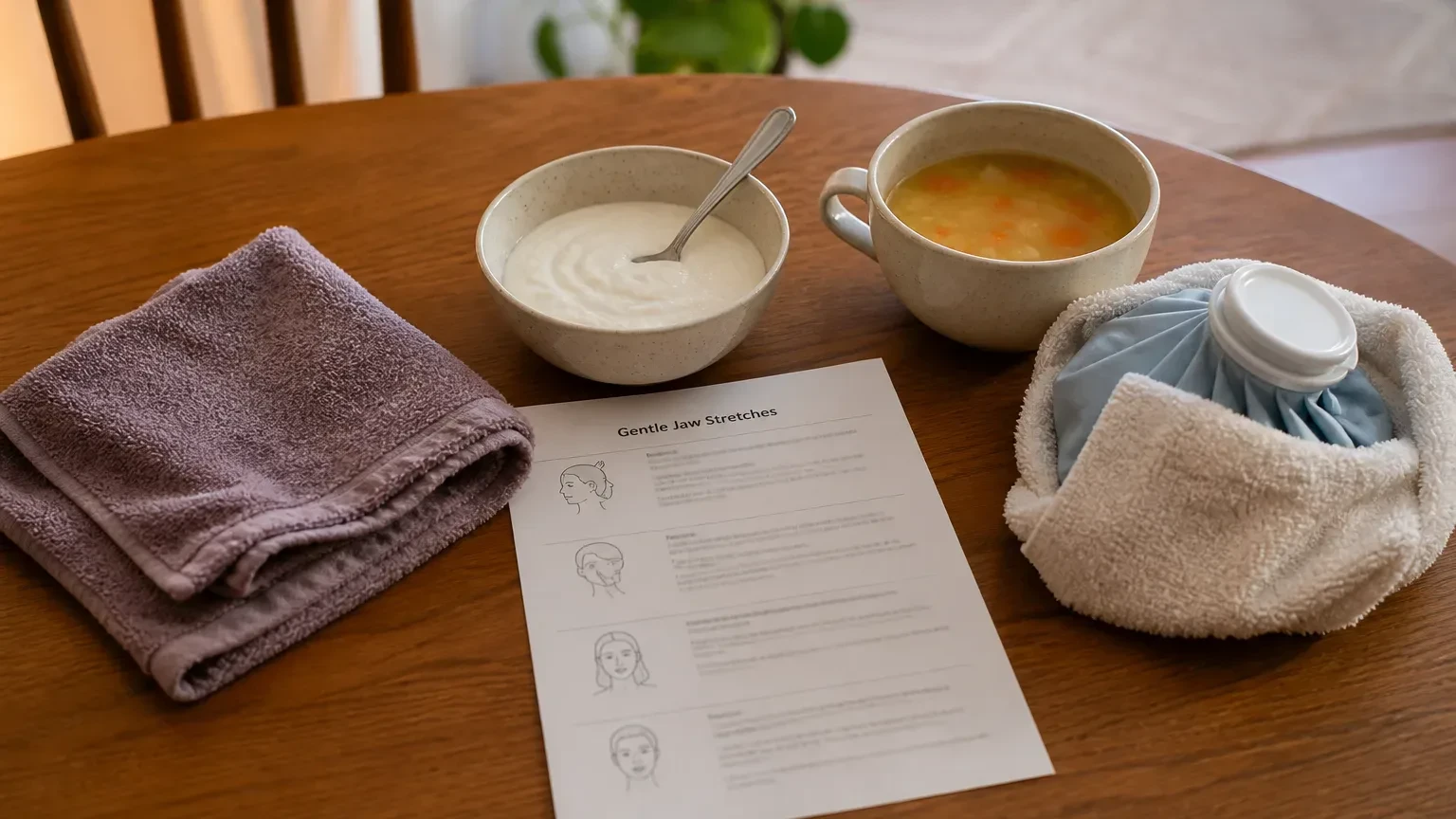
Helpful home remedies for mild TMJ pain usually include eating softer foods, avoiding gum and nail biting, using warm or cold packs as tolerated, keeping teeth apart at rest, and taking short-term over-the-counter pain relievers if your clinician agrees they are safe for you. MouthHealthy summarizes softer foods, heat packs, avoiding gum, and relaxation techniques among simple early steps. Home care supports recovery; it does not replace evaluation when symptoms escalate.
Build a routine rather than a random bag of internet tricks. The goal is to unload irritated muscles and joints for several days, then reintroduce normal chewing gradually. Pair remedies with awareness of stress-driven clenching so you are not icing the jaw while still bracing through every email. Consistency for a week beats a heroic single stretch session.
Hydration and sleep support the same tissues. Dry, fatigued muscles complain louder, and short nights often coincide with heavier grinding. You do not need a perfect wellness overhaul—just fewer late caffeine hits and a pillow height that keeps the neck neutral can make soft-diet days more effective.
A Practical Home-Care Routine
- Morning: note soreness; gentle warm compress if muscles feel tight; soft breakfast; teeth-apart reminder on your mirror.
- Daytime: small bites, cut food, chew bilaterally when comfortable; skip gum; reset shoulders and jaw during screen breaks.
- Medicines: short-term OTC anti-inflammatories or pain relievers only as labeled and as appropriate for your health history.
- Evening: softer dinner; brief compress; light relaxation breathing; ask about night guards if grinding is obvious.
- Movement: only gentle, clinician-approved mobility—not aggressive stretching contests.
NIDCR describes eating soft foods, applying heat or cold, and avoiding extreme jaw movements among self-care ideas. Mayo Clinic also highlights self-care such as heat or ice, avoiding clenching and gum, and practicing a relaxed resting jaw posture.
What to skip: cracking the jaw on purpose, unmonitored “jaw breaker” gadgets, and permanent DIY bite filing. If home care is your whole plan for weeks while opening shrinks, you are past the mild-flare window and should book an exam for painful clicking or limited opening rather than adding another compress flavor.
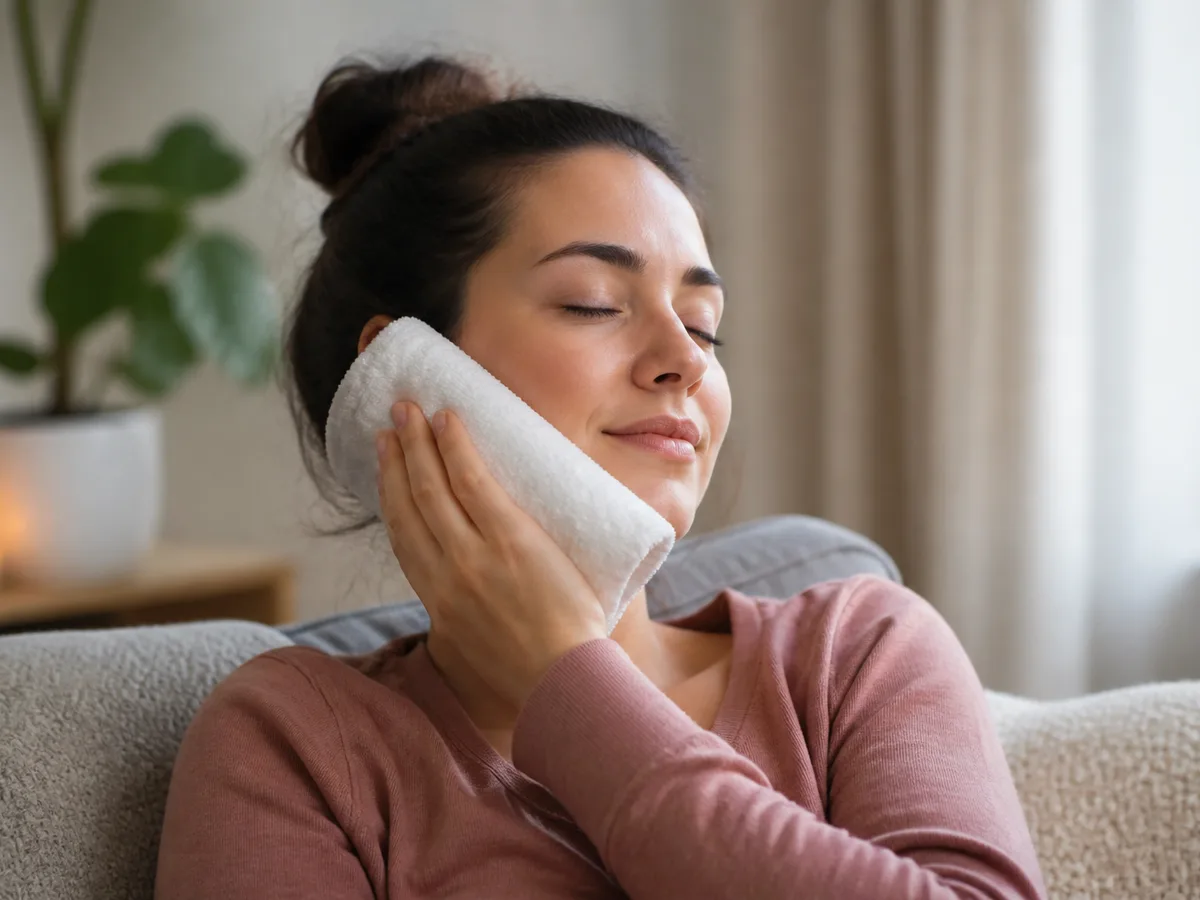 Match temperature to the tissue picture.
Heat for tight muscles; rethink if swelling is hot
Moist heat for ten to fifteen minutes can relax sore chewing muscles before gentle mobility. For a clearly swollen, hot joint after injury, ask whether cold packs make more sense for short intervals. Never fall asleep on a heating pad. Combine compress time with a soft playlist or breathing practice so shoulders drop too—facial muscles rarely calm while the whole upper body stays braced. Stop any routine that increases sharp joint catching.
Maintenance Habits After The Flare Eases
- Keep gum as an occasional choice, not an all-day crutch.
- Protect wide opening at dental visits—ask for bite blocks and breaks.
- Watch posture at desks and phones; forward head positions tire jaw and neck muscles.
- Return gradually to tougher foods rather than celebrating with steak night on day two of feeling better.
 Measure relief; do not endlessly improvise.
A week of notes beats vague memory
Log pain (0–10), diet softness, compress use, and stress spikes for seven days. Patterns show whether remedies are working or whether professional TMJ treatment should take the lead. Bring the log to your visit so recommendations match your real life. For guidance when home care plateaus, use Find a Dentist and mention how long you have tried soft foods and compresses when you schedule. Home remedies are strongest as a measured first chapter—not an endless solo novel.
Soft foods, smart compresses, jaw rest, and clenching awareness help many mild TMJ flares. Use them deliberately, escalate when locking or persistent pain appears, and let professional care refine anything that does not settle within a sensible window.
Related articles
Keep exploring related topics from Dental Country.

What Are TMJ Disorder Symptoms?
Common TMJ disorder symptoms include jaw pain or stiffness, clicking or popping with discomfort, headaches, limited opening, and ache near the ear—patterns that deserve a careful exam when they persist.
Read article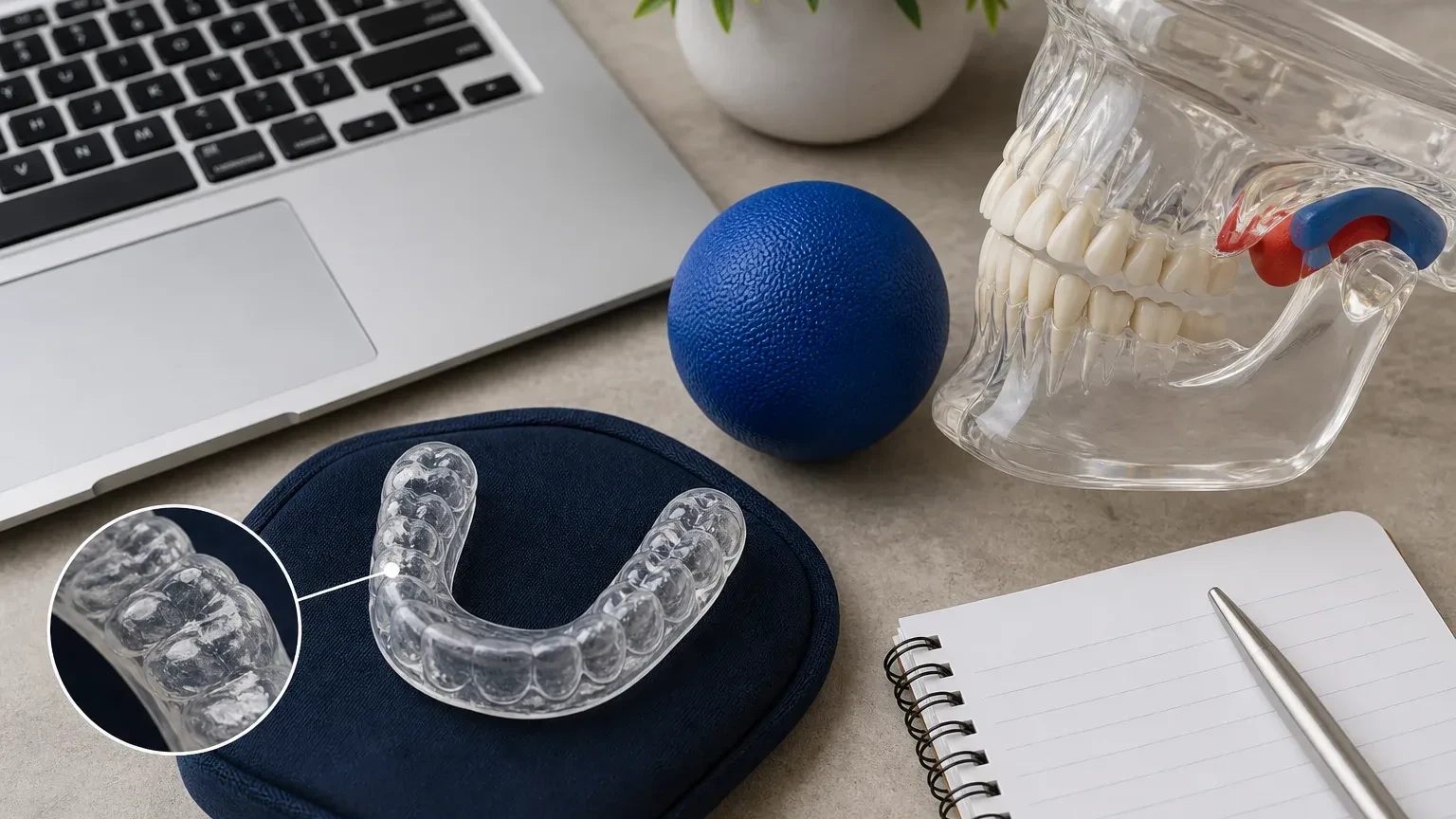
What Causes TMJ Pain?
TMJ pain usually comes from overloaded chewing muscles, irritation inside the jaw joint, or both—often layered with clenching, strain, arthritis, or stress rather than one single villain.
Read article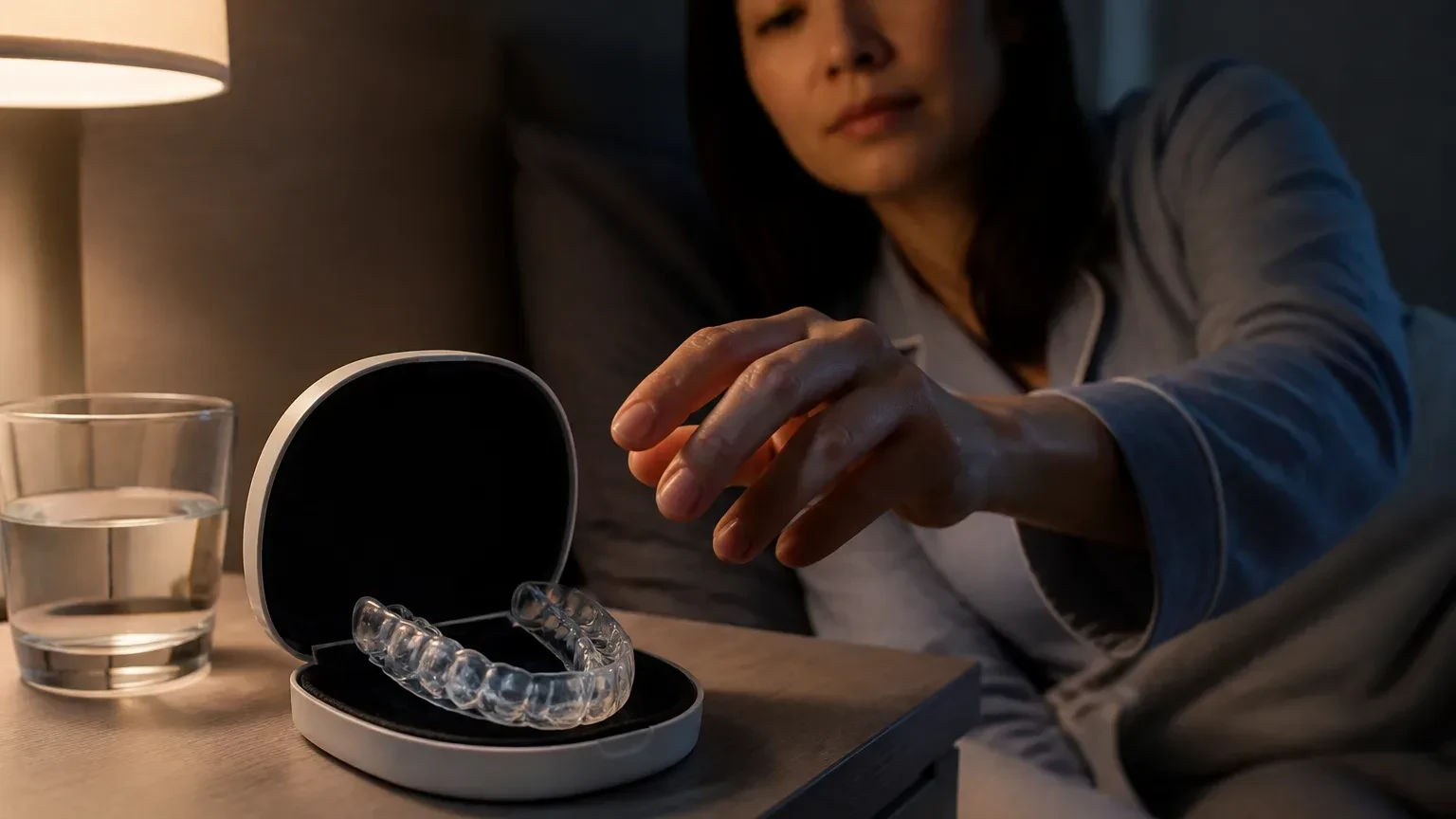
Does A Night Guard Help TMJ?
A well-fitted night guard can reduce tooth wear and ease some clenching-related TMJ muscle pain, yet it will not fix every joint problem and poorly fitted guards can worsen symptoms.
Read article
Can Stress Cause Jaw Pain?
Yes—stress often shows up in the jaw as clenching, grinding, and muscle guarding that leave the face sore, especially through busy weeks and restless nights.
Read article