
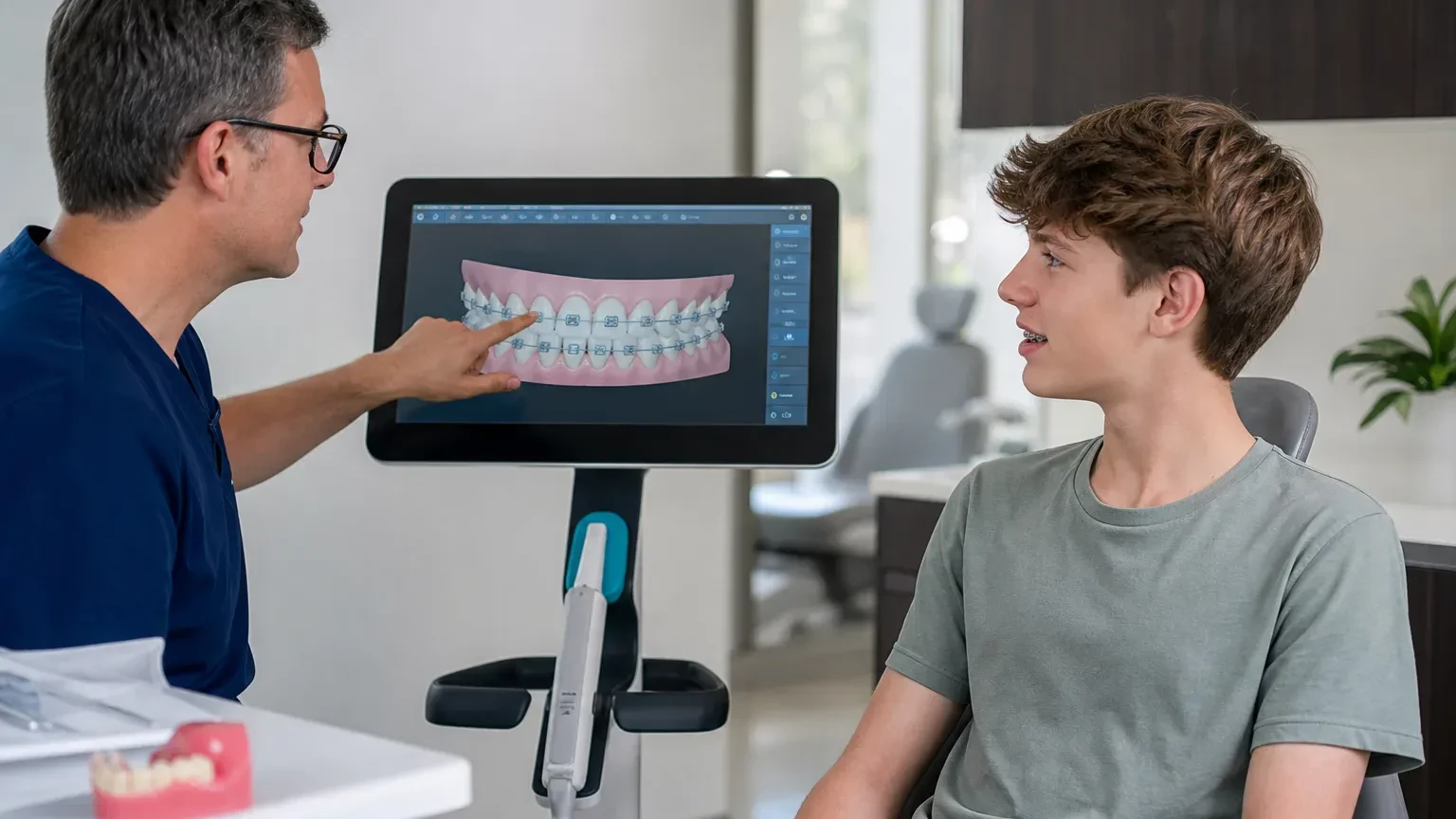
Can Orthodontics Fix TMJ?
Orthodontics can straighten teeth and improve bite fit, but it is not a guaranteed TMJ fix. Learn myths, realistic goals, and when braces are considered.

Reviewed by Dr. Sean Myran, DMDDoctor of Dental Medicine, University of Pennsylvania
Orthodontics can improve how teeth align and how the bite fits together, but it is not a reliable standalone cure for TMJ disorders. Some patients feel better when a harmful bite interference is reduced; others have perfect-looking alignment and still hurt because muscles or joints are the main drivers. NIDCR cautions against treatments that permanently change the teeth or bite when strong evidence is lacking. Myths that “braces fix TMJ” oversell a complex problem.
Start with myths versus facts so expectations stay honest. Acute muscle flares often need rest, habit change, and sometimes an appliance long before anyone discusses moving teeth. If you are already in orthodontic care and jaw symptoms appear, tell the team early rather than powering through wide elastics on a sore joint—context that ties to conservative TMJ treatment first.
Myths Versus Facts
- Myth: “Crooked teeth always cause TMJ.” Fact: many people with crowded teeth never develop TMD; many with TMD have acceptable alignment.
- Myth: “Braces guarantee pain relief.” Fact: pain can persist or, rarely, flare during treatment if joints are irritable.
- Myth: “You should grind teeth down or do full-mouth reconstruction first.” Fact: irreversible bite changes are approached cautiously.
- Myth: “Aligners cannot affect the jaw.” Fact: any bite-changing treatment can alter muscle patterns—monitoring still matters.
MedlinePlus notes that a bad bite or orthodontic braces have been discussed among factors associated with TMJ symptoms, while stressing that causes are often unclear. Association is not the same as proof that moving teeth will erase pain. Mayo Clinic describes TMJ disorders as often multifactorial rather than bite-only problems.
When might orthodontics enter a TMJ-informed plan? After pain is reasonably controlled, if a clearly documented bite problem interferes with function or oral health, and if goals are primarily dental—not a promise to cure joint disease. That sequence respects both orthodontic benefits and TMJ unpredictability. Review TMJ versus TMD wording so you and your clinicians mean the same tissues when you set goals.
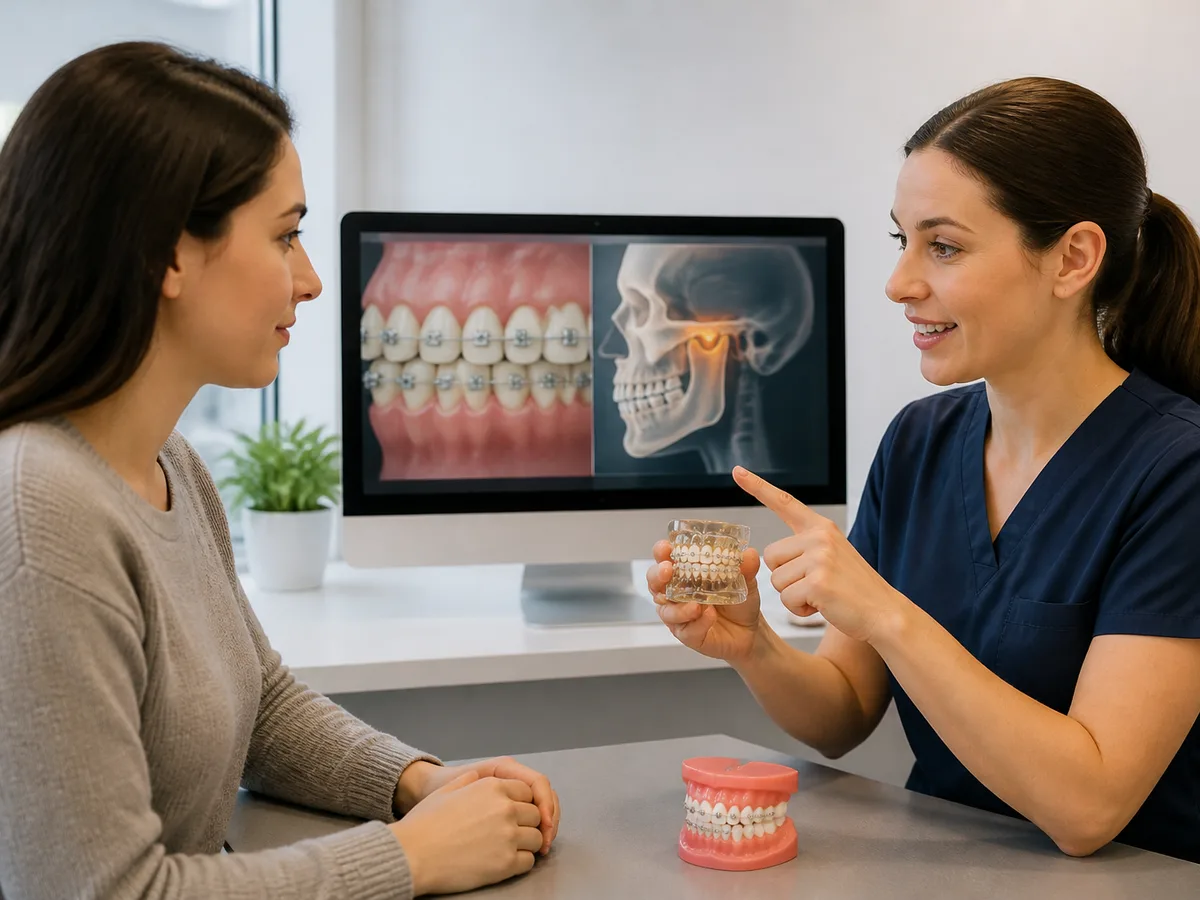 Dental goals and pain goals can differ.
Align teeth for dental reasons first
Ask your orthodontist what problem the appliances are solving: crowding, overjet, open bite, or wear patterns. Then ask separately what is known—and unknown—about symptom change for your joints and muscles. If mornings are dominated by clenching, stabilizing habits or a protective night appliance may belong beside, not instead of, alignment planning. Get second opinions before irreversible enamel reduction marketed mainly as a TMJ cure.
Smarter Questions Before Starting
- Is my current pain stable enough to begin tooth movement?
- How will jaw symptoms be monitored during treatment?
- What reversible TMJ care should happen first?
- What happens if locking appears mid-treatment?
Also clarify whether facial pain might be coming from a tooth or sinus rather than the bite. Toothache, sinus pressure, and muscle trigger points can mimic “bite pain” and lead people toward braces for the wrong reason. A short diagnostic pause—exam, possible bitewing or periapical films, muscle palpation—often saves months of mismatched treatment.
If you already wear aligners or braces and a flare starts, do not silently power through wider elastics or harder chewies. Message the office, describe locking or morning tightness, and ask which short-term modifications protect the joints while alignment continues. Most teams would rather adjust pacing than discover a locked jaw after the next tray jump.
 Cures are claimed carefully—or not at all.
Stabilize comfort, then move teeth if needed
A practical path is triage the joint and muscles, calm the flare, then decide whether orthodontics still serves a clear dental purpose. Bring prior imaging, appliance history, and a symptom timeline to consultations. For coordinated advice from a dentist who will not overpromise a TMJ cure through braces alone, use Find a Dentist and mention both alignment goals and jaw pain when you schedule. Realistic sequencing protects your bite and your joints.
Orthodontics can be valuable dentistry; it is not a guaranteed TMJ fix. Treat pain conservatively first, use braces or aligners for clear bite and alignment goals, and measure jaw comfort as its own outcome.
Related articles
Keep exploring related topics from Dental Country.
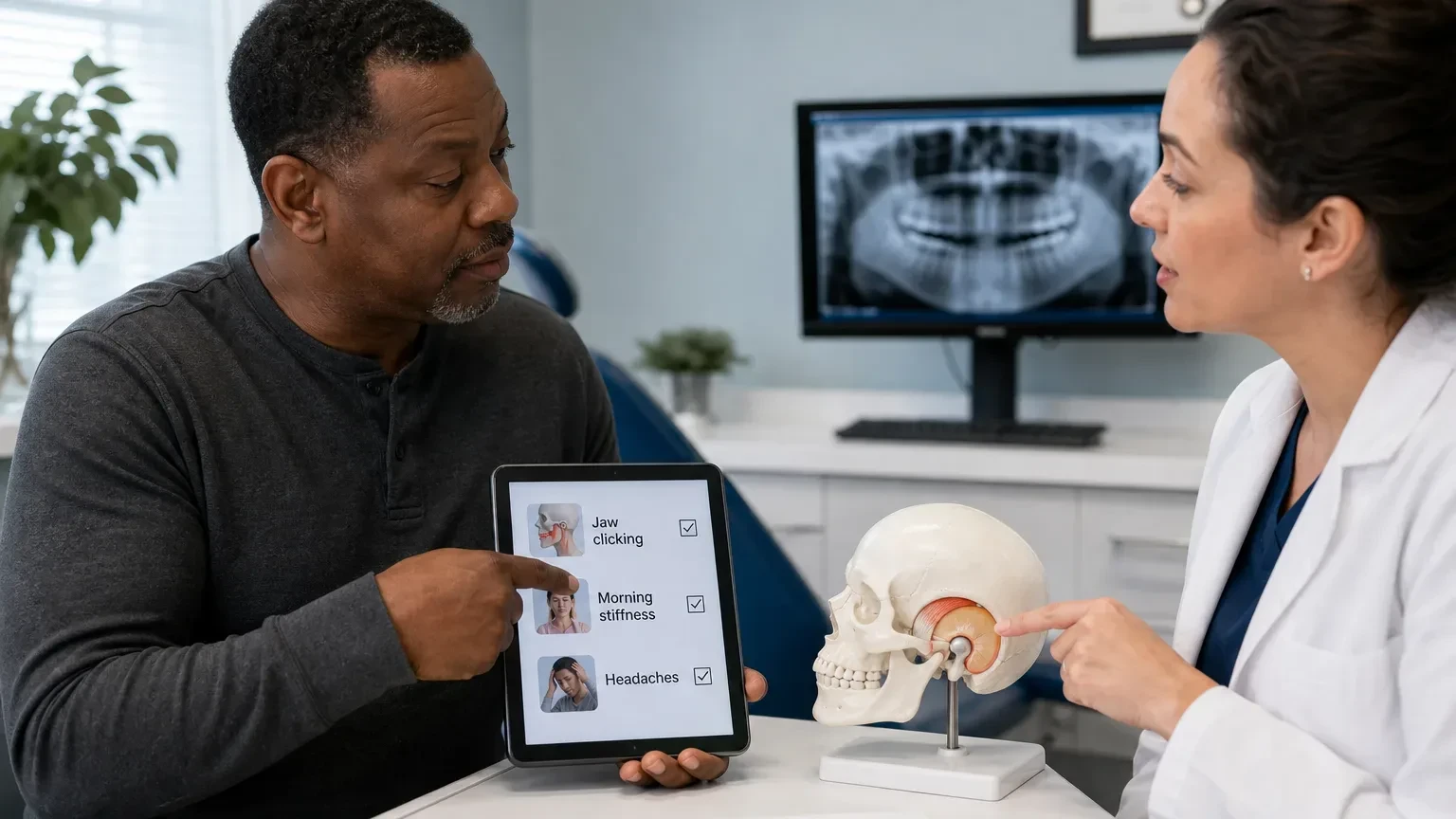
What Are TMJ Disorder Symptoms?
Common TMJ disorder symptoms include jaw pain or stiffness, clicking or popping with discomfort, headaches, limited opening, and ache near the ear—patterns that deserve a careful exam when they persist.
Read article
What Causes TMJ Pain?
TMJ pain usually comes from overloaded chewing muscles, irritation inside the jaw joint, or both—often layered with clenching, strain, arthritis, or stress rather than one single villain.
Read article
Does A Night Guard Help TMJ?
A well-fitted night guard can reduce tooth wear and ease some clenching-related TMJ muscle pain, yet it will not fix every joint problem and poorly fitted guards can worsen symptoms.
Read article
Can Stress Cause Jaw Pain?
Yes—stress often shows up in the jaw as clenching, grinding, and muscle guarding that leave the face sore, especially through busy weeks and restless nights.
Read article