

For Patients
Dental FAQ.
Browse Dental Country FAQ categories for aligners, braces, implants, whitening, gum disease, insurance, and everyday oral care questions.
Categories
Browse by topic
- View All220
- Braces & Traditional Orthodontics11
- Clear Aligners11
- Crowns, Bridges & Restorations11
- Dental Anxiety & First Visits11
- Dental Implants11
- Dental Insurance, Cost & Financing11
- Dentures & Partial Dentures11
- Emergency Dental Care11
- Gum Disease & Periodontics11
- Invisalign vs Alternatives11
- Oral Hygiene & Home Care11
- Oral Surgery & Sedation11
- Pediatric Dentistry11
- Preventive Care & Cleanings11
- Root Canals & Endodontics11
- Sleep Apnea & Oral Appliances11
- Teeth Whitening11
- TMJ, Bite & Jaw Pain11
- Tooth Extraction & Wisdom Teeth11
- Veneers & Cosmetic Dentistry11
All Dental FAQ articles (Page 7)
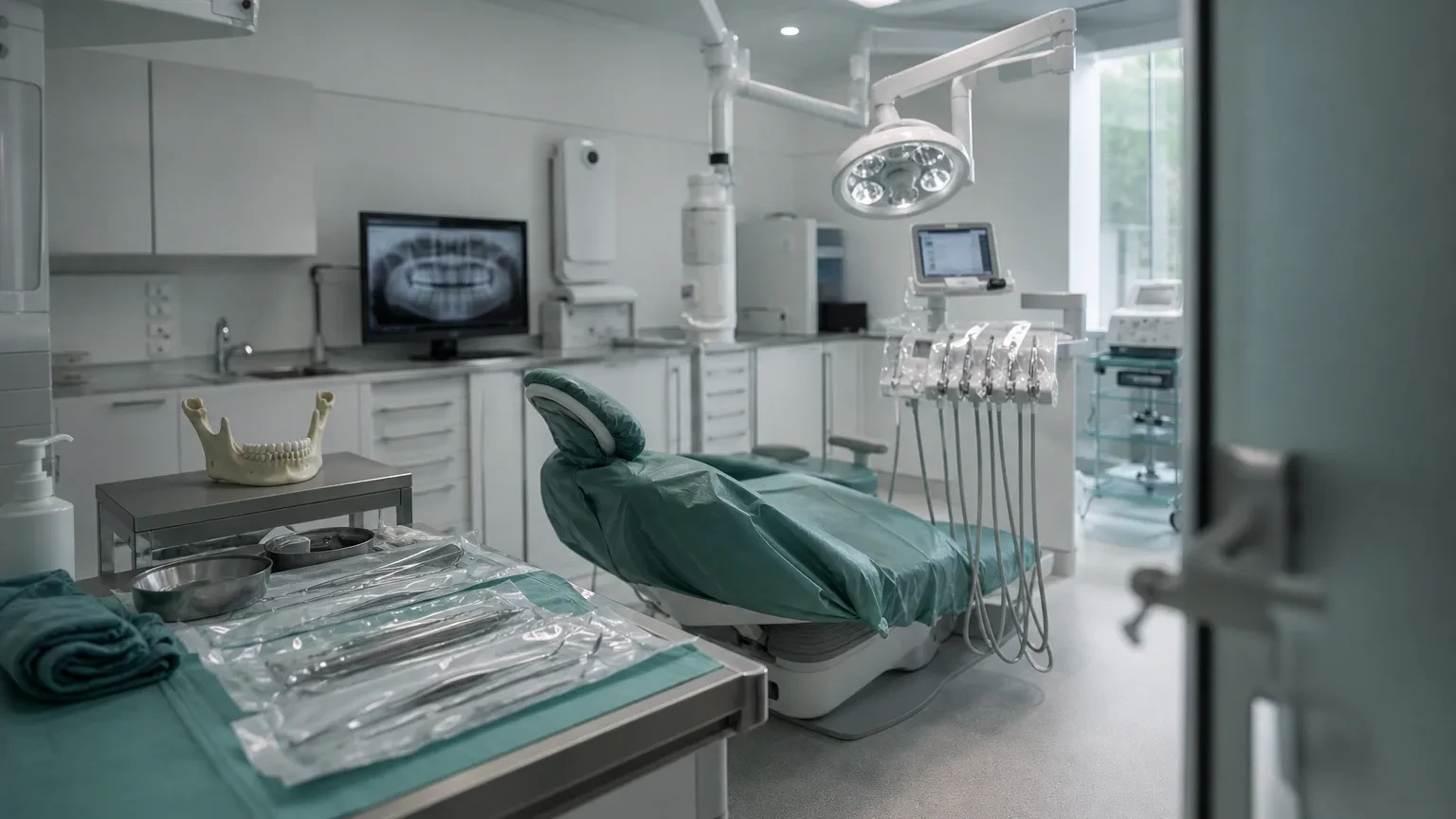
What Is Oral Surgery In Dentistry?
Oral surgery in dentistry means procedures on the teeth, gums, jaws, and related tissues—from extractions and implants to biopsies—done by general dentists or oral surgeons depending on complexity.

How Do You Prepare For Oral Surgery?
Preparing for oral surgery means finishing paperwork and medical disclosures early, following fasting and medicine instructions, arranging an escort, and setting up a soft-food recovery space at home.
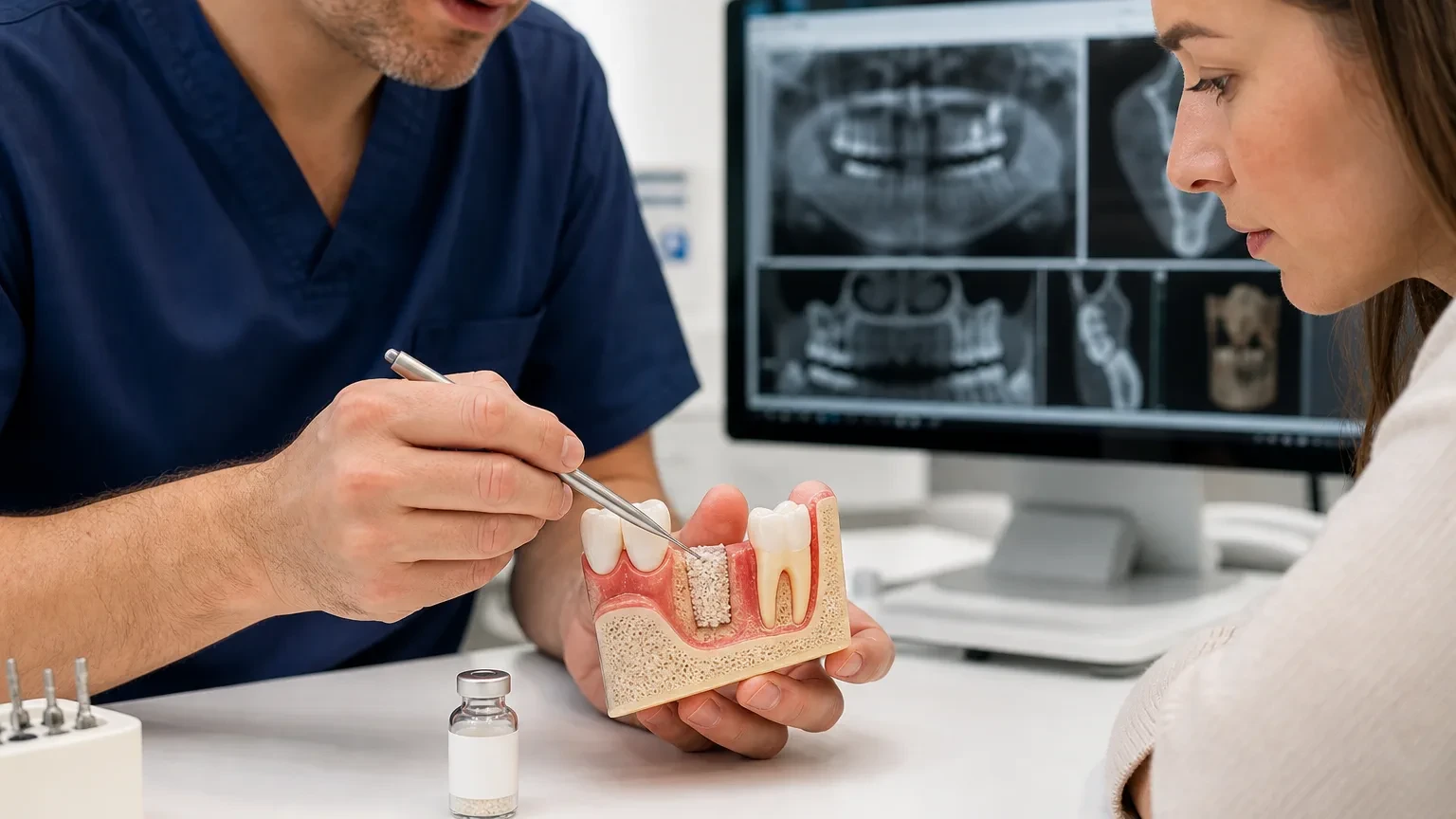
What Is A Dental Bone Graft?
A dental bone graft places bone or bone-substitute material to rebuild or preserve jawbone—often after extraction or before implants—with healing measured in months, not days.

How Painful Is Oral Surgery Recovery?
Oral surgery recovery discomfort is usually strongest for one to three days and then improves with medicine, ice, and rest—while rising pain after day three deserves a prompt call.
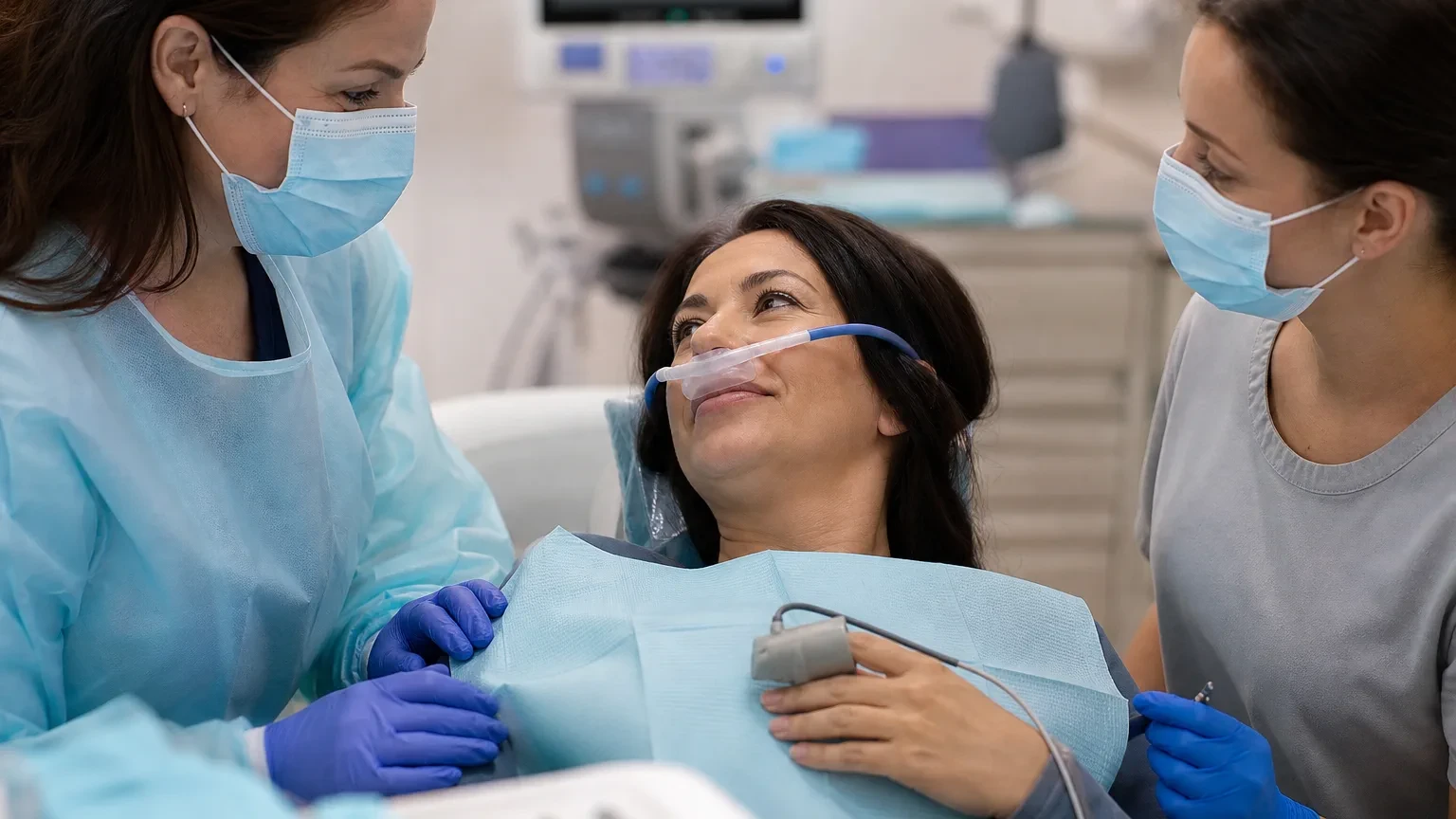
What Is Conscious Sedation At The Dentist?
Conscious sedation at the dentist means you are calmed with medicine yet remain arousable and able to respond—deeper than nitrous alone for some people, but not the same as general anesthesia.
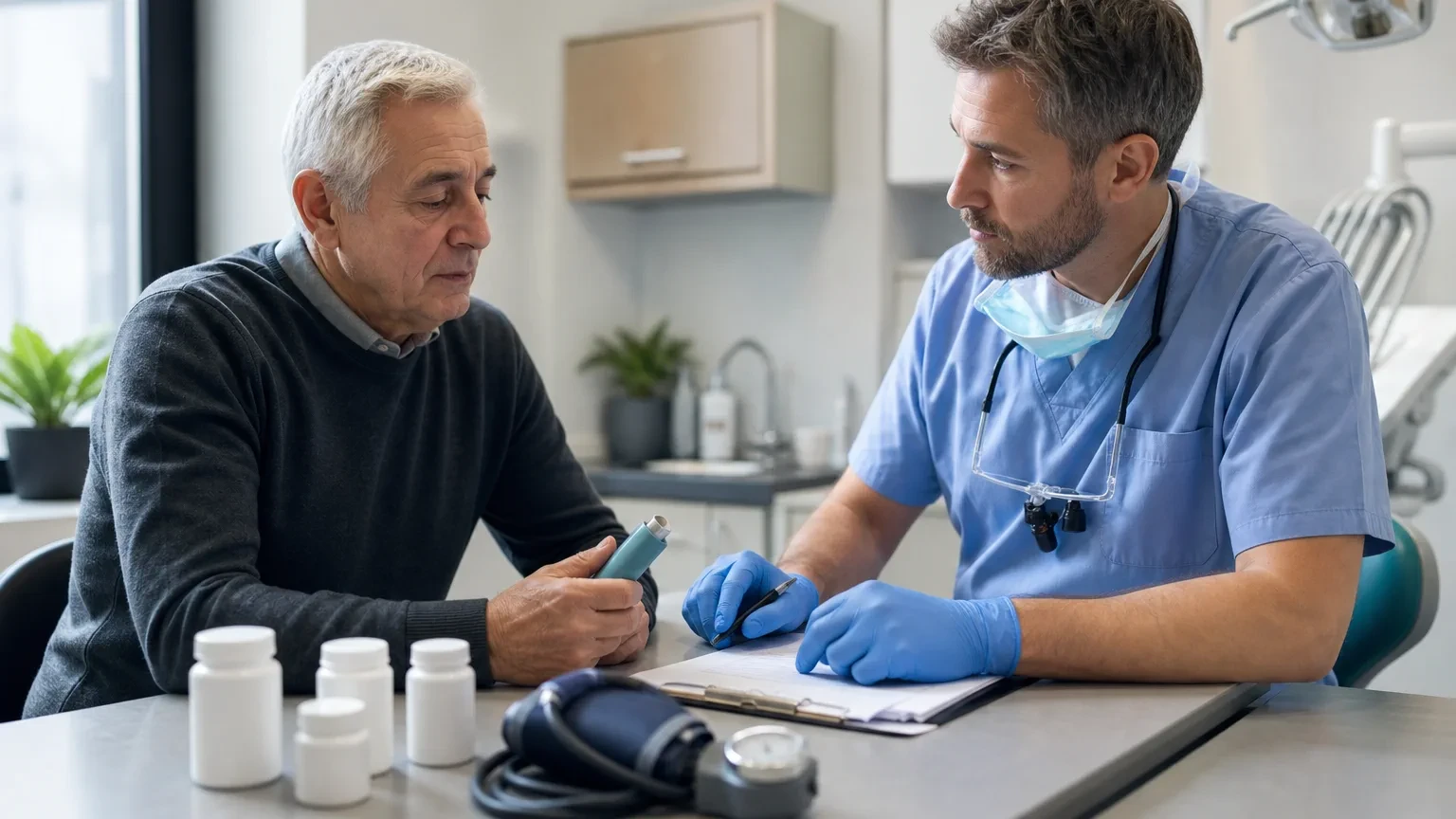
Who Should Not Get Dental Sedation?
People with certain heart, lung, airway, pregnancy, or drug-interaction risks may need delayed, lighter, or hospital-based dental sedation—screening exists to catch those limits before medicine is given.

How Long Does Dental Sedation Last?
Dental sedation duration depends on the method: nitrous usually clears quickly, while oral or IV medicines can affect alertness for hours—so plan rest, an escort, and a quiet routine afterward.
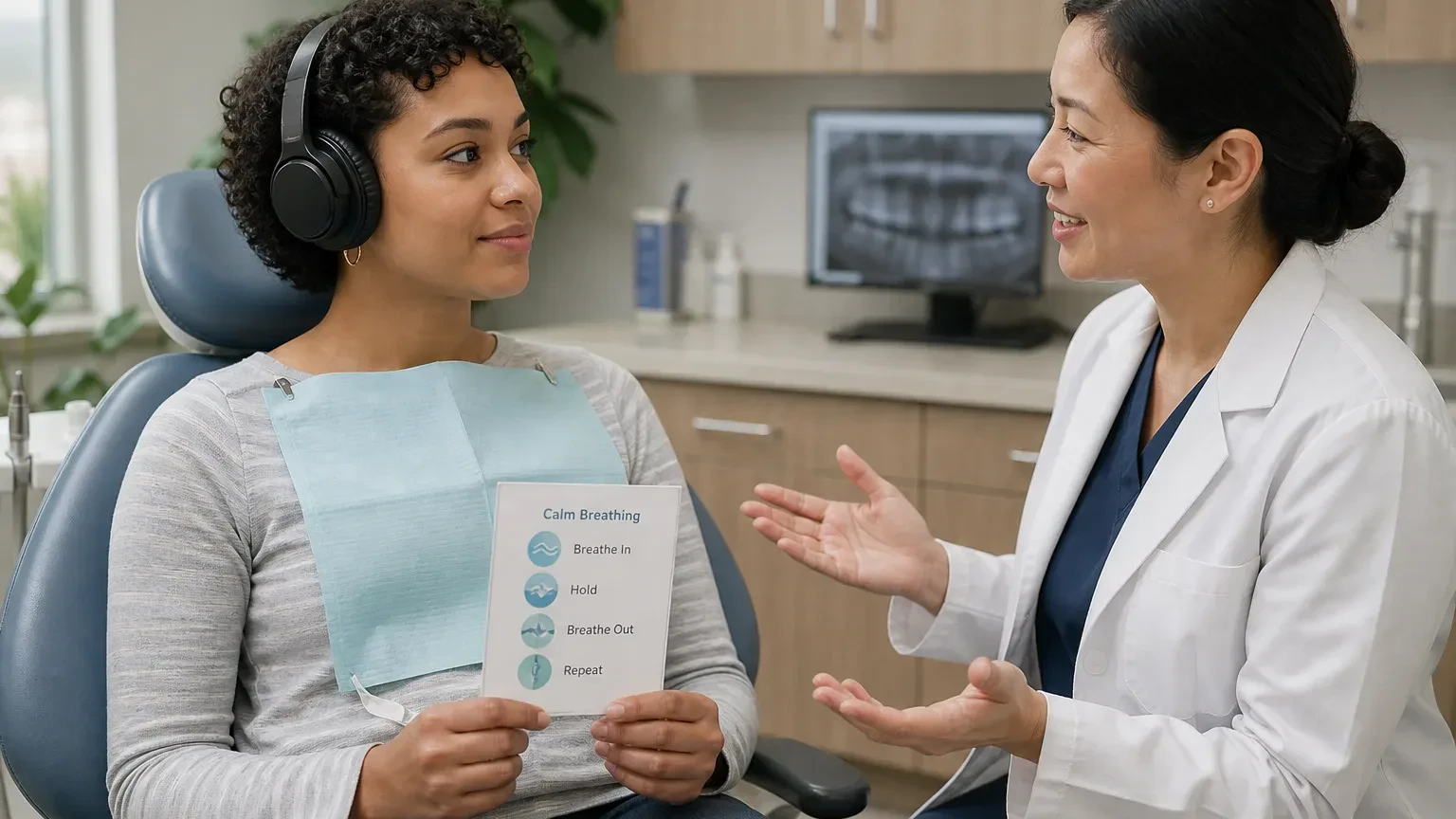
How Do You Calm Dental Anxiety?
You calm dental anxiety by naming triggers, telling the dental team early, pacing the visit with a stop signal, and pairing breathing or distraction with honest pain-control questions—progress counts more than feeling pe
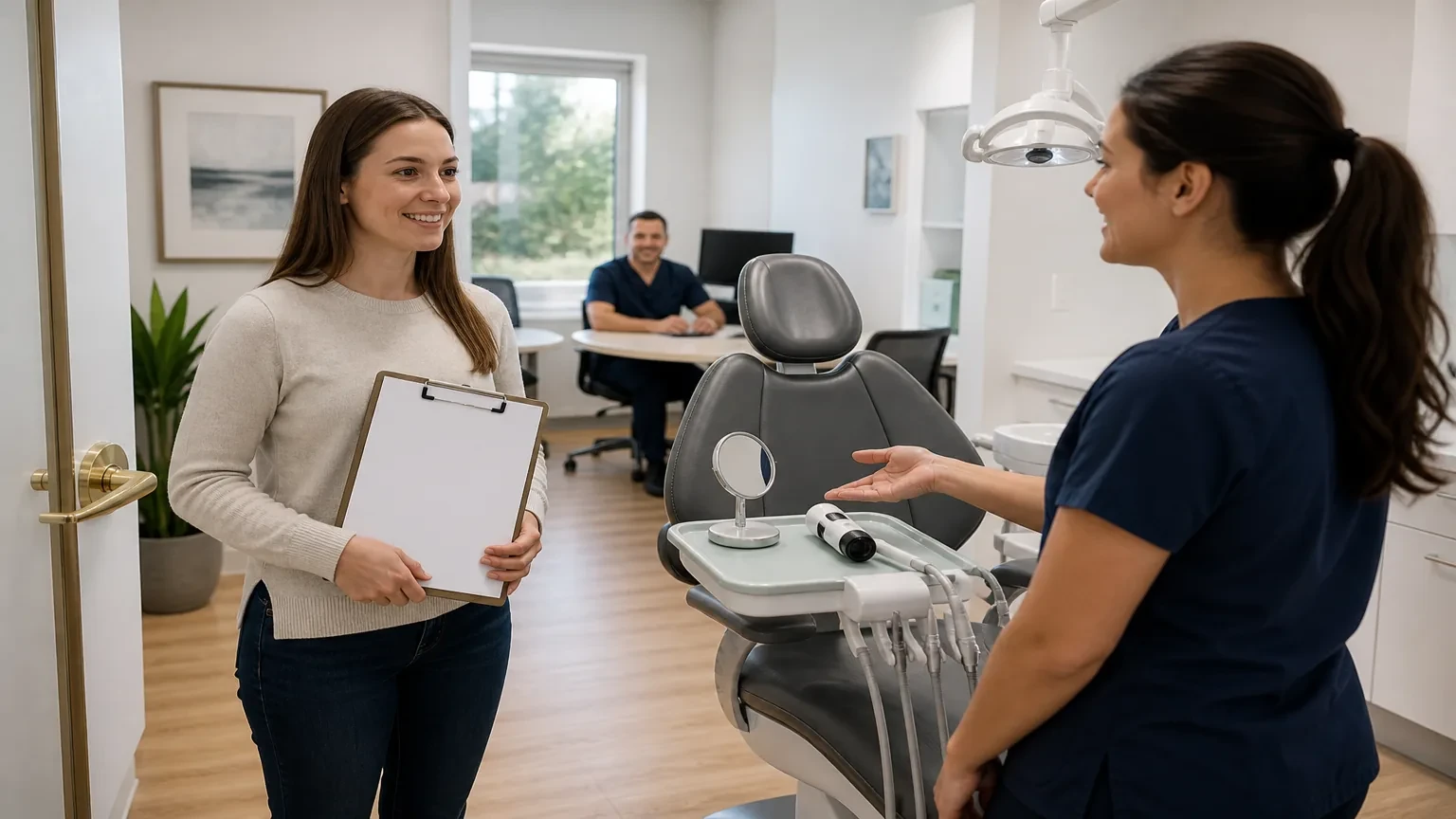
What Happens At A First Dental Visit?
Most first dental visits move from paperwork and conversation to an exam, possible imaging, and a written plan—treatment can often wait until you understand options and feel ready.
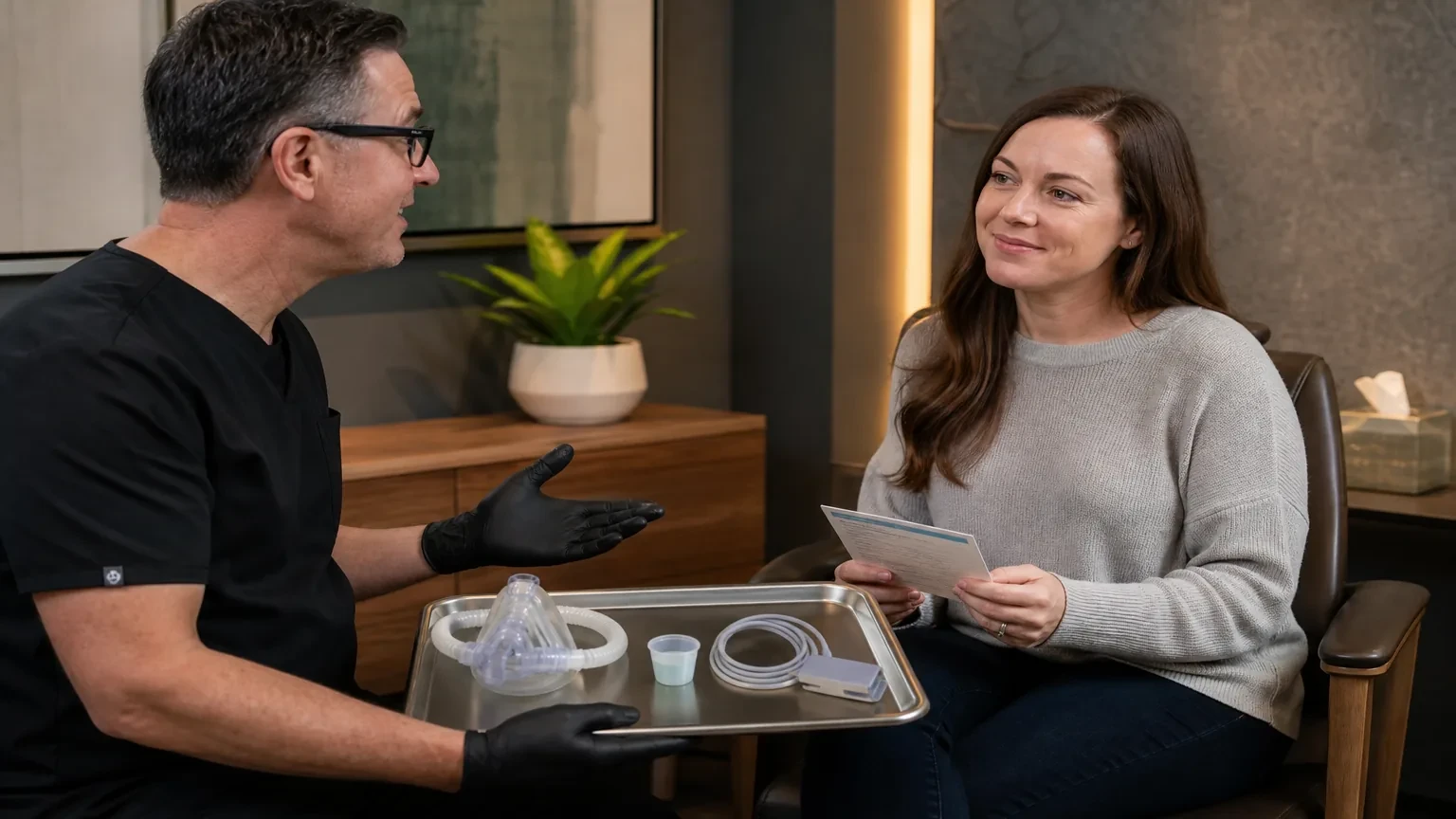
Can You Ask For Sedation If You Are Afraid Of The Dentist?
Asking for sedation when you fear the dentist is appropriate; offices may offer nitrous, oral medicine, or IV options after screening—sedation is a tool, not a character judgment.
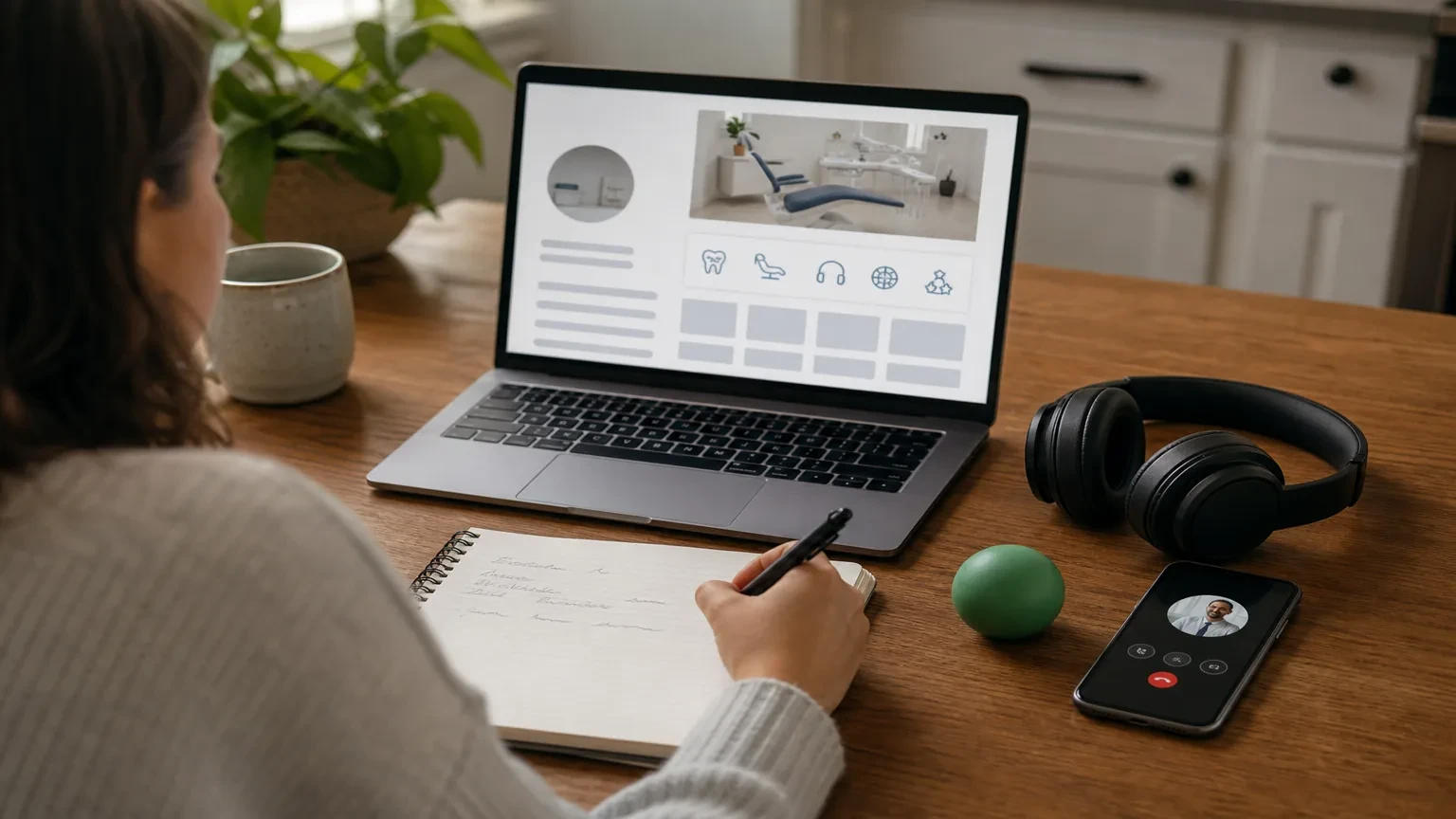
How Do You Find A Dentist For Anxious Patients?
Finding a dentist for anxious patients means prioritizing how the office listens and paces care—comfort options matter, but respectful communication is the first filter.

Why Do People Fear The Dentist?
Dental fear usually comes from past pain, feeling powerless, embarrassment, cost stress, or intense sensory cues—understanding the cause helps you pick tools that fit instead of blaming yourself.

What Questions Should You Ask A New Dentist?
The best questions for a new dentist cover how visits are paced, how pain and anxiety are handled, what treatment will cost and take, and what can wait—clarity reduces fear.
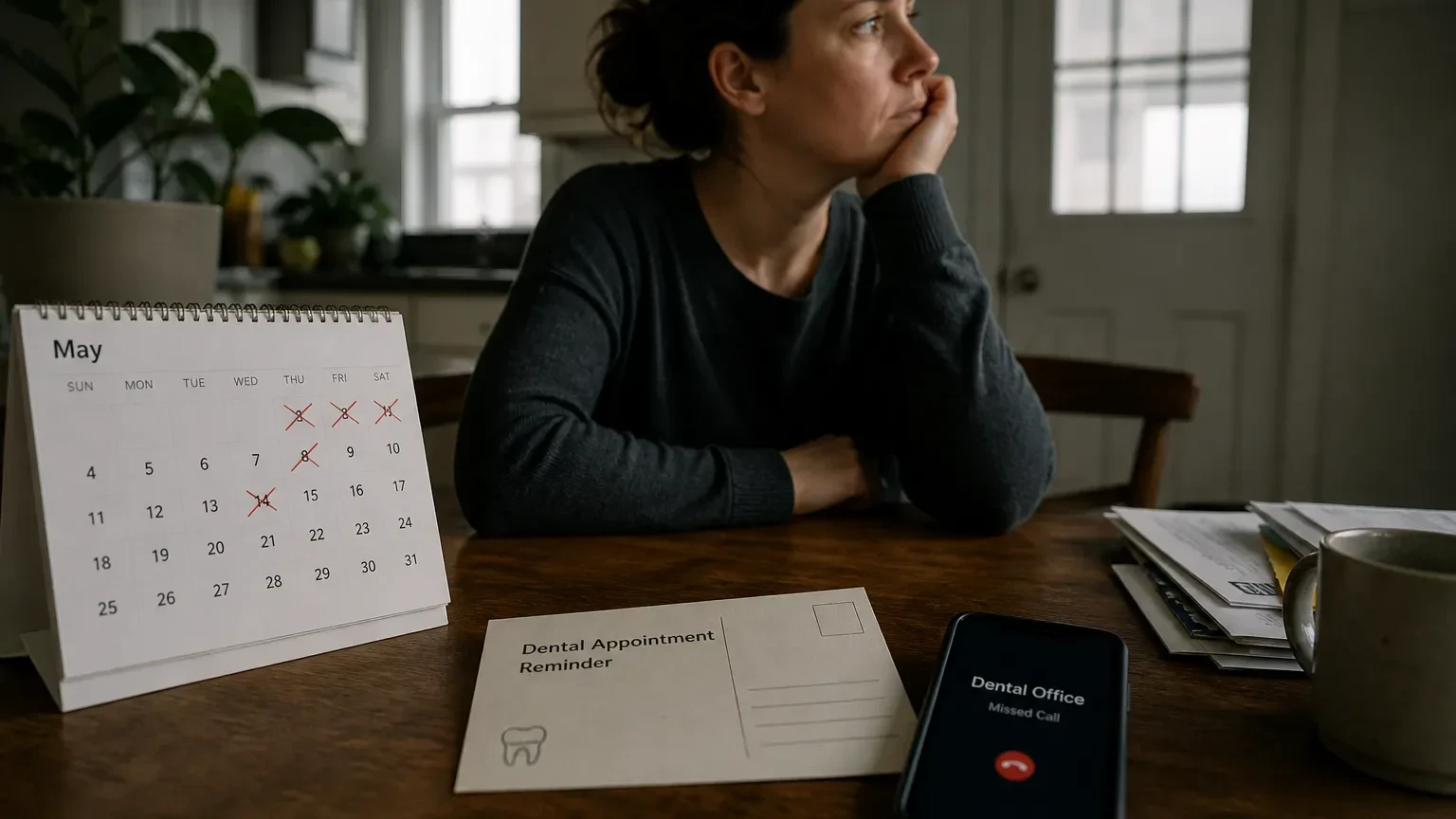
Can Dental Anxiety Get Worse Over Time?
Dental anxiety can worsen over time when skipped visits, growing dental needs, and dread feed each other—but earlier, gentler contact and support can interrupt that loop.
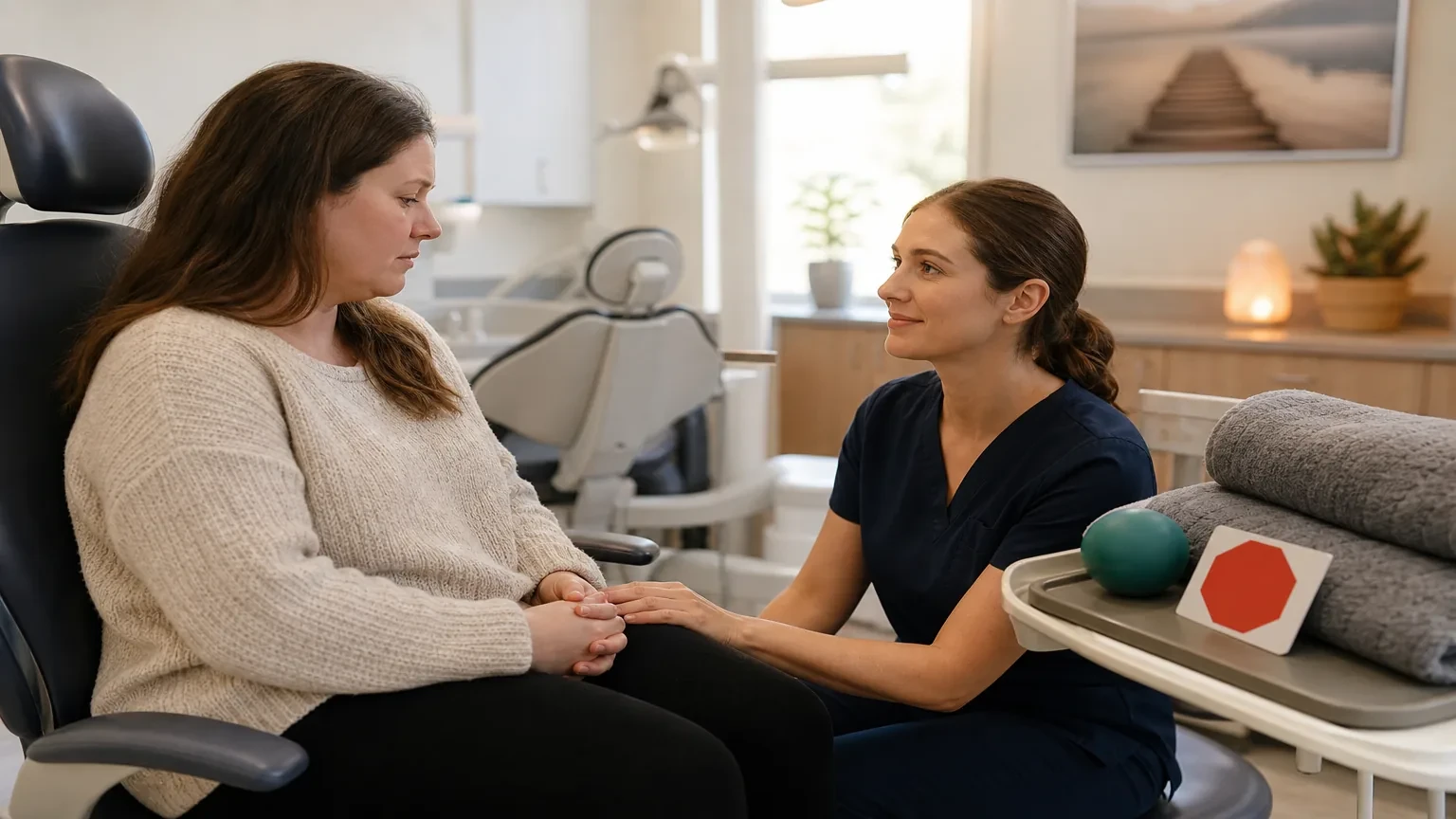
Are There Dentists Who Specialize In Fearful Patients?
Yes—many dentists intentionally welcome fearful patients with communication-focused care, comfort tools, and sometimes sedation; “specialize” can mean different training levels, so ask what that looks like in practice.
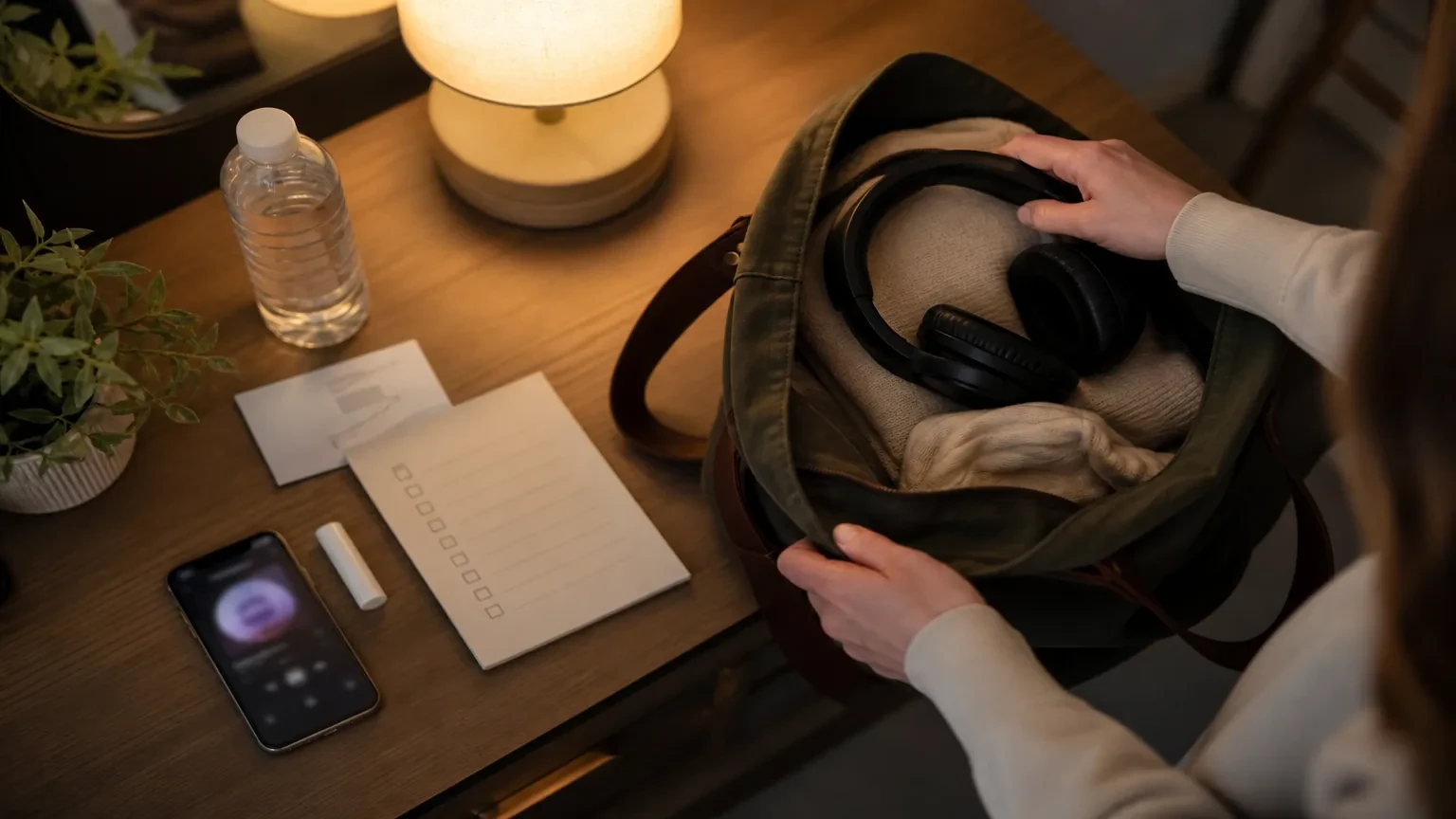
How Do You Prepare For A Dental Appointment If You Are Nervous?
Preparing for a dental appointment when you are nervous means packing comfort tools, telling the office early, planning transport and timing, and knowing which pain or anxiety signs need sooner care.
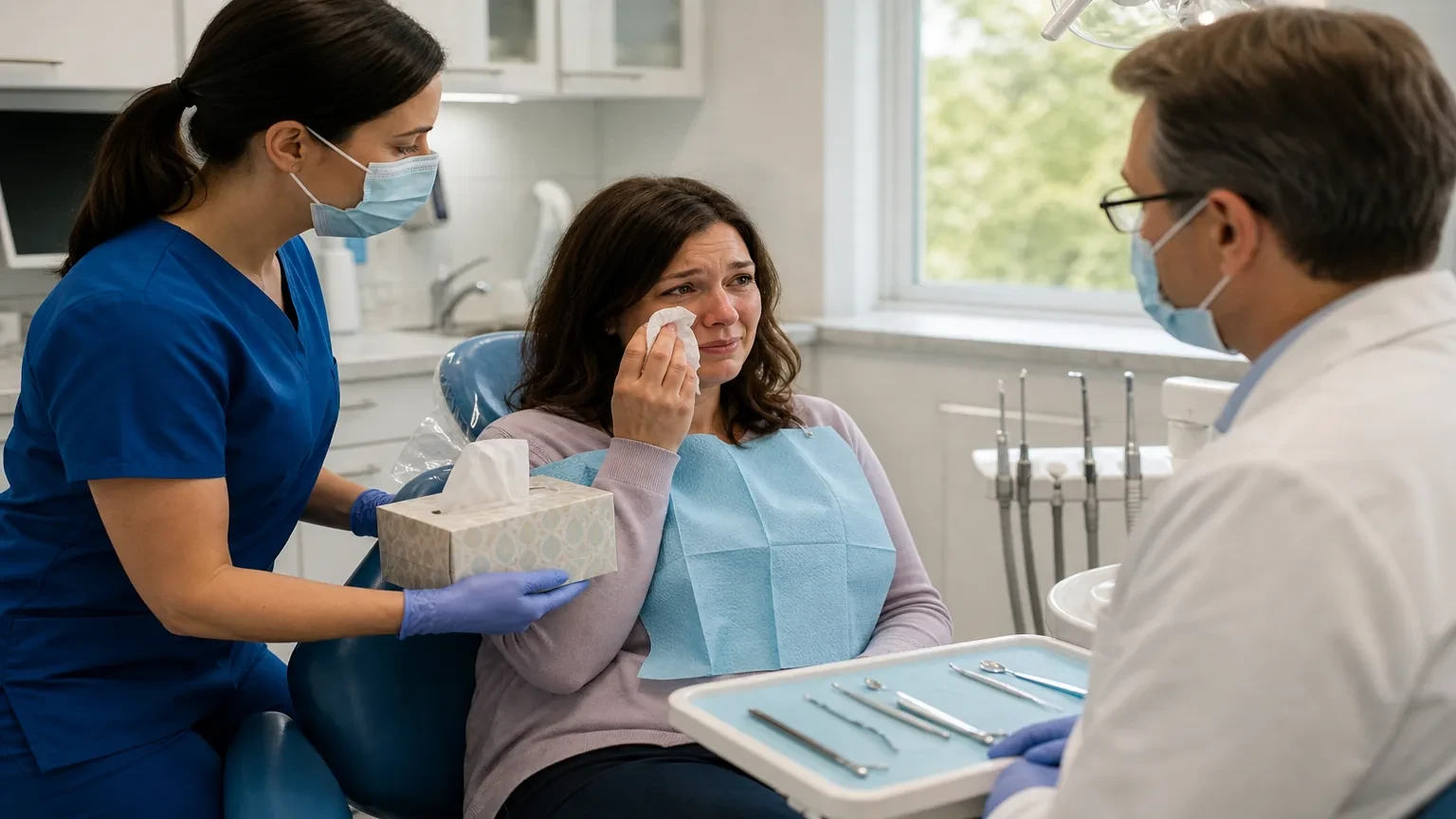
Is It Normal To Cry At The Dentist?
Crying at the dentist is a normal stress response for many people; tears do not mean you failed. Kind pacing, a pause, and clear communication usually help more than apologizing.

Can Children Have Dental Anxiety?
Yes—children can have dental anxiety ranging from mild nerves to lasting fear; gentle preparation, behavior guidance, and paced visits help many kids build safer experiences over time.
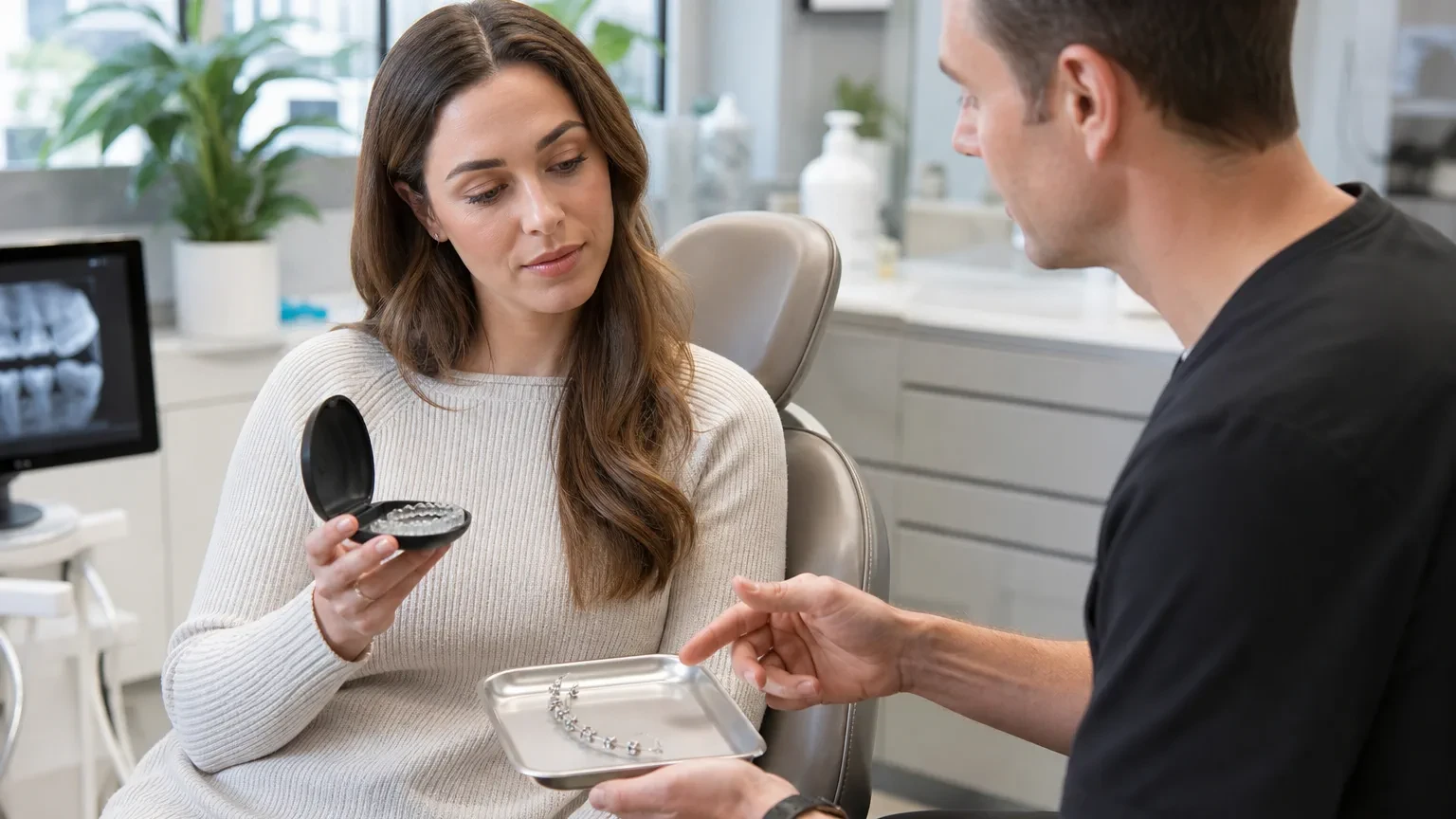
Invisalign Vs Braces: Which Is Right For Me?
Invisalign is one clear-aligner brand; braces are fixed appliances. The better option depends on your bite, compliance, hygiene habits, and what your orthodontist can predictably move—not on which ad looks cleaner.
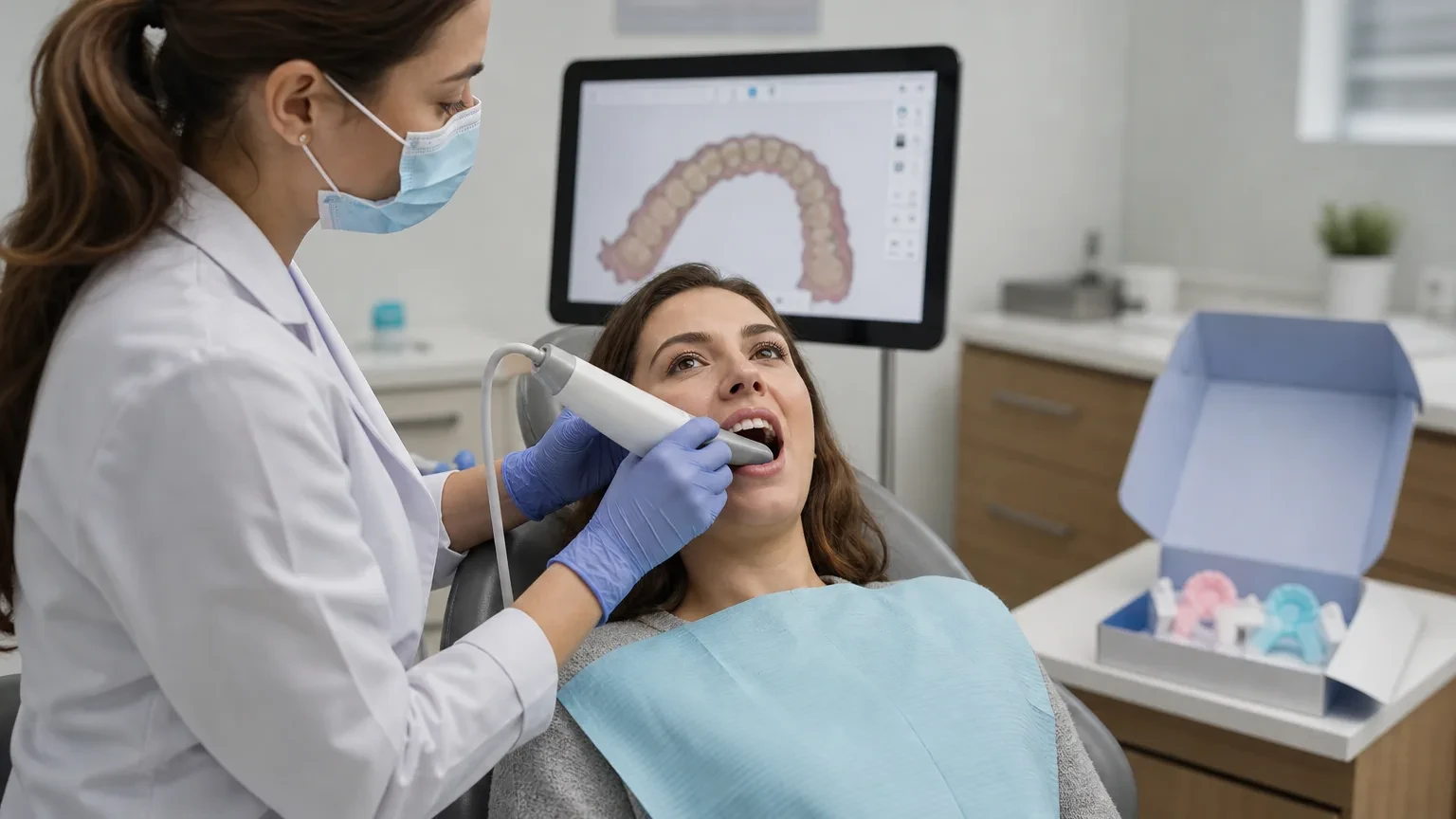
Invisalign Vs SmileDirectClub: What's The Difference?
Invisalign care is typically planned and monitored in a dental or orthodontic office; SmileDirectClub was a direct-to-consumer aligner model with remote oversight. The difference that matters most is clinical examination

Invisalign Vs Ceramic Braces: Which Looks Better?
“Looks better” depends on distance, lighting, attachments, and how your case moves. Invisalign trays and ceramic braces both aim for discretion, yet they hide hardware in different ways—and neither is purely cosmetic.
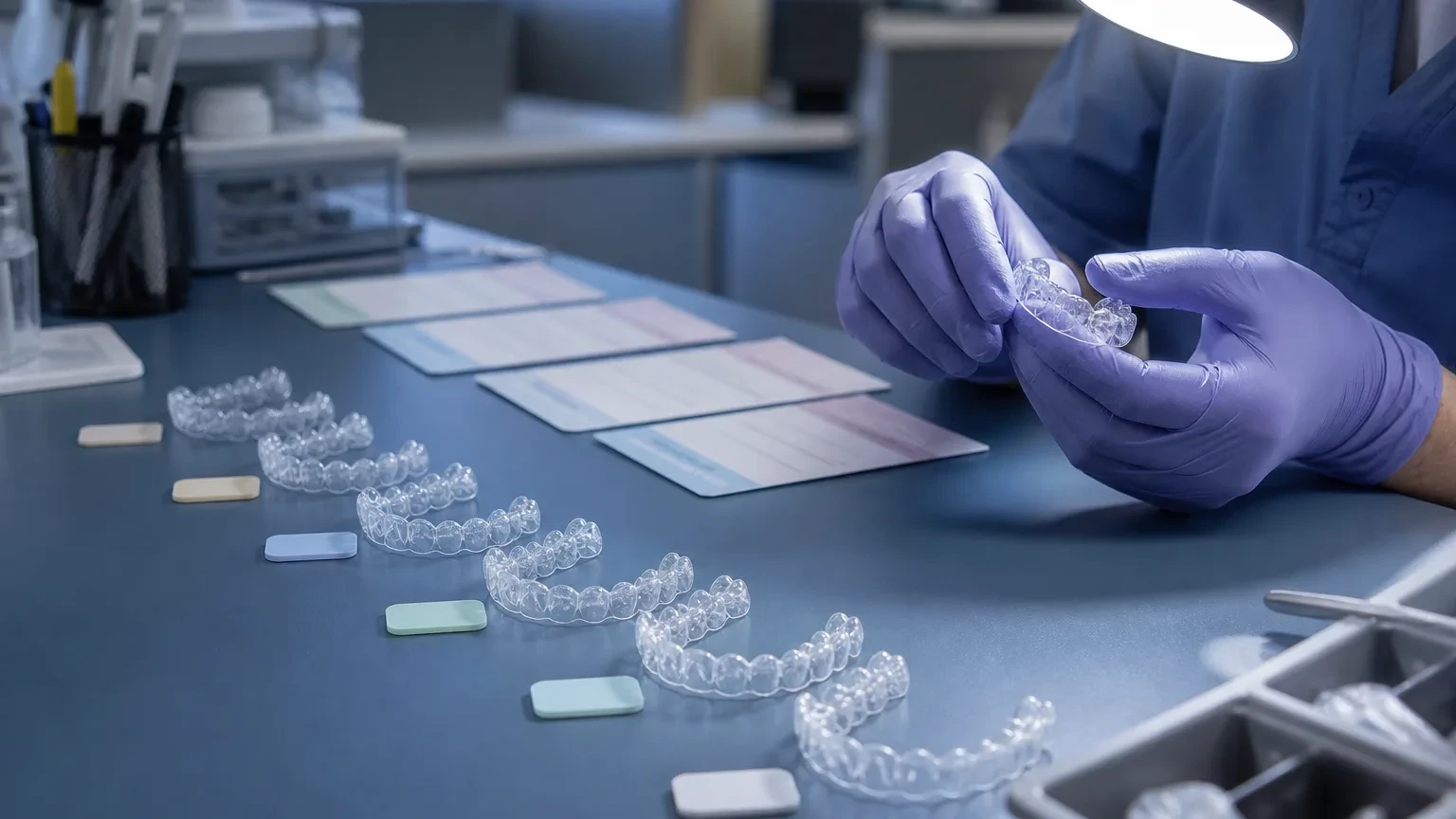
What Are Invisalign Refinements?
Invisalign refinements are additional trays ordered after a progress check when teeth have not fully reached the planned positions. They are common in supervised care and do not automatically mean treatment failed.
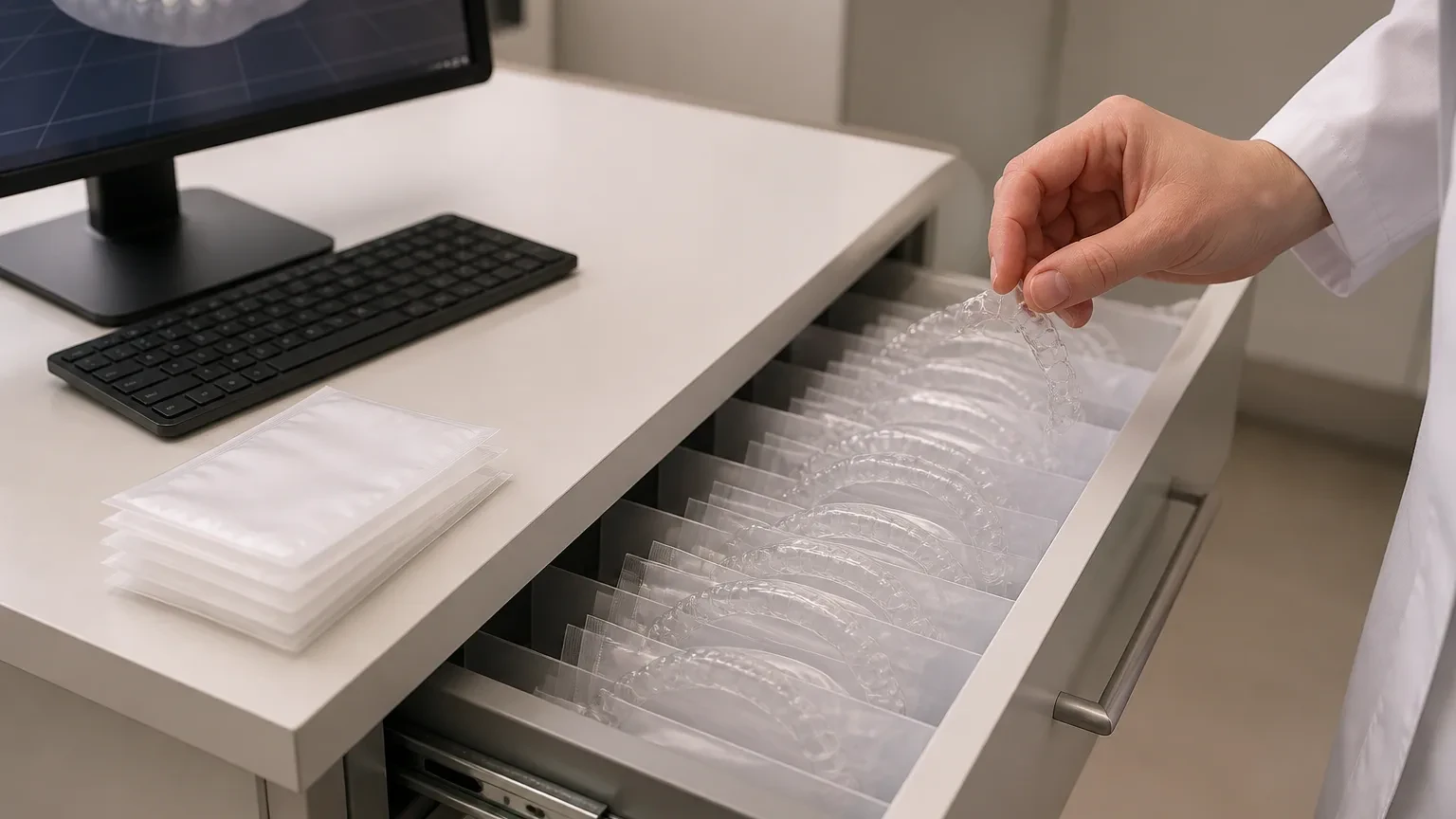
Invisalign Express Vs Comprehensive: What's The Difference?
Express-style Invisalign packages are aimed at shorter, limited movements; Comprehensive covers a wider range of tooth and bite changes. The label matters less than whether your diagnosis fits the package limits.
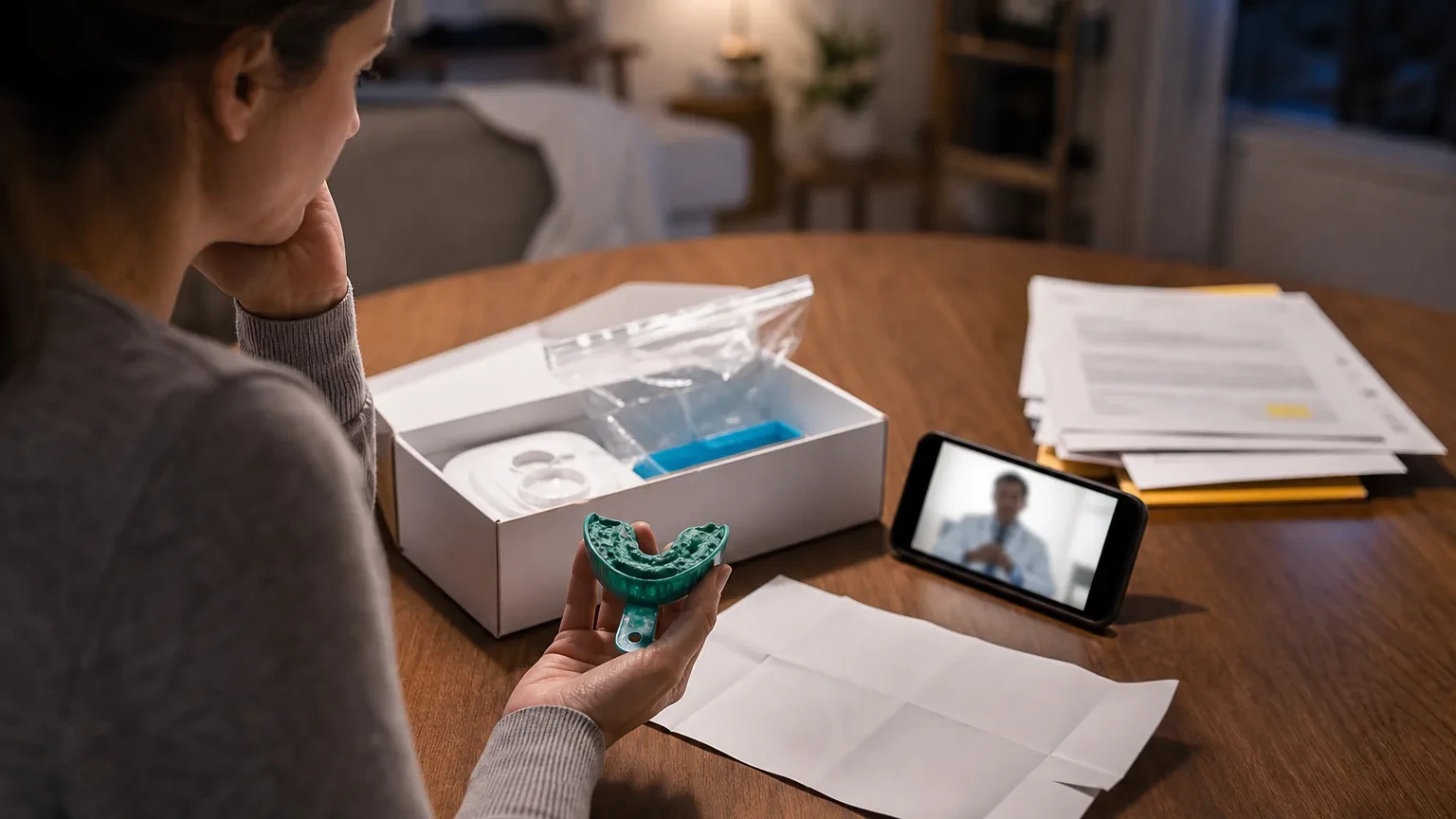
At-Home Aligners Vs Invisalign: Is The Cheaper Option Safe?
Cheaper at-home aligners are not automatically “safe Invisalign without visits.” Safety hinges on diagnosis, X-rays when needed, gum health, and who can intervene if teeth are not tracking—price is only one variable.
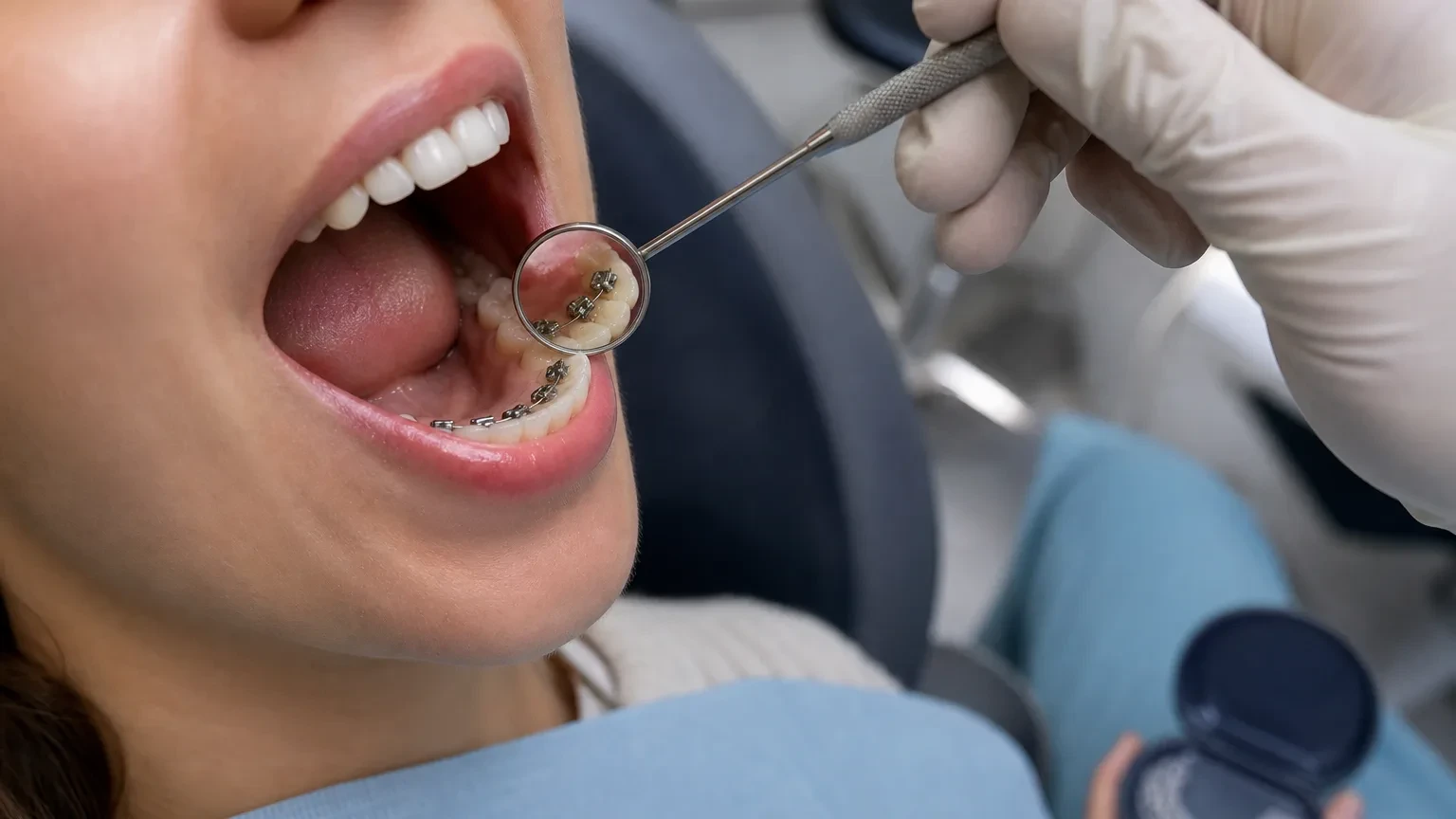
Lingual Braces Vs Invisalign: Which Is More Discreet?
Lingual braces hide brackets behind the teeth; Invisalign uses clear removable trays. Discretion depends on speech demands, attachments, case type, and how closely people see your smile—not on a single winner for every p

How Do You Choose Between Invisalign And Braces?
You choose between Invisalign brand aligners and braces by matching needed tooth movements to an appliance you will actually use—then confirming candidacy with records, not a quiz result.
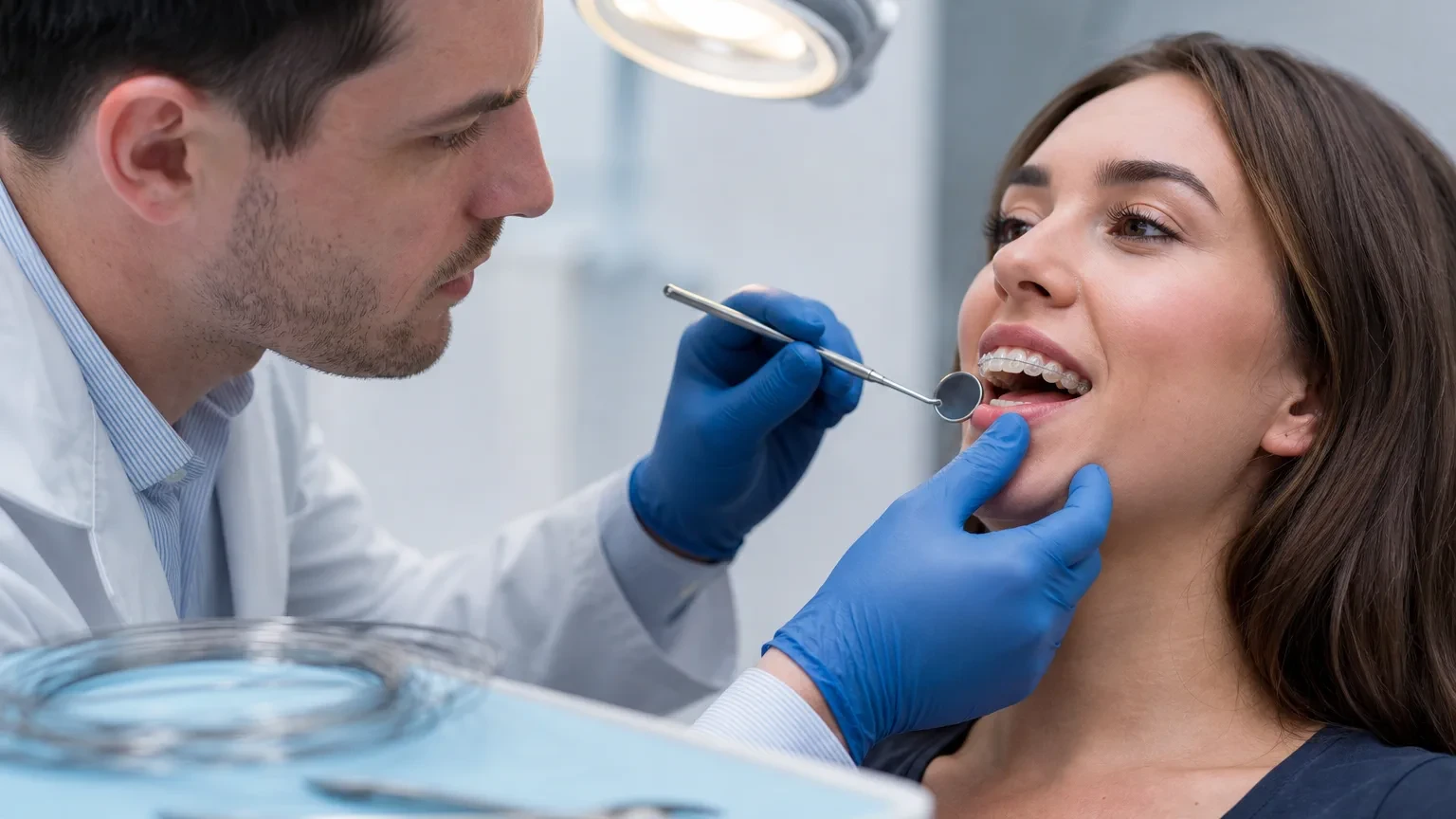
Does Invisalign Work As Well As Braces?
Invisalign can work as well as braces when the needed movements fit aligner mechanics and you wear trays as directed. For some complex bites, braces remain more predictable—so “as well” is case-specific, not universal.
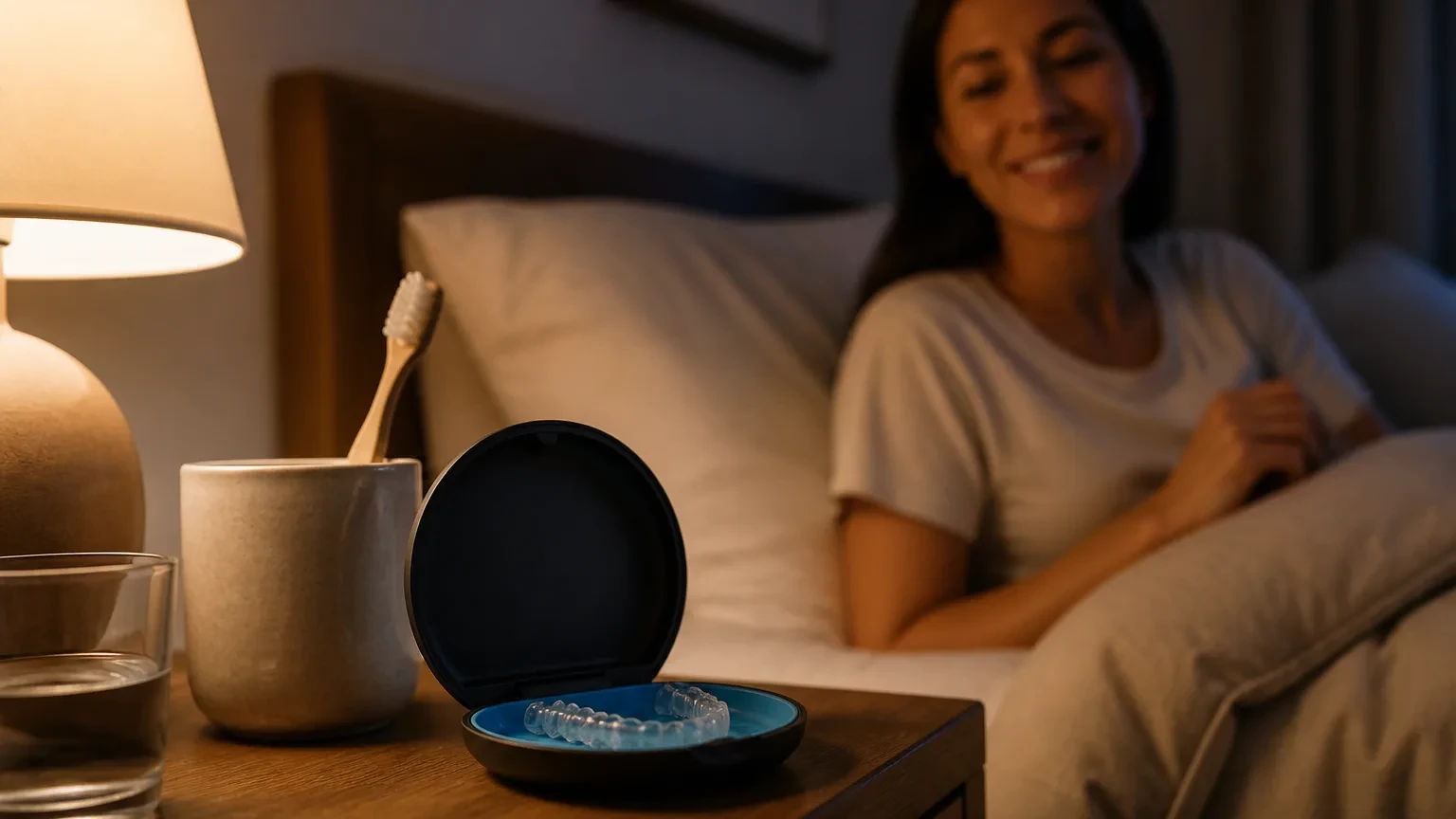
What Retainers Are Used After Invisalign?
After Invisalign, most people wear clear plastic retainers, and some need fixed wires behind the teeth. Retention is part of treatment; without it, teeth can drift even after a perfect aligner finish.
Invisalign Vs ClearCorrect: How Do They Compare?
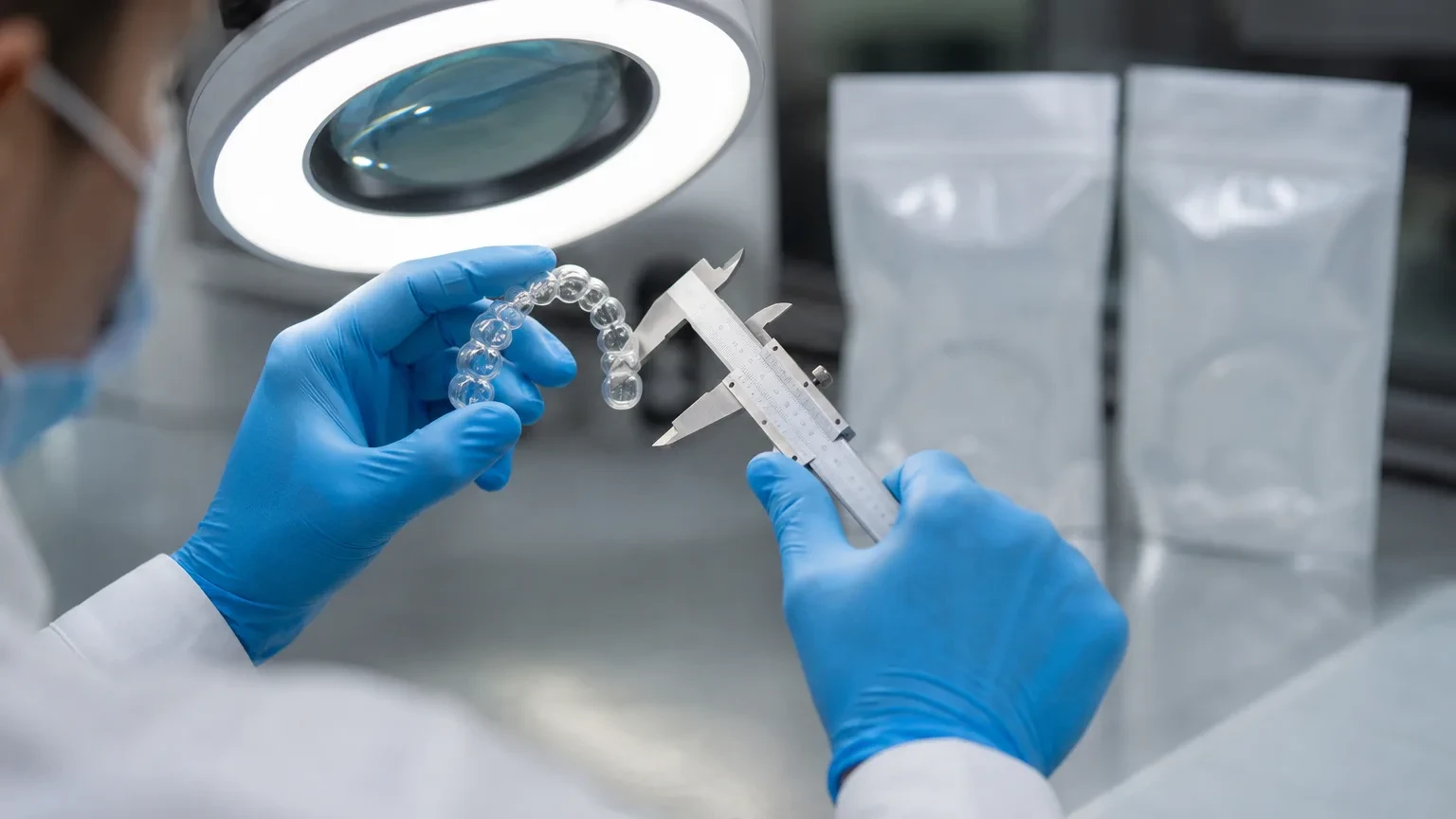
Invisalign and ClearCorrect are competing clear-aligner brands prescribed through dental professionals. Day-to-day wear feels similar; differences show up in clinician preference, case selection tools, and how your offic
How Do Clear Aligners Work?
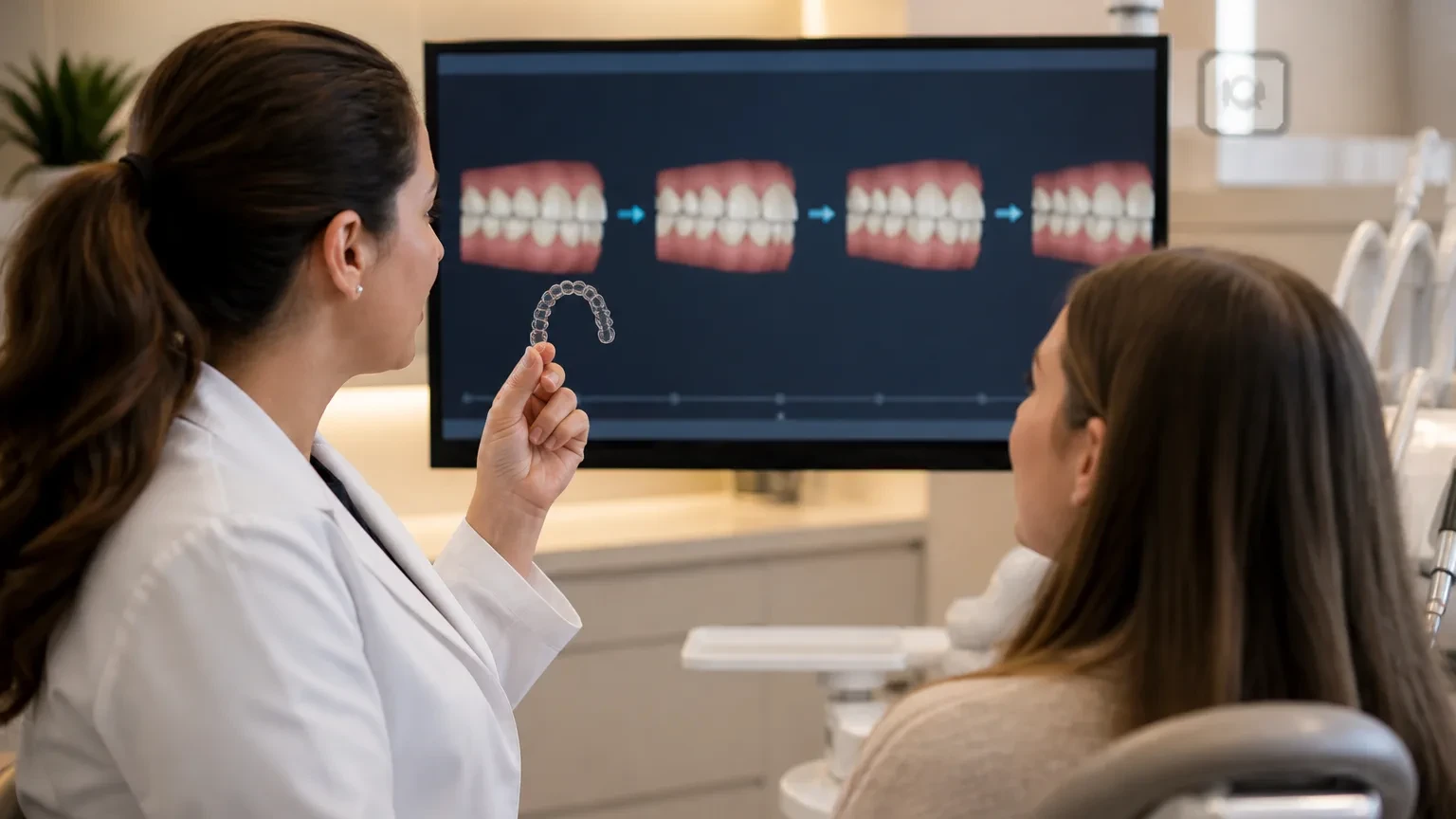
Clear aligners work by delivering programmed pressure through a series of custom trays you wear nearly full-time. Results depend on a sound plan, healthy gums, and honest wear—not on plastic looking “invisible.”