

Can Children Have Dental Anxiety?
Children can have dental anxiety from unfamiliar settings, past pain, or fear of losing control. Use a visit-by-visit comfort guide for families.

Reviewed by Dr. Sean Myran, DMDDoctor of Dental Medicine, University of Pennsylvania
Yes—children can have dental anxiety. Unfamiliar rooms, new faces, worry about pain, or a past difficult medical or dental moment can make visits feel threatening even when the dentist is kind. Anxiety is not the same as “bad behavior,” and not every fearful child acts out. The American Academy of Pediatric Dentistry explains that dental anxiety can be expected in unfamiliar settings, that fear may relate to loss of control or potential pain, and that thoughtful behavior guidance helps children develop less lasting apprehension. Families do best with a visit-by-visit comfort plan rather than a single tough-it-out day.
Adult caregivers shape the story children hear. Pair kid-focused pacing with practical prep habits and why fear shows up at any age.
Visit-By-Visit Comfort Guide
- Days before: use honest, calm language—“The dentist will count your teeth”—and avoid scary jokes or bribe threats.
- Arrival day: arrive unrushed; bring a comfort item if the office allows; tell staff what usually helps your child.
- First chair minutes: ask for tell-show-do—see and touch safe tools before they are used when appropriate.
- During care: agree on breaks; praise specific brave moments without shaming fear.
- Same evening: keep the recap neutral or positive; note what worked for next time.
- Between visits: keep home oral care steady so urgent treatment is less likely to stack fear.
MedlinePlus notes that if a child feels anxious about the dentist, parents should tell the dentist before the visit so the team can discuss ways to help the child feel more relaxed. Early honesty beats surprising the office with a panicked first encounter.
Some children need extra supports: shorter appointments, distraction, nitrous oxide, or advanced behavior guidance including sedation in appropriately trained settings. Those decisions weigh temperament, health, urgency, and prior responses—not a parent’s embarrassment. Ask what is basic guidance versus advanced options and what consent involves.
If your child cries, freezes, or refuses, pause the moral story. Fear can be loud. A pediatric dentist experienced with behavior guidance may help when a general office feels stuck. Adults with their own dental anxiety can model coping—“I get nervous too, and we can ask questions”—without transferring doom.
Day-of details matter: a rested child, a light snack unless fasting rules apply, and caregivers who stay calm in the lobby. Avoid promising “it will not hurt” if you cannot know that; promise “we can ask them to stop and explain.” After the visit, keep celebrations focused on effort—“You used your words” or “You tried the chair”—rather than only on perfect stillness. That framing helps anxious kids return.
 Prepare without scare stories.
Words at home set the tone
Practice opening wide as a game, and role-play counting teeth. Skip videos that dramatize drills. If a prior visit went poorly, acknowledge it—“That was hard, and next time we will go slower”—then ask the office for a desensitization or shorter return visit. Children deserve the same dignity adults want: information, control where possible, and no shame for fear.
When To Widen The Support Team
- Fear persists across many visits or blocks needed treatment.
- Special health care needs require adapted sensory or communication plans.
- Parents’ own fear is canceling children’s preventive care—adults can use anxiety-aware dentist search tips too.
- Pain or infection is urgent—ask for urgent pacing rather than waiting in silence.
 Paced visits build trust.
Guidance is a clinical skill
Ask how the office uses tell-show-do, distraction, and when they consider nitrous or other options. Clarity helps you consent with confidence. For families seeking pediatric-friendly, anxiety-aware care, use Find a Dentist and mention your child’s age and dental fears when you call. Children’s anxiety is real—and with paced visits, many kids collect safer memories that last.
Children can have dental anxiety, and it deserves guided, compassionate care. Use a visit-by-visit comfort plan, tell the dentist early, and add specialized support when fear keeps blocking healthy care.
Related articles
Keep exploring related topics from Dental Country.
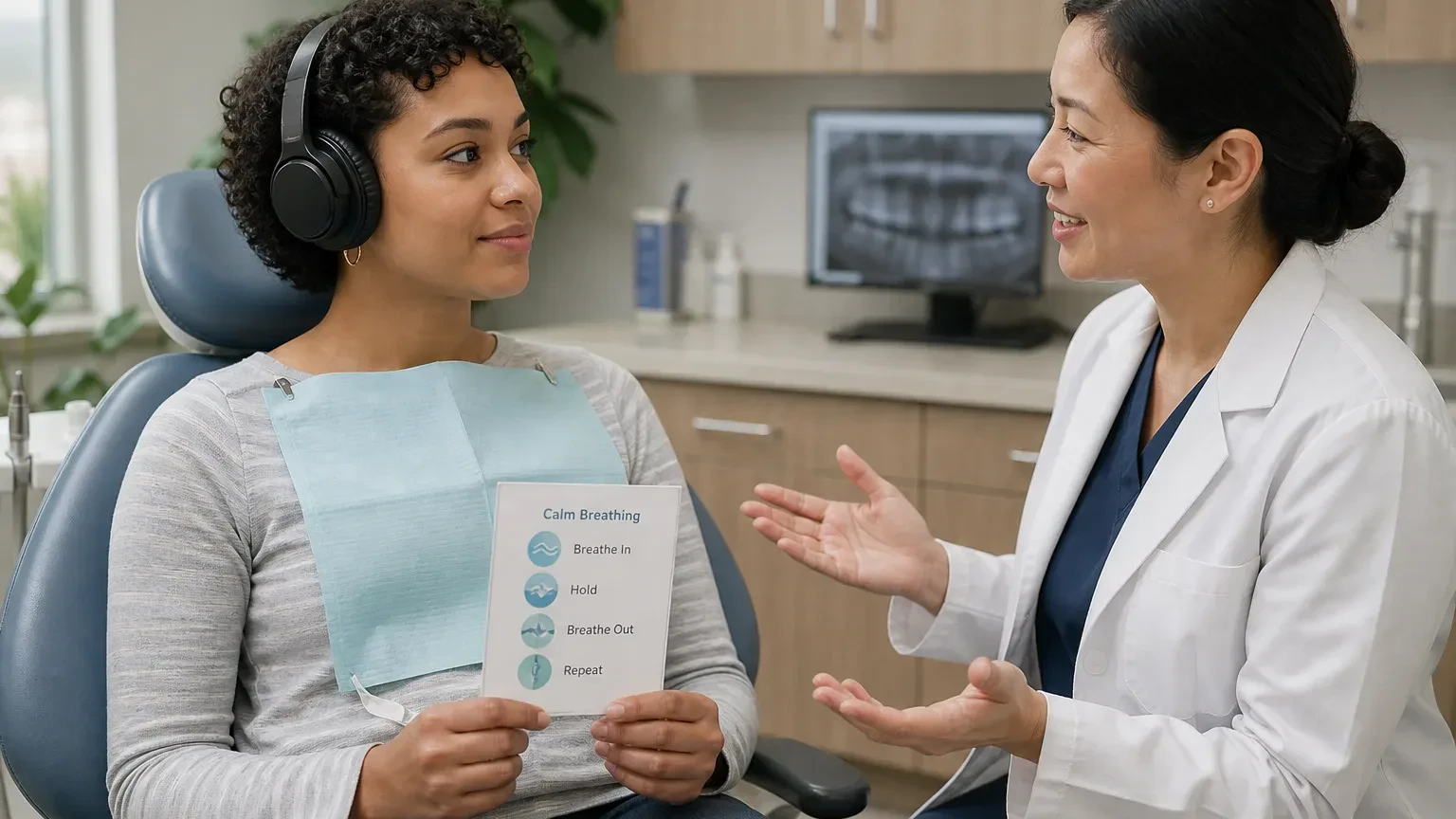
How Do You Calm Dental Anxiety?
You calm dental anxiety by naming triggers, telling the dental team early, pacing the visit with a stop signal, and pairing breathing or distraction with honest pain-control questions—progress counts more than feeling perfectly calm.
Read article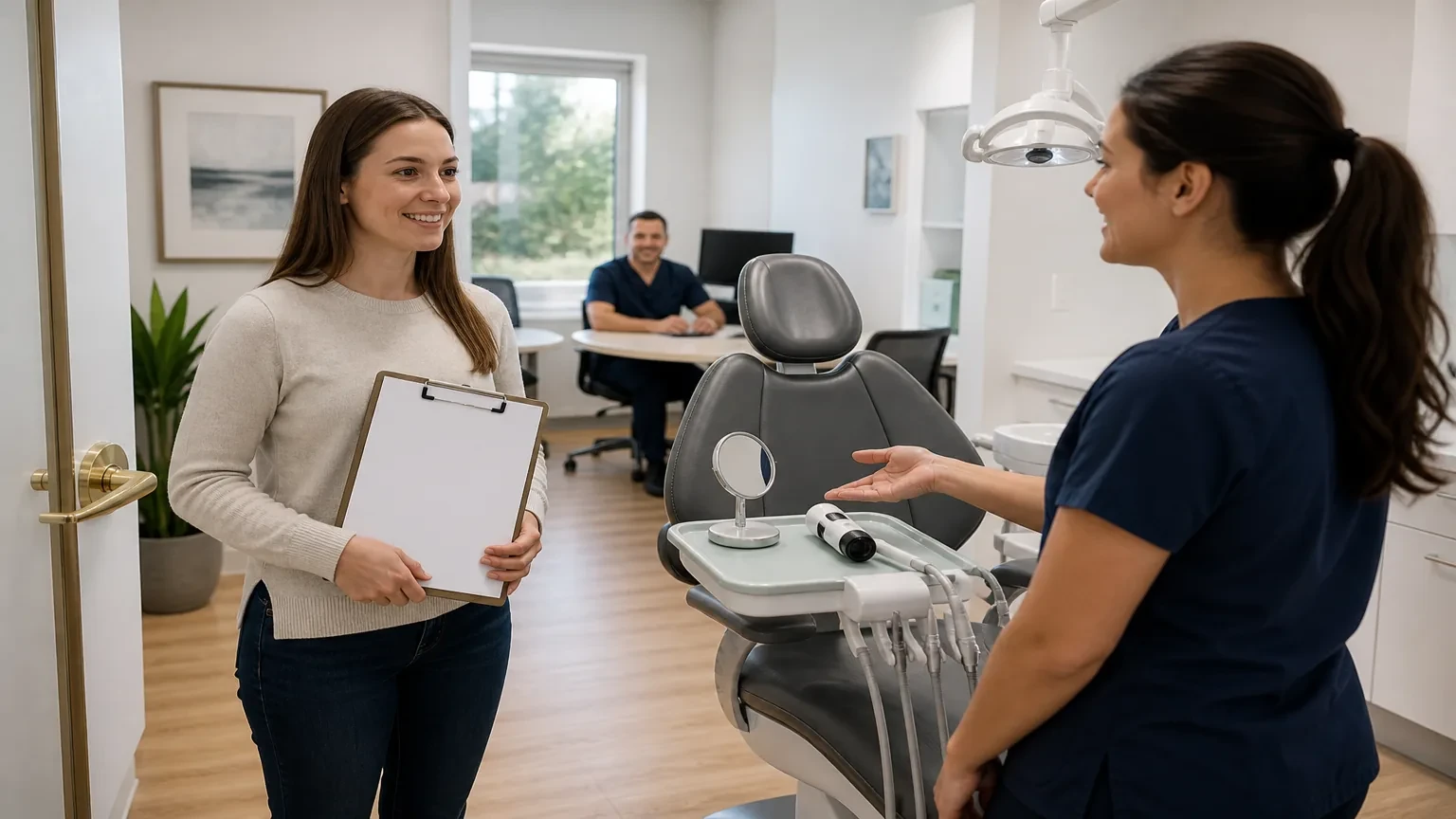
What Happens At A First Dental Visit?
Most first dental visits move from paperwork and conversation to an exam, possible imaging, and a written plan—treatment can often wait until you understand options and feel ready.
Read article
Can You Ask For Sedation If You Are Afraid Of The Dentist?
Asking for sedation when you fear the dentist is appropriate; offices may offer nitrous, oral medicine, or IV options after screening—sedation is a tool, not a character judgment.
Read article
How Do You Find A Dentist For Anxious Patients?
Finding a dentist for anxious patients means prioritizing how the office listens and paces care—comfort options matter, but respectful communication is the first filter.
Read article