
Can You Ask For Sedation If You Are Afraid Of The Dentist?
Yes, you can ask about dental sedation when fear is high. Learn how options work, who may qualify, and which health details to share up front.

Reviewed by Dr. Sean Myran, DMDDoctor of Dental Medicine, University of Pennsylvania
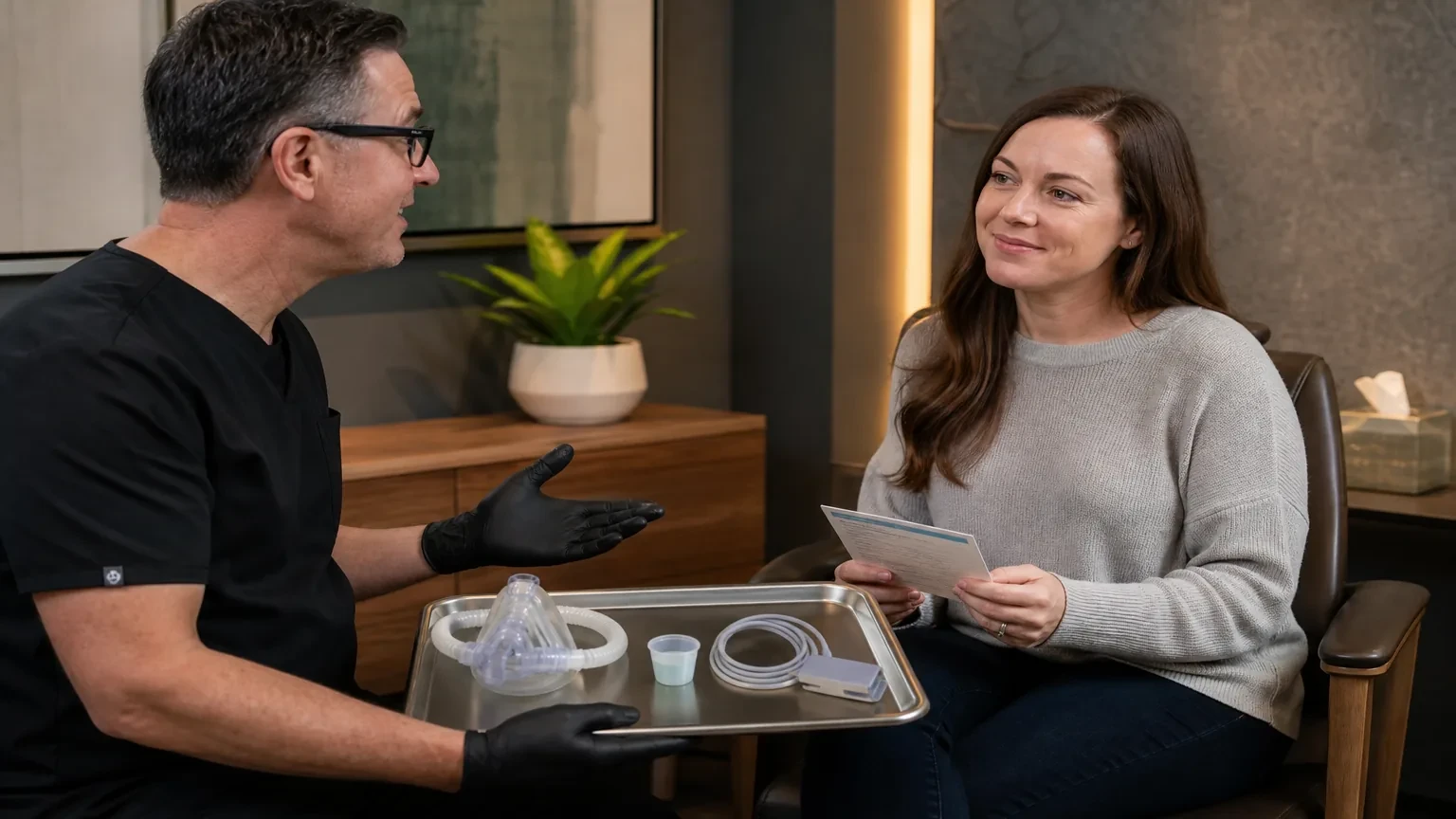
Yes—you can ask for sedation if you are afraid of the dentist. Fear is a clinical factor offices plan around, not a personal failure. Teams may offer nitrous oxide, oral sedatives, IV sedation, or referral for deeper anesthesia depending on training, permits, and your health. MouthHealthy explains that anesthesia and sedation choices depend on the procedure, your health, allergies, and anxiety level. Asking early lets the office match the lightest effective option rather than surprising you on the day of treatment.
MedlinePlus notes that sedation can help you stay calm and less aware during procedures such as dental work, with faster recovery than general anesthesia in many cases. Pair the ask with non-drug calming tools and dentists experienced with fearful patients.
How The Request Usually Works
- Tell the scheduler you have dental anxiety and want to discuss comfort options.
- At the consult, describe triggers and past reactions to medicines or anesthesia.
- The dentist explains levels available in that office—and what requires referral.
- Screening covers medicines, airway/sleep issues, pregnancy, and escort needs.
- You receive fasting and ride-home rules before any sedated visit is booked.
Candidacy notes matter. Uncontrolled medical disease, certain airway risks, pregnancy, or interacting medicines may mean lighter options, medical clearance, or a hospital/surgery-center setting. “Not a candidate for IV here” is not the same as “you must suffer awake.” Ask what alternatives remain.
Sedation does not replace local anesthetic for most procedures; the site still needs to be numb. It also does not erase the value of stop signals, explanations, and pacing. Many people combine nitrous with communication tools and never need deeper medicine. Others need deeper help for surgery or severe phobia—both paths can be appropriate.
Cost, insurance, and recovery time differ by level. Nitrous often allows a quicker return to normal activities; oral and IV sedation usually require an adult escort and no driving that day. Get those logistics in writing so fear of the unknown does not cancel a plan you already accepted.
Practice the ask out loud if that helps: “I get very anxious at dental visits. What comfort or sedation options do you offer, and what would you recommend for my situation?” You do not need a dramatic story. Two honest sentences are enough for a careful clinician to start screening. If the first answer feels salesy—“we put everyone to sleep”—ask for risks, alternatives, and why that depth fits you specifically.
Some people worry that asking for sedation will label them as difficult. In reality, undisclosed fear is harder for a team to manage than a clear request. You can still use breathing, music, and stop signals on a sedated visit; medicine is not a substitute for respect. If an office has no sedation and you need more help, ask for a referral rather than forcing yourself through unsafe panic.
 Disclose fully, then decide.
Honesty keeps sedation safer
Share recreational drugs, CBD, sleep apnea equipment use, and every prescription—even ones that feel private. Screening is how teams choose dose and setting. If you feel embarrassed asking for sedation, remember the office hears this request often. You are helping them protect you. Ask who monitors you, what you will feel, and how recovery is judged before discharge.
Candidacy Snapshot
- Often discussable: strong fear, long appointments, strong gag reflex, traumatic past visits.
- Needs careful review: heart/lung disease, pregnancy, complex medicine lists, prior anesthesia problems.
- May need another setting: deep sedation when the office is not equipped for that depth.
- Still ask even if unsure: learning what a first visit includes can show whether sedation is for later visits only.
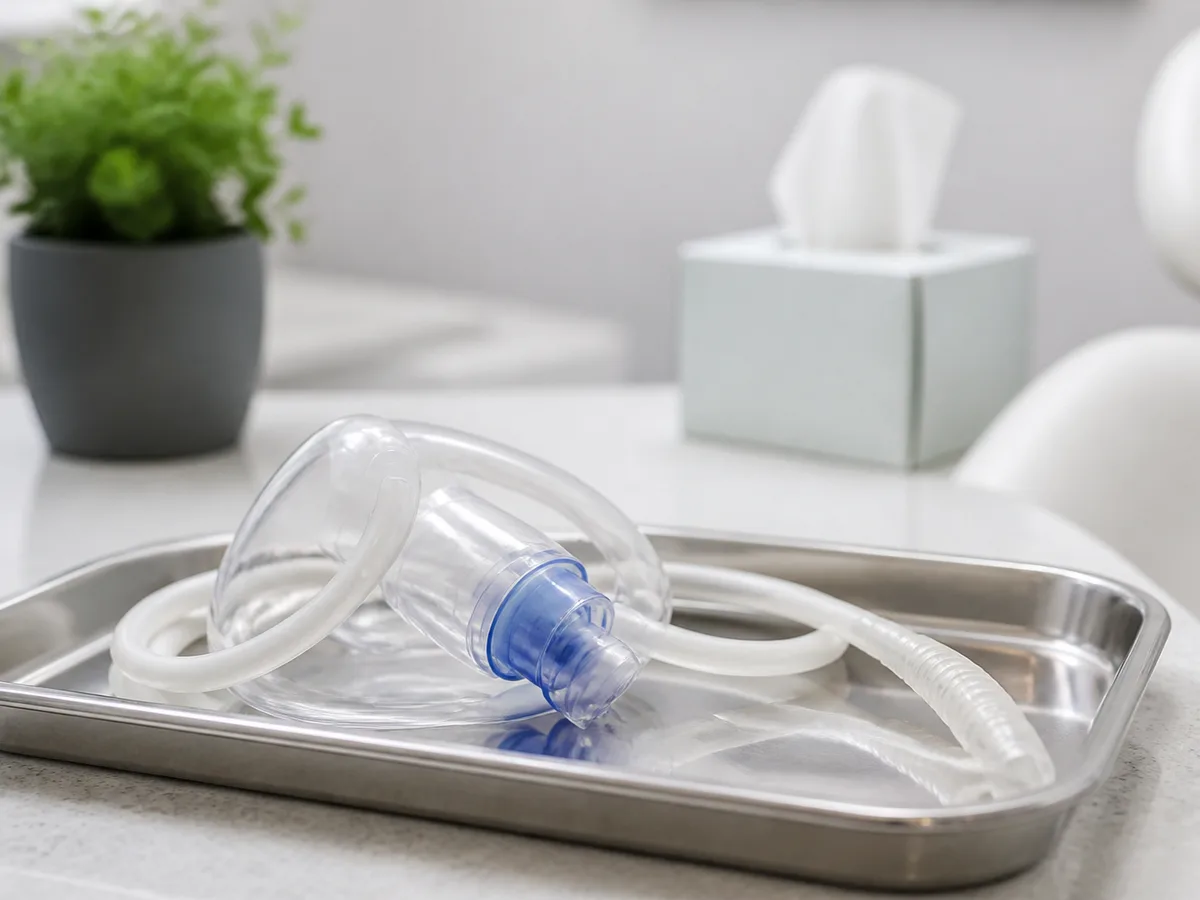 Options reduce dread.
Ask for the menu, not a miracle
Request the full comfort menu: pacing only, nitrous, oral sedation, IV, or referral. Compare benefits, risks, cost, and recovery for your case. For clinicians who discuss sedation without pressure or shame, use Find a Dentist and mention fear and possible sedation needs when you call. You are allowed to ask; good teams expect the question.
You can—and should—ask about sedation when dental fear is getting in the way. Learn how each level works, complete screening honestly, and choose the lightest plan that lets you receive care safely.
Related articles
Keep exploring related topics from Dental Country.
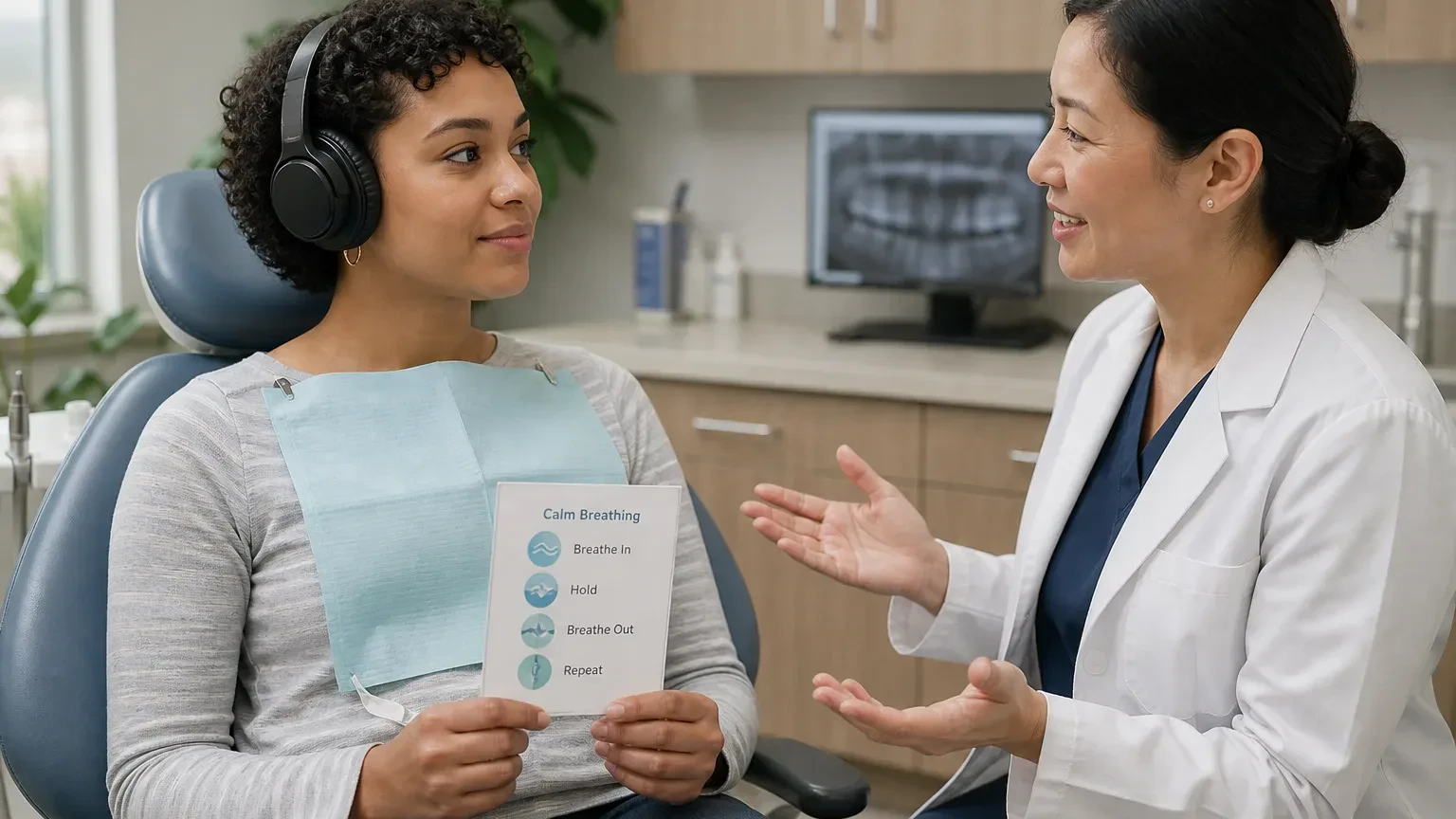
How Do You Calm Dental Anxiety?
You calm dental anxiety by naming triggers, telling the dental team early, pacing the visit with a stop signal, and pairing breathing or distraction with honest pain-control questions—progress counts more than feeling perfectly calm.
Read article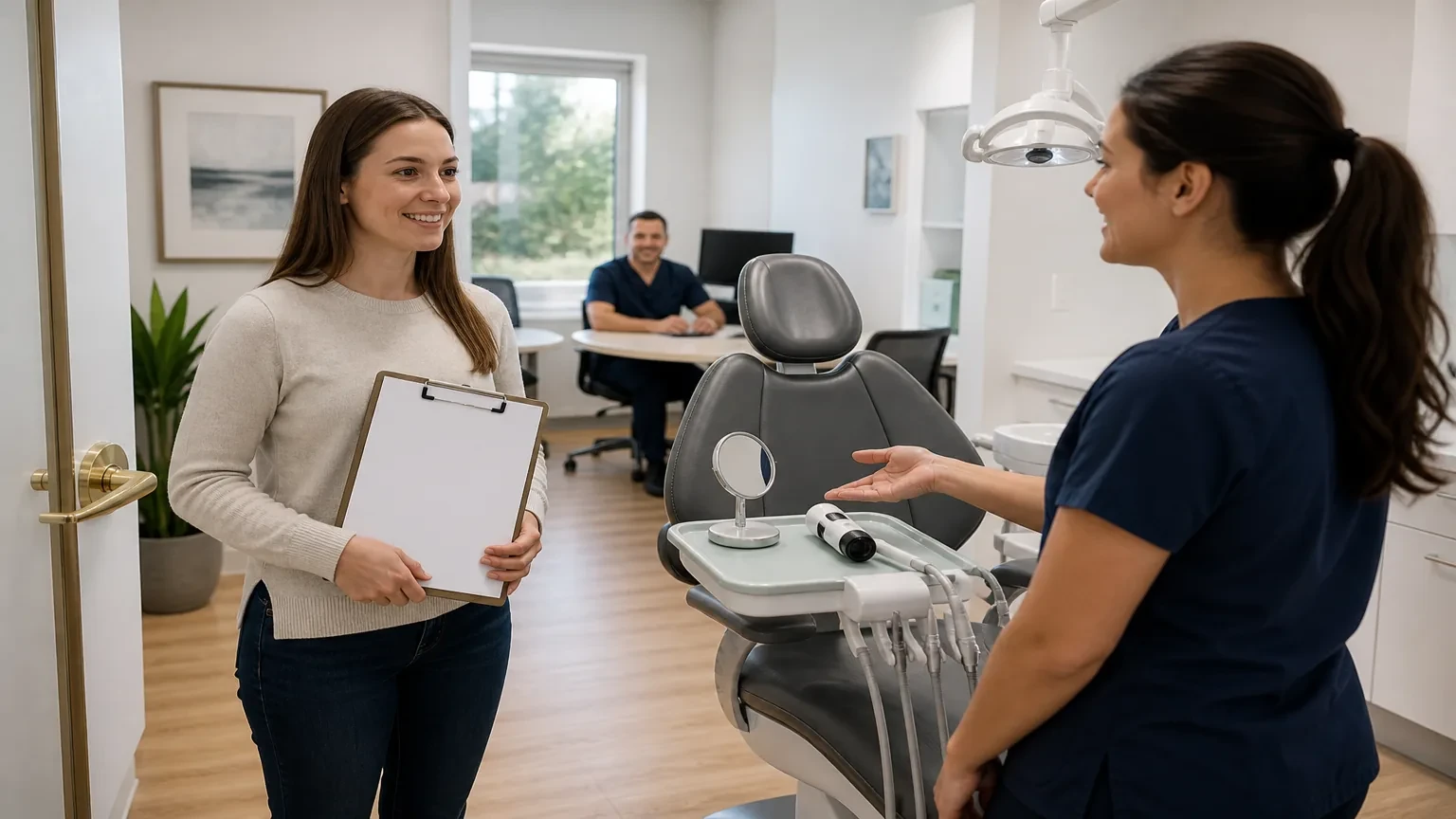
What Happens At A First Dental Visit?
Most first dental visits move from paperwork and conversation to an exam, possible imaging, and a written plan—treatment can often wait until you understand options and feel ready.
Read article
How Do You Find A Dentist For Anxious Patients?
Finding a dentist for anxious patients means prioritizing how the office listens and paces care—comfort options matter, but respectful communication is the first filter.
Read article
Why Do People Fear The Dentist?
Dental fear usually comes from past pain, feeling powerless, embarrassment, cost stress, or intense sensory cues—understanding the cause helps you pick tools that fit instead of blaming yourself.
Read article