

Are There Dentists Who Specialize In Fearful Patients?
Some dentists focus on fearful patients with pacing, communication, and sedation options. Compare what “specialized” can mean before you book.

Reviewed by Dr. Sean Myran, DMDDoctor of Dental Medicine, University of Pennsylvania
Yes—there are dentists who focus on fearful patients, though “specialize” can mean different things: extra training in sedation, a practice culture built around anxious adults, pediatric behavior guidance, or collaboration with dental anesthesiologists. What you want is a team that treats fear as part of care planning. MouthHealthy emphasizes that the right dental team cares for emotional health as well as dental health, and that speaking up helps them meet your needs. Comparing labels side by side prevents shopping only for the deepest sleep.
Use a practical search approach and how to ask about sedation while you read the comparison below.
What “Fear-Focused” Can Mean
- Communication-first general dentist: stop signals, tell-show-do pacing, short visits, no shame about gaps in care.
- Sedation dentistry office: nitrous, oral, and/or IV options with required screening and permits.
- Pediatric dentist: behavior guidance for children and teens; helpful when fear started young—see child dental anxiety.
- Referral model: your dentist coordinates with an oral surgeon or dentist anesthesiologist for complex cases.
- Therapy-informed care: willingness to work alongside a mental-health professional’s pacing advice.
No single title guarantees kindness. A sedation suite can still feel rushed; a quiet office without nitrous can still feel profoundly safe. Ask what happens in the first ten minutes of a visit for a nervous patient. Concrete rituals beat marketing phrases like “sleep dentistry” alone.
MouthHealthy also advises choosing a dentist who understands your concerns—including anxiety—and answers questions clearly. Special focus should show up in how staff speak on the phone, how findings are delivered, and whether you can decline same-day pressure.
Training questions help: Who administers sedation? What monitoring is used? When do you refer? For non-sedation offices, ask how they handle strong gag reflexes, tearfulness, or the need to pause. Fear-focused care is a skill set, not only a drug menu.
Look at the whole team. Hygienists and assistants often spend more chairside minutes with you than the dentist. If they narrate kindly and check in about comfort, that is specialization in practice. Ask whether new anxious patients receive longer appointment slots and whether the office documents comfort preferences in your chart so you do not re-explain every time.
Be cautious with guarantees such as “you will feel nothing” or “you will remember nothing.” Ethical teams describe likely sensations, residual awareness with lighter sedation, and what monitoring looks like. Special focus on fear should increase honesty, not hype. If marketing outruns the consent conversation, keep interviewing other offices.
 Fit beats labels.
Match the model to your fear
If loss of control is your core fear, a communication-first office with clear stop rules may help more than heavy sedation alone. If a long surgery is unavoidable and panic is severe, sedation training matters more. Write your main trigger, then ask each office how they handle that specific trigger. The best “specialist” is the one whose method fits your nervous system and your health screening.
Questions That Test The Claim
- What does a first visit look like for someone who is very afraid?
- Which comfort options are available in-office versus by referral?
- How do you talk about findings after a long time away from care?
- Can treatment be staged if I need breaks between appointments?
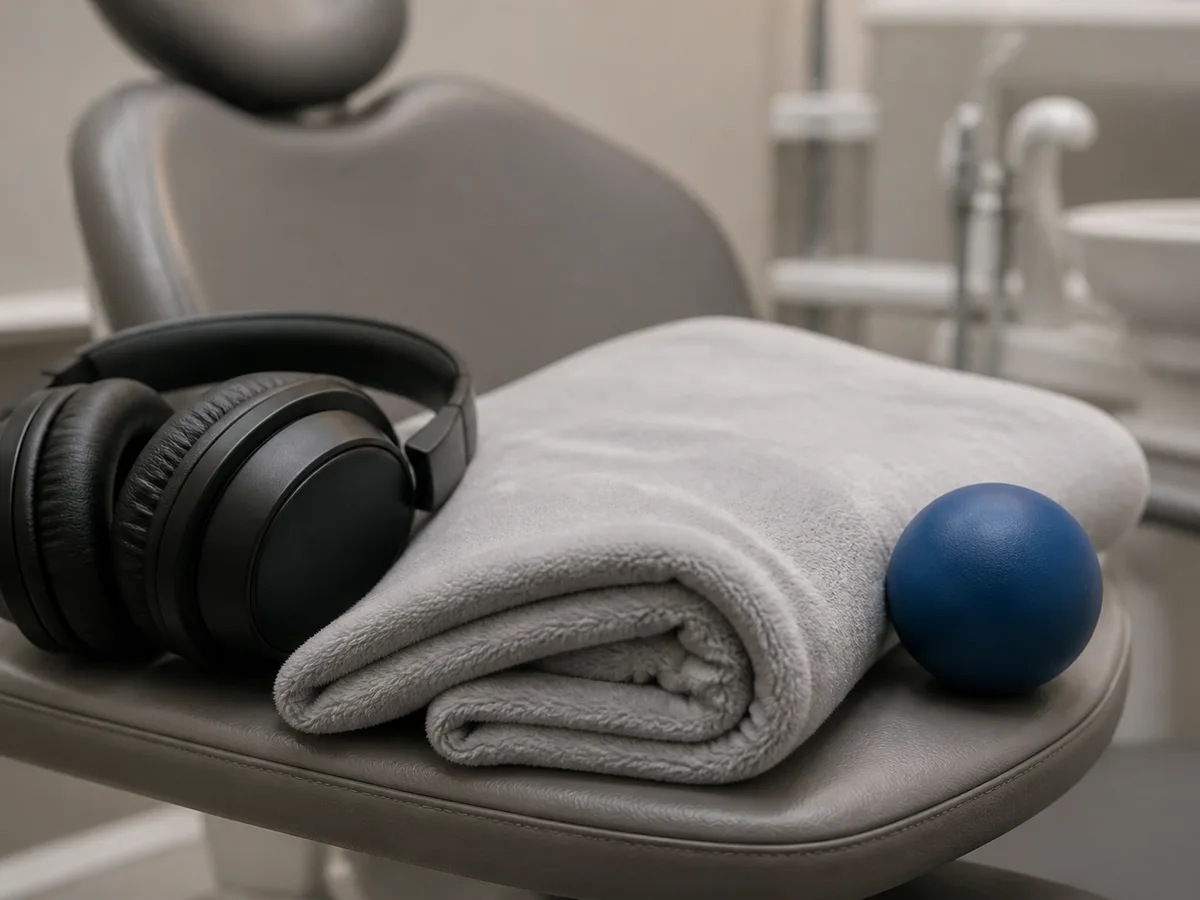 Heard first, treated next.
Trust shows in the consult
Notice whether you feel hurried or heard when you describe fear. You should leave the consult knowing the next small step. For help locating dentists who welcome fearful patients, use Find a Dentist and describe your anxiety level and any sedation preferences when you reach out. Specialized support is real—and it starts with how you are treated when you say you are scared.
Dentists who focus on fearful patients exist across communication-first, sedation, pediatric, and referral models. Compare what the label means in daily practice, then choose the fit that protects both comfort and clinical quality.
Related articles
Keep exploring related topics from Dental Country.

How Do You Calm Dental Anxiety?
You calm dental anxiety by naming triggers, telling the dental team early, pacing the visit with a stop signal, and pairing breathing or distraction with honest pain-control questions—progress counts more than feeling perfectly calm.
Read article
What Happens At A First Dental Visit?
Most first dental visits move from paperwork and conversation to an exam, possible imaging, and a written plan—treatment can often wait until you understand options and feel ready.
Read article
Can You Ask For Sedation If You Are Afraid Of The Dentist?
Asking for sedation when you fear the dentist is appropriate; offices may offer nitrous, oral medicine, or IV options after screening—sedation is a tool, not a character judgment.
Read article
How Do You Find A Dentist For Anxious Patients?
Finding a dentist for anxious patients means prioritizing how the office listens and paces care—comfort options matter, but respectful communication is the first filter.
Read article