

How Do You Find A Dentist For Anxious Patients?
Find a dentist for anxious patients by screening for listening skills, pacing, and comfort options. Use this scenario-to-next-steps approach.

Reviewed by Dr. Sean Myran, DMDDoctor of Dental Medicine, University of Pennsylvania
Finding a dentist for anxious patients starts with how the office responds when you say you are nervous—not with the fanciest equipment brochure. Picture Maya, who canceled three cleanings after a painful past visit. She needs a team that will listen, offer a stop signal, explain steps, and discuss nitrous or referral if fear stays high. MouthHealthy encourages sharing past dental experiences and anxiety so the dentist can understand your concerns and answer questions. The right match feels collaborative before any instrument appears.
Decision factors include communication style, visit pacing, training with fearful patients, available comfort options, and whether the first appointment can be exam-and-plan only. Compare those with what “fearful patient” focused care can look like and questions to ask before you commit.
Scenario → What To Filter For
- Long avoidance after a hard visit: prioritize offices that offer short restart visits and nonjudgmental language.
- Needle or drill fear: ask about topical anesthetic, pacing injections, headphones, and nitrous.
- Gagging or panic in the chair: ask about chair position, breaks, and whether a support person can join for part of the visit.
- Complex medical history: ask who screens sedation and when they refer out.
Call before you book. Notice whether the front desk sounds rushed or curious when you mention anxiety. Ask how the dentist prefers to handle nervous patients and whether same-day treatment is expected. A warm website claim means less than a concrete answer about stop signals and staged care.
Read recent reviews for patterns about listening and pressure, not perfection. One frustrated review about wait times matters less than repeated comments that patients felt pushed. Ask friends who also struggle with dental fear—peer referrals often surface the gentle offices advertising never mentions.
Credentials still matter: licensure, clear infection-control habits, and willingness to explain findings. Anxiety-friendly care is not lower-quality dentistry; it is the same clinical standards delivered with more pacing and consent. If an office dismisses fear as “everyone is fine,” keep looking.
Geography and insurance networks constrain choices, so expand the filter thoughtfully: a slightly longer drive to a patient team can be worth fewer canceled appointments. Ask whether the dentist or hygienist will be your primary contact for comfort planning. Some offices assign longer new-patient slots for anxious adults—that structural choice is a positive signal. If telehealth consults are offered before the first chair visit, use them to test communication style with lower adrenaline.
After the first meeting, give yourself permission to decide overnight. Fear-friendly care includes time to consent. If something felt off—rushed exams, jokes about your fear, pressure to start irreversible work—trust that observation and continue your search. The goal is a relationship you can return to for years, not a single gritted-teeth rescue visit.
 Screen with real questions.
Phone questions reveal culture
Try a short script: “I have dental anxiety. Can the first visit be exam and discussion only? Do you offer nitrous or other comfort options? How do you handle stop signals?” Write the answers. Offices that welcome the questions are already practicing the skill you need. If the reply is impatient, believe that data—booking elsewhere is self-respect, not pickiness.
Next Steps After You Shortlist
- Book the consult and restate your anxiety on the reminder call.
- Bring a trigger list and medicine list.
- Agree on pacing before reclining for treatment.
- Afterward, note what worked so you can request it again—or try a calm-down routine between visits.
 Kind check-ins matter.
The lobby is part of the treatment
Arrive a few minutes early so rushing does not amplify adrenaline. Tell the receptionist you are nervous; a good team passes that note to the clinical staff. For help locating a practice that welcomes anxious patients, use Find a Dentist and mention dental anxiety and the comfort options you hope to discuss. The goal is a relationship where fear can be named without apology.
Find a dentist for anxious patients by testing listening and pacing first, then comparing comfort tools and clinical fit. A short phone screen and a talk-first visit often reveal the right match faster than endless searching.
Related articles
Keep exploring related topics from Dental Country.
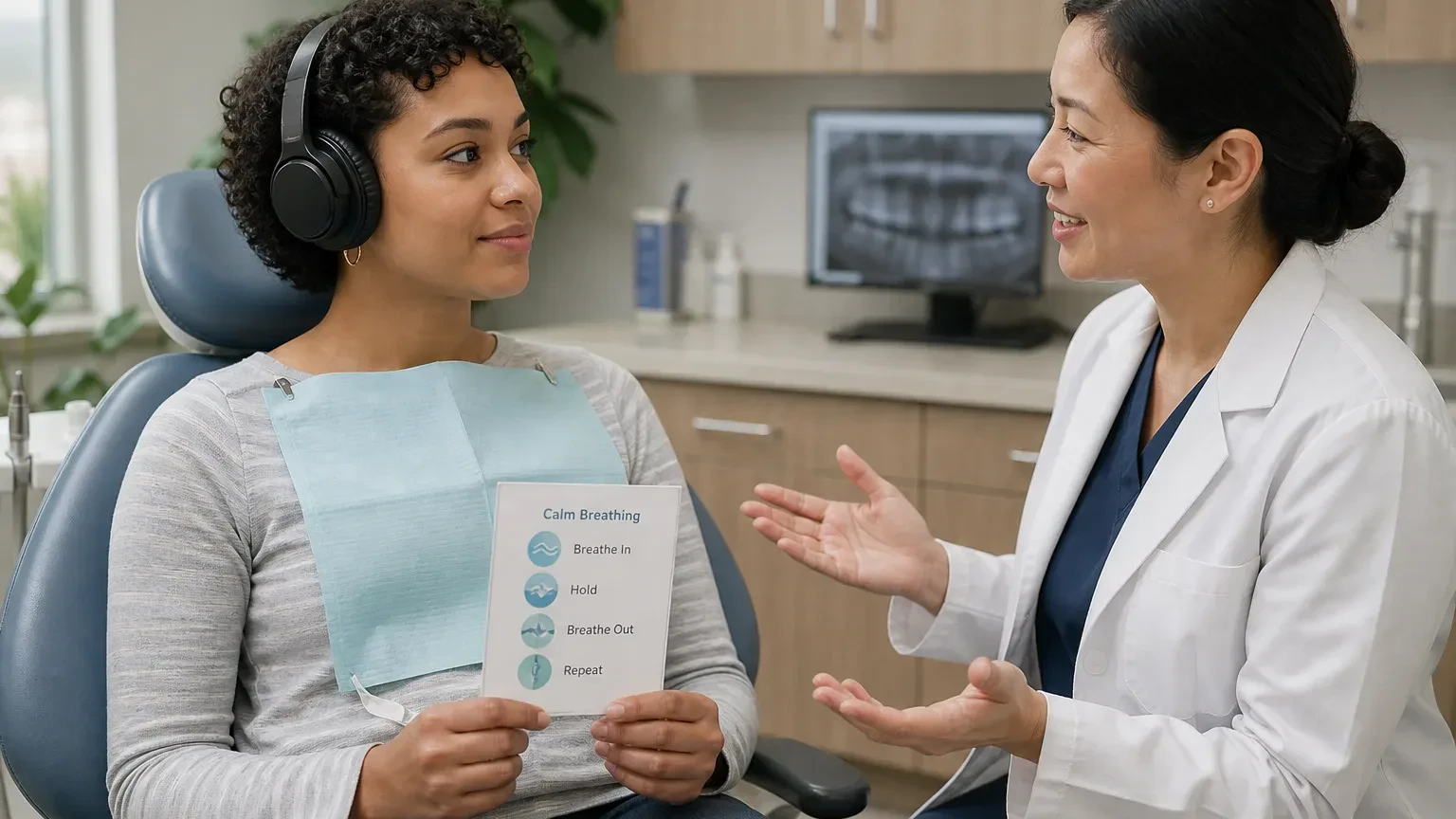
How Do You Calm Dental Anxiety?
You calm dental anxiety by naming triggers, telling the dental team early, pacing the visit with a stop signal, and pairing breathing or distraction with honest pain-control questions—progress counts more than feeling perfectly calm.
Read article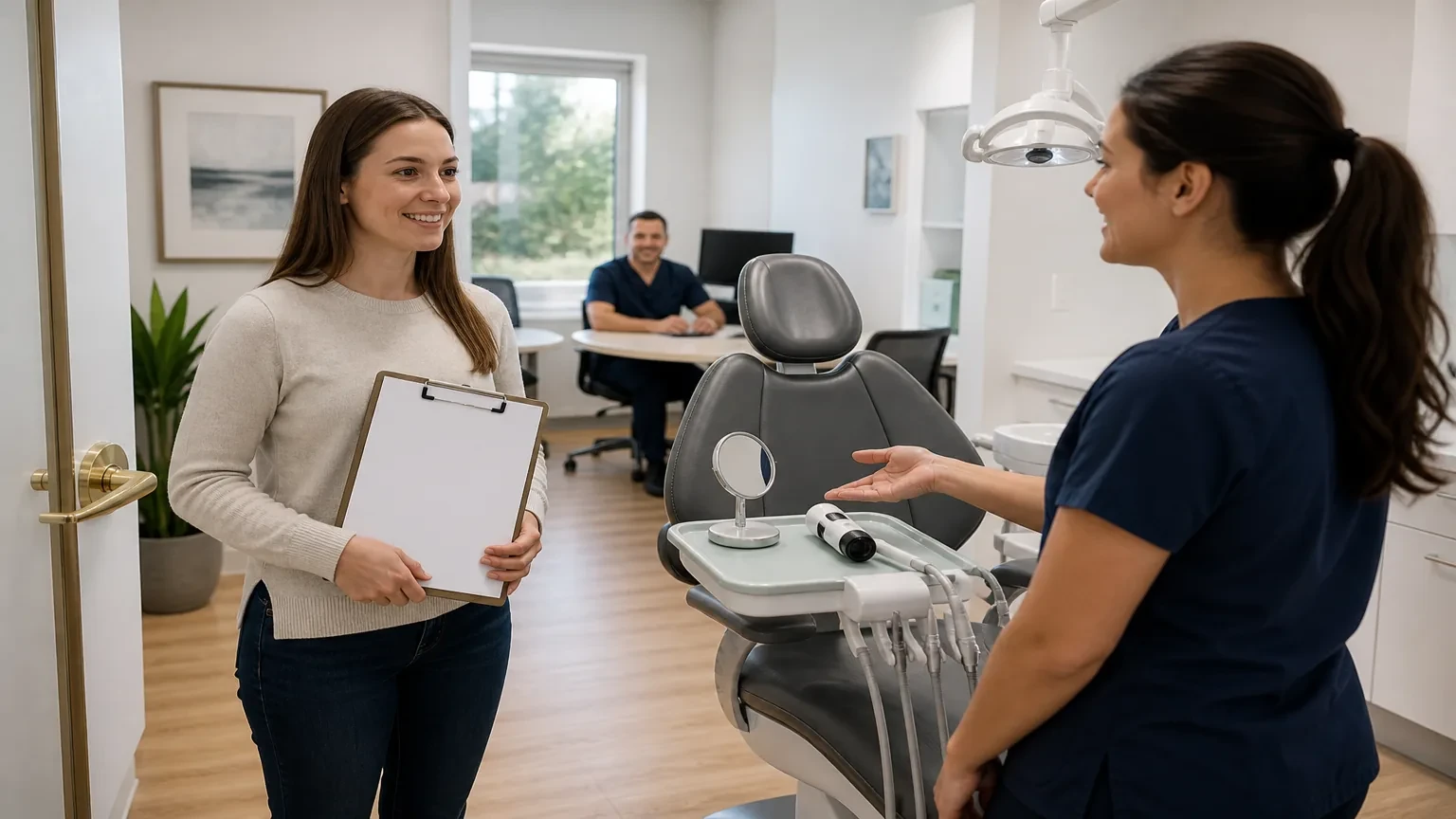
What Happens At A First Dental Visit?
Most first dental visits move from paperwork and conversation to an exam, possible imaging, and a written plan—treatment can often wait until you understand options and feel ready.
Read article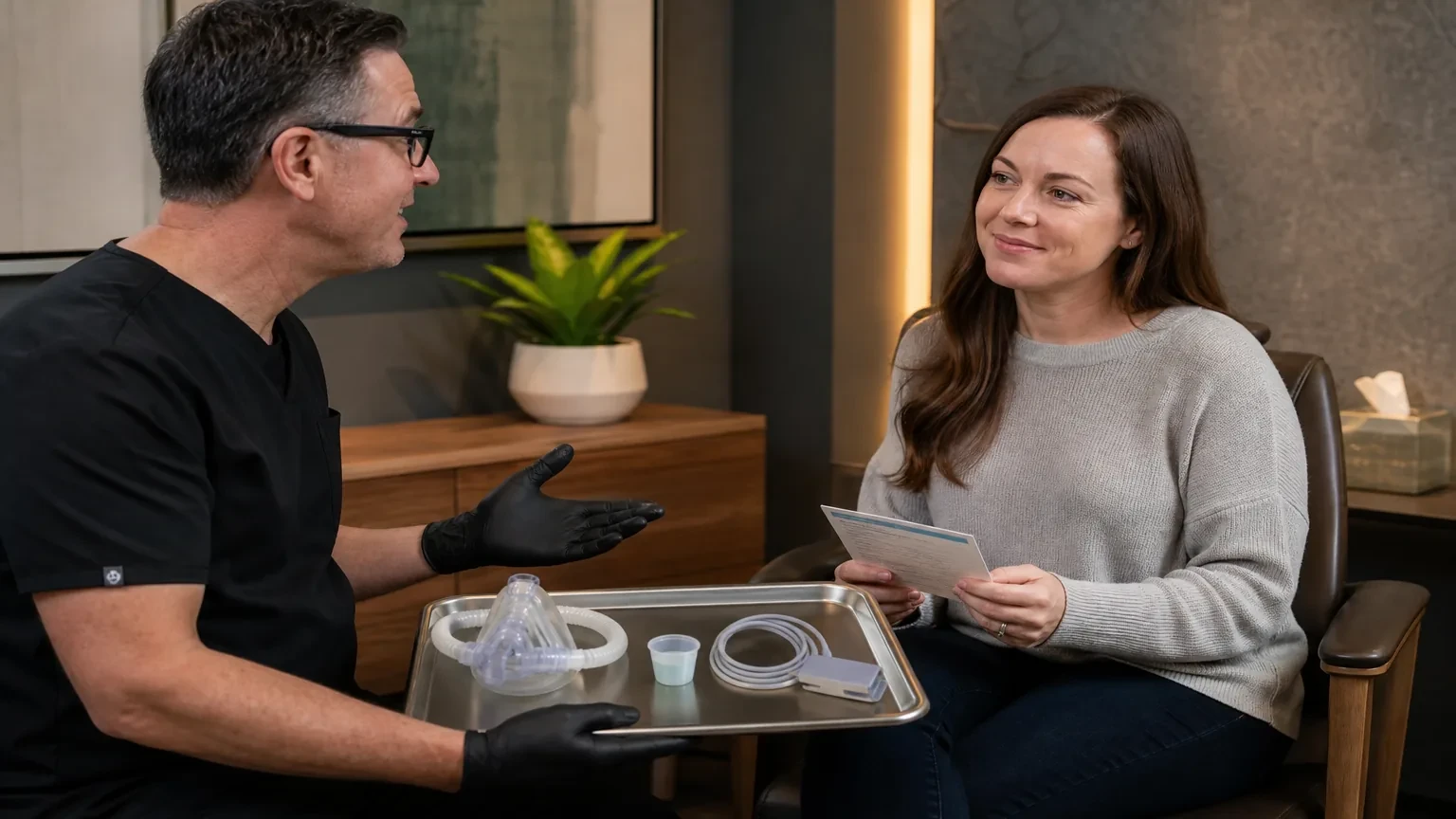
Can You Ask For Sedation If You Are Afraid Of The Dentist?
Asking for sedation when you fear the dentist is appropriate; offices may offer nitrous, oral medicine, or IV options after screening—sedation is a tool, not a character judgment.
Read article
Why Do People Fear The Dentist?
Dental fear usually comes from past pain, feeling powerless, embarrassment, cost stress, or intense sensory cues—understanding the cause helps you pick tools that fit instead of blaming yourself.
Read article