

Why Do People Fear The Dentist?
People fear the dentist for pain memories, loss of control, shame, cost, and sensory triggers—not weakness. Separate myths from facts that guide better care.

Reviewed by Dr. Sean Myran, DMDDoctor of Dental Medicine, University of Pennsylvania
People fear the dentist for understandable reasons: remembered pain, needles, sounds and smells, gagging, feeling judged about teeth or time away from care, worry about cost, or a sense of losing control while reclined and unable to speak easily. None of those reasons mean someone is “bad at adulting.” MouthHealthy acknowledges that nervousness about pain or about what the dentist might find is common, and that delay can make future visits harder—so support matters. Separating myths from facts makes fear less mysterious and more solvable.
Fear can also travel from childhood experiences or from general anxiety that spikes in medical settings. Link causes to how anxiety can intensify over time and why strong emotions in the chair are common.
Myths Vs Facts About Dental Fear
- Myth: “Only people who neglected their teeth are afraid.” Fact: Fear shows up in people with excellent hygiene and in people restarting care; shame is a trigger, not a requirement.
- Myth: “If you were tough, one bad visit would not matter.” Fact: The brain stores threat memories; avoidance is a protective reflex, not a character flaw.
- Myth: “Modern dentistry never hurts, so fear is irrational.” Fact: Comfort has improved, but pressure, injections, and long appointments can still feel intense—planning still helps.
- Myth: “Fear means you need the deepest sedation.” Fact: Many people improve with communication, pacing, and lighter aids; deeper options exist when needed after screening.
- Myth: “Kids grow out of it, so adults should too.” Fact: Some fear fades; some persists or returns after a hard experience—adults deserve care either way.
Mayo Clinic notes that specific phobias can limit life through avoidance, and that therapies such as exposure approaches and CBT focus on changing responses rather than only explaining the origin. Dental fear sits on a spectrum from situational nerves to phobia-level avoidance; intensity guides support, not worthiness.
Sensory load is easy to underestimate. High-pitched sounds, bright lights, water sprays, and mint smells can stack until the nervous system hits overload. Asking for sunglasses, headphones, or breaks is addressing a real cause—not being difficult.
Cost fear is also dental fear when surprise bills feel like another threat. Asking for estimates and phased plans treats that cause directly. So does finding a team that explains findings without scolding language about the past.
Family stories matter too. Growing up around jokes about “torture chairs” or watching a caregiver’s panic can teach the body to expect danger. Those lessons can be updated with safer adult experiences, but they rarely vanish because someone says “relax.” Understanding the source helps you choose exposure that is gradual instead of flooding yourself in a single overwhelming appointment.
 Name the real trigger.
Triggers are information
List your top sensory and emotional triggers before the visit. Share them in plain words: “drill sound,” “feeling trapped,” “worry you’ll judge my teeth.” A good team uses that list to change the environment. Understanding why fear appears is not an excuse to avoid forever—it is a map for what to change first so returning feels possible.
What Understanding Changes Next
- Match tools to causes—breathing for body alarm, stop signals for control, estimates for cost fear.
- Ask about sedation when fear stays high after non-drug supports are clear.
- Consider mental-health support if avoidance is taking over daily life.
- Choose offices that treat fear as a planning input.
 Compassion is clinical.
Being heard lowers threat
Fear often softens when someone believes your story. You do not owe a dramatic confession—two sentences can be enough. For a dentist who treats fear as ordinary and solvable, use Find a Dentist and mention what drives your dental anxiety when you schedule. Knowing why people fear the dentist replaces self-blame with a practical plan.
People fear the dentist because pain memories, control loss, shame, cost, and sensory overload are real. Drop the myths, name your cause, and pick supports that match it.
Related articles
Keep exploring related topics from Dental Country.
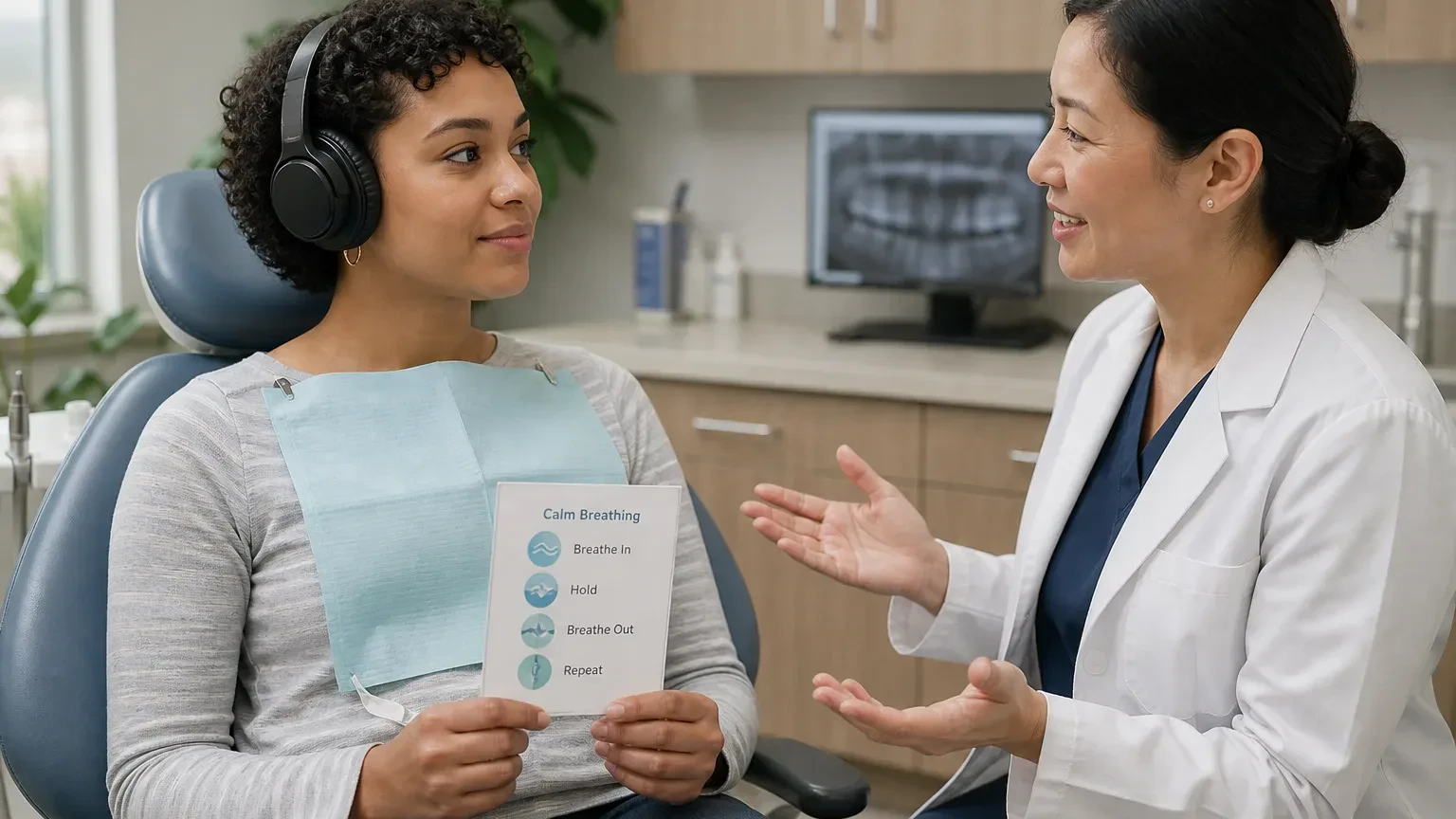
How Do You Calm Dental Anxiety?
You calm dental anxiety by naming triggers, telling the dental team early, pacing the visit with a stop signal, and pairing breathing or distraction with honest pain-control questions—progress counts more than feeling perfectly calm.
Read article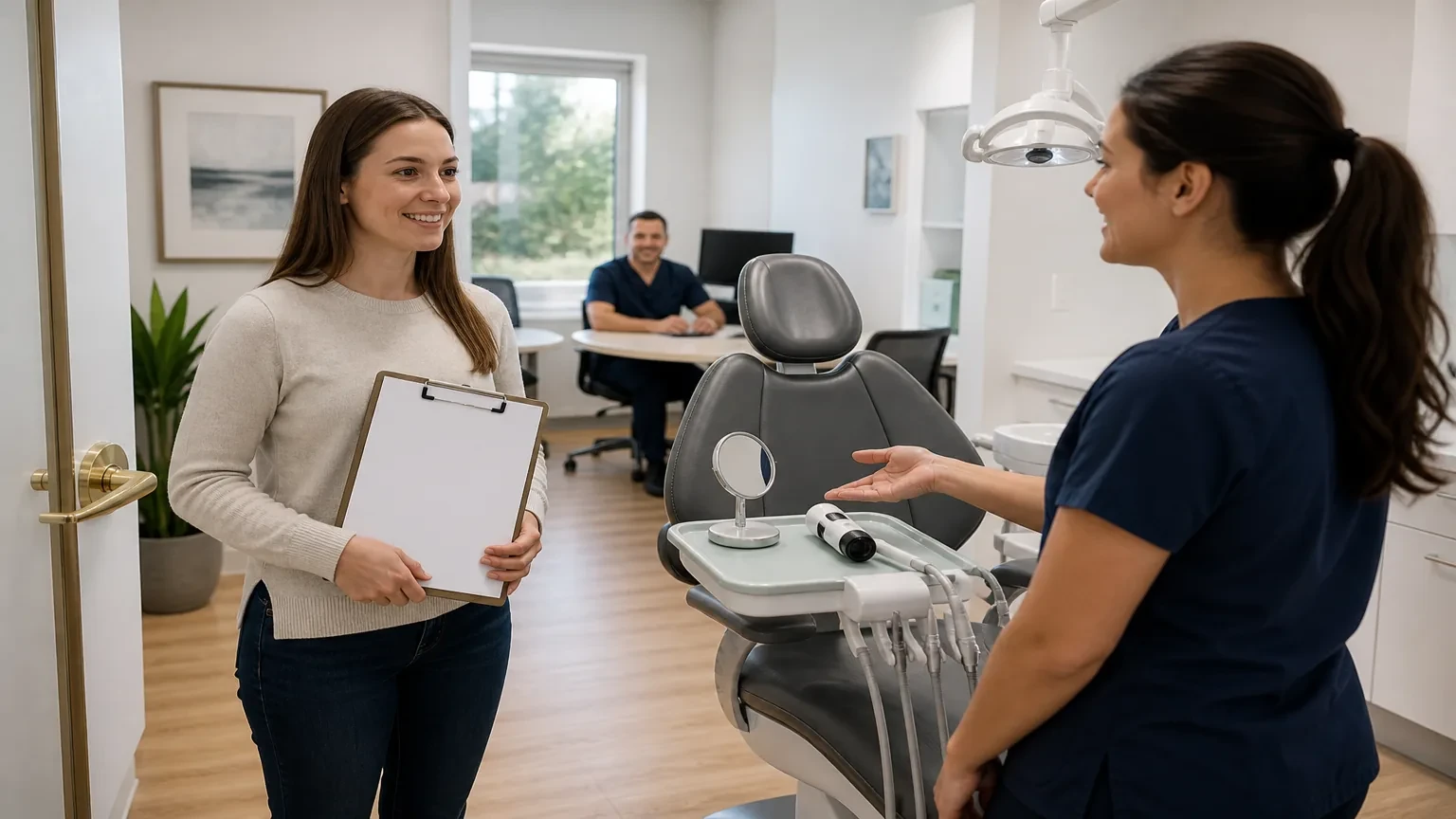
What Happens At A First Dental Visit?
Most first dental visits move from paperwork and conversation to an exam, possible imaging, and a written plan—treatment can often wait until you understand options and feel ready.
Read article
Can You Ask For Sedation If You Are Afraid Of The Dentist?
Asking for sedation when you fear the dentist is appropriate; offices may offer nitrous, oral medicine, or IV options after screening—sedation is a tool, not a character judgment.
Read article
How Do You Find A Dentist For Anxious Patients?
Finding a dentist for anxious patients means prioritizing how the office listens and paces care—comfort options matter, but respectful communication is the first filter.
Read article