
Can Dental Anxiety Get Worse Over Time?
Dental anxiety can intensify when avoidance, pain, and dread reinforce each other. See who is affected, what changes the plan, and safer next steps.

Reviewed by Dr. Sean Myran, DMDDoctor of Dental Medicine, University of Pennsylvania
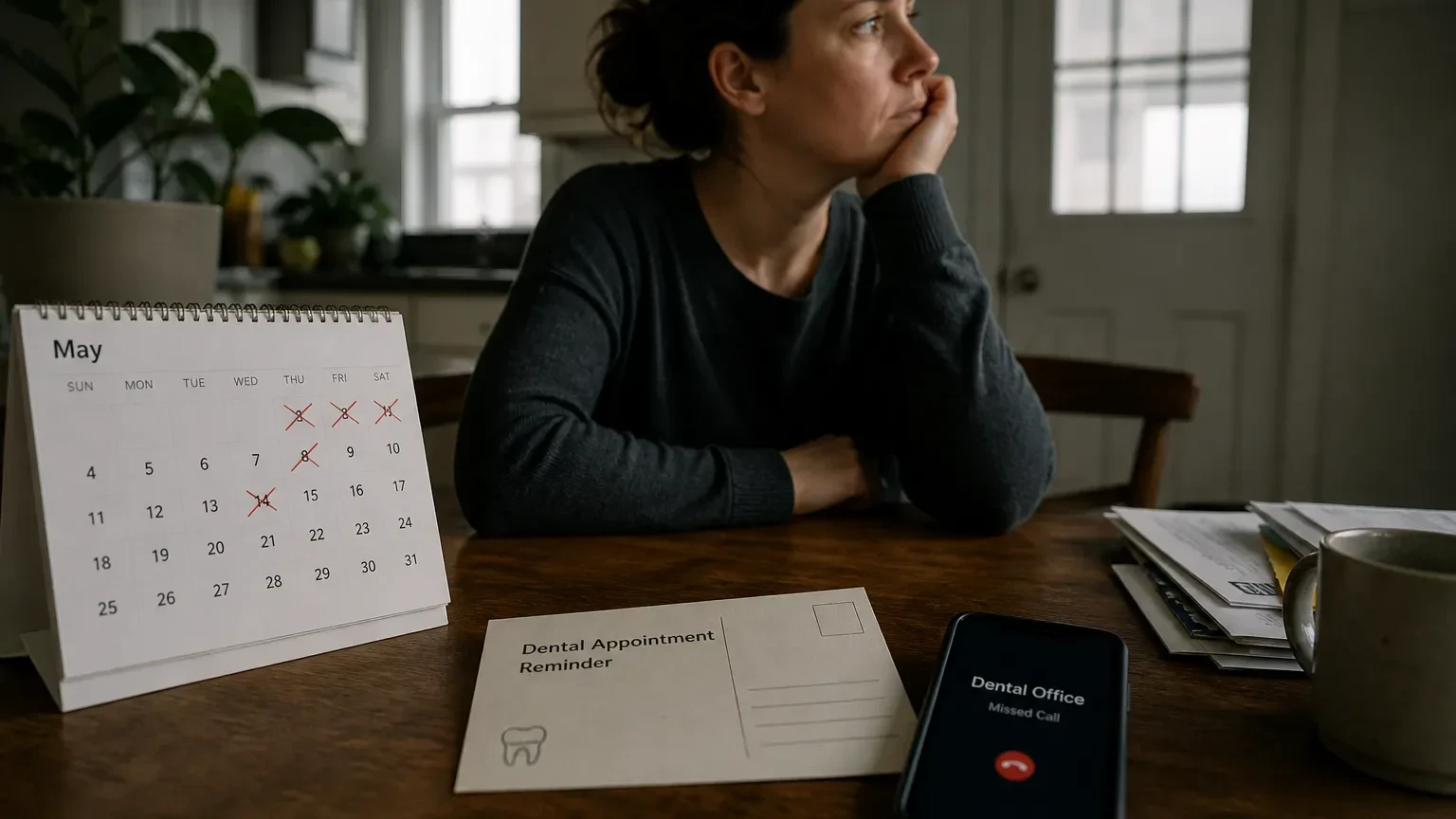
Yes—dental anxiety can get worse over time for many people, especially when fear leads to delayed visits, problems quietly progress, and the next appointment starts to feel even more intimidating. That loop is common and human, not proof you “let things go on purpose.” MouthHealthy notes that the more you delay care, the higher the risk of problems that make future visits harder, while regular visits can make the process easier. Risk framing—who is affected, what changes the plan, and a safer path forward—keeps the focus on interrupting the cycle with compassion.
Mayo Clinic explains that untreated specific fears can limit life through avoidance, and that treatment aims to reduce that avoidance so anxiety no longer runs the schedule. Connect this with why dental fear starts and tools that calm the next visit.
Who Is Affected
- Adults who had a painful or shaming dental experience years ago.
- People with wider anxiety, panic, or medical-setting fear.
- Parents whose own fear shapes how children hear about dentistry.
- Anyone in active tooth pain who also fears the chair—urgency and dread collide.
What changes the plan: rising pain, swelling, infection signs, broken teeth, or years without an exam. Those situations may need sooner care, but “sooner” can still mean a paced visit with comfort supports rather than a forced marathon. A safer path forward is a short restart appointment, honest disclosure of fear, and a staged plan that treats urgent needs first.
Anxiety can also worsen after one difficult modern visit if pain control failed or the patient felt unheard. That is information about fit with that office, not a lifelong sentence. Switching to a more anxiety-aware team can reverse the trend even when dental needs are real.
Watch for escalation signs: canceling the morning of every visit, sleepless nights before appointments, using alcohol to cope, or avoiding smiling and eating because of untreated problems. Those signs mean support should expand—dental pacing plus, when helpful, mental-health care—not more self-criticism.
Pain changes the calculus quickly. A tooth that throbbed occasionally can become constant, and fear of the chair then competes with fear of another sleepless night. In that bind, many people wait until an emergency visit—the most stressful entry point. Interrupting worsening anxiety earlier with a planned, shorter appointment often prevents that scramble, even when you still feel scared walking in.
Social media “horror dentistry” clips can intensify dread between visits. Limit that input if you notice your body reacting. Replace it with the specific plan your clinician wrote down. Fear grows on vague catastrophizing; it often shrinks when the next step has a name, a date, and a comfort tool attached.
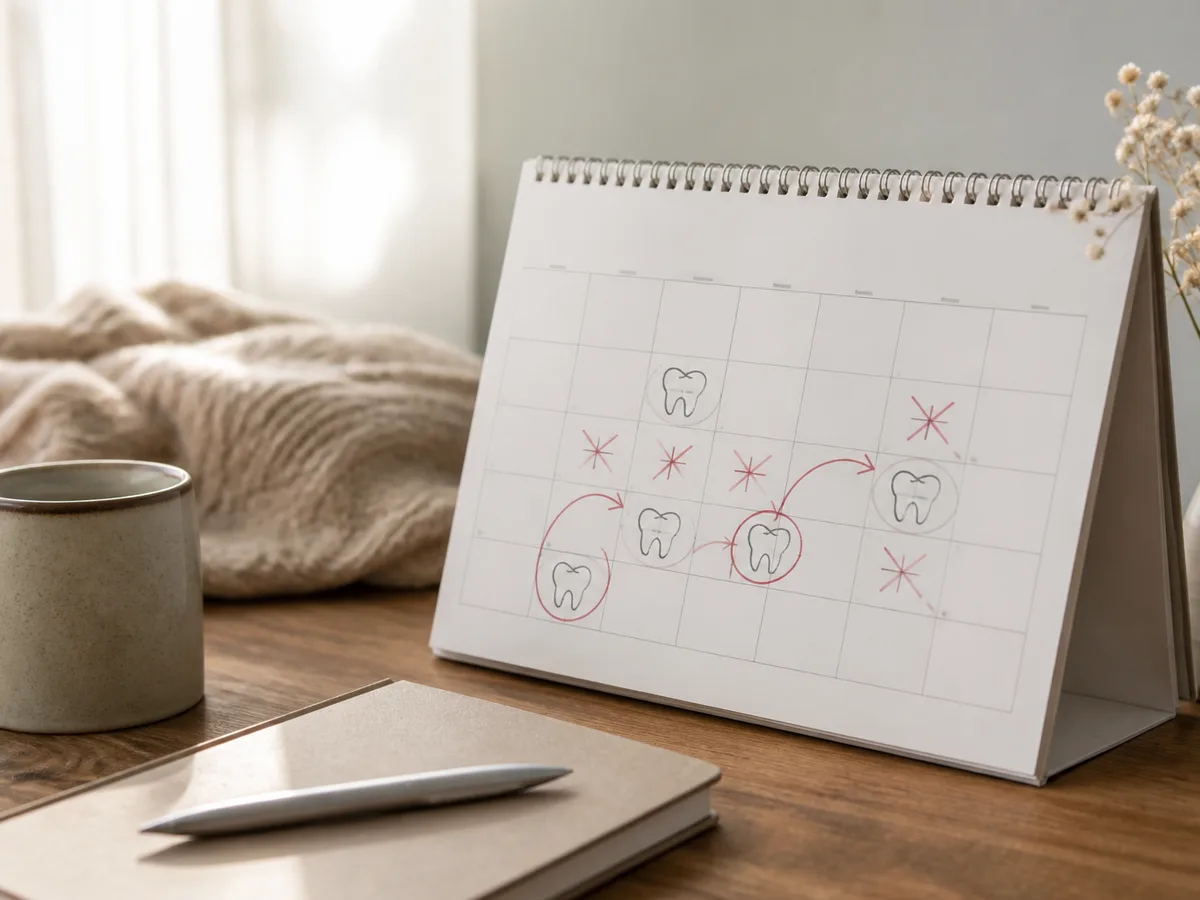 Small contact breaks the loop.
Delay is usually fear, not laziness
If you have canceled repeatedly, tell the next office that pattern up front and ask for the smallest useful first step. Many teams will schedule a conversation-heavy visit on purpose. Interrupting worsening anxiety looks like contact with a safer experience, not a lecture about the months you stayed away. You are allowed to restart without a perfect apology speech.
Safer Path Forward
- Book an exam-focused visit and name anxiety when you schedule.
- Ask for stop signals, pacing, and written priorities.
- Add comfort options if needed—see asking about sedation.
- Seek therapy support if avoidance is spreading beyond dentistry.
 Restart beats crisis-only care.
Earlier gentle care softens fear
Worsening anxiety is a signal to change the plan, not to disappear further. Ask what can be stabilized quickly with the least overwhelm. For an office experienced with patients returning after long gaps, use Find a Dentist and mention that dental anxiety has been getting harder to manage. A kinder restart now is easier than waiting until only emergency care feels possible.
Dental anxiety can intensify when avoidance and dental needs feed each other. Name the loop without shame, take a smaller safer step, and build supports so the next visit is less frightening than the last delay.
Related articles
Keep exploring related topics from Dental Country.
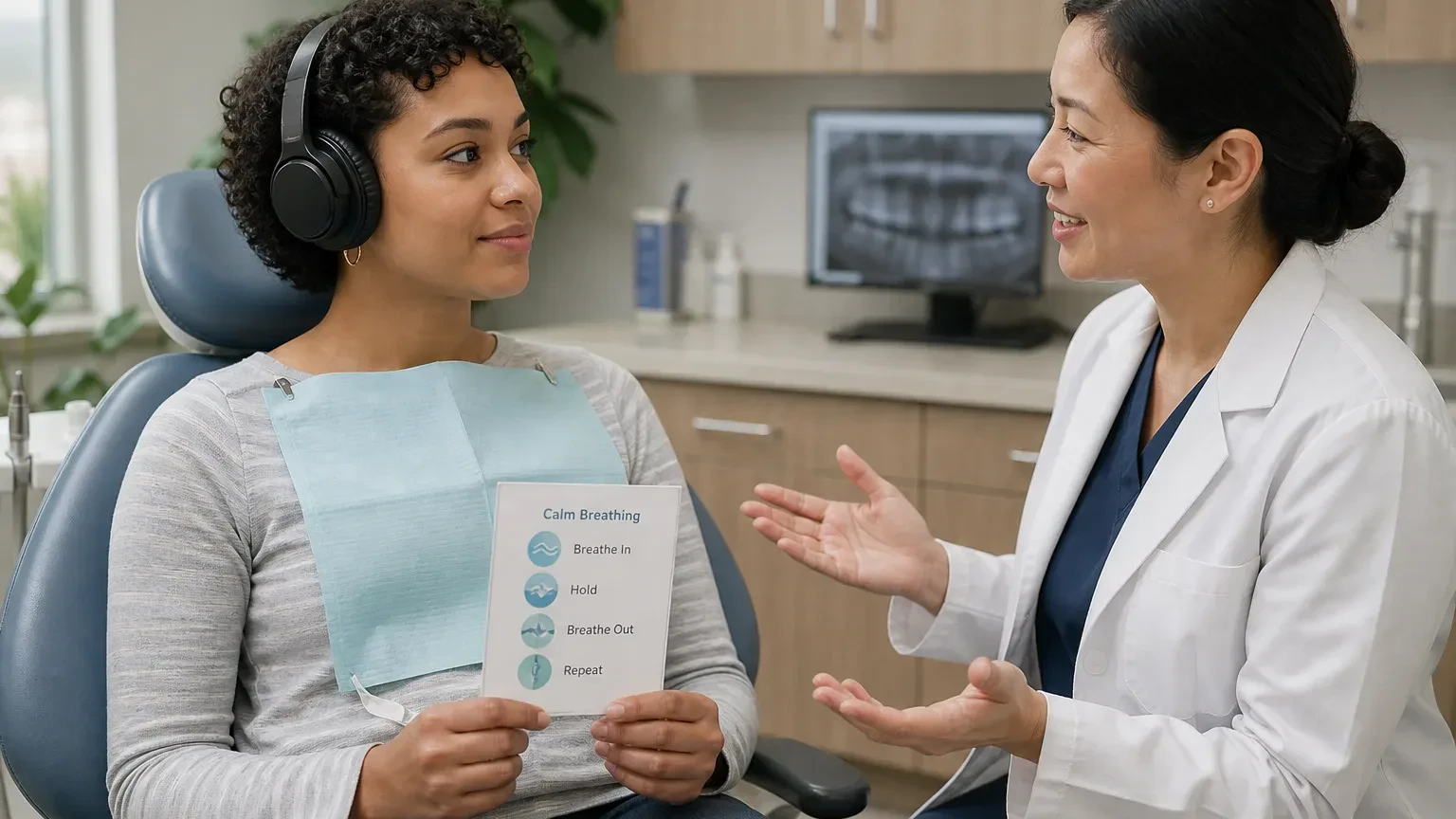
How Do You Calm Dental Anxiety?
You calm dental anxiety by naming triggers, telling the dental team early, pacing the visit with a stop signal, and pairing breathing or distraction with honest pain-control questions—progress counts more than feeling perfectly calm.
Read article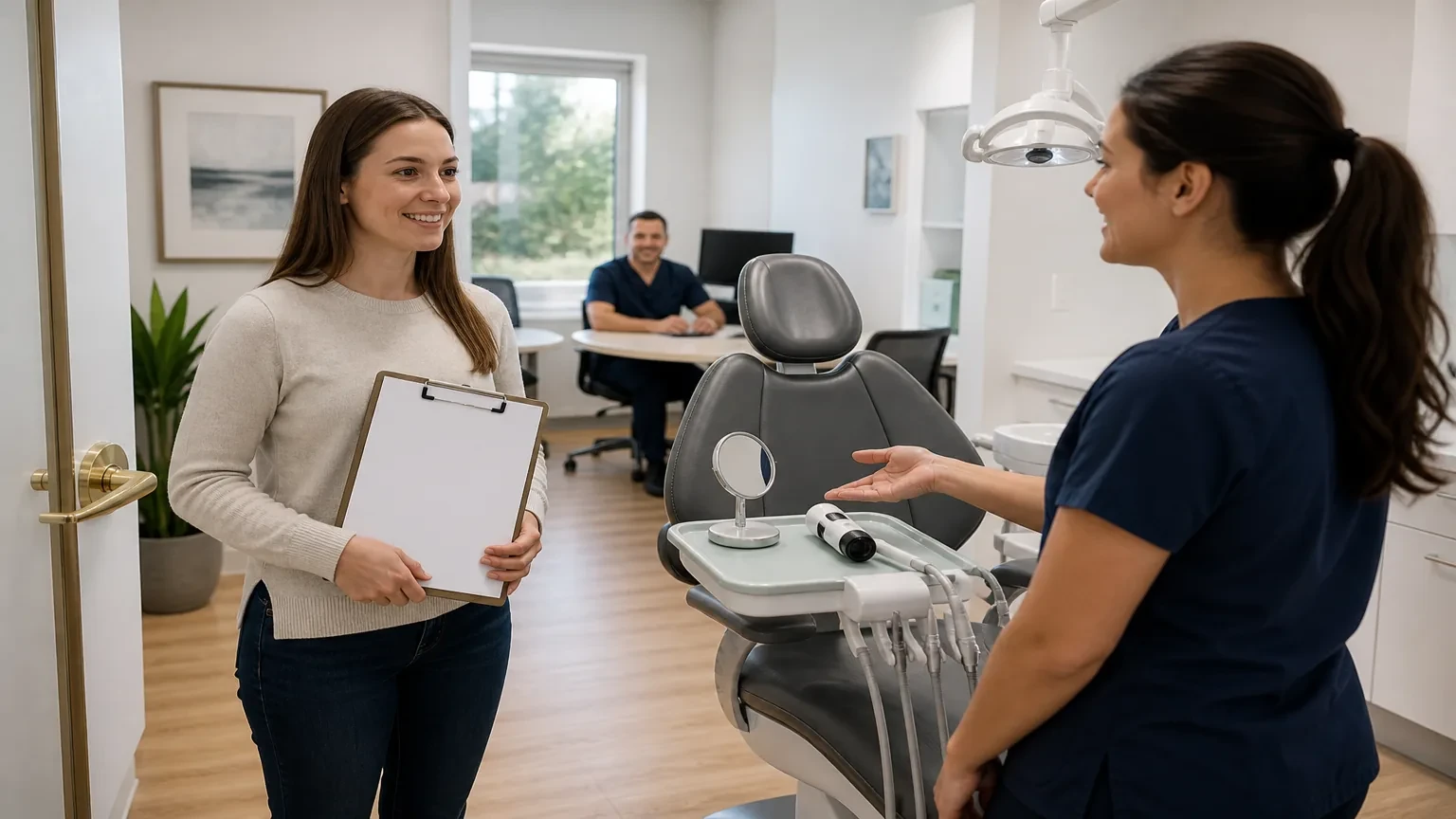
What Happens At A First Dental Visit?
Most first dental visits move from paperwork and conversation to an exam, possible imaging, and a written plan—treatment can often wait until you understand options and feel ready.
Read article
Can You Ask For Sedation If You Are Afraid Of The Dentist?
Asking for sedation when you fear the dentist is appropriate; offices may offer nitrous, oral medicine, or IV options after screening—sedation is a tool, not a character judgment.
Read article
How Do You Find A Dentist For Anxious Patients?
Finding a dentist for anxious patients means prioritizing how the office listens and paces care—comfort options matter, but respectful communication is the first filter.
Read article