
How Do You Prepare For A Dental Appointment If You Are Nervous?
Prepare for a dental visit when nervous with a trigger checklist, packing list, and timing tips. Know when fear or symptoms need sooner help.

Reviewed by Dr. Sean Myran, DMDDoctor of Dental Medicine, University of Pennsylvania
You prepare for a dental appointment when you are nervous by handling logistics and emotions before you arrive: tell the office, pack comfort tools, protect sleep if you can, eat according to any sedation rules, and decide what success looks like for this visit. Preparation shrinks last-minute panic. MouthHealthy suggests telling staff about anxiety when you book and again when you arrive, agreeing on a signal for breaks, and using distraction or breathing techniques. A checklist keeps the plan visible when worry crowds your thoughts.
Use calming techniques during the wait, and review first-visit steps if this is a restart appointment.
Nervous-Visit Prep Checklist
- Call ahead: restate anxiety; ask whether the visit is exam-only or includes treatment.
- Write triggers: needles, sounds, gagging, cost talk, feeling trapped.
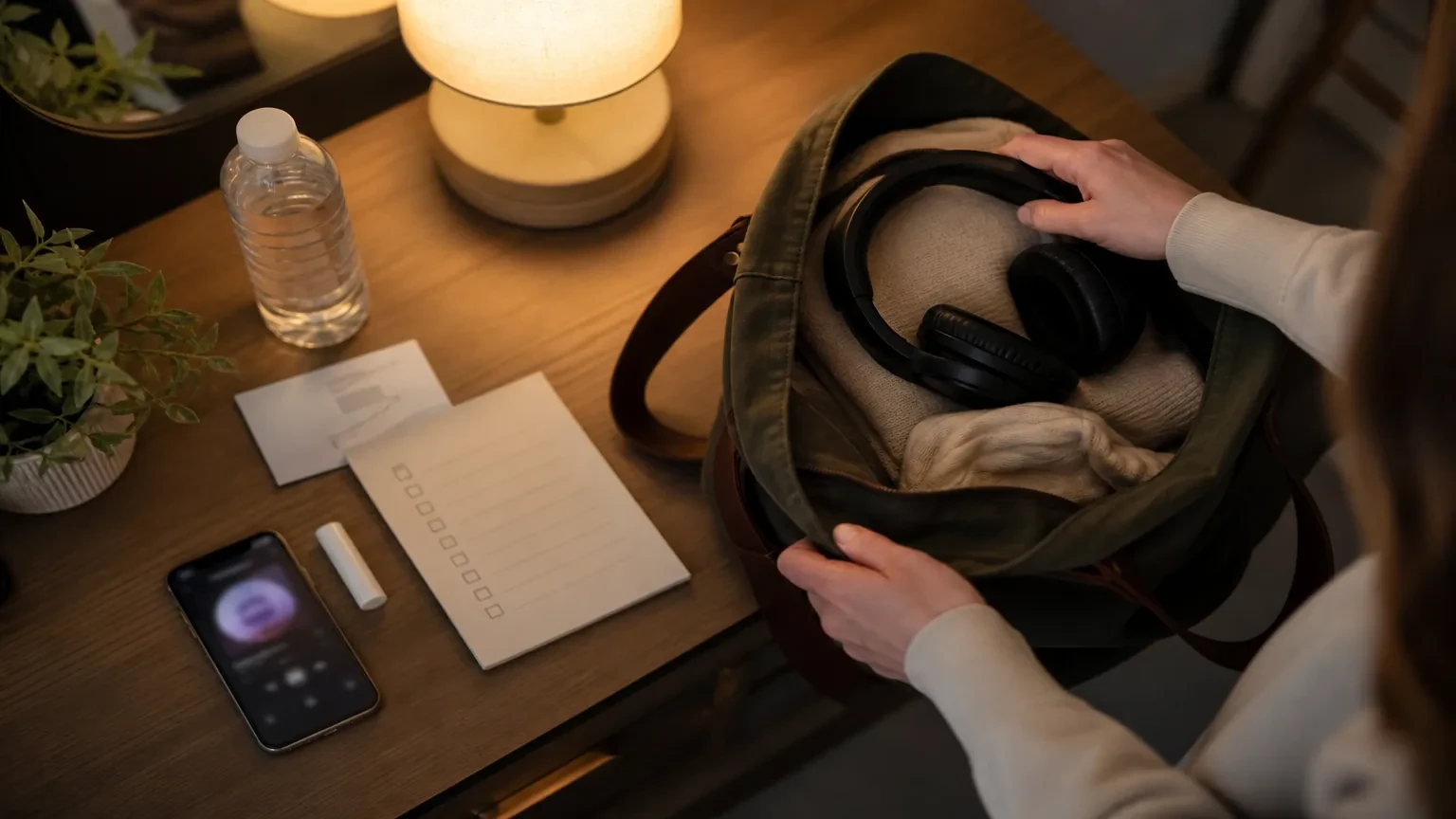
- Pack: headphones, fidget item, lip balm, tissues, medicine list, question list.
- Body basics: light meal unless fasting for sedation; limit extra caffeine if it worsens shakiness.
- Timing: choose the earliest slot you can manage so dread has less time to grow.
- Support: ask a trusted person to ride along or wait nearby when helpful.
- Exit plan: know you can pause; decide a minimum goal (sit in chair, finish exam, complete cleaning).
MedlinePlus guidance on medical-test anxiety includes talking with your provider about what to expect, using breathing strategies, bringing support, and seeking mental-health help when fear is severe. Dental visits benefit from the same preparation mindset.
The night before, lay out clothes and your kit so morning decisions are fewer. If you tend to cancel, text the office a confirmation that you are coming and that you are nervous—making the fear speakable reduces the urge to disappear. Plan a gentle reward after that is not alcohol-based coping.
Decide transportation in advance. If you might use oral or IV sedation, arrange an escort the day you book—not the morning of. For non-sedated visits, still consider a friend to drive if trembling hands or tears make commuting feel unsafe. Put the office number in your phone favorites. Prep also includes telling your workplace you may need a slightly flexible return time if the visit runs long.
Rehearse your first sentence for the front desk: “I’m nervous today—please note that for the clinical team.” One sentence prevents you from silently hoping someone notices. If waiting rooms amplify dread, ask whether you can wait in your car until the chair is ready. Many offices accommodate that when you ask ahead.
When To Seek Care Sooner
- Swelling, fever, spreading pain, or trouble swallowing—call urgently; ask for pain-focused, anxiety-aware triage.
- Panic so intense you cannot enter the building—ask about shorter visits, different entrances/times, or sedation options.
- Avoidance lasting months with worsening chewing or sleep from tooth pain—book a restart exam rather than waiting for a crisis.
- Thoughts of using substances just to get through dentistry—tell both dental and medical/mental-health clinicians so the plan stays safe.
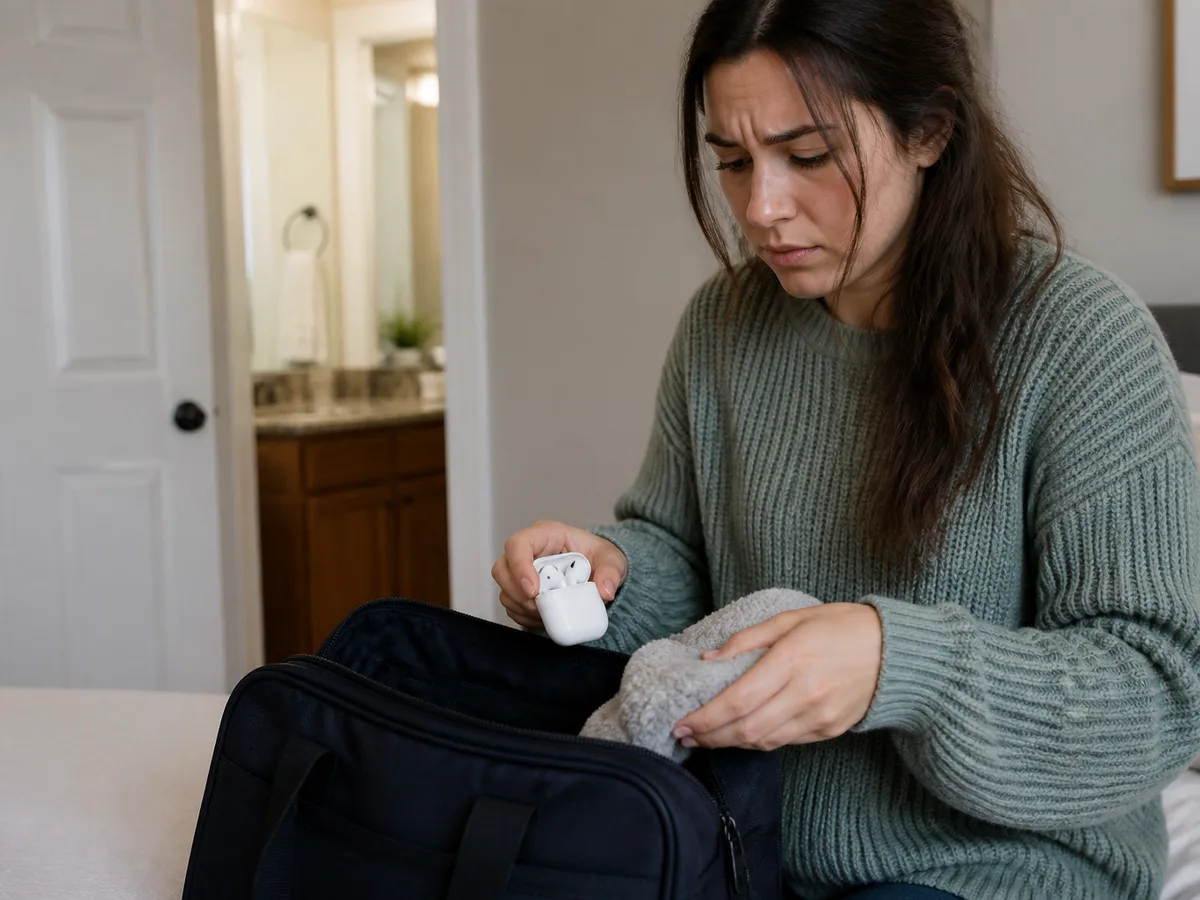 Kit before courage stories.
Prep is permission to be human
A packed kit is not overreacting; it is scaffolding. Include a note that says your stop-signal preference and top trigger so you do not have to perform eloquence while scared. If sedation is planned, re-read fasting and escort rules the afternoon before—not in the parking lot. Preparation turns some unknowns into known steps, which is often half the calm you need.
 Arrive with a plan.
Arrival logistics shape fear
Aim to arrive early enough to check in without sprinting, but not so early that waiting-room time spirals. Tell the receptionist you are nervous as you sign in. For offices that help nervous patients prepare and pace visits, use Find a Dentist and mention that you need clear prep instructions when you book. Good preparation is clinical, not cosmetic.
Prepare for a dental visit when nervous with a trigger list, comfort kit, timing strategy, and clear minimum goals—and seek sooner help when pain, swelling, or panic starts closing every door.
Related articles
Keep exploring related topics from Dental Country.
How Do You Calm Dental Anxiety?
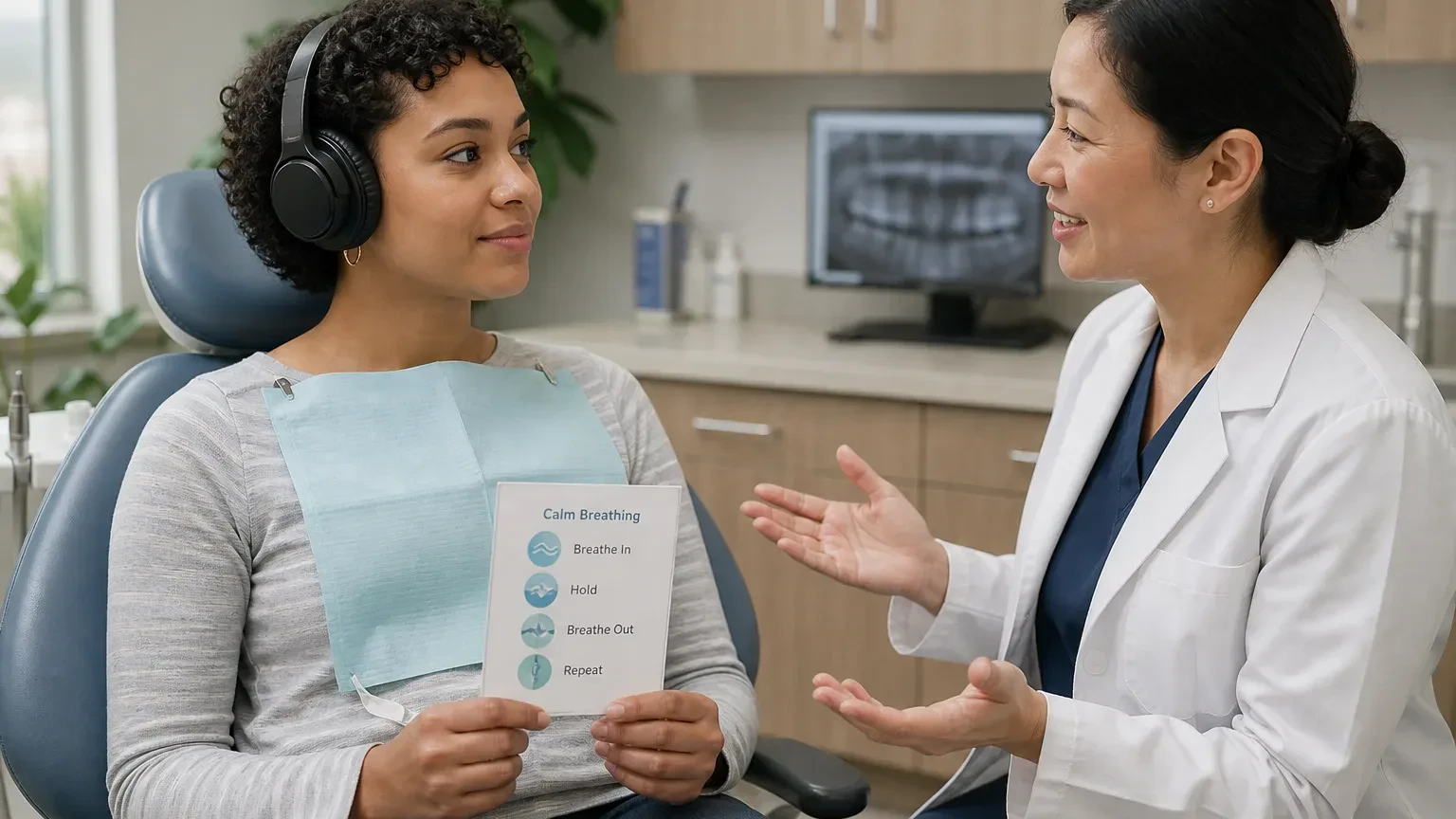
You calm dental anxiety by naming triggers, telling the dental team early, pacing the visit with a stop signal, and pairing breathing or distraction with honest pain-control questions—progress counts more than feeling perfectly calm.
Read article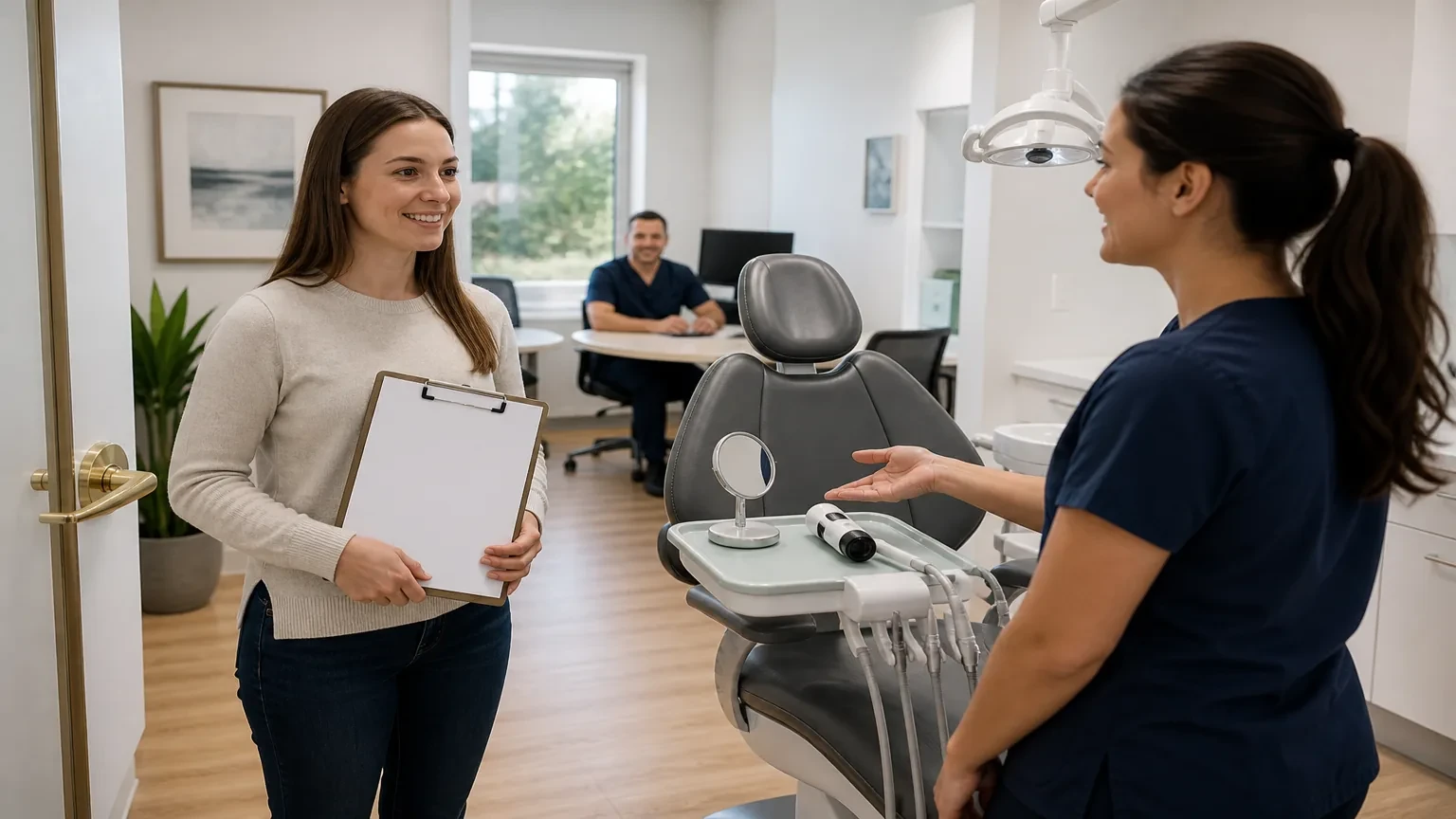
What Happens At A First Dental Visit?
Most first dental visits move from paperwork and conversation to an exam, possible imaging, and a written plan—treatment can often wait until you understand options and feel ready.
Read article
Can You Ask For Sedation If You Are Afraid Of The Dentist?
Asking for sedation when you fear the dentist is appropriate; offices may offer nitrous, oral medicine, or IV options after screening—sedation is a tool, not a character judgment.
Read article
How Do You Find A Dentist For Anxious Patients?
Finding a dentist for anxious patients means prioritizing how the office listens and paces care—comfort options matter, but respectful communication is the first filter.
Read article