

How Do You Choose Between Invisalign And Braces?
Choose Invisalign or braces by bite complexity, wear habits, hygiene, cost, and specialist advice—not ads alone. Follow a clear decision path.

Reviewed by Dr. Sean Myran, DMDDoctor of Dental Medicine, University of Pennsylvania
Choosing well means understanding how each appliance applies force, then testing that method against your habits and bite. Invisalign trays are removable plastics that nudge teeth when worn enough hours; braces are fixed brackets that deliver continuous wire-guided force. AAO aligner guidance explains that trays are custom-formed, worn many hours per day, and are not right for everyone. Invisalign is one brand among clear-aligner options; braces also come in metal, ceramic, and lingual forms.
How Each Option Works
- Invisalign brand aligners: sequential trays plus, when needed, attachments and elastics; progress depends heavily on wear.
- Braces: brackets and wires stay on; elastics and bends fine-tune bite details without removing the engine.
- Shared biology: bone remodeling needs time; rushing either system risks incomplete roots-and-bite goals.
Use the Invisalign versus braces comparison for a feature table and effectiveness limits when your case sits on the fence.
Think in systems, not slogans. Aligners apply programmed forces when seated and clean; missed hours create unplanned biology. Braces apply continuous force through wires that the office adjusts. Both can use elastics. Both need healthy gums. Both fail when oral disease is ignored. The “how it works” difference is mainly removability and how precisely certain tooth movements are controlled in your specific pattern of crowding or bite discrepancy.
Adult mouths add variables: crowns, implants that cannot move, worn edges, prior extractions, and joint symptoms. Those details can favor one appliance—or favor specialty referral—before any brand sticker is chosen. Bring a history of prior orthodontics; relapse cases are common and sometimes need different mechanics than a first-time teen alignment.
 Habits plus diagnosis decide.
Candidacy notes that matter
Favor trays when movements are within what your clinician predicts for aligners, you will wear them as directed, and hygiene will stay excellent before trays go back in. Favor braces when rotations, extrusion, large bite jumps, or compliance risks make removable trays unpredictable. Gum disease, short roots, or active decay can delay both paths. Alternatives such as ClearCorrect, ceramic braces, or hybrid plans may appear once records are in. Ask what would make the clinician change the recommendation mid-treatment.
A Practical Selection Path
- Complete exam, photos, and needed radiographs.
- List must-fix bite issues versus nice-to-have cosmetic tweaks.
- Rate your likely tray wear honesty on a busy week.
- Compare written plans: months, visits, refinements, retainers, backup.
- Decide with the clinician who will be responsible if tracking fails.
Cost matters, yet the wrong cheap plan is expensive. Ask how Express versus Comprehensive packages would apply—if at all—before chasing a shorter label. Include retainer costs and the possibility of refinements so the first quote matches the journey you are actually buying.
If two offices disagree—one pushes trays, one pushes braces—compare their diagnoses, not their personalities. A thoughtful disagreement about a borderline canine rotation can be useful. A hard sell that skips records is not. You are choosing a plan owner for the next one to two years.
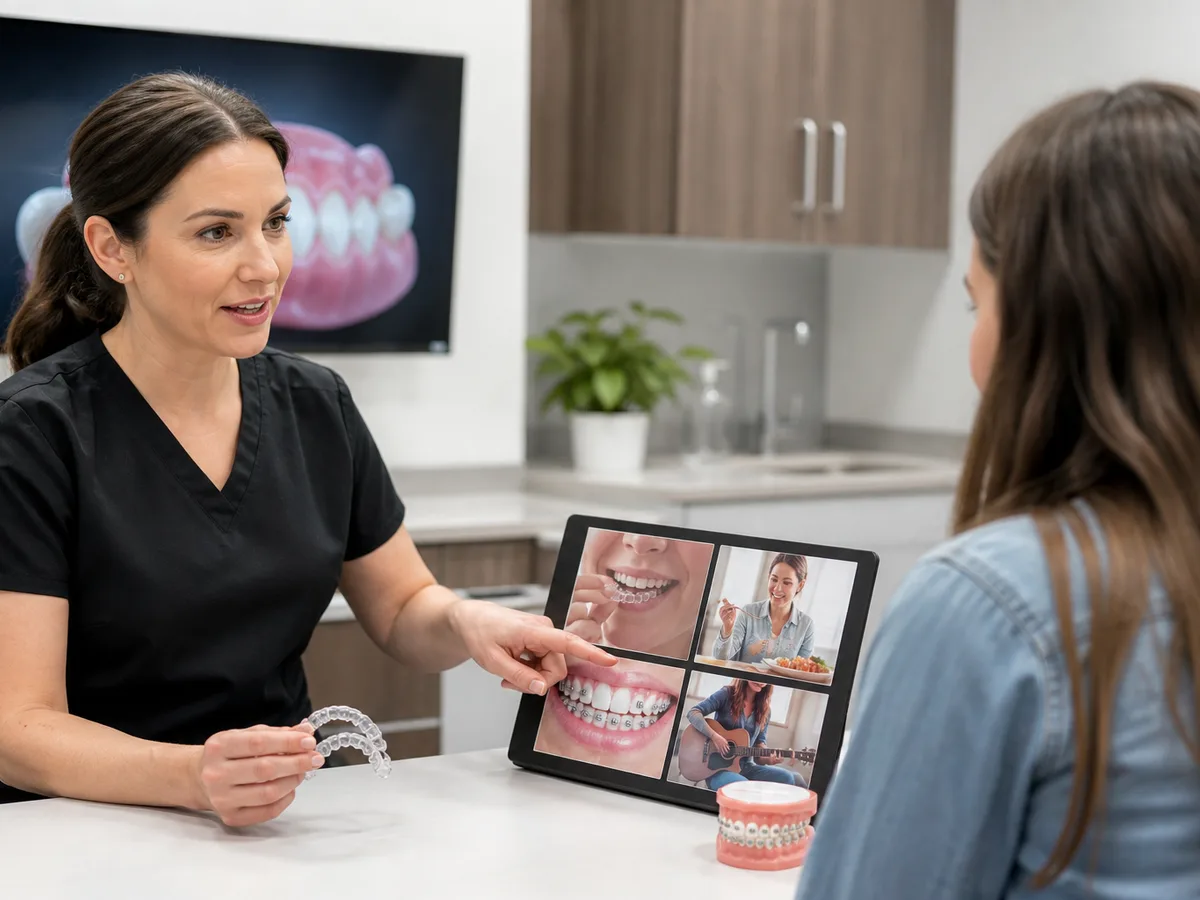 One plan, clear ownership.
Leave with one accountable plan
You should know who adjusts the plan, how often you are seen, and what happens if goals stall. Brand preference is fine; unowned plans are not. When you want help finding a supervised orthodontic or dental practice that offers both styles of care, use Find a Dentist and bring your priority list—discretion, sports, timeline, or budget—to the first visit. Write down the wear hours or food rules you are agreeing to so consent matches real life.
Choose Invisalign or braces after candidacy is clear: needed movements, your wear habits, and a clinician-backed backup. Ads can introduce options; records should finish the decision. Revisit the choice if your goals or health status change before bonding or tray delivery. A short delay for gum therapy or a filling is often wiser than starting force on an unstable foundation.
Related articles
Keep exploring related topics from Dental Country.
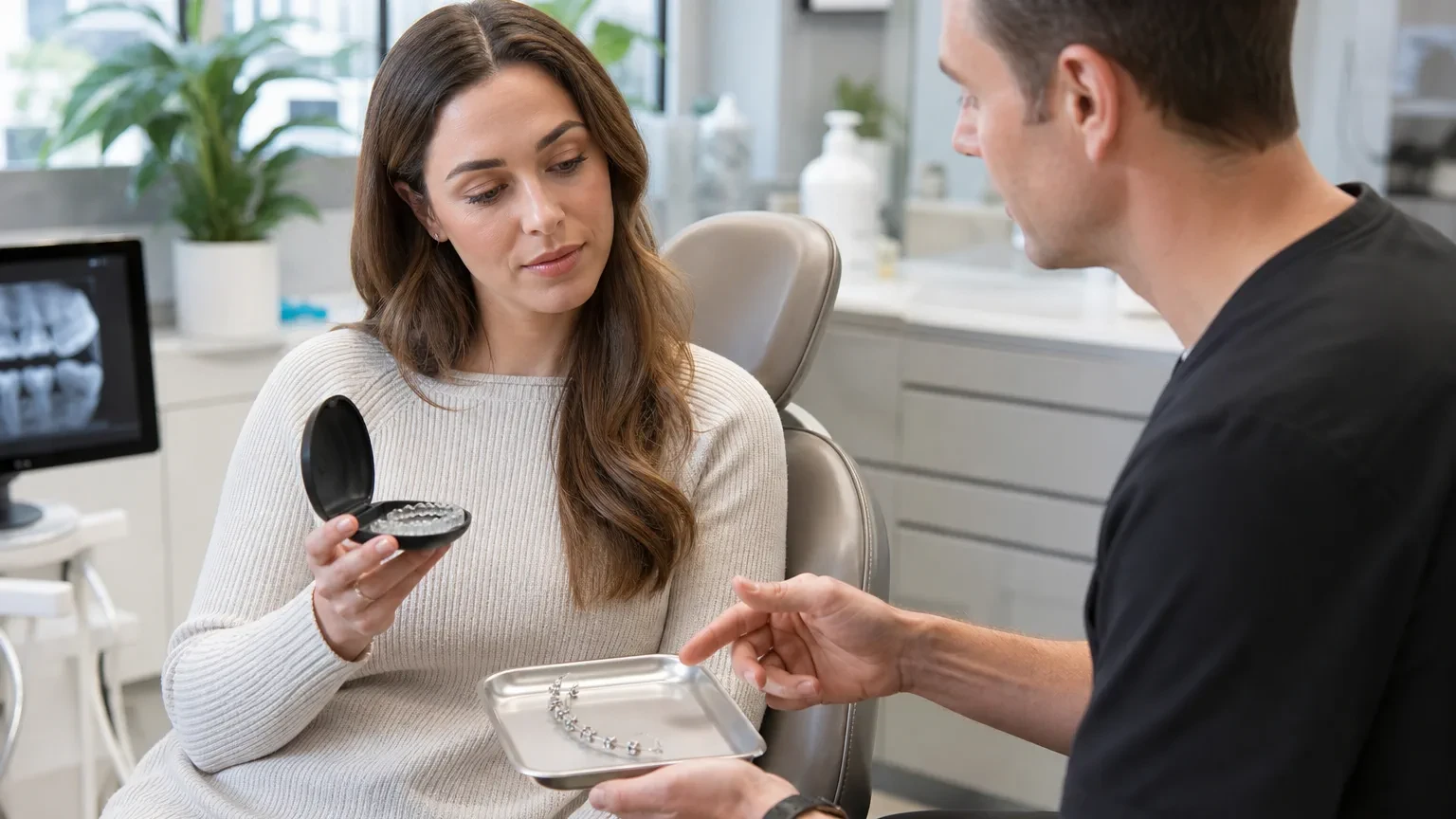
Invisalign Vs Braces: Which Is Right For Me?
Invisalign is one clear-aligner brand; braces are fixed appliances. The better option depends on your bite, compliance, hygiene habits, and what your orthodontist can predictably move—not on which ad looks cleaner.
Read article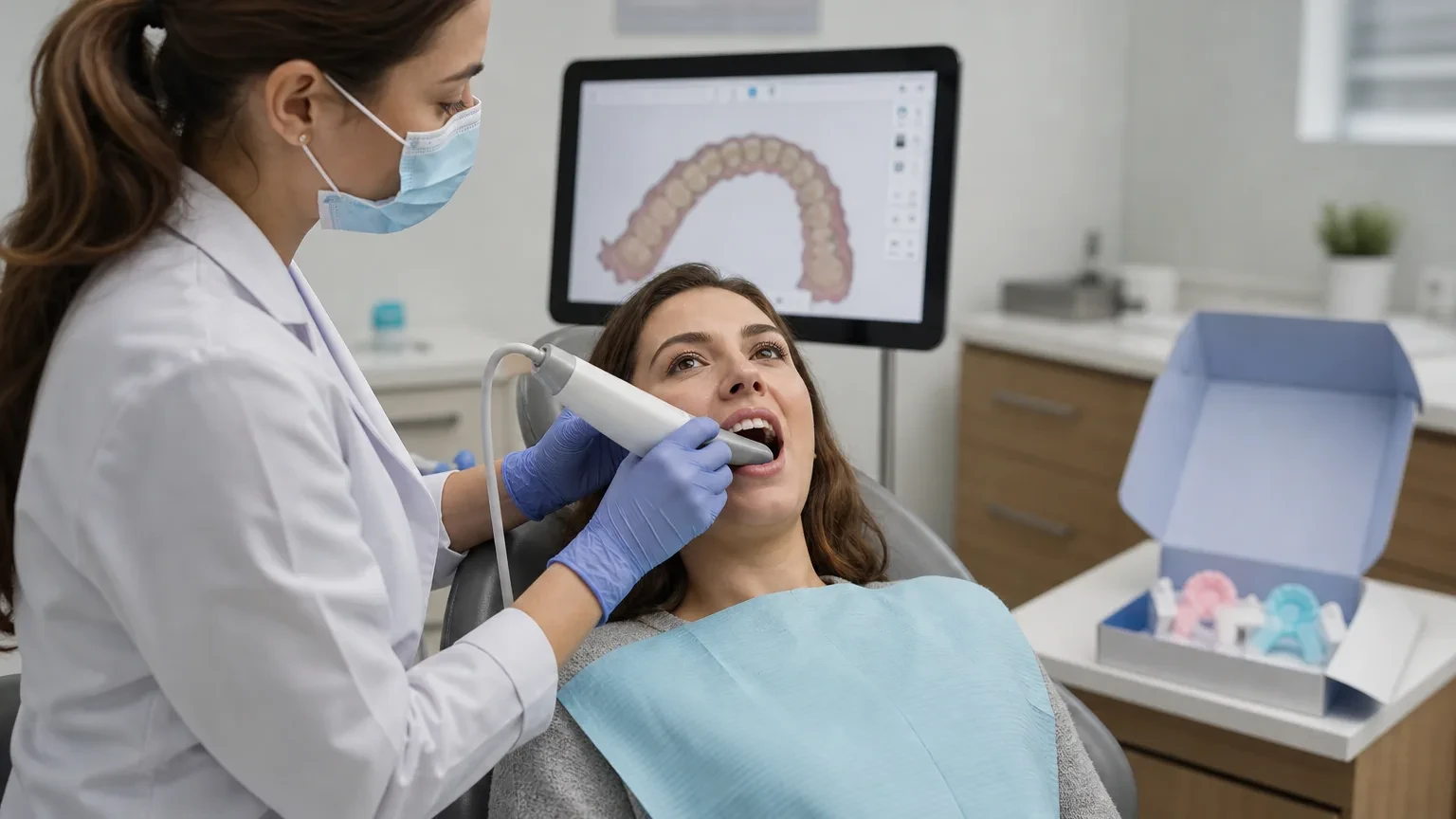
Invisalign Vs SmileDirectClub: What's The Difference?
Invisalign care is typically planned and monitored in a dental or orthodontic office; SmileDirectClub was a direct-to-consumer aligner model with remote oversight. The difference that matters most is clinical examination and ongoing in-person judgment—not tray clarity.
Read article
Invisalign Vs Ceramic Braces: Which Looks Better?
“Looks better” depends on distance, lighting, attachments, and how your case moves. Invisalign trays and ceramic braces both aim for discretion, yet they hide hardware in different ways—and neither is purely cosmetic.
Read article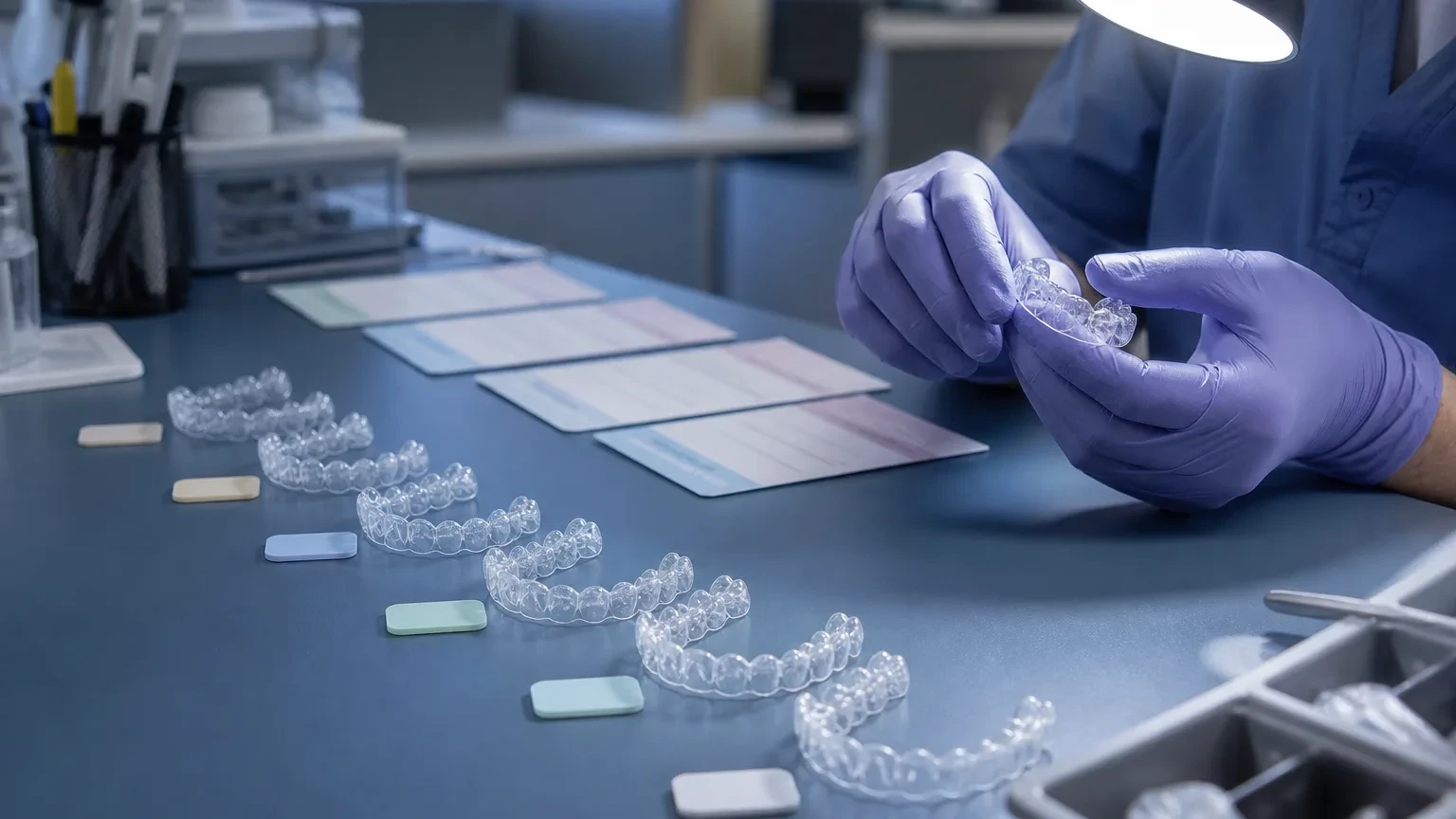
What Are Invisalign Refinements?
Invisalign refinements are additional trays ordered after a progress check when teeth have not fully reached the planned positions. They are common in supervised care and do not automatically mean treatment failed.
Read article