
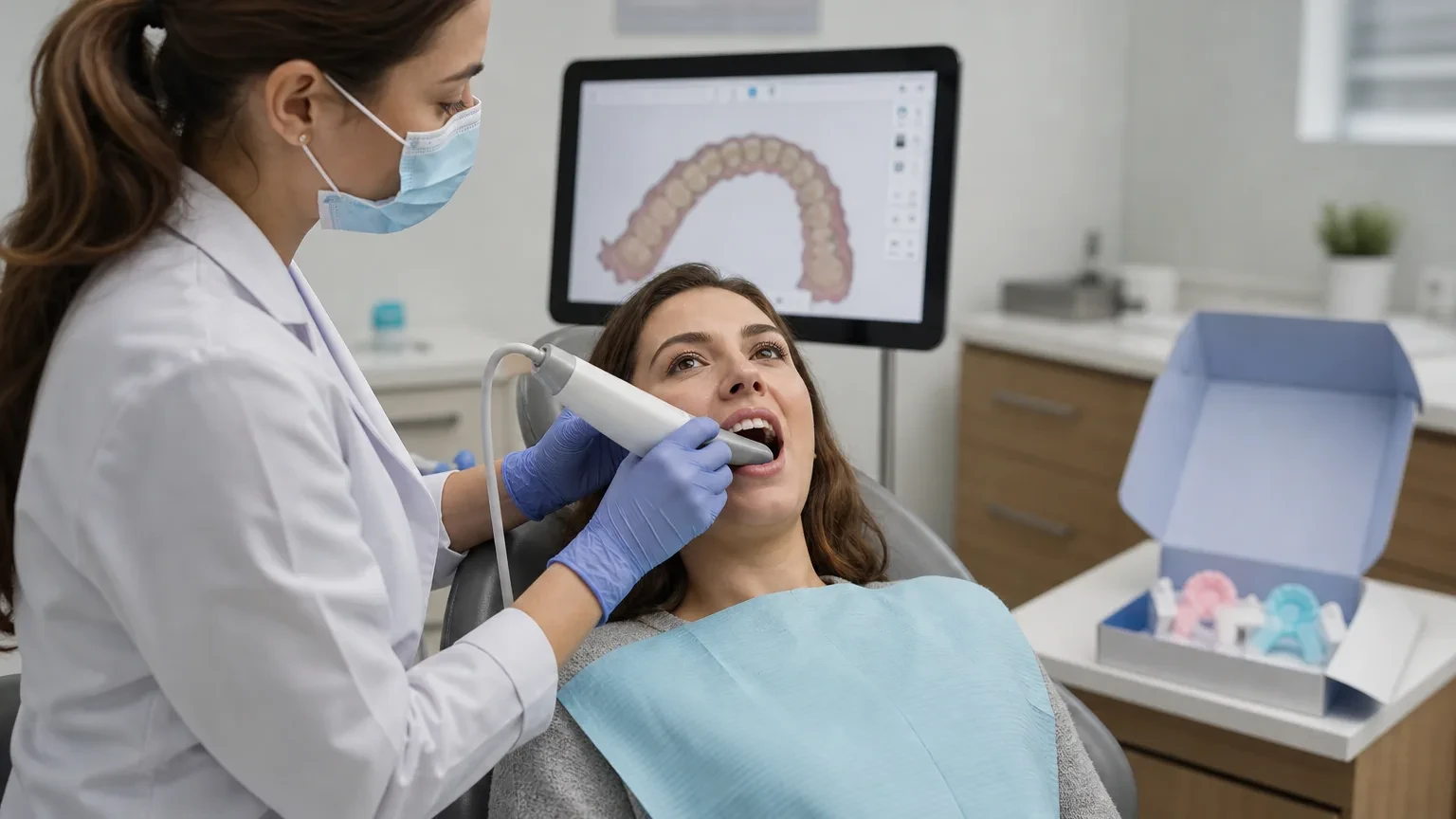
Invisalign Vs SmileDirectClub: What's The Difference?
Invisalign is dentist-supervised; SmileDirectClub used a direct-to-consumer model. See how exams, oversight, and risk differ before you choose.

Reviewed by Dr. Sean Myran, DMDDoctor of Dental Medicine, University of Pennsylvania
The core difference is supervision, not plastic. Invisalign is a brand of clear aligners usually prescribed after an in-person exam, records, and a clinician-led plan. SmileDirectClub was a well-known direct-to-consumer aligner company; its business later shut down, and many patients still ask how that model compared. Remote or mail-order approaches can look cheaper up front, yet they may skip the chairside exam that catches gum disease, decay, short roots, or bite problems that change whether tooth movement is appropriate.
The American Association of Orthodontists stresses that moving teeth is a complex biological process and that clear aligner therapy should be guided by a qualified professional after a comprehensive examination. That framing helps separate brand marketing from risk.
Who Is Most Affected By Remote-Only Models
- People with untreated cavities, active gum disease, or failing restorations.
- Patients with complex bites, jaw-joint symptoms, or significant crowding.
- Anyone who needs X-rays or periodontal charting before safe movement.
- Patients who struggle to self-monitor fit problems between shipments.
If cost is the draw, read at-home aligners versus Invisalign and how office-based aligner brands can differ before assuming a mail-order path is “the same product without the office.”
Remote models also change accountability. When trays do not track, who can adjust attachments, order a rescan, or recommend braces? In a supervised Invisalign office, that person is usually the treating dentist or orthodontist you can see. In a consumer funnel, support may be a ticket queue, a rotating reviewer, or a company that no longer operates. Keep copies of scans, consents, and payment terms so you are not starting from zero if you later seek in-person care.
Not every at-home story ends badly, and not every Invisalign case is simple. The risk framing is about missing information: untreated periodontal disease, root resorption risk, asymmetric bites, or goals that quietly expanded from “close a small gap” to “fix my whole bite” without new records. Price tags do not disclose those gaps.
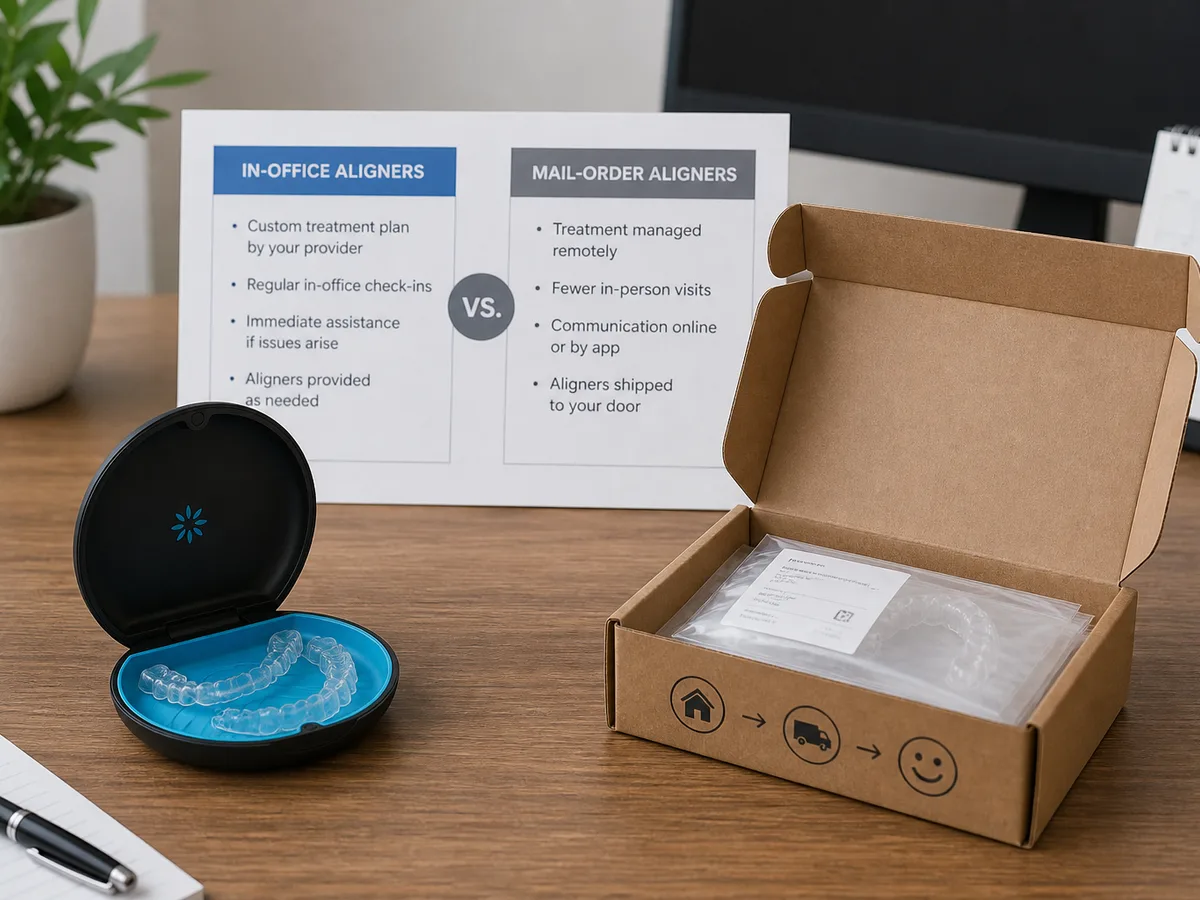 Records first, trays second.
What changes the plan
A supervised Invisalign-style plan can pause for fillings, deep cleaning, or a braces recommendation when records show risk. A remote kit cannot feel your gums or see early decay the way a dental exam can. Alternatives vary widely: some companies pair teledentistry with limited scans; others rely heavily on patient photos. None of those shortcuts rewrite biology. If your bite needs elastics, attachments, or staged IPR, distant approval may not be enough. Ask what imaging was reviewed before anyone ships plastic.
Safer Path Forward
- Get a dental exam and needed X-rays before any aligner kit.
- Ask who diagnoses, who monitors progress, and how emergencies are handled.
- Clarify whether refinements, mid-course corrections, or braces conversion are included.
- Treat company shutdowns and policy changes as real consumer risks—keep copies of records.
Invisalign brand treatment is not the only supervised option, and it is not guaranteed to fit every case. Other clinician-directed aligner systems and braces remain valid alternatives when candidacy is uncertain. If you already started a remote kit and something feels wrong—pain that does not settle, trays that will not seat, or bite changes that worry you—pause and seek an in-person evaluation rather than ordering the next shipment on autopilot.
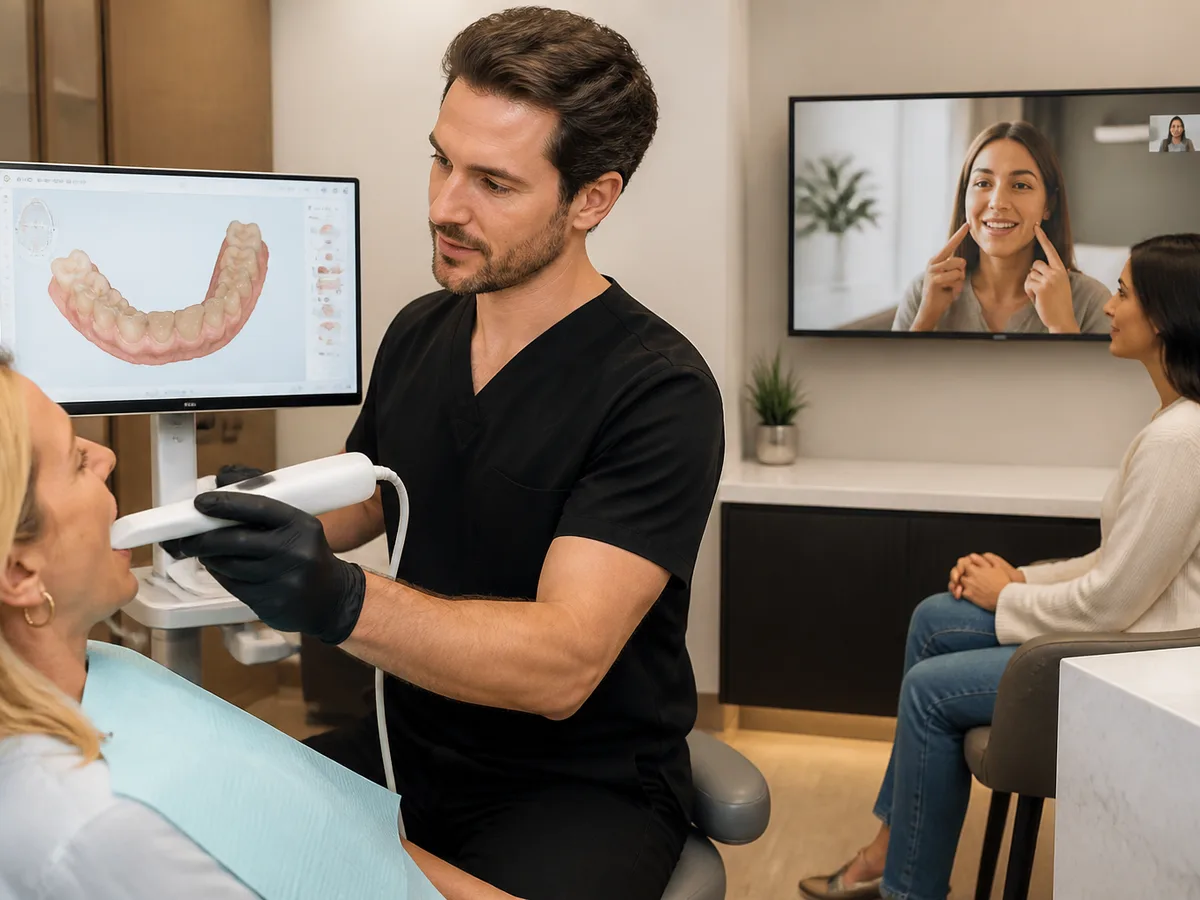 Oversight protects the investment.
Monitoring is part of the product
Scheduled checks catch trays that are not tracking, attachments that fail, or hygiene problems under plastic. That feedback loop is a major practical difference from mail-order timelines built around shipping calendars. For local care with clinical oversight, use Find a Dentist and ask how often aligner patients are seen in person. Brand names change; the need for diagnosis does not. Bring any prior kit records so the new clinician is not guessing.
SmileDirectClub’s history is a reminder that consumer aligner brands can vanish while tooth movement still needs professional judgment. Prefer a path that starts with an exam, names a responsible clinician, and documents a backup plan if trays stall. Cautious shopping beats a flash sale that skips the mouth you actually have.
Related articles
Keep exploring related topics from Dental Country.
Invisalign Vs Braces: Which Is Right For Me?
Invisalign is one clear-aligner brand; braces are fixed appliances. The better option depends on your bite, compliance, hygiene habits, and what your orthodontist can predictably move—not on which ad looks cleaner.
Read article
Invisalign Vs Ceramic Braces: Which Looks Better?
“Looks better” depends on distance, lighting, attachments, and how your case moves. Invisalign trays and ceramic braces both aim for discretion, yet they hide hardware in different ways—and neither is purely cosmetic.
Read article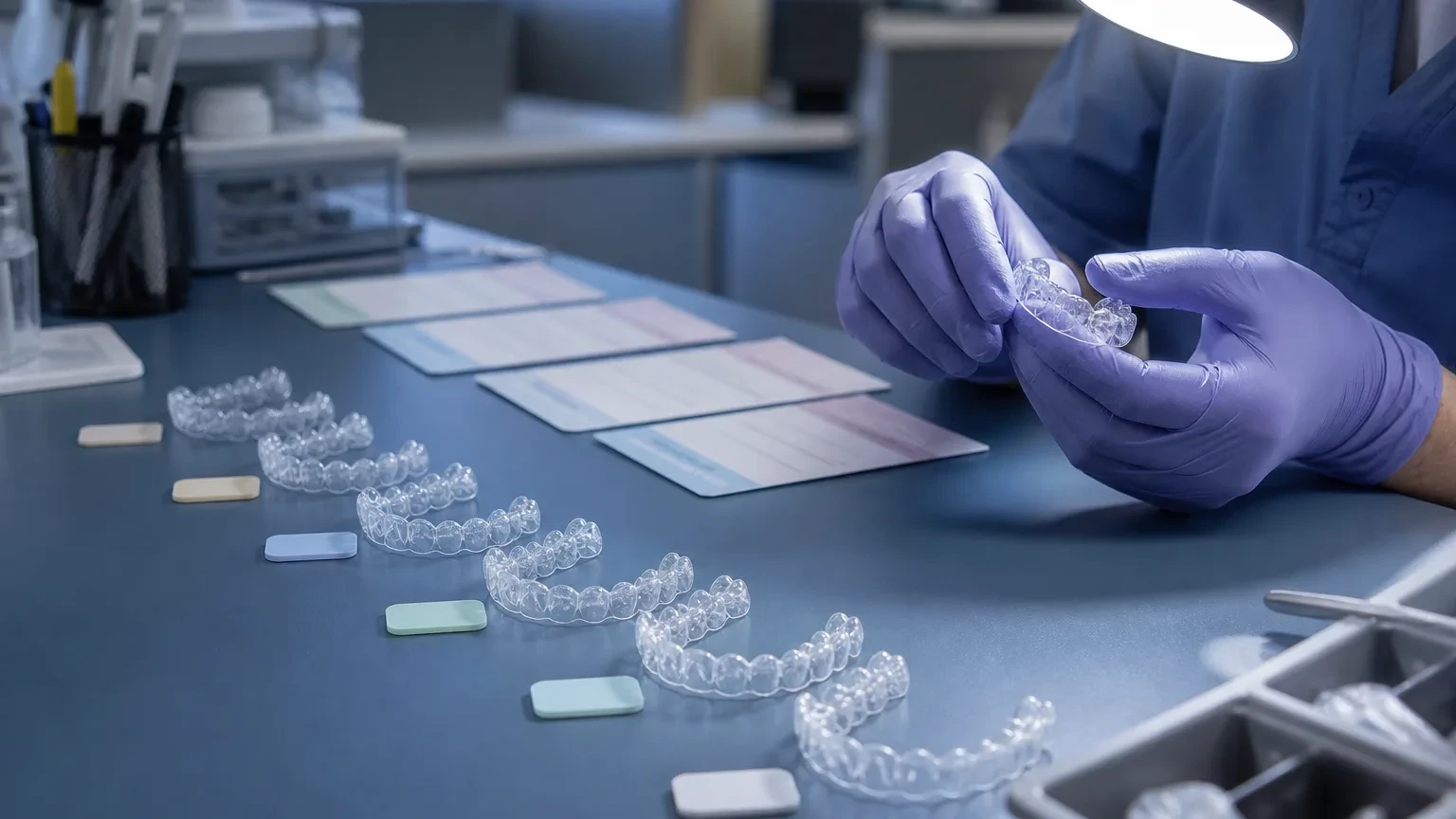
What Are Invisalign Refinements?
Invisalign refinements are additional trays ordered after a progress check when teeth have not fully reached the planned positions. They are common in supervised care and do not automatically mean treatment failed.
Read article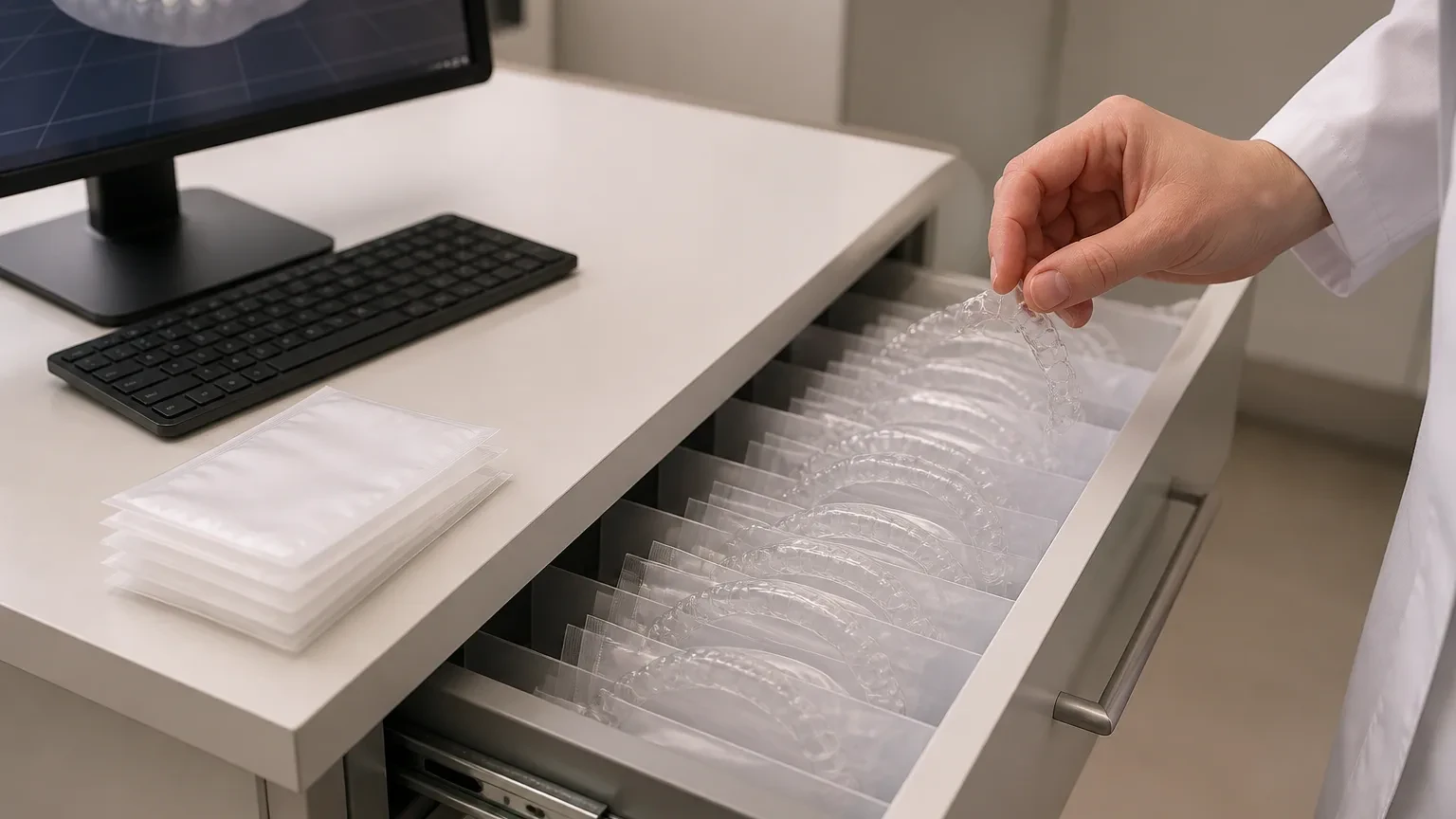
Invisalign Express Vs Comprehensive: What's The Difference?
Express-style Invisalign packages are aimed at shorter, limited movements; Comprehensive covers a wider range of tooth and bite changes. The label matters less than whether your diagnosis fits the package limits.
Read article