
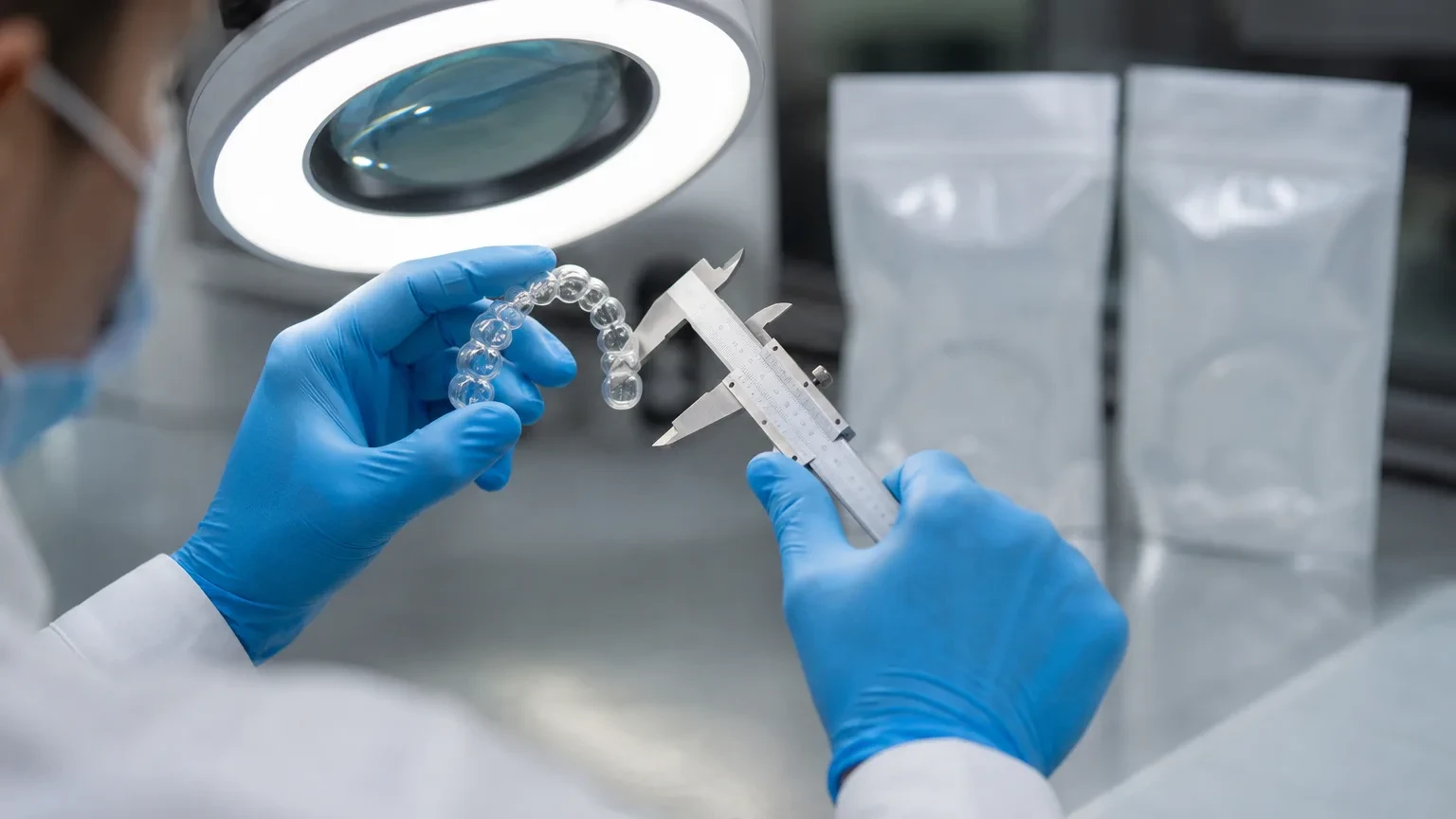
Invisalign Vs ClearCorrect: How Do They Compare?
Invisalign and ClearCorrect are clear-aligner brands used under clinical care. Compare materials, oversight, and how to choose with your dentist.

Reviewed by Dr. Sean Myran, DMDDoctor of Dental Medicine, University of Pennsylvania
Invisalign and ClearCorrect are both clinician-directed clear-aligner brands, not mail-order synonyms for each other. Each uses sequential plastic trays to move teeth under a dental or orthodontic plan. Materials, software, attachment styles, and provider networks differ, and offices often prefer the system they know best. Neither brand is universally superior; candidacy depends on your bite, the clinician’s experience with that system, and how consistently you wear trays.
AAO aligner information describes clear aligners as custom trays worn many hours daily and selected based on unique needs. Brand choice sits inside that clinical frame.
Day-By-Day Feel With Either Brand
- Days 1–3: pressure and slight lisp are common as you adapt; soft foods and careful chewing help while sore.
- Week 1: build the insert–remove–clean habit; trays should seat fully with any chewies your office recommends.
- Each tray change: mild tightness often returns; track hours so “forgot them at lunch” does not stack.
- Check visits: either brand still needs monitoring for tracking, attachments, and hygiene.
- Finishing weeks: expect detail work; refinements can appear in many supervised plans.
Soreness patterns are usually about new force, not about which logo printed on the bag. If pain is sharp, one-sided, or paired with trays that will not seat, call the office rather than toughing out another full day. Day-by-day adaptation should trend toward comfort between changes; escalating pain is a monitoring issue for either brand.
Travel weeks test both systems the same way: trays need a case, a cleaning plan, and honest hours. Shipping delays for replacements can differ by brand and office inventory, so ask how lost-tray emergencies are handled before you need one. A brand with great ads and slow local support can feel worse on day twelve than a quieter system your clinician stocks well.
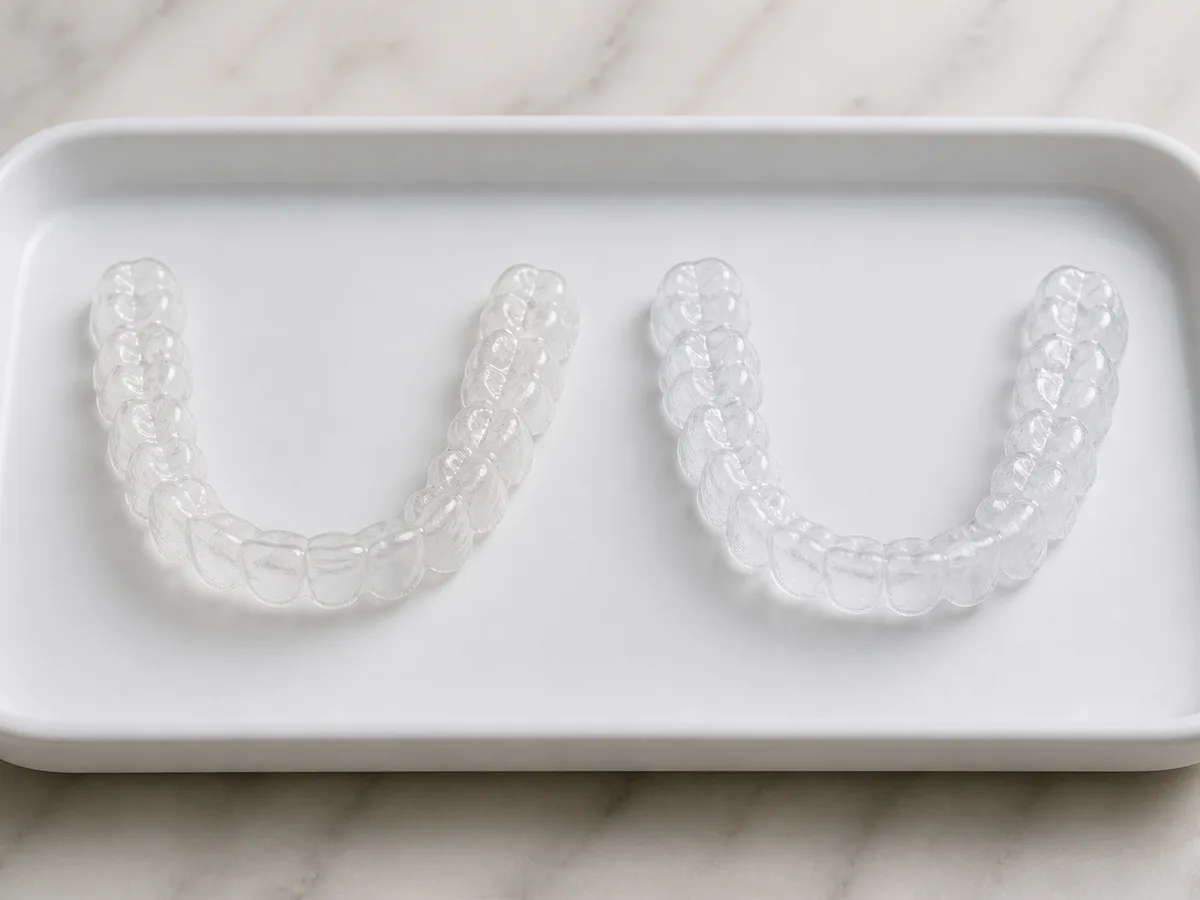 Routine looks similar day to day.
Wear habits beat logos
From a patient’s morning routine, Invisalign and ClearCorrect can feel alike: trays in for most of the day, out for meals, cleaned before they return. The brand logo on the bag matters less than whether trays track and whether your clinician can adjust the plan. If an office offers only one system, ask why it fits your case rather than assuming the missing logo means worse care. Consistency across weekdays and weekends predicts results more than plastic brand trivia.
When comparing broader alternatives, see at-home kits versus supervised Invisalign and when braces may still be better. Direct-to-consumer models are a different risk category than office-based ClearCorrect or Invisalign.
How Offices Differentiate The Brands
- Software visualizations and preferred attachment strategies.
- Lab turnaround, refinement workflows, and warranty-like policies.
- Training and case volume with that system.
- Pricing bundles that include scans, visits, and retainers.
Some practices are trained heavily in one ecosystem and can show you many finished cases with that toolset. That experience can matter more than a feature checklist you find online. Others are comfortable switching brands when a case type fits better. Ask how often they refine, how often they convert to braces, and what retention they prefer after either aligner system.
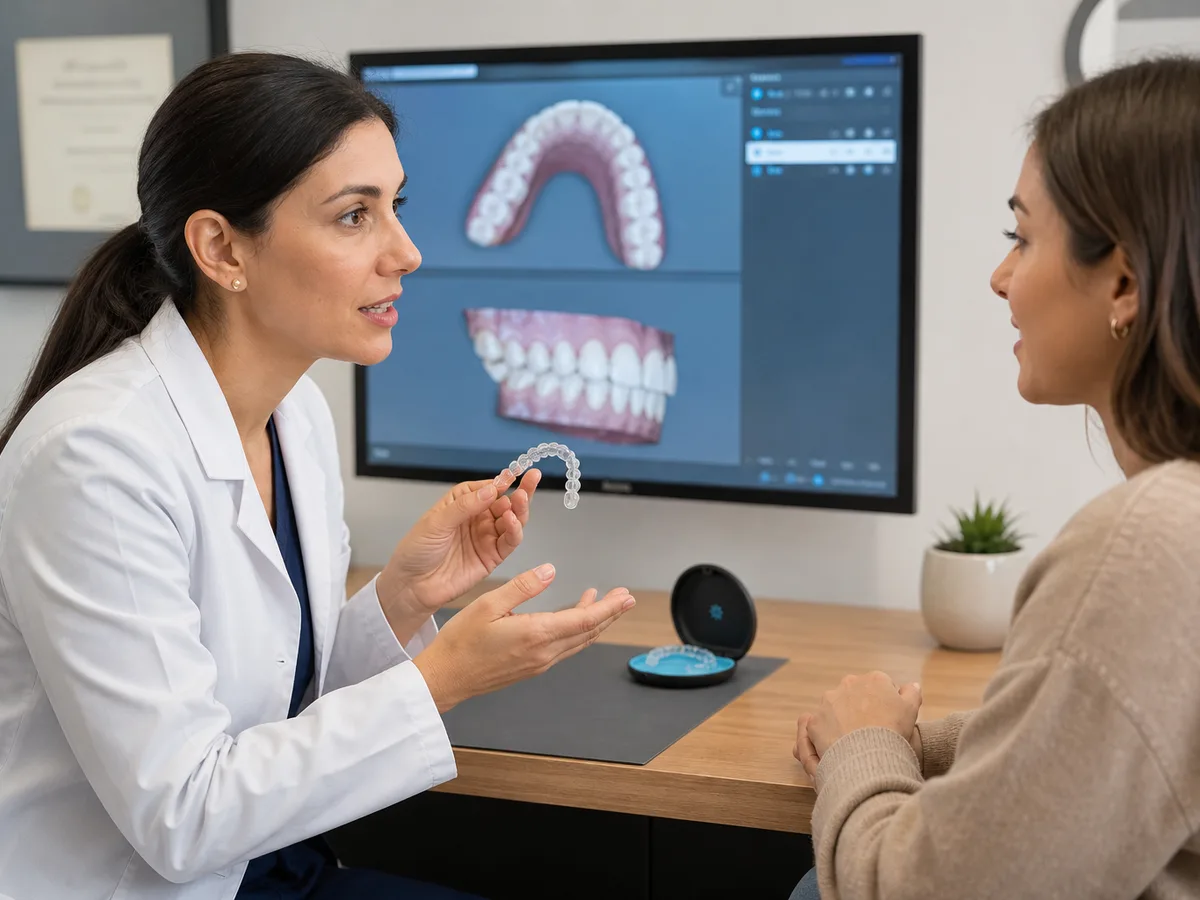 Experience with the system counts.
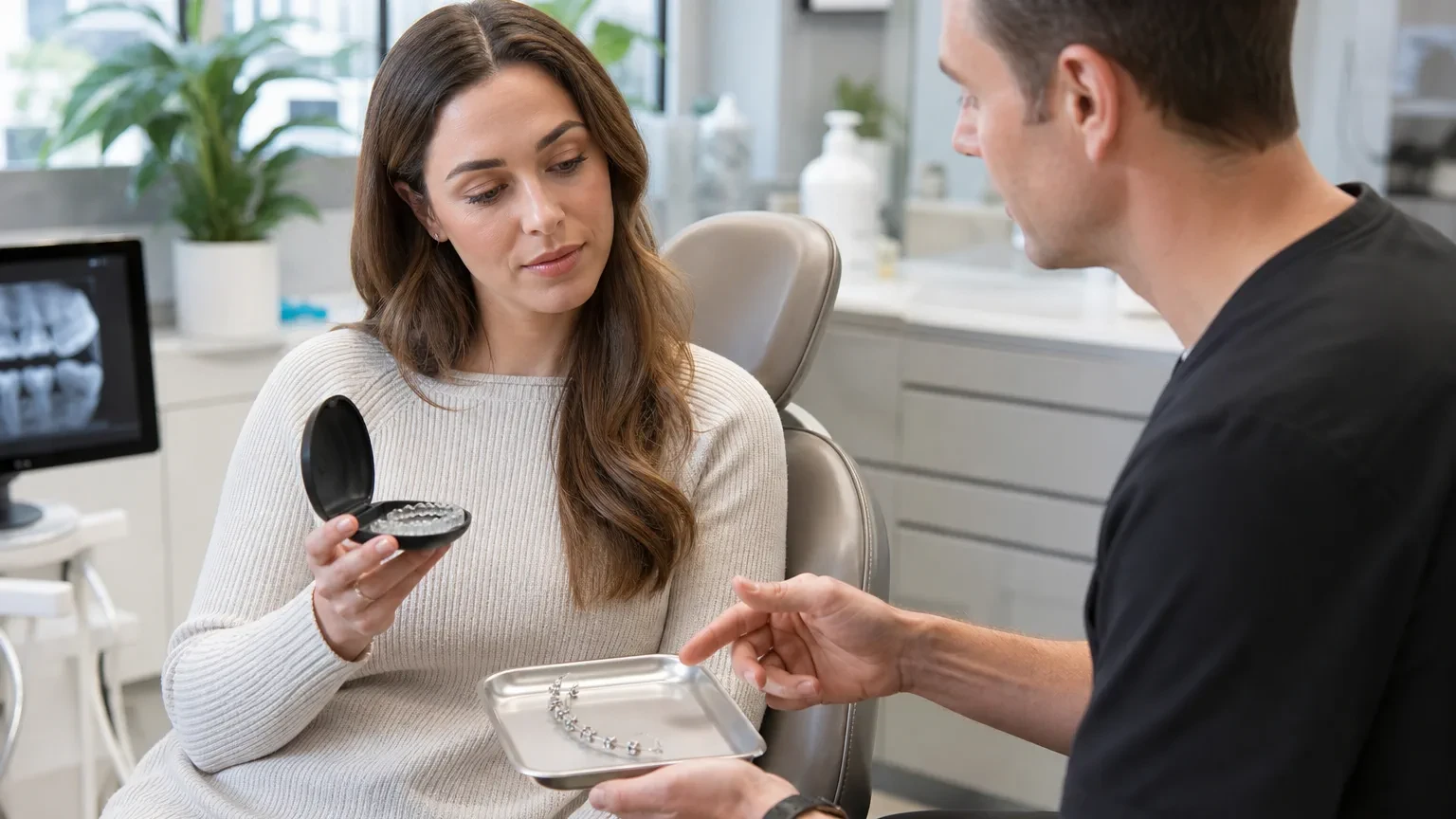
Ask for the clinical why
Request a plain-language reason your case is planned in one brand versus the other—or versus braces. Alternatives vary by office inventory and experience. For a supervised consult that explains brand choice without hype, use Find a Dentist and ask how many aligner cases they monitor each month. The better brand is the one your clinician can finish predictably in your mouth. Take notes on refinement and retainer inclusions so day-to-day wear is backed by a clear endgame.
Invisalign versus ClearCorrect is usually a clinician-system decision inside supervised care. Focus on diagnosis, wear compliance, monitoring, and retention—then let brand preference follow those anchors. Day-by-day success still looks like seated trays, clean teeth, and kept appointments.
Related articles
Keep exploring related topics from Dental Country.
Invisalign Vs Braces: Which Is Right For Me?
Invisalign is one clear-aligner brand; braces are fixed appliances. The better option depends on your bite, compliance, hygiene habits, and what your orthodontist can predictably move—not on which ad looks cleaner.
Read article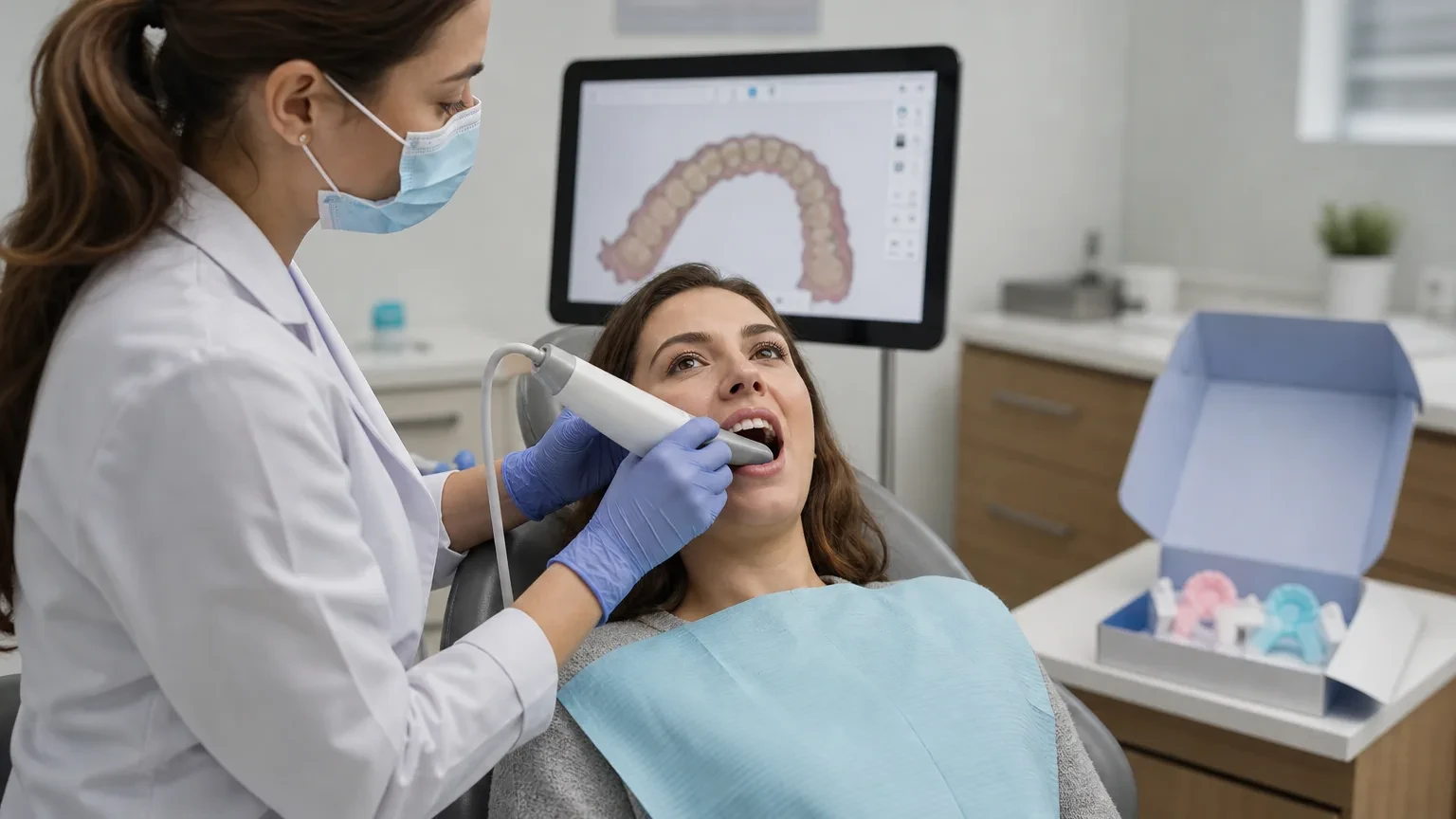
Invisalign Vs SmileDirectClub: What's The Difference?
Invisalign care is typically planned and monitored in a dental or orthodontic office; SmileDirectClub was a direct-to-consumer aligner model with remote oversight. The difference that matters most is clinical examination and ongoing in-person judgment—not tray clarity.
Read article
Invisalign Vs Ceramic Braces: Which Looks Better?
“Looks better” depends on distance, lighting, attachments, and how your case moves. Invisalign trays and ceramic braces both aim for discretion, yet they hide hardware in different ways—and neither is purely cosmetic.
Read article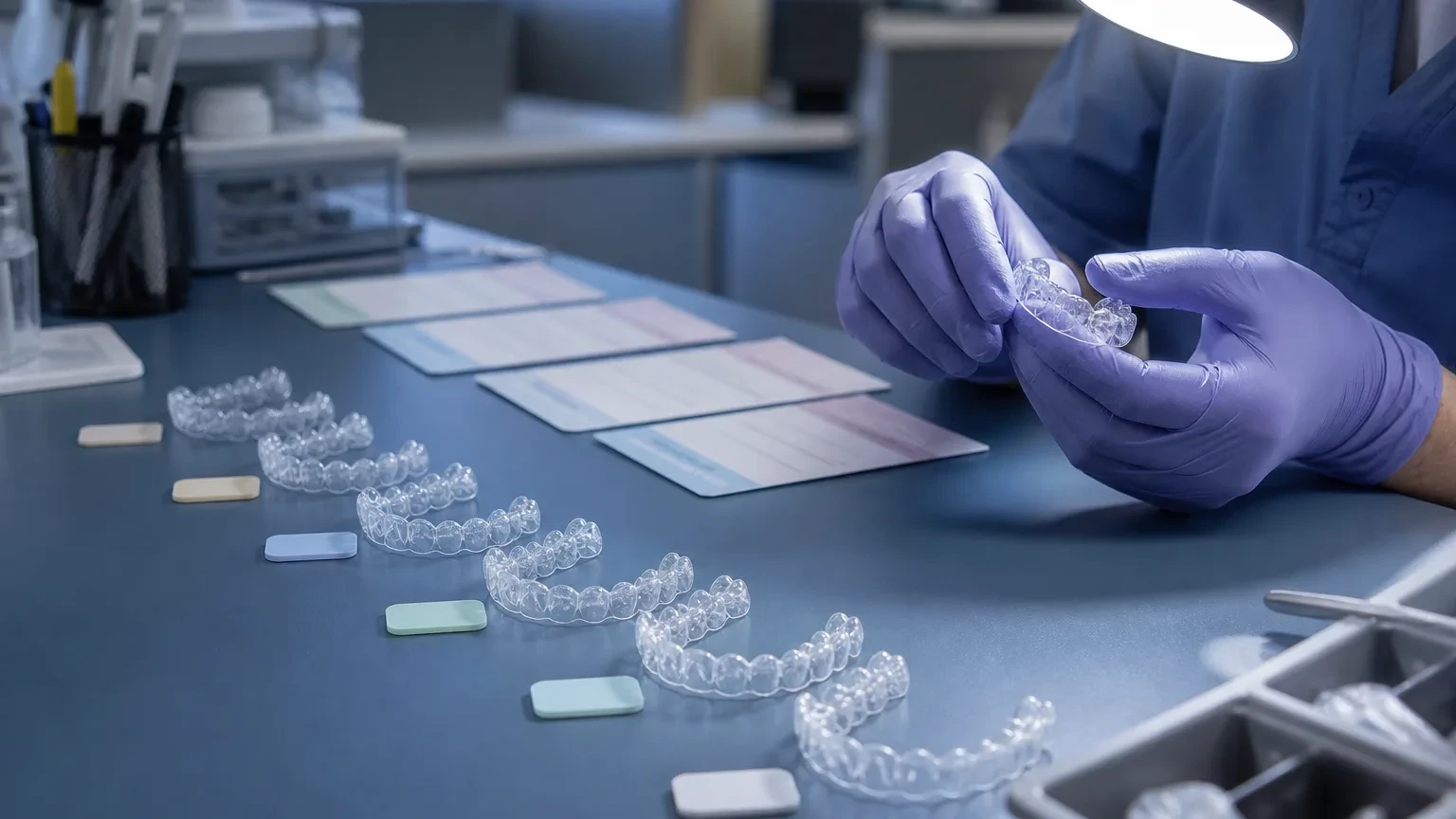
What Are Invisalign Refinements?
Invisalign refinements are additional trays ordered after a progress check when teeth have not fully reached the planned positions. They are common in supervised care and do not automatically mean treatment failed.
Read article