
What Are Invisalign Refinements?
Invisalign refinements are extra aligners after a progress review. Learn when they are used, what they address, and how mid-case plans can change.

Reviewed by Dr. Sean Myran, DMDDoctor of Dental Medicine, University of Pennsylvania
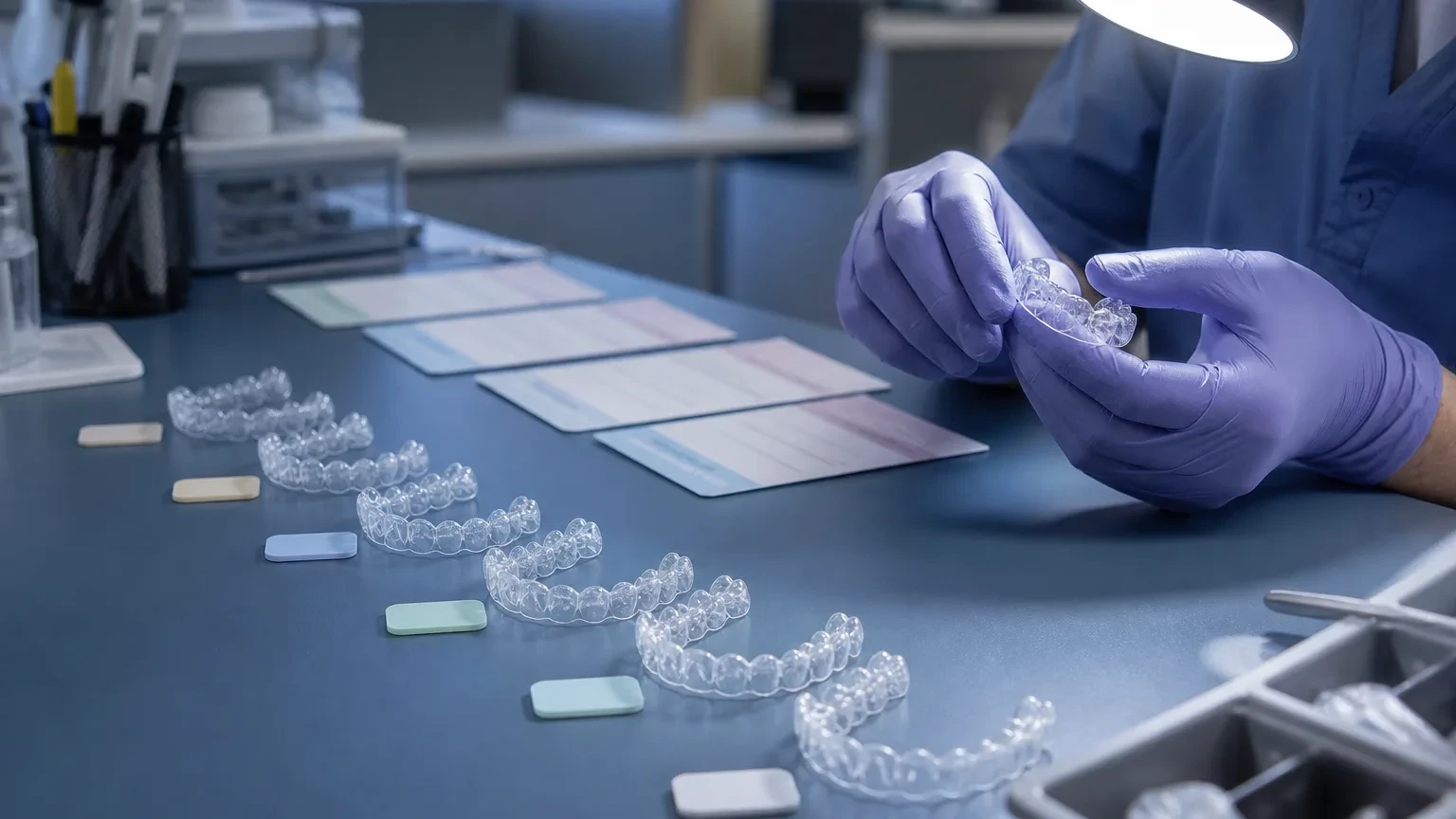
Invisalign refinements are extra aligners made after your clinician reviews progress—often with new scans or impressions—because some teeth still need movement. Invisalign is a brand; refinement policies and fees vary by office and contract. Refinements are a normal mid-course tool in many clear-aligner plans, especially when biology, wear time, or complex rotations lag the original digital setup.
AAO guidance notes that aligners move teeth gradually and that your orthodontist recommends what fits your unique needs. Refinements are one way supervised care adapts when the mouth does not match the first animation.
Timeline Of A Typical Refinement Path
- Initial series: you wear trays in sequence as prescribed.
- Progress review: the office checks tracking, bite, and hygiene.
- Records update: new scan or impressions capture today’s positions.
- Lab setup: a revised digital plan orders additional trays.
- Refinement wear: you continue with the new series until goals are met—or another adjustment is planned.
- Retention: retainers start after active movement ends; see retainers used after Invisalign.
Waiting time between the progress scan and new trays varies by office and lab workflow. During that gap, your clinician may have you wear the last well-fitting tray nights-only, continue a hold tray, or pause active changes if hygiene needs attention. Ask what you should wear while refinements are fabricated so teeth do not drift in an unplanned direction. A clear interim instruction is part of good refinement care, not an afterthought.
Attachments may be added, reshaped, or removed when a refinement is designed. Elastics hooks or buttons can appear if bite details need more help. Those changes can surprise patients who expected “just a few more clear trays.” Preview the new setup so speech, appearance, and cleaning routines stay realistic while the extra series runs.
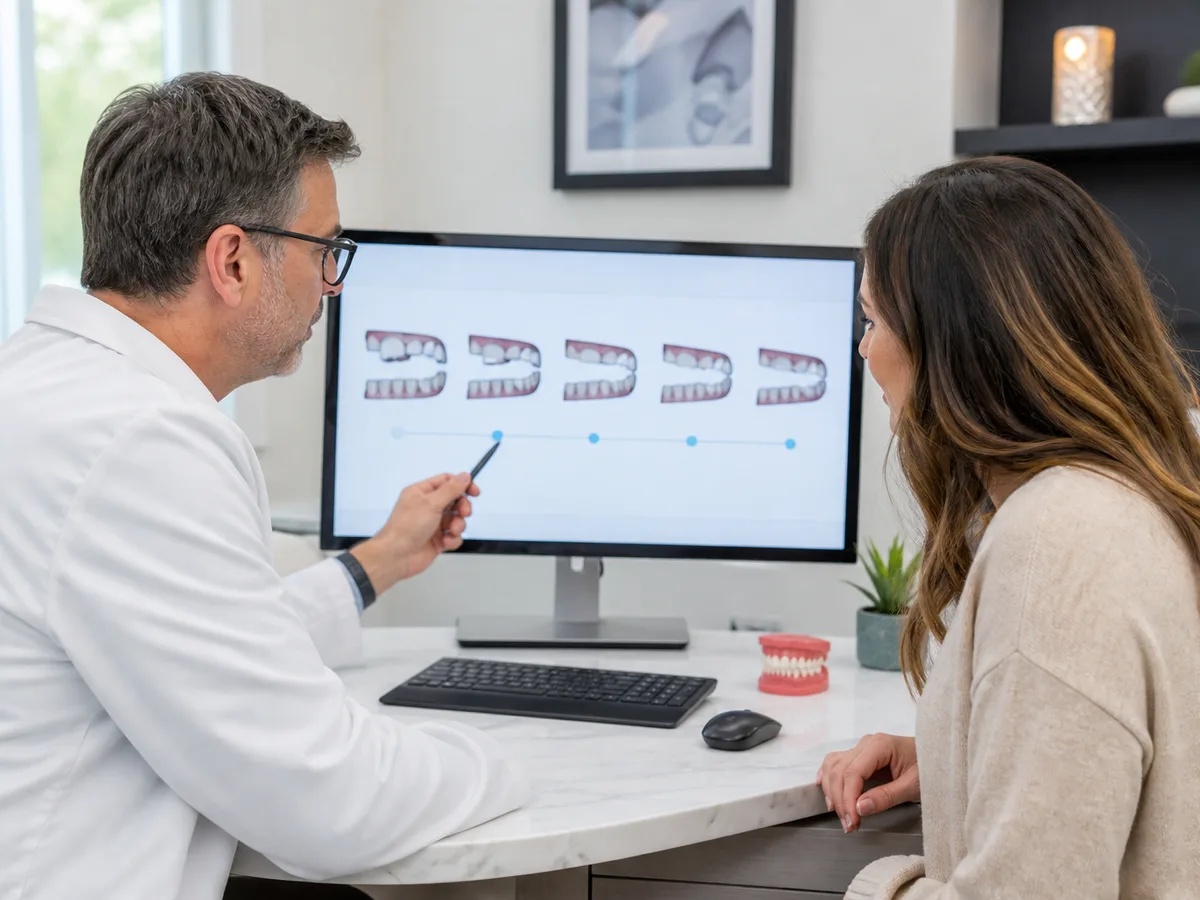 Progress checks catch drift early.
Why trays fall behind
Common reasons include missed wear hours, trays that feel loose early, stubborn rotations, or bite details that only show once crowding improves. Sometimes the first plan was optimistic about attachment design or elastic wear. Refinements are not a moral grade; they are course correction. Ask whether your fee includes one or more refinement rounds before you start—policies differ widely across practices and product packages. Photograph any tray that will not seat and bring that note to the visit.
What Refinements Can And Cannot Fix
- They can fine-tune alignment and some bite details still suited to aligners.
- They cannot replace missing wear time you are unwilling to resume.
- They may not overcome a case that needed braces-level control from the start.
- Gum disease or broken restorations can pause any refinement until health is stable.
If refinements keep stacking, revisit whether braces would control the remaining moves and whether your product tier matches case scope. Alternatives vary; some patients finish with a short braces phase. A second opinion is reasonable when the digital smile looks finished but your bite still feels off when you chew.
 Get the refinement policy in writing.
Ask before you start
Clarify turnaround time for new trays, how many refinement sets are included, and what happens if tracking fails again. Candidacy for more trays still depends on root health, bone, and realistic goals. For supervised aligner practices that explain refinement policies up front, use Find a Dentist and ask how mid-course corrections are handled in writing. Keep your wear log honest so the next setup is built on real hours, not optimistic guesses.
Refinements mean your supervised plan is adapting—not that clear aligners “never work.” Treat them as a planned checkpoint tool, and confirm costs and limits before day one. End-of-treatment retainers still matter after the last refinement tray; alignment without retention is unfinished care. If your office quotes a “one refinement included” fee, ask what a second round would cost and whether braces conversion has a separate pathway so you are not surprised mid-smile.
Related articles
Keep exploring related topics from Dental Country.
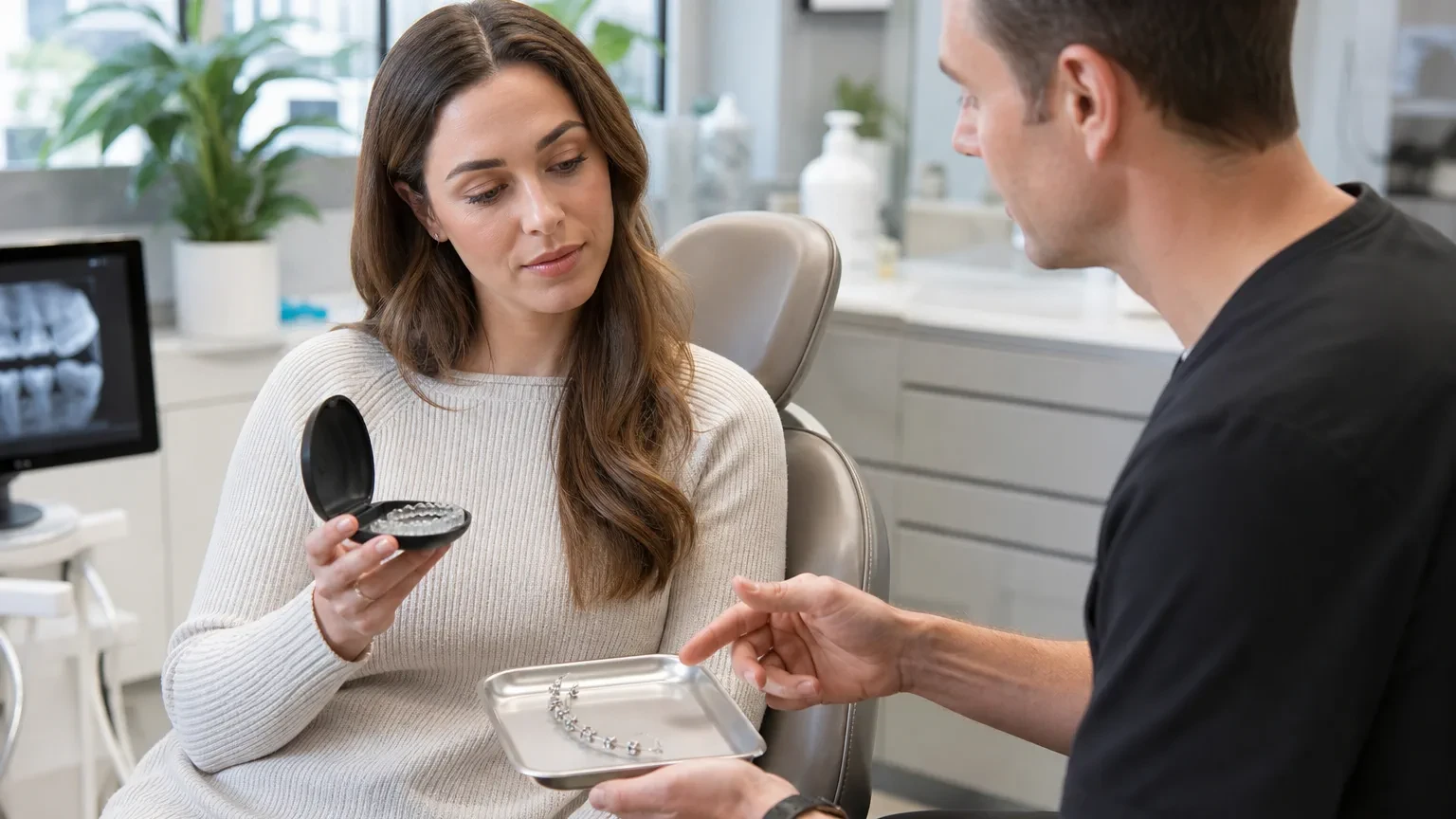
Invisalign Vs Braces: Which Is Right For Me?
Invisalign is one clear-aligner brand; braces are fixed appliances. The better option depends on your bite, compliance, hygiene habits, and what your orthodontist can predictably move—not on which ad looks cleaner.
Read article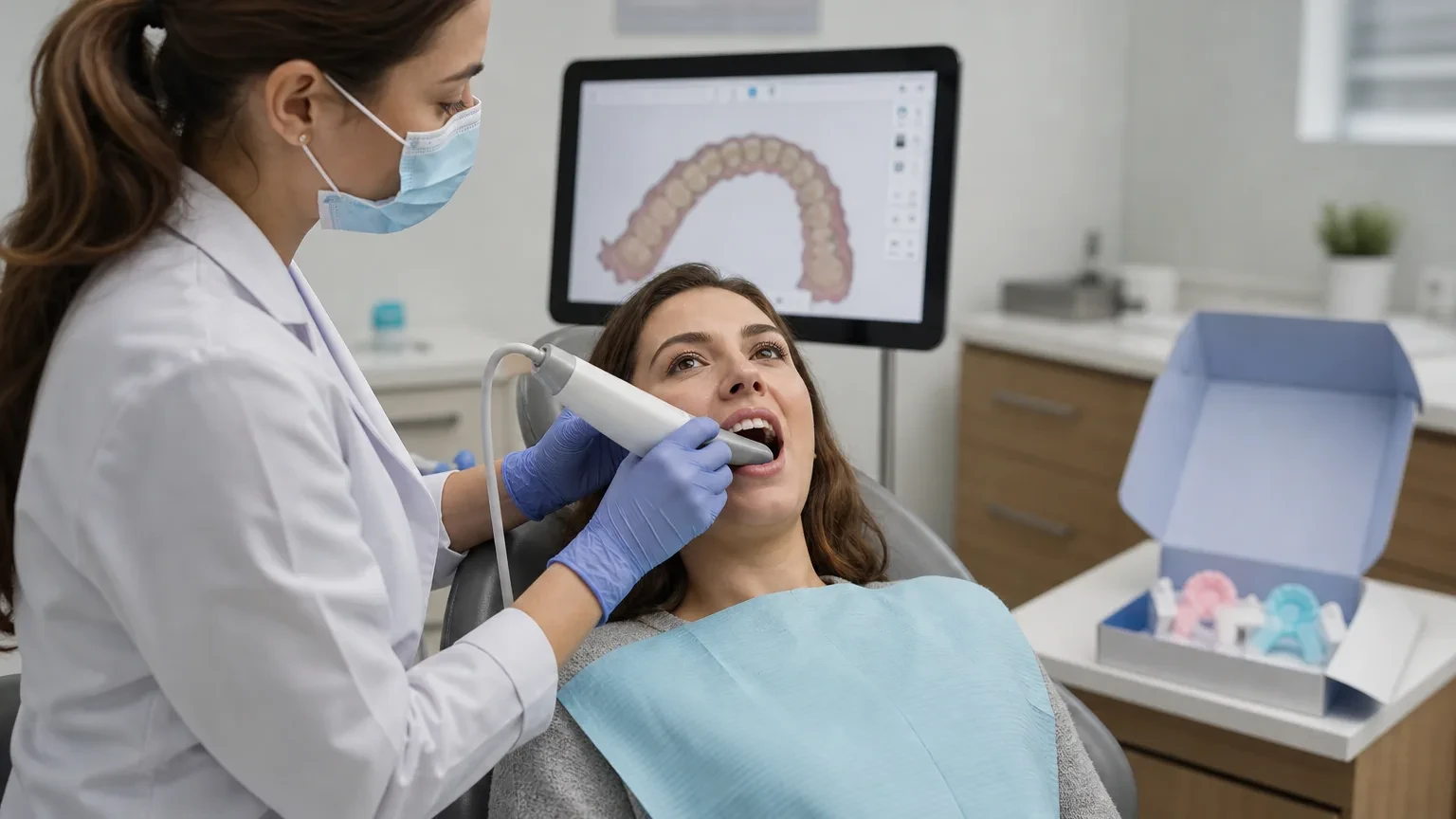
Invisalign Vs SmileDirectClub: What's The Difference?
Invisalign care is typically planned and monitored in a dental or orthodontic office; SmileDirectClub was a direct-to-consumer aligner model with remote oversight. The difference that matters most is clinical examination and ongoing in-person judgment—not tray clarity.
Read article
Invisalign Vs Ceramic Braces: Which Looks Better?
“Looks better” depends on distance, lighting, attachments, and how your case moves. Invisalign trays and ceramic braces both aim for discretion, yet they hide hardware in different ways—and neither is purely cosmetic.
Read article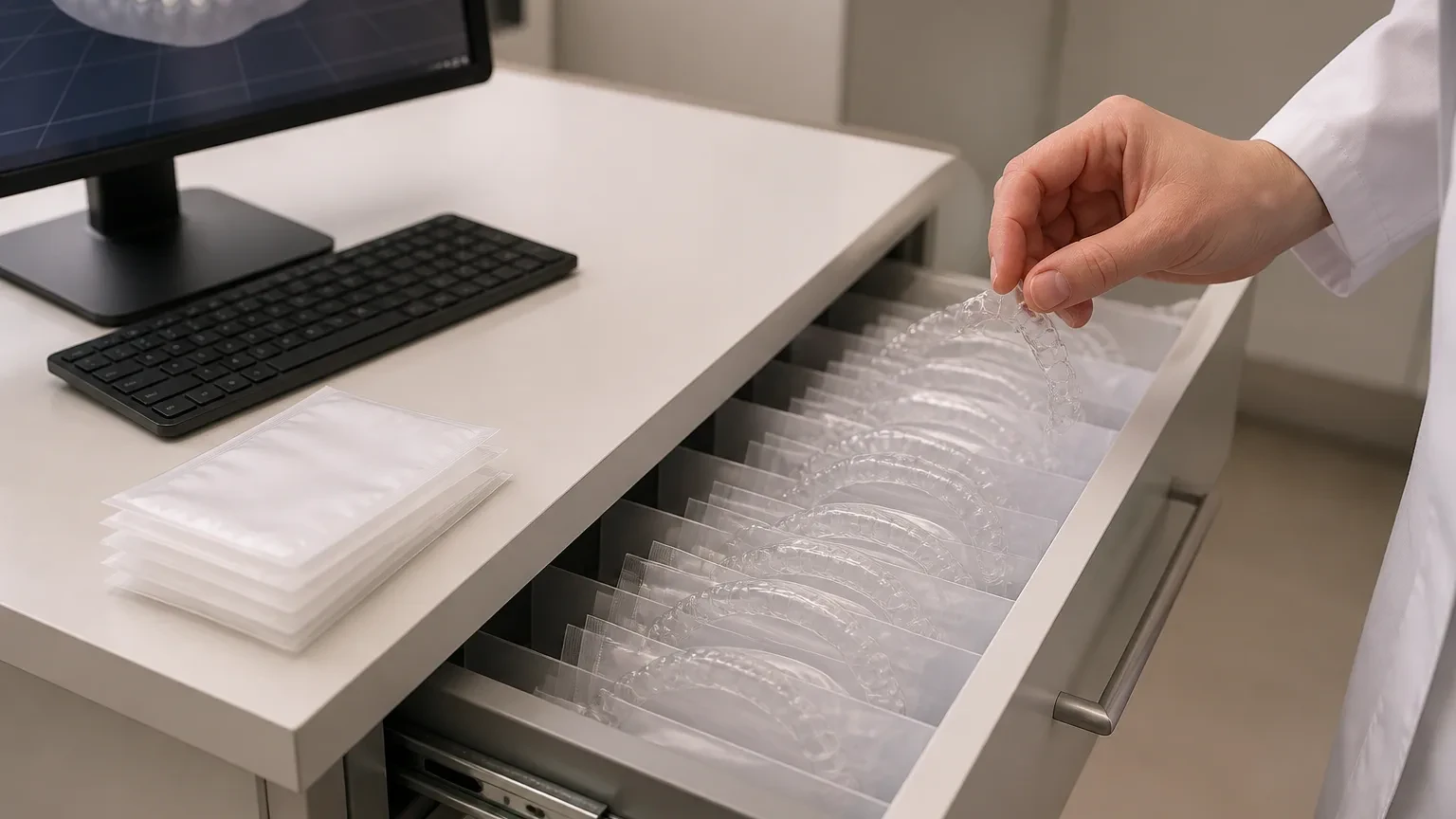
Invisalign Express Vs Comprehensive: What's The Difference?
Express-style Invisalign packages are aimed at shorter, limited movements; Comprehensive covers a wider range of tooth and bite changes. The label matters less than whether your diagnosis fits the package limits.
Read article