
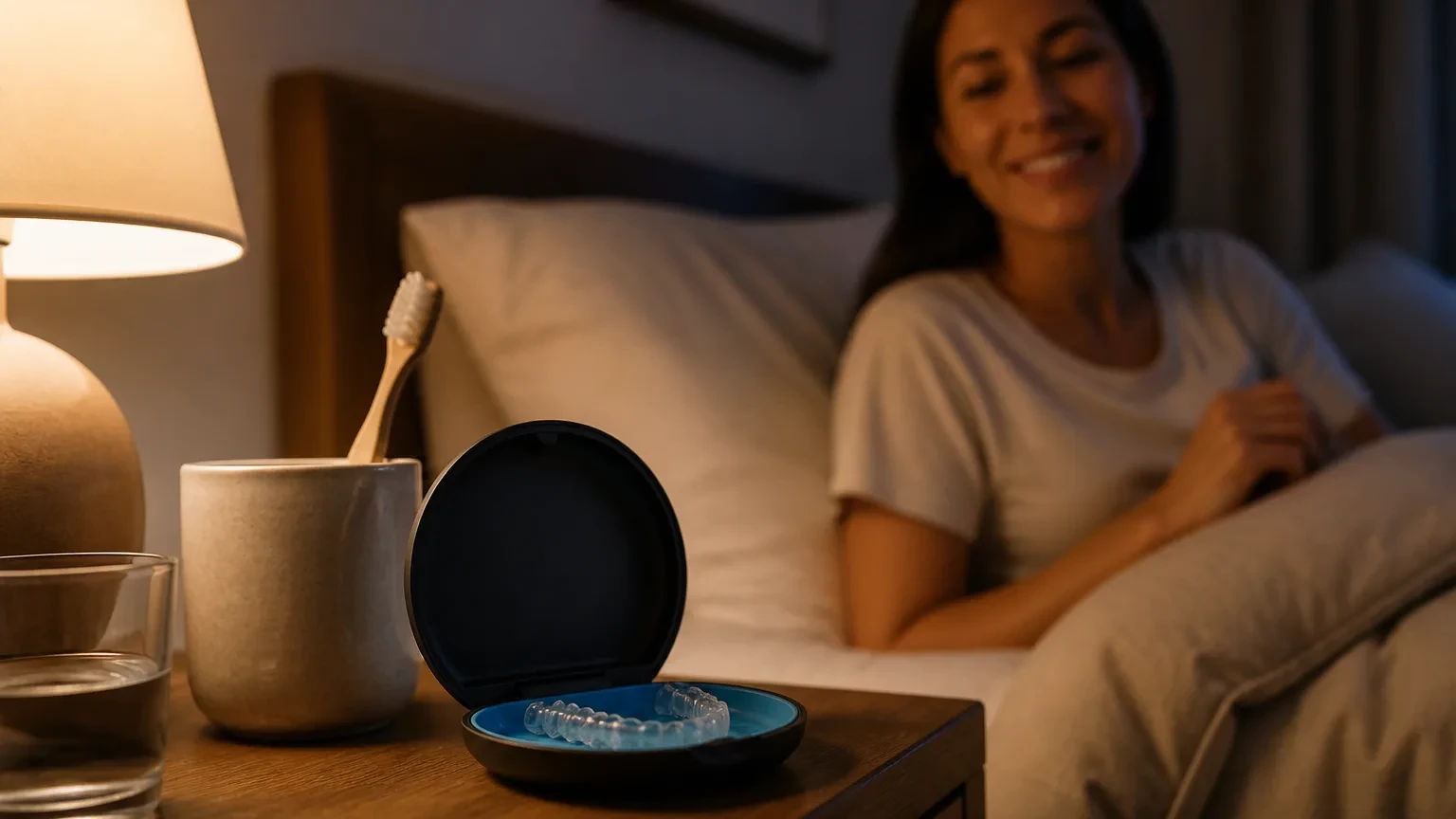
What Retainers Are Used After Invisalign?
After Invisalign, retainers protect alignment. Learn common retainer types, wear schedules, and habits that help keep teeth from drifting back.

Reviewed by Dr. Sean Myran, DMDDoctor of Dental Medicine, University of Pennsylvania
After Invisalign brand aligners finish active movement, retainers hold teeth while bone and fibers stabilize. Common options include clear removable retainers similar in look to aligners, Hawley-style retainers with acrylic and a wire, and fixed (bonded) wires behind front teeth. Your clinician may combine types. Invisalign is a brand of treatment aligners; retainer brand and design can differ. Skipping retention is one of the fastest ways to undo months of wear.
MouthHealthy notes that retainers may be worn after braces to keep teeth from shifting; the same retention logic applies after clear aligners.
Daily And Weekly Retention Routine
- Wear schedule: follow the hours prescribed—often full-time at first, then nights long-term.
- Insertion check: retainers should seat fully; gaps can mean drift or a warped tray.
- Cleaning: brush teeth first; clean retainers with clinician-approved methods—avoid hot water that warps plastic.
- Storage: use a case during meals; pockets crack trays.
- Sports: ask whether a mouthguard replaces or stacks with retainers for contact play.
- Replacement: request backups if you grind, lose trays, or notice cracks.
Many people assume the last Invisalign tray is a retainer. It is not a long-term plan unless your clinician explicitly converts or replaces it for retention. Active trays are designed for a sequence; retainers are designed to hold. Using a stretched final aligner for months can leave teeth under-supported. Ask for a dedicated retention prescription with a replacement path before celebration photos make you forget the next phase.
Night grinding changes the conversation. Hard grinders may crack clear retainers quickly or need a different material. Fixed retainers help selected teeth but do not protect chewing surfaces from grinding forces. Your clinician may combine a bonded wire with a night guard strategy—still part of retention planning, not a separate vanity purchase.
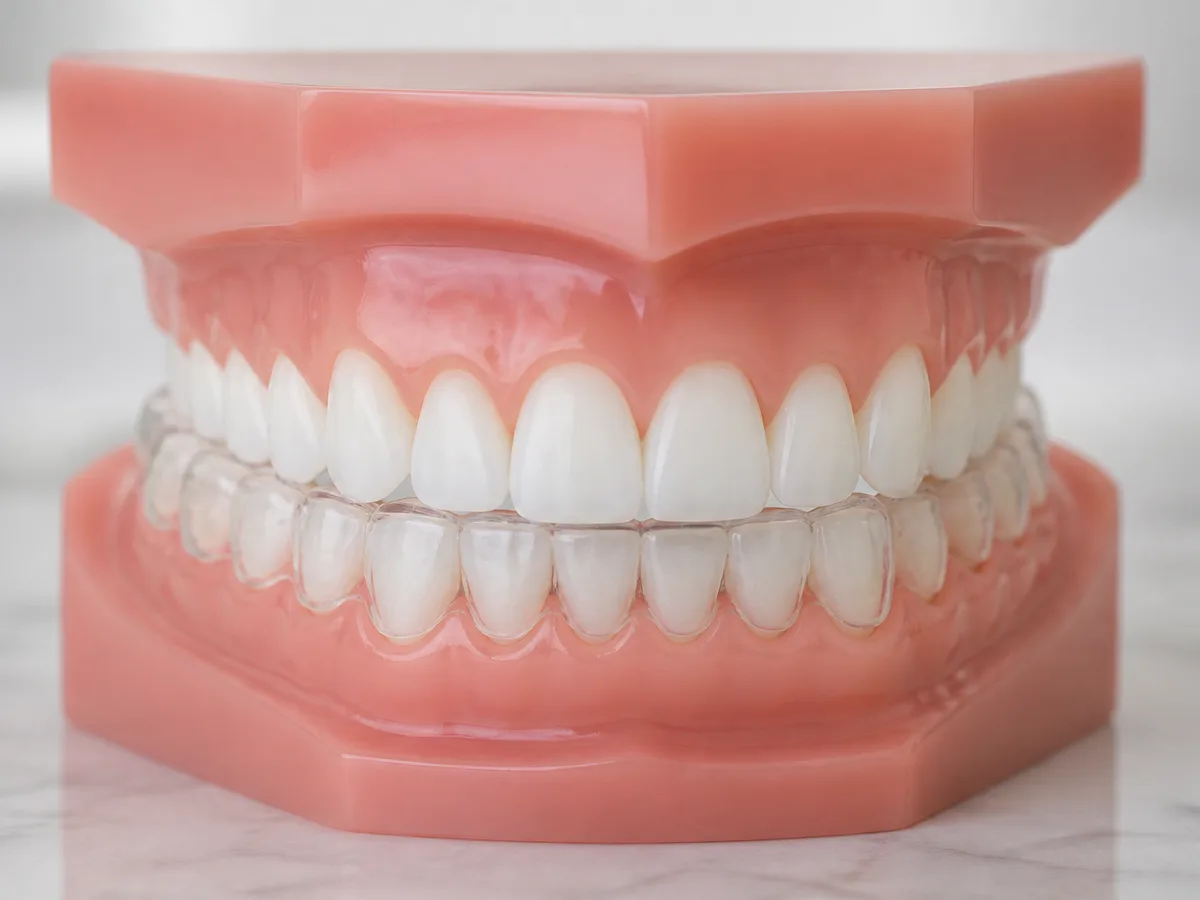 Hygiene protects retention.
Clean gear, stable teeth
Plaque on retainers can irritate gums and cloud plastic. A simple routine—rinse on removal, brush gently, and deep-clean as advised—protects both enamel and the fit that holds your result. If a fixed retainer is bonded, floss threaders or water flossers become part of home care so tartar does not build behind the wire. Maintenance is not optional cosmetics; it is how retention keeps working. Cloudy, smelly plastic is a cue to improve cleaning or ask about replacement before fit suffers.
Tie retention planning to whether refinements finished your goals and why the original appliance choice still matters for long-term bite stability. Alternatives vary: some patients need a bonded wire plus a night tray.
Habits That Undermine Retainers
- Stretching “nights only” into several forgotten nights each week.
- Boiling or dishwashing plastic retainers.
- Ignoring a retainer that suddenly feels tight—tightness can mean movement.
- Waiting months after a lost retainer to call the office.
 Retention is the last phase.
Plan retention before the last tray
Ask what retainer type is included, how many replacements are covered, and how often retention checks occur. Teeth can shift at any age when retainers stay in a drawer. For help finding a practice that plans aligners and retention together, use Find a Dentist and ask about long-term retainer protocols. Candidacy for specific retainer designs depends on bite, hygiene, and grinding habits. Put a calendar reminder on retainer checks the same way you did for aligner visits.
Clear removable retainers are common after Invisalign; fixed wires and Hawley designs remain useful alternatives. Wear and care instructions from your clinician outrank generic schedules online. Lifelong night wear is common advice because soft-tissue memory and daily forces never fully retire.
If a retainer breaks on vacation, call before teeth have days to drift. Many offices can advise a temporary hold strategy or ship a replacement from scans on file. Waiting until teeth feel crowded again often means restarting active movement—exactly what retention exists to avoid. Keep your office’s after-hours number with your travel documents the same way you keep your case in your bag.
Related articles
Keep exploring related topics from Dental Country.
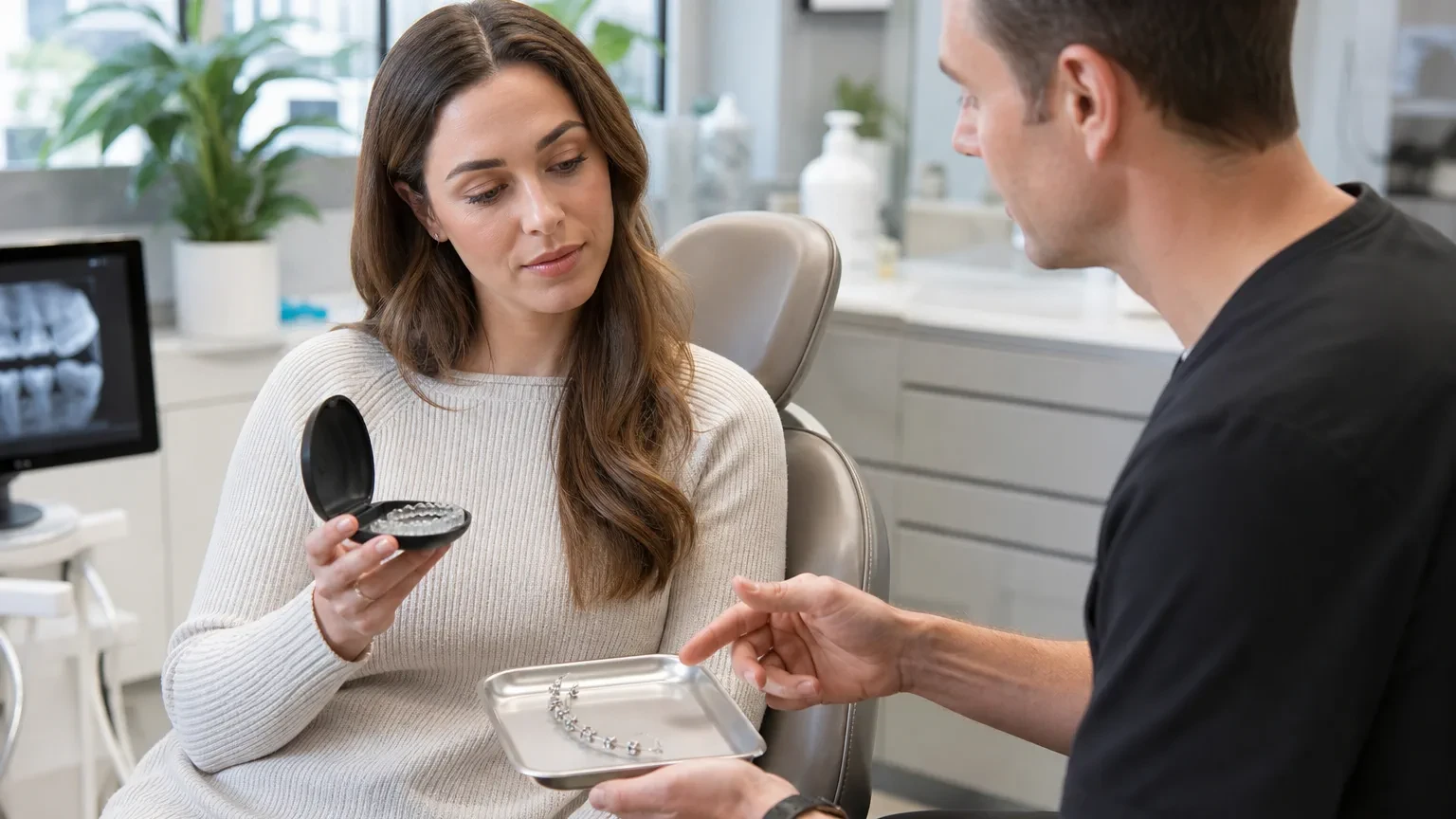
Invisalign Vs Braces: Which Is Right For Me?
Invisalign is one clear-aligner brand; braces are fixed appliances. The better option depends on your bite, compliance, hygiene habits, and what your orthodontist can predictably move—not on which ad looks cleaner.
Read article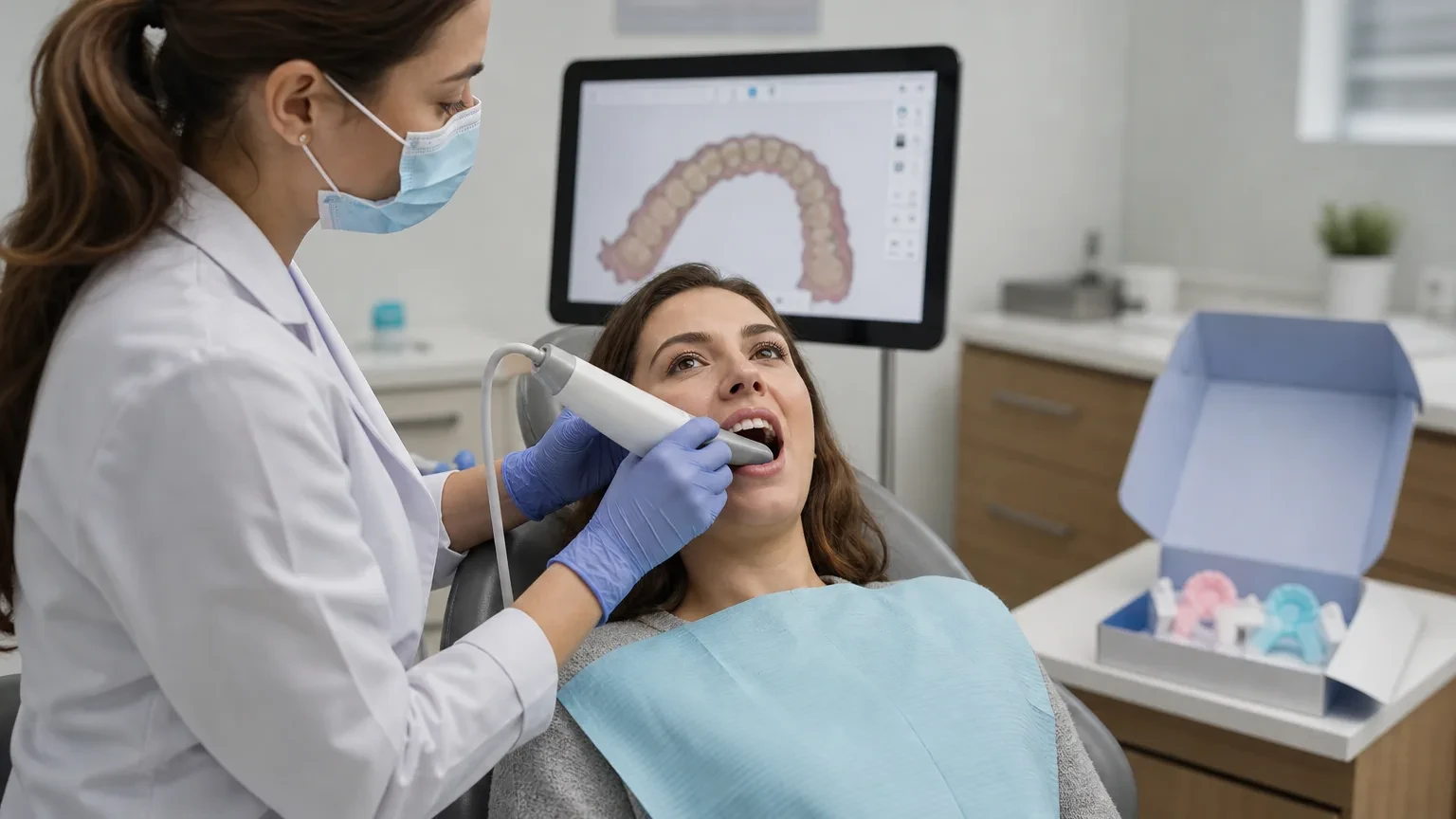
Invisalign Vs SmileDirectClub: What's The Difference?
Invisalign care is typically planned and monitored in a dental or orthodontic office; SmileDirectClub was a direct-to-consumer aligner model with remote oversight. The difference that matters most is clinical examination and ongoing in-person judgment—not tray clarity.
Read article
Invisalign Vs Ceramic Braces: Which Looks Better?
“Looks better” depends on distance, lighting, attachments, and how your case moves. Invisalign trays and ceramic braces both aim for discretion, yet they hide hardware in different ways—and neither is purely cosmetic.
Read article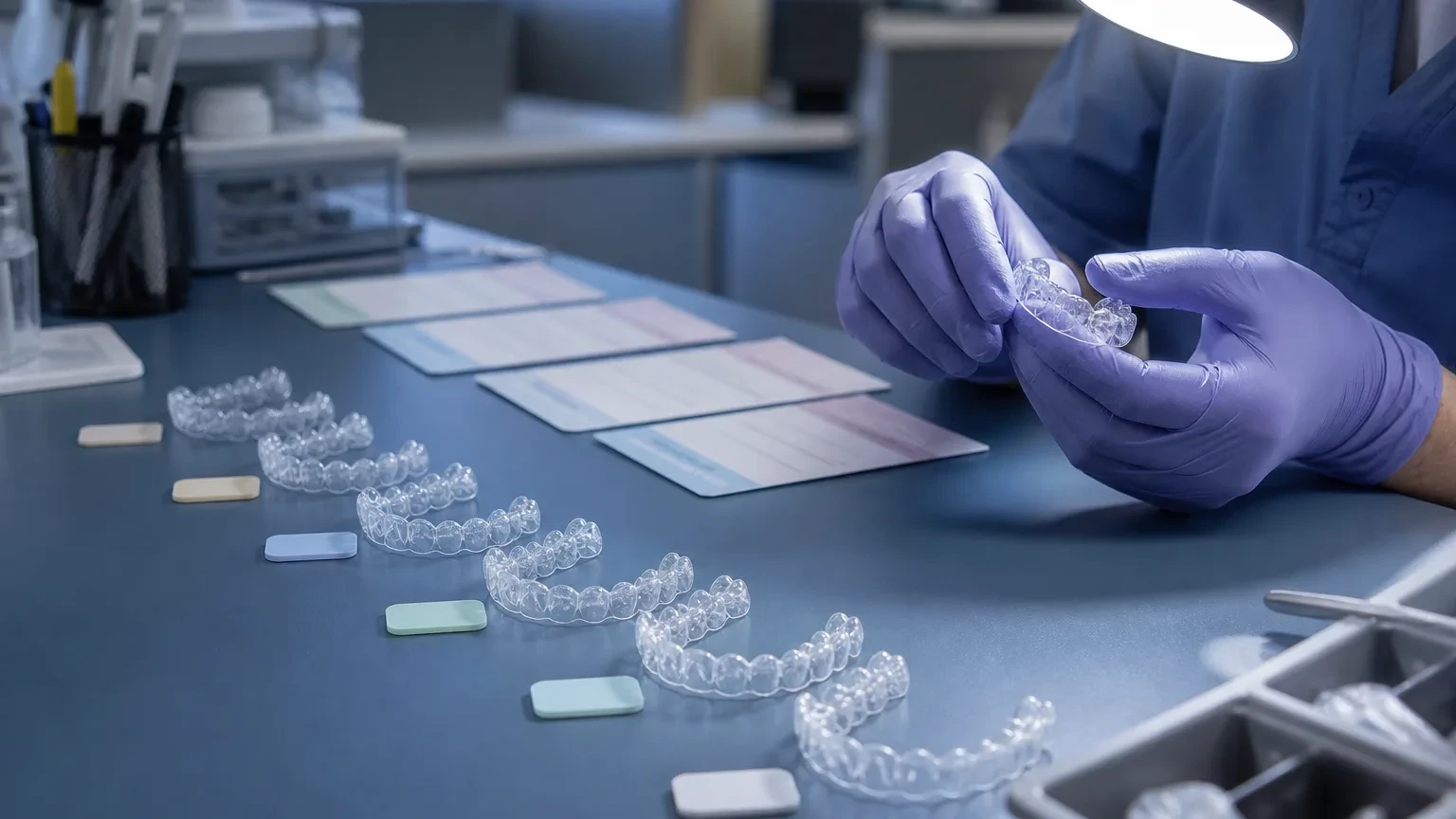
What Are Invisalign Refinements?
Invisalign refinements are additional trays ordered after a progress check when teeth have not fully reached the planned positions. They are common in supervised care and do not automatically mean treatment failed.
Read article