
Does Invisalign Work As Well As Braces?
Invisalign can work as well as braces for many mild-to-moderate cases, yet complex bites may need fixed appliances. See what changes the answer.

Reviewed by Dr. Sean Myran, DMDDoctor of Dental Medicine, University of Pennsylvania
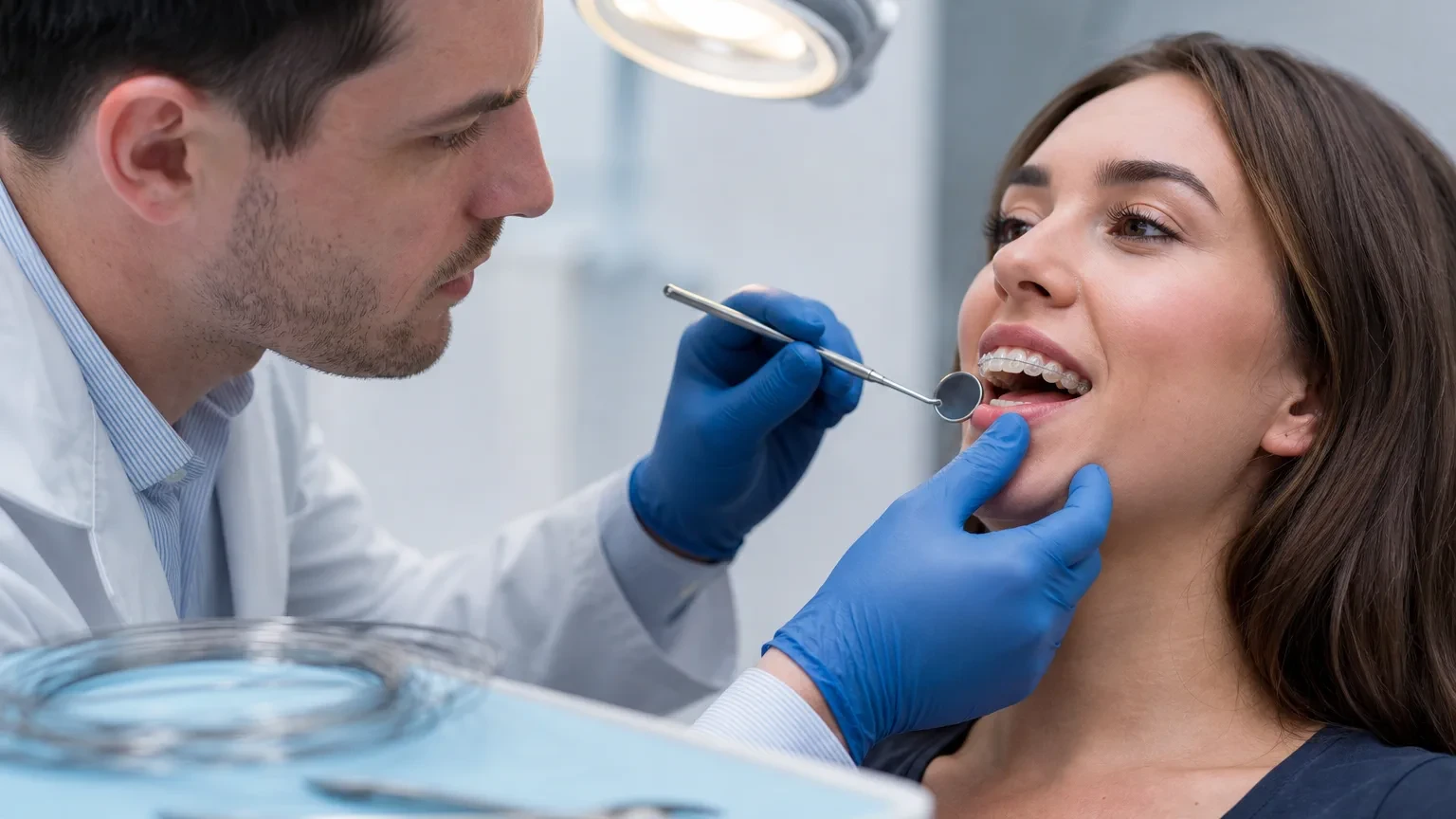
Sometimes yes, sometimes no. Invisalign brand aligners can produce excellent results for many mild-to-moderate alignment and bite goals when worn correctly under clinical supervision. Braces still outperform trays for certain movements and for patients who will not keep trays in. The AAO states that aligners are effective for many issues but suitability is case-dependent, while braces can treat most orthodontic problems. Treat social-media sameness claims with skepticism.
Signals Your Case May Need Braces-Level Control
- Severe rotations, large spaces after extractions, or teeth that need significant vertical moves.
- Complex bite correction (deep bite, open bite, crossbite) that your clinician flags as better with wires.
- History of lost trays, inconsistent wear, or aborted at-home kits.
- Need for precise finishing that has already failed with multiple refinement rounds.
- Jaw growth or skeletal concerns that appliances alone cannot fully solve.
If several boxes check, ask early about braces or hybrid plans rather than stacking endless trays. Related reads: what refinements can fix and Invisalign versus braces tradeoffs.
Research comparisons and marketing claims often mix different case difficulties. A study or ad about mild crowding does not answer whether trays will upright a tipped molar the way a wire can. Ask your clinician which movements in your chart are “aligner-friendly” and which are “borderline.” That translation from evidence to your mouth is the useful version of “does it work as well.”
Compliance gaps create false failures. Trays worn twelve hours a day are not the same appliance as trays worn twenty-two. Before you conclude Invisalign “does not work,” audit wear time, seating (chewies if recommended), and elastic use. If those were solid and teeth still lag, mechanics—not willpower—may be the limit, and braces deserve a serious look.
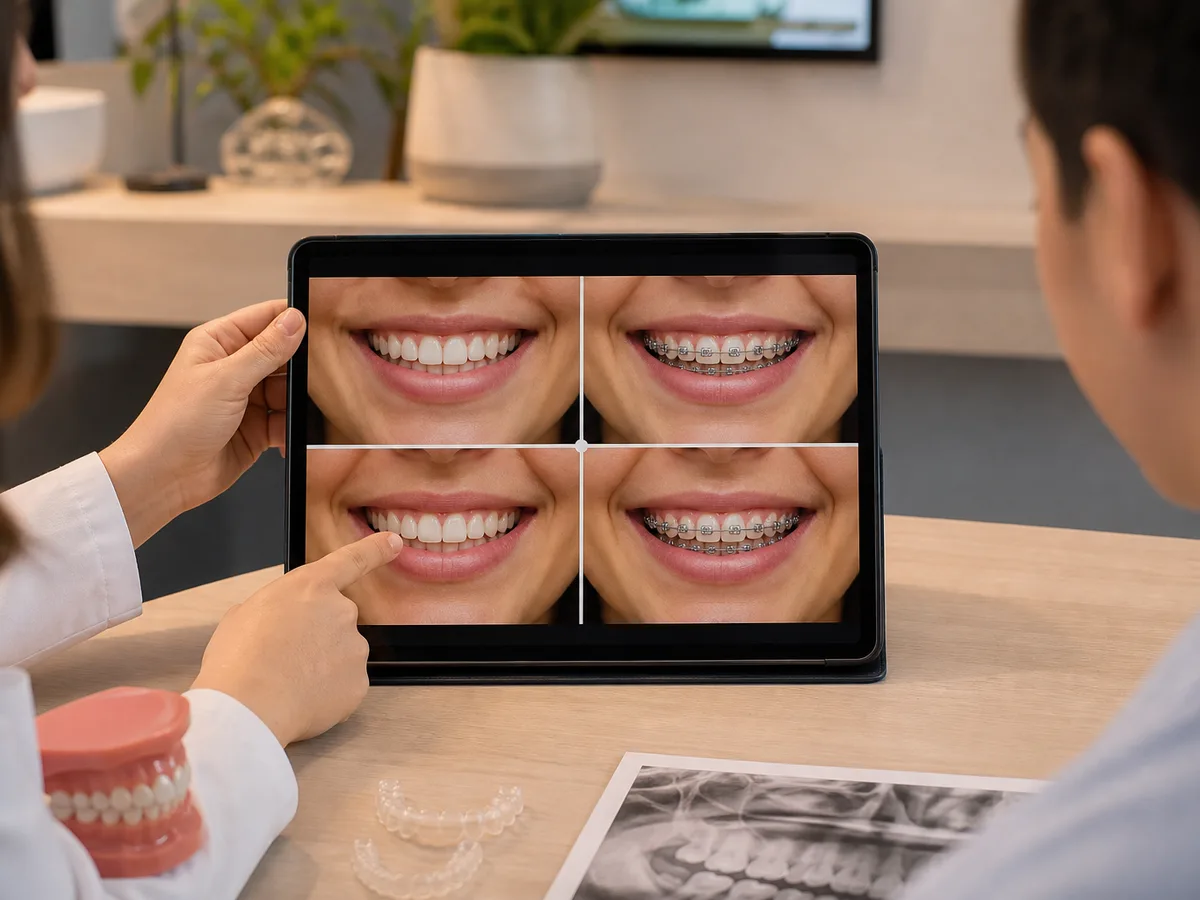 Results mean bite and tracking.
Tracking tells the truth
Aligners “working as well” means teeth follow the plan, the bite fits, and gums stay healthy—not only that front teeth look straighter in a mirror. If a tooth lags, the tray floats, or elastics never get worn, braces may deliver more continuous control. Alternatives vary: another aligner brand will not magically fix a mechanics mismatch if the movement type is the problem. Document seating issues with photos so the next visit is about evidence, not memory.
When To Seek A Fresh Opinion
- You were sold trays from photos alone without X-rays or a bite exam.
- Trays hurt unevenly, will not seat, or stop fitting mid-series.
- You feel pressured to buy a package before questions are answered.
- Goals shifted from “straight fronts” to full bite correction after you started.
MedlinePlus explains that orthodontic treatment is planned around the position of teeth and jaws and may use braces or other appliances. That planning mindset—not brand loyalty—answers the effectiveness question. Jaw relationships that need surgery or growth modification sit outside any simple trays-versus-brackets slogan.
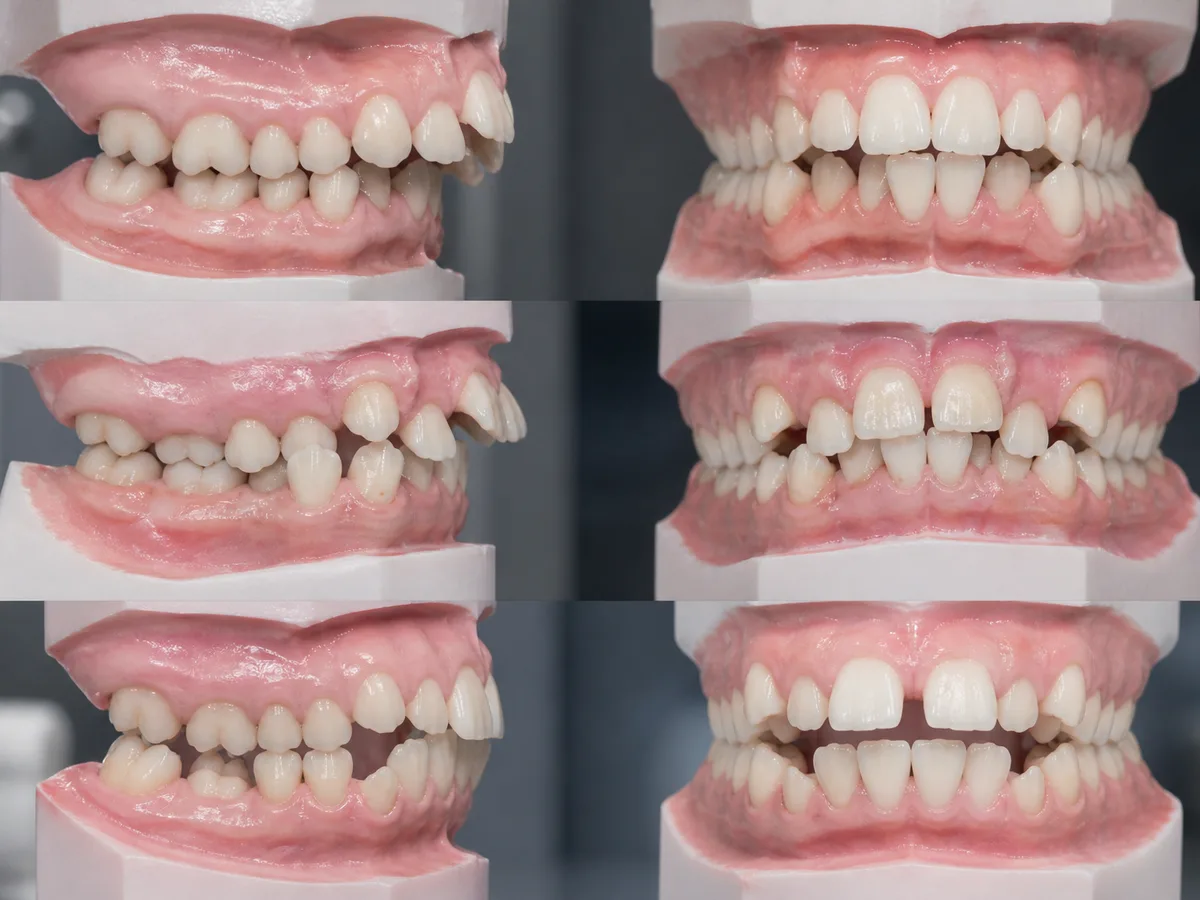 Reassess when tracking fails.
Seek care when the plan stalls
A second supervised opinion can confirm whether to continue Invisalign, refine, or convert to braces. Bring records, tray wear history, and your original goals. For help locating a clinician who treats with both aligners and braces, use Find a Dentist and ask for a candidacy review rather than a product pitch. Effectiveness follows diagnosis and compliance. A good second opinion explains tradeoffs without shaming either appliance choice.
Invisalign works as well as braces when the case and the wearer fit trays. When they do not, fixed appliances—or a hybrid—may be the more honest path to the same goals. Measure success by bite function and stable alignment, not by brand loyalty. If you are mid-treatment and unsure, ask for a progress review that names remaining movements and whether trays still have a realistic path to finish them.
Remember that “works as well” also includes hygiene and enamel safety. Trays that seal plaque against teeth for long hours can create white spots even while alignment improves. Brackets create different cleaning challenges. Effectiveness without healthy enamel is a hollow win—build cleaning habits into whichever appliance you choose.
Related articles
Keep exploring related topics from Dental Country.
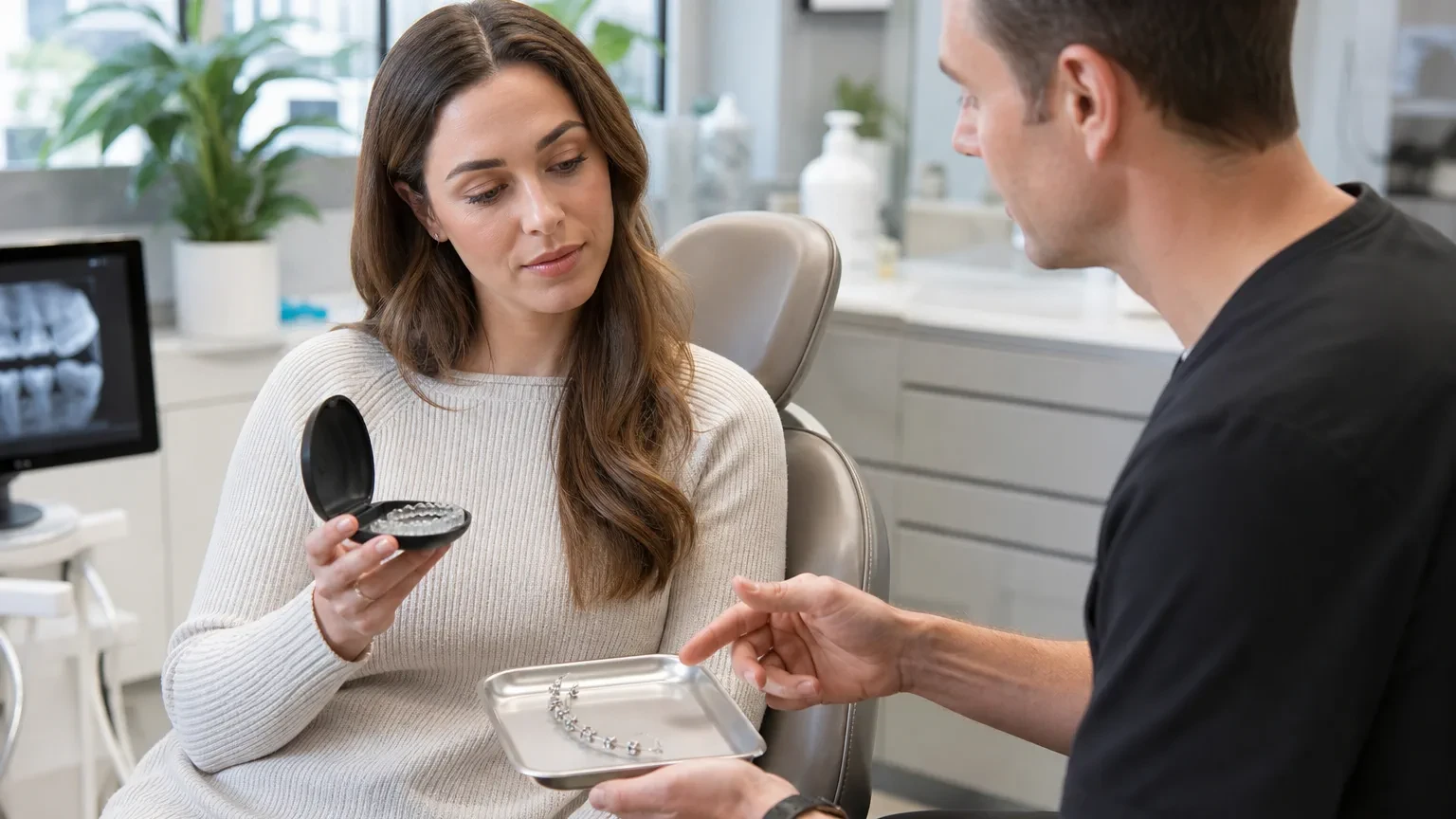
Invisalign Vs Braces: Which Is Right For Me?
Invisalign is one clear-aligner brand; braces are fixed appliances. The better option depends on your bite, compliance, hygiene habits, and what your orthodontist can predictably move—not on which ad looks cleaner.
Read article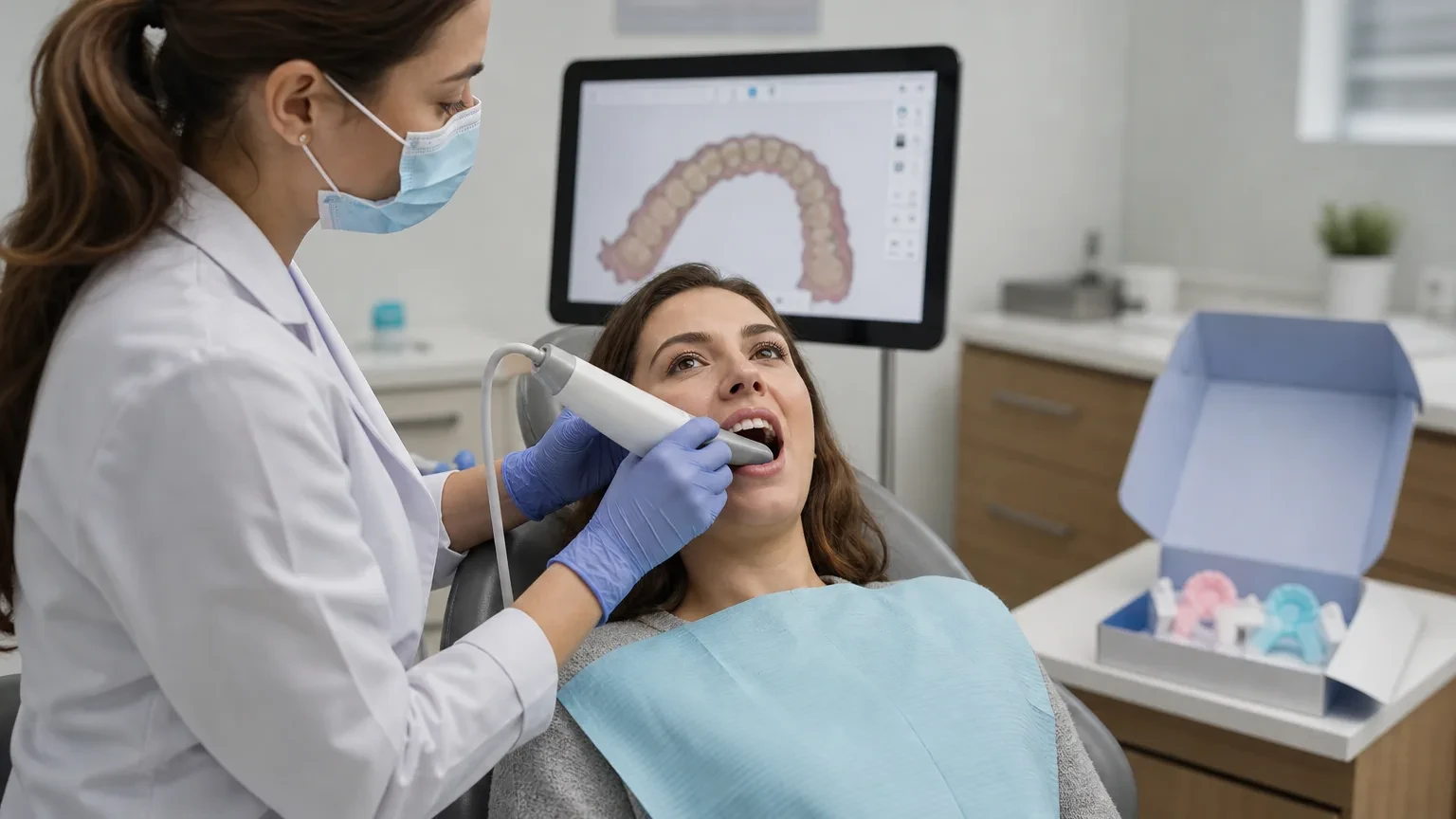
Invisalign Vs SmileDirectClub: What's The Difference?
Invisalign care is typically planned and monitored in a dental or orthodontic office; SmileDirectClub was a direct-to-consumer aligner model with remote oversight. The difference that matters most is clinical examination and ongoing in-person judgment—not tray clarity.
Read article
Invisalign Vs Ceramic Braces: Which Looks Better?
“Looks better” depends on distance, lighting, attachments, and how your case moves. Invisalign trays and ceramic braces both aim for discretion, yet they hide hardware in different ways—and neither is purely cosmetic.
Read article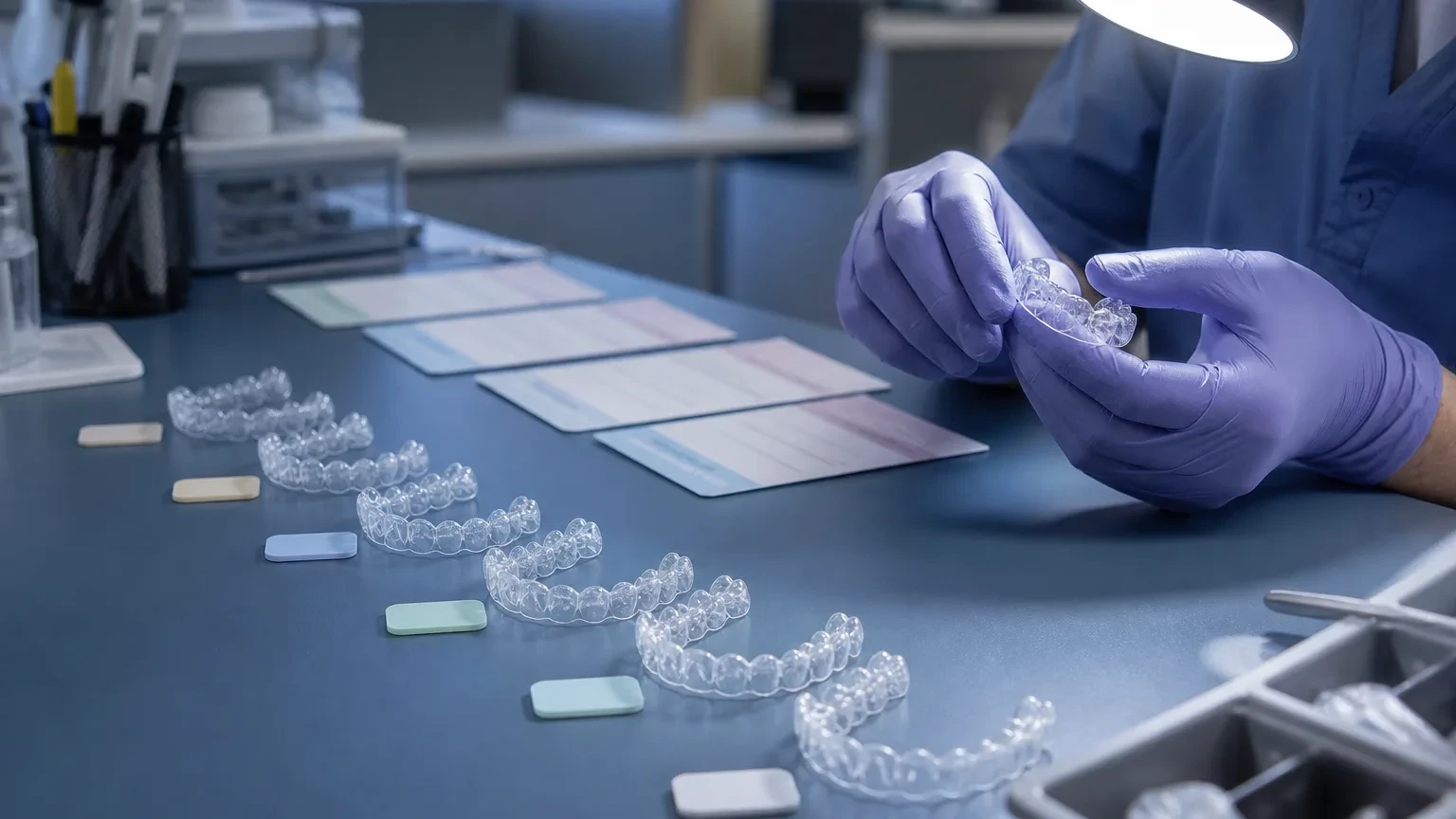
What Are Invisalign Refinements?
Invisalign refinements are additional trays ordered after a progress check when teeth have not fully reached the planned positions. They are common in supervised care and do not automatically mean treatment failed.
Read article