

For Patients
Dental FAQ.
Browse Dental Country FAQ categories for aligners, braces, implants, whitening, gum disease, insurance, and everyday oral care questions.
Categories
Browse by topic
- View All220
- Braces & Traditional Orthodontics11
- Clear Aligners11
- Crowns, Bridges & Restorations11
- Dental Anxiety & First Visits11
- Dental Implants11
- Dental Insurance, Cost & Financing11
- Dentures & Partial Dentures11
- Emergency Dental Care11
- Gum Disease & Periodontics11
- Invisalign vs Alternatives11
- Oral Hygiene & Home Care11
- Oral Surgery & Sedation11
- Pediatric Dentistry11
- Preventive Care & Cleanings11
- Root Canals & Endodontics11
- Sleep Apnea & Oral Appliances11
- Teeth Whitening11
- TMJ, Bite & Jaw Pain11
- Tooth Extraction & Wisdom Teeth11
- Veneers & Cosmetic Dentistry11
All Dental FAQ articles (Page 5)
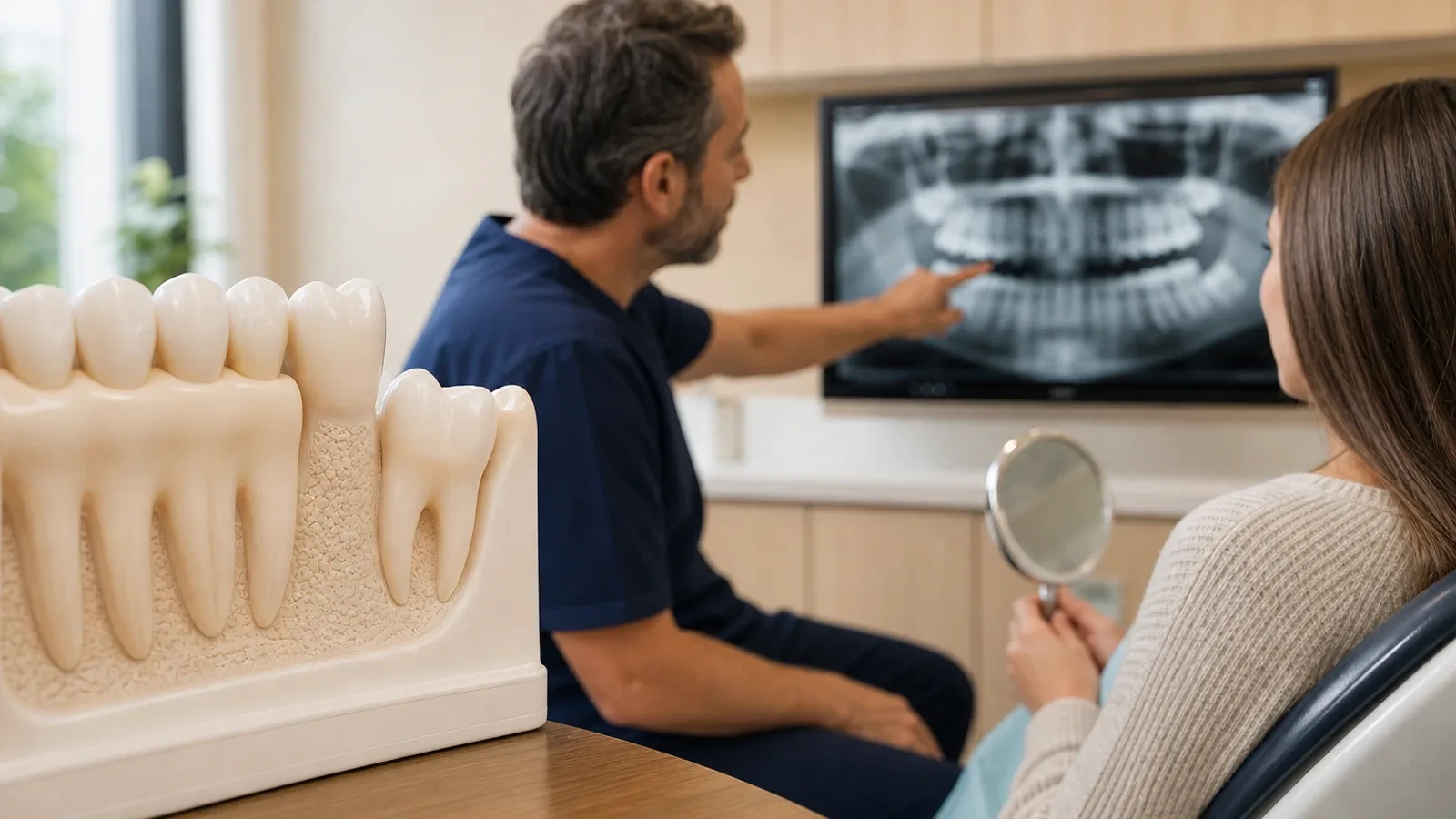
Do All Wisdom Teeth Need To Be Removed?
Keeping or removing wisdom teeth is a risk decision: disease, cleaning access, and anatomy matter more than assuming every third molar must come out.
How Often Should You Get A Dental Cleaning?
Cleaning frequency follows risk: stable gums and low decay may fit a six-month rhythm, while bleeding, dry mouth, or rapid tartar often need closer recalls.
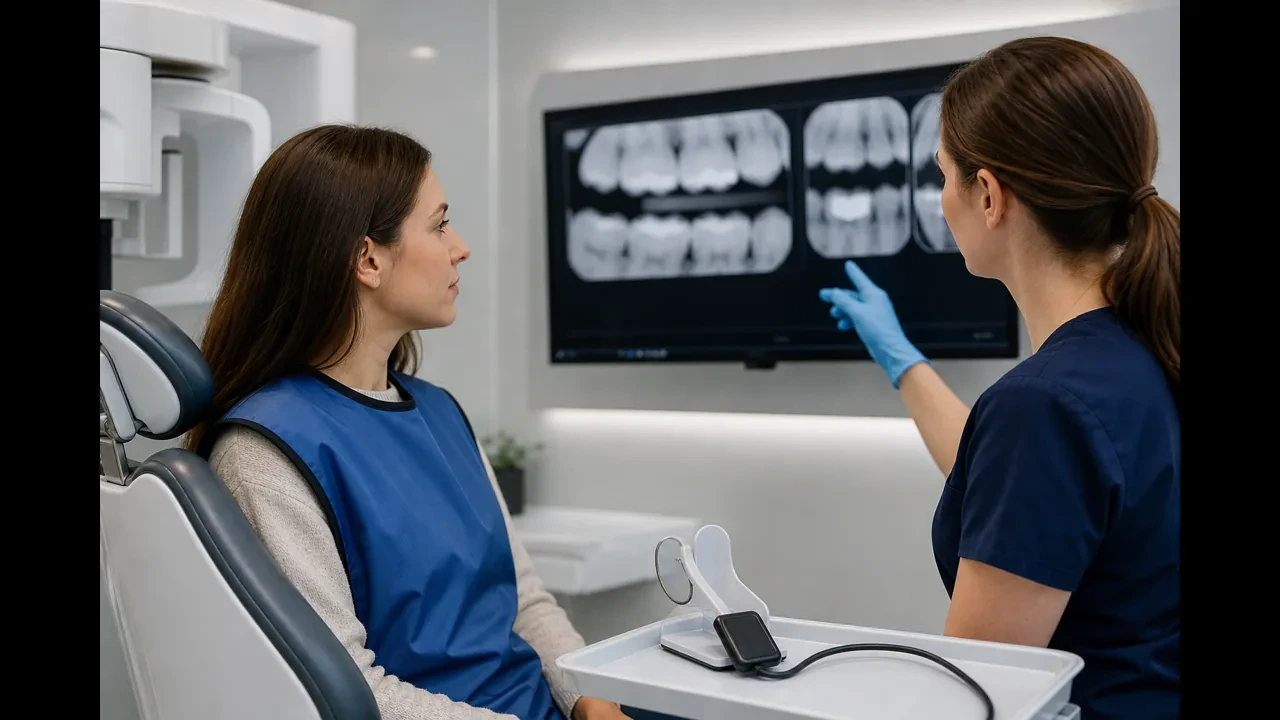
Are Dental X-Rays Safe?
Dental radiographs are low-dose tools used when the benefit of seeing hidden decay or bone loss outweighs the small radiation exposure of modern imaging.
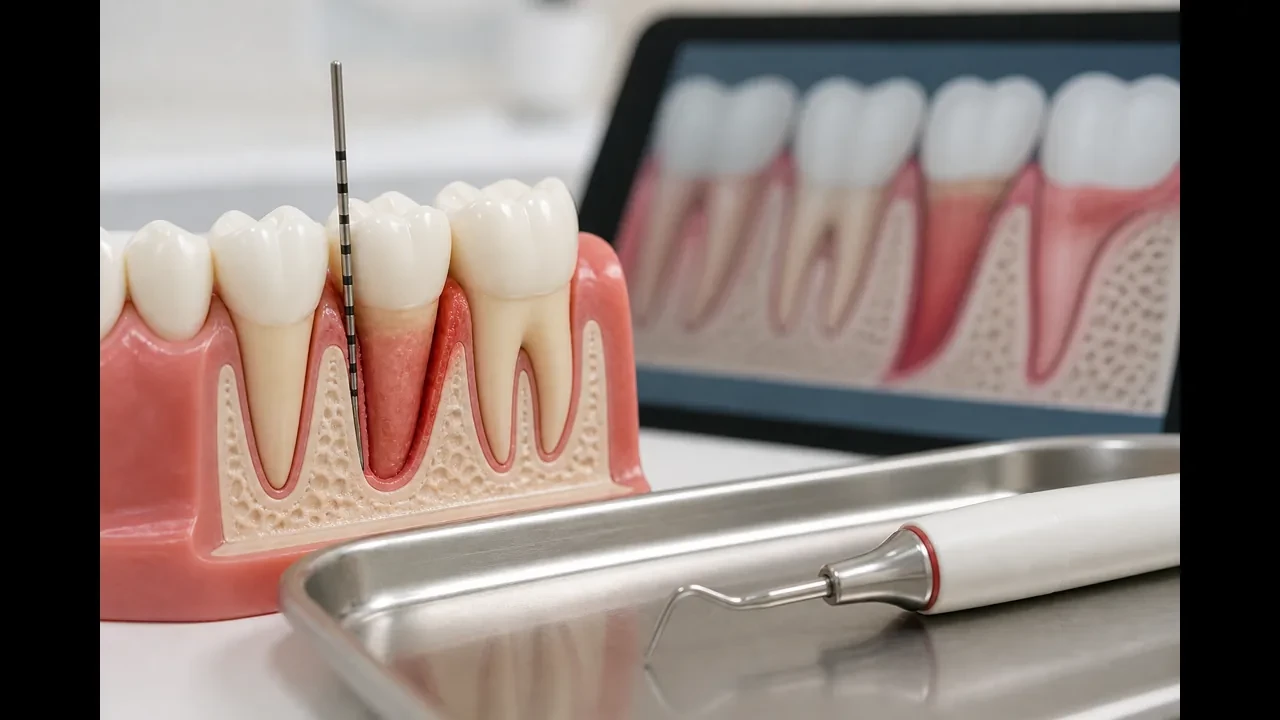
What Is A Deep Cleaning At The Dentist?
Deep cleaning reaches plaque and calculus under inflamed gums and along root surfaces, aiming to calm periodontal pockets that a polish alone cannot treat.
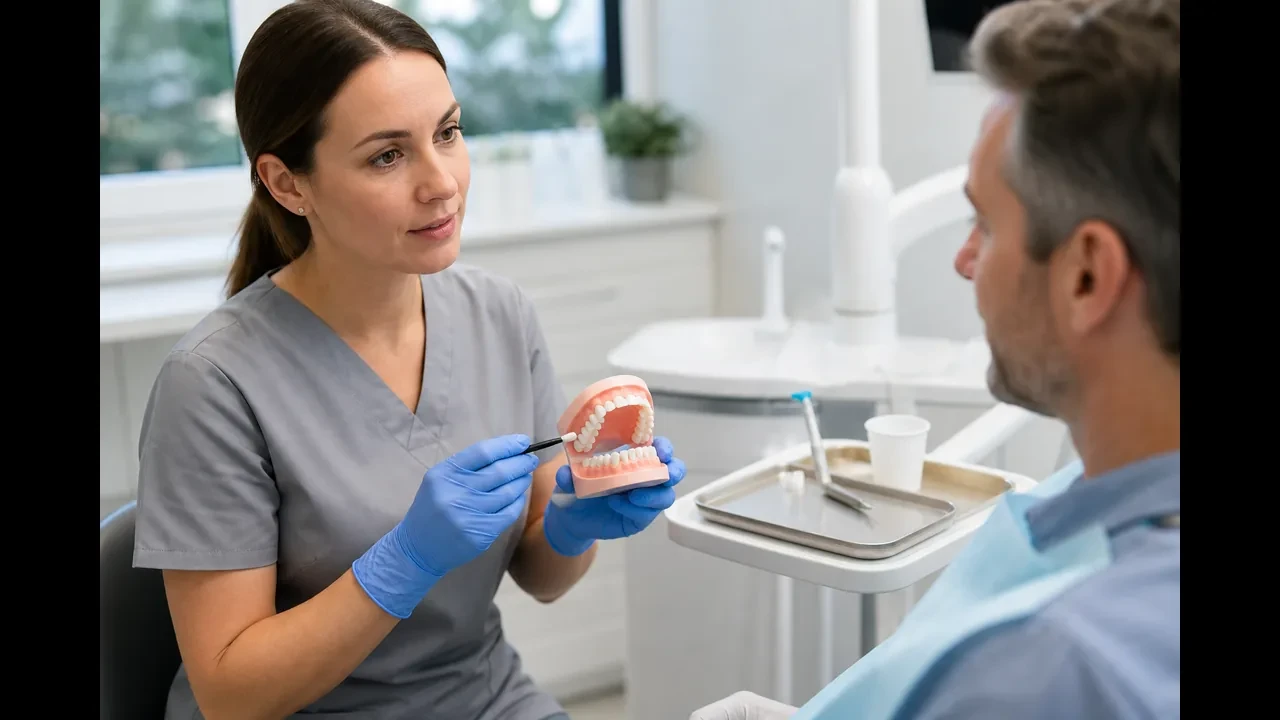
Do You Need Fluoride Treatments As An Adult?
Adult fluoride is about risk, not age: exposed roots, dry mouth, orthodontic scars, and recurring decay are common reasons in-office treatments still help.
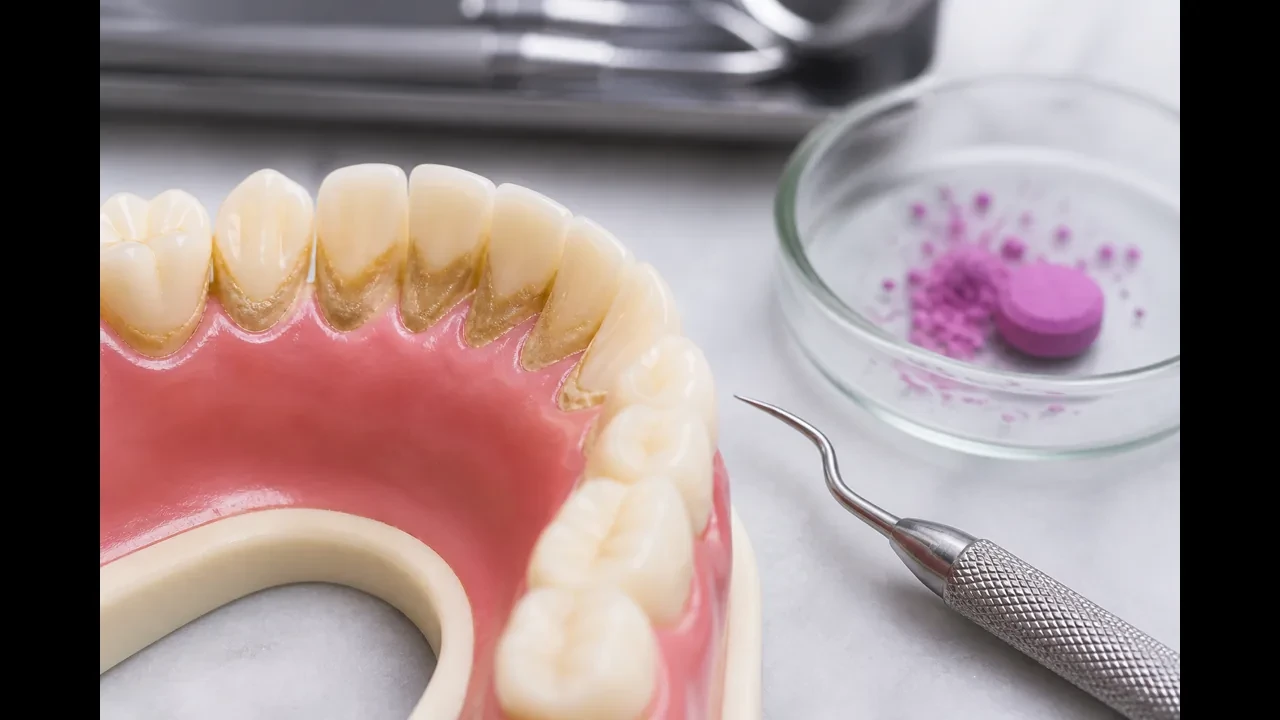
What Is Dental Calculus?
Calculus is mineralized plaque—tartar—that forms when soft biofilm sits long enough for saliva minerals to lock it onto enamel and roots.

How Often Should You Get Dental X-Rays?
X-ray timing is individualized: higher decay or periodontal risk means shorter gaps, while stable low-risk adults often wait longer between bitewing sets.
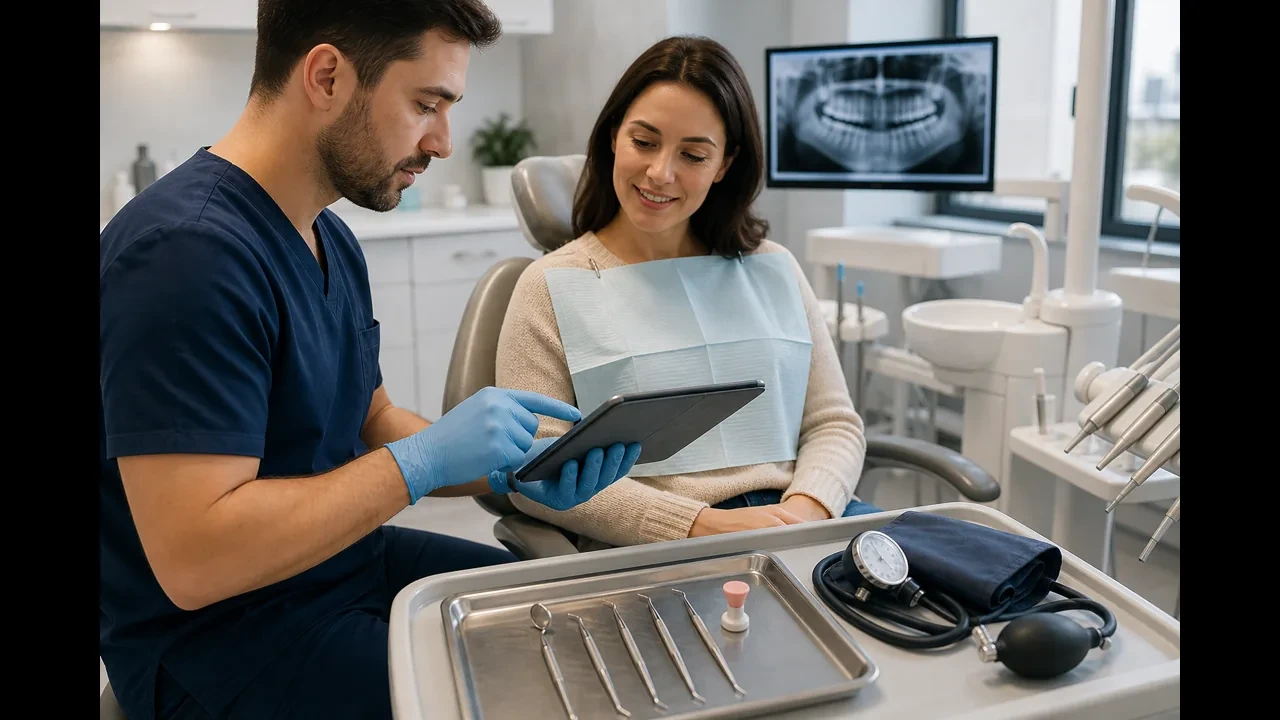
What Happens At A Routine Dental Checkup?
A checkup is a sequence: update health history, examine teeth and soft tissue, measure gums, clean deposits, and plan X-rays or treatment only when indicated.
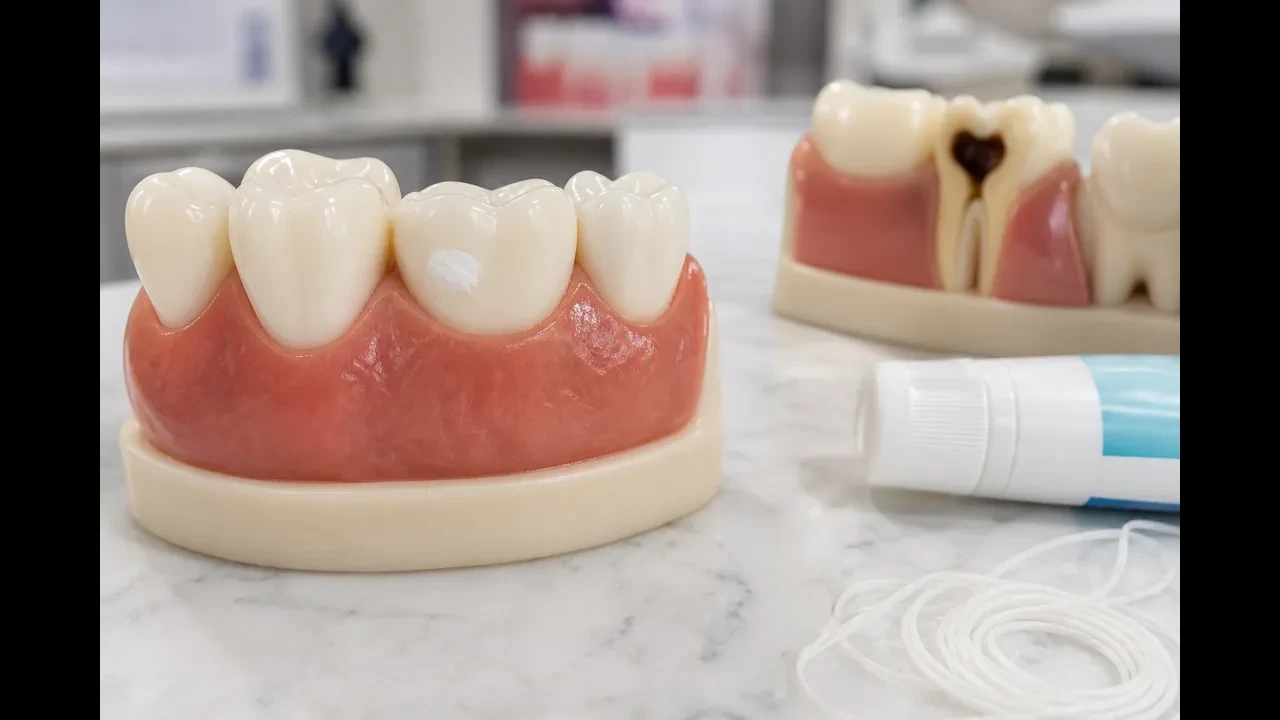
Can Cavities Heal On Their Own?
Softened early enamel can harden again with fluoride and fewer acid attacks, yet a cavitated hole needs a dentist—myths about self-healing fillings mislead.
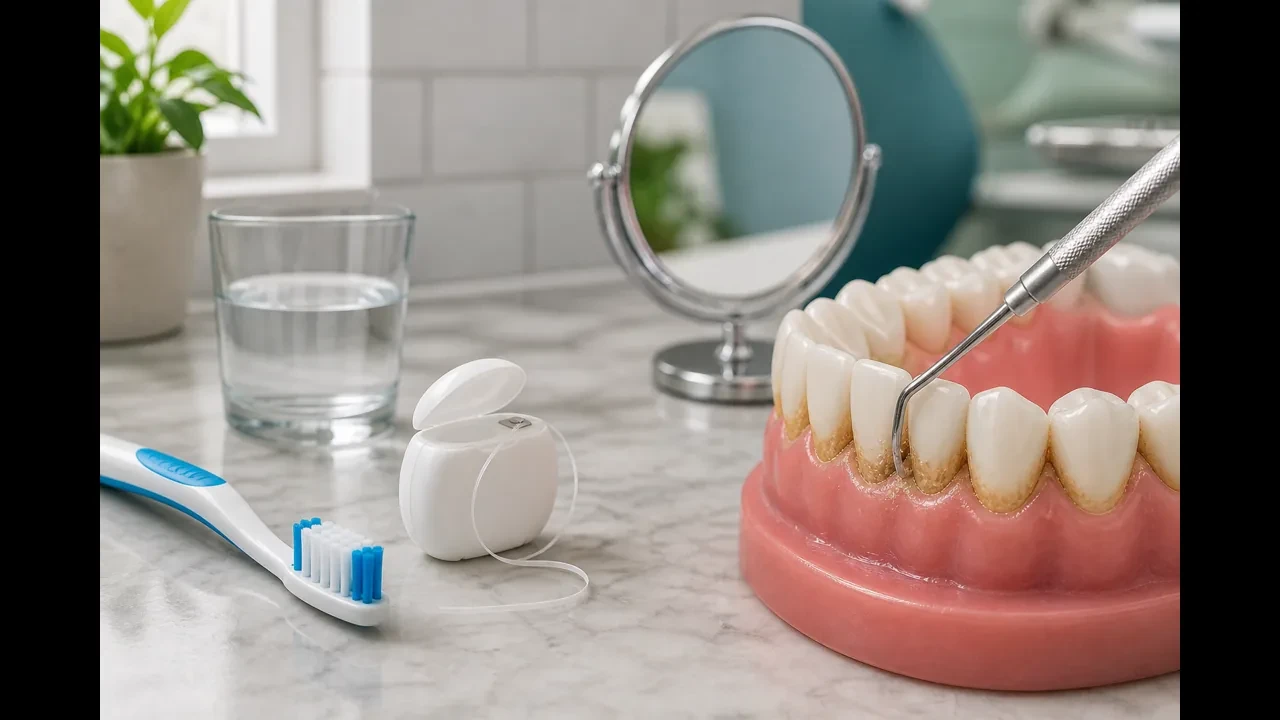
Why Do I Need A Dental Cleaning If I Brush?
Home brushing manages soft plaque; professional cleanings remove mineralized tartar and polish places your bristles never fully reach under the gumline.
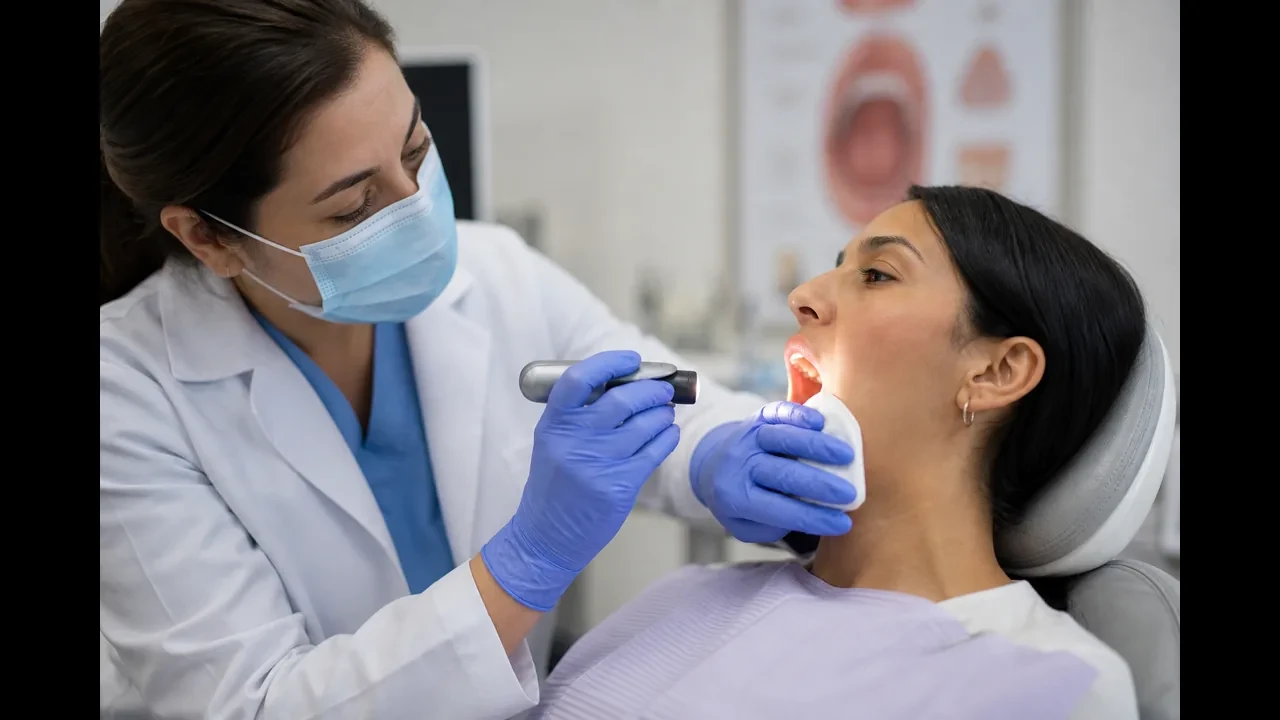
What Is An Oral Cancer Screening?
Screening is a systematic look and feel of the lips, tongue, cheeks, floor of mouth, and neck to catch persistent sores or lumps that need further testing.
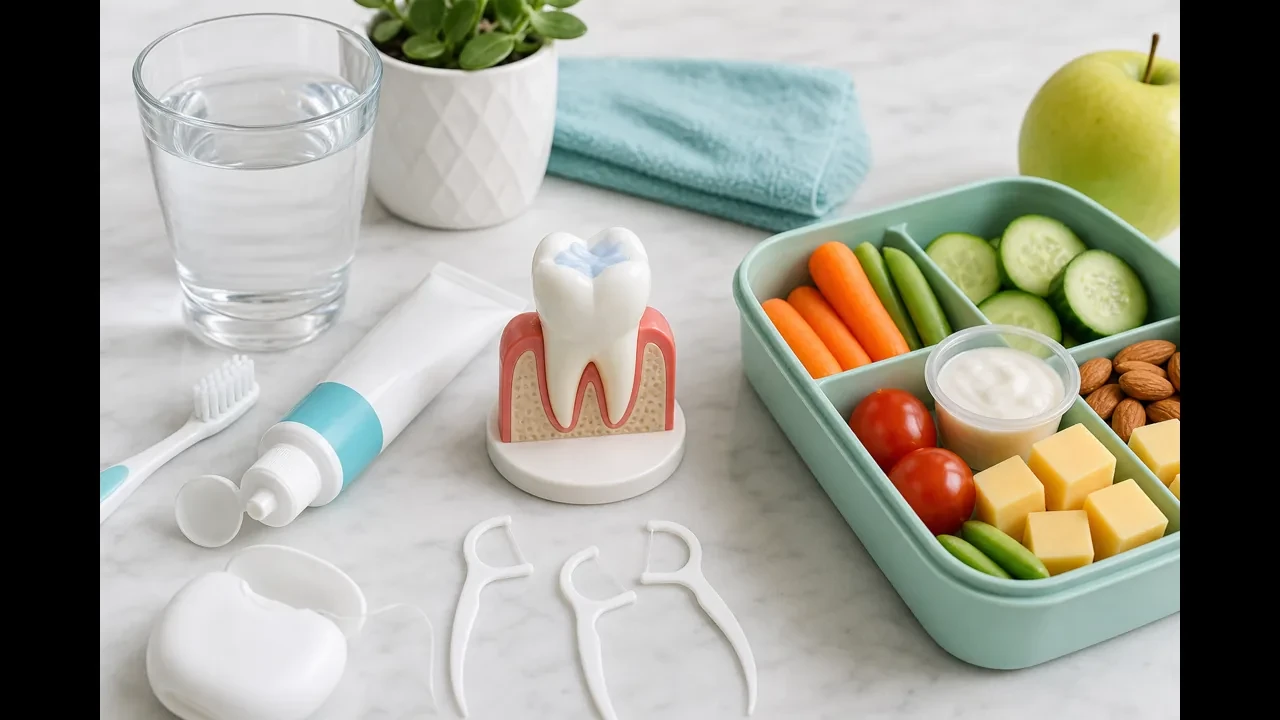
How Do You Prevent Cavities?
Cavity prevention is a repeatable routine: fluoride toothpaste, interdental cleaning, fewer acid snacks, saliva-friendly habits, and checkups that catch early lesions.

Does Dental Insurance Cover Implants?
Implant benefits are plan-specific: many policies limit or exclude them, while others pay a share after waiting periods, annual maximums, and missing-tooth clauses.

What Is A Dental Insurance Annual Maximum?
The annual maximum is a yearly ceiling on what the dental plan pays toward covered services; once it is reached, remaining allowed fees are usually yours.

PPO Vs HMO Dental Insurance: What's The Difference?
Dental PPOs trade higher flexibility and variable out-of-network costs for choice; dental HMOs emphasize assigned networks, scheduled copays, and tighter referral paths.

Does Dental Insurance Cover Braces?
Braces benefits hinge on age caps, lifetime orthodontic maximums, waiting periods, and whether your plan treats alignment as covered or excluded care.

Can You Use An FSA Or HSA For Dental Work?
FSAs and HSAs generally reimburse qualified dental care that treats or prevents disease, while purely cosmetic procedures are usually ineligible without a medical need.

What Is Dental Preauthorization?
Preauthorization asks your dental plan to review proposed procedures in advance; it estimates coverage but is not the same as a final payment guarantee.

Why Isn't My Dental Treatment Fully Covered?
Partial coverage is common because deductibles, coinsurance, annual maximums, exclusions, and alternate benefits intentionally leave a patient share on many claims.

How Much Does A Dental Cleaning Cost Without Insurance?
Without insurance, a routine cleaning and exam can range widely by city and radiographs needed; deep cleanings and first-visit diagnostics cost more than a simple polish.

Are Dental Payment Plans Available?
Payment plans are widely available through offices, third-party lenders, or staged care; terms, credit checks, and interest differ, so read the contract before you sign.

Does Medicaid Cover Dental?
Medicaid dental benefits are strongest for children nationwide through EPSDT, while adult coverage ranges from emergency-only to more comprehensive depending on the state.
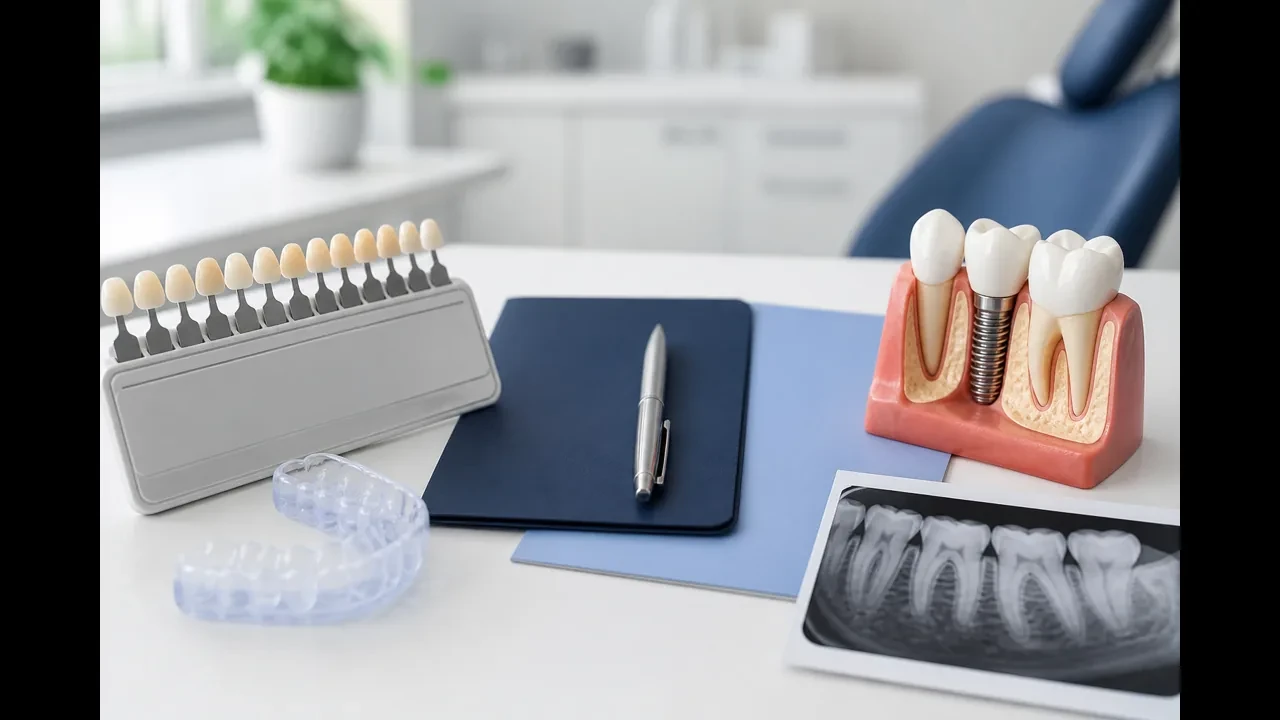
What Dental Procedures Are Considered Cosmetic?
Cosmetic dentistry focuses on appearance—whitening, veneers for looks, optional reshaping—while plans more often cover care that treats disease, pain, or lost function.

Electric Vs Manual Toothbrush: Which Is Better?
Neither brush wins by brand alone: powered heads help many adults stay thorough, while a well-angled soft manual brush still clears plaque when used carefully for two minutes.

Floss Vs Water Flosser: Which Should You Use?
Traditional floss scrapes contact points; water flossers flush pockets and hardware. Many mouths do best when the tool matches anatomy—and some use both.

How Often Should You Floss?
Most adults should clean between teeth once every day; higher gum inflammation, orthodontic hardware, or frequent food packing can justify careful extra sessions.
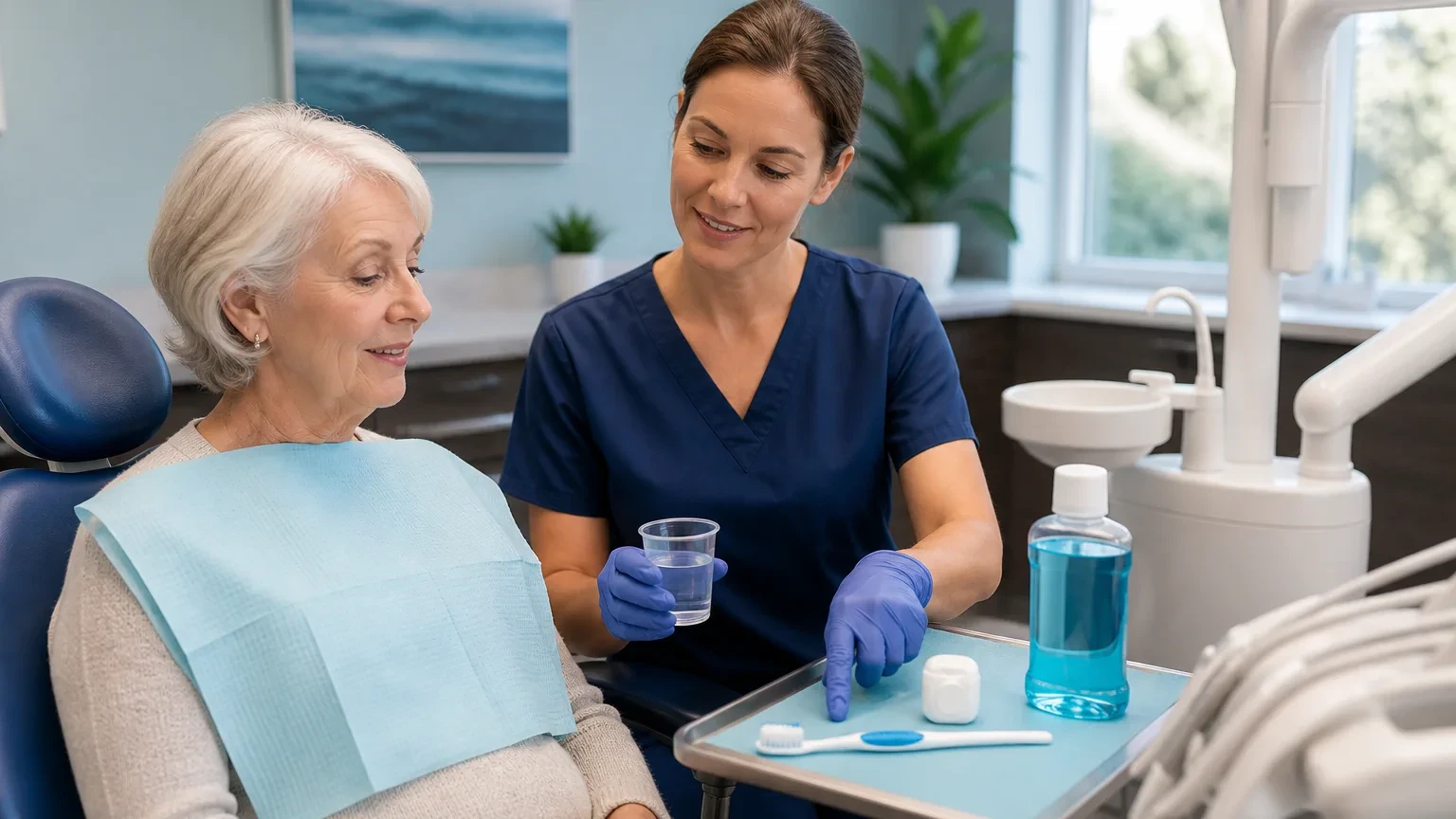
Is Mouthwash Necessary?
Rinses are optional helpers: fluoride formulas may support enamel, antiseptic ones can reduce germs short-term, yet neither substitutes for mechanical plaque removal.
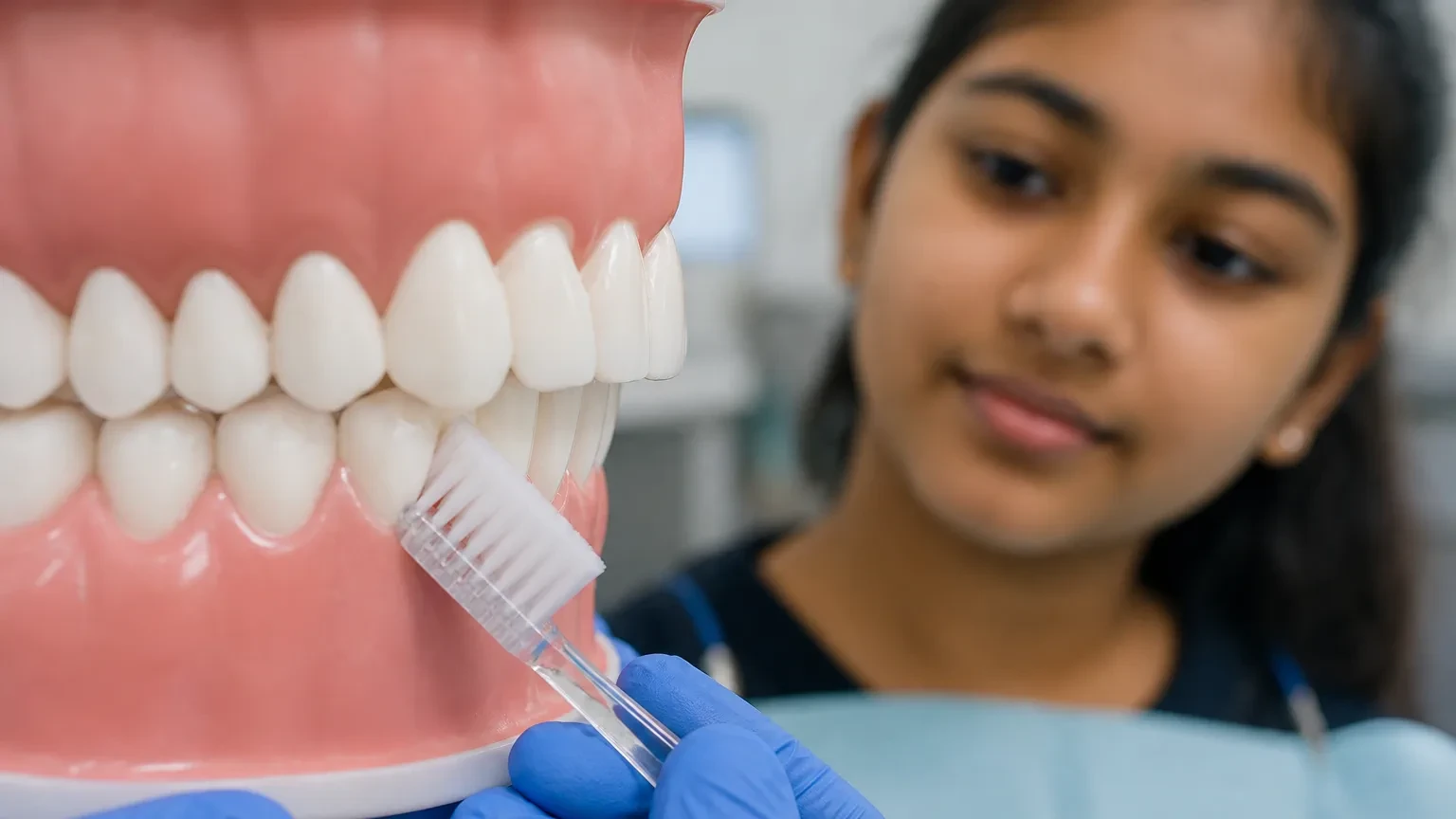
How Do You Brush Your Teeth Properly?
Proper brushing is paced and angled: soft bristles at the gumline, short strokes on every face of each tooth, about two minutes, twice daily with fluoride paste.
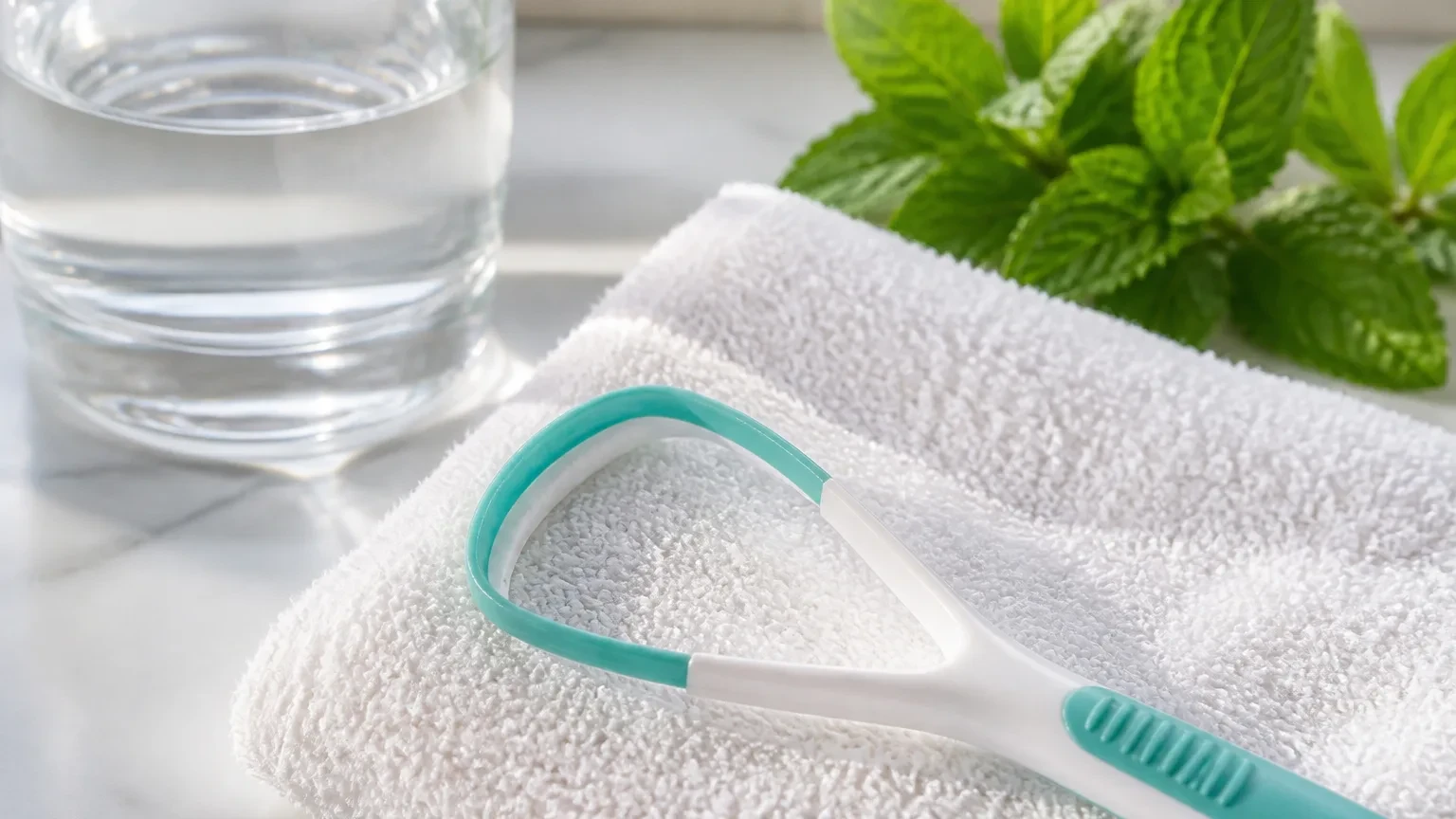
Should You Brush Your Tongue?
Yes for many people: the tongue’s rough surface holds bacteria and food film that fuel morning breath, and gentle daily cleaning often helps more than mint alone.

What Toothpaste Should You Use?
Start with fluoride for cavity defense, then layer sensitivity, tartar-control, or whitening features only when they match your exam findings and comfort.