

Does Dental Insurance Cover Braces?
Orthodontic coverage depends on age limits, lifetime maximums, waiting periods, and medical necessity rules. Learn the risks that reduce braces benefits.

Reviewed by Dr. Sean Myran, DMDDoctor of Dental Medicine, University of Pennsylvania
Dental insurance sometimes contributes to braces or clear aligners, but orthodontic coverage is one of the most limited and age-gated benefits in many plans. Some policies cover a portion of comprehensive orthodontics for dependents under a stated age; others exclude adult orthodontics; still others offer a small lifetime orthodontic maximum that is easy to outspend. MouthHealthy encourages patients to understand what their dental benefits do and do not include. Never treat a friend’s reimbursement story as your approval letter.
Risk framing helps set expectations. The clinical need for a healthier bite can be real even when the plan labels treatment “not covered” or pays only a modest share. Cosmetic alignment without a covered diagnosis may be denied even if teeth feel crowded to you. Waiting periods, late enrollment penalties, and missing paperwork can also shrink or delay payment. Understanding preauthorization before bands or aligners are delivered reduces surprise denials.
Coverage Risks That Commonly Reduce Benefits
- Age limits: many plans cap orthodontic benefits at a dependent age; adult coverage may be absent or thinner.
- Lifetime maximum: a one-time orthodontic cap can be far below the full case fee.
- Waiting periods: orthodontic benefits may unlock only after months of continuous enrollment.
- Plan exclusions: some policies exclude orthodontics entirely or limit clear aligners differently from braces.
- Medical necessity language: plans may require documentation of function, not only appearance—related to cosmetic versus covered care.
- Network rules: DHMO referral paths and PPO out-of-network gaps change your share depending on the plan type you carry.
The American Association of Orthodontists discusses orthodontic treatment costs and questions patients commonly ask. Use specialist guidance for clinical timing; use your plan documents for payment rules. Those two conversations answer different questions and should both happen before you pay a large starter fee. Ask whether clear aligners and braces share the same lifetime maximum or sit under different plan lines.
 Contracts should show both columns.
Separate case fee from plan contribution
Ask the orthodontic office for a contract that lists total case fee, insurance estimate, initial down payment, and monthly payments if you finance the balance. Confirm whether retainers, refinements, or early termination fees are included. Call your plan with the orthodontic codes and patient date of birth to verify age eligibility and remaining lifetime maximum. If two children need care, ask whether each has a separate cap. Get names and reference numbers from insurer calls and keep them with the contract.
Safer Path When Benefits Look Thin
- Get a records-based orthodontic diagnosis, not only a cosmetic quote.
- Submit preauthorization when the plan allows it and wait for the response when timing allows.
- Compare braces versus aligners for clinical fit first; insurance may treat them differently.
- Plan for the balance with savings, FSA or HSA funds, or office payment options.
- Do not start mid-case with a dentist who cannot finish if you may move or change plans soon.
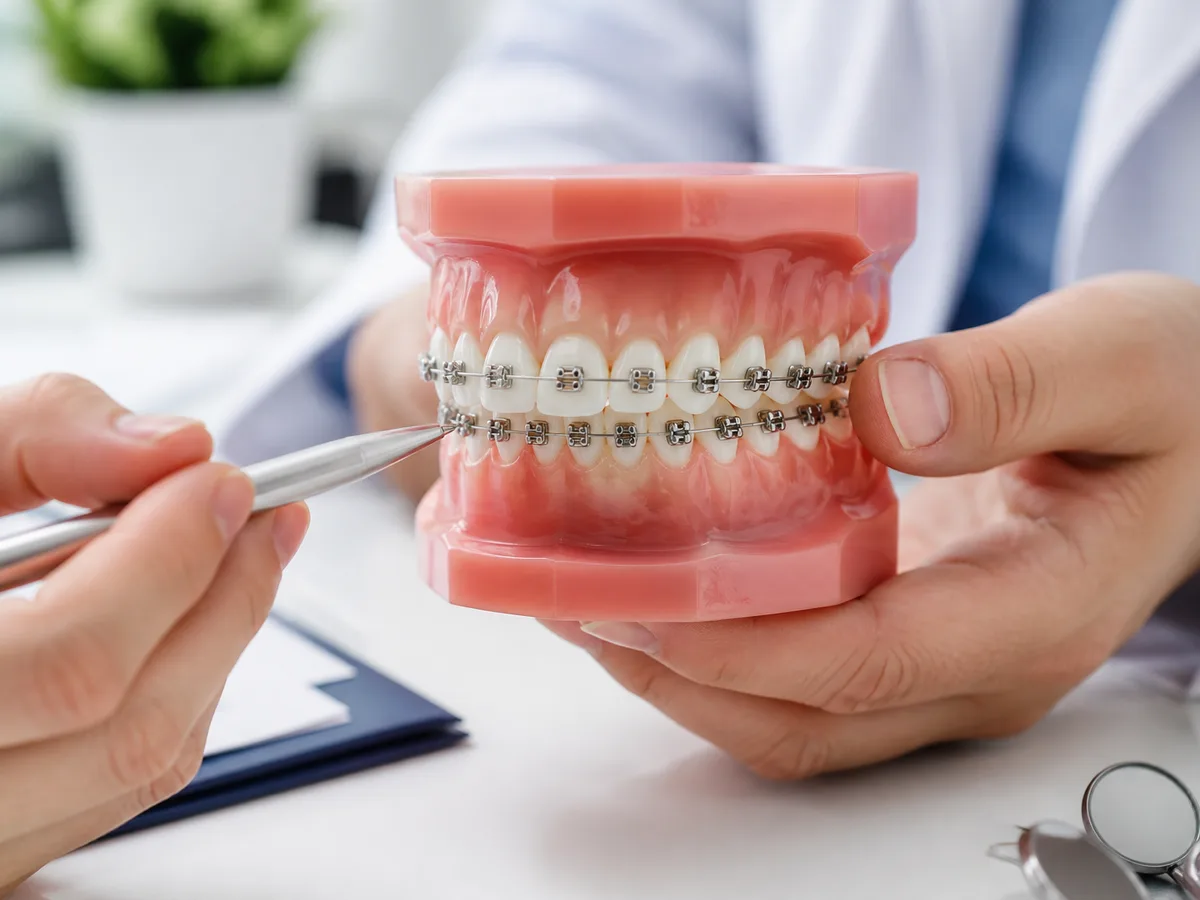 Eligibility dates belong on the timeline.
Waiting periods are a calendar risk
Starting appliances the month before orthodontic benefits activate is a common and costly timing mistake. If your plan has a waiting period, ask the orthodontist whether records and monitoring can begin while active treatment waits for eligibility—only when that sequence is clinically acceptable. For help finding an office that will coordinate benefits transparently, use Find a Dentist and mention orthodontic insurance review when you book. Bring the plan booklet page that mentions orthodontics so staff are not searching blind.
Braces coverage is a layered risk problem: age, lifetime caps, waiting periods, exclusions, and network rules all matter. Verify each layer in writing, then choose the orthodontic plan that fits your bite—and a financing path that survives a partial or denied claim. If your dependent is near an age cutoff, ask the plan exactly which birthday ends eligibility and whether active treatment started before that date remains payable through the lifetime maximum.
Related articles
Keep exploring related topics from Dental Country.

Does Dental Insurance Cover Implants?
Implant benefits are plan-specific: many policies limit or exclude them, while others pay a share after waiting periods, annual maximums, and missing-tooth clauses.
Read article
What Is A Dental Insurance Annual Maximum?
The annual maximum is a yearly ceiling on what the dental plan pays toward covered services; once it is reached, remaining allowed fees are usually yours.
Read article
PPO Vs HMO Dental Insurance: What's The Difference?
Dental PPOs trade higher flexibility and variable out-of-network costs for choice; dental HMOs emphasize assigned networks, scheduled copays, and tighter referral paths.
Read article
Can You Use An FSA Or HSA For Dental Work?
FSAs and HSAs generally reimburse qualified dental care that treats or prevents disease, while purely cosmetic procedures are usually ineligible without a medical need.
Read article