
What Dental Procedures Are Considered Cosmetic?
Cosmetic dental procedures mainly improve appearance, while medically necessary care treats disease or function. Use this checklist to sort common treatments.

Reviewed by Dr. Sean Myran, DMDDoctor of Dental Medicine, University of Pennsylvania
Dental procedures are generally considered cosmetic when their primary purpose is to improve appearance rather than to treat disease, infection, pain, or impaired function. Teeth whitening for shade alone, purely elective veneers, and optional bonding to close a small cosmetic gap are common examples. By contrast, fillings for decay, periodontal therapy for gum disease, extractions of infected teeth, and crowns that restore broken teeth are typically framed as medically or dentally necessary—though each insurer applies its own definitions. MouthHealthy notes that dental plans differ in what they cover and that patients should review their benefits. Labels on marketing websites do not control claim decisions.
MedlinePlus provides general dental health information on preventing and treating oral disease. Necessity follows diagnosis: the same porcelain restoration might be covered when it rebuilds a fractured tooth and denied when it is placed only to change color. That is why chart notes, radiographs, and narratives matter during preauthorization and why partial coverage is common when plans carve out cosmetic codes.
Cosmetic Versus Medically Necessary Checklist
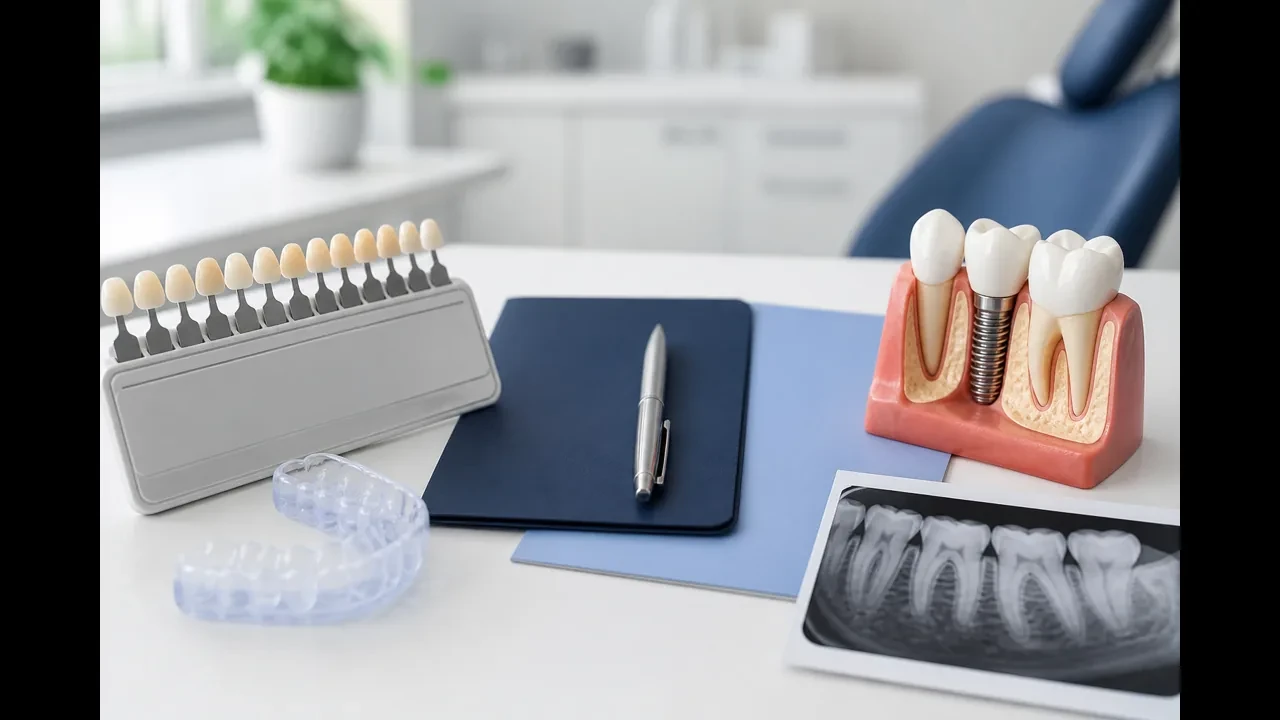
- Whitening / bleaching: usually cosmetic when done for shade; not a substitute for cleaning disease-related stain with therapy.
- Veneers: often cosmetic if chosen for looks; may be considered restorative when they rebuild structure after fracture or developmental defects—plan language decides.
- Bonding for chips: appearance-only repairs may be excluded; bonding that restores form after trauma can be treated differently.
- Orthodontics: alignment for esthetics alone is frequently limited; functional cases may still face age and lifetime caps that change with each plan year.
- Implants and bridges: tooth replacement after disease or extraction is restorative in purpose, yet many plans still limit payment through exclusions or alternate benefits—see implant coverage factors.
- Gum contouring: often cosmetic when done for symmetry alone; different if tied to specific periodontal therapy.
- Night guards: may be covered when prescribed for bruxism-related damage; sports mouthguards for hobbies can be excluded.
Use the checklist as a conversation tool, not a verdict. Ask your dentist which diagnosis supports each code and ask your plan how that code is categorized this year. Employer plans, marketplace dental add-ons, and Medicaid adult benefits each draw the cosmetic line differently and can change at renewal.
 Split cosmetic wish lists from repair plans.
Purpose drives the cosmetic label
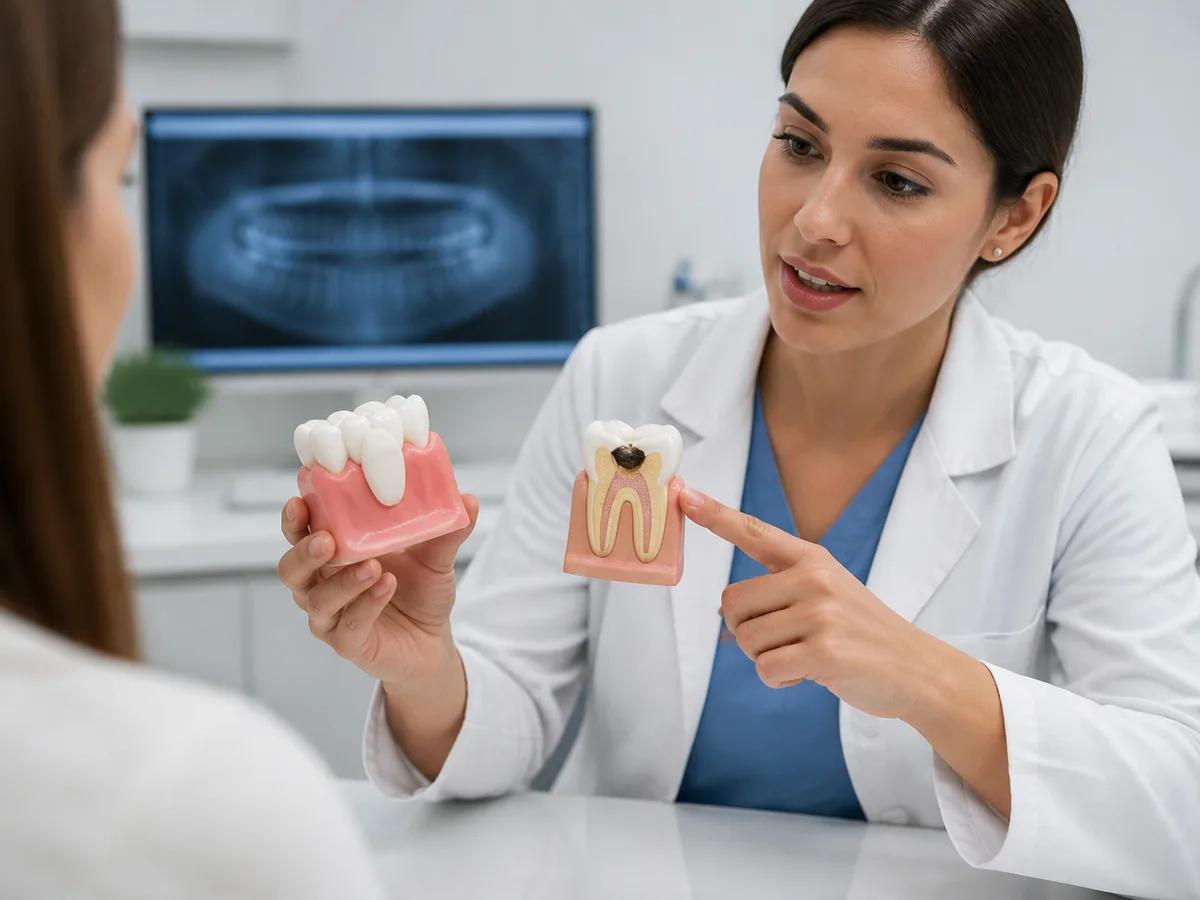
If you want a whiter smile and also need a crown on a broken molar, ask for separate treatment plans. Keeping cosmetic whitening on its own estimate protects you from assuming insurance will help with both. For the restorative crown, request the clinical reason in plain language—“fracture,” “decay under old filling,” “root canal coverage”—so billing narratives match reality. If you use an FSA or HSA, remember appearance-only whitening is usually ineligible while disease-related dentistry more often qualifies. Clear separation avoids denied card transactions later.
Questions That Clarify Coverage Intent
- What problem does this procedure treat beyond appearance?
- How would the office document medical or dental necessity?
- Does my plan exclude this code even when a dentist recommends it?
- Is there a less costly covered alternative that still solves the functional issue?
- What patient share remains if the plan applies an alternate benefit?
 Needs first, wants when budgets allow.
Two lists make better financial decisions
Write a “needs” list and a “wants” list after the consult. Fund infection control, decay removal, and broken-tooth repair first. Schedule elective whitening or smile design when cash, HSA timing, or payment plan options are ready. For a dentist who will explain cosmetic versus necessary options without pressure, use Find a Dentist and ask for a written plan with priorities labeled. Bring photos of the smile changes you want so esthetic goals stay honest beside health needs.
Cosmetic procedures center on appearance; necessary care centers on disease and function—yet insurance categories can still limit restorative benefits. Use the checklist, separate estimates, and plan documents to see where your case sits before you schedule.
Related articles
Keep exploring related topics from Dental Country.

Does Dental Insurance Cover Implants?
Implant benefits are plan-specific: many policies limit or exclude them, while others pay a share after waiting periods, annual maximums, and missing-tooth clauses.
Read article
What Is A Dental Insurance Annual Maximum?
The annual maximum is a yearly ceiling on what the dental plan pays toward covered services; once it is reached, remaining allowed fees are usually yours.
Read article
PPO Vs HMO Dental Insurance: What's The Difference?
Dental PPOs trade higher flexibility and variable out-of-network costs for choice; dental HMOs emphasize assigned networks, scheduled copays, and tighter referral paths.
Read article
Does Dental Insurance Cover Braces?
Braces benefits hinge on age caps, lifetime orthodontic maximums, waiting periods, and whether your plan treats alignment as covered or excluded care.
Read article