

Does TMJ Go Away On Its Own?
Some TMJ flares fade with rest and conservative care, while others linger or return. Learn what self-limits look like and when waiting is unwise.

Reviewed by Dr. Sean Myran, DMDDoctor of Dental Medicine, University of Pennsylvania
Sometimes, yes—mild TMJ flares ease on their own over days to a few weeks as muscles calm and joint irritation settles, especially when you reduce overuse. Other times, symptoms linger, return in cycles, or signal a joint problem that needs guided care. NIDCR notes that signs and symptoms of TMD go away in many people without treatment. “Watchful waiting” still works best with clear time limits and red flags.
Mayo Clinic states that TMJ disorder symptoms may go away without treatment, and that care is considered if they do not. Use a simple timeline and cost-of-waiting mindset: a short soft-diet pause is low risk; months of ignored locking is not. Compare your path with home care steps and a structured clinical plan if milestones slip.
Timeline And “Cost” Of Waiting
- 0–2 weeks: soft foods, habit resets, OTC relief if appropriate; many muscle flares improve here.
- 2–6 weeks: if pain still limits meals or sleep, schedule an exam even if you hope it will fade.
- Repeating cycles: each rebound that follows stress or hard-chew weekends suggests you need a prevention plan, not endless restarts.
- Hidden costs of delay: tooth wear from grinding, chronic muscle guarding, and fear of eating that outlasts the original spark.
- Low-value waiting: progressive locking, bite changes, swelling, or trauma-related symptoms.
Self-limited cases often involve temporary overload—extra gum, a long dental appointment, a stressful crunch week—without structural red flags. Persistent cases may involve disc issues, arthritis, or untreated bruxism. Sorting which lane you are in is why symptom patterns and clicking-plus-pain decisions matter more than a single hopeful internet anecdote.
People who improve quickly still benefit from a short prevention checklist: less gum, daytime teeth-apart posture, and a plan for the next high-stress month. Recurrence is common when the original load returns unchanged. Think of spontaneous improvement as a reset opportunity, not proof the problem can never return.
 Hope works better with a deadline.
Give mild flares a bounded window
Pick a two-week review date on your calendar when a mild flare starts. If opening is improving, pain scores are falling, and you are sleeping, continue conservative habits. If mornings are still a five-out-of-ten and sandwiches feel risky, stop waiting for magic and book care. Bounded optimism is different from denial. Keep notes so you are not guessing whether week two is truly better than week one.
Questions To Ask Your Dentist
- Does my exam look like a self-limiting muscle flare or a joint problem that needs closer follow-up?
- What improvements should I see—and by when—if we watch carefully?
- Which home steps are helpful versus which waste time for my pattern?
- When would an appliance, imaging, or referral enter the plan?
- How do we protect teeth if grinding continues after pain fades?
MedlinePlus explains that symptoms are temporary for many people and outlines self-care steps clinicians may suggest while monitoring. Asking about tooth protection matters because pain can quiet while enamel wear continues—another reason night guard candidacy may still apply after a flare “goes away.”
 Milestones make waiting safer.
Shared milestones beat open-ended delay
Leave the visit with written milestones: pain targets, opening goals, and a date to escalate if unmet. That turns “maybe it will go away” into a plan you can follow. Mentions of prior lock episodes, arthritis, or failed home care should shorten the watchful window. For a clinician who sets those milestones clearly, use Find a Dentist and explain how long this flare—and any past flares—have lasted when you schedule. Time can heal mild TMJ strain; partnership keeps time from becoming neglect.
TMJ symptoms often ease with time and gentle care, yet “on its own” should never mean ignoring locking, lasting pain, or repeating cycles. Give mild flares a short, structured window—then get help if function does not return.
Related articles
Keep exploring related topics from Dental Country.

What Are TMJ Disorder Symptoms?
Common TMJ disorder symptoms include jaw pain or stiffness, clicking or popping with discomfort, headaches, limited opening, and ache near the ear—patterns that deserve a careful exam when they persist.
Read article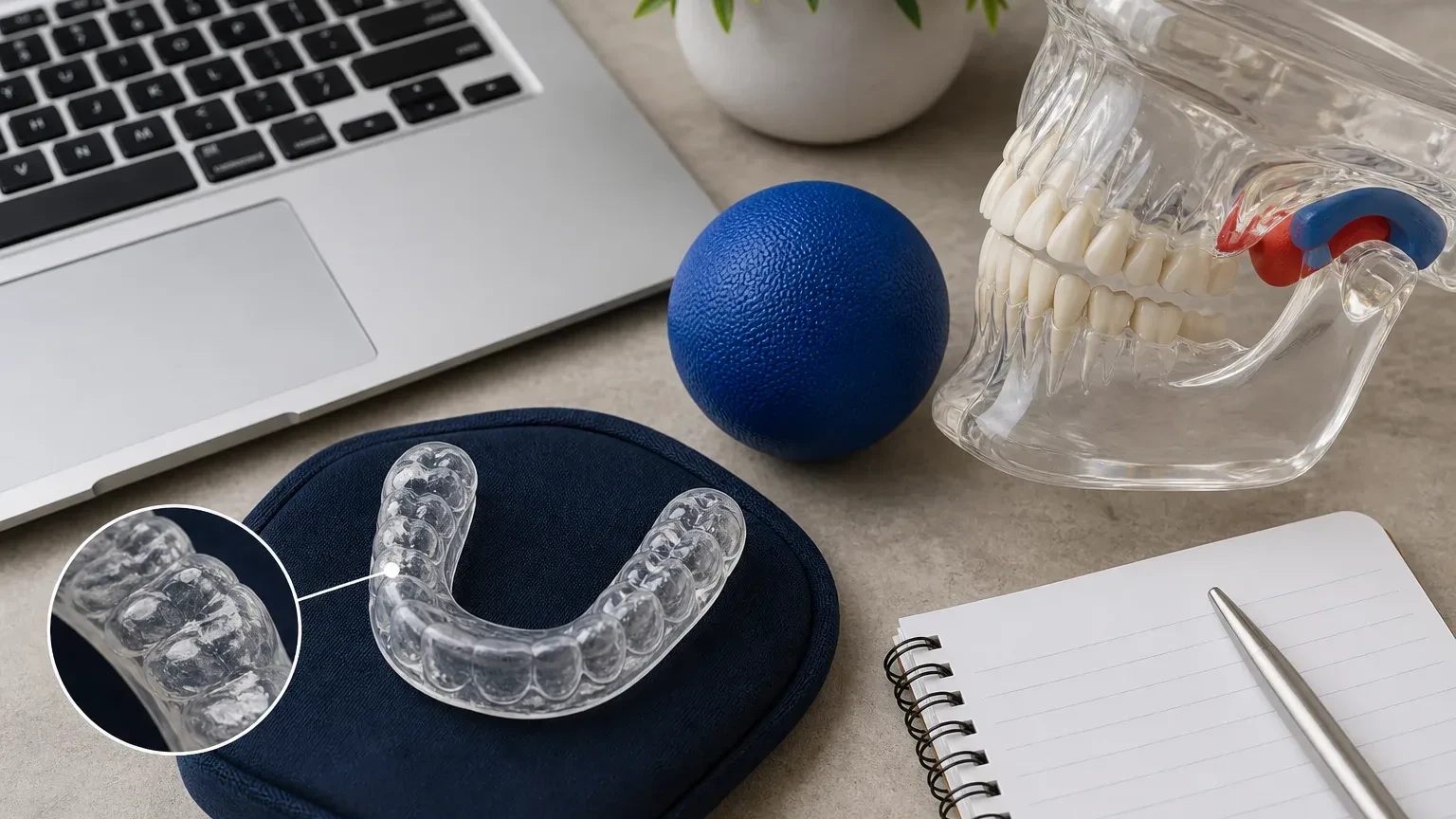
What Causes TMJ Pain?
TMJ pain usually comes from overloaded chewing muscles, irritation inside the jaw joint, or both—often layered with clenching, strain, arthritis, or stress rather than one single villain.
Read article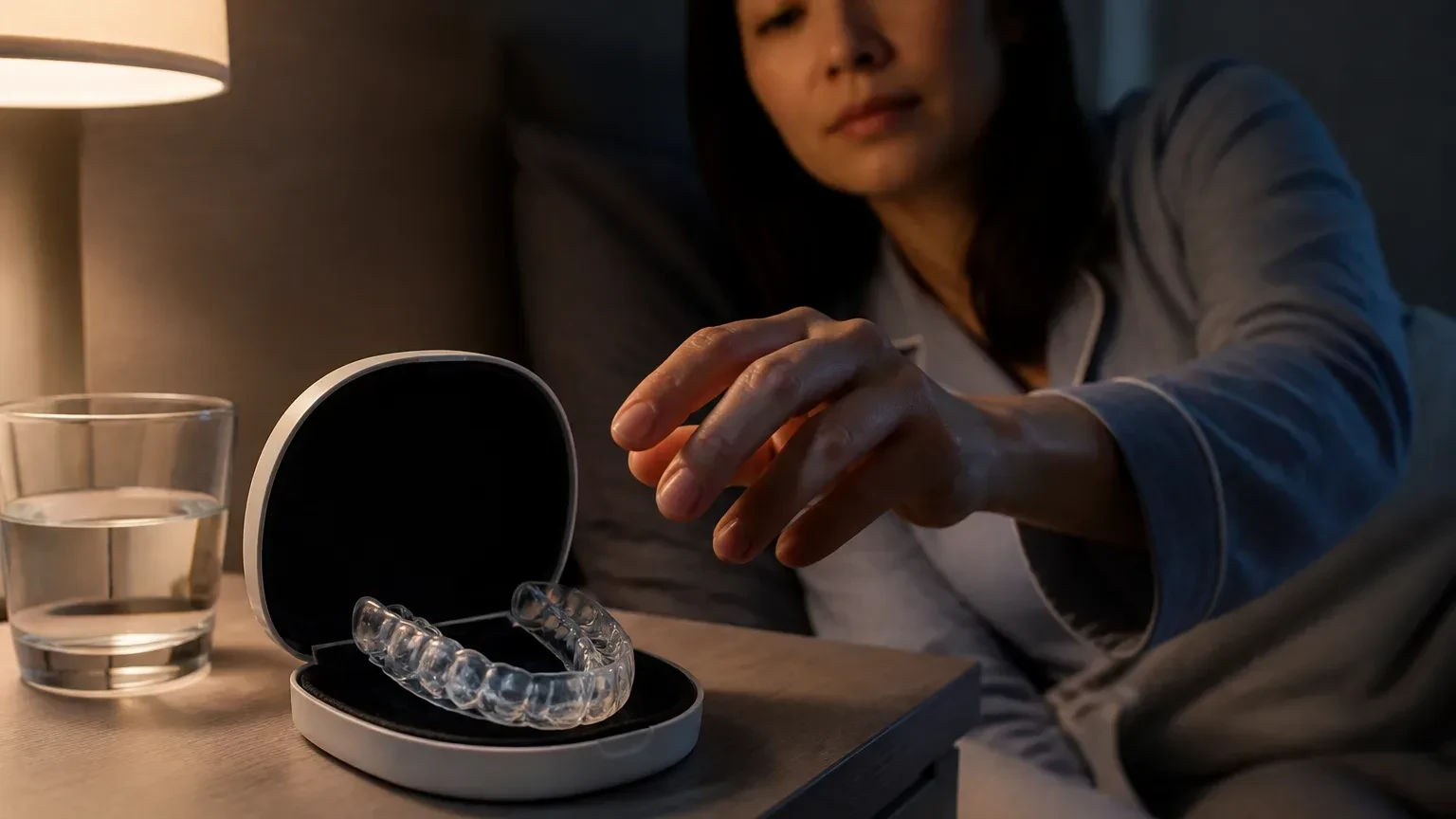
Does A Night Guard Help TMJ?
A well-fitted night guard can reduce tooth wear and ease some clenching-related TMJ muscle pain, yet it will not fix every joint problem and poorly fitted guards can worsen symptoms.
Read article
Can Stress Cause Jaw Pain?
Yes—stress often shows up in the jaw as clenching, grinding, and muscle guarding that leave the face sore, especially through busy weeks and restless nights.
Read article