
Can TMJ Cause Ear Pain?
Yes—TMJ problems can cause ear-area pain because the joint sits just in front of the ear. Learn overlap signs and when to rule out an ear infection.

Reviewed by Dr. Sean Myran, DMDDoctor of Dental Medicine, University of Pennsylvania
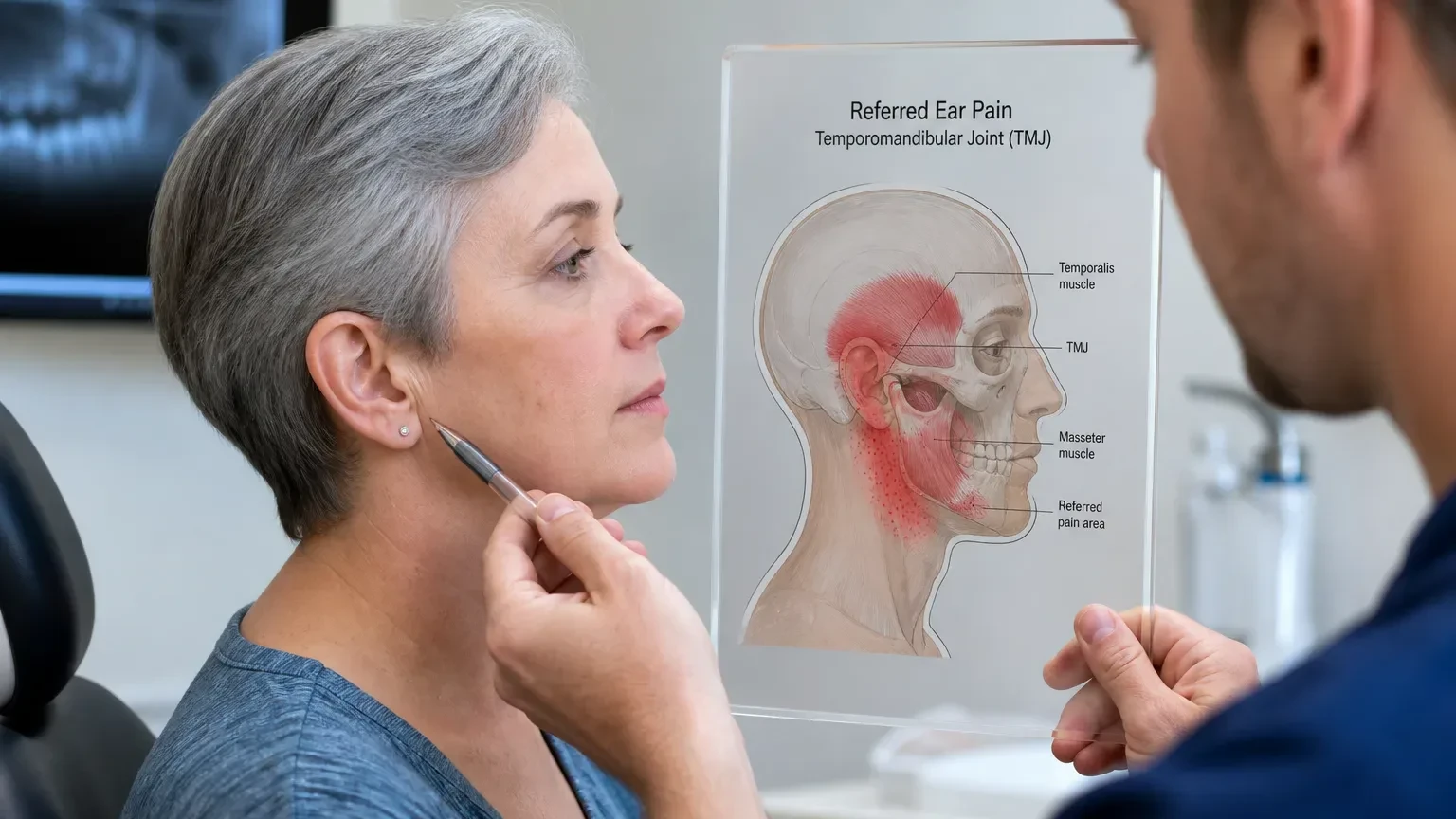
Yes—TMJ problems can cause pain in or around the ear because each temporomandibular joint sits just in front of the ear canal, and shared nerves can make joint or muscle pain feel ear-centered. The ache may deepen with chewing, yawning, or morning clenching even when an otoscope exam looks normal. Mayo Clinic lists aching pain in and around the ear among TMJ disorder symptoms. Still, true ear infections and other ENT issues need ruling out when fever, drainage, or hearing changes appear.
Use the short FAQ cluster below to sort common questions, then connect patterns to other TMJ symptoms and the broader list of pain drivers that can load the joint and muscles.
Why does the ear area hurt if my ear looks fine?
The joint capsule, nearby muscles, and overlapping nerve pathways can refer pain to the ear region. You may press in front of the ear and reproduce the ache, or notice it when chewing steak but not when the jaw rests. That pattern leans musculoskeletal rather than middle-ear infection—though only exams can confirm.
What clues point more toward TMJ than an ear infection?
Pain tied to jaw use, joint clicking with discomfort, morning muscle soreness, and a normal ear exam lean toward TMD. Fever, ear drainage, sudden hearing loss, or severe dizziness lean medical/ENT. MedlinePlus lists earache among symptoms associated with TMJ disorders. When unsure, it is reasonable to check both pathways.
Can ringing or fullness happen too?
Some people with TMDs report tinnitus, fullness, or dizziness. Those symptoms have many causes, so they are prompts for evaluation—not proof of one diagnosis. NIDCR notes that ringing in the ears, hearing loss, or dizziness can occur with temporomandibular disorders. Avoid assuming every ear noise is jaw-related.
What should I try while I wait for appointments?
Soft foods, smaller bites, limited gum, careful heat or cold on the jaw side, and daytime teeth-apart posture can ease referred ear-area ache from muscles. Skip cotton-swab digging in the canal. If pain is mild, a short home routine may help while you schedule care—without assuming the ear itself needs drops.
Headphones that clamp hard over the joint, phone cradling between ear and shoulder, and side-sleeping on a high fist-like pillow can all irritate the same neighborhood. Small environment tweaks sometimes reveal how mechanical the “ear” ache really is. Still seek prompt care for fever, drainage, or sudden hearing change rather than stretching for another week.
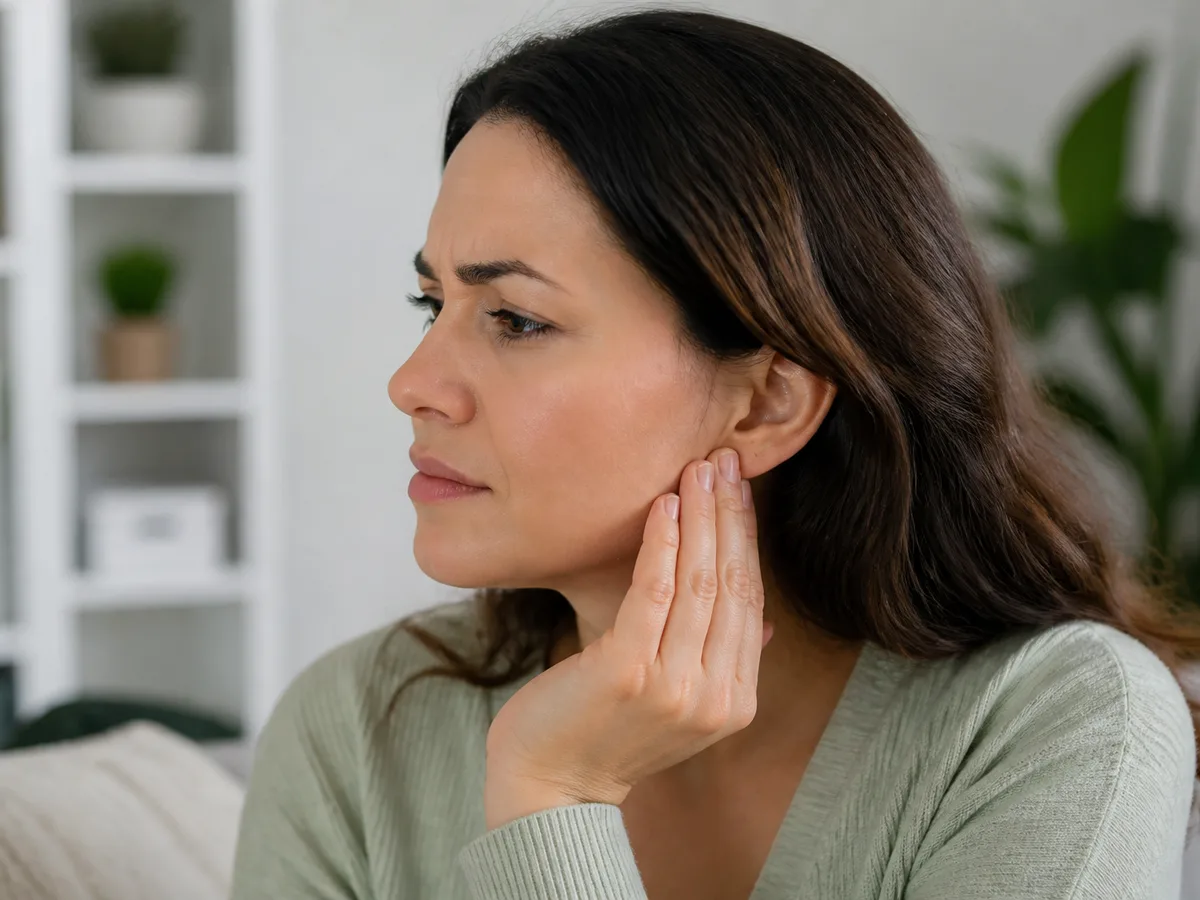 Map triggers before assuming one cause.
Location clues guide which clinic to call
Compare tenderness just in front of the ear with discomfort when you tug the outer ear or when you chew. Joint-line tenderness plus chew-triggered pain supports a dental/TMD visit; canal pain with cold-air sensitivity may still need ENT input. Do not force the jaw open to chase a click. Write down whether headphones, hard foods, or stress days intensify the ache so both clinicians get the same timeline. Dual evaluation is common and not a failure of either specialty.
When To Seek Care Promptly
- Fever, drainage, sudden hearing change, or severe vertigo.
- Jaw locking or rapidly worsening bite change.
- Ear-area pain with tooth swelling that could be dental infection.
- Pain lasting beyond a short soft-diet trial.
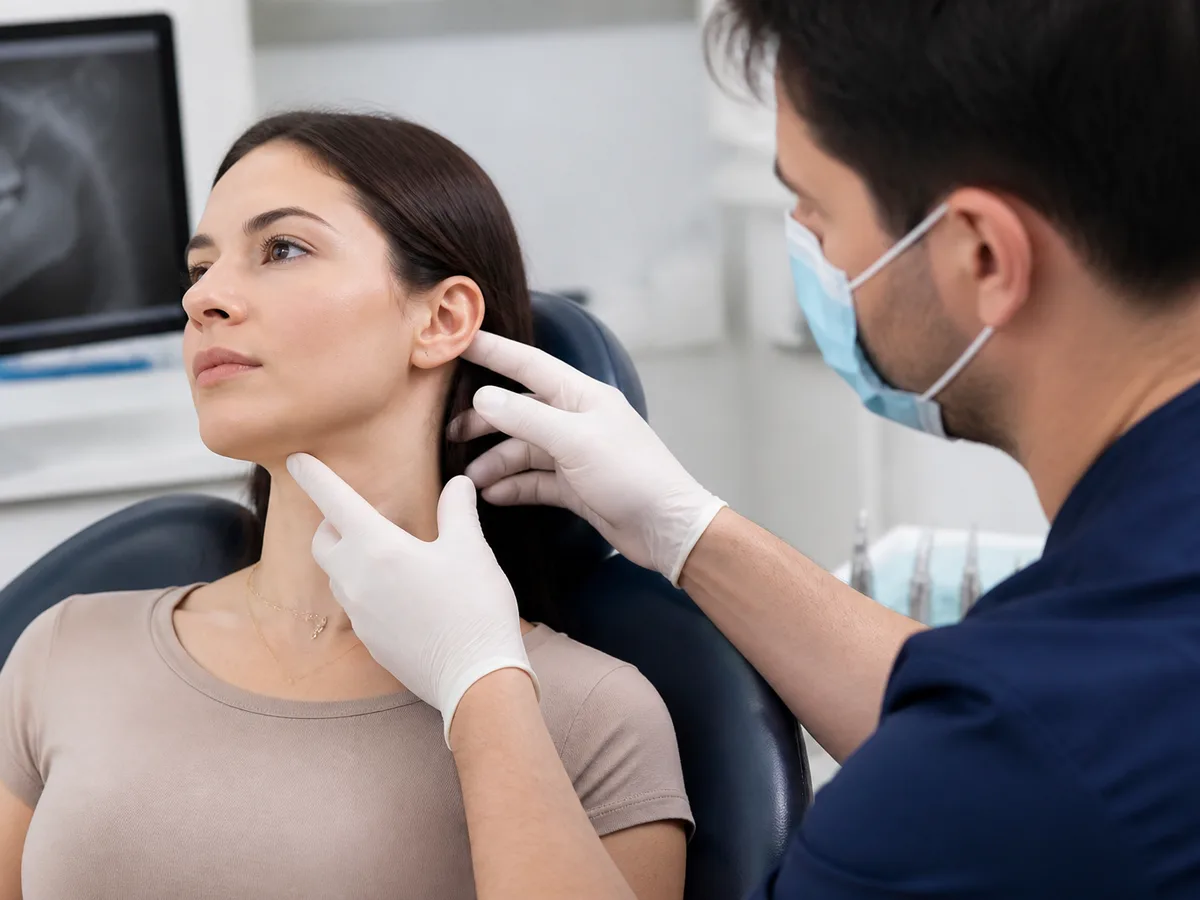 Two short exams can beat months of guessing.
Rule-outs protect you from missed infections
Bring ENT findings if you have them, and ask your dentist to check joints, muscles, and teeth that refer pain toward the ear. Mention clenching, recent dental work, and whether clicking accompanies the ache. For coordinated dental evaluation of ear-side jaw pain, use Find a Dentist and describe both ear and jaw symptoms when you book so the visit is not cut short. Clear sorting beats endless ear drops or endless jaw stretches done blindly.
TMJ-related problems can absolutely ache like an ear issue. Respect both possibilities, match home care to jaw load, and get the right exams when pain, infection signs, or function changes raise the stakes.
Related articles
Keep exploring related topics from Dental Country.

What Are TMJ Disorder Symptoms?
Common TMJ disorder symptoms include jaw pain or stiffness, clicking or popping with discomfort, headaches, limited opening, and ache near the ear—patterns that deserve a careful exam when they persist.
Read article
What Causes TMJ Pain?
TMJ pain usually comes from overloaded chewing muscles, irritation inside the jaw joint, or both—often layered with clenching, strain, arthritis, or stress rather than one single villain.
Read article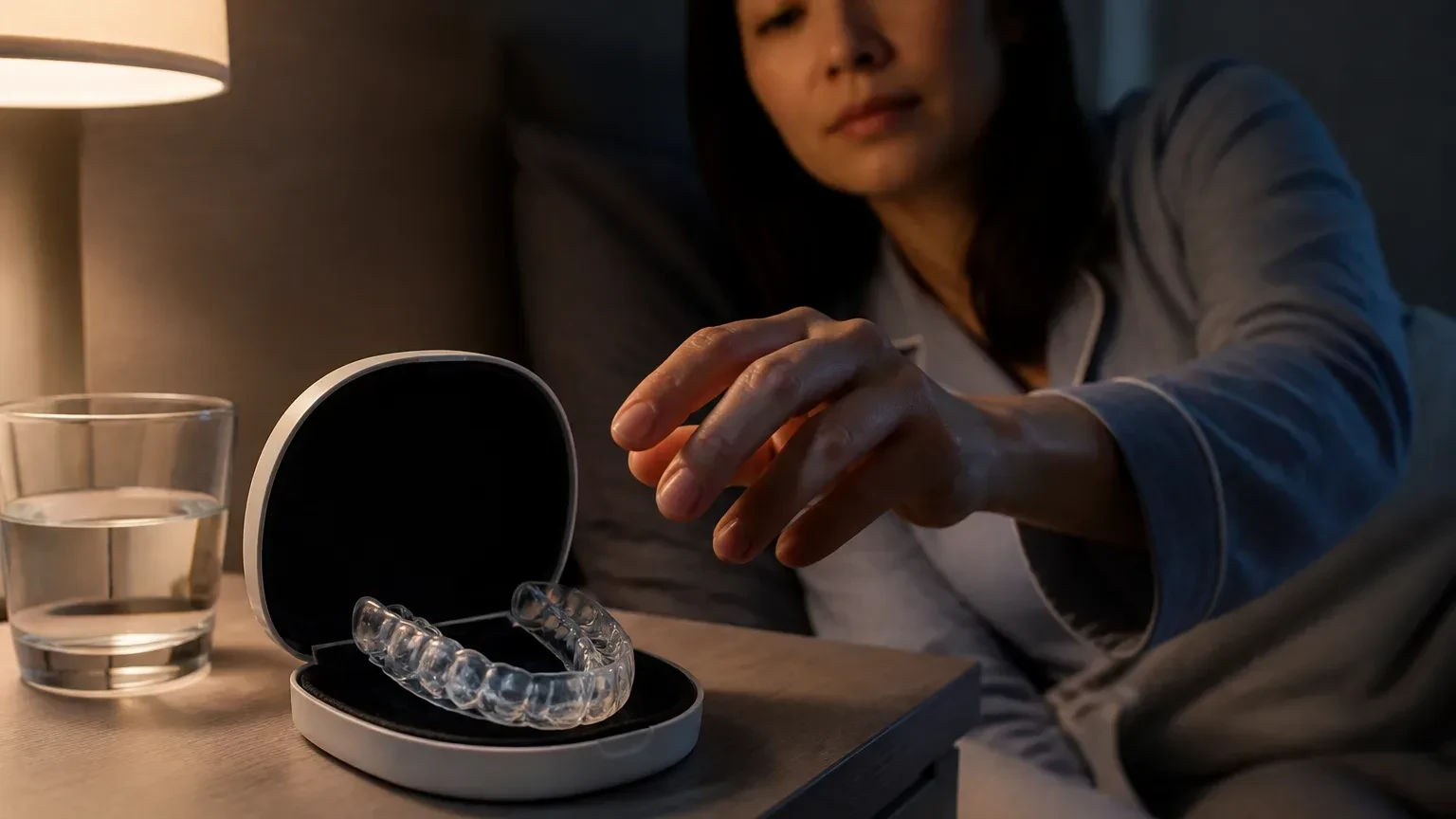
Does A Night Guard Help TMJ?
A well-fitted night guard can reduce tooth wear and ease some clenching-related TMJ muscle pain, yet it will not fix every joint problem and poorly fitted guards can worsen symptoms.
Read article
Can Stress Cause Jaw Pain?
Yes—stress often shows up in the jaw as clenching, grinding, and muscle guarding that leave the face sore, especially through busy weeks and restless nights.
Read article