
Partial Dentures Vs Bridges: Which Is Better?
Partial dentures and bridges both replace missing teeth, but they differ in support, hygiene, cost, and tooth preparation. Compare which fits your case.

Reviewed by Dr. Sean Myran, DMDDoctor of Dental Medicine, University of Pennsylvania
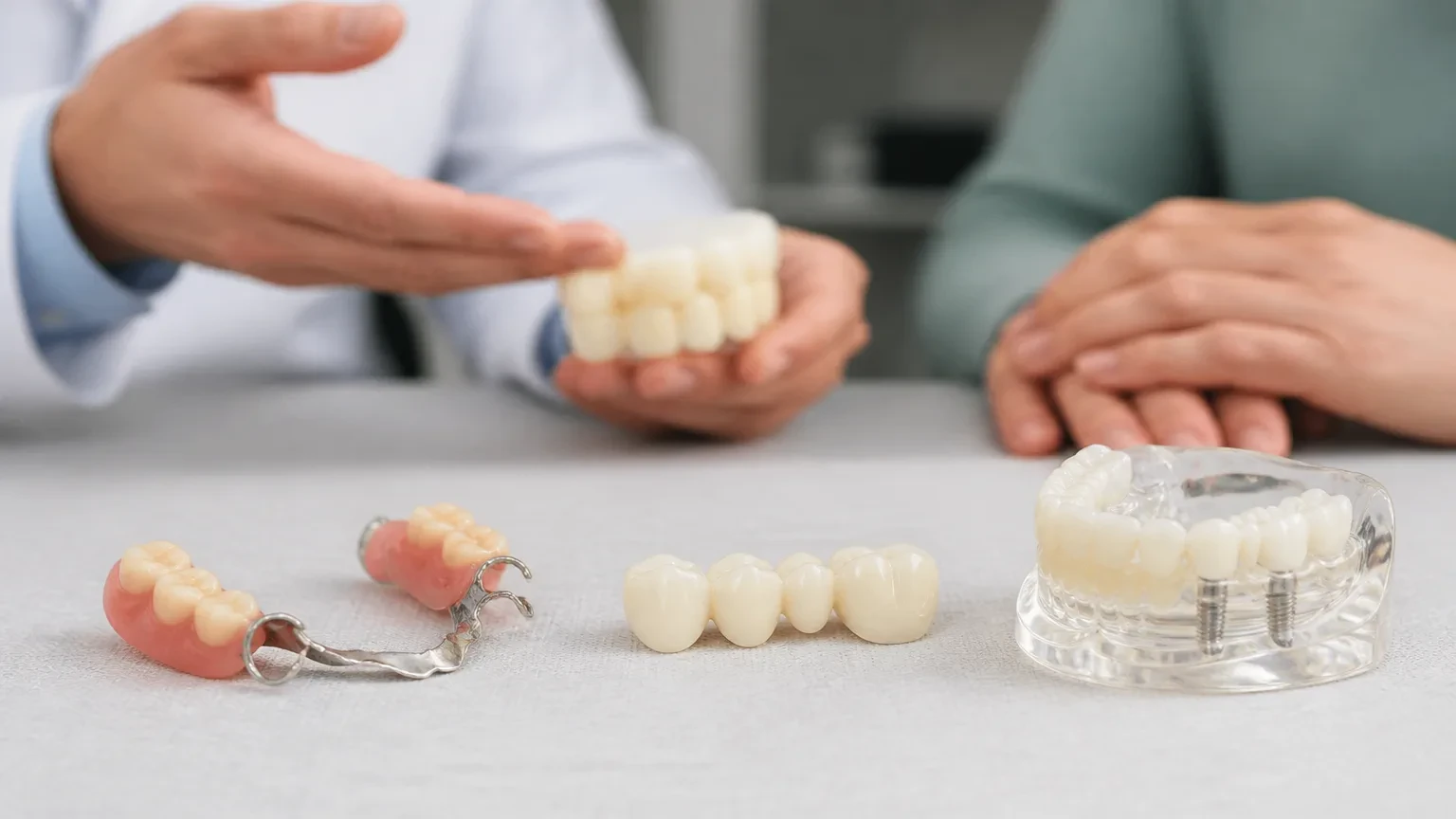
Partial dentures and bridges can both replace missing teeth, but they are not interchangeable. A partial is removable and can replace one or several teeth with clasps or precision attachments on a shared base. A bridge is fixed to neighboring teeth or implants and stays in place. MouthHealthy explains that bridges replace missing teeth using crowns on adjacent teeth. “Better” depends on the strength of nearby teeth, gum health, budget, and whether you want something removable.
A third path—implants—often enters the same consult. An implant can replace a tooth without preparing neighbors, or stabilize a partial so clasps are less noticeable. Start by clarifying how many teeth are missing, where the gaps sit, and how healthy the remaining teeth and bone are before locking onto one product name.
Hygiene access is easy to underestimate. Bridges need floss threaders or interdental brushes under the false tooth every day. Partials need clasp areas kept free of plaque so the holding teeth do not decay. If arthritis or vision limits make either routine hard, say so—design choices and caregiver help should match real life, not an ideal brochure.
Esthetics on front teeth raise the stakes. A metal clasp near a smile line may push someone toward a bridge, implant, or precision attachment partial. Ask to see clasp placement on a survey of your models before you commit, and request a try-in whenever the design allows.
Partial Dentures Vs Bridges
| Question | Partial denture | Bridge |
|---|---|---|
| Removable? | Yes | No (fixed) |
| Neighboring teeth | Often clasped with less tooth reduction | Usually prepared for crowns |
| Multiple gaps | Often practical in one appliance | May need separate bridges or implants |
| Hygiene | Remove to clean; clean abutments carefully | Floss under pontic with special aids |
| Feel | Base and clasps can be noticeable at first | Feels more like fixed teeth when healthy |
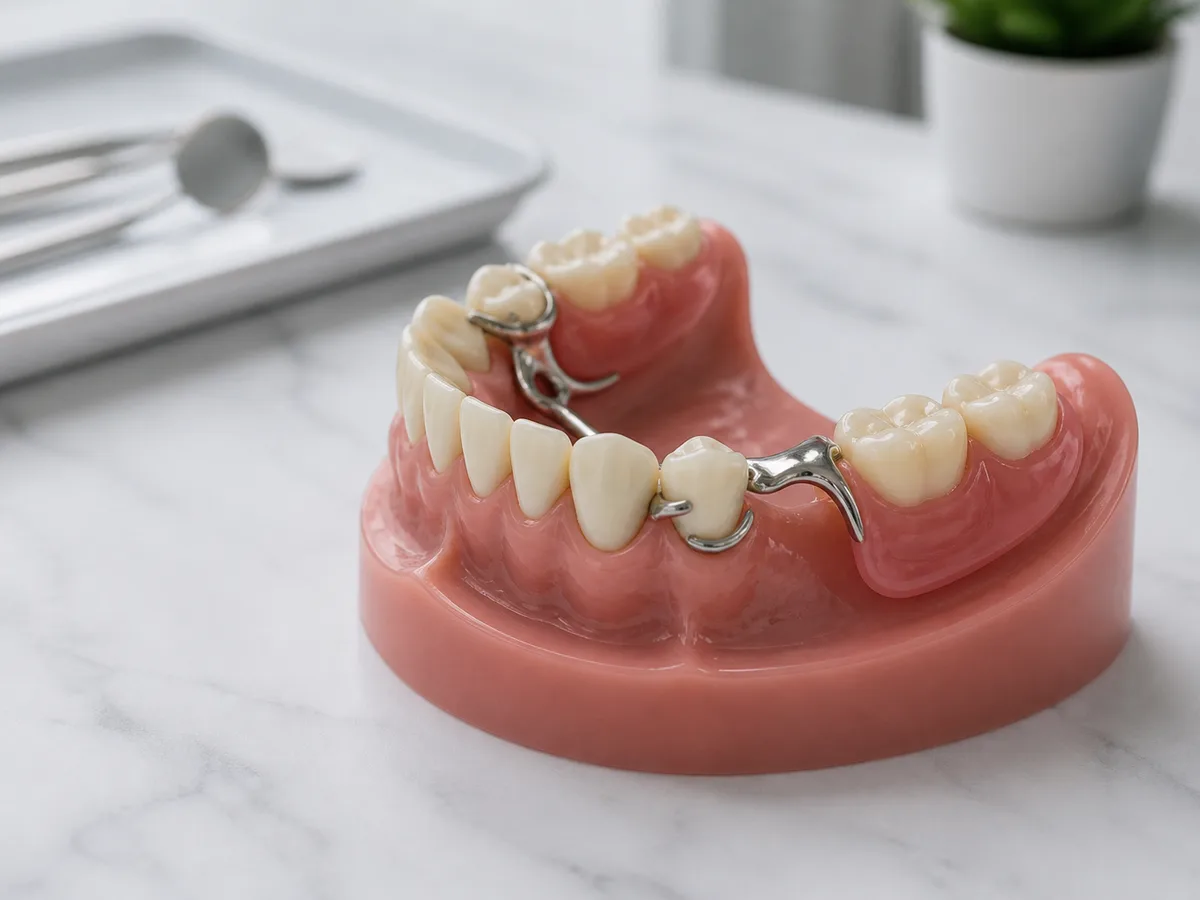 One appliance can cover complex gaps.
Partials shine when several teeth are missing
If gaps are scattered or abutment teeth are not ideal for crowns, a partial can restore smile and chewing without preparing multiple healthy teeth for a bridge. Flexible and metal frameworks each have trade-offs in strength, adjustability, and how clasps look at the smile line.
How Dentists Narrow The Choice
- Abutment quality: cracked or heavily filled neighbors may be poor bridge anchors.
- Bite forces: long spans can overload a bridge.
- Esthetics: metal clasps vs ceramic bridge match can tip preference; ask about hidden attachments.
- Maintenance style: some people prefer removable cleaning; others want fixed teeth only.
- Future tooth loss risk: a partial can sometimes be modified if another tooth is lost later; a bridge is less flexible.
Implants can change both conversations by replacing a tooth without preparing neighbors, or by stabilizing a partial. Cost planning overlaps denture pricing and bridge lab fees. Appearance goals also connect to whether dentures can look natural when a partial replaces visible front teeth. If a full arch is eventually needed, understanding immediate versus conventional dentures helps you see how today’s choice fits a longer plan.
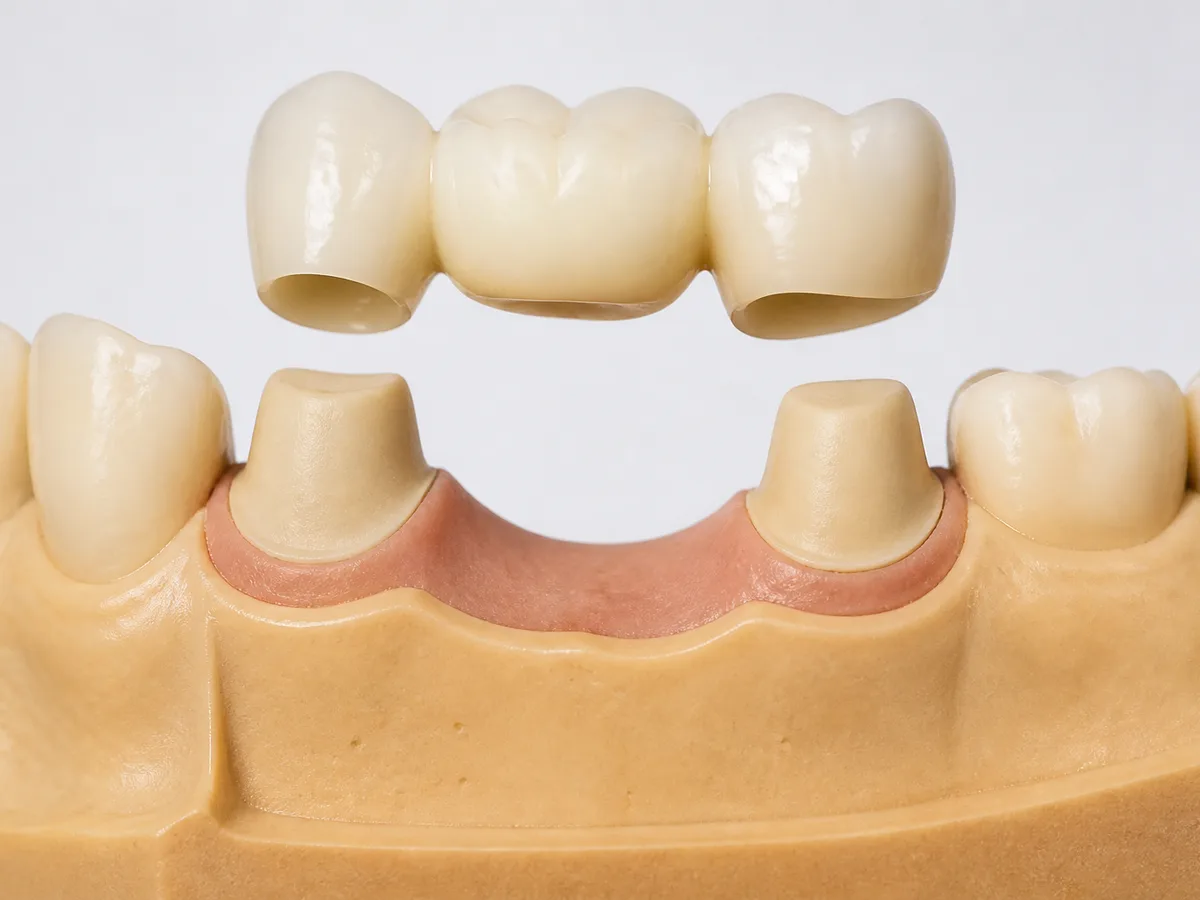 Fixed comfort needs strong anchors.
Bridges feel fixed when the foundations are strong
A well-planned bridge can feel seamless for a single gap with solid neighboring teeth. The trade-off is irreversible preparation of those abutments in traditional designs. Ask what happens if an abutment later needs a root canal or fails—backup plans belong in the first consult.
Ask for photos of similar cases, hygiene instructions, and what happens if an abutment tooth fails later. Compare at least one removable and one fixed pathway before deciding, and request a written summary of tooth preparation, expected visits, and cleaning tools. Local consults are easier to book through Find a Dentist. Bring your questions in writing so cost, longevity, and daily cleaning each get a clear answer before treatment starts.
Related articles
Keep exploring related topics from Dental Country.

How Long Does It Take To Get Used To Dentures?
Denture adjustment is gradual: speech softens first, chewing improves next, and comfort follows as sore spots are refined at follow-up visits.
Read article
Immediate Dentures Vs Conventional Dentures: What's The Difference?
Immediate dentures protect appearance after extractions, while conventional dentures are fitted after healing for a more stable starting shape.
Read article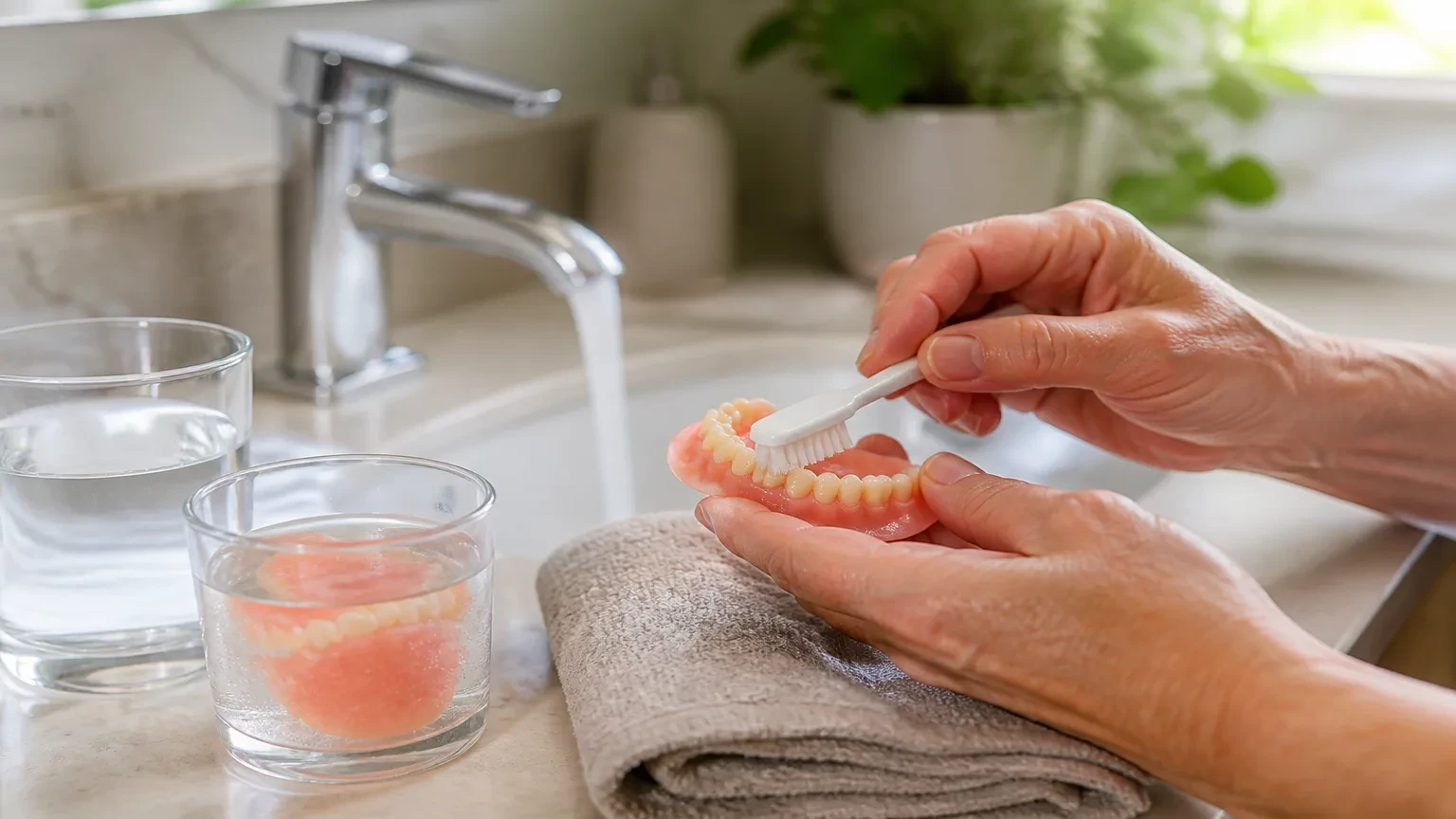
How Do You Clean Dentures?
Denture cleaning is a daily hygiene habit: brush the prosthesis, rinse thoroughly, soak as directed, and care for the gums and any remaining teeth.
Read article
Can You Sleep With Dentures In?
Sleeping in dentures every night can stress gums and raise infection risk. Nightly removal is the usual advice unless a dentist sets a short exception.
Read article