
Immediate Dentures Vs Conventional Dentures: What's The Difference?
Immediate dentures are placed the same day teeth are removed; conventional dentures wait for healing. Compare timing, fit changes, and trade-offs.

Reviewed by Dr. Sean Myran, DMDDoctor of Dental Medicine, University of Pennsylvania
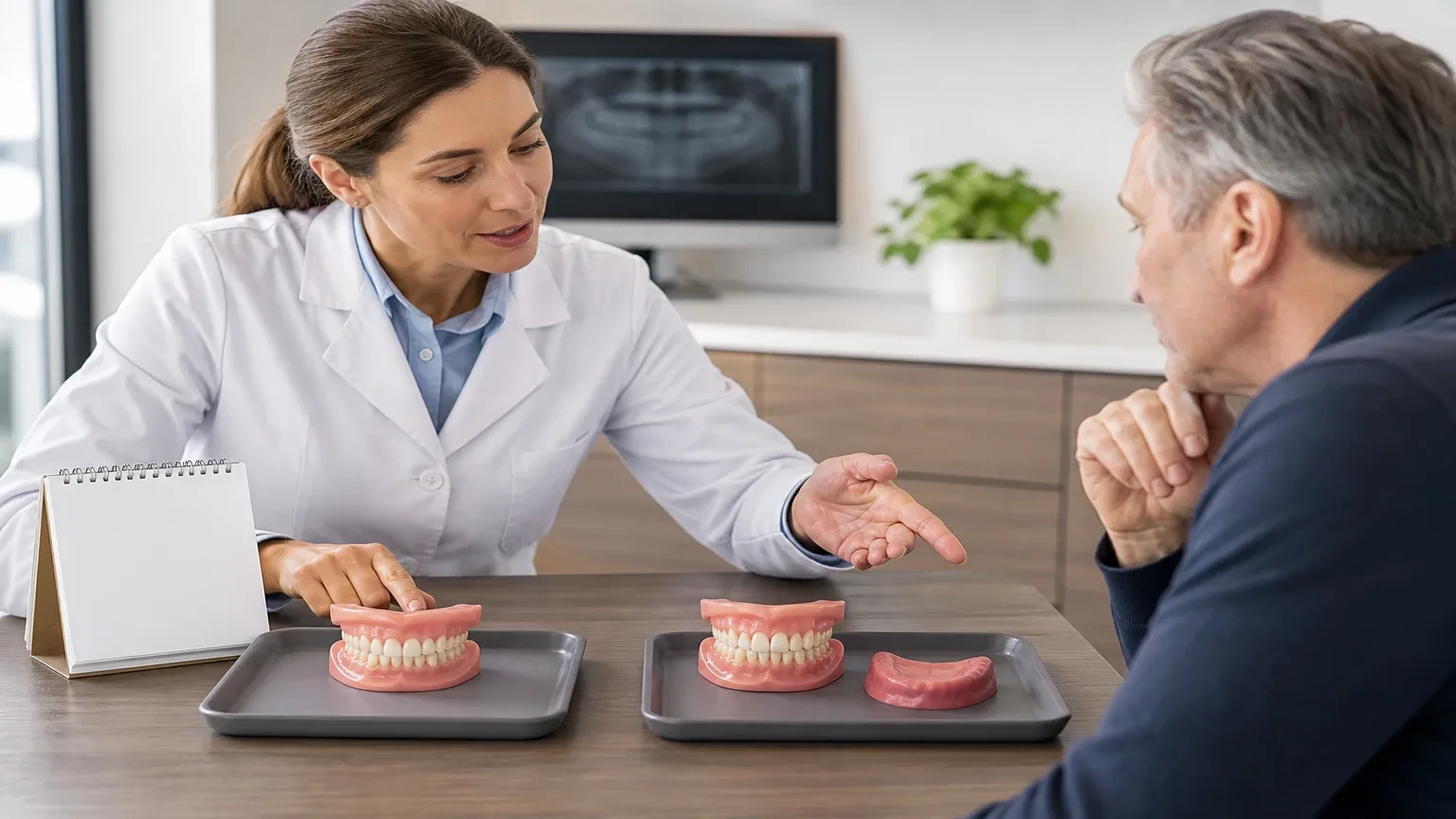
Immediate dentures are made before remaining teeth are removed and placed the same day as extractions. Conventional dentures are made after gums have healed and the ridge shape is more stable. MouthHealthy notes that immediate dentures are placed right after teeth are removed and may need more adjustments. The difference is mostly timing, healing, and how many fit changes you should expect.
Neither label means “better for everyone.” Immediate care protects privacy and can act as a bandage over extraction sites. Conventional care trades a temporary toothless or temporary-appliance period for impressions taken on tissue that has already remodeled. Your medical history, number of extractions, infection status, and social calendar all belong in the decision.
Immediate Vs Conventional At A Glance
| Factor | Immediate dentures | Conventional dentures |
|---|---|---|
| Placement timing | Same day as extractions | After healing period |
| Appearance gap | Usually no toothless period | Temporary gap while healing |
| Early fit | Changes as swelling drops | Starts on a more settled ridge |
| Adjustments | Often more early visits | Fewer healing-driven changes |
| Best for | People who want teeth the same day | People who can wait for healing |
Healing after multiple extractions can take several months before the ridge is relatively quiet. During that window, immediate dentures often need soft liners, chairside adjustments, and sometimes a hard reline or a later remake. Conventional pathways may use a temporary partial, flipper, or simply a healing interval if appearance is less urgent. Ask which temporary options your office offers so you are not surprised mid-treatment.
Also ask what “healing enough” means in weeks for your case, whether bone leveling or infection treatment will delay impressions, and who to call after hours if an immediate denture rubs a fresh extraction site. Clear logistics reduce panic when early soreness shows up on a weekend. Write down the planned sequence—extractions, soft liner dates, hard reline window, and possible remake—so cost and time off work stay aligned with the clinical plan.
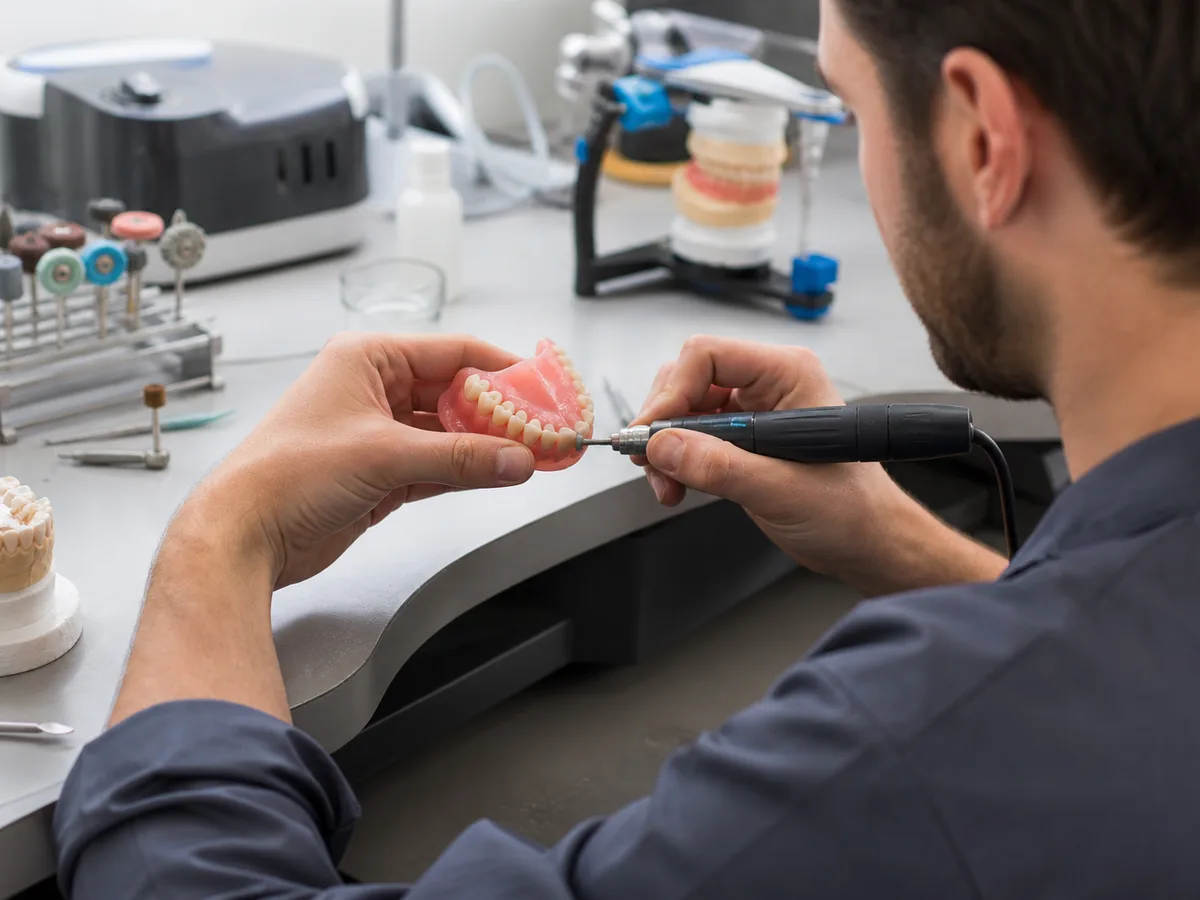 Plan for early fit changes.
Immediate means teeth on extraction day
The prosthesis is fabricated ahead of time using current models and estimates of the post-extraction shape. That estimate is useful for appearance and protection, but gums shrink as they heal, so relines are common. Bring questions about how long continuous wear is required after surgery and when night removal begins.
How To Choose
- Social timeline: immediate dentures avoid a public gap after front-tooth removal.
- Healing complexity: many extractions or infection may favor staged care so tissue can calm before final impressions.
- Budget for visits: immediate paths often need more short-term adjustments and a later rebase or new denture.
- Long-term plan: some people use immediate dentures as a bridge to implant-supported dentures once bone and soft tissue are ready.
- Gag and palate comfort: if you are sensitive, ask how border thickness and palate coverage will be managed in either design.
Neither option removes the need for maintenance. Ask how sore spots will be handled, when a soft or hard reline is likely, and what denture lifespan looks like after the first year. Also ask how the adjustment period differs if gums are still healing under an immediate plate. Overnight rules can differ after surgery, so clarify in writing when continuous wear is temporary versus when nightly removal should resume.
 Healing first, then final fit.
Conventional starts after the ridge settles
Waiting can feel inconvenient, but impressions taken on healed tissue often need fewer dramatic early changes. The trade-off is temporary appearance solutions while gums recover. Some patients prefer that predictability; others prioritize walking out with teeth the day extractions happen.
Bring photos of your natural smile, a list of medications that affect healing, and questions about temporary liners. A dentist can map the sequence that matches your extractions and schedule. Start with the Find a Dentist tool if you need a practice that offers both paths and will explain reline timing in writing before you begin.
Related articles
Keep exploring related topics from Dental Country.

How Long Does It Take To Get Used To Dentures?
Denture adjustment is gradual: speech softens first, chewing improves next, and comfort follows as sore spots are refined at follow-up visits.
Read article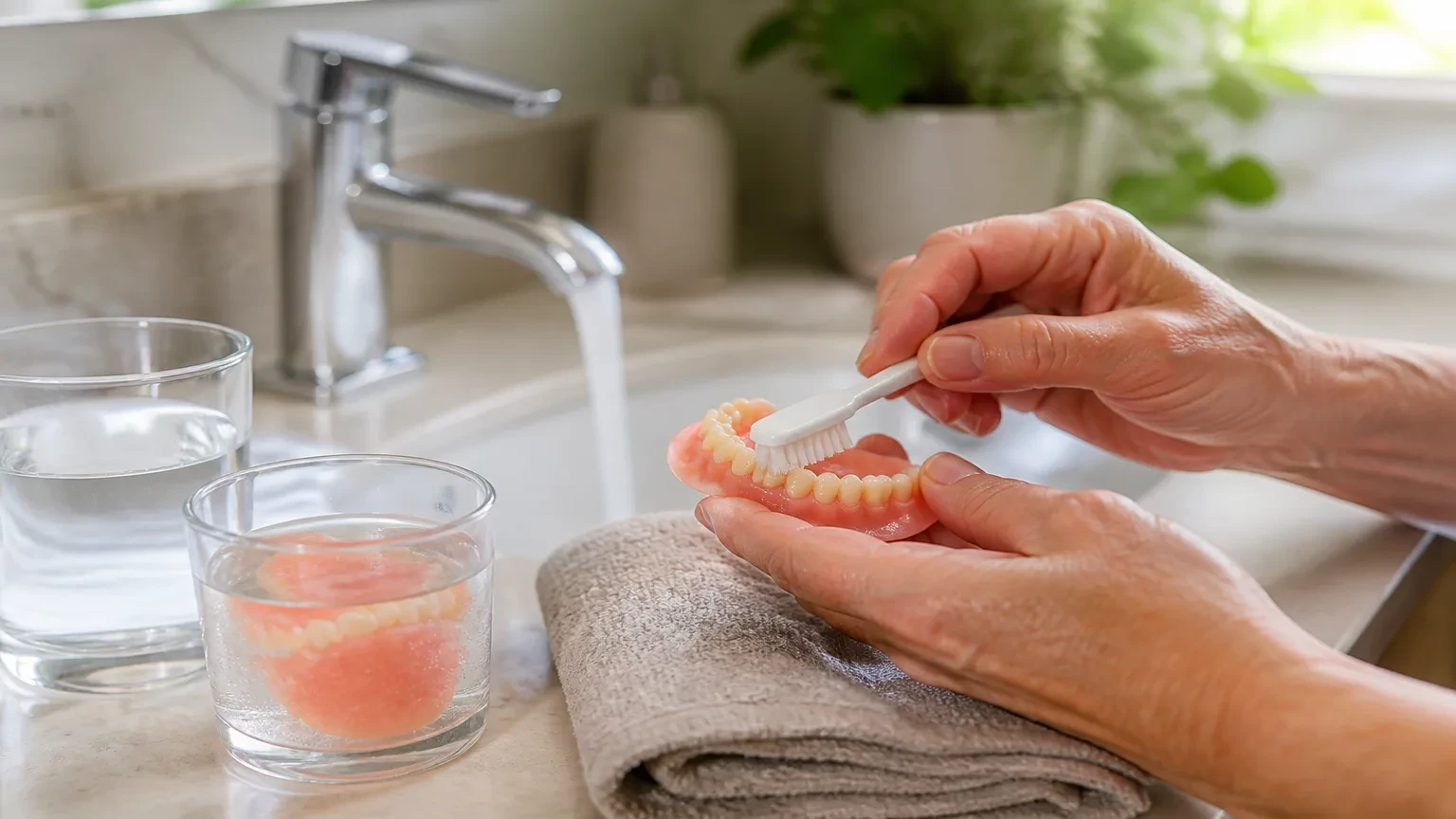
How Do You Clean Dentures?
Denture cleaning is a daily hygiene habit: brush the prosthesis, rinse thoroughly, soak as directed, and care for the gums and any remaining teeth.
Read article
Can You Sleep With Dentures In?
Sleeping in dentures every night can stress gums and raise infection risk. Nightly removal is the usual advice unless a dentist sets a short exception.
Read article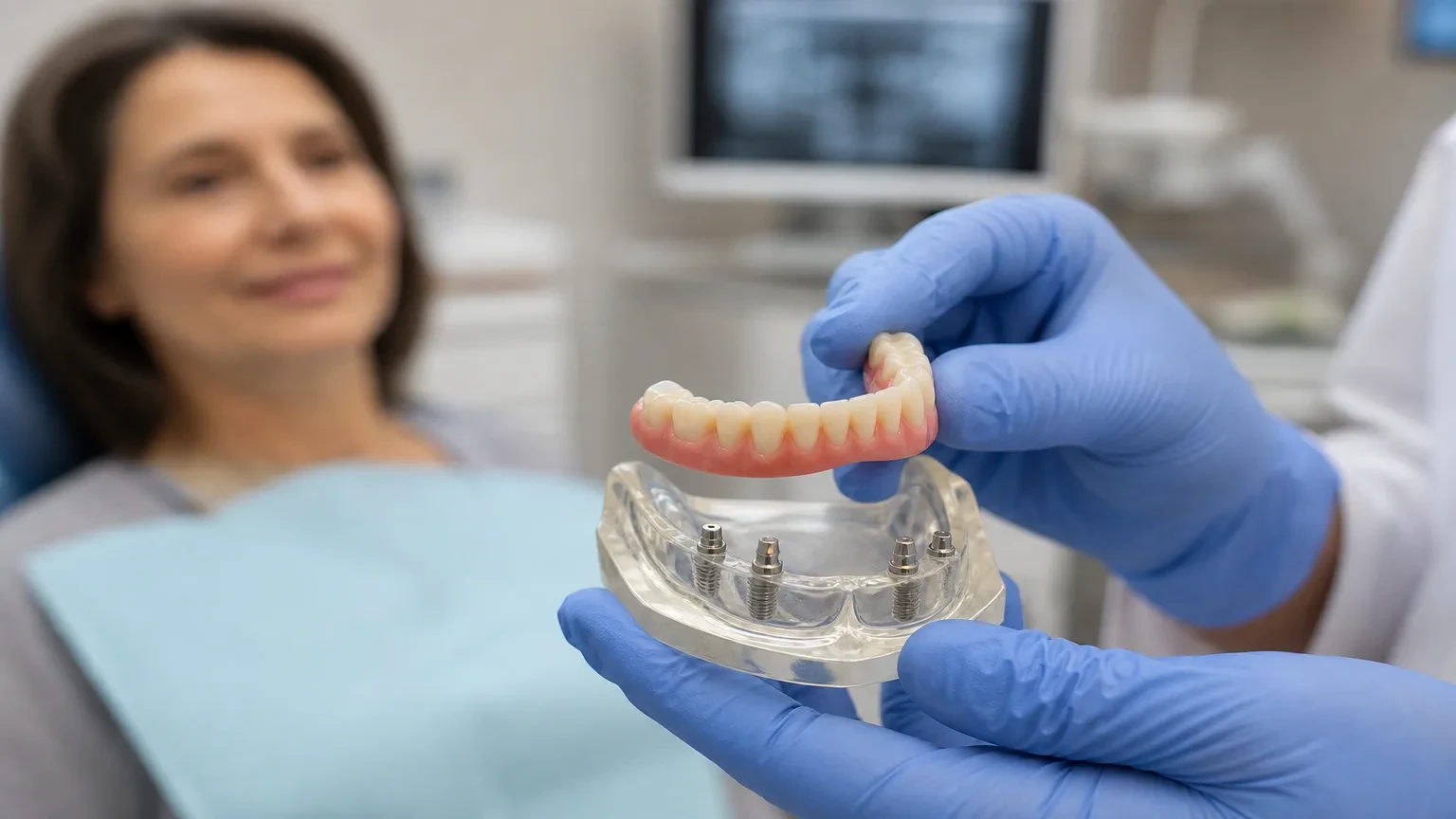
What Are Implant-Supported Dentures?
Implant-supported dentures use implants as anchors so the prosthesis feels more secure for chewing and speaking than a loose tissue-supported plate.
Read article