
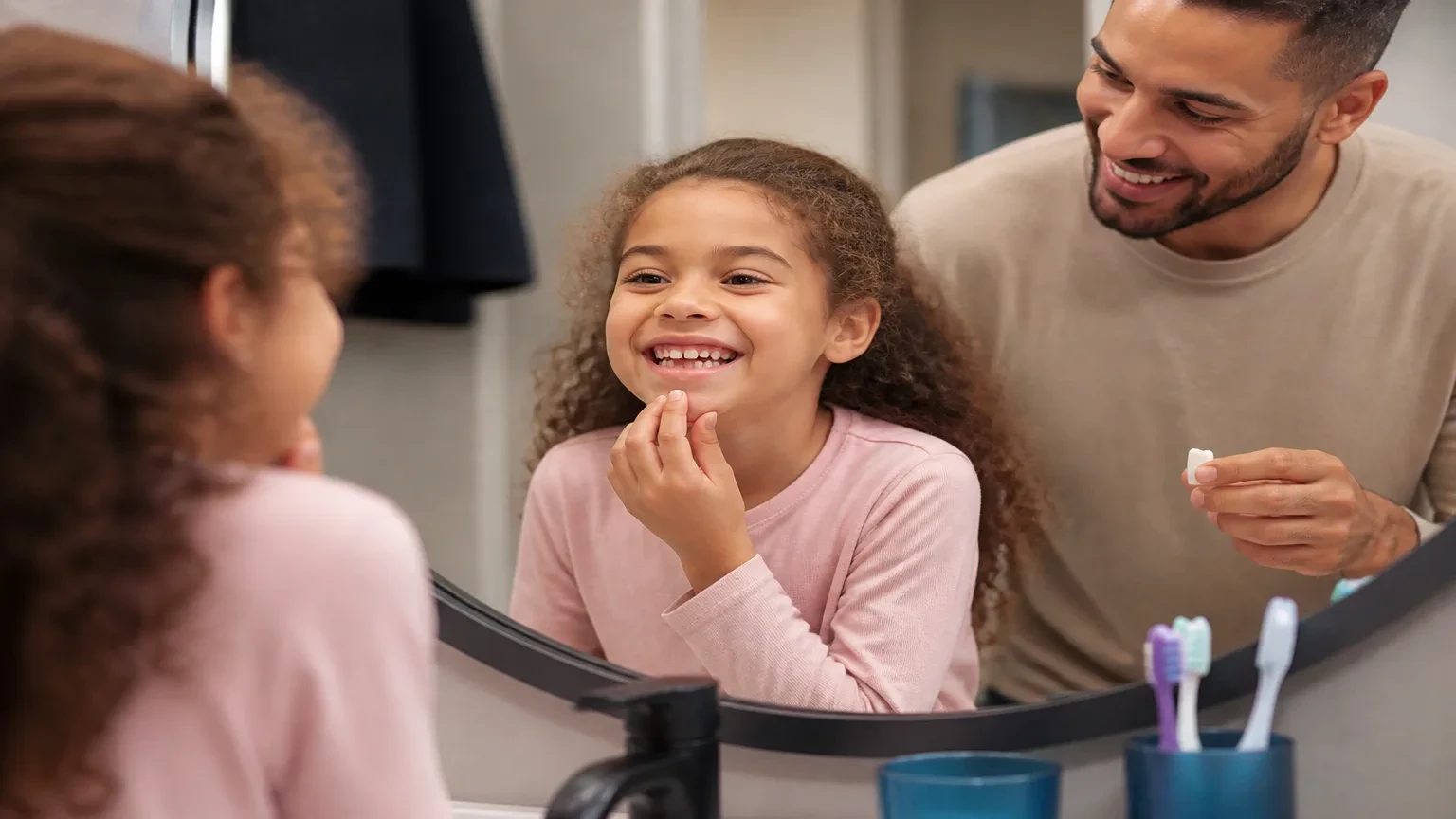
When Do Baby Teeth Fall Out?
Baby teeth usually fall out from about age six through the early teen years. Learn the usual order, timing ranges, delays, and warning signs.

Reviewed by Dr. Sean Myran, DMDDoctor of Dental Medicine, University of Pennsylvania
Baby teeth usually begin falling out around age six and continue through the early teen years. The lower front teeth are often first, followed by upper front teeth, then baby molars and canines over several years. MouthHealthy provides tooth eruption charts for baby and permanent teeth. Timing varies, so a child who is a little early or late is not automatically in trouble.
A Typical Shedding Timeline
| Approximate age | Common change | What parents may notice |
|---|---|---|
| 6 to 7 | Lower and upper front baby teeth loosen | Permanent molars may also erupt behind baby teeth |
| 7 to 8 | More incisors change | Temporary spacing or uneven edges are common |
| 9 to 12 | Canines and baby molars shed | Bite and crowding patterns become clearer |
| 11 to 13 | Second baby molars are often replaced | Premolars settle into the back of the smile |
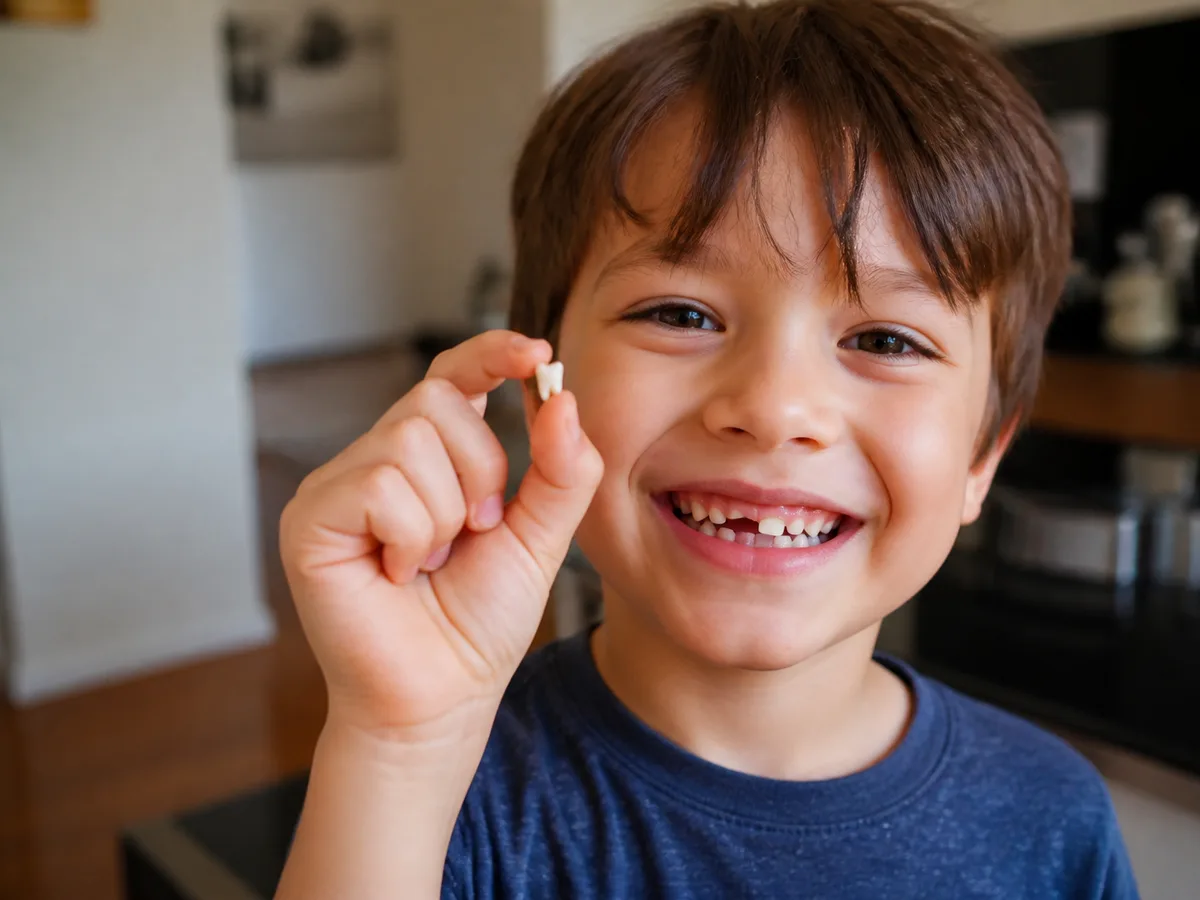 The sequence tells part of the story.
Charts are guides, not deadlines
Dentists compare age, X-rays, symmetry, space, and the position of permanent teeth. One late tooth may be normal; a pattern of missing space or blocked eruption needs a closer look.
What Normal Can Look Like
Loose teeth often wiggle for weeks. Children may twist them with a tongue or finger until they fall out naturally. A little bleeding is common when the tooth finally releases. Encourage clean hands, gentle wiggling, and brushing around the area. Avoid tying a tooth to a door, yanking a painful tooth, or forcing a tooth that is barely loose.
Permanent teeth sometimes erupt behind baby teeth, creating a "shark tooth" look. This is common with lower front teeth. If the baby tooth is loose and space is adequate, the tongue may help guide the permanent tooth forward. If the baby tooth is not loose, crowding is severe, or the permanent tooth is coming in far out of position, a dentist should evaluate it.
The first permanent molars can surprise families because they do not replace baby teeth. They erupt behind the last baby molars, so no tooth has to fall out first. These new molars have deep grooves and arrive while children are still learning to brush well, which is one reason sealant conversations often begin around this age.
A child may call these molars "extra teeth" because nothing got loose first. They still need daily brushing as soon as they peek through.
Early loss can matter. If a baby molar is removed because of decay or injury years before the permanent replacement is ready, neighboring teeth may drift into the space. That can block eruption later. For those situations, read Does My Child Need A Space Maintainer?.
Late loss can matter too, especially if only one side is delayed or a permanent tooth is missing, impacted, or angled. X-rays help show whether the adult tooth exists, where it sits, and whether the baby tooth root is dissolving normally. A retained baby tooth can sometimes stay for years, but it needs monitoring for root, gum, and bite changes.
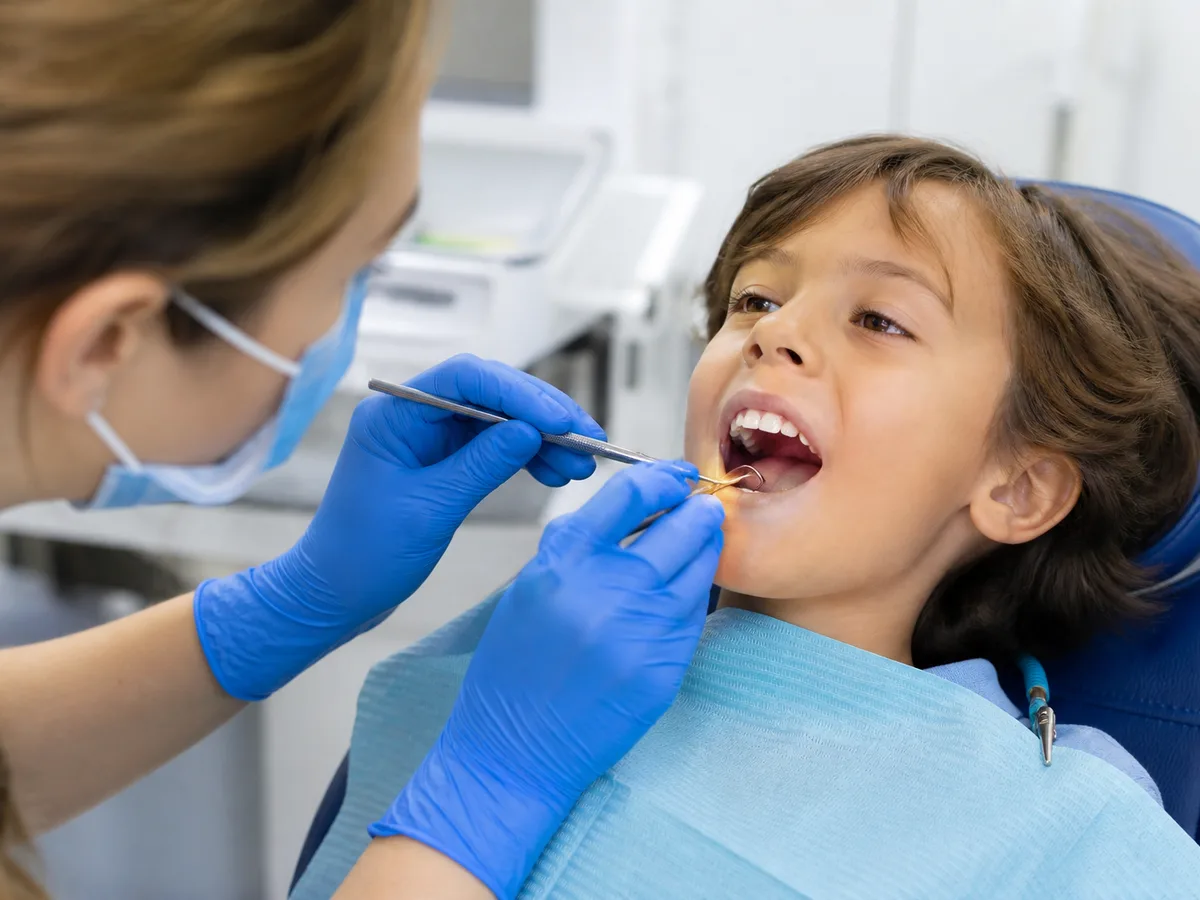 One tooth is easier to judge with context.
Look for symmetry and comfort
Call if a tooth is painful, infected, trapped, or very delayed compared with the matching side. To check eruption timing locally, use find a dentist and mention the child's age and which tooth is involved.
Reasons To Ask The Dentist
Ask for an exam if a permanent tooth appears but the baby tooth is firm, a loose tooth hurts for more than a short period, a baby molar is lost early, or your child reaches age eight with no loose teeth at all. For sports injuries that change the timeline, see What Should You Do If A Child Knocks Out A Tooth? and Does My Child Need A Mouthguard For Sports?.
Related articles
Keep exploring related topics from Dental Country.

When Should A Child First See The Dentist?
The first dental visit is less about drilling and more about timing, risk, comfort, feeding habits, brushing help, and giving parents a roadmap.
Read article
What Are Dental Sealants?
Sealants work like a raincoat for deep molar grooves. They reduce risk where toothbrush bristles often cannot clean well enough on their own.
Read article
Is Fluoride Safe For Kids?
Fluoride safety is mostly about dose, age, and supervision. The same mineral that strengthens enamel should be used thoughtfully with children.
Read article
How Do You Stop Thumb Sucking?
Thumb sucking often fades on its own, but timing matters when permanent teeth, bite shape, speech, or social stress enter the picture.
Read article