
Handpieces & Instruments
Handpieces, scalers, curing lights, lasers, loupes, headlamps, microscopes, and the instruments used chairside.
The CDC’s dental sterilization summary says dental handpieces and associated attachments, including low-speed motors and reusable prophylaxis angles, are heat sterilized between patients. They are not high-level disinfected or surface disinfected. The CDC’s reason is that the internal surfaces can pick up patient material during use. If they are not cleaned and heat sterilized, the next patient can be exposed to that material. A handpiece that has no manufacturer instructions for reprocessing may not be suitable for more than one patient.
Scalers that penetrate soft tissue are critical items and are heat sterilized. A loupe headlamp is not an operatory light under ISO 9680:2026. That standard excludes dental headlamps from the operating-light requirements, including the 15,000 lx figure measured at 700 mm.
Topics that now land here
Older lists for explorers, probes, forceps, elevators, scalpels, pliers, and other hand instruments now redirect to this page. Komet’s brand page redirects here as well. Burs from that line are chosen by shape and grit for the handpiece you already run. Compare them in the carbide bur guide and the diamond bur guide. Powered equipment on this hub, handpieces, scalers, curing lights, lasers, and microscopes, has its own guides below.
Dental explorers and probes
An explorer is a sharp tactile instrument. Common shapes are a shepherd’s hook, a cowhorn, and a pigtail. A periodontal probe is the instrument with millimeter marks that measures pocket depth. An expro combines an explorer tip and a probe tip on one handle. They are not the same reading. An explorer tells you whether a surface catches. A probe tells you a depth.
The ADA lists periodontal probes with critical items, along with scalers, forceps, and other instruments that break tissue or contact bone, and says those items are heat sterilized after cleaning. The CDC’s dental sterilization summary puts surgical instruments and periodontal scalers in the critical category and heat-sterilizes them. Mouth mirrors are the CDC’s example of a semicritical item. Most semicritical dental instruments tolerate heat and are heat sterilized too. Explorers and probes are reusable patient-contact instruments. Clean them, then follow the sterilizer and the instrument maker’s instructions. Do not wipe an explorer and put it back on the tray.
What to look for is the tip you actually use and the handle the operator can hold. A double-ended explorer still has to be the shapes that office uses. Replacement tips, when the handle is built for them, have to match that handle. Kits that pair an explorer with a probe are convenient only if both ends are the ends you would have bought separately.
Mirrors, retractors, and props
A mouth mirror is the CDC’s semicritical example: it contacts mucous membrane and, because it tolerates heat, it is heat sterilized. Front-surface mirrors and rear-surface mirrors reflect differently. The head size has to fit the mouth you are working in. Heads are compared in the mouth mirror guide. Cheek and lip retractors and mouth props hold tissue out of the way. They are not mirrors. If the retractor is single-use, it stays single-use. If it is reusable and heat-tolerant, it is sterilized with the other patient-contact instruments.
Forceps, elevators, and surgical instruments
Extraction forceps grasp a tooth or a root. Elevators and luxators loosen it. Periotomes are the thin elevators used when the goal is to spare bone. The periotomes guide covers that pattern. The ADA names forceps among the critical instruments that are heat sterilized. Match the beak to the tooth. A universal forceps is a compromise. A molar forceps with a cowhorn beak is not an anterior forceps.
Osteotomes, rongeurs, chisels, hemostats, scissors, needle holders, and scalpels from the retired lists are surgical instruments. The CDC treats surgical instruments as critical and heat-sterilizes them. Scalpel blades are commonly single-use even when the handle is reusable. Read the blade package. A disposable safety scalpel is discarded as a sharp. Sharps containers are on the sterilization hub. Root-tip picks and periosteal elevators are the same category: they contact bone or soft tissue and they are not examination mirrors.
Restorative hand instruments
Excavators, hatchets, margin trimmers, and cord packers shape tooth or pack retraction cord. They are not burs. Carvers for amalgam and composite instruments for placing resin are in the carvers guide and the composite instruments guide. Crown removers grip a temporary or a cemented crown. The tip has to fit the restoration you are taking off, and the instrument is sterilized between patients like any other heat-tolerant instrument that entered the mouth.
Articulating-paper forceps only hold paper. The paper itself is a material and is described on the materials hub.
Orthodontic pliers and endodontic hand instruments
Band seaters, ligature directors, and orthodontic pliers push bands, tuck wire, or bend it. The beak has to match the wire and the bracket already in place. Wire itself is a material. See the materials hub for archwires and the elastomerics guide for ties and chain.
Endodontic pluggers and spreaders condense gutta-percha. They are not files and they are not the heated obturation gun. Files are in the endodontic files guide. The motor that turns a rotary file is in the endodontic motors guide. A plugger sized for a cold lateral condensation is the wrong instrument for a warm vertical technique if the instructions call for a different tip.
Handpieces, scalers, and other powered instruments
Air-driven and electric handpieces, including the low-speed motor and a reusable prophy angle, are heat sterilized between patients. The CDC is specific about that. High-level disinfection and a surface wipe are not the reprocessing step. How to choose the motor, the coupling, and the fiber optic is the handpieces guide. Lubricant and cleaners that go inside a handpiece before the sterilizer are in the handpiece cleaners guide.
A chairside ultrasonic scaler is not a hand scaler and it is not the tank in sterilization. Magnetostrictive inserts and piezoelectric tips do not interchange. Compare units in the ultrasonic scalers guide and hand sickles in the hand scalers guide. Curing lights are in the curing lights guide. Lasers, loupes, loupe lights, and operating microscopes are separate machines: the lasers guide, the loupes guide, the loupe headlamps guide, and the operating microscopes guide. An implant motor is not a restorative handpiece. See the implant motors guide.
Pack the set the way it will be sterilized. Explorers, mirrors, and probes that travel together belong in one cassette so a missing explorer is obvious before the patient sits down. The cassette guide is on the sterilization hub. Lubricate a handpiece only at the step its instructions name, which is before the sterilizer for the handpieces that require it, and then sterilize. A lubricated handpiece left on the bracket table is not a sterile handpiece.
Sources
Centers for Disease Control and Prevention
Sterilization and Disinfection. Dental Infection Prevention and Control.
Updated May 15, 2024cdc.gov (opens in a new tab)ISO 9680:2026
Dentistry — Operating lights. Scope excludes dental headlamps.
American Dental Association
Infection Control and Sterilization.
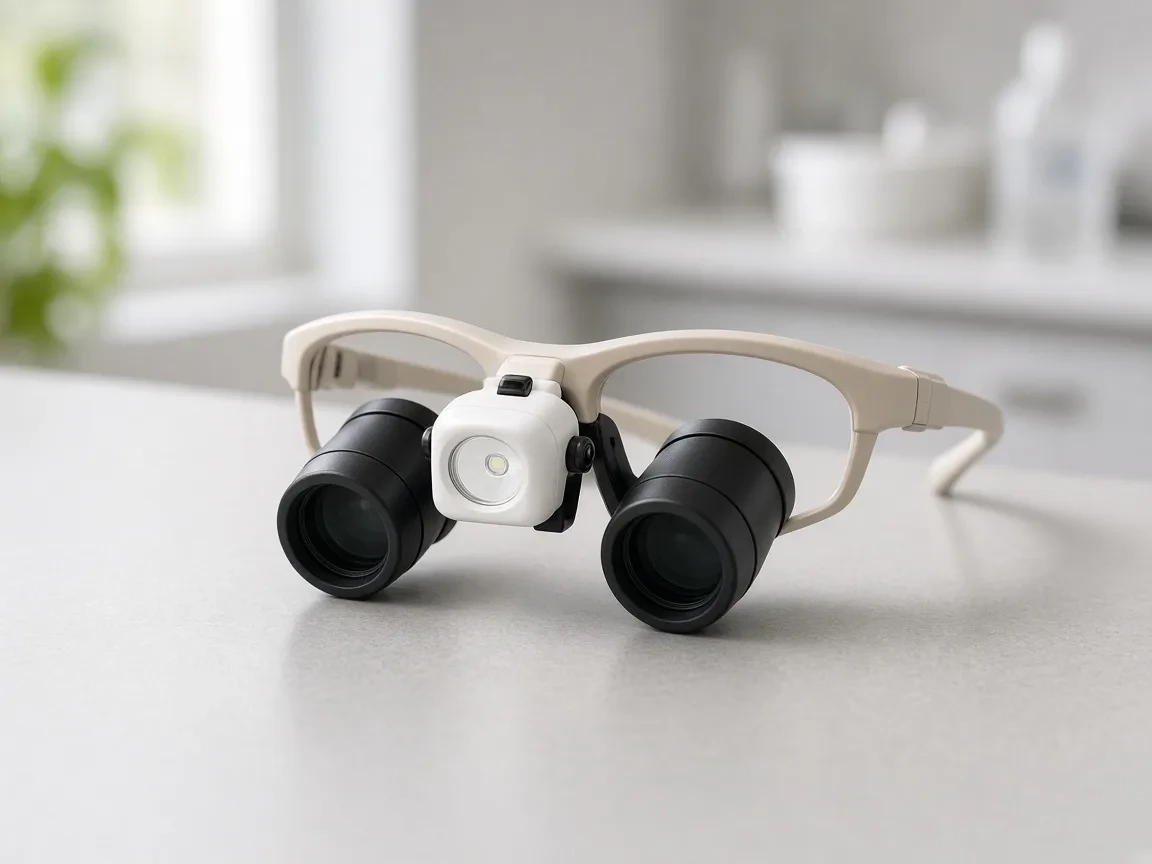
Dental Loupe Headlamps: How to Choose
How to choose a loupe headlamp: a mount that fits the frame, a pack or a cordless light, and how Designs for Vision, Orascoptic, and Lumadent differ.
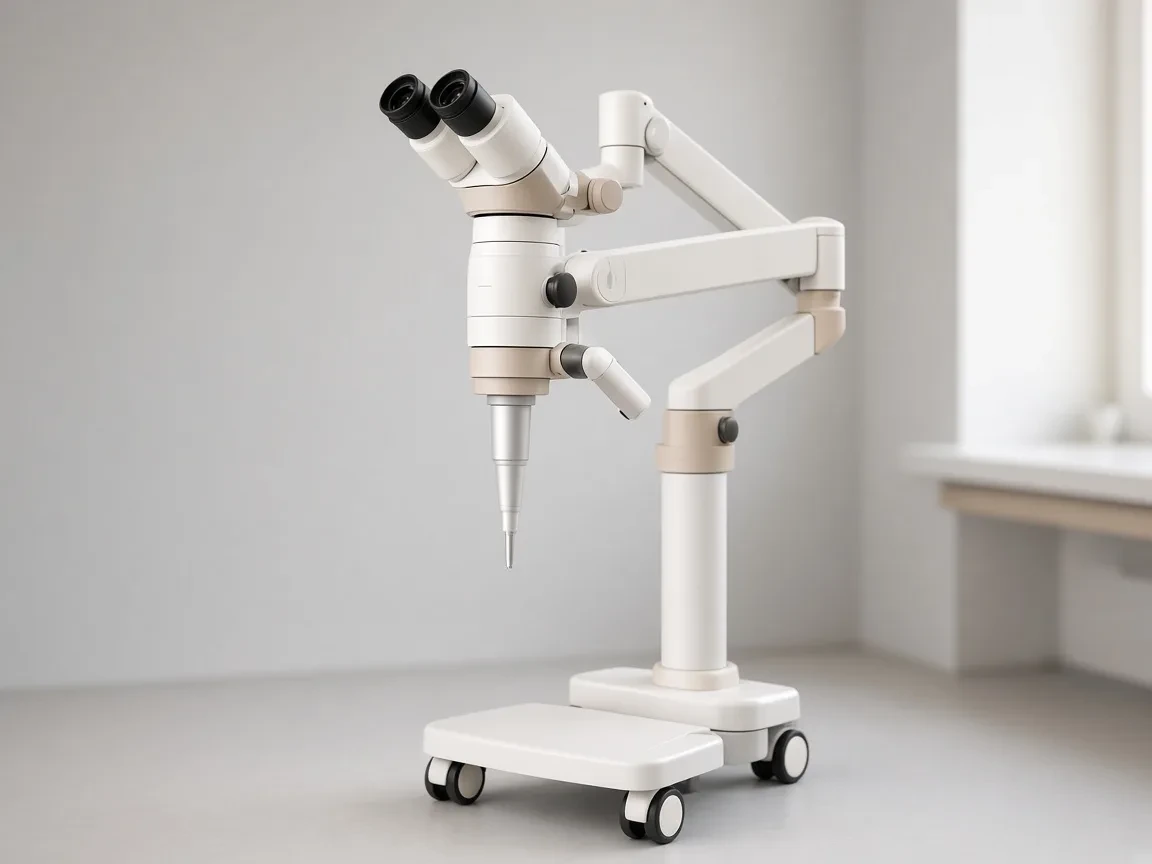
Dental Operating Microscopes: How to Choose
How to choose a dental operating microscope: the mount, the magnification steps, and how Zeiss, Global, and Zumax differ from loupes.
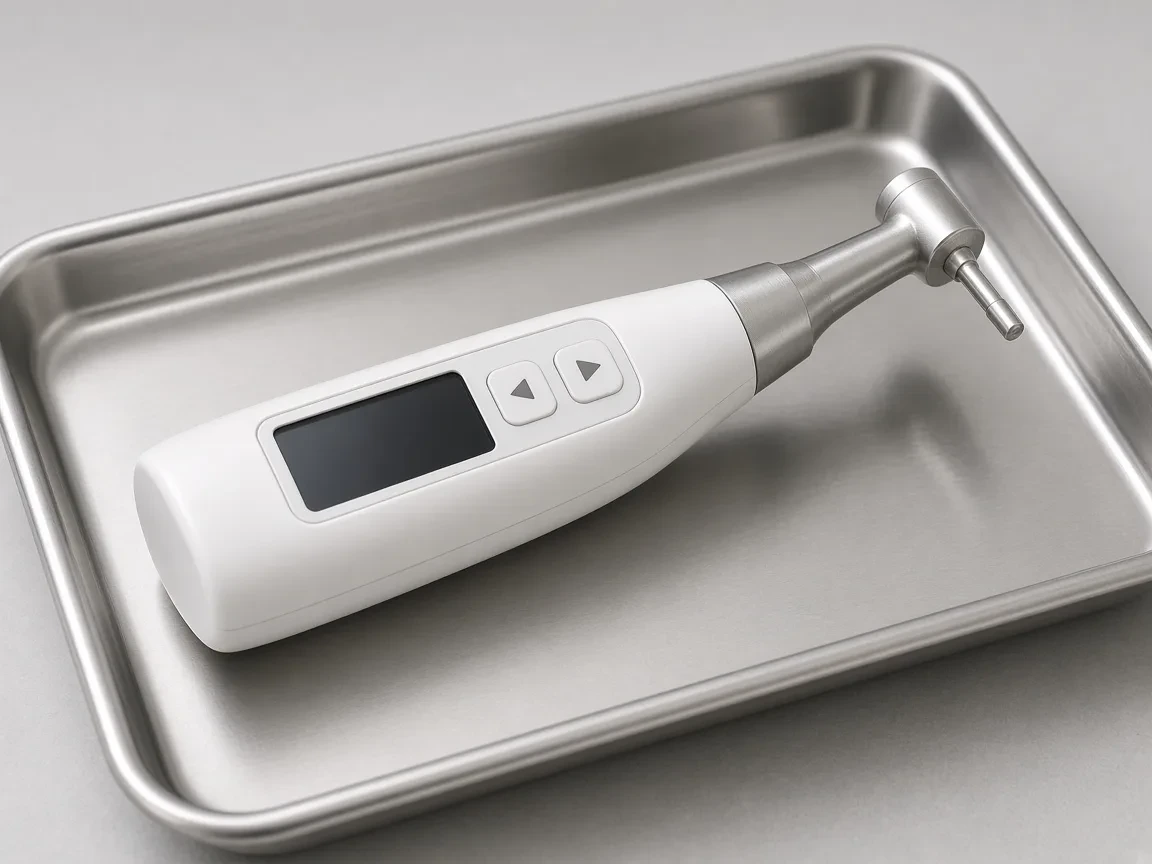
Dental Endodontic Motors: How to Choose
How to choose an endodontic motor: rotary or reciprocating, cordless or with a built-in apex locator, and how Morita, X-Smart, and NSK differ.
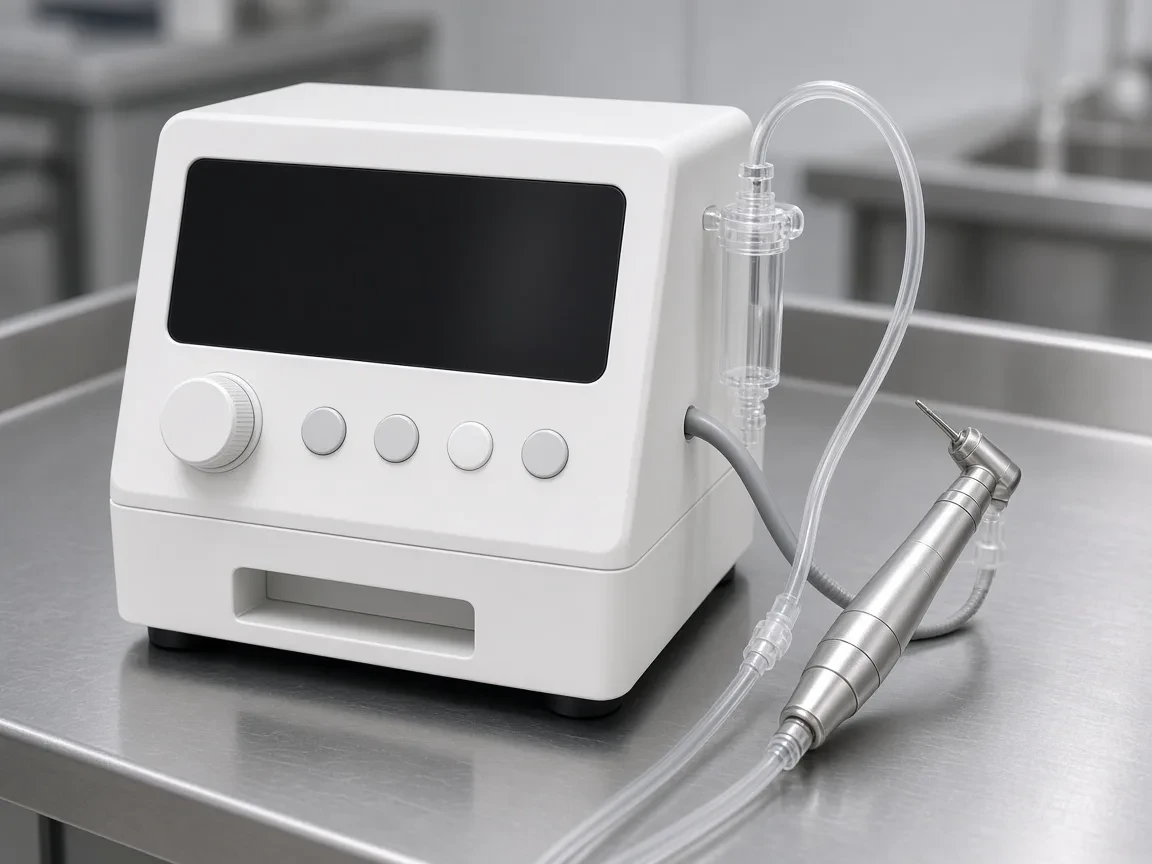
Dental Implant Motors: How to Choose
How to choose an implant motor: torque control, saline irrigation, and how W&H, NSK, Aseptico, and Bien-Air differ.
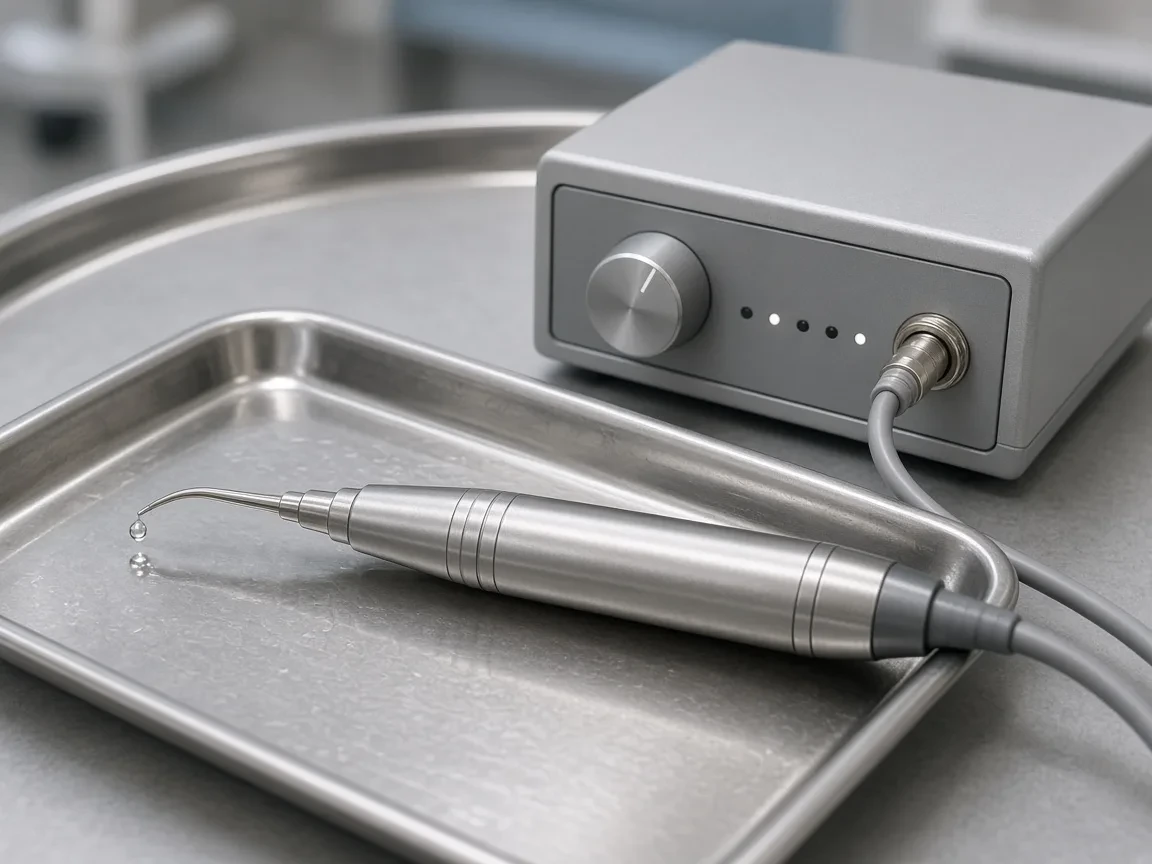
Dental Ultrasonic Scalers: How to Choose
How to choose an ultrasonic scaler: magnetostrictive versus piezo, and how Cavitron, Acteon, EMS, and NSK differ.
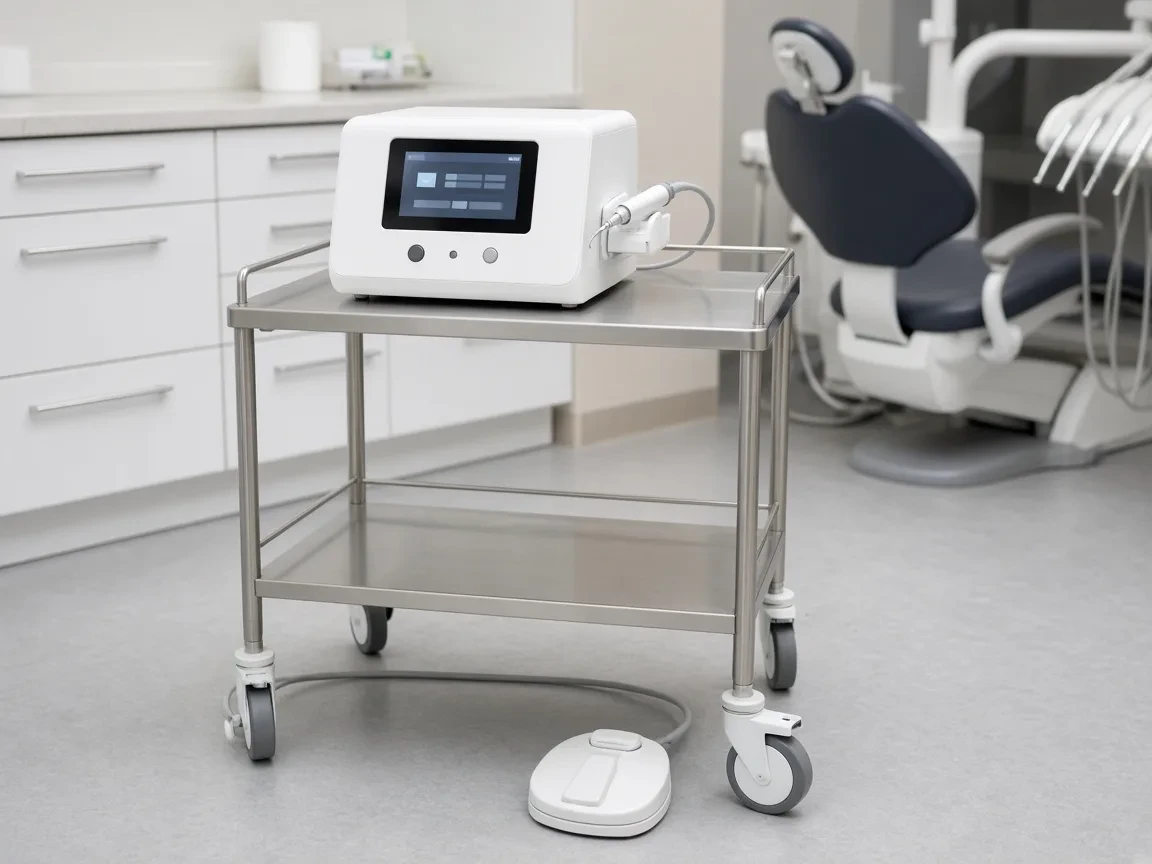
Dental Lasers: How to Choose
How to choose a dental laser by wavelength: diode, erbium, CO2, and Nd:YAG, and how Biolase, Fotona, Convergent, Ultradent, AMD, and Millennium differ.
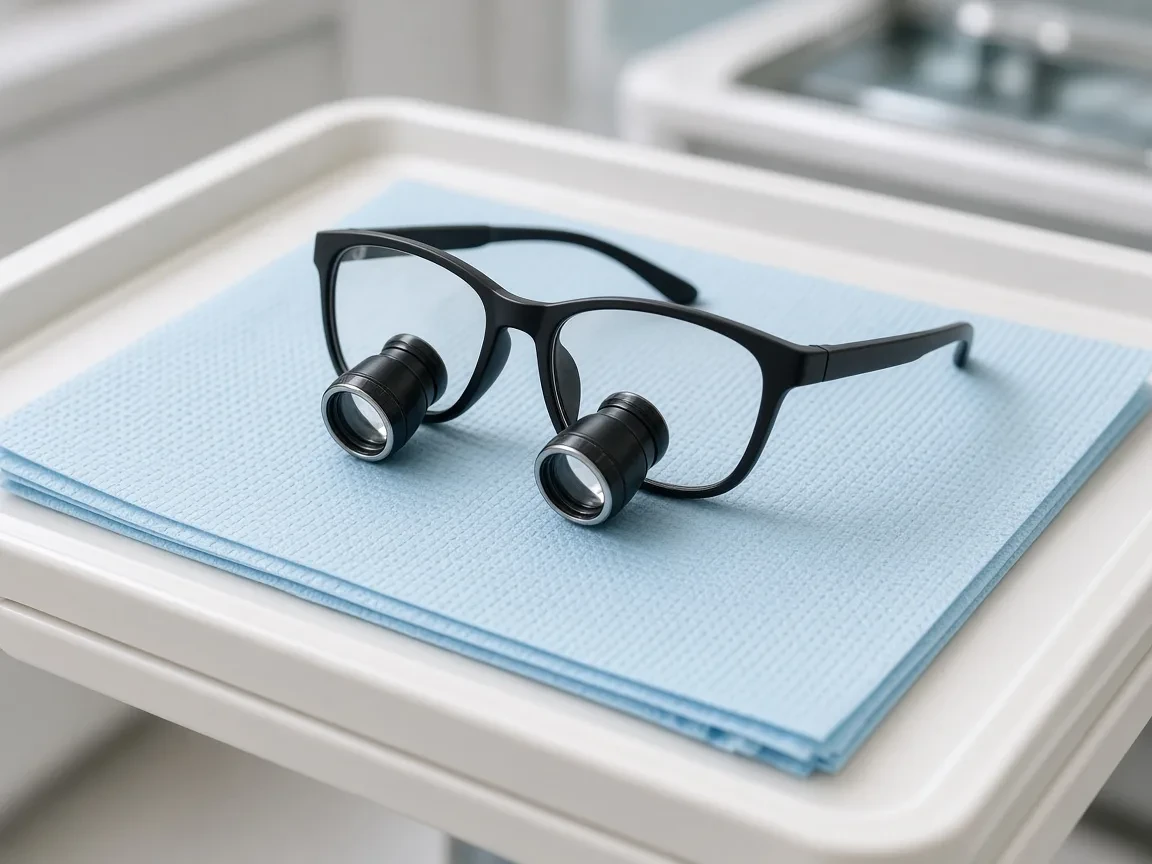
Dental Loupes: How to Choose
How to choose dental loupes: magnification, working distance, TTL or flip-up, and how Designs for Vision, Orascoptic, SurgiTel, and Q-Optics differ.
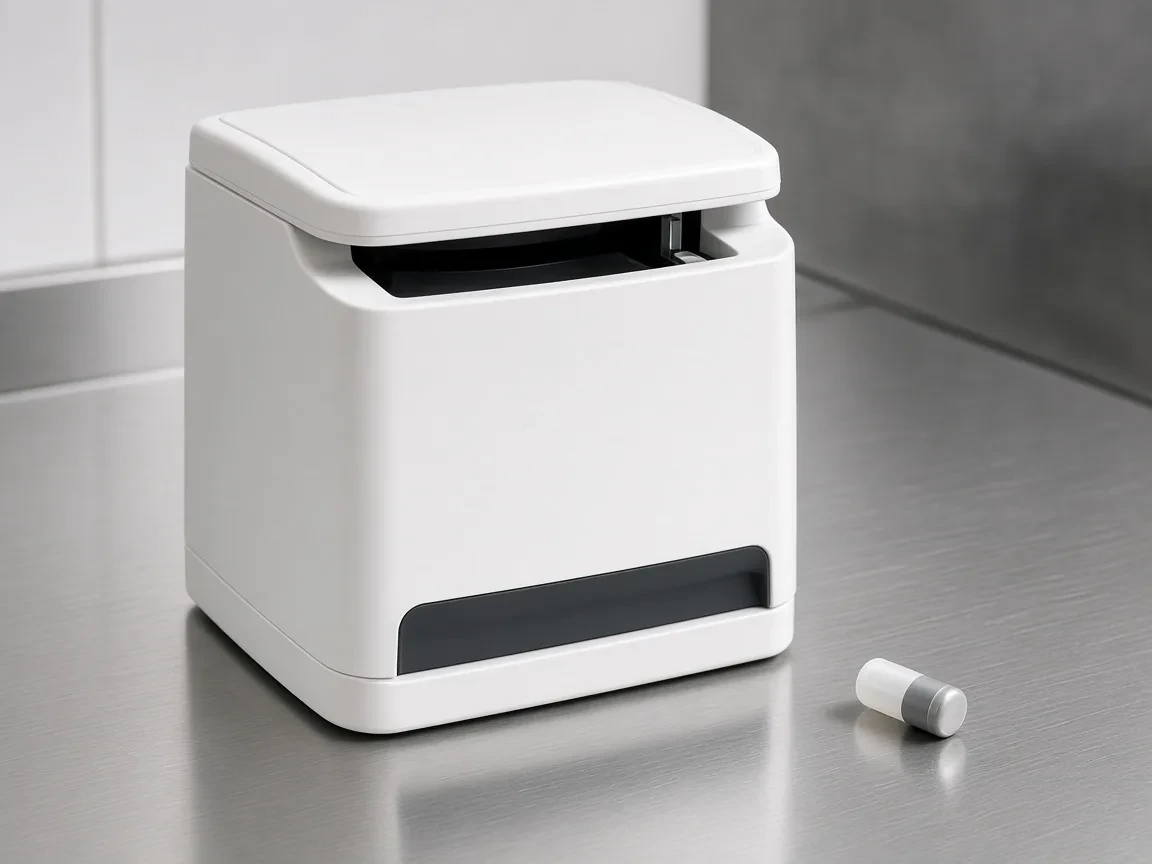
Dental Capsule Mixers: How to Choose
How to choose a capsule mixer: Silamat S6, RotoMix, Ultramat 2, and GC CM-II, plus the cover and fork that fail first.
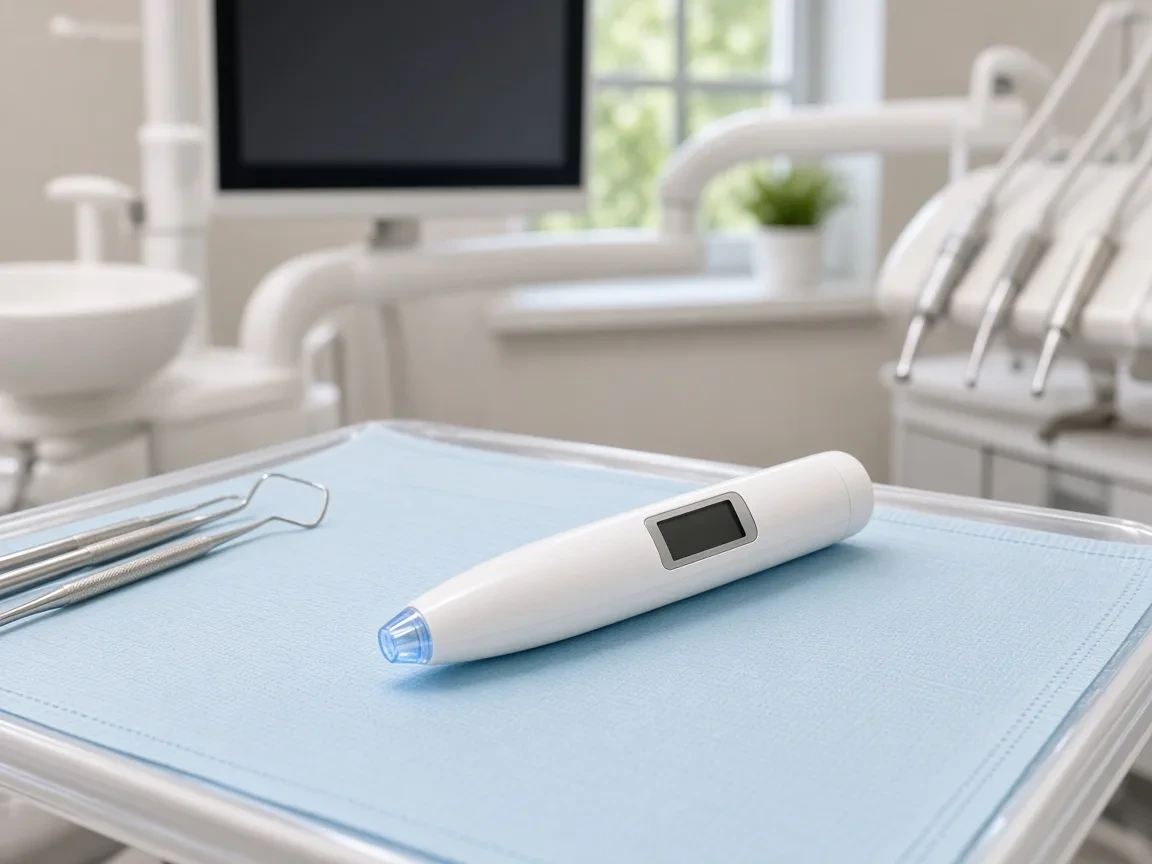
Dental Curing Lights: How to Choose
How to choose a curing light: wavelength, tip size, and how Elipar, Bluephase, and S.P.E.C. 3 differ.
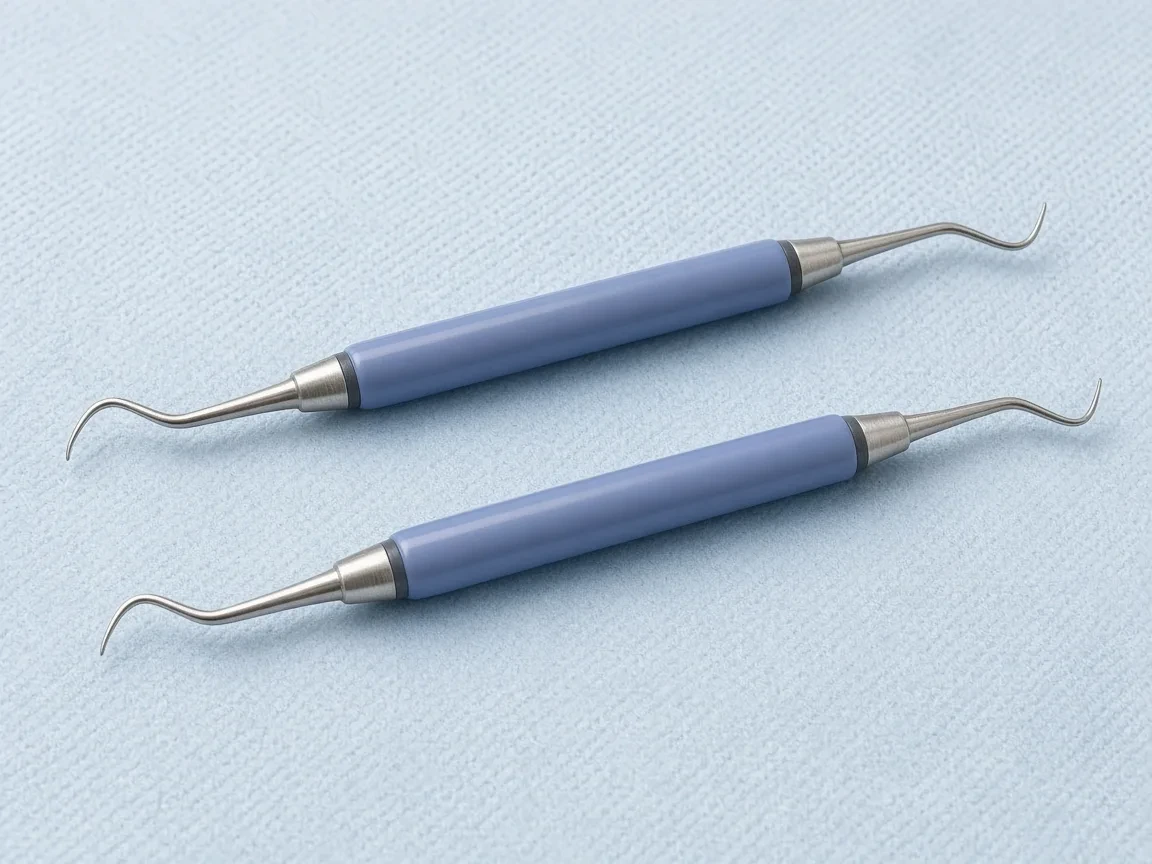
Dental Hand Scalers: How to Choose
How to choose a hand scaler: sickle or curette, the handle, and how Hu-Friedy, American Eagle, and Nordent differ.
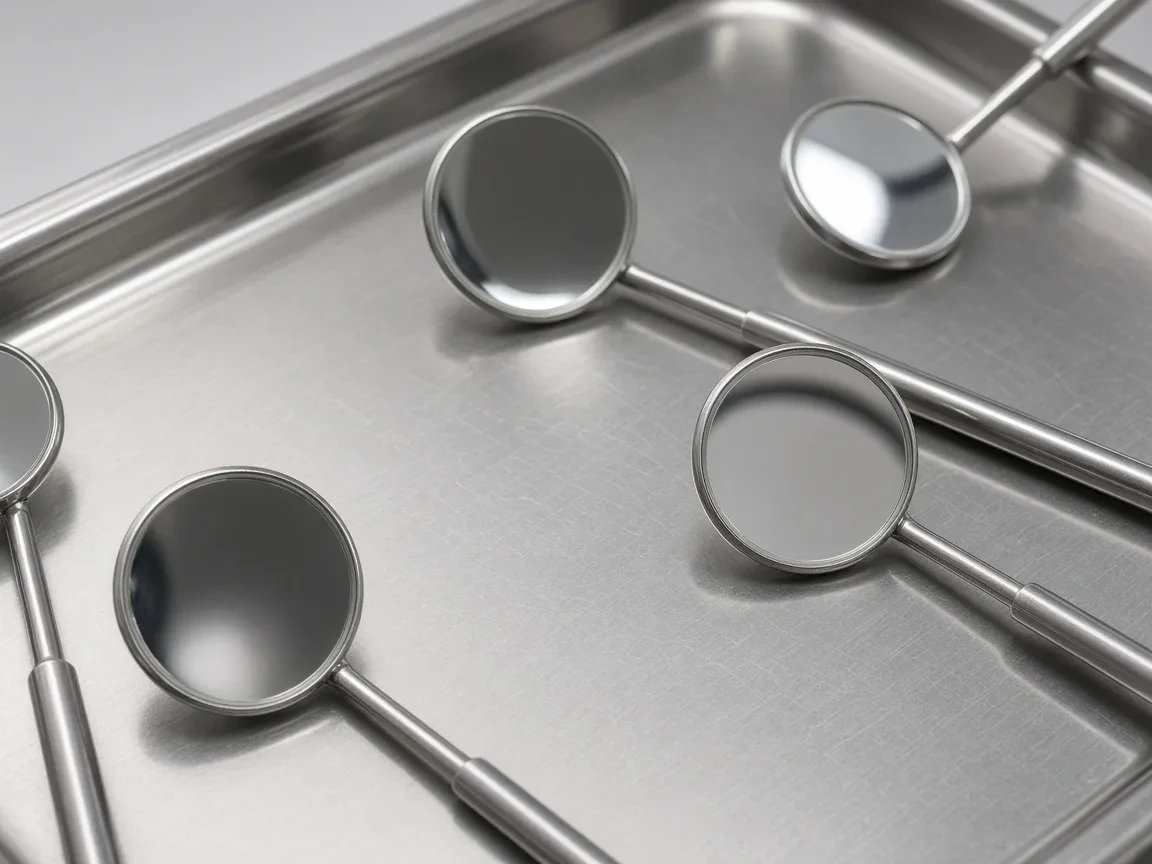
Dental Mouth Mirrors: How to Choose
How to choose a mouth mirror head: socket, size, and coating, including rhodium, black-line, magnifying, and Crystal HD.
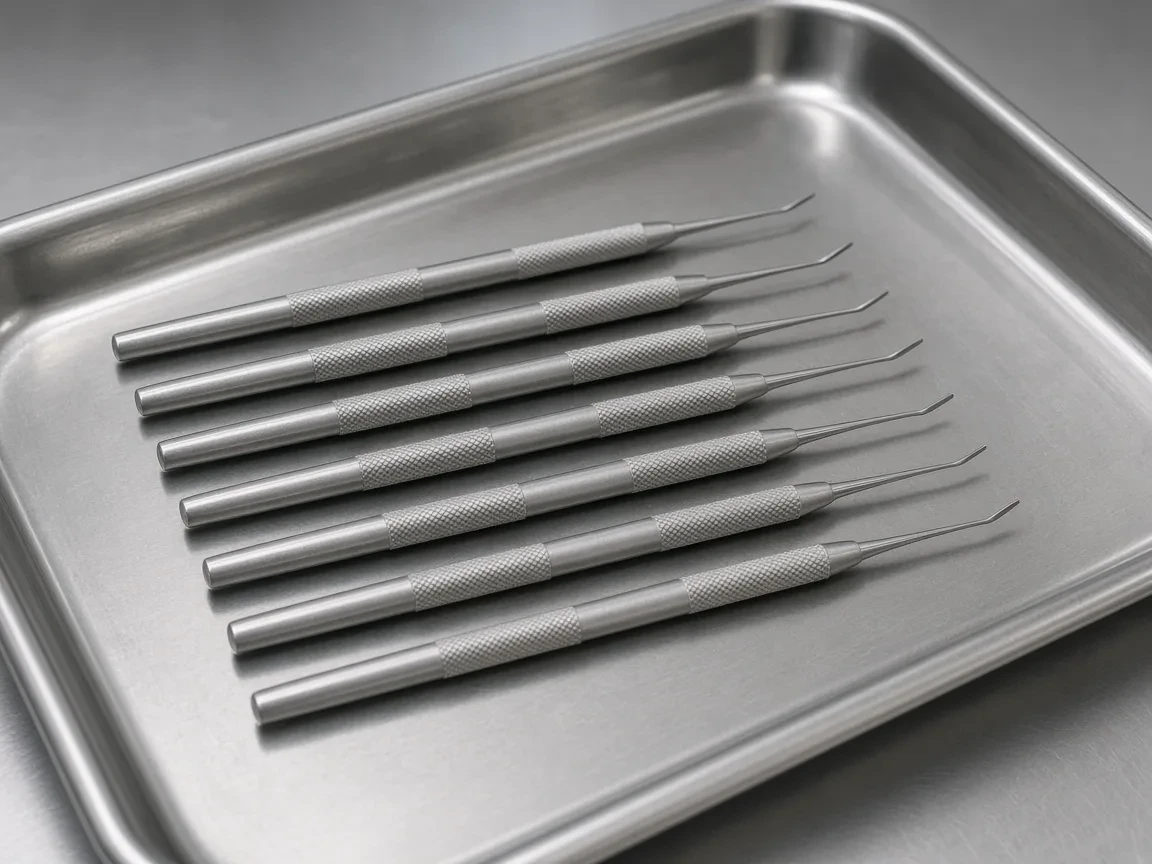
Dental Periotomes: How to Choose
How to choose a periotome: anterior and posterior blades from Premier, Hu-Friedy, Directa Luxator, TBS, and Nordent.
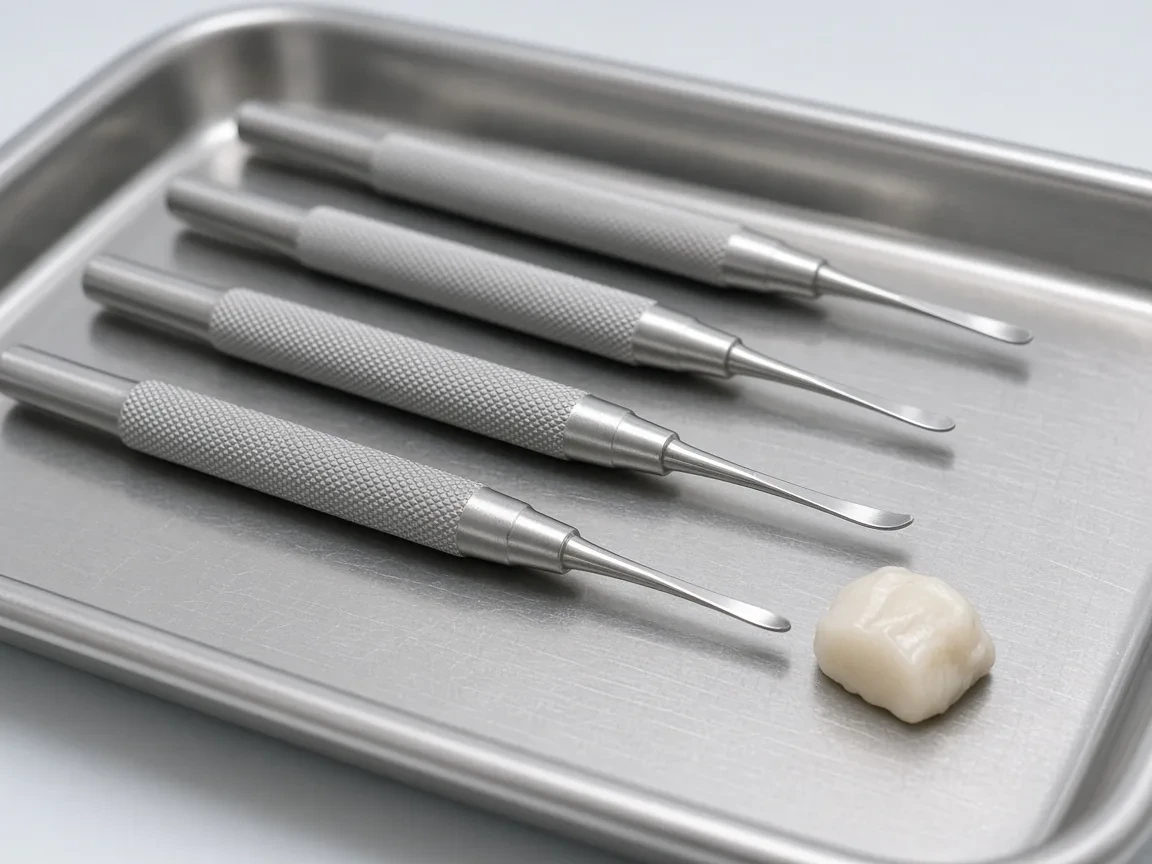
Dental Composite Instruments: How to Choose
How to choose a composite instrument: XTS contact formers, Goldstein blades, LM-Arte, and XP pluggers by tip and stick.
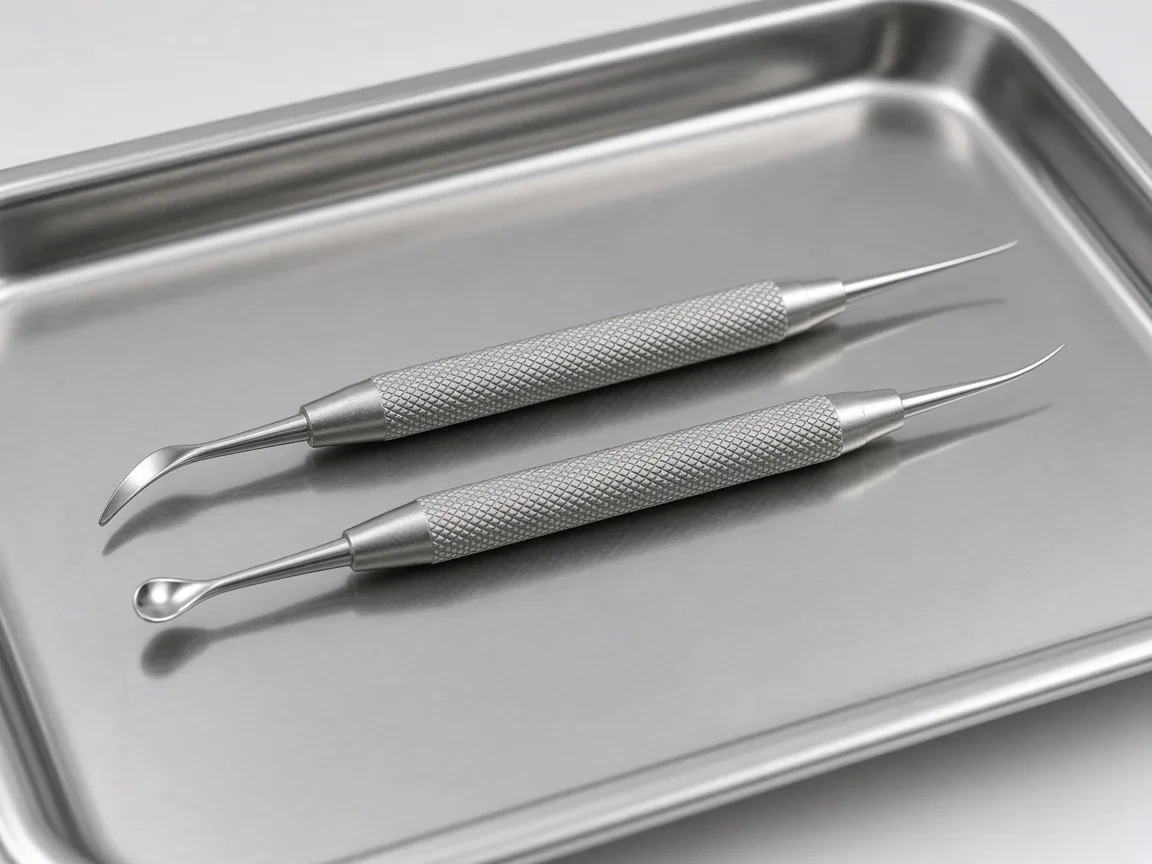
Dental Carvers: How to Choose
How to choose a dental carver: Ward, Hollenback, discoid-cleoid, and IPC, plus the PFI and Bliss that place composite.
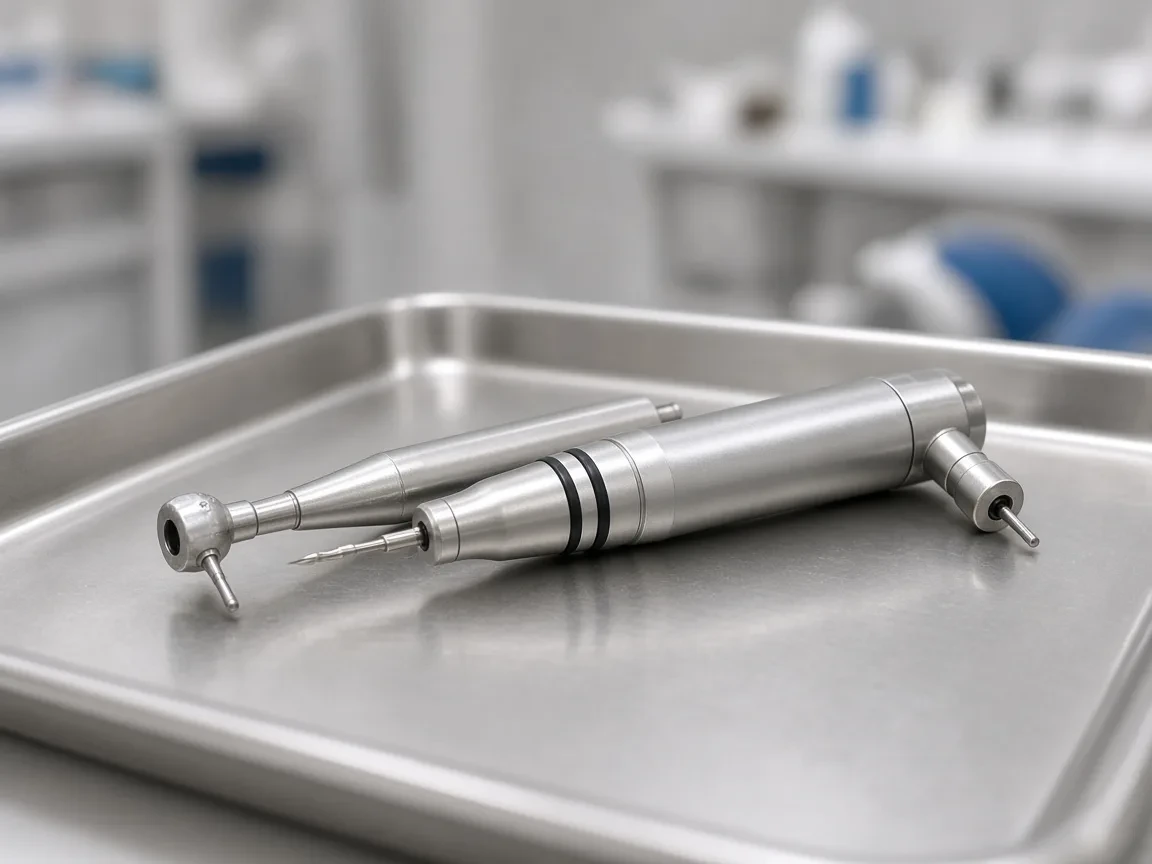
Dental Handpieces: How to Choose
How to choose a dental handpiece: air versus electric, high-speed versus low-speed, and how W&H, NSK, Morita, and Midwest differ.
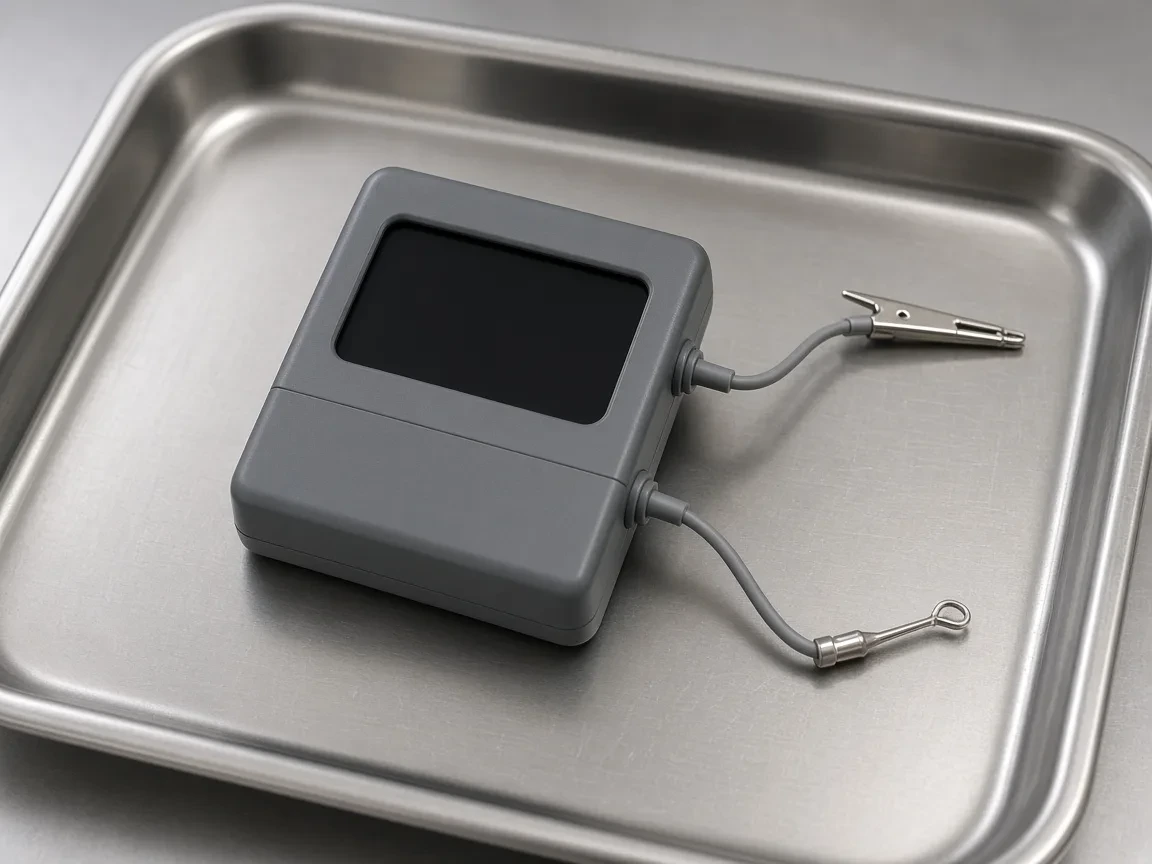
Dental Apex Locators: How to Choose
How to choose an apex locator: a standalone unit or one built into the endo motor, and how Root ZX, Propex, Apex ID, and CanalPro differ.